
The best time to prune lavender plants for optimal growth is in early spring, just before new growth begins. This timing helps rejuvenate the plant, encouraging lush blooms and healthy foliage throughout the growing season.
Understanding Lavender Plants
Lavender is one of my favorite plants to cultivate in the garden. Its soothing aroma, vibrant purple flowers, and ability to thrive in various conditions make it a popular choice among gardeners. However, to truly enjoy the benefits of lavender, it’s essential to understand its nature and growth habits. Let’s delve into the fascinating world of lavender plants. Read Interesting article: How to Grow Lavender Plants Successfully (Full Guide)
Types of Lavender
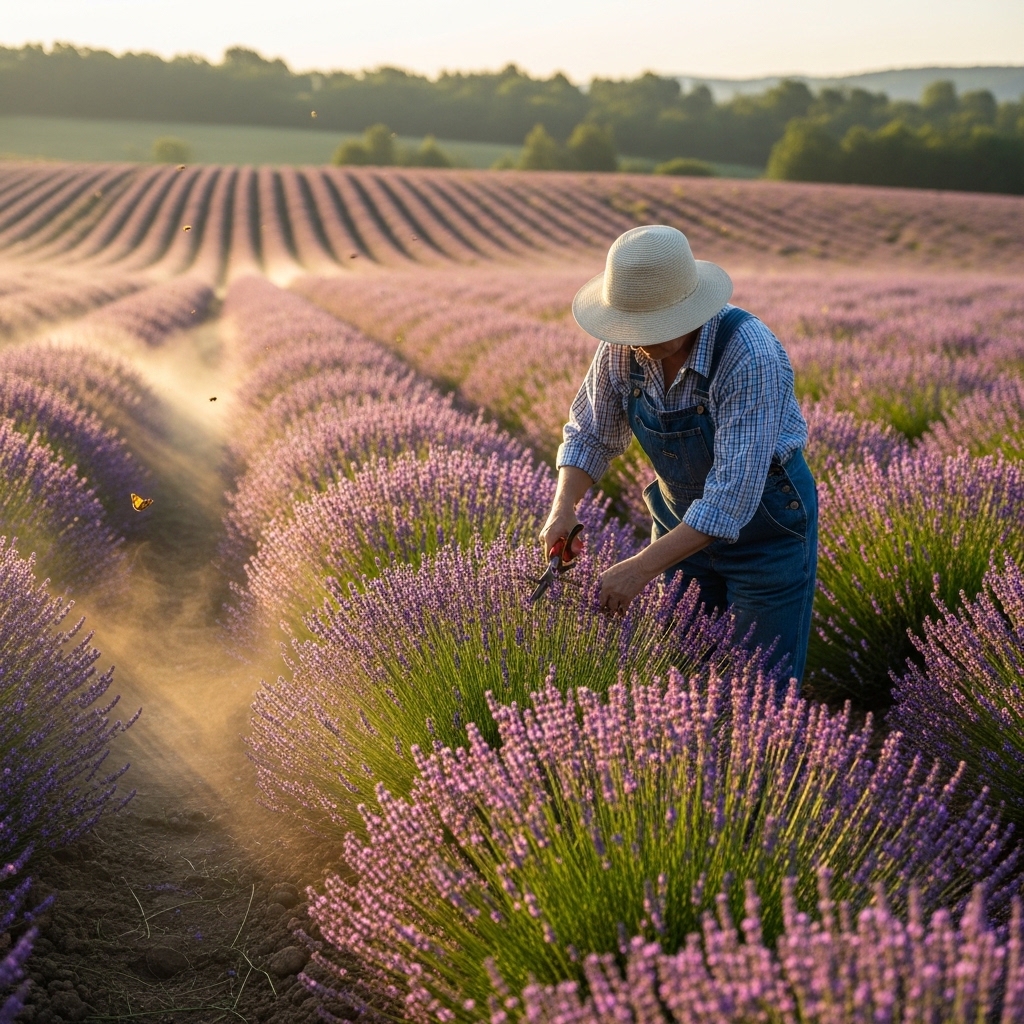
There are several varieties of lavender, each with unique characteristics that can influence how and when to prune them. The most common types include:
- English Lavender (Lavandula angustifolia): This is the most well-known type, cherished for its fragrance and hardiness. It typically grows in a compact shape, making it ideal for smaller gardens.
- French Lavender (Lavandula dentata): Known for its distinctive serrated leaves and a longer blooming season, French lavender has a more open growth habit.
- Spanish Lavender (Lavandula stoechas): This variety features unique flower heads that resemble bunny ears and is known for its vibrant colors.
Understanding which variety you have is crucial for successful pruning, as different types may have slightly different requirements for care and maintenance.
Growth Habits and Lifespan
Lavender plants typically grow between 1 to 3 feet high, depending on the variety, and can live for several years with proper care. They thrive in well-drained soil and plenty of sunlight. In my experience, I’ve found that lavender plants prefer a little neglect—overwatering or too much fertilizer can lead to problems. They naturally grow low to the ground, forming woody stems at their base over time. If left unpruned, these woody stems can become overly dense, leading to poor air circulation and reduced flower production.
Proper pruning not only encourages healthy growth but also extends the lifespan of the plant. I’ve seen some of my lavender plants flourish for over a decade with the right care. By understanding their growth habits, we can tailor our pruning practices to promote thriving plants that produce the lush blooms we all love. Read Interesting article: Where to Buy Lavender Plants (Best Places)
Why Pruning is Important for Lavender
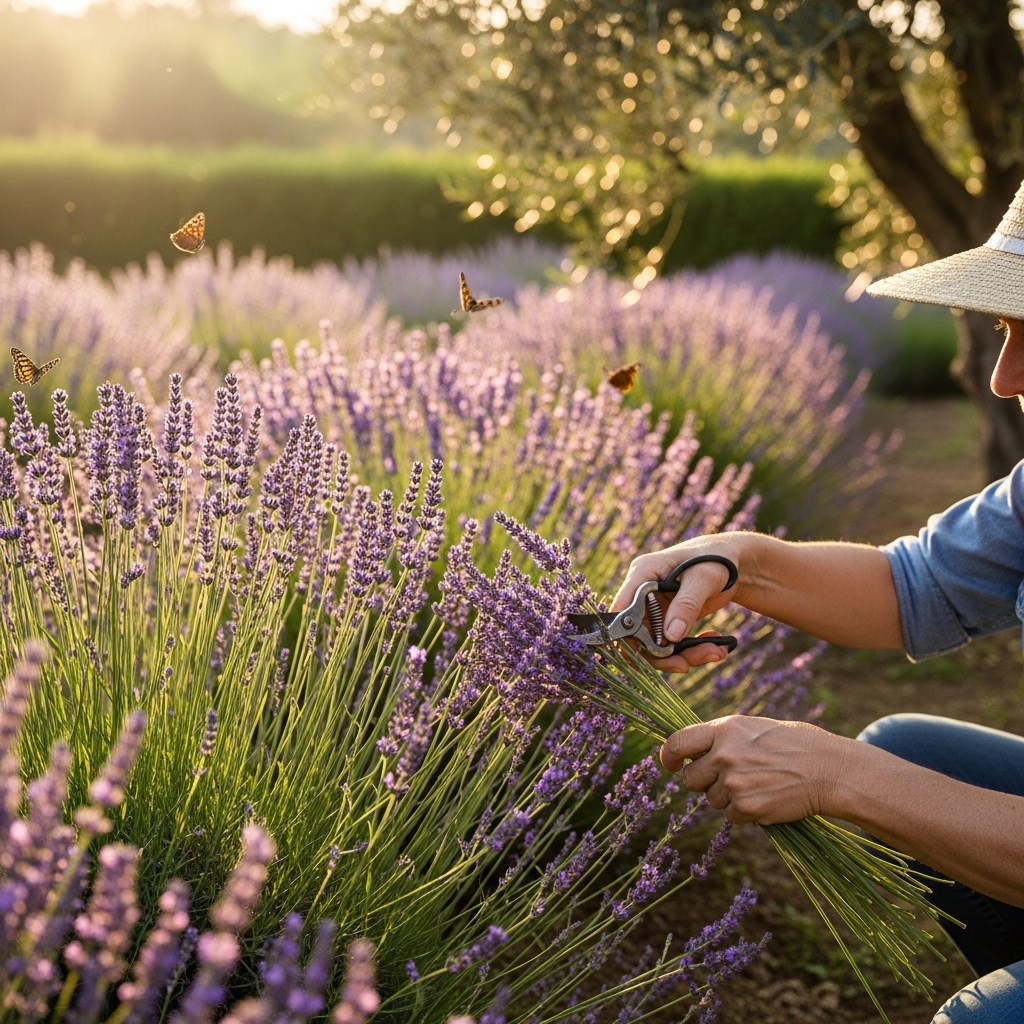
Pruning lavender is not just about aesthetics; it plays a vital role in the overall health of the plant. I remember when I first started gardening, I was hesitant to prune my lavender because I feared damaging it. However, I quickly learned how beneficial it can be. Here are some reasons why pruning is essential.
Encouraging New Growth
One of the main reasons to prune lavender is to encourage new growth. When we cut back the old stems, it allows the plant to direct its energy toward producing fresh shoots. I’ve noticed that my lavender blooms more profusely after a good pruning session. In the spring, when you prune just above the woody stems, it stimulates new, vibrant growth that will soon burst into beautiful flowers.
Preventing Disease and Pests
Another significant benefit of pruning is that it helps prevent diseases and pest infestations. When lavender plants become too dense, they can trap moisture, which creates a perfect environment for mold and rot. I’ve had my share of struggles with diseases in my garden, and I can attest to the importance of good air circulation. By regularly pruning away dead or overcrowded stems, we can keep our lavender healthy and thriving.
Maintaining Shape and Size
Pruning is also crucial for maintaining the shape and size of lavender plants. Without regular trimming, they can become leggy and unruly. I’ve found that a well-shaped lavender plant not only looks better but is also easier to manage in the garden. Pruning helps to create a fuller, bushier appearance, which is often more desirable. It also keeps the plant within its designated space, preventing it from overtaking other plants in the garden.
As I learned more about lavender care, I realized that these benefits of pruning could greatly enhance my gardening experience. With proper pruning techniques, we can ensure that our lavender plants remain healthy, vibrant, and a joy to behold in our gardens for many years to come. The journey of growing lavender is one of patience and learning, and I’m excited to share more about timing and techniques in the upcoming sections.
Optimal Timing for Pruning Lavender
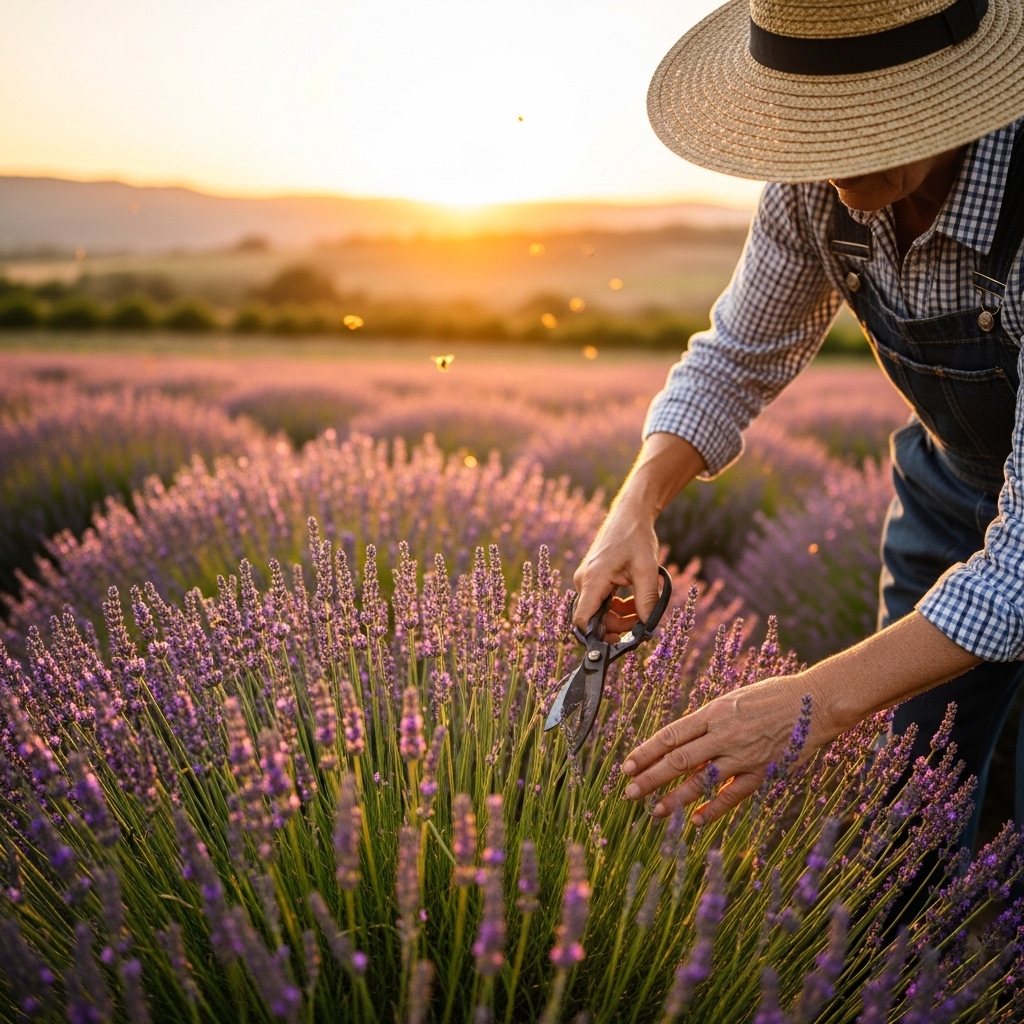
Timing is everything when it comes to pruning lavender. I’ve learned through experience that pruning at the right moment can set the stage for a healthy and vibrant plant. Let’s explore the best times to prune lavender, focusing on spring, summer, fall, and winter.
Spring Pruning: Timing and Techniques
Spring is undoubtedly the best time to prune lavender. As the weather warms up and the threat of frost diminishes, I usually find myself itching to get into my garden. I wait until I see new growth beginning—this is a sign that my lavender is ready to wake up from its winter slumber. Generally, I aim to prune in early to mid-spring, right before the buds start to form. This timing aligns perfectly with the plant’s natural growth cycle.
When I prune in spring, I focus on cutting back about one-third of the plant. I find it helpful to use sharp, clean shears to make precise cuts just above the woody stems. This not only encourages new growth but also keeps the plant looking tidy. It’s a great way to give lavender a fresh start, and I love watching it flourish as the season progresses.
Summer Pruning: When and How
While spring is the main pruning season, I’ve also found that light summer pruning can be beneficial. After the first bloom, usually around mid-summer, I like to check my lavender plants. If I see any spent flowers, I go ahead and deadhead them. This simple act not only keeps the plant looking neat but also encourages a second bloom later in the season. I’ve seen my lavender thrive after this quick trim, making the effort well worth it.
For summer pruning, I recommend using the same shears, but this time I’m more conservative. I only remove the flower spikes and slightly trim the tips of the foliage. This approach helps maintain shape without stressing the plant during peak growth. I’ve noticed that my lavender appreciates this little grooming, and it often rewards me with more blooms.
Fall and Winter Considerations
As fall rolls around, I’ve learned to be cautious with pruning. In my experience, it’s generally best to avoid heavy pruning at this time. Instead, I focus on cleaning up any dead or damaged foliage. This not only helps keep my garden tidy but also reduces the risk of diseases over the winter months. I remember the first time I neglected this step; I found myself battling mold issues come spring.
When winter arrives, I refrain from any major pruning. I’ve found that lavender plants need that protective layer of foliage to shield them from harsh weather. Instead, I wait patiently until the spring thaw, ready to jump back into action as soon as the new growth begins to show.
Signs Your Lavender Needs Pruning

Knowing when to prune is as crucial as understanding how to prune. Through my gardening journey, I’ve become attuned to the signs that my lavender plants need some attention. Here are a few indicators that it’s time to grab my shears.
Overgrown Appearance
If I notice my lavender is starting to look unruly or overgrown, it’s a clear sign that it’s time for a trim. When the plant becomes too large, it can lose its compact shape, which is one of the things I love most about lavender. I typically see this happening in mid-summer, when the plants have fully matured. A quick pruning session helps re-establish that lovely form and encourages healthier growth.
Dead or Dying Stems
Another telltale sign is the appearance of dead or dying stems. I always keep an eye out for these, as they can detract from the overall health of the plant. If I spot any, I make sure to remove them promptly. This not only improves the plant’s aesthetics but also allows it to focus its energy on healthier growth. I remember the first time I let dead stems linger; the impact on my plant was noticeable, and it took a while to bounce back.
Poor Flower Production
Finally, if my lavender isn’t producing flowers as abundantly as it used to, I take it as a cue to prune. I’ve experienced this firsthand, especially with older plants. A good pruning can rejuvenate them, leading to a new burst of blooms. This is one of the most rewarding aspects of pruning, as it often results in a flurry of beautiful flowers that brighten my garden.
By staying attentive to these signs, I can keep my lavender plants in top shape, ensuring they remain healthy and vibrant throughout the growing season. It’s all part of the joy of gardening—learning, adapting, and nurturing our plants to thrive.
Pruning Techniques for Lavender
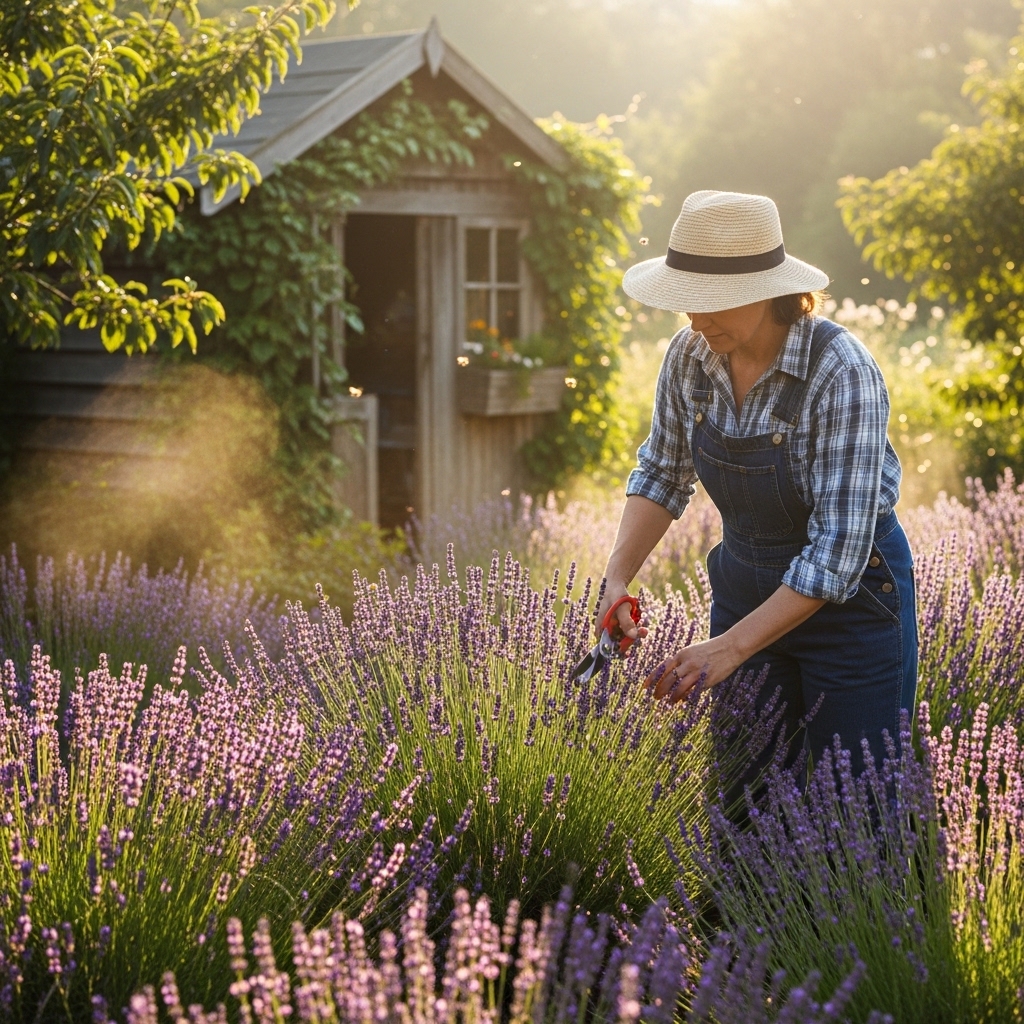
Now that we’ve explored the importance of pruning and when to do it, let’s dive into the actual techniques. I’ve learned that having the right approach can make all the difference in how well my lavender thrives after a trim. Here’s a breakdown of the tools I use, how I prune for the best results, and some common mistakes to avoid.
Tools You’ll Need
Before I start pruning, I make sure I have the right tools on hand. Having quality tools not only makes the job easier but also ensures that my lavender plants stay healthy. Here’s what I recommend:
- Sharp Pruning Shears: I can’t stress enough how important it is to use sharp, clean shears. Dull blades can crush the stems rather than make clean cuts, which can harm the plant.
- Gloves: Although lavender doesn’t have sharp thorns, I still wear gloves to protect my hands from any rough stems and to avoid any allergic reactions from the plant’s oils.
- Hand Trowel: This comes in handy if I need to dig around the base of the plant or remove any weeds that might be competing for nutrients.
- Ruler or Measuring Tape: If I want to be precise, especially for younger plants, having a measuring tool can help me determine how much to cut back.
Having these tools ready makes the pruning process smoother and more efficient. Trust me, it’s worth investing in good quality items that will last season after season.
How to Prune for Best Results
When it comes to the actual pruning process, I’ve developed a routine that works well for me. Here’s how I do it:
- Start with a Clean Slate: I like to cut away any dead or damaged foliage before I do my main pruning. This not only tidies up the plant but also allows me to see the healthier stems that need attention.
- Identify the Woody Stems: I focus on the base of the plant, where the woody stems start. I aim to cut about one-third of the plant back, making sure to leave enough green growth above the woody stems to encourage new shoots.
- Make Clean Cuts: With my sharp shears, I cut just above a leaf node or a pair of leaves. This encourages new growth to emerge from that point. I try to avoid cutting too low into the woody stems because that can damage the plant.
- Step Back and Assess: After my initial cuts, I take a step back to evaluate the shape of the plant. If it looks too uneven, I trim a bit more to maintain a rounded shape, which I find is most aesthetically pleasing.
By following these steps, I ensure that my lavender not only looks great but also has the best chance to thrive in the growing season ahead. Read Interesting article: How to Care for Lavender Plant (Complete Guide)
Common Mistakes to Avoid
Over the years, I’ve made my share of pruning blunders, and I’ve learned a lot from them. Here are some common mistakes to avoid:
- Pruning Too Late: One of the biggest mistakes I made was waiting too long into the growing season to prune. If you prune too late, you risk cutting into new growth that can affect flowering.
- Overdoing It: It’s tempting to cut back more than recommended, especially if the plant looks unruly. However, I’ve found that cutting too much can stress the plant and hinder its growth.
- Ignoring Watering Needs: After pruning, I sometimes forget to adjust my watering schedule. Pruned plants may need a bit more water to aid in recovery, so I always keep an eye on the soil moisture.
- Skipping Sanitation: I’ve learned the hard way that not cleaning my tools can lead to disease spread. Always disinfect your shears before and during use to keep your plants healthy.
By avoiding these common pitfalls, I find that my lavender plants respond positively to pruning, leading to a more fruitful and vibrant garden.
Post-Pruning Care for Lavender
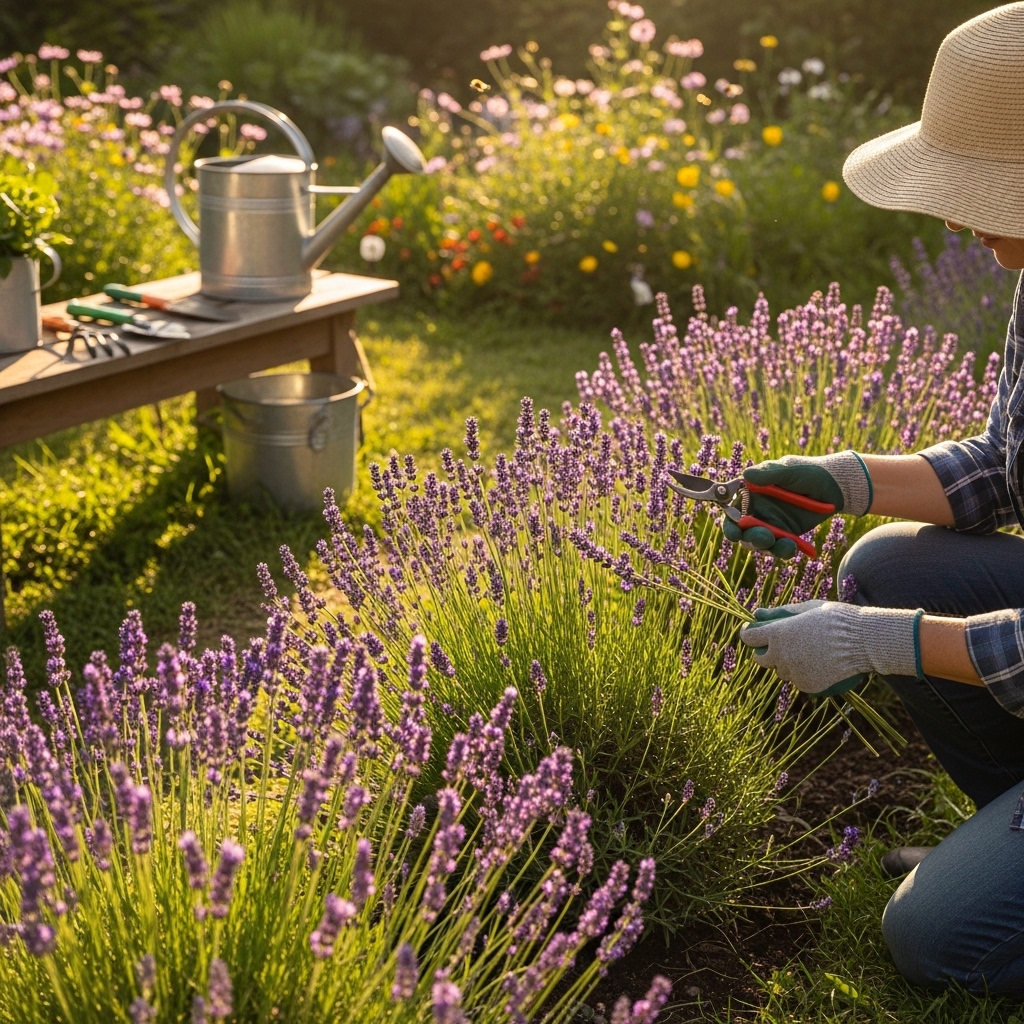
After I’ve finished my pruning session, I pay close attention to how I care for my lavender plants. I’ve realized that what I do immediately afterward can significantly impact their recovery and growth. Let’s explore some key aspects of post-pruning care.
Watering and Fertilizing After Pruning
Right after pruning, I like to give my lavender a good drink of water. It’s essential for helping the plant settle after the stress of cutting. I make sure to check the soil moisture; if it feels dry, I water it thoroughly but avoid making it soggy. Lavender prefers well-drained soil, so I’m mindful not to overdo it.
In terms of fertilizing, I usually wait a couple of weeks after pruning. I’ve found that a light application of a balanced fertilizer can provide a nice boost to help the new growth emerge. However, I’m careful not to over-fertilize, as this can lead to lush foliage at the expense of flowers.
Monitoring for Pests and Diseases
After pruning, I make it a point to keep an eye on my lavender plants for any signs of pests or diseases. I’ve learned that freshly pruned plants can sometimes be more vulnerable, so I check for any unusual spots or critters. Regularly inspecting my plants allows me to catch any issues early, preventing bigger problems down the line.
By giving my lavender the right care after pruning, I set the stage for a healthy and productive growing season. It’s all about nurturing the plant and being proactive in maintaining its health.
Frequently Asked Questions

What is the best time to prune lavender plants?
The best time to prune lavender plants for optimal growth is in early spring, just before new growth begins.
Why is pruning important for lavender?
Pruning is essential for encouraging new growth, preventing diseases and pests, and maintaining the shape and size of lavender plants.
What are the common types of lavender?
The most common types of lavender are English Lavender (Lavandula angustifolia), French Lavender (Lavandula dentata), and Spanish Lavender (Lavandula stoechas).
How much should I prune my lavender in spring?
In spring, you should aim to prune about one-third of the plant, cutting just above the woody stems to encourage new growth.
Can I prune lavender in summer?
Yes, light summer pruning can be beneficial. After the first bloom, you can deadhead spent flowers and slightly trim the tips of the foliage.
What should I avoid doing when pruning lavender in fall?
In fall, it’s generally best to avoid heavy pruning. Instead, focus on cleaning up any dead or damaged foliage to reduce the risk of diseases over winter.
What tools do I need for pruning lavender?
You will need sharp pruning shears, gloves, a hand trowel, and optionally a ruler or measuring tape for precise cuts.
What are some signs that my lavender needs pruning?
Signs that your lavender needs pruning include an overgrown appearance, dead or dying stems, and poor flower production.
What common mistakes should I avoid when pruning lavender?
Common mistakes to avoid include pruning too late, overdoing it by cutting too much, ignoring watering needs after pruning, and skipping tool sanitation.
How should I care for lavender after pruning?
After pruning, water the lavender thoroughly, monitor soil moisture, and keep an eye out for any signs of pests or diseases.