
Balsam fir trees can be purchased locally at garden centers, tree farms, and home improvement stores. Additionally, local farmers’ markets and seasonal pop-up tree lots often sell these popular Christmas trees during the holiday season.
Understanding Balsam Fir Trees
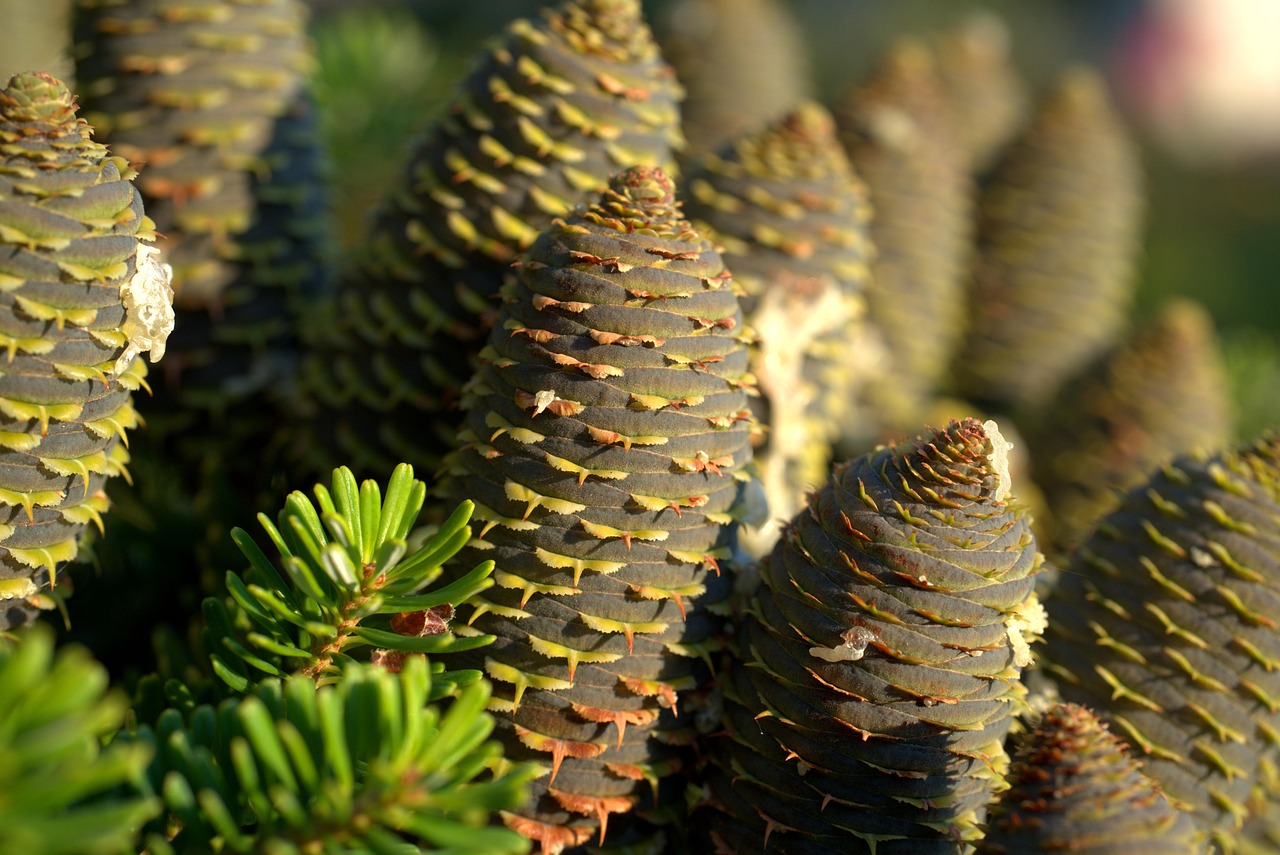
Balsam fir (Abies balsamea) is a popular evergreen tree known for its fragrant aroma and beautiful dark green needles. It is commonly used as a Christmas tree due to its attractive shape and longevity. The tree can grow up to 60 feet tall and has a pyramidal shape that adds a classic touch to any holiday decor.
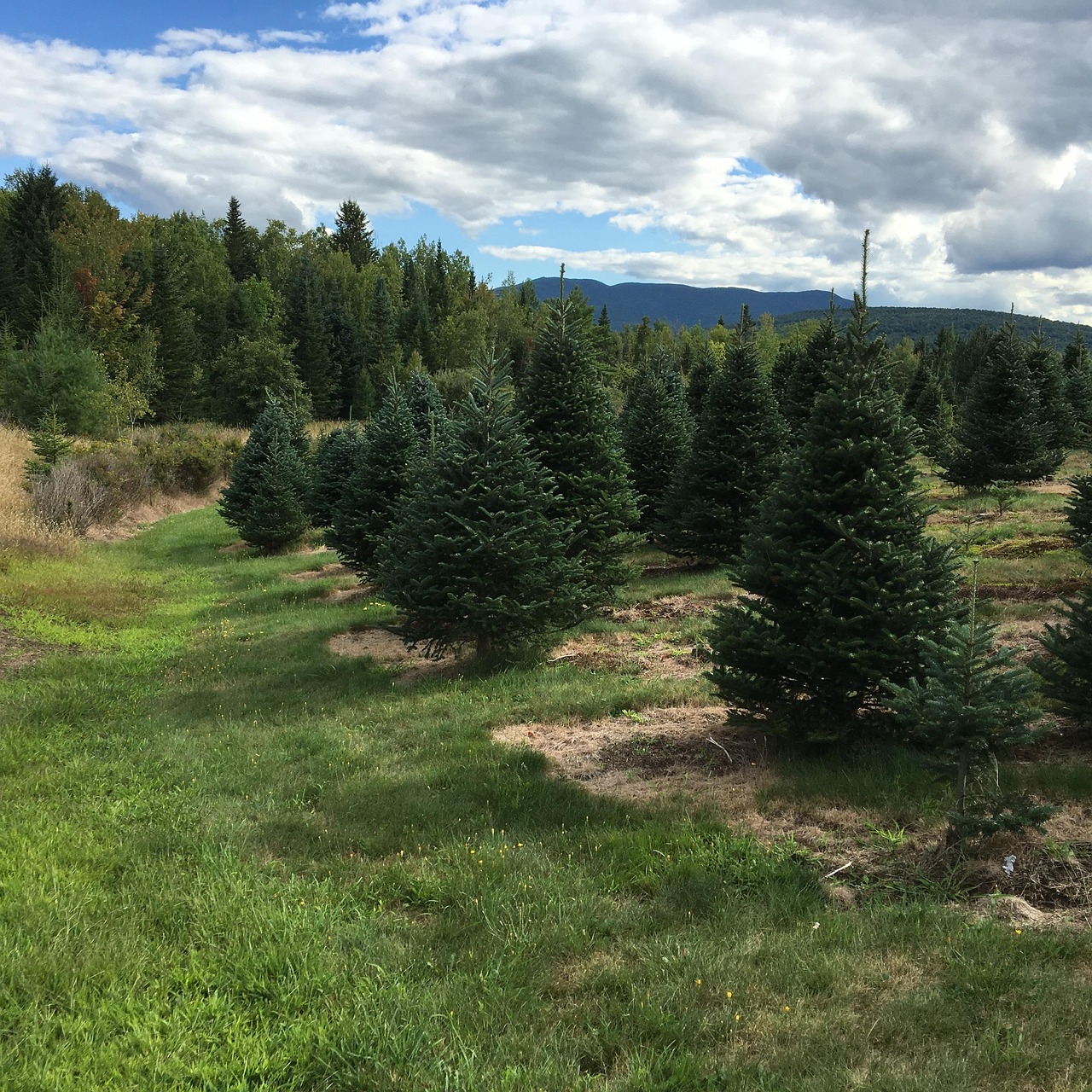
This species thrives in cooler climates, making it particularly popular in northern regions of the United States and Canada. Many people appreciate the balsam fir not only for its aesthetic appeal but also for its pleasant scent, which can enhance the holiday experience.
Before purchasing a balsam fir tree, it’s essential to consider factors such as size, freshness, and the purpose of the tree. Whether you are looking for a tree for decoration or landscaping, understanding your options will help you make an informed decision.
Where to Find Balsam Fir Trees
There are several places where you can find balsam fir trees locally. Here are some of the most common options:
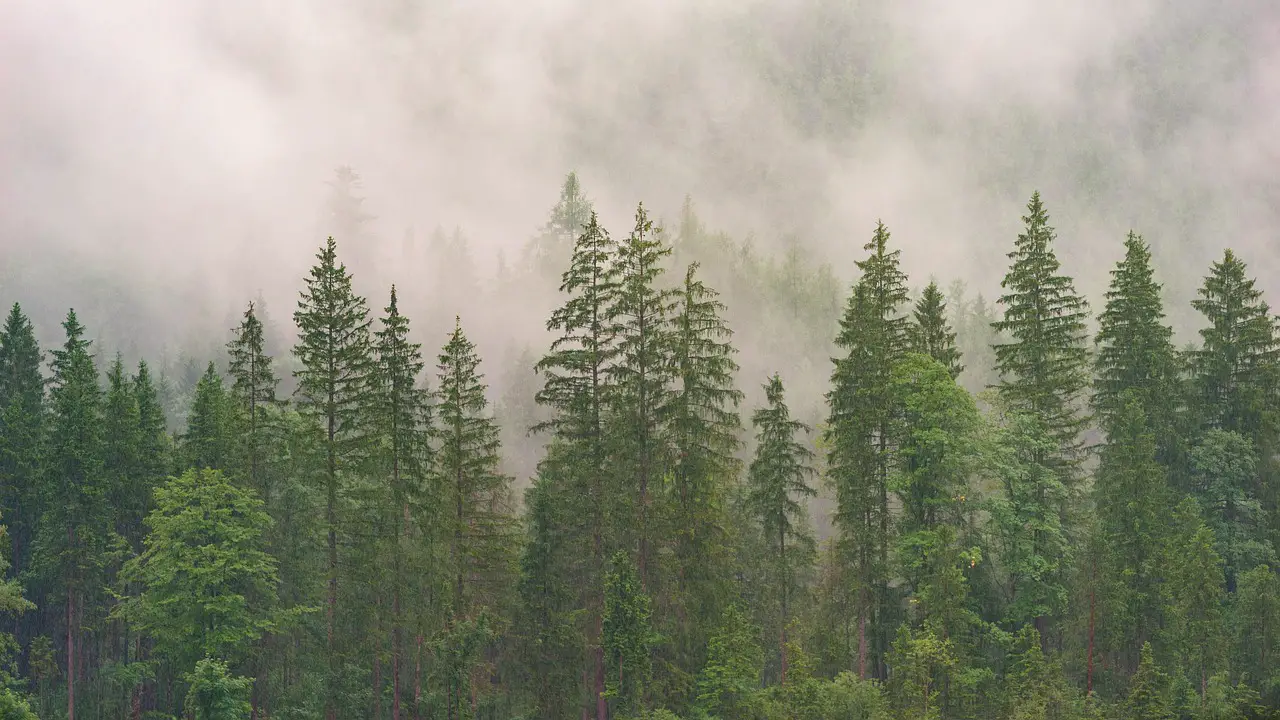
- Tree Farms: Visiting a local tree farm is one of the best ways to purchase a balsam fir. Many farms allow customers to choose and cut their own trees, ensuring freshness.
- Garden Centers: Local garden centers often carry balsam fir trees during the holiday season. These centers provide a variety of sizes and options for customers.
- Home Improvement Stores: Large retailers like Home Depot and Lowe’s frequently stock balsam fir trees around Christmas time. They offer convenience and competitive prices.
- Farmers’ Markets: Some farmers’ markets may feature local vendors selling balsam fir trees during the holiday season. This supports local agriculture while providing fresh options.
- Seasonal Lots: Pop-up tree lots often appear in neighborhoods during the holidays. These lots typically offer a selection of balsam firs alongside other types of Christmas trees.
Considerations When Purchasing
When planning to purchase a balsam fir tree, keep the following considerations in mind:
- Size: Measure the space where you will place the tree to ensure it fits comfortably. Balsam firs come in various sizes, so choose one that suits your needs.
- Freshness: Look for trees with vibrant green needles that do not fall off easily when touched. A fresh tree will last longer and maintain its scent.
- Price: Prices can vary significantly based on the size and location of purchase. Set a budget before shopping to avoid overspending.
- Delivery Options: Some retailers offer delivery services. If you are purchasing a large tree, consider whether you will need assistance getting it home.
The Benefits of Buying Locally
Purchasing a balsam fir tree locally comes with several advantages. Supporting local businesses helps strengthen your community’s economy. Moreover, local trees tend to be fresher than those transported long distances. This freshness means a longer-lasting tree with better fragrance and appearance.
Additionally, buying locally allows you to inspect the tree before purchasing. You can assess its health and quality, ensuring you select the best option for your home.
Popular Local Retailers
Here are some popular retailers known for selling balsam fir trees:
| Retailer | Location Type | Notes |
|---|---|---|
| Local Tree Farm | Farm | Select your own tree |
| Home Depot | Home Improvement Store | Wide selection available |
| Lowe’s | Home Improvement Store | Competitive pricing |
| Your Local Garden Center | Garden Center | Unique varieties |
| Farmers’ Market | Market | Supports local farms |
By exploring these options and considering important factors, you can find the perfect balsam fir tree for your home this holiday season.
The Best Times to Purchase Balsam Fir Trees
Timing is crucial when it comes to purchasing a balsam fir tree. Understanding the best times to buy can help you secure a fresh tree that will last through the holiday season.
Generally, the best time to purchase a balsam fir tree is in late November to early December. This period aligns with the start of the holiday season when demand peaks. Most retailers and farms begin stocking their trees around Thanksgiving, allowing customers to select from a wide variety.
Here are some specific timeframes to consider:
- Late November: Many tree farms open for business right after Thanksgiving. This is an excellent time to visit for fresh selections.
- Early December: Most garden centers and retailers will have their full inventory available during this time. It is a great opportunity to find the perfect tree before they sell out.
- Mid-December: If you wait until mid-December, you may find discounted trees as some retailers aim to clear their inventory. However, selection may be limited.
How to Select the Perfect Balsam Fir Tree
Selecting the right balsam fir tree involves more than just picking the tallest one. Here are essential tips to ensure you choose a healthy and attractive tree:
- Check the Needles: Fresh balsam fir trees should have soft, green needles that are not brittle or falling off. Gently tug on a few needles; if they come off easily, the tree may not be fresh.
- Inspect the Trunk: Look for a straight trunk that has few branches missing. A well-shaped trunk will support ornaments better and enhance the tree’s overall appearance.
- Smell the Aroma: Balsam firs are known for their distinctive scent. A strong fragrance indicates freshness and can enhance your holiday experience.
- Test for Freshness: Bounce the tree slightly on its trunk. If many needles fall off, it may be too dry. A fresh tree should lose very few needles.
Caring for Your Balsam Fir Tree
<pOnce you have selected your balsam fir tree, proper care will ensure it remains fresh throughout the holiday season. Here are some key care tips:
- Watering: Place your tree in a stand with plenty of water. Balsam fir trees can absorb a significant amount of water, especially in the first week after cutting.
- Avoid Heat Sources: Position your tree away from heat sources like radiators or fireplaces. Direct heat can dry out the needles quickly.
- Monitor Water Levels: Check the water level daily and refill as necessary. A fresh cut on the trunk will help with water absorption, so make sure to keep it submerged.
- Use Tree Preservatives: Consider using commercially available tree preservatives to prolong freshness. Follow the instructions on the label for best results.
Regional Differences in Availability
The availability of balsam fir trees can vary significantly based on your location. Here are some regional insights:
| Region | Availability | Popular Retailers |
|---|---|---|
| Northeast | High availability; many local farms | Local farms, Home Depot, Lowe’s |
| Southeast | Limited availability; often sourced from northern states | Big box stores, garden centers |
| Midwest | Good availability; local farms common | Local farms, hardware stores |
| West Coast | Moderate availability; may be less common | Niche garden centers, online retailers |
By understanding regional differences and planning your purchase carefully, you can find a beautiful balsam fir that enhances your holiday celebrations.
Seasonal Events and Festivals
Many communities host seasonal events and festivals that celebrate the holiday spirit. These events often feature balsam fir trees for sale and can be a fun way to engage with your local community while shopping for your tree.
- Christmas Tree Lighting Ceremonies: These events often include local vendors selling balsam fir trees and other holiday decorations.
- Holiday Markets: Many towns host holiday markets where local artisans sell crafts, food, and balsam fir trees.
- Pine Tree Festivals: Some regions have dedicated festivals celebrating pine trees, offering a chance to learn more about different varieties while purchasing trees directly from growers.
Participating in these events can enhance your experience while providing an opportunity to support local businesses and artisans.
Choosing the Right Size Balsam Fir Tree
When purchasing a balsam fir tree, size is an important consideration. The right size tree can significantly enhance your holiday decorations, while the wrong size may not fit well in your space. Here are some guidelines to help you choose the appropriate size for your tree.
Measuring Your Space
Before heading out to purchase a balsam fir tree, it is crucial to measure the area where you plan to place it. Here are some steps to follow:
- Height: Measure from the floor to the ceiling. Consider any overhead fixtures or decorations that may affect the height of your tree.
- Width: Measure the width of the space where the tree will be placed. Ensure there is adequate room for the tree’s base and branches.
- Clearance: Allow for extra clearance at the top and sides of the tree. A few inches of space will help avoid accidents with decorations and lights.
Standard Size Guidelines
Balsam fir trees come in various sizes, generally categorized as follows:
- Small (4-5 feet): Ideal for apartments or smaller rooms. Great for tabletop displays or children’s rooms.
- Medium (6-7 feet): A popular choice for average-sized living rooms, providing a classic holiday look.
- Tall (8-10 feet): Suitable for larger spaces with high ceilings, often used in grand holiday displays.
- Extra Tall (over 10 feet): Best for commercial spaces or grand homes with expansive areas. Requires careful consideration for transportation and setup.
Transporting Your Balsam Fir Tree
Once you have selected your balsam fir tree, transporting it home safely is essential to maintain its freshness. Here are some helpful tips for transporting your tree:
Preparation for Transport
- Wrap the Tree: Most retailers will wrap the tree in netting or twine for easy handling. If not, consider wrapping it yourself to protect the branches during transport.
- Secure the Tree in Your Vehicle: Ensure that the tree is securely placed in your vehicle. If using a car, place it on the roof rack if available, ensuring it is well secured with ropes or straps.
- Avoid Damage: Be cautious of low-hanging branches or obstacles while driving. Take slower routes if necessary to prevent damage to the tree and your vehicle.
Setting Up at Home
After arriving home, setting up your balsam fir tree properly is vital for its longevity. Follow these steps:
- Choose a Suitable Location: Find a spot away from direct sunlight and heat sources to keep the tree fresh longer.
- Cut the Base: If not already done, make a fresh cut on the trunk at an angle. This helps improve water absorption.
- Place in Water: Set up your tree in a sturdy stand that holds enough water. Fill it with water immediately after cutting.
Decorating Your Balsam Fir Tree
The decoration of your balsam fir can transform it into a festive centerpiece for your home. Here are some popular decorating ideas to consider:
Traditional Decorating Techniques
- Lights: Start by wrapping the tree with lights. Use clear or colored lights based on your theme.
- Garlands: Add garlands made of popcorn, cranberries, or beads for a traditional touch.
- Ornaments: Hang a variety of ornaments, from sentimental family heirlooms to handmade crafts, to add personal flair.
Themed Decorations
If you prefer a cohesive look, consider a themed decoration style. Some popular themes include:
- Nature-Inspired: Use elements like pinecones, burlap ribbons, and wooden ornaments to create an earthy feel.
- Vintage Charm: Incorporate antique ornaments and lace trimmings for a nostalgic look.
- Modern Elegance: Choose metallic accents and monochromatic colors for a sleek and contemporary design.
Balsam Fir Tree Care After Purchase
Caring for your balsam fir tree does not stop once it is set up and decorated. Ongoing care is essential to keep it looking fresh throughout the holiday season.
- Daily Watering: Check water levels daily and refill as necessary. A balsam fir can drink a lot of water during peak absorption times, especially in the first week.
- Avoid Overheating: Keep lights off when not in use to prevent overheating and drying out the tree.
- Check for Pests: Occasionally inspect your tree for any signs of pests or mold. If you notice anything unusual, take action immediately to prevent further issues.
By following these care guidelines, you can ensure that your balsam fir tree remains beautiful and fragrant throughout your holiday festivities.
Environmental Impact of Balsam Fir Trees
Purchasing a balsam fir tree is not just a seasonal decision; it also has environmental implications. Understanding these factors can enhance your appreciation for the tree and its role in sustainability.
Benefits of Live Trees
Opting for a live balsam fir tree supports the environment in several ways:
- Oxygen Production: Like all trees, balsam firs produce oxygen and help improve air quality. A live tree contributes positively to the environment.
- Carbon Sequestration: Trees absorb carbon dioxide, which helps combat climate change. By choosing a live tree, you support this natural process.
- Habitat for Wildlife: Balsam firs provide shelter and food for various wildlife species, contributing to biodiversity in your area.
Recycling Options
After the holidays, it is essential to consider what to do with your balsam fir tree. Many communities offer recycling programs that turn old trees into mulch or compost. Here are some recycling options:
- Curbside Pickup: Many local waste management services provide curbside pickup of Christmas trees during a designated time frame.
- Composting: Some municipalities have composting programs where residents can drop off their trees for composting.
- Natural Habitat Creation: In certain areas, organizations may use discarded trees to create habitats for wildlife or to prevent erosion in natural areas.
Cost Considerations
The cost of purchasing a balsam fir tree can vary significantly based on several factors, including size, location, and the retailer. Here are some considerations to keep in mind regarding pricing:
- Size Matters: Larger trees typically cost more than smaller ones. It’s essential to balance your budget with the desired size of the tree.
- Location: Prices may vary depending on your region. Urban areas may have higher prices due to increased demand and limited supply.
- Retailer Type: Local tree farms may offer competitive pricing compared to big box stores. Consider visiting multiple retailers to find the best deal.
Preparation for Next Year
If you enjoyed your balsam fir tree this year, consider how you can prepare for next Christmas. Here are some tips for planning ahead:
- Take Notes: After the season, jot down your thoughts about the specific tree you purchased. Note its size, appearance, and how well it held up, so you can make informed choices next year.
- Research Local Farms: Keep track of local tree farms or retailers that you liked. This will help streamline your search when you shop for your next tree.
- Plan Your Decorations: Consider what worked well in terms of decorations and what you might want to change. Planning ahead can save you time and effort next holiday season.
Final Thoughts
Purchasing a balsam fir tree locally can be a rewarding experience that enhances your holiday season. Understanding where to find these trees, how to care for them, and their environmental impact adds depth to the joy of having a live tree in your home.
By considering size, timing, transportation, and ongoing care, you can ensure a beautiful holiday display while supporting local businesses and the environment. Engaging in seasonal events and using recycling programs further enriches your experience as a responsible consumer.
This year, embrace the tradition of selecting a balsam fir tree that suits your style and space. Enjoy the festive spirit it brings while being mindful of its role in your community and the planet.
Whether you are a first-time buyer or a seasoned holiday decorator, the insights shared in this article will guide you through finding and caring for your perfect balsam fir tree. Happy holidays!