
Pineapple plants primarily grow in tropical and subtropical climates, where temperatures remain warm and conditions are humid. These unique plants thrive in regions that receive plenty of sunlight and have well-drained soil. Read Interesting article: How to Grow a Pineapple Plant From the Top Easily
Overview of Pineapple Plants
What is a Pineapple Plant?
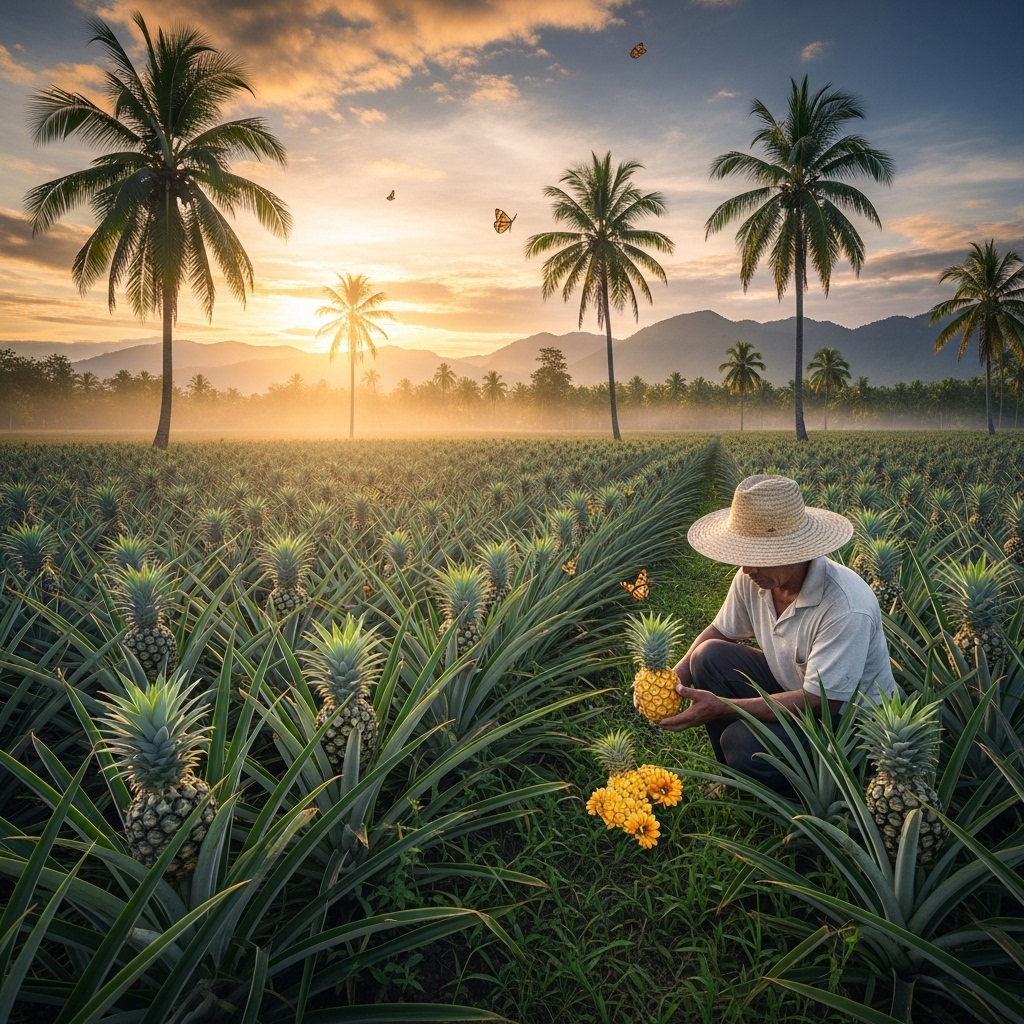
Pineapple plants are fascinating, tropical plants that produce the sweet and tangy fruit we all know and love. They belong to the Bromeliaceae family and are scientifically classified as Ananas comosus. What makes them interesting is not just their delicious fruit but also their unique growth habits. Pineapples grow from a central stalk, and strikingly, the fruits develop at the top of this stalk, surrounded by long, spiky leaves that can reach up to three feet in length. I remember the first time I saw a pineapple plant up close; it was a revelation to see how much the actual plant looks different from the fruit we buy in the store. Additionally, you can learn more about other plants in the May Apple Plant Guide: Benefits Uses & Identification.
Botanical Classification
In terms of botanical classification, the pineapple plant is a perennial herb, a fact that might surprise some. Unlike many other fruits that grow on trees, pineapples stay relatively low to the ground. The scientific name Ananas comosus comes from the Tupi-Guarani word “nanas,” meaning “excellent fruit.” I find it interesting how the name itself reflects the plant’s impressive nature. Pineapple plants have several varieties, with the most common being the Smooth Cayenne, known for its sweetness and juiciness. Exploring this classification helps us appreciate why they flourish in specific environments and how they differ from other fruits.
Ideal Climate for Pineapple Growth
Temperature Requirements
The ideal temperature for growing pineapples ranges between 65°F and 95°F (18°C to 35°C). They are truly sensitive to temperature fluctuations, which I’ve learned can significantly impact their growth. If temperatures dip below 60°F (15°C), the plants can become stressed, and growth will slow down. I recall visiting a farm in Costa Rica, where the warm temperatures seemed to energize the plants, leading to abundant fruit production. The local farmers explained how they closely monitor the weather, especially during cooler periods, to ensure the plants remain healthy.
Humidity Levels
Pineapples also thrive in humid conditions, with ideal humidity levels around 60% to 70%. High humidity helps the plants maintain moisture, which is crucial for their growth. I remember a day spent in a pineapple plantation; the air was thick with humidity, and it felt almost tropical. The lush greenery and vibrant fruits were a testament to how well the plants adapt to such climates. If the environment is too dry, the plants can suffer, leading to poor growth and even reduced fruit quality. This balance of humidity is something that farmers pay close attention to, as it directly affects their harvest.
Sunlight Exposure
Sunlight is another critical factor. Pineapple plants require full sun, ideally getting at least six to eight hours of direct sunlight daily. I’ve always been amazed at how much light these plants need to produce their sweet fruits. During my visits to pineapple farms, I noticed the rows of plants stretching out under the sun, thriving in that bright environment. Lack of sunlight can hinder growth and lead to smaller, less flavorful fruits. Farmers often position their crops to maximize sunlight exposure, ensuring their plants get the best possible conditions to flourish. Read Interesting article: How to Grow a Plant From a Pineapple (Easy Guide)
Regions Where Pineapples Thrive
Tropical Regions
Pineapples are most commonly found in tropical regions. These areas, characterized by warm temperatures and high humidity, create the perfect environment for pineapple cultivation. I think about my travels to places like Hawaii and Costa Rica, where the landscape is dotted with pineapple fields, and the air is filled with the sweet scent of ripe fruit. The consistent climate in these tropical zones contributes to steady growth and allows for multiple harvests throughout the year.
Subtropical Regions
Interestingly, pineapples can also grow in subtropical regions, albeit with some limitations. These areas can experience cooler temperatures, which may affect the growth cycle. However, I’ve seen how dedicated farmers in subtropical climates use techniques to create microclimates that help their pineapple plants thrive. They may employ greenhouses or protective coverings that shield the plants from cold spells, ensuring that they can still produce fruit. It’s inspiring to see how adaptable these farmers are in making the best of their environment.
Countries Known for Pineapple Production
Several countries are renowned for their pineapple production, each contributing to the global supply of this delicious fruit. During my research, I found that while many tropical countries grow pineapples, a few stand out for their significant contributions.
Hawaii
Hawaii has long been known as a premier pineapple-producing region. The unique volcanic soil and the warm, moist climate create an ideal environment for growing high-quality pineapples. I remember tasting fresh Hawaiian pineapple straight from a farm; it was incredibly sweet and juicy, unlike anything I’d had before. The islands’ pineapple industry has a rich history, and even today, it remains a key part of Hawaii’s agriculture.
Costa Rica
Costa Rica is another major player in pineapple production. The country has become a leading exporter, thanks to its favorable climate and advanced farming techniques. I was amazed to learn about the scale of pineapple farming there. The farms are expansive, and I saw how they utilize sustainable practices to maintain their crops. The pineapples from Costa Rica are known for their excellent quality, making them a favorite in international markets.
Philippines
The Philippines also boasts a significant pineapple industry, with farms primarily located in the southern regions. The country’s warm tropical climate and fertile soil contribute to its thriving pineapple cultivation. I had the opportunity to visit a pineapple plantation there, and it was fascinating to see the local farmers working diligently to ensure high yields. The pineapples from the Philippines are often considered some of the best in Asia.
Thailand
Thailand is another important country for pineapple production, particularly for its canned pineapple exports. The warm climate allows for year-round cultivation, and I found it interesting how Thai farmers often engage in multiple cropping systems to maximize productivity. I enjoyed tasting the local pineapple dishes, which highlighted the versatility of this fruit in Thai cuisine.
Brazil
Brazil rounds out the list of top pineapple-producing countries, with its abundant land and suitable climate. Brazilian pineapples are often seen in international markets, and I’ve noticed that they come in various sizes and varieties. The diversity of pineapples produced in Brazil intrigued me, as it reflects the country’s agricultural richness.
Growing Pineapples: Soil and Water Needs
Soil Type and pH Levels
When it comes to growing pineapples, the type of soil plays a crucial role in their development. I’ve learned that these plants prefer sandy, well-drained soils that allow excess water to escape easily. Pineapples are quite sensitive to waterlogged conditions, which can lead to root rot and other issues. During my visits to various farms, I observed how farmers carefully selected their planting locations. They often test the soil to ensure it has the right balance. I remember one farmer explaining to me that the ideal pH level for pineapples is between 4.5 and 6.5. This slightly acidic range helps the plants absorb nutrients effectively. It’s fascinating to think about all the factors that contribute to a healthy crop!
Irrigation Practices
Watering is another essential aspect of pineapple cultivation. Initially, I thought these plants would need a lot of water, but I quickly learned that they are quite efficient in their water usage. Pineapples require a consistent water supply, especially during their growing period. I’ve seen farmers use drip irrigation systems to provide the plants with just the right amount of moisture without overdoing it. This method not only conserves water but also minimizes the risk of fungal diseases caused by excessive wetness. I remember watching a farmer as he explained how he schedules irrigation based on rainfall patterns and soil moisture levels, ensuring that his crops receive optimal hydration. It’s a delicate balance but critical for producing sweet, juicy pineapples.
Challenges in Pineapple Cultivation
Pests and Diseases
Despite the delicious rewards, growing pineapples isn’t without its challenges. I’ve heard from many farmers about the pests and diseases that can threaten their crops. One of the most common pests is the pineapple mealybug, which can suck the sap from the plants and stunt their growth. I remember visiting a farm where the owner showed me how he uses natural predators to control these pests, rather than relying solely on chemical pesticides. It was inspiring to see this sustainable approach in action. Additionally, diseases like fusarium wilt can pose significant risks, leading to crop losses. Farmers often rotate their crops and implement strict sanitation measures to minimize these risks, demonstrating their commitment to maintaining healthy plants.
Climate Change Impacts
I’ve become increasingly aware of how climate change is affecting pineapple cultivation. Changes in temperature and weather patterns can disrupt the delicate balance that these plants rely on. I spoke with a farmer in Costa Rica who mentioned that erratic rainfall patterns have made it difficult to predict irrigation needs. It’s concerning to see how rising temperatures might affect the quality and yield of pineapples. Farmers are adapting by researching and experimenting with heat-resistant varieties and improved irrigation systems. I find it hopeful that there are proactive steps being taken to address these challenges, ensuring that we can continue to enjoy this beloved fruit even in the face of climate uncertainties.
Harvesting and Processing Pineapples
When to Harvest
Harvesting pineapples is a meticulous job that requires careful timing. I’ve learned that these fruits don’t ripen significantly after being picked, so knowing when to harvest is crucial for optimal flavor and sweetness. Typically, pineapples are ready for harvest about 18 to 24 months after planting, depending on the variety and growing conditions. During my time on a pineapple farm, I remember the excitement of seeing the bright, golden fruits ready to be picked. The farmers would look for specific signs, such as a change in color and the fruit’s fragrance, to determine the right moment. It’s a bit of an art, and I admire the expertise it takes to know precisely when to gather the fruit.
Post-Harvest Processing Techniques
Once harvested, pineapples undergo a series of post-harvest processing steps to ensure they reach consumers in the best condition. I was amazed to see how quickly the harvested fruits were transported to processing facilities. There, they are washed, sorted, and packaged. I learned that maintaining proper temperature and hygiene during this processing is vital to preserve freshness. In many cases, the pineapples are quickly cooled to prevent spoilage. I’ve tasted fresh pineapples straight from the farm and ones that underwent processing, and there is a noticeable difference in flavor and texture. Seeing how these practices protect the integrity of the fruit made me appreciate the journey it takes before it lands on our tables.
Global Pineapple Trade and Economy
Major Exporters and Importers
The global pineapple trade is quite significant, with several countries being key players in the market. I found it interesting how the dynamics of this trade can shift based on various factors, including climate, technology, and consumer demand. For instance, Costa Rica and the Philippines often top the lists of exporters, while the United States is one of the largest importers. I remember reading about how pineapple exports have grown over the years, driven by increased demand for fresh and processed pineapples. This trade not only supports local economies but also creates job opportunities in farming, processing, and distribution.
Market Trends in Pineapple Production
As I delved deeper into the pineapple market, I noticed some intriguing trends shaping the industry. The rise of organic farming is one trend that caught my eye. Consumers are becoming more health-conscious, leading to a demand for organic pineapples. I’ve seen farms adapting to this shift by implementing sustainable practices that minimize chemical use. Additionally, the popularity of ready-to-eat and convenience products, such as pre-cut pineapple, is on the rise. I remember visiting a market where vendors offered fresh pineapple slices, making it easy for busy consumers to enjoy this delicious fruit without any hassle. It’s exciting to see how the market evolves to meet the needs of consumers, and I believe that these trends will continue to impact pineapple production for years to come.
Future of Pineapple Cultivation
Innovations in Farming Techniques
The future of pineapple cultivation looks promising, thanks to various innovations in farming techniques. I’ve learned about advancements in agricultural technology, such as precision farming, which allows farmers to monitor and manage their crops more effectively. These technologies enable them to gather data on soil moisture, nutrient levels, and plant health, leading to more efficient resource usage. During a recent visit to a research farm, I was fascinated by how drones were being used to survey large fields, providing valuable insights that help optimize growth. It’s incredible to think about how technology is changing the agricultural landscape and the potential it holds for improving pineapple yields.
Sustainability Practices in Pineapple Farming
As awareness of environmental issues grows, sustainability practices in pineapple farming are becoming increasingly important. I’ve seen many farmers adopt eco-friendly methods, such as organic farming, crop rotation, and integrated pest management. I remember visiting a farm that utilized natural fertilizers and compost to nourish their crops, promoting healthy soil without harming the environment. It’s heartening to see the commitment to sustainability in the pineapple industry, as it not only benefits the farmers but also the consumers and the planet. I believe that as more farmers embrace these practices, we can look forward to a future where pineapple cultivation is both productive and environmentally responsible.
Frequently Asked Questions
What climate conditions are ideal for growing pineapple plants?
Pineapple plants thrive in tropical and subtropical climates with warm temperatures, high humidity, and plenty of sunlight. The ideal temperature range for growing pineapples is between 65°F and 95°F (18°C to 35°C).
What type of soil is best for pineapple cultivation?
Pineapples prefer sandy, well-drained soils that allow excess water to escape easily. The ideal pH level for pineapples is between 4.5 and 6.5, which helps the plants absorb nutrients effectively.
How much sunlight do pineapple plants need?
Pineapple plants require full sun and ideally need at least six to eight hours of direct sunlight daily to produce healthy and flavorful fruits.
Where are the main countries known for pineapple production?
Key pineapple-producing countries include Hawaii, Costa Rica, the Philippines, Thailand, and Brazil, each contributing significantly to the global supply of pineapples.
What are some common pests and diseases that affect pineapple plants?
Common pests include the pineapple mealybug, which can stunt growth by sucking sap from the plants. Diseases like fusarium wilt can also pose significant risks, leading to crop losses.
What irrigation practices are effective for growing pineapples?
Pineapples require a consistent water supply, especially during their growing period. Farmers often use drip irrigation systems to provide the right amount of moisture without overwatering the plants.
How long does it typically take for pineapples to be ready for harvest?
Pineapples are generally ready for harvest about 18 to 24 months after planting, depending on the variety and growing conditions.
What post-harvest processing steps do pineapples undergo?
Once harvested, pineapples are washed, sorted, and packaged. Maintaining proper temperature and hygiene during processing is vital to preserve freshness and prevent spoilage.
What market trends are currently influencing pineapple production?
Current trends include a rise in organic farming due to increased consumer demand for health-conscious products, and the popularity of ready-to-eat convenience items like pre-cut pineapple.
How is technology impacting the future of pineapple cultivation?
Innovations such as precision farming and the use of drones for field surveys are improving crop management and resource usage, leading to more efficient and productive pineapple farming practices.