
The best places to buy hydrangea plants include local nurseries, online retailers, home improvement stores, and farmers’ markets. Each option offers unique benefits, so it’s essential to consider factors like variety and plant health when making a purchase. For more insights on where to find plants, check out Where to Buy Plants: Best Online & Local Options.
Understanding Hydrangea Plants
Hydrangeas are among the most beloved flowering shrubs for gardens, and it’s easy to see why. With their lush blooms and ability to adapt to different garden settings, they add charm and beauty to any landscape. I remember the first time I laid eyes on a hydrangea in full bloom; the vibrant colors and sheer size of the flowers took my breath away. Over time, I’ve learned more about these plants, their care requirements, and the best places to find them.
Types of Hydrangeas
Before diving into where to buy hydrangea plants, it’s helpful to know the different types available. Understanding the types can guide your purchase and ensure you choose the best fit for your garden. There are several popular varieties of hydrangeas, each with unique characteristics:
- Hydrangea macrophylla (Bigleaf Hydrangea): These are the classic hydrangeas with large, round flower heads. They thrive in partial shade and are known for their color-changing ability based on soil pH.
- Hydrangea paniculata (Panicle Hydrangea): With conical flower clusters that bloom in late summer, these hydrangeas are hardy and can tolerate full sun. They are great for larger gardens.
- Hydrangea arborenscens (Smooth Hydrangea): Known for their creamy white blooms and sturdy stems, these hydrangeas are perfect for beginners as they are easy to care for.
- Hydrangea quercifolia (Oakleaf Hydrangea): With unique oak-shaped leaves and stunning fall color, these hydrangeas add interest throughout the seasons.
- Hydrangea serrata (Mountain Hydrangea): These are smaller and more delicate than their bigleaf cousins and are perfect for smaller gardens or containers.
By knowing the types, we can ensure we’re buying the right hydrangea that will thrive in our gardening conditions.
Growing Conditions and Care
I’ve learned that hydrangeas aren’t just beautiful; they also have specific growing conditions and care requirements that can make or break their success in our gardens. Here are a few essential tips I’ve gathered over the years:
- Soil: Hydrangeas prefer well-drained soil rich in organic matter. I often mix compost into my garden beds to give them a nutritious boost.
- Watering: These plants thrive on moisture, especially during the hot summer months. I try to water them deeply once a week, rather than lightly every day, to encourage deep root growth.
- Sunlight: Most hydrangeas enjoy partial shade, especially in hotter climates. I’ve noticed that mine bloom better when they get morning sun and afternoon shade.
- Pruning: Different types of hydrangeas have varied pruning needs. I learned that bigleaf hydrangeas bloom on old wood, so I wait to prune them until after they bloom in the summer.
Proper care can really make a difference in how well hydrangeas flourish. These tips are essential as we prepare to find the perfect plants for our gardens.
Best Places to Buy Hydrangea Plants
Now that we have a better understanding of hydrangeas and their needs, let’s explore the best places to buy these gorgeous plants. I’ve shopped at various locations and found specific pros and cons to each option.
Local Nurseries and Garden Centers
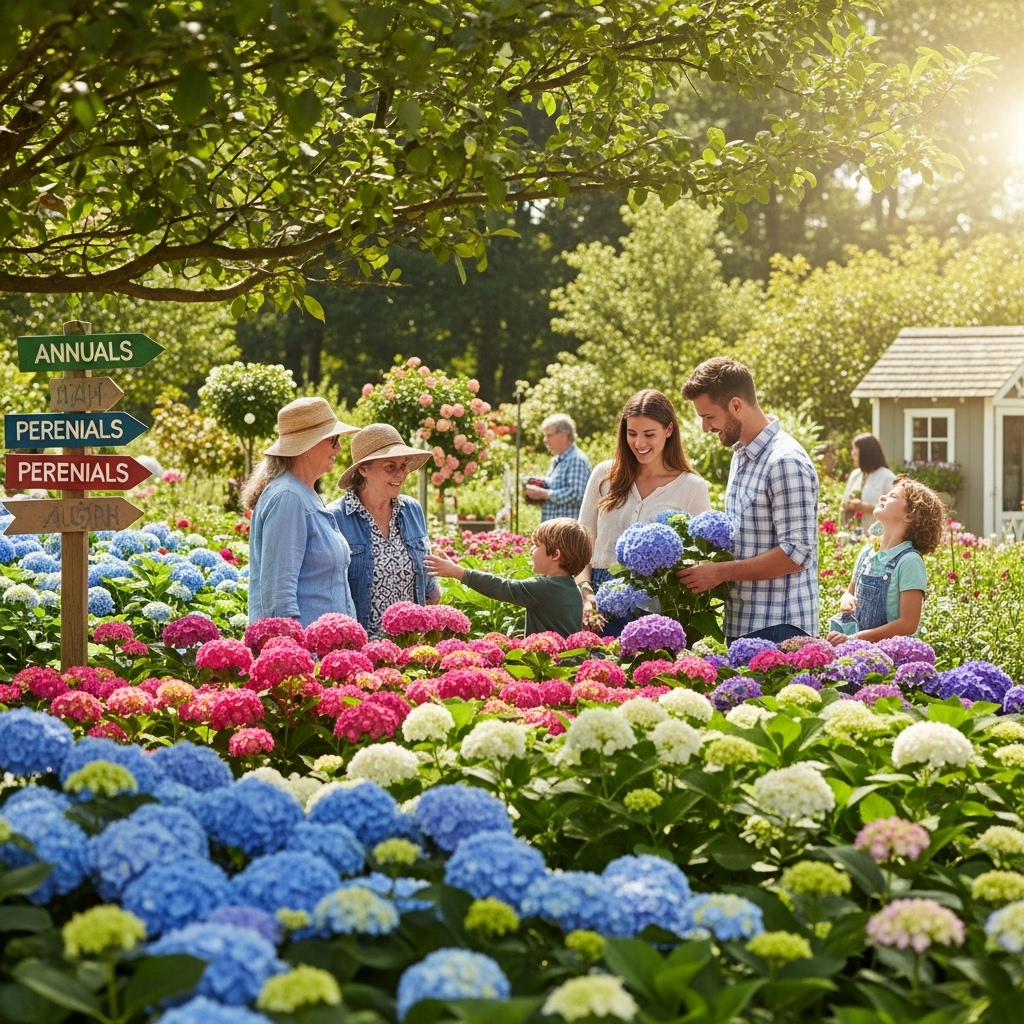
One of my favorite places to buy hydrangeas is at local nurseries and garden centers. The experience of walking through rows of vibrant plants and talking to knowledgeable staff can’t be beaten. I love being able to see the plants in person before bringing them home. Many local nurseries have a great selection of unique varieties that you might not find elsewhere. I once discovered a stunning variety of oakleaf hydrangea in a small nursery that I had never seen in larger stores.
Additionally, the staff at these nurseries are usually very knowledgeable and can provide valuable advice on which hydrangea will thrive in your specific conditions. I’ve found that asking them questions about care and maintenance can lead to great recommendations. For more tips on where to find plants, consider reading Where to Buy Plants: Best Online & Local Options.
Online Retailers
In our digital age, buying hydrangeas online has become an increasingly popular option. I’ve ordered plants from various online retailers and have had mixed experiences. The convenience of browsing a vast selection from home is a definite perk. Websites like Amazon, Etsy, and specialized plant retailers often carry many hydrangea varieties. However, I always recommend checking customer reviews and ratings before purchasing, as the quality can vary widely.
Another consideration is shipping. Hydrangeas are delicate plants, and I’ve had some arrive in less-than-ideal condition. Ensuring the retailer uses proper packaging is essential. I’ve learned the hard way to order hydrangeas during the right season to minimize stress on the plants during transport.
Home Improvement Stores
Home improvement stores such as Home Depot and Lowe’s typically carry a selection of hydrangeas in the spring and summer. I’ve found it convenient to pick up plants while I’m shopping for other home improvement items. The prices at these stores are usually competitive, and they often have sales or discounts.
While the selection may not be as unique as local nurseries, I’ve noticed that these stores often carry popular varieties that are great for beginners. Just be sure to check the health of the plants—you want to avoid any that look wilted or diseased.
Farmers’ Markets and Plant Sales
Farmers’ markets often feature local growers selling a variety of plants, including hydrangeas. I love visiting these markets not just for the fresh produce but also for the opportunity to find local plants. Buying from local growers means the plants are often well-suited for the climate in my area, and I get to support small businesses.
Additionally, community plant sales can be a great resource for finding hydrangeas. I’ve attended sales organized by gardening clubs or local botanical gardens and discovered rare varieties at reasonable prices. Plus, it’s a wonderful way to connect with fellow gardening enthusiasts.
With this overview, we’ve explored the exciting world of hydrangeas and where to find them. Each location offers its advantages, so considering your preferences and needs is essential. In the next section, we’ll look at important factors to consider when buying hydrangeas.
Factors to Consider When Buying Hydrangeas
When it comes to buying hydrangeas, there are several factors to consider to ensure you select the right plants for your garden. I’ve made some mistakes in the past by overlooking these details, so I want to share what I’ve learned to help us make informed decisions.
Plant Health and Quality
The health and quality of the plant should be at the top of your list when buying hydrangeas. I’ve found that taking a little time to inspect the plants can save a lot of heartache later. Look for signs of vitality, such as healthy green leaves and strong stems. If I see any yellowing leaves, wilting, or signs of pests, I typically walk away. I once bought a beautiful hydrangea that looked healthy, but after a week, it started wilting and never recovered. Now, I always check the roots too; they should be firm and white, not brown or mushy.
Price and Budget
We all have budgets, and hydrangeas can vary in price quite a bit depending on where you buy them. I’ve noticed that local nurseries might charge more for unique varieties, but the quality often justifies the price. Home improvement stores usually have lower prices, which can be appealing, but it’s important to balance cost with quality. I’ve learned that sometimes spending a little more upfront on a healthy plant can save me money in the long run, as I won’t need to replace it. It’s worth deciding how much you’re willing to spend before you start shopping.
Seasonal Availability
Timing can significantly impact your hydrangea-buying experience. I’ve found that the best time to buy hydrangeas is during the spring and early summer when they’re in full bloom. This is when you can really appreciate their colors and sizes. However, I also learned that late summer and fall can be great times to find discounted plants that are still healthy but may not look their best. Just remember, if you buy in fall, they’ll need winter protection. Knowing the seasonal availability helps me plan my purchases better.
Variety Selection
Choosing the right variety of hydrangea is crucial. I’ve seen how different types can thrive or struggle based on their environment. Before I go shopping, I make a list of the varieties I’m interested in and consider their specific needs. For instance, I love the bigleaf hydrangeas for their vibrant blooms but know they require more attention to soil acidity. On the other hand, the panicle hydrangeas are more tolerant of my local climate. I recommend doing a bit of research on the varieties that suit your garden conditions and preferences before heading out to shop.
Tips for Successful Hydrangea Planting
Once we’ve found the perfect hydrangeas, the next step is planting them successfully. Over the years, I’ve picked up a few tips that have made my planting experience smoother and my plants happier.
Soil Preparation
Preparing the soil is one of the most important steps in planting hydrangeas. I always start by testing my soil; hydrangeas thrive in well-drained, nutrient-rich soil. I usually mix in compost and some peat moss to improve the texture and fertility. If the soil is too clayey or sandy, I adjust it accordingly. I remember when I planted my first hydrangeas without adequate soil prep, and they struggled to take root. Now, I take the time to make sure the soil is just right, and it pays off with healthier plants.
Watering Techniques
Watering hydrangeas correctly is key to their success. I’ve learned that these plants prefer deep watering rather than frequent light sprinklings. When I plant them, I make sure to give them a good soaking. After that, I usually check the soil moisture once a week. If it feels dry an inch below the surface, I water them thoroughly. During hot weather, I’ve found that they appreciate a little extra attention and may need more frequent watering. Just be careful—overwatering can lead to root rot, which I’ve unfortunately experienced in the past.
Sunlight Requirements
Sunlight plays a significant role in the health of hydrangeas. Most varieties thrive in partial shade, especially in warmer areas. I’ve noticed that my hydrangeas do best when they get morning sun and some afternoon shade. If I plant them in an area that gets too much direct sun, the flowers can fade quickly. It’s essential to consider your local climate and sunlight availability when deciding where to plant. I often spend a day observing the light patterns in my garden before making any planting decisions.
Frequently Asked Questions (FAQs)
When is the best time to buy Hydrangeas?
Finding the perfect time to buy hydrangeas can be a game-changer for your gardening experience. I’ve learned that spring and early summer are generally the best times to purchase these beautiful plants. During this period, they are typically in full bloom, allowing me to appreciate their colors and sizes fully. I remember strolling through my local nursery in late spring, mesmerized by the vibrant hues and lush foliage. It’s also a great time to see which varieties flourish in your area.
However, I’ve also found that late summer and fall can be excellent opportunities to find discounts on hydrangeas. While they might not look as pristine as in spring, many plants still retain their health and can thrive with proper care. I’ve picked up some fantastic deals during this time, just ensuring that if I buy them in fall, I’m prepared to give them some extra winter protection.
How do I choose the right Hydrangea variety for my garden?
Choosing the right hydrangea variety can be a bit overwhelming, especially given the stunning options available. From my experience, it helps to consider your garden’s specific conditions, like soil type, sunlight exposure, and climate. I often start by making a list of the varieties I’m interested in. I’ve found that bigleaf hydrangeas are beautiful and vibrant but require more attention to soil pH. If you’re in a warmer climate, panicle hydrangeas might be a better fit as they can tolerate more sun.
Additionally, I recommend visiting local nurseries to see the plants in person. The staff can offer insights into which varieties perform best in your area. I once asked about hydrangeas suited for my shady backyard and ended up with a gorgeous oakleaf hydrangea that has become a staple in my landscape. If you’re curious about other plants’ safety, you might want to read What Plants Are Poisonous to Cats? Full Safety List.
Can I buy Hydrangeas year-round?
While hydrangeas are most readily available in spring and early summer, I’ve noticed that they can be found year-round, especially through online retailers. However, I recommend being cautious with off-season purchases. Some nurseries and garden centers may have limited stock during fall and winter, and the plants might not be in their prime condition. I once ordered a hydrangea online in the winter, and although it arrived healthy, it took a while to adjust after being dormant for so long. If you’re determined to purchase during the off-season, check for reputable sellers who specialize in shipping dormant plants.
How do I transport Hydrangeas home safely?
Transporting hydrangeas home safely is essential to ensure they arrive in good condition. I remember one time I was so excited about my new plants that I didn’t secure them properly in my car, and they ended up tipping over during the ride. Now, I make sure to place them upright in my vehicle, preferably in the trunk or on the floor behind the front seats where they won’t be jostled around. If it’s a hot day, I cover them with a light cloth to protect them from the sun.
Additionally, I always bring some newspaper or cardboard to cushion the pots and prevent them from bumping into each other. If I’m buying multiple plants, I try to keep them in separate areas. Taking these precautions has saved me from having to replace plants that didn’t survive the trip home, and I recommend doing the same for an easier gardening journey.
Frequently Asked Questions
What are the best places to buy hydrangea plants?
The best places to buy hydrangea plants include local nurseries, online retailers, home improvement stores, and farmers’ markets. Each option has its unique benefits, so it’s essential to consider factors like variety and plant health when making a purchase.
What types of hydrangeas are available?
There are several popular varieties of hydrangeas, including Hydrangea macrophylla (Bigleaf Hydrangea), Hydrangea paniculata (Panicle Hydrangea), Hydrangea arborenscens (Smooth Hydrangea), Hydrangea quercifolia (Oakleaf Hydrangea), and Hydrangea serrata (Mountain Hydrangea).
What are the essential growing conditions for hydrangeas?
Hydrangeas prefer well-drained soil rich in organic matter, thrive on moisture, especially during hot months, enjoy partial shade, and have varied pruning needs based on their type.
When is the best time to buy hydrangeas?
The best time to buy hydrangeas is during spring and early summer when they are in full bloom. However, late summer and fall can also provide opportunities for discounted plants.
What factors should I consider when buying hydrangeas?
When buying hydrangeas, consider plant health and quality, price and budget, seasonal availability, and variety selection to ensure you select the right plants for your garden.
How can I ensure I choose the right hydrangea variety for my garden?
To choose the right hydrangea variety, consider your garden’s specific conditions like soil type, sunlight exposure, and local climate. Visiting local nurseries can also provide insights into which varieties perform best in your area.
Can I buy hydrangeas year-round?
Hydrangeas can be found year-round, especially through online retailers. However, off-season purchases may have limited stock, and plants might not be in their prime condition.
How do I transport hydrangeas home safely?
To transport hydrangeas safely, place them upright in your vehicle, preferably in the trunk or on the floor, and cover them with a light cloth on hot days. Use newspaper or cardboard to cushion the pots and prevent them from bumping into each other.
What are some tips for successful hydrangea planting?
Tips for successful hydrangea planting include preparing the soil by testing and enriching it, watering deeply rather than frequently, and ensuring they receive adequate sunlight, preferably morning sun with some afternoon shade.
What should I look for in terms of plant health when purchasing hydrangeas?
When purchasing hydrangeas, look for signs of vitality such as healthy green leaves, strong stems, and firm, white roots. Avoid any plants with yellowing leaves, wilting, or signs of pests.