
You can buy lemongrass plants from various online retailers and local nurseries, which offer healthy plants suited for your garden or home. I’ve explored many options and found several reliable sources that cater to both novice and experienced gardeners. Read Interesting article: Small Space, Big Greenery: The Essential Supplies for Starting an Indoor Garden
Understanding Lemongrass Plants
What is Lemongrass?
Lemongrass, known scientifically as Cymbopogon citratus, is a tropical grass that’s prized for its culinary and medicinal uses. Its distinct citrus flavor makes it a popular ingredient in many dishes, especially in Southeast Asian cuisine. I remember first encountering lemongrass in a Thai curry, where its zesty, refreshing aroma completely transformed the dish. It’s not just a flavor powerhouse; the plant itself can grow quite tall and features beautiful, long green blades that sway gently in the breeze. It’s both an ornamental and functional addition to any garden.
Benefits of Growing Lemongrass
There are countless benefits to growing lemongrass that I’ve discovered through personal experience. First, its unique flavor can elevate your cooking. Fresh lemongrass can be used in teas, soups, and stir-fries, making it a versatile addition to your kitchen. Beyond culinary delights, lemongrass is also known for its health benefits. It has antibacterial properties, aids digestion, and can even help reduce anxiety. I often brew lemongrass tea after a long day, relishing its calming effects.
Another great reason to grow lemongrass is that it’s relatively easy to care for. It thrives in warm climates and can be cultivated in pots or directly in the ground, depending on your space. This adaptability means that even if you live in a cooler area, you can still bring lemongrass indoors during the colder months. Plus, it can be a fantastic choice for gardeners looking to attract beneficial insects, as its flowers draw in bees and butterflies.
Growing Conditions for Lemongrass
To successfully grow lemongrass, there are a few key conditions you need to meet. First and foremost, lemongrass loves warmth. I’ve learned that it flourishes in temperatures between 70°F to 85°F (21°C to 30°C). If you live in a zone that experiences cooler temperatures, consider growing it in pots so you can bring it indoors when necessary. When I’ve planted lemongrass outdoors, I always make sure to place it in a sunny spot where it can soak up plenty of light.
Soil conditions also play a crucial role in the health of your lemongrass. It prefers well-draining soil rich in organic matter. I often mix compost into my garden beds to provide essential nutrients. Regular watering is critical, especially during the growing season. However, be careful not to over-water, as this can lead to root rot. I’ve found that watering deeply once a week works well for my plants, allowing them to establish strong roots without sitting in soggy soil.
Finally, lemongrass benefits from regular fertilization. I like using a balanced fertilizer every month during the growing season to promote vigorous growth. Watching my plants thrive and flourish fills me with joy, and it’s incredibly rewarding to know that with the right care, I can enjoy fresh lemongrass right from my garden.
Where to Buy Lemongrass Plants Online
Top Online Retailers
When it comes to buying lemongrass plants online, several top retailers stand out to me. Websites like Burpee and Botanical Interests offer a range of options, from seeds to established plants. I’ve ordered from Burpee several times and have always been impressed with the quality of their plants. Their website is user-friendly, and they provide detailed care instructions for beginners. Another great option is Home Depot’s online store, where you can find lemongrass plants that can be shipped directly to your home. Read Interesting article: Unlocking the Secrets: How Fast Can Your Violette de Bordeaux Fig Tree Thrive Indoors?
Specialty Plant Websites
If you’re looking for something a bit more specialized, I recommend checking out websites like Etsy or various local plant nurseries that sell online. On Etsy, many small growers offer unique varieties of lemongrass, sometimes even organic options. I’ve found that buying from small growers not only supports local businesses but often results in healthier plants. Plus, these sellers are usually very knowledgeable and can provide personalized care tips.
Online Marketplaces (e.g., Amazon, eBay)
Online marketplaces like Amazon and eBay are also great places to find lemongrass plants. While I prefer to buy directly from the growers whenever possible, I can’t deny that sometimes these platforms offer competitive prices and quick shipping. I’ve had mixed experiences, so it’s essential to read reviews and check seller ratings before making a purchase. Amazon, in particular, has a variety of options, and I’ve found that Prime shipping can be a real convenience when I’m eager to start planting.
Comparison of Prices and Shipping Options
When comparing prices and shipping options, I always take into account not just the cost of the plant but also the shipping fees. Many retailers offer free shipping on orders over a certain amount, which can be beneficial if you plan to buy multiple plants. On average, I’ve seen lemongrass plants ranging from $5 to $20, depending on their size and the seller. I suggest shopping around to find the best deal while considering the plant’s health and the seller’s reputation. After all, the last thing you want is to receive a sickly plant that doesn’t thrive in your care!
Where to Buy Lemongrass Plants Locally
Local Nurseries and Garden Centers
When it comes to finding lemongrass plants, local nurseries and garden centers are often the best places to start. I love visiting my local nursery because it feels like a treasure hunt. The staff is usually knowledgeable and can provide firsthand advice on the best varieties to grow in our area. I remember walking through rows of vibrant plants and discovering healthy lemongrass that I could bring home. Plus, there’s something special about seeing the plants in person before making a purchase. You can check for signs of health and vigor that you might not get from online shopping.
Farmers Markets
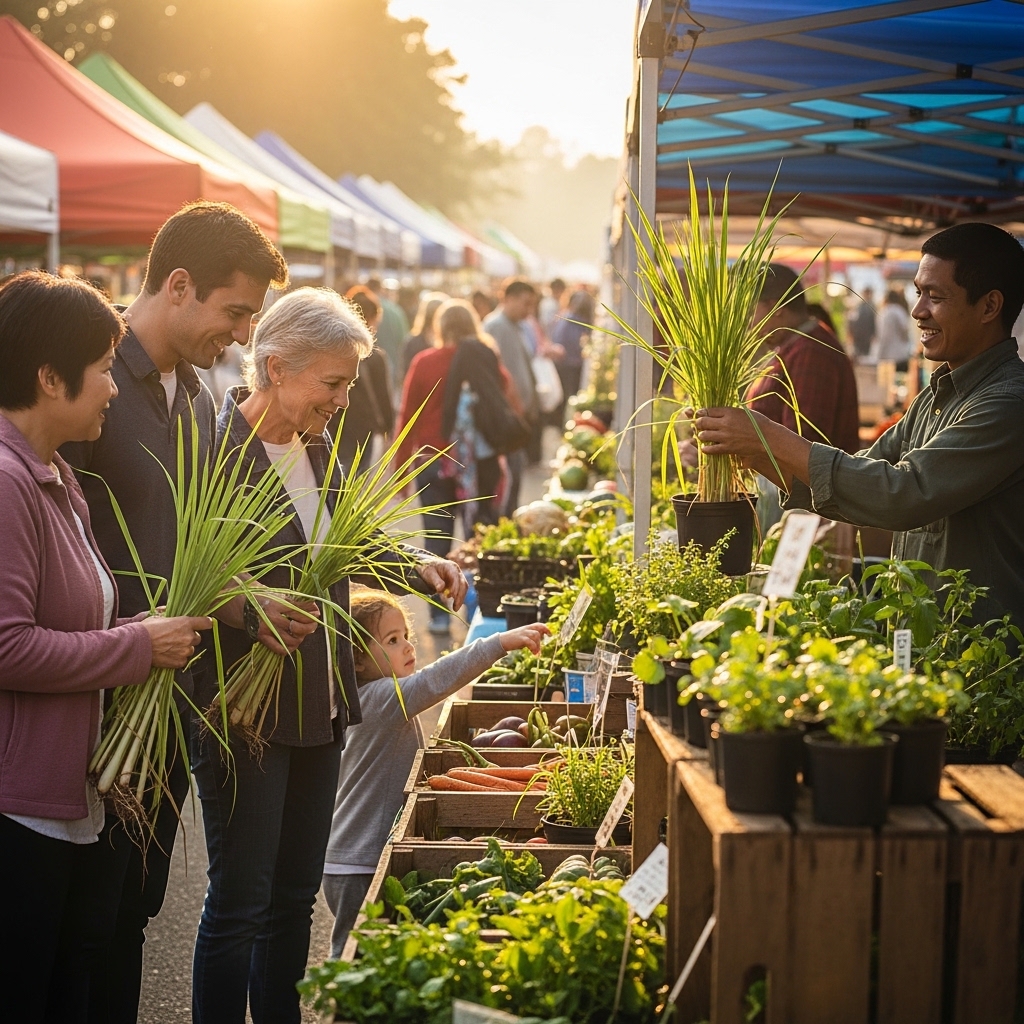
Farmers markets are another fantastic source for purchasing lemongrass plants. I’ve stumbled upon some of the most beautiful herbs at my local market. Not only do you get to support local farmers, but you often find organic options that are well cared for. I love chatting with the growers about their farming practices and picking up tips for nurturing my own plants. Sometimes, you’ll even find unique varieties that you wouldn’t typically see in stores, which can be an exciting addition to your garden.
Big Box Stores (Home Depot, Lowe’s)
Big box stores like Home Depot and Lowe’s also carry lemongrass plants, especially in the spring and summer months. I’ve noticed that they often have a wide selection at competitive prices. While the quality can vary, I’ve had good experiences finding healthy plants at these stores. I recommend checking the plants carefully and asking a store associate if you have questions about their care. It’s also helpful to keep an eye on their seasonal sales, which can make buying plants even more affordable.
Community Gardens and Local Co-ops
Community gardens and local co-ops can be unexpected gems for finding lemongrass. I’ve participated in community gardening programs where fellow gardeners often share or sell extra plants, including lemongrass. It’s a great way to connect with others who share your interests and get advice from experienced growers. Co-ops sometimes stock local plants as well, so it’s worth checking them out, especially if you want to support sustainable practices in your community.
Tips for Choosing Healthy Lemongrass Plants
Signs of a Healthy Plant
Choosing a healthy lemongrass plant is essential for a successful gardening journey. From my experience, I always look for certain signs when selecting plants. First, the leaves should be vibrant green and free of blemishes or yellowing. Healthy grass will feel firm and not wilted. I also check the roots if I can; they should be white and plentiful, indicating that the plant is ready to thrive. A well-established plant usually has a thick base and should stand upright without any drooping. If you can, smell the leaves; fresh lemongrass will have a distinct, citrusy fragrance that’s hard to miss!
What to Avoid When Buying
When buying lemongrass plants, there are a few things I recommend avoiding. For starters, steer clear of plants with yellowing leaves, as this can indicate poor health or nutrient deficiencies. I also avoid any plants that appear to be leggy, which means they’re stretching for light and may not grow well. It’s good to check the pot for signs of rot, especially if the soil feels overly wet. Lastly, if I notice any pests or signs of disease on the plant or in the potting area, I walk away. I’ve learned the hard way that bringing home a sick plant can lead to more problems down the line.
Cost Considerations
Average Price Range for Lemongrass Plants
When it comes to the cost of lemongrass plants, I’ve seen a wide range of prices depending on factors like size and seller. Typically, you can expect to spend between $5 to $20 for a healthy plant. Smaller plants or those purchased in smaller pots are usually on the lower end of that spectrum, while larger, more established plants tend to be pricier. I’ve found that spending a little more for a bigger plant that’s already thriving can save time and effort in the long run.
Factors Affecting Price (Size, Varieties)
Several factors influence the price of lemongrass plants. Size is the most obvious; larger plants generally cost more. The variety can also affect the price; some specialty or organic varieties might have a premium. I’ve noticed that certain retailers may charge extra for plants with unique characteristics or those that are harder to find. It’s always a good idea to compare prices across different sellers, especially if you’re looking to buy multiple plants or other herbs to complement your lemongrass in the garden.
Caring for Your Lemongrass Plants
Planting Tips and Techniques
Caring for lemongrass starts with the right planting techniques. When I first decided to plant lemongrass, I learned that the timing is essential. I usually plant it in the spring after the last frost, as it loves warmth and sunshine. If you’re planting in the ground, spacing is crucial. I typically give each plant about 24 inches of space because lemongrass can grow big and bushy. This allows for good air circulation and prevents diseases.
If you’re using pots, make sure they’re at least 12 inches deep to give the roots room to grow. I love using clay pots because they provide better drainage. Before planting, I often mix in some compost with the soil to enrich it. This little step makes a big difference, and I’ve noticed my plants thrive better when they have a nutrient-rich environment. When placing the lemongrass in the soil, I ensure that the base of the plant is level with the soil surface. This way, it can establish healthy roots without struggling.
Watering and Fertilization
Watering is another critical aspect of lemongrass care. I’ve learned the importance of keeping the soil consistently moist but not soggy. I usually water my plants deeply about once a week, especially during hot weather, to encourage deep root growth. If I’m uncertain, I stick my finger in the soil about an inch down; if it feels dry, it’s time to water. I also try to water in the morning to minimize evaporation and help prevent fungal diseases.
Fertilization is equally important. During the growing season, I apply a balanced, slow-release fertilizer every four to six weeks. I’ve found that this practice keeps my plants lush and productive. When I see new growth starting, I know my fertilization schedule is working. Using organic fertilizers, like fish emulsion, has worked wonders for my garden, and I love knowing that I’m feeding my plants naturally.
Common Pests and Diseases
No plant is immune to pests, and lemongrass is no exception. I’ve faced a few challenges with aphids and spider mites in the past. To keep my plants healthy, I regularly inspect the leaves for any signs of these pests. If I catch them early, I simply spray my plants with a mixture of water and a few drops of dish soap, which helps eliminate the unwanted visitors without harming the lemongrass.
Another issue I’ve encountered is fungal diseases, particularly in humid conditions. To combat this, I ensure good air circulation around my plants by spacing them out properly. I also avoid overhead watering to keep the leaves dry. If I notice any signs of disease, like discolored leaves, I make sure to remove the affected parts immediately to prevent spreading. Being proactive has saved my plants more than once!
Frequently Asked Questions
Can I Grow Lemongrass from Seed?
Growing lemongrass from seed is possible, but I’ve found it to be more challenging than starting from established plants or cuttings. If you choose to try seeds, remember that they can take longer to germinate and require specific conditions. I’ve read that soaking the seeds for a few hours before planting can help jumpstart the process. However, I personally prefer using store-bought seedlings or divisions from an existing plant for a faster and more reliable start.
How Long Does It Take to Grow Lemongrass?
From my experience, lemongrass typically takes about 70 to 90 days to reach a harvestable size, depending on the conditions and care. When I first planted my lemongrass, I was so eager to taste it that I closely monitored its growth. I found that with proper watering and fertilization, it grew quite quickly. Patience is key; I’ve learned to enjoy the process and savor the anticipation of fresh lemongrass in my cooking.
Can I Grow Lemongrass Indoors?
Yes, you can definitely grow lemongrass indoors! I tried this last winter, and it was a wonderful way to have fresh herbs on hand despite the cold outside. When growing indoors, I recommend placing the pot in a sunny spot, like a south-facing window, to ensure it gets enough light. I also found that using a grow light can help during the shorter days of winter. Just be mindful of humidity and try to keep the soil moist but not overly wet.
Is Lemongrass Perennial or Annual?
Lemongrass is a perennial plant, which means it can come back year after year in suitable climates. I’ve enjoyed having my lemongrass return each spring, ready to be harvested again. In cooler regions, it’s treated as an annual, but you can easily bring it indoors to keep it alive through the winter. I’ve found that taking a little extra care during the colder months pays off in the form of vibrant plants when spring rolls around!
Frequently Asked Questions
What is lemongrass?
Lemongrass, known scientifically as Cymbopogon citratus, is a tropical grass prized for its culinary and medicinal uses. It has a distinct citrus flavor that is popular in many dishes, especially in Southeast Asian cuisine.
What are the benefits of growing lemongrass?
Growing lemongrass offers numerous benefits, including enhancing the flavor of dishes, having antibacterial properties, aiding digestion, and reducing anxiety. It is also relatively easy to care for and can attract beneficial insects to your garden.
What are the ideal growing conditions for lemongrass?
Lemongrass thrives in warm temperatures between 70°F to 85°F (21°C to 30°C) and prefers well-draining soil rich in organic matter. It needs plenty of sunlight and regular watering, but care should be taken to avoid over-watering.
Where can I buy lemongrass plants online?
You can buy lemongrass plants from various online retailers such as Burpee, Botanical Interests, and Home Depot. Specialty websites like Etsy also offer unique varieties from local growers.
Where can I buy lemongrass plants locally?
Local nurseries and garden centers are great places to find lemongrass plants. Farmers markets, big box stores like Home Depot and Lowe’s, and community gardens or local co-ops can also be excellent sources.
What signs indicate a healthy lemongrass plant?
A healthy lemongrass plant will have vibrant green leaves free of blemishes, firm and upright growth, and plentiful white roots. Fresh lemongrass should also emit a distinct citrusy fragrance.
What should I avoid when buying lemongrass plants?
When buying lemongrass, avoid plants with yellowing leaves, leggy growth, signs of rot, or visible pests and diseases. These can indicate poor health and may lead to further problems.
What is the average price range for lemongrass plants?
The average price for lemongrass plants ranges from $5 to $20, depending on factors such as size and seller. Smaller plants tend to be less expensive, while larger, more established plants are pricier.
Can I grow lemongrass from seed?
Yes, you can grow lemongrass from seed, but it is generally more challenging than starting with established plants or cuttings. Seeds may take longer to germinate and require specific conditions to thrive.
Is lemongrass a perennial or annual plant?
Lemongrass is a perennial plant, meaning it can return year after year in suitable climates. In cooler regions, it may be treated as an annual but can be brought indoors to survive the winter.
“`