
Fresh balsam fir seedlings can be found for sale at local nurseries, garden centers, and online retailers specializing in plants and trees. Additionally, tree farms may offer these seedlings directly to consumers.
Understanding Balsam Fir Seedlings
Balsam fir (Abies balsamea) is a popular evergreen tree known for its fragrant aroma and attractive appearance. It is native to North America and thrives in cooler climates. These trees are often used for landscaping, Christmas trees, and reforestation efforts. Growing balsam fir from seedlings allows individuals to cultivate their own trees, contributing to the environment while enjoying the beauty of this species.
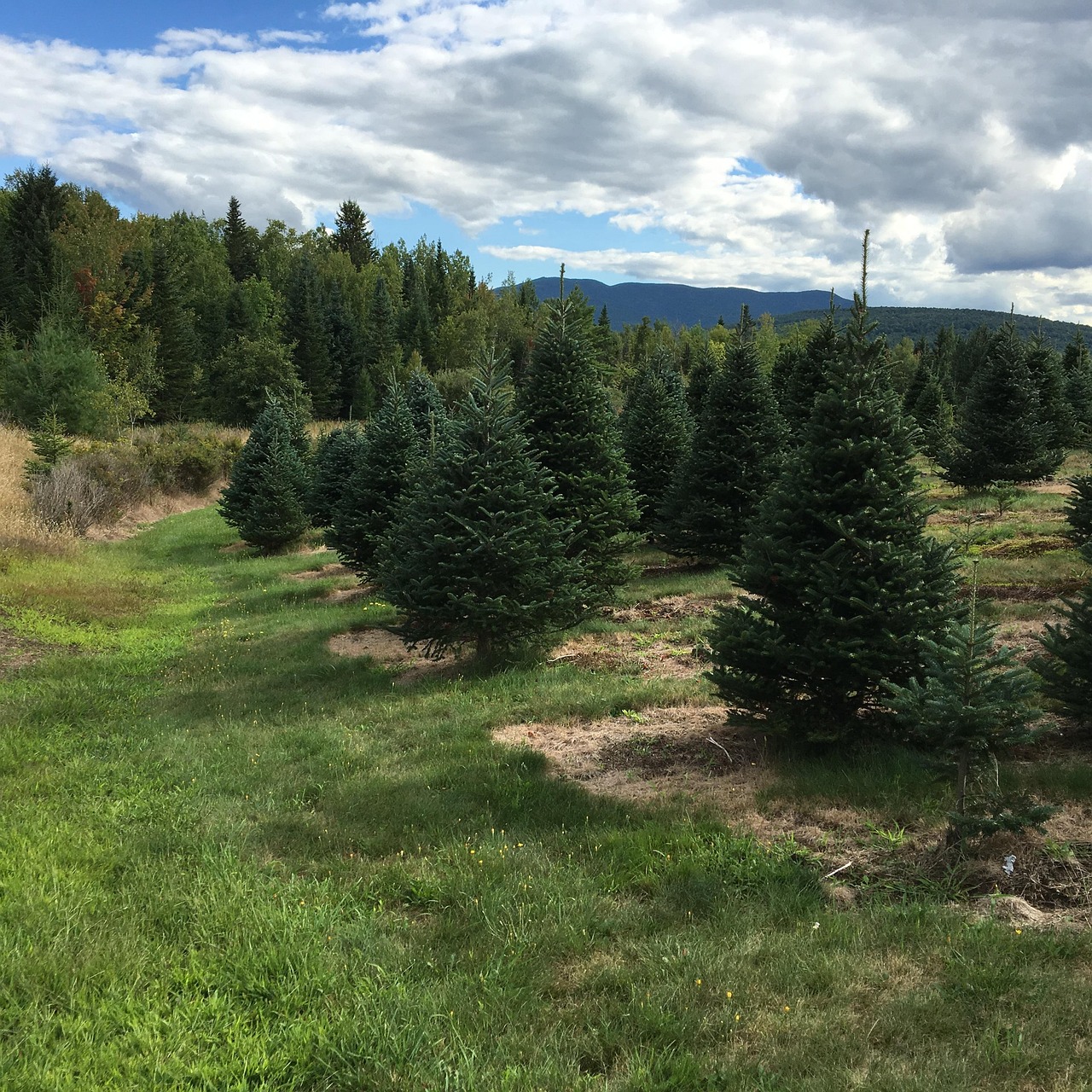
When seeking fresh balsam fir seedlings, it is essential to consider several factors. The quality of the seedlings, their age, and their growth conditions can significantly impact their survival and growth after planting. Therefore, sourcing from reputable suppliers is crucial. Below are some key points to keep in mind when searching for seedlings.
Where to Look for Seedlings
There are various places to find fresh balsam fir seedlings. Each source has its unique advantages:
- Local Nurseries: Many local nurseries carry a variety of seedlings, including balsam fir. Visiting these stores allows you to inspect the plants firsthand.
- Garden Centers: Larger garden centers often have a selection of evergreen seedlings suitable for landscaping projects.
- Online Retailers: Numerous websites specialize in selling seedlings and provide shipping options. This can be convenient if local options are limited.
- Tree Farms: Some tree farms sell seedlings directly. This can be beneficial for purchasing larger quantities.
- Farmers’ Markets: Occasionally, local farmers will offer seedlings for sale at markets, providing a chance to support local agriculture.
Factors to Consider When Buying Seedlings
When purchasing balsam fir seedlings, it is important to consider several factors to ensure you are getting healthy plants:
- Seedling Age: Opt for one or two-year-old seedlings. Younger plants may not survive transplanting as well as older ones.
- Health and Appearance: Look for vibrant green needles and a strong central stem. Avoid any seedlings showing signs of disease or damage.
- Root System: A well-developed root system is essential for the seedling’s growth. Check if the roots are not circling or overly confined in the pot.
- Growing Conditions: Inquire about how the seedlings were grown. Seedlings that have been grown in optimal conditions are more likely to thrive once planted.
Online Sources for Balsam Fir Seedlings
In today’s digital age, online shopping offers convenience for finding fresh balsam fir seedlings. Here are some popular online sources:
| Website | Description | Shipping Options |
|---|---|---|
| Burpee | Offers a variety of seeds and seedlings, including balsam fir. | Standard and expedited shipping available. |
| Amazon | A vast marketplace with various sellers offering balsam fir seedlings. | Varies by seller; check individual listings. |
| Fast Growing Trees | Sells high-quality trees and shrubs, including balsam fir. | Direct shipping to your address. |
| Nature Hills Nursery | A nursery with a wide selection of trees and plants available online. | Offers multiple shipping methods. |
Sourcing balsam fir seedlings from reputable suppliers ensures that you receive healthy plants. Whether you choose to shop locally or online, understanding where to find these seedlings will help you start your journey in growing beautiful balsam fir trees.
Preparing for Planting Balsam Fir Seedlings
Once you have secured fresh balsam fir seedlings, it is essential to prepare for their planting. Proper preparation ensures that the seedlings have the best chance of thriving in their new environment. This section will cover the necessary steps to take before planting your seedlings.
Choosing the Right Location
The first step in planting balsam fir seedlings is selecting the right location. Balsam fir trees prefer cooler climates and thrive in specific conditions.
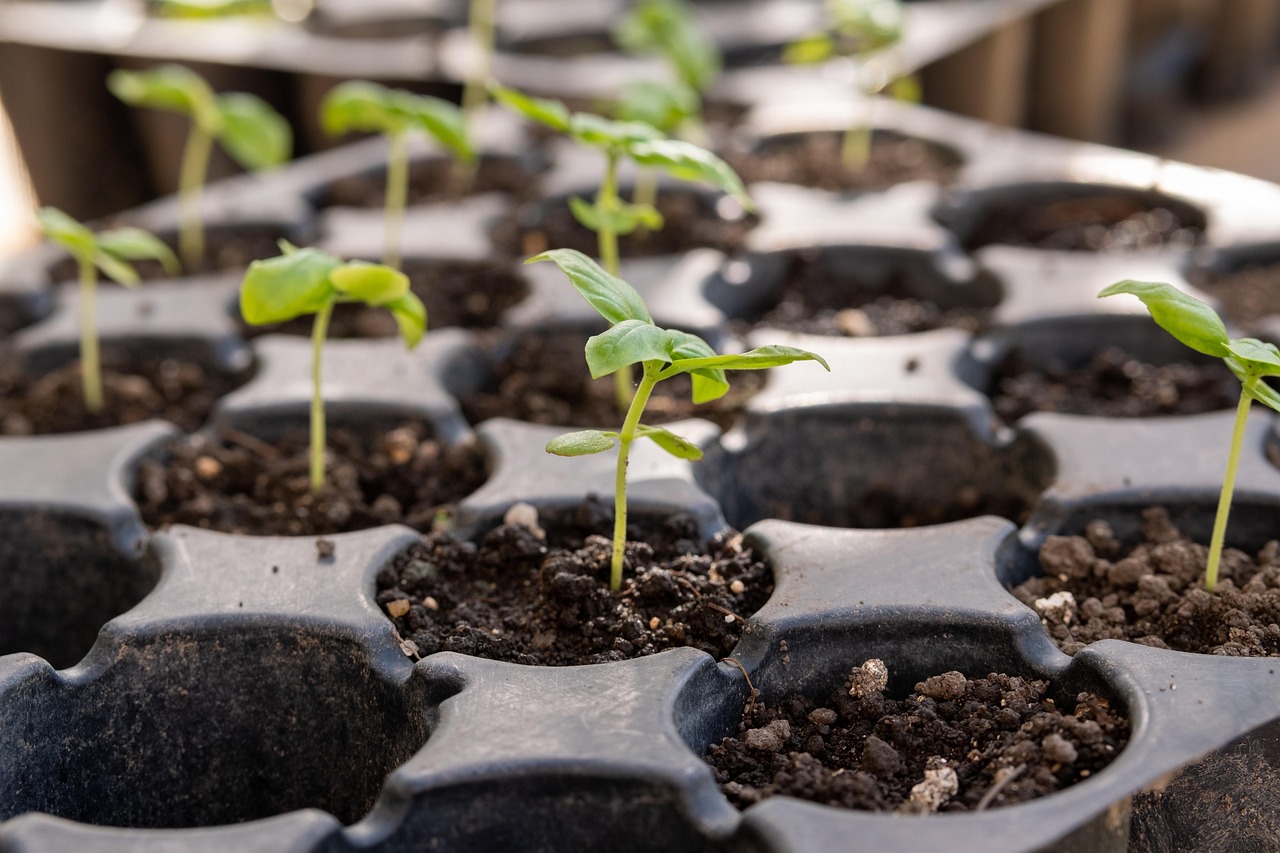
- Sunlight: Balsam fir seedlings need partial shade to full sunlight. Choose a location that receives at least 4 to 6 hours of sunlight daily.
- Soil Type: These trees prefer well-drained, acidic soils. Conduct a soil test if possible to ensure optimal conditions.
- Space: Ensure there is enough room for each seedling to grow. Balsam fir can reach heights of 40 to 60 feet, so consider spacing them appropriately.
Soil Preparation
Preparing the soil is critical for the health of your balsam fir seedlings. Follow these steps for effective soil preparation:
- Clear the Area: Remove any weeds, rocks, or debris from the planting site.
- Till the Soil: Loosen the soil to improve aeration and drainage. This can be done using a garden fork or tiller.
- Add Organic Matter: Incorporate compost or well-rotted manure into the soil to improve nutrient content and acidity.
- Check pH Levels: Adjust the soil pH if necessary. Balsam fir prefers a pH level between 5.0 and 6.5. Use sulfur or peat moss to lower pH if needed.
Planting Techniques
When you are ready to plant your balsam fir seedlings, follow these simple techniques for successful planting:
- Digging Holes: Dig holes that are twice as wide as the seedling’s root ball and deep enough to accommodate the roots without crowding.
- Planting Depth: Place the seedling in the hole so that the root collar is level with the soil surface. Avoid burying the stem.
- Backfilling: Fill the hole with soil, gently tamping down to remove air pockets. Water thoroughly after planting.
- Mulching: Apply a layer of mulch around the seedling to retain moisture and suppress weeds.
Caring for Balsam Fir Seedlings
After planting, ongoing care is vital for your seedlings’ growth. Here are some key aspects of caring for balsam fir seedlings:
Watering
Watering is crucial, especially during the first growing season. Here are some guidelines:
- Initial Watering: Water immediately after planting to help settle the soil around the roots.
- Frequency: Water regularly, especially in dry periods. Seedlings generally need about one inch of water per week.
- Avoid Overwatering: Ensure that the soil drains well. Overwatering can lead to root rot.
Pest and Disease Management
Balsam fir seedlings can be susceptible to various pests and diseases. Here are some common issues and how to manage them:
| Pest/Disease | Description | Management |
|---|---|---|
| Needle Blight | A fungal disease causing brown needles and dieback. | Improve air circulation and avoid overhead watering. |
| Balsam Woolly Adelgid | A small insect that damages bark and can kill branches. | Use insecticidal soap or horticultural oils for treatment. |
| Root Rot | A fungal infection caused by overly wet conditions. | Avoid overwatering and ensure proper drainage in soil. |
Caring for balsam fir seedlings requires attention, but with proper preparation and ongoing maintenance, you can cultivate healthy trees that will thrive for years to come.
Understanding the Growth Stages of Balsam Fir Seedlings
As balsam fir seedlings grow, they go through several distinct stages of development. Understanding these stages can help in providing the appropriate care and conditions for optimum growth. This section will outline the key growth stages and what to expect during each phase.
Stage 1: Germination
The first stage in the life of a balsam fir seedling is germination. This phase typically occurs in spring once the seeds have been planted. Here are some important aspects of this stage:
- Seed Requirements: Balsam fir seeds require cold stratification to germinate effectively. This mimics natural winter conditions.
- Temperature: Ideal temperatures for germination range from 60°F to 70°F.
- Moisture: Seeds need consistent moisture during this period, but the soil should not be soggy.
Stage 2: Seedling Development
Once the seeds germinate, they will begin to develop their first set of true leaves. This stage can last several weeks and is crucial for the overall health of the seedlings.
- Light Conditions: Seedlings require ample light to grow sturdy and healthy. If grown indoors, consider using grow lights.
- Watering Needs: Continue to keep the soil moist but ensure good drainage to prevent root rot.
- Nutrient Requirements: Fertilizing may be necessary after a few weeks, using a diluted liquid fertilizer suitable for seedlings.
Stage 3: Establishment Phase
In this phase, which typically lasts from late spring to early summer, seedlings develop a stronger root system and begin to establish themselves in their environment.
- Transplanting: If seedlings are grown in pots, this is an excellent time to transplant them into larger containers or directly into the ground.
- Mulching: Apply mulch around the base of the seedlings to conserve moisture and suppress weeds.
- Pest Management: Monitor for pests and diseases actively during this stage, as young seedlings are vulnerable.
Stage 4: Young Tree Stage
As seedlings transition into young trees, they will start exhibiting more vigorous growth. This stage can last several years. Key considerations include:
- Spacing: Ensure adequate spacing between young trees to promote airflow and prevent overcrowding.
- Watering Routine: Continue regular watering, especially during dry spells. Established trees may require less frequent watering than seedlings.
- Fertilization: Fertilize once or twice a year with a balanced fertilizer to support continued growth.
Environmental Factors Influencing Growth
The growth of balsam fir seedlings can be significantly influenced by environmental factors. Understanding these factors can help optimize conditions for healthy growth.
Climate and Temperature
Balsam fir trees thrive in cooler climates. They prefer temperatures that do not exceed 80°F, making them ideal for northern regions.
- Cold Resistance: These trees are well-adapted to cold weather, but extreme temperature fluctuations can be detrimental.
- Humidity Levels: Moderate humidity levels are favorable, as excessive dryness can stress seedlings.
Soil Composition
The soil type plays a critical role in the growth of balsam fir seedlings. Here are some considerations regarding soil:
- Soil Texture: Well-drained sandy loam or loamy soils are preferred for optimal growth.
- Nutrient Content: Soil should be rich in organic matter and nutrients to support seedling development.
- pH Levels: Maintain a soil pH between 5.0 and 6.5 for best results.
Water Availability
The availability of water directly impacts the health and growth rate of balsam fir seedlings. Consider the following:
- Irrigation Needs: Ensure that seedlings receive sufficient water, especially during dry spells or drought conditions.
- Drainage: Soil must have good drainage to prevent waterlogging, which can lead to root rot.
By understanding the growth stages and environmental factors influencing balsam fir seedlings, you can ensure that your trees thrive as they mature into strong, healthy specimens.
Additional Considerations for Growing Balsam Fir Seedlings
Growing balsam fir seedlings can be a rewarding experience, but it also comes with its own set of challenges. Here are additional factors to consider that may impact the success of your seedlings:
Seasonal Care
The care required for balsam fir seedlings can change with the seasons. Understanding these seasonal needs is essential:
- Spring: This is the most critical time for growth. Fertilization and proper watering practices should be prioritized as the seedlings begin to break dormancy.
- Summer: Monitor soil moisture closely, especially during heat waves. Mulching can help retain moisture and regulate soil temperature.
- Fall: Prepare seedlings for winter by reducing watering as temperatures drop. Consider adding mulch to insulate the roots from cold temperatures.
- Winter: Protect seedlings from harsh winter winds and snow accumulation. If necessary, cover them with burlap or other protective materials.
Natural Predators and Companions
Creating a balanced ecosystem around your balsam fir seedlings can help manage pests naturally. Here are a few tips:
- Beneficial Insects: Encourage pollinators and beneficial insects like ladybugs and lacewings, which can help control pest populations.
- Companion Planting: Consider planting other species nearby that can deter pests or attract beneficial insects.
Environmental Conservation
Balsam fir trees play a vital role in their ecosystems. They provide essential habitat for wildlife and contribute to carbon sequestration. By growing these seedlings, you are participating in environmental conservation efforts. Here are some key points to remember:
- Biodiversity: Planting balsam fir can support local biodiversity by providing shelter and food for various species.
- Climate Resilience: Healthy forests of balsam fir can enhance climate resilience in your area by stabilizing soil and maintaining water cycles.
Conclusion
Finding fresh balsam fir seedlings for sale is just the beginning of an enriching journey into forestry and gardening. By sourcing quality seedlings from reputable suppliers and understanding their growth requirements, you can successfully cultivate these beautiful trees. Remember to consider environmental factors such as climate, soil, and water availability to ensure healthy growth.
The process involves careful planning, ongoing care, and attention to seasonal changes. As you nurture your balsam fir seedlings, you contribute not only to your landscape but also to the broader ecological landscape of your region. Whether you are planting for aesthetic purposes, personal enjoyment, or environmental conservation, growing balsam fir trees can be a fulfilling endeavor that benefits both you and the environment.
As you embark on this planting journey, remember that patience and persistence are key. With the right knowledge and practices, your balsam fir seedlings will flourish, ultimately contributing to a greener future.