
To achieve maximum blooms, hydrangeas thrive in well-drained soil with partial to full sunlight and consistent moisture. I’ve found that the right conditions can lead to a stunning display of flowers that brighten any garden. Read Interesting article: How to Plant Hydrangeas the Right Way
Understanding Hydrangeas: Types and Characteristics
Hydrangeas are one of those flowers that evoke a sense of nostalgia for many of us. I remember my grandmother’s garden, filled with vibrant colors and lush blooms that seemed to change with the seasons. They come in various types, each with unique characteristics, making them a favorite among gardeners. Understanding the different varieties can help you choose the best ones for your space and ensure a flourishing garden.
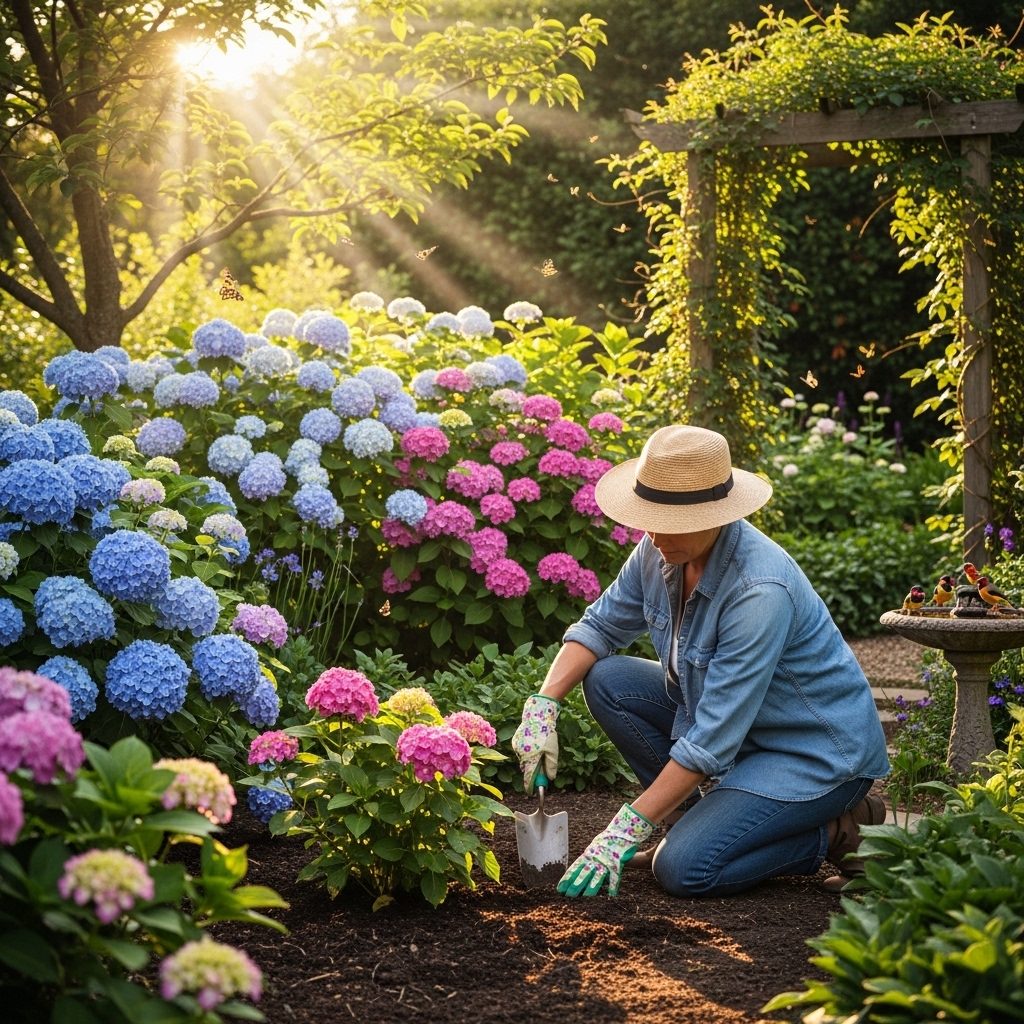
Common Hydrangea Varieties
There are several common varieties of hydrangeas, and each has its charm. The most popular ones include:
- Hydrangea macrophylla (Bigleaf Hydrangea): This variety is well-known for its large, round blooms that can be blue, pink, or purple, depending on the soil’s pH. I’ve noticed that they often thrive in more temperate climates.
- Hydrangea paniculata (Panicle Hydrangea): This variety is perfect for those who want to add height to their garden. I’ve seen them grow quite tall, with conical flower clusters that bloom white and turn pink as they mature.
- Hydrangea arborescens (Smooth Hydrangea): Known for its hardiness, this variety features round flower clusters and can handle colder climates. I’ve had great success with them in my garden.
- Hydrangea quercifolia (Oakleaf Hydrangea): With its oak-like leaves, this variety offers a unique aesthetic and beautiful fall color. It’s a favorite of mine for its textured foliage.
Each type of hydrangea has its specific needs and blooming habits, which can greatly influence where you decide to plant them.
Blooming Seasons and Colors
One of the most enchanting aspects of hydrangeas is their blooming seasons and colors. Depending on the variety, hydrangeas can bloom from late spring through early fall. I’ve observed that Bigleaf hydrangeas bloom first, followed by the Panicle and Oakleaf varieties. The colors of the blooms can also change based on the soil’s acidity, which I find fascinating. For instance, the pH of the soil can turn the flowers blue or pink, adding an extra layer of intrigue to your planting decisions.
Understanding these nuances can help you plan your garden to ensure that you have continuous blooms throughout the growing season. I remember when I first learned this, it completely transformed how I arranged my plants.
Ideal Planting Conditions for Hydrangeas
Finding the right conditions for hydrangeas is crucial for achieving those lush, vibrant blooms. Over the years, I’ve learned that there are three main factors to consider: soil requirements, sunlight exposure, and moisture levels. Each of these plays a significant role in the health and bloom potential of hydrangeas. Read Interesting article: When to Plant Hydrangeas for Best Growth
Soil Requirements
Hydrangeas prefer well-drained, rich soil that can retain some moisture without becoming soggy. When I started gardening, I often overlooked soil quality, but I quickly learned that it’s essential. A pH level that ranges between 5.5 and 6.5 is ideal for most hydrangeas, especially for the Bigleaf variety, which is sensitive to pH changes. I recommend testing your soil before planting; you can use a simple soil test kit or send a sample to a local extension service.
If your soil is heavy clay or too sandy, consider amending it with compost or peat moss to improve its texture and nutrient content. I’ve found that mixing in organic matter not only helps hydrangeas thrive but also benefits other plants in the vicinity.
Sunlight Exposure
Sunlight is another critical factor. While some hydrangeas can handle full sun, most varieties, especially the Bigleaf and Oakleaf, prefer partial shade. I’ve noticed that too much sun can scorch the leaves and reduce blooming. A spot that receives morning sun and afternoon shade is often ideal. In my own garden, I’ve created a little sanctuary that has the perfect balance, and my hydrangeas have thanked me with spectacular blooms.
Moisture Levels
Hydrangeas love moisture but can suffer if the soil is overly saturated. I learned this the hard way when a heavy downpour left some of my plants struggling. Regular watering, especially during dry spells, is crucial. I usually make sure the soil is consistently moist but not waterlogged. A good rule of thumb is to water deeply once a week, or more often during particularly hot weather. Mulching around the base of the plants can help retain moisture and regulate soil temperature.
By paying attention to these ideal planting conditions, I’ve been able to create a flourishing hydrangea garden that brings joy and color every season. It’s all about finding the right balance and understanding what these beautiful plants need to thrive. Read Interesting article: Best Time to Plant Hydrangeas: Your Seasonal Planting Guide
Best Locations for Planting Hydrangeas
Choosing the right location for your hydrangeas can make all the difference in how they flourish. Over the years, I’ve experimented with different spots in my garden, and I’ve learned that finding the perfect place is key to achieving those breathtaking blooms. Here are some insights I’ve gathered on the best locations for planting hydrangeas.
Choosing the Right Spot in Your Garden
When it comes to selecting a spot for your hydrangeas, I’ve found that observing your garden throughout the day can be incredibly helpful. Look for areas that receive morning sunlight but have some shade in the afternoon. This balance can help protect the plants from the harshest sun, which I’ve noticed can lead to wilted leaves and fewer flowers.
Additionally, consider the wind exposure in your garden. I once planted some hydrangeas in a particularly windy area, and they struggled to stay upright. A sheltered spot, perhaps near a fence or wall, can offer protection without sacrificing light. I’ve even used taller plants to help shield my hydrangeas from strong gusts, and it’s made a noticeable difference.
Planting Hydrangeas Near Structures
Another aspect I learned is the benefits of planting hydrangeas near structures like walls or fences. These spots can create a microclimate that retains heat and provides consistent moisture levels. I’ve had success planting them next to my house, where they thrive in a cozy nook that gets just the right amount of light. The wall reflects warmth, helping the plants flourish, especially during cooler months.
Moreover, I’ve seen how having hydrangeas close to pathways or patios can enhance the outdoor experience. They add a splash of color and fragrance, creating a welcoming atmosphere. Just be mindful of how much space they’ll need to grow, as some varieties can become quite large. Planning for their mature size is something I wish I had considered more in the beginning!
Using Hydrangeas as Borders or Hedges
Hydrangeas can also serve as beautiful borders or hedges, adding structure and charm to your garden. I’ve used them to create a natural boundary that defines different areas of my yard. The sight of lush hydrangeas in full bloom provides a stunning backdrop and makes my garden feel more cohesive.
When planting hydrangeas as a hedge, I recommend spacing them according to their variety. For instance, the Panicle and Smooth hydrangeas can be placed closer together, while Bigleaf hydrangeas might need a bit more room to spread out. I usually plant them about three to five feet apart, depending on how tall I want the hedge to grow. Watching them fill in over time has been a rewarding experience!
Using hydrangeas as a hedge not only enhances privacy but also attracts pollinators like bees and butterflies, which I love to see fluttering around in my garden. It’s a win-win situation that adds beauty while benefiting the local ecosystem.
Companion Planting with Hydrangeas
Once you’ve found the perfect spot for your hydrangeas, the next step is to think about companion planting. I believe that choosing the right plants to grow alongside your hydrangeas can enhance the overall aesthetic and health of your garden.
Flowers That Pair Well with Hydrangeas
In my experience, there are several flowers that complement hydrangeas beautifully. For instance, I’ve found that astilbes and ferns make excellent companions. Their delicate foliage contrasts nicely with the bold blooms of hydrangeas, creating a layered look that adds depth to the garden.
Another favorite of mine is the hosta. The lush, green leaves of hostas provide a rich backdrop for hydrangeas, and they thrive in similar moisture levels. I’ve noticed that planting them together helps retain soil moisture, benefiting both plants. Additionally, the combination of hydrangea blooms and hosta foliage can create a stunning visual effect throughout the growing season.
Avoiding Incompatible Plants
While many plants can thrive alongside hydrangeas, I’ve also discovered some that don’t play well together. For instance, I learned the hard way that it’s best to avoid planting hydrangeas next to plants that require extremely dry conditions, like certain succulents or Mediterranean herbs. These plants can compete for moisture and nutrients, leaving your hydrangeas stressed and struggling.
Similarly, I’ve found that high-maintenance plants that require frequent fertilization or specific soil conditions can create challenges. It’s always a good idea to consider the needs of each plant before pairing them. By being mindful of what I plant nearby, I’ve managed to create a harmonious garden that thrives on cooperation.
In short, by selecting appropriate companions for your hydrangeas and avoiding incompatible plants, you can cultivate a thriving garden that showcases the beauty of your hydrangeas while supporting the health of all your plants. Happy planting!
Seasonal Care for Optimal Blooms
As I’ve delved deeper into gardening, I’ve realized that seasonal care is essential for keeping my hydrangeas healthy and producing those beautiful blooms I adore. Each season brings different tasks and considerations that can make all the difference in how well my plants thrive. Here’s what I’ve learned about caring for hydrangeas throughout the year.
Pruning Techniques
Pruning hydrangeas can be a bit daunting, but I’ve found that it’s one of the most rewarding tasks. The timing and technique depend on the variety of hydrangea. For example, I’ve learned that Bigleaf hydrangeas bloom on old wood, meaning I should prune them right after they finish flowering. I remember the first time I pruned them too late; I only ended up cutting off potential blooms for the following season! Now, I make it a point to mark the end of the blooming period on my calendar.
On the other hand, Panicle and Smooth hydrangeas bloom on new wood. I usually prune these varieties in late winter or early spring before new growth begins. This approach encourages more vigorous blooms. I like to cut them back to about one-third of their height, which has helped me enjoy fuller flower clusters. I often get a little carried away with the pruning shears, but keeping the plants tidy and shaped makes me feel accomplished.
Fertilization Tips
Feeding my hydrangeas has been a game changer in achieving vibrant blooms. I’ve learned that a balanced, slow-release fertilizer is ideal, especially in early spring when the plants are waking up from their winter slumber. I usually look for a fertilizer with equal parts nitrogen, phosphorus, and potassium, often labeled as a 10-10-10 formula. It’s worked wonders for my garden.
The first time I fertilized my hydrangeas, I used too much and ended up with leggy plants rather than the bushy ones I wanted. Now, I apply the fertilizer according to the package instructions, usually around the base of the plants to prevent burning the roots. I also make a point to fertilize again in mid-summer to support blooming, especially for those varieties that bloom continuously.
Watering Guidelines
Watering is another crucial aspect of hydrangea care that I’ve come to understand. Hydrangeas enjoy consistent moisture, but I’ve learned that how I water can make a big difference. I usually water deeply and less frequently rather than giving them a light sprinkle every day. This practice encourages the roots to grow deeper, making my plants more resilient, especially during dry spells.
During hot summer months, I check the soil moisture regularly. If the top inch of soil feels dry, it’s time for a good soak. I often set my watering schedule in the morning to allow the plants to absorb the moisture before the heat of the day kicks in. I’ve found that mulching also helps retain moisture and keeps the soil temperature more consistent, which has led to happier, healthier hydrangeas in my garden.
Common Problems and Solutions
No garden is without its challenges, and I’ve certainly faced my share of issues with hydrangeas. Learning how to identify and address these problems has been key in maintaining a thriving garden. Here are some common problems I’ve encountered, along with solutions that have worked for me.
Pests Affecting Hydrangeas
Pests can be a real nuisance, and I’ve had my fair share of run-ins with aphids and spider mites on my hydrangeas. I remember the first time I noticed aphids on my plants; they were sucking the life out of my blooms, and I was devastated! After doing some research, I discovered that a strong blast of water often dislodges these pests. I usually hose down the plants every few weeks, especially if I see any signs of infestations.
If the problem persists, I’ve found that insecticidal soap or neem oil can be effective in treating these pests without harming beneficial insects. I’ve become diligent about checking the undersides of the leaves, where these pests tend to hide, and I always keep an eye out for signs of distress in my plants.
Diseases to Watch Out For
Like any plant, hydrangeas can also fall victim to diseases, and I’ve encountered powdery mildew and root rot. Powdery mildew can appear as a white, powdery substance on the leaves, especially in humid conditions. I’ve learned that improving air circulation by pruning and spacing my plants properly can help prevent this issue. Using a mixture of water and baking soda as a preventive spray has also worked well for me.
As for root rot, I’ve realized it often stems from overwatering or poor drainage. I’ve made it a habit to ensure that my hydrangeas are planted in well-drained soil and to monitor them closely, especially after heavy rains. If I notice any wilting or yellowing leaves, I check the soil moisture right away. Adjusting my watering practices has significantly reduced the risk of root rot, and I’m happy to report that my plants have thrived since implementing these changes.
By staying vigilant and proactive about seasonal care and potential problems, I’ve managed to create a beautiful hydrangea garden that brings me joy year after year. It’s all a part of the learning process, and I’m excited to continue this journey as I discover more about these incredible plants.
Frequently Asked Questions
What are the ideal conditions for hydrangeas to thrive?
Hydrangeas thrive in well-drained soil with partial to full sunlight and consistent moisture. Ensuring these conditions can lead to a stunning display of flowers.
What are some common varieties of hydrangeas?
Common varieties include Hydrangea macrophylla (Bigleaf), Hydrangea paniculata (Panicle), Hydrangea arborescens (Smooth), and Hydrangea quercifolia (Oakleaf), each with unique characteristics and blooming habits.
How does soil pH affect the color of hydrangea blooms?
The color of hydrangea blooms can change based on the soil’s acidity. For instance, the pH level can turn the flowers blue or pink, especially in the Bigleaf variety.
What is the best sunlight exposure for hydrangeas?
Most hydrangeas, particularly Bigleaf and Oakleaf, prefer partial shade. A spot that receives morning sun and afternoon shade is often ideal to prevent leaf scorching and reduce blooming.
How often should hydrangeas be watered?
Hydrangeas should be watered deeply once a week, or more often during particularly hot weather. The soil should be consistently moist but not waterlogged.
What are some recommended companion plants for hydrangeas?
Flowers like astilbes, ferns, and hostas pair well with hydrangeas. These companion plants can enhance the overall aesthetics and help retain soil moisture.
When is the best time to prune hydrangeas?
Bigleaf hydrangeas should be pruned right after they finish flowering, while Panicle and Smooth hydrangeas can be pruned in late winter or early spring before new growth begins.
What type of fertilizer is best for hydrangeas?
A balanced, slow-release fertilizer, such as a 10-10-10 formula, is ideal for hydrangeas, especially when applied in early spring and again in mid-summer to support blooming.
What are common pests that affect hydrangeas?
Aphids and spider mites are common pests that can affect hydrangeas. A strong blast of water can help dislodge them, and insecticidal soap or neem oil can be used for treatment if necessary.
What diseases should I watch for in hydrangeas?
Hydrangeas can suffer from powdery mildew and root rot. Improving air circulation and ensuring well-drained soil can help prevent these diseases.