
Several animals rely on balsam fir for food, including deer, squirrels, and various bird species. These animals consume the needles, seeds, and bark of the tree, which provides essential nutrients and sustenance throughout the year.
Introduction to Balsam Fir
Balsam fir (Abies balsamea) is a coniferous tree native to North America. It is commonly found in the northeastern United States and Canada, thriving in cool, moist environments. This tree is known for its fragrant needles and symmetrical shape, making it a popular choice for Christmas trees. However, beyond its aesthetic appeal, balsam fir plays a crucial role in the ecosystem.
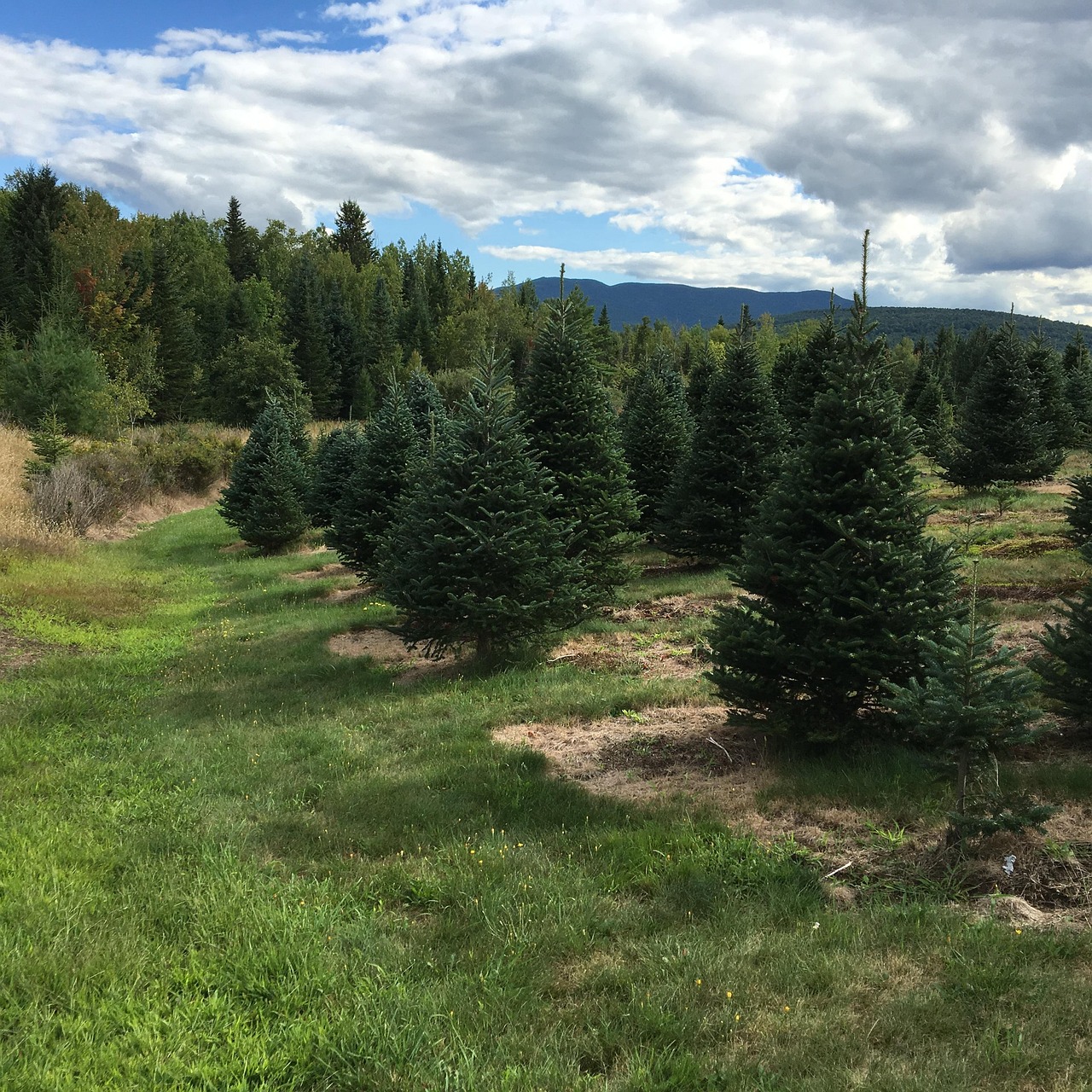
Balsam fir trees can reach heights of 40 to 70 feet and have a lifespan of up to 200 years. The needles are dark green and remain on the tree for several years. The cones are small and cylindrical, typically measuring 2 to 4 inches in length. These trees provide shelter and food for a variety of wildlife, which is essential for maintaining biodiversity in forested areas.
Wildlife That Depend on Balsam Fir
Many species depend on balsam fir for their survival. The tree’s needles and seeds are nutritious, while its structure offers protection from predators. Below are some key animals that rely on balsam fir:
- White-tailed Deer: These herbivores consume balsam fir needles, especially during winter when other food sources are scarce.
- Squirrels: Both red and gray squirrels enjoy the seeds from balsam fir cones. They often store these seeds for later consumption.
- Birds: Various bird species, including crossbills and chickadees, feed on balsam fir seeds. The tree also provides nesting sites.
- Moose: Moose browse on the foliage of balsam fir trees, particularly in winter when other vegetation is less accessible.
The relationship between these animals and balsam fir is a vital part of the forest ecosystem. The availability of food sources like balsam fir influences animal population dynamics and overall forest health.
Ecological Importance of Balsam Fir
Balsam fir contributes to the ecological balance of its habitat. By providing food and shelter to various species, it helps sustain a diverse range of wildlife. Additionally, its presence supports soil health and moisture retention in forested areas.
The tree’s ability to adapt to cold temperatures makes it an important player in its environment. Its needles have a unique structure that allows them to minimize water loss during harsh winters. This adaptation not only benefits the tree but also creates a more stable microhabitat for other organisms.
Nutritional Value of Balsam Fir
The nutritional profile of balsam fir makes it an attractive food source for many animals. The tree’s needles are rich in vitamins A and C, providing essential nutrients that support animal health. The seeds are high in fat content, which is particularly beneficial for birds preparing for migration or animals needing energy reserves during winter.
| Animal | Part Consumed | Nutritional Benefits |
|---|---|---|
| White-tailed Deer | Needles | High in vitamins and minerals |
| Squirrels | Seeds | Rich in fats and proteins |
| Crossbills | Seeds | Energy-dense food for migration |
| Moose | Foliage | Provides necessary nutrients during winter |
Understanding the significance of balsam fir in wildlife diets helps emphasize the importance of conserving these trees and their habitats. Protecting balsam fir forests ensures that these animals continue to thrive in their natural environments.
Feeding Habits of Animals That Rely on Balsam Fir
The animals that depend on balsam fir have developed specific feeding habits to maximize their intake of this essential resource. Understanding these habits can provide insight into their survival strategies and the ecological balance within their habitats.
Seasonal Variations in Diet
Many animals adjust their diets based on the season. During winter, when food is scarce, the reliance on balsam fir increases significantly. The evergreen needles remain nutritious and accessible, providing sustenance when other food sources are buried under snow or unavailable.
- Winter: Animals like white-tailed deer primarily consume balsam fir needles. This is crucial as they may lose access to other vegetation.
- Spring: As new growth emerges, animals like moose will browse on the tender shoots of balsam fir, which are rich in nutrients.
- Summer: Squirrels collect seeds from the cones and store them for later use, ensuring they have enough food during colder months.
- Fall: Many birds, including crossbills, exploit the abundance of seeds in balsam fir cones to prepare for migration.
Feeding Techniques
Different animals employ various techniques to access the food provided by balsam fir trees. These techniques are often adapted to the animal’s physical characteristics and behaviors.
- Foraging: Animals like squirrels and birds use their agility to navigate the branches and access cones filled with seeds. They often use their sharp beaks or teeth to break open the cones.
- Browsing: Larger mammals such as moose and deer will use their height to reach higher branches. They strip off needles and young shoots with ease, using their strong jaws.
- Ground Feeding: Some birds will forage on the ground for fallen seeds. This behavior is common among species that cannot access the upper branches easily.
The Role of Balsam Fir in Ecosystem Balance
Balsam fir trees not only serve as a food source but also play a significant role in maintaining the balance of forest ecosystems. Their presence supports numerous life forms, contributing to biodiversity.
Habitat Support
The structure of balsam fir forests creates a unique habitat that supports various wildlife species. The dense foliage provides shelter and nesting sites, while the trees themselves offer food resources.
- Nesting Sites: Birds often build nests among the branches of balsam fir trees. The dense cover protects them from predators.
- Microhabitats: The forest floor beneath balsam fir trees can host a variety of plant species, benefiting small mammals and insects.
- Climate Regulation: Balsam fir trees help regulate local temperatures and humidity levels, creating a stable environment for wildlife.
Impact on Soil Health
Balsam fir contributes to soil health through leaf litter and organic matter. The fallen needles decompose slowly, enriching the soil with essential nutrients over time.
| Aspect | Description |
|---|---|
| Leaf Litter | Balsam fir needles create a thick layer of leaf litter that retains moisture and prevents soil erosion. |
| Nutrient Cycling | The decomposition of balsam fir needles releases nutrients back into the soil, supporting plant growth. |
| Soil Structure | Organic matter from balsam fir contributes to improving soil structure, promoting better drainage and aeration. |
This interplay between balsam fir trees and their surrounding environment highlights the importance of protecting these trees. Their influence extends beyond just serving as a food source; they are integral to sustaining diverse ecosystems.
Conservation Efforts for Balsam Fir Habitats
Given the importance of balsam fir in supporting wildlife, conservation efforts are essential. Protecting these trees and their habitats ensures that animals relying on them for food can thrive.
Various strategies are being implemented to conserve balsam fir forests:
- Sustainable Forestry Practices: Implementing practices that reduce logging impact helps maintain healthy balsam fir populations.
- Protected Areas: Establishing conservation areas ensures that balsam fir forests remain intact and protected from development.
- Wildlife Management Programs: These programs aim to monitor animal populations and their health, ensuring they can continue to thrive within their habitats.
Ultimately, safeguarding balsam fir ecosystems benefits not only the animals that depend on them but also contributes to overall environmental health and stability. The interconnectedness of species within these habitats underscores the need for ongoing conservation efforts.
Threats to Balsam Fir Ecosystems
Despite the vital role balsam fir plays in the ecosystem, several threats jeopardize its health and the wildlife that depends on it. Understanding these threats is crucial for effective conservation.
Climate Change
Climate change poses a significant threat to balsam fir forests. As temperatures rise and precipitation patterns shift, these trees may struggle to survive in their traditional habitats.
- Temperature Increases: Balsam fir prefers cooler climates. Warmer temperatures can lead to stress, making them more susceptible to diseases.
- Pest Infestations: Warmer winters can facilitate the survival of pests like the spruce budworm, which can devastate balsam fir populations.
- Drought Conditions: Altered precipitation patterns may lead to drier conditions, impacting growth and regeneration of balsam fir.
Deforestation and Habitat Loss
Deforestation for agriculture and urban development significantly reduces balsam fir habitats. This loss not only affects the trees but also disrupts the entire ecosystem.
- Urban Expansion: As cities grow, natural habitats are cleared, fragmenting forests and isolating wildlife populations.
- Agricultural Practices: Converting forested areas into farmland eliminates critical habitats for many species that rely on balsam fir.
- Logging Activities: Unsustainable logging practices can lead to a decline in balsam fir populations and degrade surrounding habitat.
Pests and Diseases Affecting Balsam Fir
Balsam fir trees are vulnerable to various pests and diseases that threaten their health and longevity. These biological threats can have devastating effects on the trees and the animals that rely on them.
Common Pests
Several pests are known to infest balsam fir trees, causing damage and weakening their overall health.
- Spruce Budworm: This caterpillar feeds on the new growth of balsam fir, leading to defoliation and potential tree death if infestations are severe.
- Eastern Pine Beetle: This bark beetle attacks the cambium layer of the tree, disrupting nutrient flow and often resulting in tree mortality.
- Sawflies: These larvae can defoliate balsam fir trees, weakening them and making them more susceptible to other pests and diseases.
Disease Threats
Balsam fir is also susceptible to various diseases that can compromise its health.
- Root Rot: Fungal infections can cause root rot, leading to poor nutrient uptake and ultimately tree decline.
- Canker Diseases: These diseases create lesions on the bark, which can girdle branches and trunks, inhibiting growth.
- Needle Cast: Fungal pathogens can cause needle cast, resulting in premature needle drop and reduced photosynthesis capabilities.
The Economic Value of Balsam Fir
Balsam fir trees not only support wildlife but also hold economic significance. Their value extends beyond ecological benefits to human use and industry.
Forestry and Timber Production
Balsam fir is a popular choice in the timber industry due to its straight trunk and quality wood. It is utilized for various products, including:
- Lumber: Balsam fir wood is used for construction due to its lightweight yet strong characteristics.
- Pulp Production: The wood is processed into pulp for paper products, contributing to the paper industry.
- Christmas Trees: The tree’s aesthetic appeal makes it a popular choice for Christmas trees during the holiday season.
Ecotourism and Recreation
Balsam fir forests also play a role in ecotourism. Outdoor activities such as hiking, birdwatching, and wildlife photography draw visitors to these areas. The economic benefits of ecotourism include:
- Job Creation: Local communities benefit from jobs related to tourism, guiding, and conservation efforts.
- Increased Awareness: Ecotourism promotes awareness of environmental issues, encouraging conservation efforts among visitors.
- Sustainable Practices: It fosters a culture of sustainability, emphasizing the importance of preserving natural resources.
The economic value of balsam fir underscores the need for sustainable management practices. Balancing economic benefits with conservation efforts is essential to ensure these forests continue to thrive.
Challenges in Conserving Balsam Fir Ecosystems
Despite the numerous benefits that balsam fir forests provide, conserving these vital ecosystems poses several challenges. Addressing these challenges is essential for ensuring the longevity of both the trees and the wildlife that depend on them.
Public Awareness and Education
One of the primary challenges in conservation efforts is raising public awareness about the importance of balsam fir ecosystems. Many people may not realize the ecological and economic value of these forests. Educational programs can help bridge this gap.
- Community Engagement: Involving local communities in conservation efforts can foster a sense of responsibility and stewardship toward balsam fir habitats.
- School Programs: Integrating environmental education into school curricula can promote understanding and appreciation for local ecosystems.
- Workshops and Seminars: Hosting events that focus on the significance of balsam fir and the threats it faces can encourage proactive measures among community members.
Collaborative Conservation Efforts
Conservation is most effective when various stakeholders collaborate. This includes government agencies, non-profit organizations, researchers, and local communities.
- Government Policies: Strong policies and regulations are necessary to protect balsam fir forests from development and unsustainable practices.
- Research Initiatives: Ongoing research into the health of balsam fir ecosystems can help identify new threats and effective conservation strategies.
- Partnerships: Collaborations between conservation organizations and local businesses can promote sustainable practices that benefit both the environment and the economy.
The Future of Balsam Fir Ecosystems
The future of balsam fir ecosystems depends on our actions today. As climate change and human activities continue to impact forests, proactive measures must be taken to protect these vital habitats.
Innovative Conservation Strategies
Developing innovative strategies for conservation can enhance the resilience of balsam fir forests. Some potential approaches include:
- Restoration Projects: Initiatives aimed at restoring degraded balsam fir habitats can help revive ecosystems and support wildlife populations.
- Genetic Research: Studying the genetic diversity of balsam fir can inform breeding programs that aim to develop more resilient tree varieties.
- Climate Adaptation Plans: Implementing plans that address the impacts of climate change on balsam fir forests can help ensure their survival in changing conditions.
Conclusion
Balsam fir forests are critical ecosystems that provide food, shelter, and numerous ecological benefits. Many animals rely on these trees for survival, making their protection essential for maintaining biodiversity. Understanding the challenges these forests face—from climate change to habitat loss—highlights the need for robust conservation efforts.
As we move forward, it is crucial to promote awareness, engage communities, and foster collaborations that support sustainable practices. By implementing innovative conservation strategies, we can ensure that balsam fir ecosystems continue to thrive for generations to come.
The collective responsibility to protect these forests underscores a broader commitment to environmental stewardship and sustainability. Each action taken toward conservation contributes to a healthier planet, benefiting not only wildlife but also future human generations who will rely on these ecosystems for their own needs.