
Coffee grounds can be a fantastic addition to your garden, particularly for acid-loving plants like blueberries and azaleas. They enrich the soil and provide nutrients that many plants thrive on, making them a great way to recycle kitchen waste. Read Interesting article: Are Coffee Grounds Good for Plants? Full Guide
Understanding Coffee Grounds as Plant Fertilizer
Using coffee grounds in gardening is something I stumbled upon during my own attempts to create a flourishing garden. I often found myself brewing more coffee than I could drink, and rather than tossing the used grounds, I became curious about their potential benefits for my plants. After some research and experimentation, I discovered that coffee grounds are not just waste but a valuable resource for nurturing plant life.
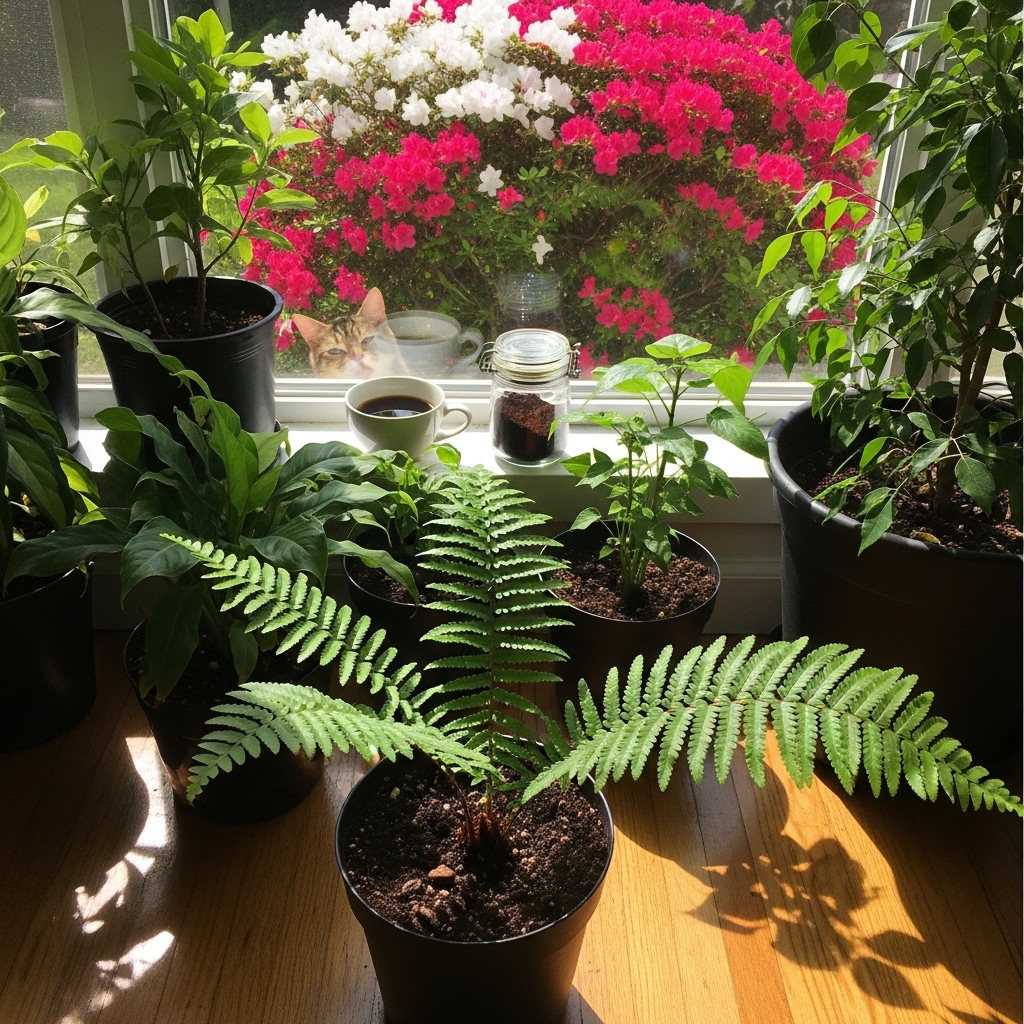
Benefits of Coffee Grounds for Plants
One of the first things I learned was that coffee grounds can be an excellent fertilizer. They offer several benefits that can transform your gardening experience. For starters, they can improve soil structure by introducing organic material, which enhances drainage and aeration. I noticed that my soil became easier to work with after I added coffee grounds; it felt lighter and fluffier. Read Interesting article: What Plants Don’t Like Coffee Grounds? Avoid These
Another perk is the ability of coffee grounds to attract earthworms. These little creatures are a gardener’s best friend, as they help aerate the soil and break down organic matter, enriching the soil even further. When I saw more earthworms in my garden, I was thrilled, as I knew my soil was becoming healthier.
Additionally, coffee grounds can also help deter pests. I’ve had experiences where slugs and certain insect pests seemed to shy away from areas where I spread coffee grounds. It’s like a natural barrier, and I appreciated not having to use harsh chemicals in my garden.
Nutrient Composition of Coffee Grounds
Coffee grounds are rich in nitrogen, which is one of the essential nutrients that plants need to thrive. In fact, they contain about 2% nitrogen, along with smaller amounts of phosphorus and potassium. I remember testing my soil after adding coffee grounds, and I was impressed to see the boost in nutrient levels. This makes them particularly useful for plants that require a nitrogen boost, especially during their growing season.
Moreover, coffee grounds have a slightly acidic pH, which makes them ideal for acid-loving plants. This was a revelation for me, as I had a few blueberry bushes that I struggled to keep healthy. After incorporating coffee grounds into their soil, I noticed a significant improvement in their growth and fruit production. It made me feel accomplished to see my efforts pay off so visibly!
How to Use Coffee Grounds in Gardening
Using coffee grounds in the garden is simple, and I found several effective methods. One of my favorite ways is to mix them into the soil. I usually do this in the spring when I’m preparing my garden beds. Just a thin layer of grounds mixed into the top layer of soil can work wonders. I’ve also read about people creating a “coffee ground tea” by steeping the grounds in water and using that to water their plants. I haven’t tried that yet, but it’s on my list!
Another approach is to spread a thin layer of coffee grounds around the base of plants as a mulch. I’ve done this with my roses, and it not only helps retain moisture but also adds nutrients as it breaks down. Just be cautious not to overdo it, as too thick of a layer can compact and create a barrier that prevents water from reaching the soil.
Lastly, I learned that coffee grounds can be added to compost piles. I always keep a designated spot in my compost bin for coffee grounds, as they contribute to a balanced mix of green materials. It’s a win-win situation: I reduce waste, and my compost becomes richer. Read Interesting article: Are Coffee Grounds Good for Plants? Pros Cons & Best Uses
Best Plants That Thrive with Coffee Grounds
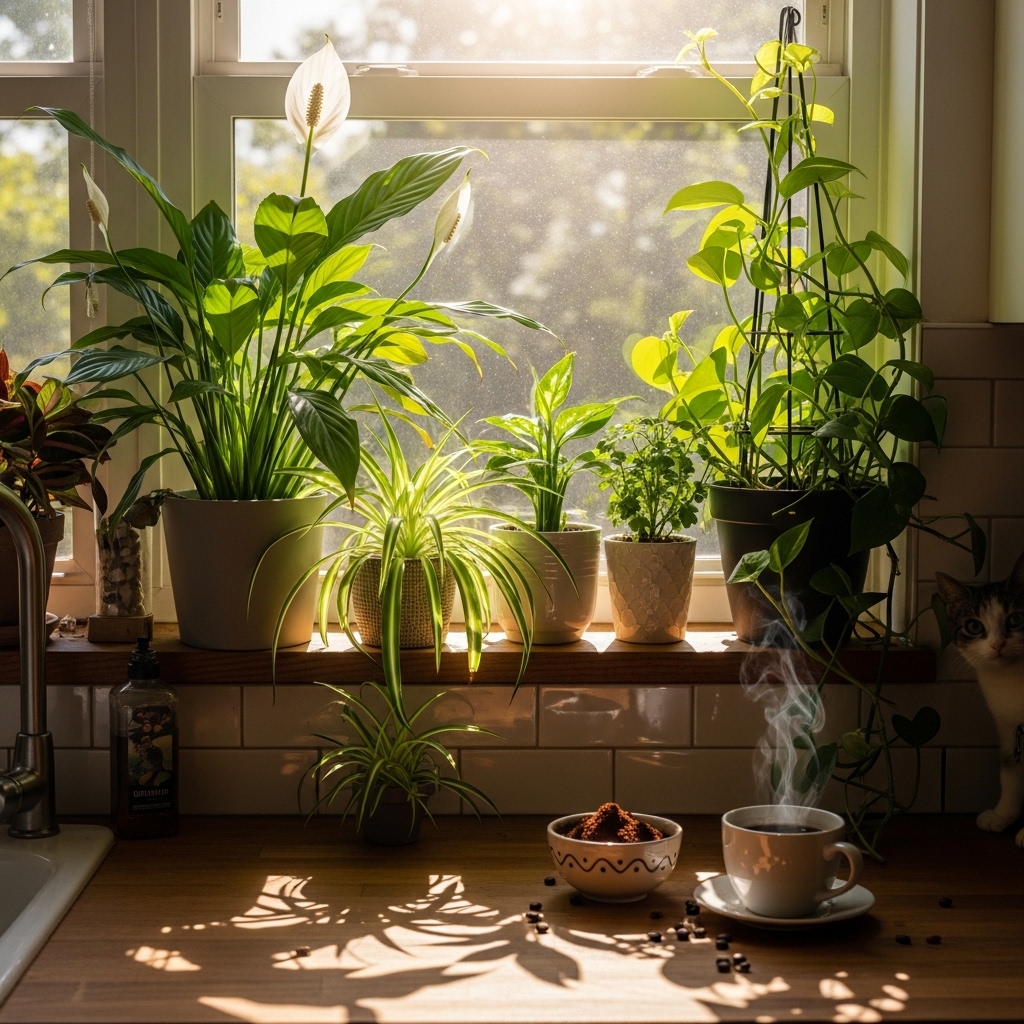
With all the benefits of coffee grounds, I was excited to discover which plants would thrive best with them. Here’s what I found to be the most responsive.
Acid-Loving Plants
For any gardener, knowing which plants appreciate acidic conditions is a game-changer. Here are a few that I’ve had great success with:
Blueberries
Blueberries love acidic soil, and coffee grounds fit the bill perfectly. After I started adding coffee grounds around my blueberry bushes, I noticed an increase in fruit size and sweetness. It felt rewarding to pick plump, delicious blueberries that I knew were nurtured with a little help from my morning brew.
Azaleas
Azaleas are another favorite of mine that thrive on a diet rich in coffee grounds. The vibrant blooms were even more stunning after I started this practice. I’ve found that they bloom more profusely and maintain their lush green foliage throughout the growing season.
Rhododendrons
Similar to azaleas, rhododendrons flourish in acidic conditions. I’ve planted a few in my garden, and they have become one of the standout features. Adding coffee grounds has helped them thrive, and I love seeing them burst into color each spring.
Vegetables That Benefit from Coffee Grounds
In my quest to grow a vegetable garden, I was thrilled to learn that coffee grounds can also benefit certain veggies. Here are my top picks:
Tomatoes
Tomatoes are heavy feeders, and they benefit from the nitrogen boost that coffee grounds provide. My tomato plants have grown taller and produced more fruit since I started incorporating coffee grounds into their soil.
Carrots
I was pleasantly surprised to find that carrots do well with coffee grounds, too. I mixed some into the soil before planting, and the roots developed beautifully. The added nutrients helped produce sweeter, more flavorful carrots, which was a delightful perk.
Radishes
Radishes are quick-growing and can benefit from the immediate nutrient availability of coffee grounds. My radish harvest was bountiful, and I loved how easy it was to incorporate grounds into their growing environment.
Herbs and Coffee Grounds
Herbs are another area in my garden where I’ve seen success with coffee grounds. Here are a few that thrive:
Basil
Basil loves the extra nitrogen coffee grounds provide. I’ve noticed a significant difference in the flavor of my homegrown basil since I started adding grounds. It’s particularly fragrant and robust, which makes my homemade pesto even better.
Mint
Mint is a vigorous grower, and the additional nutrients from coffee grounds help it flourish. My mint plant has become a lush bush, perfect for adding to drinks and dishes during the summer months.
Rosemary
While rosemary prefers slightly drier soil, adding coffee grounds can still enhance its growth. I’ve mixed them in sparingly, and my rosemary has thrived, adding a lovely flavor to my cooking.
Flowering Plants
Finally, let’s not forget about flowering plants that can benefit from coffee grounds. Here are some of my favorites:
Roses
Roses are notorious for being picky, but they can really thrive with the right care. I’ve found that adding coffee grounds not only improves the soil but also enhances the blooms. My roses have never looked better!
Hydrangeas
Hydrangeas are another flower that thrives in acidic soil. I’ve experimented with coffee grounds around my hydrangeas, and the color of the flowers has become even more vibrant. It’s amazing how a little coffee can transform these blooms!
Camellias
Camellias also appreciate the acidic nature of coffee grounds. I’ve planted a few in my garden, and they have thrived beautifully, thanks to the added nutrients and improved soil structure.
How to Prepare Coffee Grounds for Plants
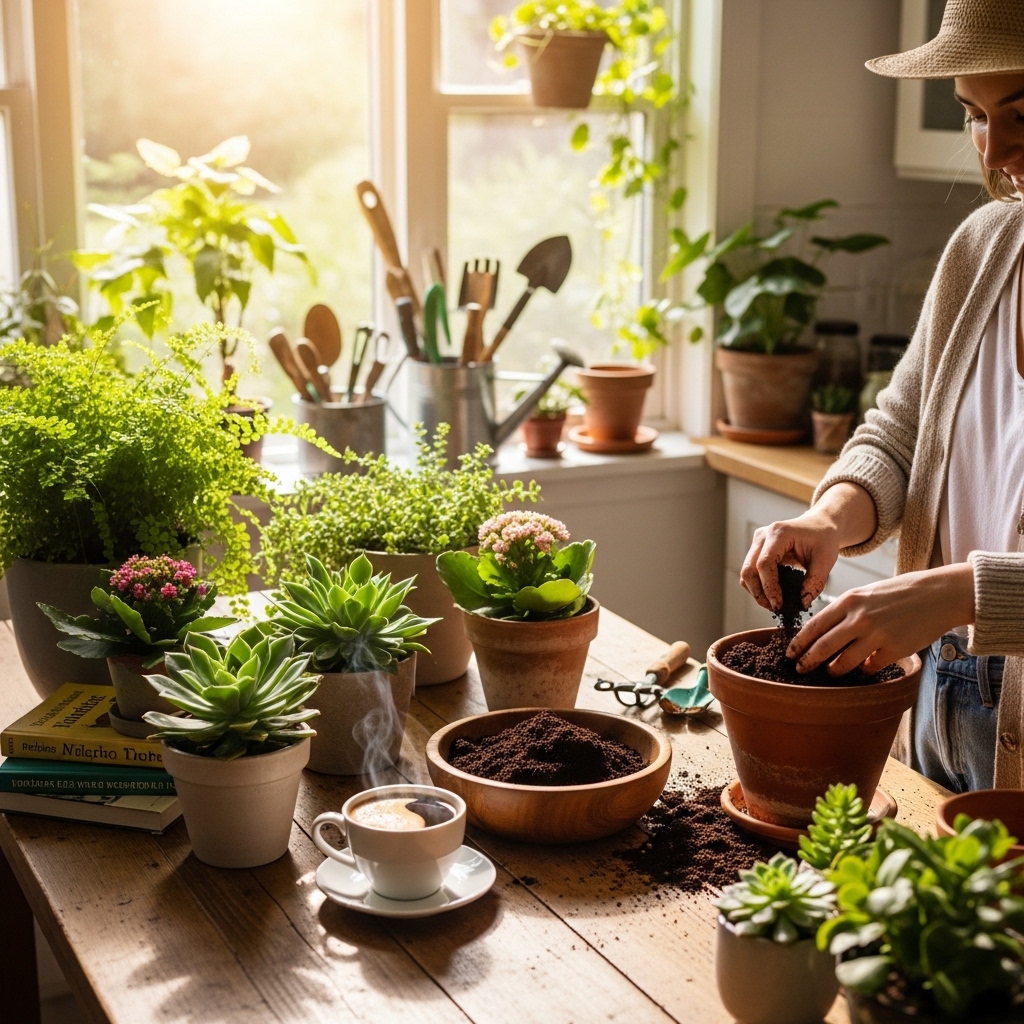
After learning about the benefits of coffee grounds, I soon realized that properly preparing them can make a big difference in how effective they are in the garden. It’s not just about tossing used grounds onto the soil; there are a few steps I recommend to maximize their potential.
Drying and Storing Coffee Grounds
One of the first things I started doing was drying my coffee grounds. Fresh, wet coffee grounds can mold quickly, which isn’t ideal for your plants or compost. To dry them, I simply spread the used grounds on a baking sheet and let them air dry for a couple of days. This step is pretty easy, and it’s helped me avoid any potential issues with mold. Once the grounds are dry, I store them in an airtight container. I always keep some handy because I’m constantly finding new ways to use them.
If you don’t have time to dry them out right away, I’ve found that you can also freeze coffee grounds. Just pop them into a freezer-safe bag, and they’ll be good to go whenever you need them. I appreciate this method because it allows me to save up grounds over time and use them when the season is right for planting or fertilizing.
Mixing Coffee Grounds with Other Amendments
In my gardening journey, I discovered that coffee grounds work even better when combined with other organic materials. For instance, I often mix coffee grounds with kitchen scraps and yard waste in my compost pile. This combination not only helps keep the compost balanced but also speeds up the decomposition process, resulting in rich, fertile compost for my plants.
Another great mix I’ve tried is combining coffee grounds with crushed eggshells. The eggshells add calcium, which is beneficial for many plants. I noticed a marked improvement in the health of my tomatoes after using this blend. It’s like a nutrient-packed superfood for plants! Just make sure to keep everything well mixed to ensure even distribution.
For a more immediate impact, I sometimes blend coffee grounds with my garden soil before planting. It’s a great way to introduce nutrients right from the start. I’ve found that shallow mixing works best to avoid any water retention issues.
Common Misconceptions About Coffee Grounds in Gardening

As I delved deeper into the world of gardening with coffee grounds, I encountered several misconceptions that I felt compelled to clarify. It’s always good to separate fact from fiction to make informed choices for our gardens.
Are Coffee Grounds Bad for Certain Plants?
One misconception I’ve come across is that coffee grounds can be harmful to certain plants. While it’s true that not all plants benefit from coffee grounds, in my experience, most plants can handle them well when used correctly. I’ve learned that the key is moderation. For example, I’ve read that some plants, like certain succulents, prefer drier conditions and might not appreciate the extra moisture that coffee grounds can add. So, I’ve made sure to use them sparingly in those areas. Always pay attention to how your plants respond, and adjust your usage accordingly.
Understanding the Caffeine Effect on Plants
Another common concern I’ve heard is about caffeine in coffee grounds affecting plants adversely. I used to worry that the caffeine could harm my plants, but studies have shown that the amount of caffeine in used coffee grounds is quite low. Most plants, including all the ones I’ve mentioned, seem to tolerate the small amounts just fine. I’ve even read that some plants may benefit from caffeine, as it can stimulate growth in certain scenarios. It’s certainly something to keep an eye on, but I’ve found that moderation and observation are key.
Other Uses of Coffee Grounds in the Garden
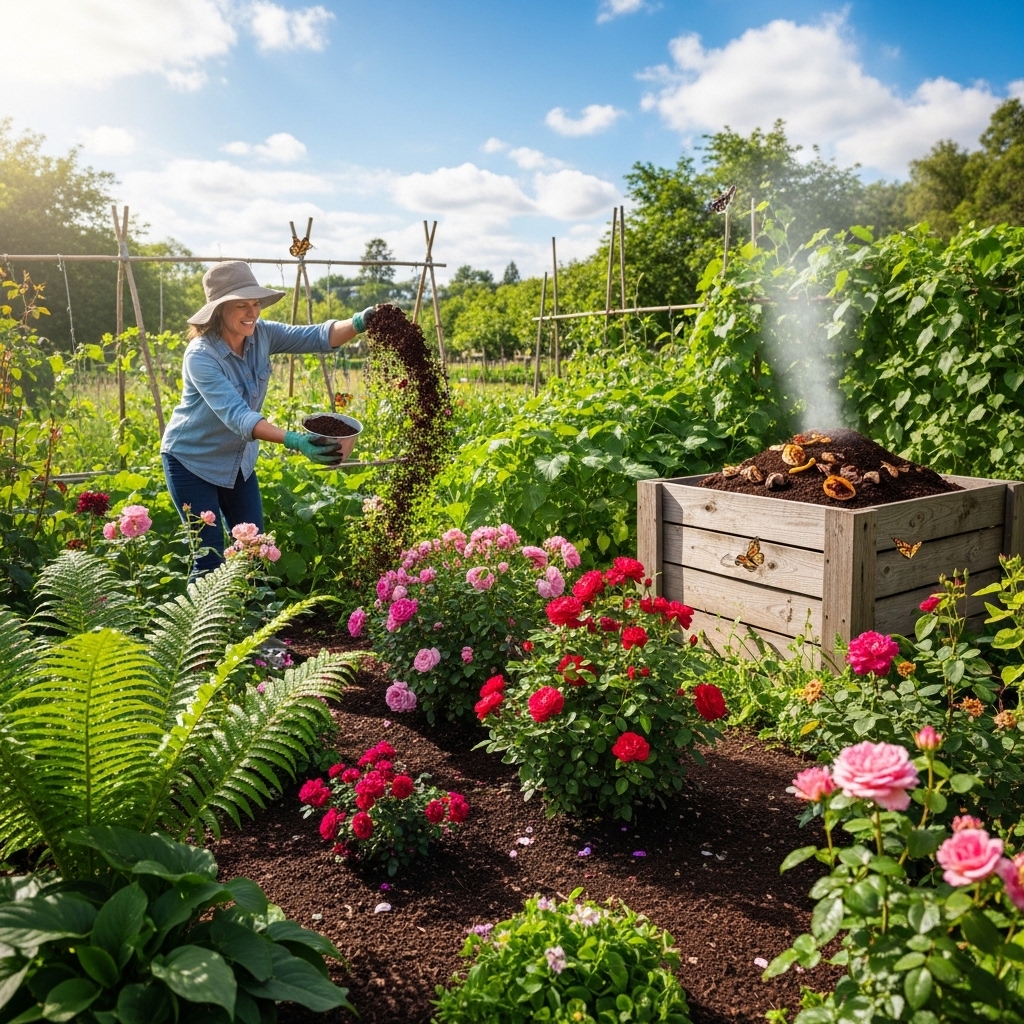
Beyond fertilizing, coffee grounds have several other fantastic uses in the garden that I’ve personally enjoyed exploring. These versatile grounds can be a gardener’s best friend in ways I never expected!
Natural Pest Repellent
I discovered that coffee grounds can act as a natural pest repellent. When I first started using them, I noticed fewer slugs and snails in my garden. After doing some research, I learned that the texture and caffeine in coffee grounds can deter these creatures. I began spreading them around my plants, especially during the evenings when these pests tend to come out. It worked like a charm! Not needing to resort to chemical repellents felt like a win for both my plants and the environment.
Composting with Coffee Grounds
As I mentioned earlier, coffee grounds are a terrific addition to compost piles. They’re considered “green” materials, providing nitrogen that balances out the carbon-rich “brown” materials, like dry leaves or cardboard. I always make sure to mix my coffee grounds thoroughly with other compost ingredients to avoid compacting, which can slow down decomposition. It’s fascinating to witness how quickly the coffee grounds break down and contribute to rich compost.
Improving Soil Structure
I also found that adding coffee grounds to the soil can improve its overall structure. The organic matter helps with drainage and aeration, which I’ve seen firsthand in my garden. I often mix coffee grounds into my planting holes, especially for new plants. It’s a simple step that makes a noticeable difference in root development and plant health. My garden has never looked better!
Frequently Asked Questions
What plants benefit most from coffee grounds?
Coffee grounds are particularly beneficial for acid-loving plants such as blueberries, azaleas, and rhododendrons. They also help vegetables like tomatoes, carrots, and radishes, as well as herbs such as basil, mint, and rosemary.
How do coffee grounds improve soil health?
Coffee grounds improve soil health by introducing organic material, enhancing drainage and aeration. They can also attract earthworms, which help aerate the soil and break down organic matter.
What nutrients do coffee grounds provide to plants?
Coffee grounds are rich in nitrogen (approximately 2%), and they also contain smaller amounts of phosphorus and potassium, making them a valuable nutrient source for plants.
Can coffee grounds deter pests in the garden?
Yes, coffee grounds can help deter pests such as slugs and certain insect pests, acting as a natural barrier without the need for harsh chemicals.
How should coffee grounds be applied in the garden?
Coffee grounds can be mixed into the soil, spread as mulch around plants, or added to compost piles. It’s important to use them in moderation to avoid compacting the soil.
What is the best way to store used coffee grounds?
Used coffee grounds should be dried to prevent mold. They can be spread on a baking sheet to air dry or stored in the freezer in a freezer-safe bag for later use.
Are there any misconceptions about using coffee grounds in gardening?
One misconception is that coffee grounds are harmful to certain plants. While some plants prefer drier conditions, most can tolerate coffee grounds when used in moderation.
Can caffeine in coffee grounds harm plants?
Studies have shown that the amount of caffeine in used coffee grounds is low and generally does not harm plants. In some cases, caffeine may even stimulate growth.
What other uses do coffee grounds have in gardening?
Beyond fertilizing, coffee grounds can act as a natural pest repellent, improve soil structure, and be added to compost piles as a nitrogen source.
How can coffee grounds affect the growth of blueberries?
Blueberries thrive in acidic soil, and the addition of coffee grounds can improve their growth and fruit production, resulting in larger and sweeter berries.