
The white fringe tree (Chionanthus virginicus) offers beautiful spring blooms and wildlife benefits but has drawbacks like slow growth and specific soil requirements.
Table of Contents
The white fringe tree is admired for its stunning white flowers and ecological contributions. However, potential growers should weigh its appealing characteristics against its growth challenges and specific care needs to determine if it fits their landscape goals.

Overview of the White Fringe Tree
The white fringe tree, known scientifically as Chionanthus virginicus, is a captivating addition to any landscape. Its beautiful flowers and native significance make it a valuable choice for gardeners looking to enhance their outdoor spaces.
Common Names and Scientific Classification
The white fringe tree carries several common names that reflect its unique appearance. These include:
- Fringe tree
- Grancy graybeard
- Old-man’s-beard
- Flowering ash
Its scientific classification is as follows:
- Genus: Chionanthus
- Species: Chionanthus virginicus
Native Range and Ecological Value
Chionanthus virginicus is native to the southeastern United States, thriving in regions ranging from Virginia to Florida and as far west as Texas. This tree plays a critical role in local ecosystems by providing habitat and food for various wildlife, including pollinators such as bees and butterflies.
Ecological Benefits:
- Attracts Pollinators: The fragrant flowers attract a variety of beneficial insects.
- Supports Wildlife: Birds and small mammals feed on its fruits.
- Enhances Soil Health: As a native species, it contributes to soil resilience and biodiversity.
Decision Framework for Planting
When considering the white fringe tree, evaluate the following factors for optimal placement:
- Sunlight: Prefers full sun to partial shade.
- Soil Type: Thrives in well-drained, loamy soil.
- Space: Requires adequate room to grow, reaching heights of 20 feet.
Scenario Insights:
In urban settings with limited space, the white fringe tree can serve as an ornamental feature while supporting local ecosystems. However, in areas prone to heavy clay soils, it may struggle without proper amendments.
This decision framework helps ensure you choose the right environment for the white fringe tree, maximizing its aesthetic and ecological benefits.
Pros of the White Fringe Tree
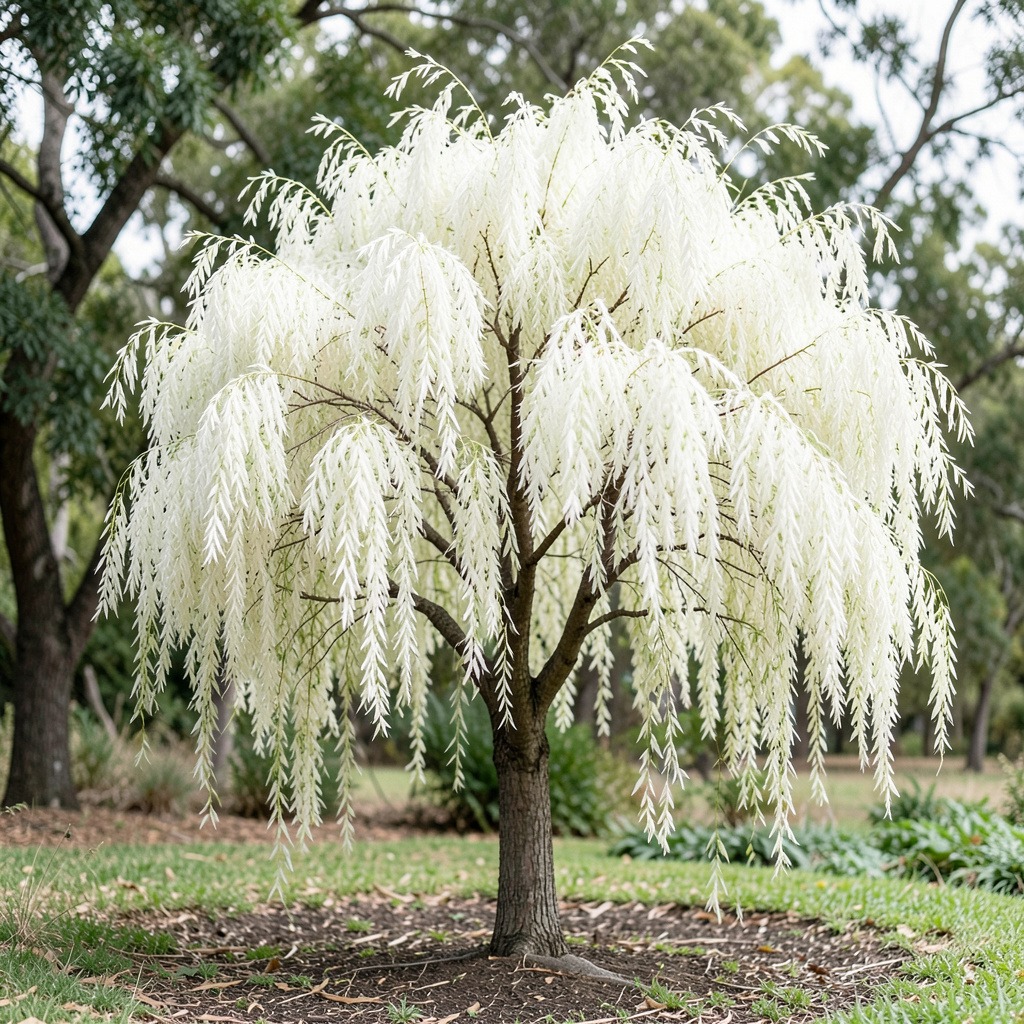
The white fringe tree (Chionanthus virginicus) offers significant aesthetic and ecological benefits, making it a valuable addition to many landscapes. Its beauty and low maintenance requirements enhance gardens while supporting local wildlife.
Aesthetic Appeal and Flowering Characteristics
The white fringe tree captivates with its unique, lace-like white flowers that bloom in late spring. These fragrant blossoms emit a sweet, lilac-like scent, creating a sensory experience in gardens. The tree features a rounded canopy and glossy green leaves, providing visual interest throughout the growing season.
- Seasonal Changes: In fall, the foliage transforms to vibrant yellow, adding seasonal color before leaf drop.
- Size and Form: Growing up to 20 feet tall and wide, it suits both small and expansive landscapes.
Wildlife Attractiveness and Ecological Benefits
This tree supports local ecosystems by attracting various pollinators. Its flowers are particularly appealing to:
- Bees: Essential for pollination, they are drawn to the tree’s sweet fragrance.
- Butterflies: They feed on the nectar, contributing to biodiversity in the area.
- Birds: The tree provides shelter and nesting sites, supporting avian populations.
In addition to its role in supporting wildlife, the white fringe tree contributes to soil health. As a native species, it adapts well to local conditions without requiring excessive fertilization. This characteristic makes it a sustainable choice for gardeners looking to enhance their landscapes while minimizing environmental impact.
Comparison of Care Needs
| Aspect | White Fringe Tree | Alternative Ornamental Trees |
|---|---|---|
| Sunlight | Full sun to partial shade | Varies, often requires full sun |
| Soil Type | Well-drained, loamy soil | May require specific amendments |
| Pollinator Support | High | Moderate to high |
| Maintenance Level | Low | Varies |
This table highlights the white fringe tree’s advantages over other ornamental options, particularly in terms of maintenance and wildlife support. Its ease of care and ecological contributions make it an attractive choice for both novice and experienced gardeners.
Cons of the White Fringe Tree

While the white fringe tree (Chionanthus virginicus) offers stunning beauty and ecological benefits, it also presents several challenges for gardeners. Understanding these cons is essential for making an informed decision about incorporating this tree into your landscape.
Growth Rate and Maturation Time
The white fringe tree is known for its slow growth rate. Typically, it takes several years to reach its full height of 20 feet. This slow maturation can be a drawback for gardeners seeking immediate impact in their landscapes. Expect a growth rate of only 12 to 24 inches per year under optimal conditions.
Soil Requirements and Care Challenges
This tree has specific soil requirements that can limit its placement in your garden. It thrives in well-drained, loamy soil. Here is a checklist for ideal soil conditions:
- pH Level: 6.0 to 7.5
- Drainage: Excellent drainage is crucial to prevent root rot.
- Moisture: Consistently moist, but not waterlogged.
If your soil does not meet these criteria, you may need to amend it, which can increase the initial care required.
Pest and Disease Vulnerabilities
Though generally resilient, the white fringe tree can be susceptible to certain pests and diseases. Common issues include:
- Mites: These can affect foliage but usually do not threaten the tree’s overall health. Regular monitoring is essential.
- Root Rot: This can occur in poorly drained soils, leading to decline.
To manage these issues effectively:
1. Regular Inspections: Check for signs of pests or disease.
2. Water Management: Ensure proper drainage to prevent root rot.
3. Integrated Pest Management (IPM): Employ organic pesticides if necessary to control mite populations.
By understanding these cons, gardeners can better prepare for the challenges of cultivating a white fringe tree while still enjoying its unique beauty.
Planting and Care Guidelines for the White Fringe Tree

Successfully cultivating a white fringe tree (Chionanthus virginicus) requires attention to its specific planting and care needs. Understanding these requirements will enhance its growth and ensure it thrives in your landscape.
Ideal Planting Location and Conditions
Select a suitable location to maximize the tree’s beauty and health. The white fringe tree prefers:
- Sunlight: Full sun is ideal for abundant blooms, although it can tolerate partial shade.
- Soil: Fertile, loamy soils with excellent drainage are best. Ensure the site is not prone to waterlogging.
- Climate: This tree adapts well to USDA Zones 3-9, thriving in humid environments typical of the South and Midwest.
Decision Framework for Planting Location:
- Assess sunlight exposure: Choose a spot receiving 6-8 hours of sun daily.
- Test soil drainage: Dig a hole; if water pools after heavy rain, consider raised planting beds.
- Evaluate climate: Confirm that your local climate matches the tree’s adaptability range.
Watering and Fertilization Needs
Proper watering is crucial for the white fringe tree’s establishment and ongoing health.
- Watering: Newly planted trees require consistent moisture, especially in their first year. Water deeply once a week during dry spells.
- Fertilization: Generally, these trees do not need additional fertilization if planted in nutrient-rich soil. If planted in less fertile areas, consider using slow-release fertilizer spikes in early spring.
Checklist for Watering:
- Water deeply to encourage root development.
- Adjust frequency based on rainfall and temperature.
- Monitor soil moisture to avoid overwatering.
Pruning Techniques for Optimal Growth
Pruning helps maintain the tree’s shape and health. Here are some guidelines:
- Timing: Prune in late winter or early spring before new growth starts.
- Technique: Remove broken or dead branches for shrub-form trees. For tree-form, prune to promote a single upright trunk.
- Frequency: Minimal pruning is required, typically every few years or as needed to maintain shape.
Pruning Tips:
- Use clean, sharp tools to prevent disease.
- Focus on removing only what is necessary to encourage healthy growth.
By adhering to these planting and care guidelines, gardeners can enjoy the aesthetic appeal and wildlife benefits of the white fringe tree while minimizing potential drawbacks.
Comparing the White Fringe Tree with Other Ornamental Trees
The white fringe tree (Chionanthus virginicus) is often compared to the Chinese fringe tree (Chionanthus retusus) due to their similar appearances and cultural significance. Understanding their differences can help gardeners choose the right tree for their landscape.
Growth Characteristics Comparison
| Feature | White Fringe Tree (Chionanthus virginicus) | Chinese Fringe Tree (Chionanthus retusus) |
|---|---|---|
| Height | 12-20 feet | 15-30 feet |
| Spread | 12-20 feet | 15-25 feet |
| Growth Rate | Slow (10-12 inches per year) | Moderate (12-24 inches per year) |
| Soil Requirements | Prefers loamy, moist soils | Adapts well to various soil types |
| Hardiness Zones | USDA Zones 3-9 | USDA Zones 5-9 |
| Sunlight Needs | Full sun to partial shade | Full sun |
Aesthetic Differences and Similarities
Both fringe trees are celebrated for their ornamental value, displaying elegant white flowers during spring. However, they differ in several aesthetic aspects:
- Flower Structure: The white fringe tree features long, lacy flower clusters that exhibit a delicate appearance. In contrast, the Chinese fringe tree’s flowers are more compact and robust.
- Fall Foliage: The white fringe tree displays vibrant yellow foliage in the fall, enhancing its seasonal appeal. The Chinese fringe tree offers less colorful fall foliage, typically turning a muted yellow-green.
- Fragrance: The white fringe tree emits a sweet, lilac-like fragrance, attracting pollinators and enhancing garden enjoyment. The Chinese fringe tree has a less pronounced scent.
Decision Framework for Selection
When choosing between these two ornamental trees, consider the following factors:
- Space Availability: If your landscape is limited in space, the white fringe tree’s smaller maximum size may be more suitable.
- Desired Growth Rate: For quicker results, the Chinese fringe tree is a better option with its moderate growth rate.
- Climate Suitability: Ensure your chosen tree matches your USDA hardiness zone to thrive in your local environment.
By evaluating these characteristics, gardeners can make an informed decision on whether to plant the white fringe tree or its Chinese counterpart, ensuring a successful addition to their landscape.
Alternatives to the White Fringe Tree
While the white fringe tree (Chionanthus virginicus) boasts unique beauty and ecological benefits, several alternatives offer similar aesthetic and wildlife support. Selecting the right tree depends on your landscape needs, growth preferences, and environmental conditions.
Recommended Ornamental Trees for Similar Landscapes
Consider these alternatives that provide comparable ornamental value and wildlife support:
| Tree Name | Height | Growth Rate | Soil Preference | Climate Zones |
|---|---|---|---|---|
| Chinese Fringe Tree | 15-30 ft | Moderate (12-24 in/year) | Well-drained, loamy | 5-9 |
| Serviceberry | 15-25 ft | Moderate (12-24 in/year) | Moist, well-drained | 4-9 |
| Redbud | 20-30 ft | Moderate (12-24 in/year) | Well-drained, sandy-loam | 4-9 |
| Hawthorn | 15-30 ft | Moderate (12-24 in/year) | Well-drained, clay-loam | 4-7 |
Considerations for Selecting Alternatives
When selecting alternative trees, evaluate the following factors:
- Growth Rate: If you need a quicker establishment, choose a tree with a faster growth rate, such as the Chinese fringe tree or serviceberry.
- Soil Conditions: Ensure your choice aligns with your soil type. For example, redbuds thrive in well-drained soils, while hawthorns can tolerate clay-loam.
- Wildlife Benefits: Many alternatives, like serviceberry, attract birds and pollinators, enhancing your garden’s ecological value.
By assessing these considerations, you can select an ornamental tree that meets your landscaping goals while providing similar beauty and environmental contributions as the white fringe tree.
Frequently Asked Questions
These quick answers cover the most common questions about this topic, including key details, practical tips, and common concerns.
What are the ideal growing conditions for a white fringe tree?
The white fringe tree thrives in full sun to partial shade and prefers well-drained, loamy soils. It is essential to ensure that the soil has a pH level between 6.0 and 7.5 to promote healthy growth. Additionally, the tree requires ample space, as it can reach heights of 12 to 20 feet and spreads equally wide.
How long does it take for a white fringe tree to mature?
Typically, a white fringe tree takes several years to reach its full height of 20 feet. Under optimal conditions, it grows at a rate of 12 to 24 inches per year. Patience is key, as this slow growth rate means it may take a decade or more to achieve its mature size.
What pests should I watch out for with white fringe trees?
Common pests affecting white fringe trees include mites and scale insects. While these pests can impact the tree’s foliage, they usually do not threaten overall health. Regular inspections and monitoring are essential for early detection. If you notice signs of infestation, consider using organic pesticides as part of an integrated pest management approach.
When does the white fringe tree bloom?
The white fringe tree typically blooms in late spring, around May to early June. During this time, it showcases its stunning, lace-like white flowers that emit a sweet fragrance, attracting various pollinators, including bees and butterflies. This flowering period enhances the tree’s ornamental appeal in the landscape.
Why is the white fringe tree beneficial for wildlife?
The white fringe tree plays a vital role in supporting local wildlife. Its fragrant flowers attract pollinators like bees and butterflies, contributing to biodiversity. Additionally, the tree produces small fruits that birds and small mammals feed on, providing essential food and habitat in your garden.
What should I know about common diseases and pests affecting white fringe trees?
White fringe trees can be susceptible to root rot, particularly in poorly drained soils. Regularly check for signs of wilting or yellowing leaves, which may indicate this issue. Additionally, pests like spider mites may appear, causing leaf damage. Monitoring and maintaining proper soil conditions are key to preventing these problems.
Can white fringe trees grow in containers?
While it is possible to grow white fringe trees in containers, it is not ideal due to their size and specific soil requirements. If you choose to plant one in a container, select a large pot with drainage holes and use high-quality potting soil. Regular watering and fertilization will be necessary to ensure the tree thrives in this constrained environment.
What are some alternative trees for similar aesthetics?
If you are looking for alternatives to the white fringe tree, consider the Chinese fringe tree, serviceberry, or redbud. These trees offer similar ornamental value, attractive blooms, and wildlife benefits. Each alternative has its unique growth characteristics and soil preferences, so evaluate your specific landscape conditions before making a selection.