
White grub worms are the larval stage of scarab beetles, primarily damaging grass roots and causing brown patches in lawns.
Table of Contents
White grub worms, often mistaken for worms, are destructive larvae of scarab beetles. Understanding their lifecycle, symptoms of infestation, and control methods is essential for maintaining a healthy lawn. This guide provides comprehensive insights into managing these pests effectively.
Understanding White Grub Worms: What They Are
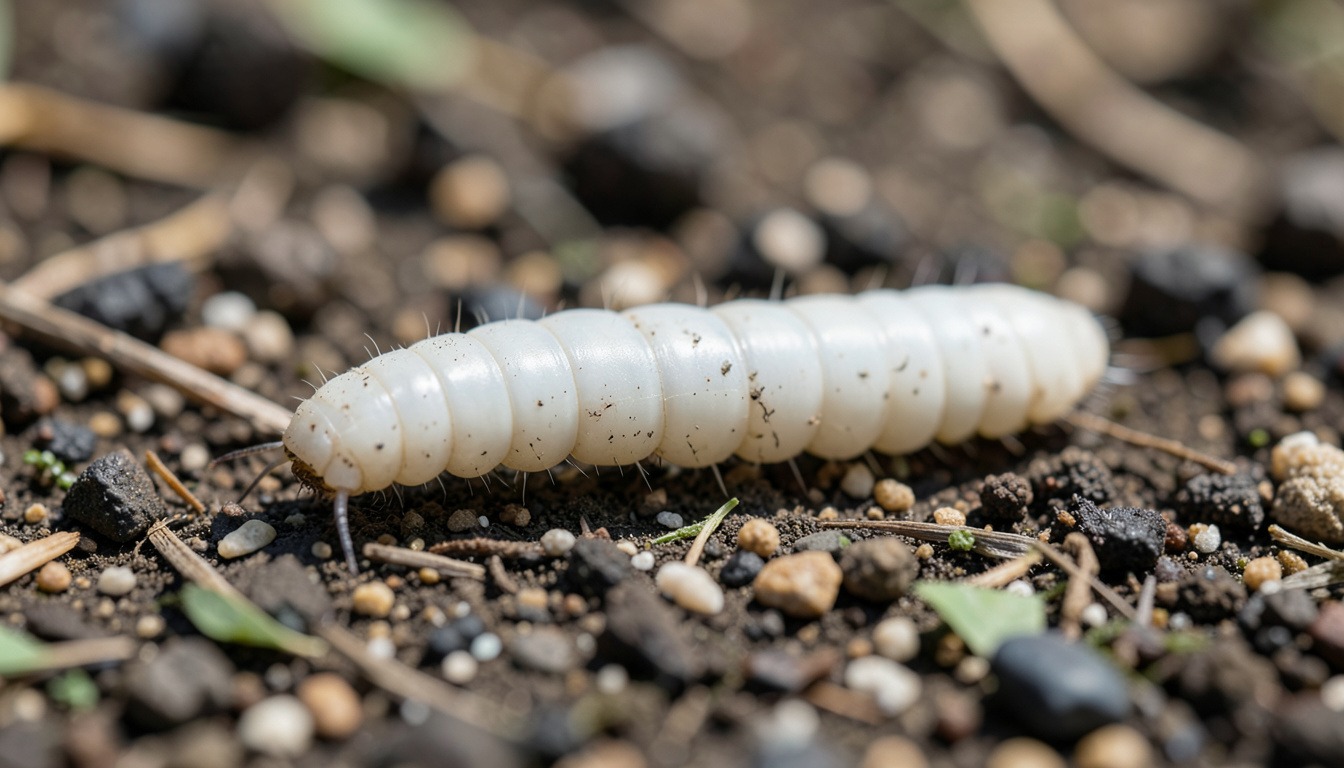
White grub worms are the larvae of scarab beetles. These pests can cause significant damage to lawns by feeding on grass roots. Identifying them accurately is vital for effective management.
Characteristics of White Grub Worms
White grub worms typically have a C-shaped body. They are soft, creamy white, and have a distinct brown head. Their size varies; they can grow up to 2 inches long depending on the species.
Key characteristics include:
- Body Shape: C-shaped, curving inward.
- Color: Creamy white with a darker head.
- Hairs: Presence of hairs on the last abdominal segment can help in identification.
Common Species of Grub Worms
Several beetle species contribute to white grub infestations in lawns. The most common include:
- Japanese Beetle (Popillia japonica): A notorious pest that thrives in various climates.
- European Chafer (Amphimallon majale): Known for its rapid reproduction and root-feeding habits.
- Masked Chafers (Cyclocephala spp.): This group includes both northern and southern masked chafers, which differ slightly in habitat preferences.
Each species has a similar lifecycle, but they can vary in their behavior and impact on lawns.
Misconceptions About Grub Worms
Many people mistakenly believe that all lawn grubs are Japanese beetle larvae. In reality, several species exist, and each can cause similar damage. Understanding the specific type of grub worm is essential for effective control.
For instance, while Japanese beetles may be prevalent in some areas, masked chafers can also be responsible for significant lawn damage. Recognizing the differences can guide better treatment strategies.
Visual aids, such as images or diagrams, can greatly enhance identification skills. For instance, showing the distinct features of each species can help homeowners differentiate between them effectively.
If grubs are present, consider using effective treatments such as GrubEx Grub Killer to manage infestations.
Lifecycle of White Grub Worms: Stages and Timing
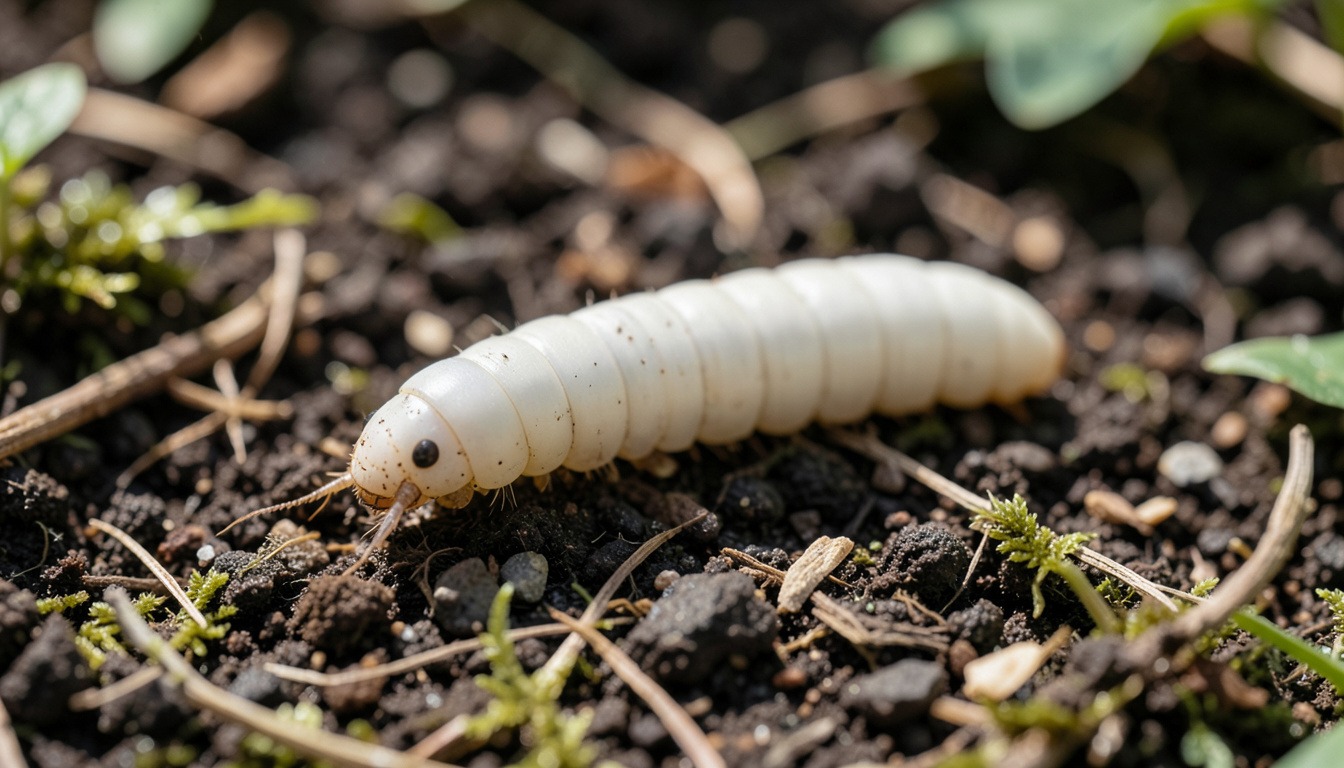
Understanding the lifecycle of white grub worms is crucial for effective management and prevention strategies. These pests progress through four distinct stages: egg, larval, pupal, and adult. Each stage has specific seasonal behaviors that impact treatment timing.
Lifecycle Stages of White Grub Worms
1. Egg Stage
- Females lay eggs in moist soil, typically in late spring to early summer.
- Each female can deposit 20-60 eggs over several weeks.
2. Larval Stage
- Eggs hatch into larvae (grubs) within two weeks.
- Grubs feed on grass roots, causing significant lawn damage.
- This stage lasts from late spring through fall, with peak feeding activity in late summer.
3. Pupal Stage
- Grubs enter the pupal stage in late summer to early fall.
- This stage lasts about two to three weeks, during which they develop into adult beetles.
4. Adult Stage
- Adult beetles emerge from the soil in late summer to early fall.
- They feed on foliage and mate, continuing the lifecycle by laying eggs.
Seasonal Behavior Patterns
- Spring (April – June)
- Adult beetles emerge and lay eggs.
- Grubs hatch and begin feeding on grass roots.
- Summer (July – August)
- Grubs are most active, leading to visual signs of lawn damage.
- This is the prime window for treatment to prevent extensive damage.
- Fall (September – October)
- Grubs transition into the pupal stage.
- Treatment in late summer can significantly reduce next year’s population.
Optimal Treatment Timing
To effectively control white grub worms, timing is critical. Here’s a simple guideline for treatment:
| Stage | Treatment Window | Recommended Action |
|---|---|---|
| Eggs | Late May – Early June | Apply preventive treatments. |
| Larvae | Mid-July – Early August | Use effective products like GrubEx Grub Killer. |
| Pupae | Late August – September | Monitor for damage; treatment is less effective. |
| Adults | Late summer to fall | Focus on preventing egg-laying. |
Implementing treatments according to these timings can help manage infestations effectively and protect your lawn from damage.
Signs of White Grub Worm Infestation in Lawns
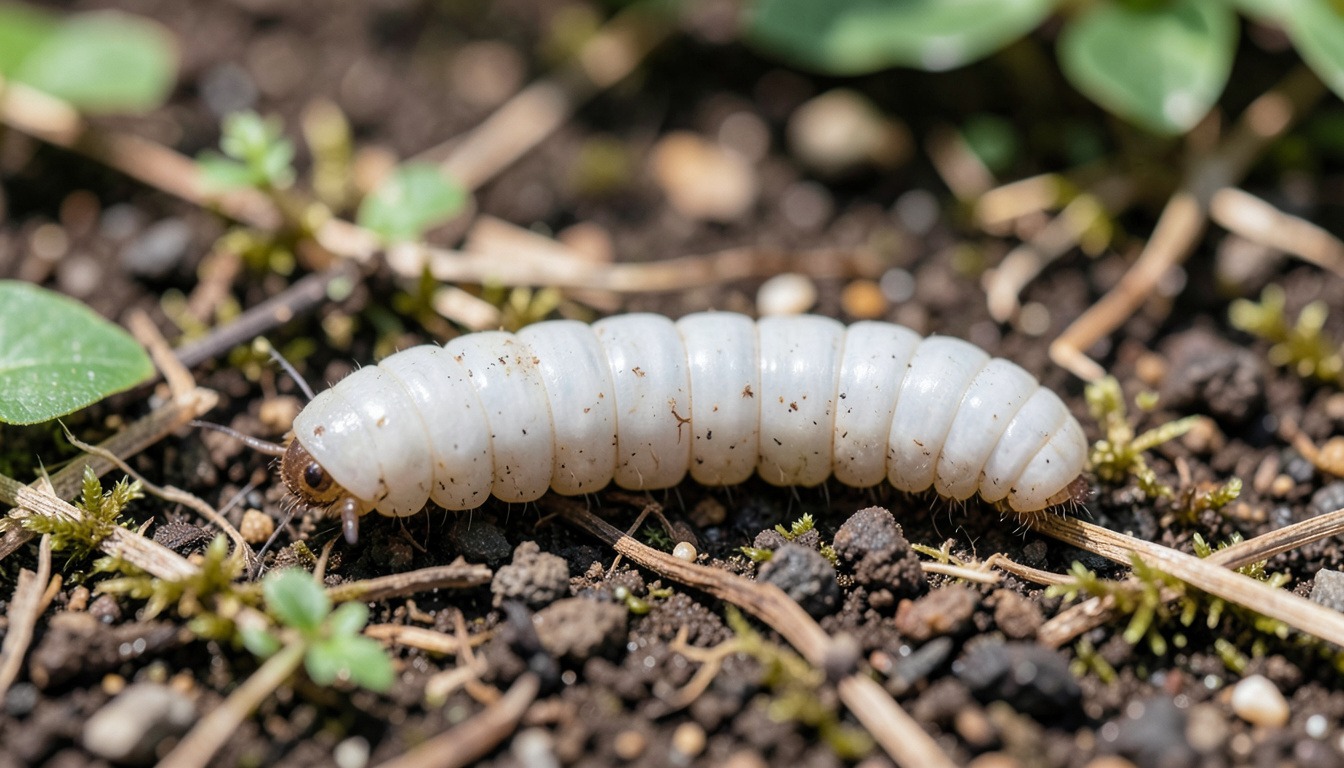
Identifying white grub worm infestations early is crucial for effective control. Homeowners should be aware of several key symptoms that indicate a problem.
Visual Symptoms of Grub Damage
Look for these specific signs in your lawn:
- Brown patches: Irregular areas of dead grass, especially in late summer or early fall.
- Spongy turf: Grass that feels soft or squishy underfoot, indicating root damage.
- Visible grubs: C-shaped, creamy white larvae found just below the soil surface when inspecting damaged areas.
Animal Behavior Indicators
Certain animal activities can signal the presence of white grubs:
- Digging by animals: Birds, raccoons, and skunks may dig in your lawn searching for grubs.
- Increased activity: Noticing more wildlife in your yard can indicate a food source is present.
Conducting the Tug Test
The tug test is a reliable method to assess grub damage:
1. Select a damaged area: Focus on the boundary between healthy and brown grass.
2. Grab the grass: Take a handful of the dying turf.
3. Pull upward: If the grass lifts easily, like a carpet with no resistance, grubs have likely damaged the roots.
Checklist for Assessing Lawn Health
Use this checklist to evaluate your lawn for signs of white grub worms:
- [ ] Check for irregular brown patches.
- [ ] Feel for spongy areas in the turf.
- [ ] Look for animal activity around your lawn.
- [ ] Perform the tug test in several locations.
By keeping an eye out for these symptoms, homeowners can take proactive steps to manage white grub worm infestations effectively.
Control Methods for White Grub Worm Infestations
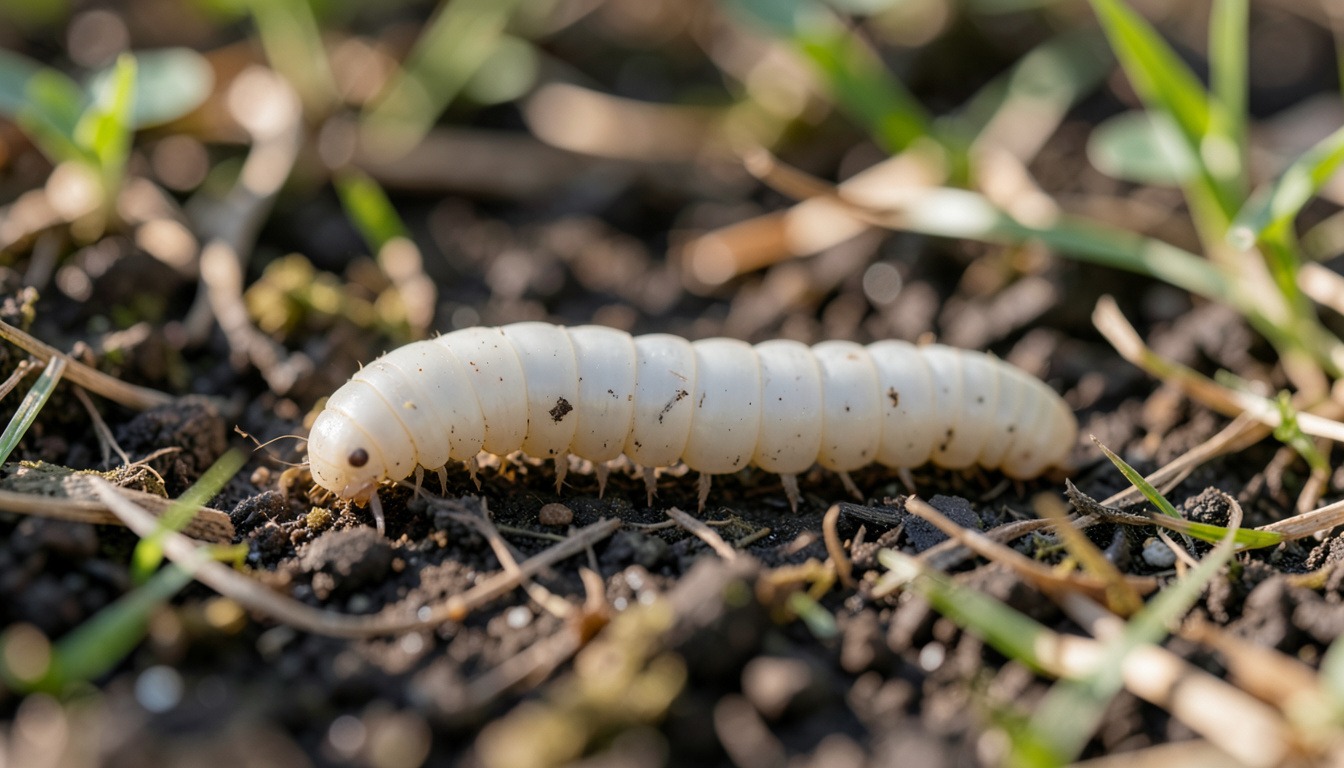
Managing white grub worms effectively requires a combination of organic and chemical treatments. Understanding the strengths and limitations of each approach will help homeowners make informed decisions.
Organic Control Options
Organic methods focus on natural ingredients that target grub populations without harming beneficial insects. Here are some popular organic treatments:
- Beneficial Nematodes: These microscopic worms infect and kill grubs. They are effective when applied in the late spring or early fall.
- Bacillus thuringiensis (Bt): This bacterium targets specific grub species, particularly during their early stages. Apply it when grubs are actively feeding.
- Diatomaceous Earth: A non-toxic powder that damages the exoskeletons of grubs. It is most effective when dry and can be sprinkled over infested areas.
Chemical Control Strategies
Chemical treatments offer faster results but require careful handling. Here are common chemical options:
- Insect Growth Regulators (IGRs): These disrupt the life cycle of grubs, preventing them from maturing. They need to be applied before the larvae reach maturity.
- Broad-spectrum Insecticides: These chemicals kill a wide range of pests, including grubs. They provide immediate results but may also affect beneficial insects.
Effectiveness Comparison
The table below summarizes the effectiveness of different treatment options:
| Treatment Type | Active Ingredient | Application Timing | Effectiveness Rating |
|---|---|---|---|
| Beneficial Nematodes | Nematodes | Late spring, early fall | Moderate (60-70%) |
| Bacillus thuringiensis | Bt | When grubs are feeding | High (75-85%) |
| Diatomaceous Earth | Silica powder | Anytime, requires moisture | Moderate (50-60%) |
| Insect Growth Regulators | Diflubenzuron | Pre-mature larvae | High (80-90%) |
| Broad-spectrum Insecticides | Imidacloprid | Anytime during infestation | Very High (90-95%) |
Decision Framework for Treatment
To determine the best approach, consider the following:
1. Identify the Infestation Level: Conduct a lawn health assessment to estimate grub numbers.
2. Assess Environmental Impact: Choose organic treatments for eco-friendly options.
3. Evaluate Timing: Apply treatments based on the grub life cycle and active feeding periods.
By understanding and comparing these control methods, homeowners can effectively tackle white grub worm infestations while considering the health of their lawns and the environment.
Preventive Measures for White Grub Worms
Preventing white grub worm infestations begins with proper lawn care practices. A healthy lawn can withstand a certain level of grubs. Employing effective mowing, watering, and fertilization techniques is crucial.
Lawn Health Maintenance Practices
1. Mowing:
- Keep grass at a height of 2.5 to 4 inches.
- Mowing too short weakens grass roots and increases susceptibility to pests.
2. Watering:
- Water deeply but infrequently.
- Aim for about 1 inch of water per week, adjusting based on rainfall.
- Avoid overwatering, as it can create an ideal environment for grubs.
3. Fertilization:
- Use slow-release fertilizers to promote steady growth.
- Fertilize during early spring and fall to strengthen grass.
- Avoid over-fertilization, which can lead to lush growth that attracts pests.
Seasonal Care Routines
Implementing seasonal care routines can significantly reduce grub populations. Consider the following calendar:
- Spring:
- Conduct a lawn assessment to check for early signs of grubs.
- Fertilize with slow-release nitrogen to enhance root strength.
- Summer:
- Monitor soil moisture closely; adjust watering as needed.
- Limit heavy foot traffic to reduce stress on grass.
- Fall:
- Aerate your lawn to improve drainage and root development.
- Apply a preventive grub control product if previous infestations occurred.
Long-Term Grub Prevention Strategies
1. Soil Health:
- Test soil pH and nutrient levels regularly.
- Amend soil as needed to create an unfavorable environment for grubs.
2. Diverse Planting:
- Incorporate a mix of grass species and clover to enhance biodiversity.
- Diverse lawns can tolerate higher grub populations without showing significant damage.
3. Regular Inspections:
- Check for signs of grub activity regularly, especially in late summer.
- Look for brown patches and lifted sod, which indicate potential infestations.
By following these preventive measures, homeowners can significantly mitigate the risk of white grub worm infestations and maintain a vibrant lawn.
Common Mistakes in Grub Control Management
Homeowners often make critical errors when managing white grub worm infestations. Understanding these mistakes can enhance control efforts and protect your lawn effectively.
Ignoring Early Signs of Infestation
Many homeowners overlook initial signs of grub activity. Early detection is essential for effective management. Look for:
- Brown patches in the lawn
- Lifted sod that pulls up easily
- Increased bird activity, which may indicate grubs are present
Addressing these symptoms promptly can prevent extensive damage.
Misapplication of Treatments
Applying treatments incorrectly is a common mistake. Here are key points to consider:
- Correct Timing: Apply preventive treatments in late spring to target first-instar larvae. Using them too late may miss the peak hatching period.
- Proper Application: Always water treatments into the soil to ensure efficacy. Products left on the surface degrade and fail to reach grubs.
Using the right product at the right time is crucial. For example, GrubEx is effective against young larvae but not larger grubs. Misusing these products can lead to wasted effort and resources.
Overlooking Lawn Health
A healthy lawn can withstand some grub pressure. Neglecting overall lawn care may invite infestations. Implement these practices:
- Regular Aeration: Aerate your lawn to reduce thatch buildup. A thick thatch layer can block insecticides from penetrating the soil.
- Soil Testing: Regularly test soil health to adjust pH and nutrient levels. Healthy soil supports robust grass that can recover from minor grub damage.
By maintaining lawn health, you create an environment less favorable to white grub worms.
User Insight: Successful Grub Management
Many homeowners have successfully managed grub infestations by correcting their approach. For instance, one homeowner noted that switching to a comprehensive lawn care strategy, which included timely applications and regular soil testing, significantly reduced grub populations.
This anecdote illustrates the importance of a holistic view in lawn management. By focusing not just on grubs but on overall lawn health, you can achieve long-term success against infestations.
Alternatives to Chemical Treatments for Grub Control
Managing white grub worms doesn’t always require chemical treatments. Homeowners can effectively utilize biological controls and cultural practices to mitigate infestations and promote lawn health.
Biological Control Methods
Biological control methods leverage natural predators and pathogens to manage grub populations. These approaches are often safer for the environment and beneficial organisms in your garden.
- Nematodes: Beneficial nematodes are microscopic roundworms that target grub larvae. When applied to the soil, they enter grubs and release bacteria that kill them. This method is most effective when applied during the early morning or late evening.
- Bacterial Insecticides: Products containing Bacillus thuringiensis (Bt) effectively target specific grub species. When ingested, Bt produces toxins that are lethal to the larvae, making it a viable organic option.
- Entomopathogenic Fungi: Certain fungi can infect and kill grubs. For instance, Beauveria bassiana has shown promise in managing white grub populations by infecting and ultimately killing the larvae.
Cultural Practices for Long-Term Control
Cultural practices focus on maintaining healthy lawns, which can reduce the susceptibility to grub infestations.
- Regular Lawn Maintenance: Mowing at the appropriate height, watering deeply, and aerating the soil can enhance grass health, making it more resilient to grub damage.
- Soil Testing: Conducting soil tests helps identify nutrient deficiencies. A balanced nutrient profile supports robust grass growth that can withstand minor grub infestations.
- Diverse Planting: Incorporating a variety of grass types can minimize the impact of grubs. Some grass species are more resistant to grub damage than others.
Effectiveness of Alternatives Compared to Chemicals
Understanding the effectiveness of biological and cultural practices compared to chemical treatments can guide homeowners in their management decisions. Here’s a side-by-side comparison:
| Method | Effectiveness Rating (1-5) | Notes |
|---|---|---|
| Chemical Treatments | 5 | Quick results; potential environmental impact. |
| Beneficial Nematodes | 4 | Effective if applied correctly; slower results. |
| Bacterial Insecticides | 4 | Target specific pests; safe for beneficial insects. |
| Cultural Practices | 3 | Requires ongoing commitment; prevents future infestations. |
In summary, while chemical treatments may provide immediate relief, biological controls and cultural practices offer sustainable alternatives that promote long-term lawn health. Homeowners should assess their specific situation to determine the best approach for managing white grub worms effectively.
Assessing Lawn Health for Grub Management
Evaluating your lawn’s health is crucial for determining the need for grub treatments. A healthy lawn can tolerate a certain level of white grub worms. Understanding the signs of infestations and assessing lawn conditions helps in deciding the appropriate management strategies.
Criteria for Lawn Health Assessment
To effectively assess your lawn’s health, consider the following criteria:
- Soil Quality: Check for nutrient levels and soil pH. Healthy soil supports strong grass roots.
- Grass Variety: A diverse mix of grass species can better withstand pests like grubs.
- Watering Practices: Overwatering can lead to root rot, making lawns more susceptible to grub damage.
- Visible Symptoms: Look for brown patches, spongy areas, and peeling grass. These can indicate grub infestations.
Integrating Grub Management into Lawn Care
Incorporating grub management into regular lawn care requires a proactive approach. Here are key actions:
- Regular Inspections: Schedule bi-weekly checks during peak grub season (late spring to early summer). This helps catch infestations early.
- Tug Test: Perform the tug test to assess root health. If grass comes up easily, grubs may be present.
- Healthy Lawn Practices: Maintain proper fertilization and irrigation. This strengthens grass and makes it more resilient.
Action Plan for Healthy Lawns
Create an actionable plan to keep your lawn healthy and minimize grub issues:
1. Conduct a Lawn Assessment: Use the criteria outlined above to evaluate your lawn’s condition.
2. Monitor for Grub Indicators: Keep an eye out for symptoms of infestation.
3. Implement Treatment Strategies: Based on assessment, decide between organic or chemical treatments.
4. Maintain Lawn Health: Focus on cultural practices like aeration and overseeding to improve resilience against pests.
By following this framework, homeowners can make informed decisions about grub treatments while ensuring the overall health of their lawns remains a priority.
Frequently Asked Questions
These quick answers cover the most common questions about this topic, including key details, practical tips, and common concerns.
How do I get rid of white grubs?
To effectively get rid of white grubs, you can use a combination of organic and chemical treatments. Organic options include beneficial nematodes, which are microscopic worms that kill grubs, and Bacillus thuringiensis (Bt), a bacterium that targets larvae. Chemical treatments such as insect growth regulators (IGRs) and broad-spectrum insecticides can provide quicker results but should be used with caution to minimize environmental impact.
Timing is crucial. Apply treatments during the larval stage, typically from mid-July to early August, when grubs are actively feeding. Preventive measures in late spring can also help reduce future infestations.
What do white grub worms turn into?
White grub worms are the larval stage of scarab beetles. Once they complete their larval stage, they pupate in the soil and eventually emerge as adult beetles. Common species include the Japanese beetle and the European chafer. These adult beetles can cause further damage by feeding on foliage and laying eggs, which restart the lifecycle.
Understanding this transformation helps in managing infestations effectively, as targeting the larvae can prevent the emergence of new adult beetles.
Are white grub worms poisonous?
White grub worms are not poisonous to humans or pets. They primarily feed on grass roots, causing lawn damage but do not pose a direct health threat. However, some beetle species that emerge from grubs, like the Japanese beetle, can be a nuisance as they feed on various plants and flowers.
While they are harmless, large infestations can lead to significant lawn damage, making it essential to manage their populations effectively.
What are the signs of a white grub worm infestation?
Signs of a white grub worm infestation include irregular brown patches in your lawn, spongy turf that feels soft underfoot, and visible grubs when inspecting the soil. Increased activity from animals like birds and raccoons digging in your yard can also indicate the presence of grubs.
Conducting the tug test can help confirm infestations; if the grass lifts easily without resistance, it likely indicates root damage from grubs.
How to control white grub worm infestations?
Controlling white grub worm infestations involves a mix of preventive measures and active treatments. Regular lawn maintenance—such as proper mowing, watering, and fertilization—can help promote a healthy lawn that is less susceptible to grubs.
For active control, consider applying beneficial nematodes or chemical insecticides during peak feeding times in late summer. Always follow application guidelines to maximize effectiveness and minimize environmental impact.
How can I prevent white grub infestations?
Preventing white grub infestations starts with maintaining a healthy lawn. Practices such as mowing at the right height, watering deeply but infrequently, and using slow-release fertilizers can strengthen grass roots.
Additionally, aerating your lawn in the fall and incorporating diverse grass species can create an unfavorable environment for grubs. Regular inspections during peak seasons will help catch any signs of infestations early.
When is the best time to treat for grubs?
The best time to treat for grubs is during their active feeding stage, typically from mid-July to early August. This is when they are most vulnerable and can be effectively targeted with treatments.
Preventive measures can be applied in late spring, just as adult beetles are laying eggs. This proactive approach can significantly reduce the chances of a severe infestation later in the season.