
White oak trees require proper care including adequate sunlight, well-draining soil, regular watering, and pest management to thrive and provide ecological benefits over their long lifespan.
Table of Contents
Caring for white oak trees (Quercus alba) involves understanding their specific needs for optimal growth. This guide will provide you with 17 essential tips covering everything from planting to pest management, ensuring your white oak flourishes for generations.
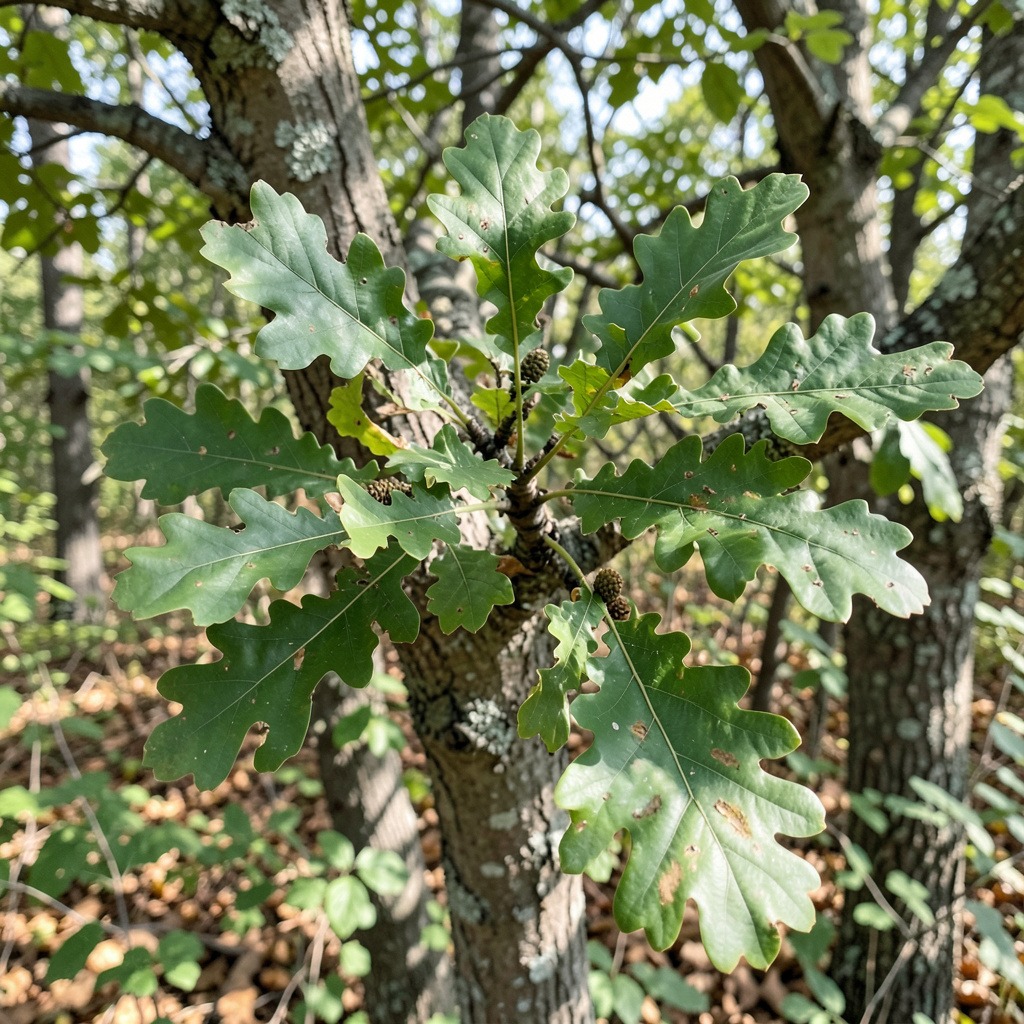
Understanding White Oak Trees
White oak trees (Quercus alba) are renowned for their majestic stature and ecological significance. They are large deciduous trees that thrive in various climates, making them an essential component of many ecosystems.
Characteristics of White Oaks
White oaks can grow to heights of 80 to 100 feet, with a wide spreading canopy. Their leaves are lobed and turn a brilliant red or purple in the fall. The tree’s bark is light gray and becomes furrowed with age.
- Root System: Young white oaks feature a deep tap-root that transitions to a broad lateral root system as they mature. Most of the root mass lies within the top 1-2 feet of soil.
- Growth Form: In open settings, white oaks develop a thick trunk and a broad crown. In forested areas, they grow tall and narrow, competing for sunlight.
Ecological Importance
White oaks play a vital role in their ecosystems. They support a diverse array of wildlife, offering food and shelter to various species.
- Wildlife Habitat: The acorns produced by white oaks are a crucial food source for birds, mammals, and insects. This makes them integral to food webs in forest ecosystems.
- Biodiversity Support: White oaks host numerous insects and fungi, contributing to overall biodiversity. They are often home to various pollinators, which aid in the pollination of other plants.
Seasonal Care Checklist for White Oaks
Proper care throughout the seasons enhances the health and growth of white oaks. Here’s a quick checklist:
- Spring: Inspect for pests; apply mulch to retain moisture.
- Summer: Water deeply during dry spells; monitor for signs of stress.
- Fall: Collect fallen leaves and acorns; plan for winter pruning.
- Winter: Protect young trees from harsh conditions; check for damage from ice and snow.
By understanding the characteristics and ecological roles of white oak trees, you can better appreciate their importance and ensure they thrive in your landscape.
Ideal Growing Conditions for White Oaks
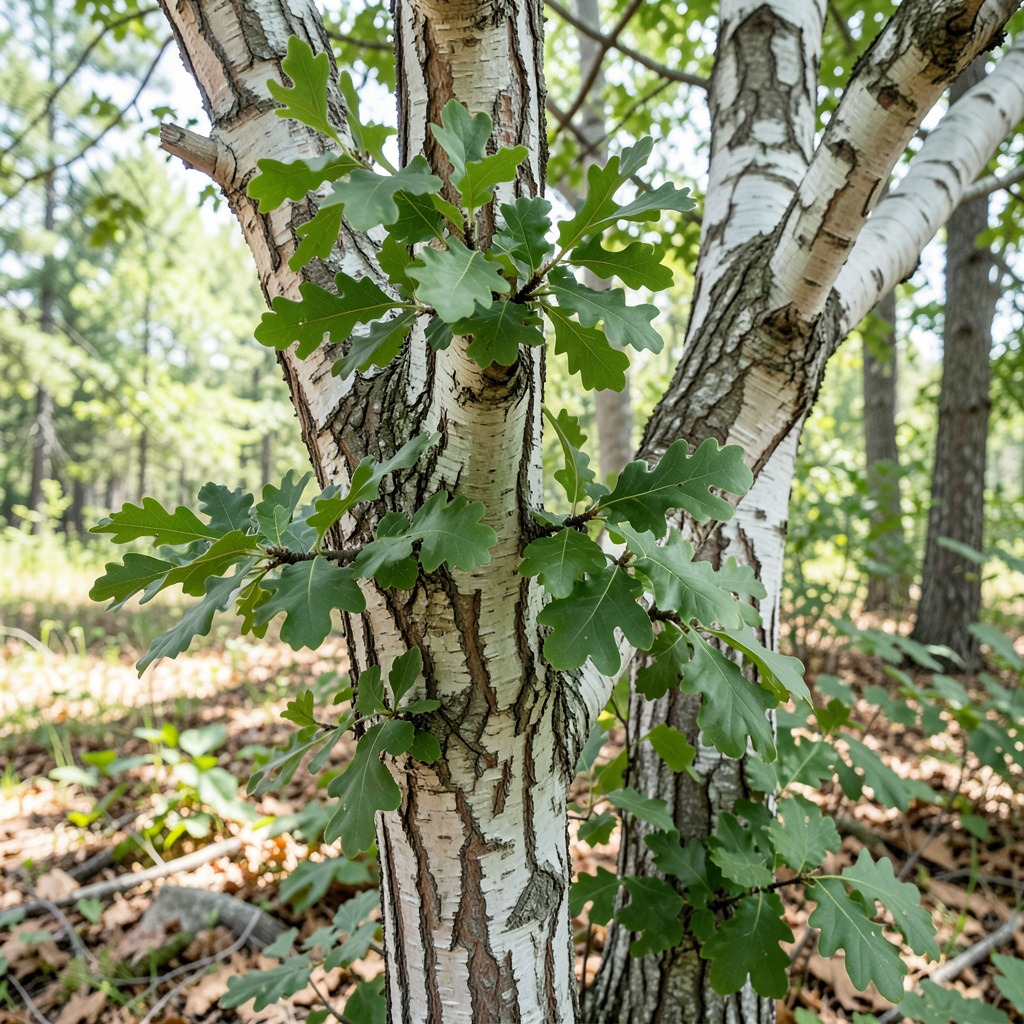
White oaks (Quercus alba) thrive under specific conditions that promote their growth and longevity. Understanding their sunlight and soil preferences is essential for proper care.
Sunlight Requirements
White oaks require full sun for optimal growth. They need at least six hours of direct sunlight each day. While young trees can tolerate some shade, they become less adaptable as they mature. Here are the key points regarding sunlight:
- Full Sun: Aim for at least 6 hours of direct sunlight daily.
- Shade Tolerance: Young trees may survive in partial shade; however, their growth will be stunted.
- Growth Direction: If planted in shaded areas, they will grow taller with a narrower canopy.
Soil Preferences
Soil type significantly impacts the health of white oaks. They are adaptable but prefer specific conditions.
- Soil Types: White oaks can grow in sandy-loam, clay-loam, and even rocky or gravelly soils. However, avoid overly compacted soil, as it hinders root establishment.
- Moisture Levels: They prefer moist to medium-moist soil. While they can survive in somewhat dry conditions, they are not drought-tolerant. Proper drainage is crucial to prevent root rot.
- Soil Amendments: Consider testing your soil before planting. If deficiencies are found, amend with organic matter to improve structure and nutrient levels.
Site Suitability Checklist
Before planting a white oak, assess the site conditions with the following checklist:
- Is the location receiving at least 6 hours of sunlight per day?
- What type of soil is present (sandy, clay, loamy)?
- Is the soil well-drained to prevent waterlogging?
- Are there nearby structures or trees that may cast shade as they grow?
- Can you ensure the area remains free from soil compaction during and after planting?
By ensuring these conditions are met, you set the stage for a healthy and thriving white oak.
Step-by-Step Planting Guide
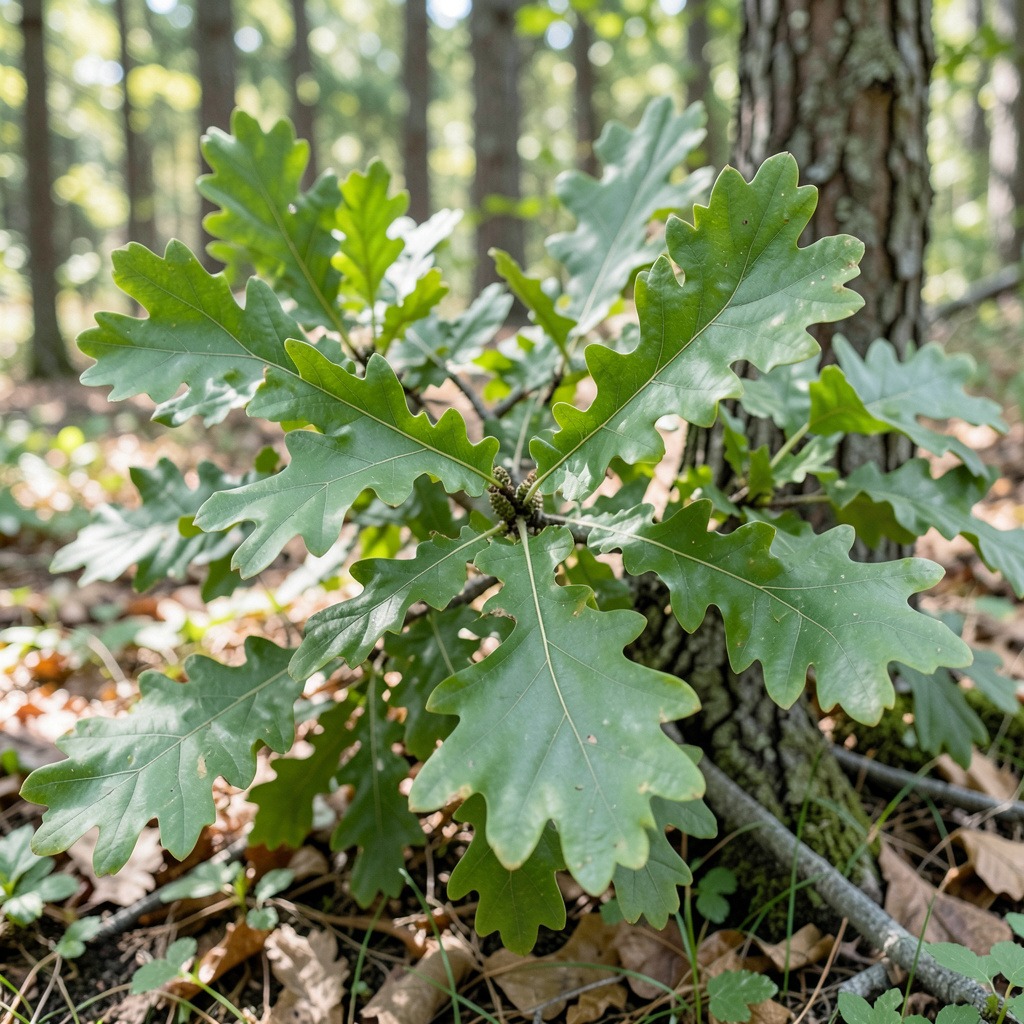
Planting a white oak (Quercus alba) requires careful attention to detail. Follow this guide to ensure your tree establishes a strong foundation for healthy growth.
Preparing the Site
1. Select the Right Location: Choose a spot that receives at least 6 hours of sunlight daily. White oaks thrive in full sun.
2. Assess Soil Conditions: Ensure the soil is well-drained and can support the tree’s root system. White oaks prefer loamy or sandy soils over heavy clay.
3. Clear the Area: Remove any debris, weeds, or competing plants from the planting site. This reduces competition for nutrients and water.
4. Check for Space: Ensure there is adequate space for the tree to grow. Mature white oaks can reach heights of 80-100 feet and spread equally wide.
Planting Techniques
1. Digging the Hole:
- Dig a hole that is 2 to 3 times wider than the root ball.
- The depth should match the height of the root ball, ensuring the tree sits at the same level it was growing previously.
2. Preparing the Root Ball:
- Gently remove the tree from its container.
- Loosen any tightly bound roots. This encourages outward growth.
3. Positioning the Tree:
- Place the tree in the center of the hole.
- Ensure the top of the root ball is level with the surrounding soil.
4. Backfilling:
- Fill the hole with native soil, packing it gently around the root ball to eliminate air pockets.
- Avoid using fertilizers at this stage, as they can harm young roots.
5. Watering:
- Water the tree thoroughly after planting.
- Apply a 2-3 inch layer of mulch around the base to retain moisture and suppress weeds.
Common Mistakes to Avoid
- Planting Too Deep: Ensure the root flare is visible above the soil line. Planting too deep can suffocate roots.
- Neglecting Watering: Newly planted trees require consistent moisture. Check soil moisture regularly.
- Ignoring Spacing: Remember that white oaks need space to grow. Avoid planting too close to buildings or other trees.
Visual Guide for Planting
Consider using a visual aid to illustrate each step of the planting process. Diagrams showing the correct hole dimensions, root placement, and mulching techniques can enhance understanding.
By following these steps, you will set your white oak tree up for successful growth and longevity.
Watering Requirements for White Oaks
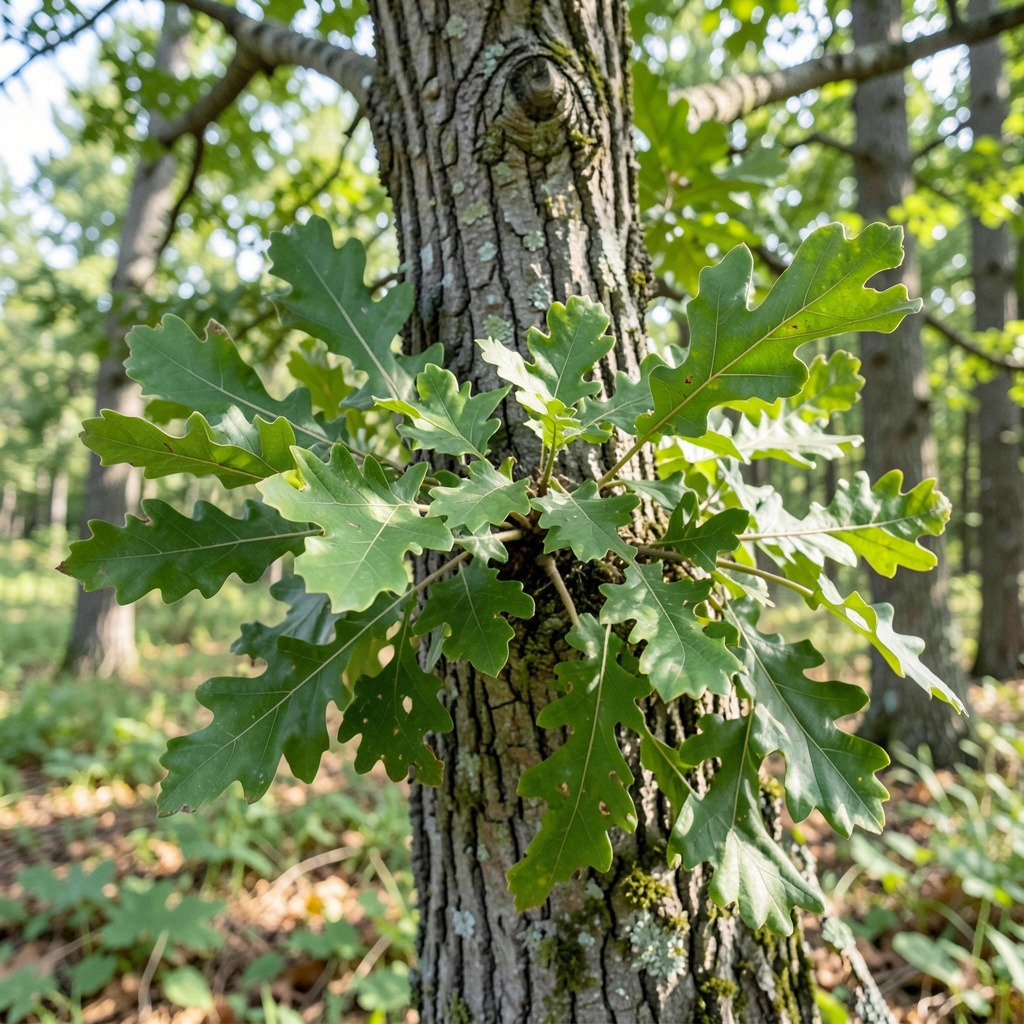
White oaks (Quercus alba) require specific watering practices to thrive, especially during their early growth stages. Proper watering ensures strong root development and prevents common issues like root rot.
Watering During Early Growth Stages
In the initial years after planting, consistent watering is crucial. Newly planted white oaks need moisture to establish their roots. Follow these guidelines:
- First Year: Water deeply once a week, ensuring the soil remains consistently moist but not waterlogged.
- Second Year: Reduce watering to every 10-14 days. Assess soil moisture before watering; it should be moist to a depth of 6 inches.
- Third Year and Beyond: Water every 2-3 weeks during dry spells. By this stage, the tree’s roots are more established.
Seasonal Watering Frequency Adjustments
Watering needs change with the seasons. Adjust your approach based on the time of year:
| Season | Watering Frequency | Notes |
|---|---|---|
| Spring | Weekly | Promote new growth as the tree wakes up. |
| Summer | Weekly or bi-weekly | Increase frequency during dry spells. |
| Fall | Every 2-3 weeks | Prepare tree for dormancy; reduce water. |
| Winter | Minimal or none | Ensure soil is not waterlogged; dormant trees need little moisture. |
Tips for Effective Watering
- Deep Watering: Focus on deep watering to encourage root growth. Aim for 12-18 inches deep.
- Soil Check: Use a soil moisture meter or your finger to check soil moisture levels before watering.
- Drainage Considerations: Ensure your soil has good drainage. White oaks are susceptible to root rot in waterlogged conditions.
By following these watering guidelines, you will support your white oak’s growth and health throughout its life stages.
Fertilization Guidelines
Proper fertilization is essential for the health and growth of white oaks. Understanding the type of fertilizer to use and the optimal timing for application can significantly enhance the tree’s vitality.
Organic vs. Synthetic Fertilizers
White oaks respond well to both organic and synthetic fertilizers, but each type has unique benefits.
- Organic Fertilizers: These are derived from natural sources, such as compost or well-rotted manure. They improve soil structure and promote beneficial microorganisms. Organic fertilizers release nutrients slowly, reducing the risk of over-fertilization and encouraging sustainable growth.
- Synthetic Fertilizers: These fertilizers contain engineered nutrients that are readily available to plants. They can provide immediate nutrient uptake, which is beneficial during critical growth phases. However, improper use may lead to nutrient leaching and soil degradation.
Fertilizer Comparison Chart
| Fertilizer Type | Nutrient Composition | Application Timing | Benefits |
|---|---|---|---|
| Organic | Varies (NPK low) | Early spring before new growth begins | Enhances soil health, promotes long-term growth |
| Synthetic | High NPK (varies) | Late spring for active growth phase | Quick nutrient availability, boosts immediate growth |
| Slow-release | Controlled NPK | Early spring for a gradual release throughout the growing season | Sustains nutrient levels over time, minimizes leaching |
Application Checklist
1. Soil Testing: Before applying fertilizer, conduct a soil test to determine nutrient deficiencies.
2. Choose Fertilizer: Select an appropriate type based on the test results and growth stage.
3. Timing: Apply in early spring for organic options and late spring for synthetic fertilizers.
4. Watering: Water the tree after fertilization to help nutrients penetrate the soil.
By following these fertilization guidelines, you can ensure your white oak receives the nutrients needed for robust growth and resilience against pests and diseases.
Pruning Techniques for Healthy Growth
Pruning is essential for maintaining the health and structure of white oaks. Proper techniques promote vigorous growth and reduce the risk of disease. Follow these guidelines to ensure your tree thrives.
When to Prune White Oaks
Timing is crucial for effective pruning. The best time to prune white oaks is during their dormant season, typically late fall to early spring. This minimizes stress on the tree and reduces the risk of disease transmission.
Best Practices for Pruning
1. Remove Dead or Diseased Branches: Identify and cut away any branches that show signs of decay or disease. This prevents the spread of pathogens and encourages healthy growth.
2. Focus on Structural Pruning: Aim to create a strong framework. Remove limbs that cross or rub against each other to avoid injuries as the tree grows.
3. Limit the Amount of Pruning: Avoid excessive pruning, which can stress the tree. Aim to remove no more than 25% of the canopy in one season.
4. Make Clean Cuts: Use sharp, clean tools to make precise cuts. This reduces the size of wounds and helps the tree heal faster.
5. Prune Young Trees Early: Engage in formative pruning during the early years. This shapes their structure and minimizes future issues with heavy limbs.
Seasonal Pruning Checklist
| Season | Action Item |
|---|---|
| Late Fall | Inspect for dead or diseased branches. |
| Winter | Perform structural pruning for young trees. |
| Early Spring | Make final cuts before new growth begins. |
By following these pruning techniques, you can enhance the health and longevity of your white oak, ensuring it remains a valuable part of your landscape.
Managing Pests Common to White Oaks
White oaks (Quercus alba) are susceptible to various pests that can affect their health and longevity. Identifying these pests early and managing them effectively is crucial for maintaining a healthy tree.
Common Pests Affecting White Oaks
1. Oak Leaf Roller: These caterpillars roll oak leaves, causing them to become distorted. They usually feed in groups, leading to significant leaf loss.
2. White Oak Borer: This beetle bores into the trunk and branches. Infestations can weaken the tree, making it more susceptible to disease.
3. Aphids: These small insects suck sap from leaves, leading to yellowing and wilting. They can also produce honeydew, attracting other pests.
Pest Management Techniques
Effective pest management involves monitoring, identification, and treatment. Here’s a checklist for managing common pests:
| Pest | Identification | Management Strategy |
|---|---|---|
| Oak Leaf Roller | Distorted leaves | Handpick caterpillars or use insecticidal soap. |
| White Oak Borer | Sawdust near base | Apply a targeted insecticide or consult a professional. |
| Aphids | Yellowing leaves | Use neem oil or insecticidal soap; encourage natural predators. |
Decision Framework for Diagnosing Pest Issues
When diagnosing pest problems, follow this decision framework:
1. Observe Symptoms: Look for signs such as leaf distortion, discoloration, or presence of insects.
2. Identify the Pest: Match symptoms with known pest profiles.
3. Evaluate Severity: Assess the extent of damage to determine if action is needed.
4. Choose Treatment: Select an appropriate management strategy based on the pest type and severity.
For example, if you observe distorted leaves and find caterpillars, handpicking may suffice. In contrast, if you find signs of the white oak borer, professional intervention is recommended.
By implementing these strategies, you can proactively manage pests, ensuring your white oak thrives in your landscape.
Identifying and Treating Diseases
White oaks (Quercus alba) can be susceptible to various diseases that threaten their health and longevity. Recognizing symptoms early and applying the appropriate treatments is essential for maintaining a thriving tree.
Common Diseases Affecting White Oaks
1. Powdery Mildew
- Symptoms: A white powdery substance on leaves.
- Conditions: Often occurs in humid environments with poor air circulation.
- Treatment: Improve air circulation by pruning surrounding vegetation. Apply fungicides if necessary.
2. Oak Wilt
- Symptoms: Leaf wilting, browning, and premature leaf drop.
- Conditions: Spread by beetles and through root grafts.
- Treatment: Avoid pruning during the growing season. Implement a root barrier to prevent spread.
3. Anthracnose
- Symptoms: Dark streaks on leaves and leaf drop.
- Conditions: More prevalent in cool, wet spring weather.
- Treatment: Rake and dispose of fallen leaves. Fungicide applications may be necessary.
Step-by-Step Treatment Protocols
To effectively manage these diseases, follow these protocols:
1. Observation: Regularly check for signs of disease.
2. Identification: Match symptoms with known diseases.
3. Assessment: Determine the severity of the outbreak.
4. Action: Choose appropriate treatments based on the specific disease and severity.
Seasonal Care Checklist
- Spring: Inspect for early signs of powdery mildew and oak wilt. Apply preventive measures.
- Summer: Monitor leaf health and manage pests that could exacerbate diseases.
- Fall: Rake fallen leaves to reduce disease spread.
- Winter: Prune any dead or diseased branches to improve tree health for the following year.
By understanding and addressing these common diseases, you can ensure your white oak remains healthy and vibrant throughout its life cycle.
Importance of Mulching
Mulching is a critical practice for the health of white oak trees. It helps retain moisture, suppress weeds, and improve soil health. Proper mulching techniques can significantly enhance the growth and vitality of your white oak.
Benefits of Mulching for White Oaks
- Moisture Retention: Mulch helps keep the soil moist during dry spells, reducing the need for frequent watering.
- Weed Suppression: A layer of mulch can inhibit the growth of weeds that compete for nutrients and water.
- Soil Temperature Regulation: Mulch helps maintain a stable soil temperature, protecting roots from extreme heat or cold.
- Nutrient Enrichment: Organic mulch breaks down over time, adding essential nutrients back to the soil.
Selecting the Right Mulch
When choosing mulch for your white oak, consider the following:
- Types of Mulch:
- Organic Mulch: Bark chips, wood chips, and straw are excellent choices. They decompose and enrich the soil.
- Inorganic Mulch: Gravel or rubber mulch can be effective but won’t improve soil health.
- Climate Considerations:
- In warmer climates, use a thicker layer (3-4 inches) to retain moisture.
- In cooler regions, a thinner layer (2-3 inches) is sufficient to avoid excess moisture retention.
- Soil Type:
- For sandy soils, opt for organic mulch to increase moisture retention.
- In clay soils, both organic and inorganic options work well, but ensure good drainage.
Mulching Techniques
Follow these steps for effective mulching:
1. Preparation: Clear the area around the base of the tree, removing weeds and debris.
2. Layering: Apply mulch in a donut shape around the tree. Keep it 6 inches away from the trunk to prevent rot.
3. Depth: Aim for a 2-4 inch layer of mulch. Too much can suffocate roots, while too little may not provide benefits.
4. Maintenance: Replenish mulch annually to maintain depth and effectiveness.
By following these guidelines, you can ensure that your white oak receives the moisture, nutrients, and protection it needs to thrive.
Supporting Young White Oaks
Caring for young white oaks (Quercus alba) is essential for their successful establishment and long-term health. These trees require specific attention during their formative years to ensure they develop strong structures and resist environmental challenges.
Establishing Young Oak Trees
1. Planting Location: Choose a spot with good sunlight and well-drained soil. White oaks thrive in USDA Zones 3-9 and prefer a pH between 6.0 and 7.0.
2. Planting Depth: Ensure the root collar is level with the soil surface. Planting too deep can lead to root rot and other issues.
3. Watering Schedule: Water young oaks deeply and infrequently, aiming for about 10-15 gallons weekly during the first growing season. This encourages deep root growth.
Supporting Young Trees
- Staking: Stake saplings only if necessary. Use soft ties to avoid damaging the bark. Stake for one growing season at most; this helps the tree develop natural stability.
- Mulching: Apply a 2-4 inch layer of mulch around the base, keeping it 6 inches away from the trunk. This retains moisture and suppresses weeds.
Annual Care Timeline for the First Five Years
| Year | Care Focus | Actions |
|---|---|---|
| 1 | Establishment | Water weekly; mulch; monitor for pests. |
| 2 | Growth Support | Prune minimally; adjust watering based on rainfall. |
| 3 | Structural Integrity | Light pruning; check for disease symptoms. |
| 4 | Nutrient Management | Test soil; fertilize if necessary. |
| 5 | Independence | Reduce watering frequency; observe growth patterns. |
Seasonal Care Checklist
- Spring: Check for pests and new growth; ensure mulch is intact.
- Summer: Water deeply during dry spells; monitor for signs of heat stress.
- Fall: Prepare for dormancy; prune any dead or problematic branches.
- Winter: Protect young trunks from rodents and harsh weather conditions.
By following these guidelines, you can help your young white oak thrive and grow into a majestic tree that contributes to your landscape for generations.
Encouraging Biodiversity Around White Oaks
Promoting biodiversity around white oaks enhances the ecosystem and supports local wildlife. By creating a rich environment, you can help your tree thrive while benefiting various species.
Benefits of Biodiversity
White oaks serve as a foundation for a diverse ecosystem. They provide habitat and food for numerous insects, birds, and mammals. The presence of diverse plant species nearby attracts beneficial insects, fostering a balanced environment.
- Attract Pollinators: Plant native flowers to draw in bees and butterflies.
- Support Wildlife: Include shrubs and grasses that provide cover and food for birds and small mammals.
- Enhance Soil Health: Diverse plant roots improve soil structure and nutrient availability.
Companion Planting Strategies
Consider planting specific companion species around your white oak. These plants can enhance biodiversity while benefiting the oak.
- Native Grasses: Plant species like little bluestem or switchgrass. They support pollinators and improve soil health.
- Flowering Perennials: Incorporate species such as coneflowers or black-eyed Susans. These attract butterflies and other pollinators.
- Shrubs: Use native shrubs like elderberry or serviceberry. They provide food and shelter for birds.
Seasonal Care for Biodiversity
Maintaining biodiversity requires ongoing attention throughout the year. Here’s a seasonal checklist to help you enhance the ecosystem around your white oak:
- Spring: Plant new native flowers and monitor their growth. Remove invasive species that compete for resources.
- Summer: Water companion plants during dry spells. Observe for pollinator activity and adjust plant placements if necessary.
- Fall: Collect seeds from native plants to spread in the area. Assess the health of all plants and adjust care routines.
- Winter: Protect young plants from harsh weather. Consider mulching to retain moisture and improve soil health.
Implementing these strategies will create a thriving ecosystem around your white oak, ensuring its health and enhancing local biodiversity.
Why Choose White Oaks for Your Landscape
White oaks (Quercus alba) offer numerous advantages for landscaping and gardening. Their beauty, size, and ecological benefits make them a superior choice for many homeowners.
Aesthetic Appeal and Growth Potential
White oaks are majestic trees that can reach heights of 80 to 100 feet. Their broad canopies can spread just as wide, creating a stunning focal point in any landscape. When planted in open spaces, they provide a striking visual presence that enhances the overall design.
- Growth Characteristics: They thrive in full sun, making them ideal for spacious yards.
- Longevity: White oaks can live for hundreds of years, serving as a lasting investment in your property.
Ecological Benefits
Planting white oaks contributes significantly to local ecosystems. These trees support a diverse range of wildlife, including birds and insects.
- Habitat and Food: White oaks provide essential food sources for various species, including caterpillars and birds. This support is crucial for maintaining biodiversity.
- Pollinator Attraction: Their presence can attract beneficial insects, such as butterflies, enhancing pollinator activity in your garden.
Comparison with Other Landscape Trees
When considering landscape options, white oaks stand out against other popular tree species:
| Feature | White Oak | Red Maple | Sugar Maple |
|---|---|---|---|
| Height | 80-100 feet | 40-60 feet | 60-75 feet |
| Canopy Spread | Wide (up to 100 feet) | Moderate (25-40 feet) | Wide (30-50 feet) |
| Wildlife Support | High | Moderate | High |
| Soil Preference | Moist, well-drained | Tolerant of wet soil | Prefers well-drained |
| Drought Tolerance | Low | Moderate | Moderate |
White oaks provide a unique combination of height, spread, and ecological support that can surpass many other tree options. This makes them particularly suitable for larger properties or parks where their full growth potential can be realized.
Seasonal Care Checklist
To maximize the health and benefits of your white oak, consider the following seasonal care tasks:
- Spring: Monitor for pests and diseases. Fertilize with a balanced nutrient mix.
- Summer: Ensure adequate watering during dry spells. Mulch to retain soil moisture.
- Fall: Collect fallen leaves to improve soil health and assess tree growth.
- Winter: Protect young trees from harsh conditions with burlap wraps.
These actions will help maintain the health of your white oak and enhance its contributions to the landscape.
Common Problems for White Oaks
White oaks (Quercus alba) can face several issues that may impact their health and longevity. Early recognition of these problems is crucial for effective management.
Signs of Distress in White Oaks
Identifying signs of distress can help you intervene before problems escalate. Look for the following indicators:
- Wilting Leaves: Leaves droop or curl, indicating potential water stress.
- Discoloration: Yellowing or browning leaves may signal nutrient deficiencies or environmental stress.
- Bark Issues: Cracks, peeling, or discoloration in the bark can indicate disease or pest infestations.
- Fungal Growth: Mushrooms or fungal growth at the base may suggest root rot or other decay issues.
Diagnostic Checklist for Common Problems
Use this checklist to assess the health of your white oak:
- Watering Needs: Is the tree receiving adequate moisture? Check the soil moisture level.
- Soil Quality: Is the soil well-draining? Test for compaction or poor drainage.
- Pest Inspection: Look for signs of pests, such as holes in leaves or webbing.
- Disease Symptoms: Check for discoloration, wilting, or fungal growth.
- Pruning Needs: Are there dead or crossing branches that require pruning?
Common Pests and Diseases
Here are typical pests and diseases that may affect white oaks:
- Oak Wilt: A fungal disease that can cause rapid leaf wilt and tree decline.
- Gypsy Moths: Caterpillars that feed on leaves, causing significant defoliation.
- Bark Beetles: These pests can bore into the bark, leading to stress and decay.
By regularly monitoring your white oak and utilizing the diagnostic checklist, you can ensure its health and longevity.
How to Save a Dying White Oak Tree
Rescuing a distressed white oak requires prompt and systematic action. Identify the symptoms, assess the situation, and implement targeted treatments.
Identify Symptoms of Distress
Start by examining your white oak for clear signs of distress. Common symptoms include:
- Discoloration of Leaves: Yellowing or browning can indicate nutrient deficiencies or disease.
- Wilting or Drooping: This may suggest inadequate watering or root problems.
- Fungal Growth: Presence of mushrooms or fungus on the bark can signal decay or disease.
Assess the Environment
Next, evaluate the tree’s growing conditions. Factors to consider include:
1. Soil Quality: Test the soil pH and nutrient levels. White oaks prefer slightly acidic to neutral soil (pH 6.0-7.0).
2. Watering Practices: Determine if the tree is receiving too much or too little water. White oaks need deep watering, especially during dry spells.
3. Sunlight Exposure: Ensure the tree is receiving adequate sunlight. It thrives in full sun but can tolerate partial shade.
Implement Recovery Techniques
Once you identify the issues, take the following steps to revive your white oak:
- Prune Affected Branches: Remove any dead or diseased branches to improve air circulation and focus the tree’s energy on healthy growth.
- Amend the Soil: If nutrient deficiencies are identified, consider adding organic compost or a balanced fertilizer to enrich the soil.
- Water Deeply: Water the tree thoroughly to ensure the roots absorb moisture. Aim for one inch of water per week during the growing season.
- Pest Management: Use appropriate treatments for pests, such as insecticidal soap for gypsy moths or targeted solutions for bark beetles.
Seasonal Care Checklist
Maintain a proactive approach with a seasonal care checklist for your white oak:
- Spring: Inspect for pests and prune as necessary.
- Summer: Ensure adequate watering during dry spells.
- Fall: Monitor for acorn drop and prepare for winter.
- Winter: Protect the tree from extreme cold and snow load.
Success Stories
Consider a case where a white oak showed significant leaf wilt due to oak wilt disease. By pruning affected branches, amending the soil with compost, and implementing a rigorous watering schedule, the tree regained its vigor in one growing season. This example highlights the effectiveness of a targeted recovery plan.
By closely monitoring your white oak and implementing these actionable steps, you can enhance its health and longevity.
The Longevity of White Oaks
White oaks (Quercus alba) are renowned for their impressive lifespan, often living for centuries under optimal conditions. Several factors influence their longevity, including environmental conditions, care practices, and genetic health.
Factors Influencing Lifespan
1. Environmental Conditions:
- Soil quality: Well-draining, medium-moist soils promote healthy root systems.
- Light exposure: Full sun is essential for growth.
- Water availability: Adequate moisture, especially during dry spells, supports longevity.
2. Care Practices:
- Pruning: Regular maintenance prevents disease and fosters a strong structure.
- Pest Management: Addressing infestations promptly can extend a tree’s life.
- Fertilization: Although not typically necessary, soil testing can identify deficiencies that, if addressed, enhance growth.
3. Genetic Health:
- Varietal differences: Some white oaks may have inherent strengths or weaknesses based on their genetic lineage.
Growth Stages and Lifespan Expectations
Understanding the growth stages of white oaks provides insight into their longevity. Below is a timeline of typical growth stages:
| Age (Years) | Growth Stage | Expected Height (Feet) | Key Care Focus |
|---|---|---|---|
| 0-10 | Seedling | 1-3 | Establish watering routine |
| 10-30 | Juvenile | 10-30 | Monitor for pests and diseases |
| 30-60 | Young Adult | 30-60 | Pruning for structure |
| 60-100+ | Mature | 60-100 | Regular health checks |
Seasonal Care Checklist for Longevity
To ensure your white oak remains healthy throughout its life, follow this seasonal care checklist:
- Spring: Inspect for new growth and apply mulch to retain moisture.
- Summer: Water deeply during dry periods to support root development.
- Fall: Rake leaves to prevent fungal issues and monitor acorn production.
- Winter: Protect the tree from snow load and extreme cold conditions.
By focusing on these factors and implementing a seasonal care regimen, you can significantly enhance the lifespan of your white oak.
Seasonal Care for White Oaks
Maintaining a healthy white oak (Quercus alba) requires consistent seasonal attention. Each season presents unique tasks that promote optimal growth and longevity.
Spring Care Tasks
- Inspect for New Growth: Check for budding leaves and any signs of new branch development.
- Apply Mulch: Use organic mulch around the base to retain moisture and regulate soil temperature.
- Fertilize if Necessary: Conduct a soil test first. If deficiencies are found, apply a low-nitrogen fertilizer.
Summer Care Tasks
- Water Deeply: During dry spells, ensure the tree receives at least 1 inch of water per week, focusing on the root zone.
- Monitor Pests: Regularly check for pests, such as aphids or caterpillars, and take action if detected.
- Prune Excess Growth: Trim any dead or problematic branches to improve air circulation.
Fall Care Tasks
- Rake Leaves: Collect fallen leaves to prevent fungal issues and reduce pests.
- Monitor Acorn Production: Observe the acorns as they mature. Protect them from wildlife if you plan to collect for planting.
- Prepare for Winter: Ensure the tree is free from dead limbs that could break under snow load.
Winter Care Tasks
- Protect from Heavy Snow: Gently brush off excess snow from branches if possible to prevent breakage.
- Inspect for Damage: Look for signs of damage from extreme cold or ice. Address any issues promptly.
- Plan for Spring: Consider your care strategy for the upcoming spring, including potential soil amendments based on the previous year’s performance.
Seasonal Care Checklist
- Spring: Inspect growth, apply mulch, test soil.
- Summer: Water deeply, monitor pests, prune.
- Fall: Rake leaves, monitor acorns, prepare for winter.
- Winter: Protect from snow, inspect for damage, plan for spring.
By following this seasonal care checklist, you can ensure your white oak thrives throughout its life cycle.
Frequently Asked Questions
These quick answers cover the most common questions about this topic, including key details, practical tips, and common concerns.
What are common problems for white oaks?
Common problems for white oaks include pests like oak leaf rollers and white oak borers, as well as diseases such as oak wilt and powdery mildew. Symptoms of distress may include wilting leaves, discoloration, and fungal growth on the bark. Regular monitoring and prompt action can help mitigate these issues.
How to save a dying white oak tree?
To save a dying white oak, first identify the symptoms, such as wilting or yellowing leaves. Assess the soil for moisture levels and nutrient content. Prune any dead or diseased branches, amend the soil if necessary, and ensure the tree receives deep watering during dry spells. Implement pest management strategies if infestations are present.
What are the downsides of a white oak tree?
While white oaks are beautiful and beneficial, they have some downsides. They require ample space, as they can grow large and spread wide, making them unsuitable for small yards. They are also susceptible to certain pests and diseases, which may require ongoing management. Additionally, their acorns can create a mess in the fall.
How long will a white oak last outdoors?
White oaks can live for several hundred years, often reaching 200-300 years under optimal conditions. Factors that influence their lifespan include soil quality, water availability, and proper care. With consistent maintenance and a suitable environment, they can be a long-lasting addition to your landscape.
What pests commonly affect white oak trees?
Common pests affecting white oak trees include oak leaf rollers, which feed on leaves, and white oak borers, which bore into the trunk. Aphids can also be a concern, as they suck sap from the leaves. Regular inspections and prompt pest control measures can help protect the tree from damage.
How often should I water my white oak?
Water your white oak deeply once a week during the first year after planting. As the tree matures, adjust the frequency to every 10-14 days in the second year and every 2-3 weeks during dry spells in subsequent years. Always check the soil moisture before watering to prevent overwatering.
What soil conditions are best for white oaks?
White oaks prefer well-drained, medium-moist soils, such as sandy-loam or clay-loam. They thrive in slightly acidic to neutral pH levels (6.0-7.0). Avoid overly compacted or waterlogged soils, as these conditions can hinder root establishment and lead to root rot.
When is the best time to prune white oaks?
The best time to prune white oaks is during their dormant season, typically late fall to early spring. This timing minimizes stress on the tree and reduces the risk of disease transmission. Regular pruning helps maintain structure and encourages healthy growth.