
White oak trees typically grow at a rate of 1 to 2 feet per year under optimal conditions, though their growth may slow as they mature, reaching heights of 60 to 100 feet over several decades.
Table of Contents
White oaks are known for their majestic stature and ecological importance. Understanding their growth rate is essential for effective planting and nurturing. This guide explores the factors influencing white oak growth, care tips, and their significance to ecosystems.
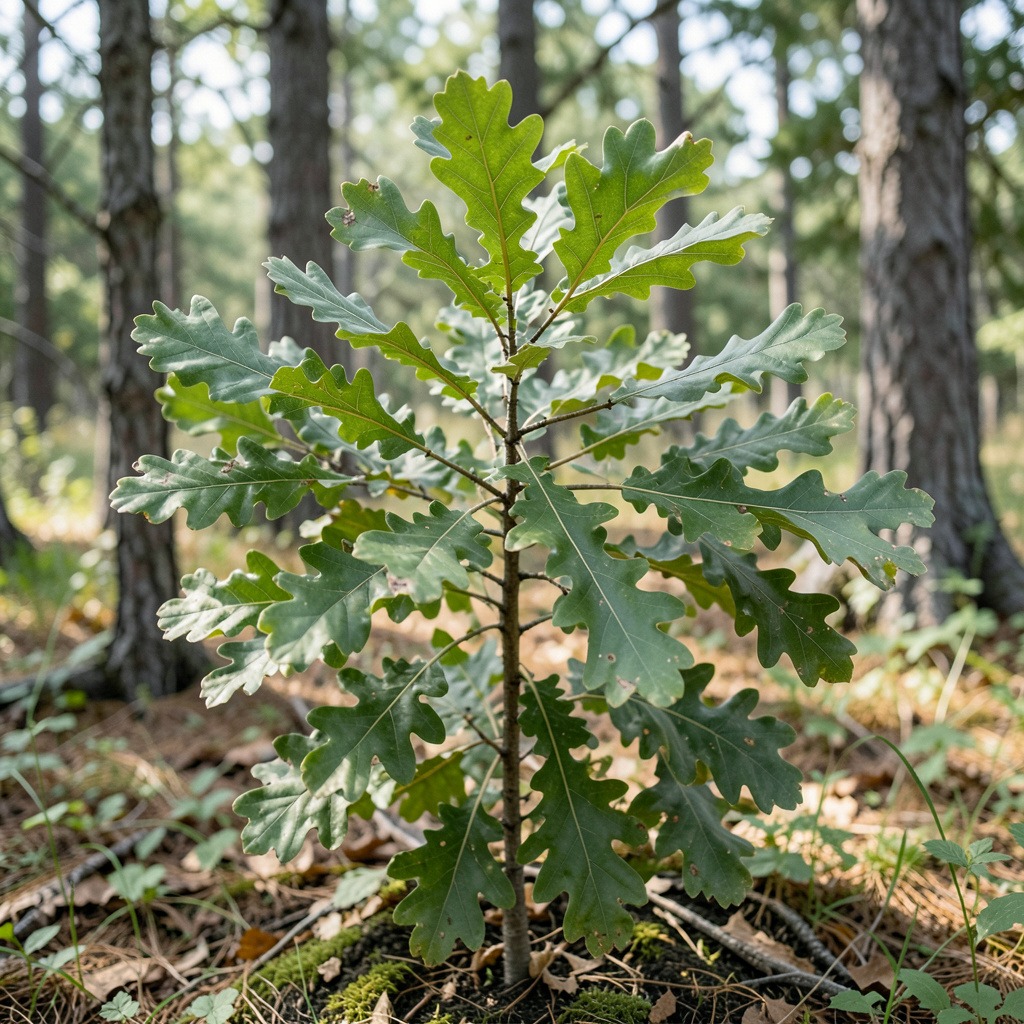
Understanding the White Oak Tree
The white oak (Quercus alba) is a prominent species known for its robust growth and ecological significance. Understanding its characteristics and growth requirements is vital for successful landscaping and environmental health.
Characteristics of White Oak
White oaks are distinguished by their broad, spreading canopies and impressive height. Mature trees typically reach 80 to 100 feet tall, with canopies spreading equally wide. Their leaves are lobed and turn vibrant colors in the fall, enhancing landscape aesthetics. Key characteristics include:
- Growth Rate: Moderate to fast, depending on conditions.
- Soil Preferences: Thrives in well-drained, loamy soils with a slightly acidic to neutral pH.
- Sunlight Needs: Prefers full sun but can tolerate partial shade.
Ecological Importance
White oaks play a crucial role in local ecosystems. They support a diverse range of wildlife, providing food and habitat. Their acorns are a significant food source for birds and mammals, including squirrels and deer. Additionally, their expansive root systems help prevent soil erosion and improve water retention. Key ecological roles include:
- Habitat Provider: Supports numerous species, from insects to large mammals.
- Carbon Sequestration: Absorbs significant amounts of carbon dioxide, contributing to climate change mitigation.
- Soil Health: Enhances soil structure and promotes biodiversity.
Cultural Significance
Beyond their ecological contributions, white oaks hold cultural and historical significance. They have been used for centuries in furniture making and construction due to their durable wood. In many communities, these trees are symbols of strength and longevity. Their presence in landscapes adds value to properties and fosters community pride.
Example: In colonial times, white oaks were commonly planted near homes for shade and as landmarks. Today, they continue to be valued for their majestic appearance and environmental benefits.
Understanding these facets of the white oak is essential for anyone considering planting this tree. Its growth rate, care needs, and ecological impact make it a significant choice for landscaping and conservation efforts.
White Oak Growth Rate Overview
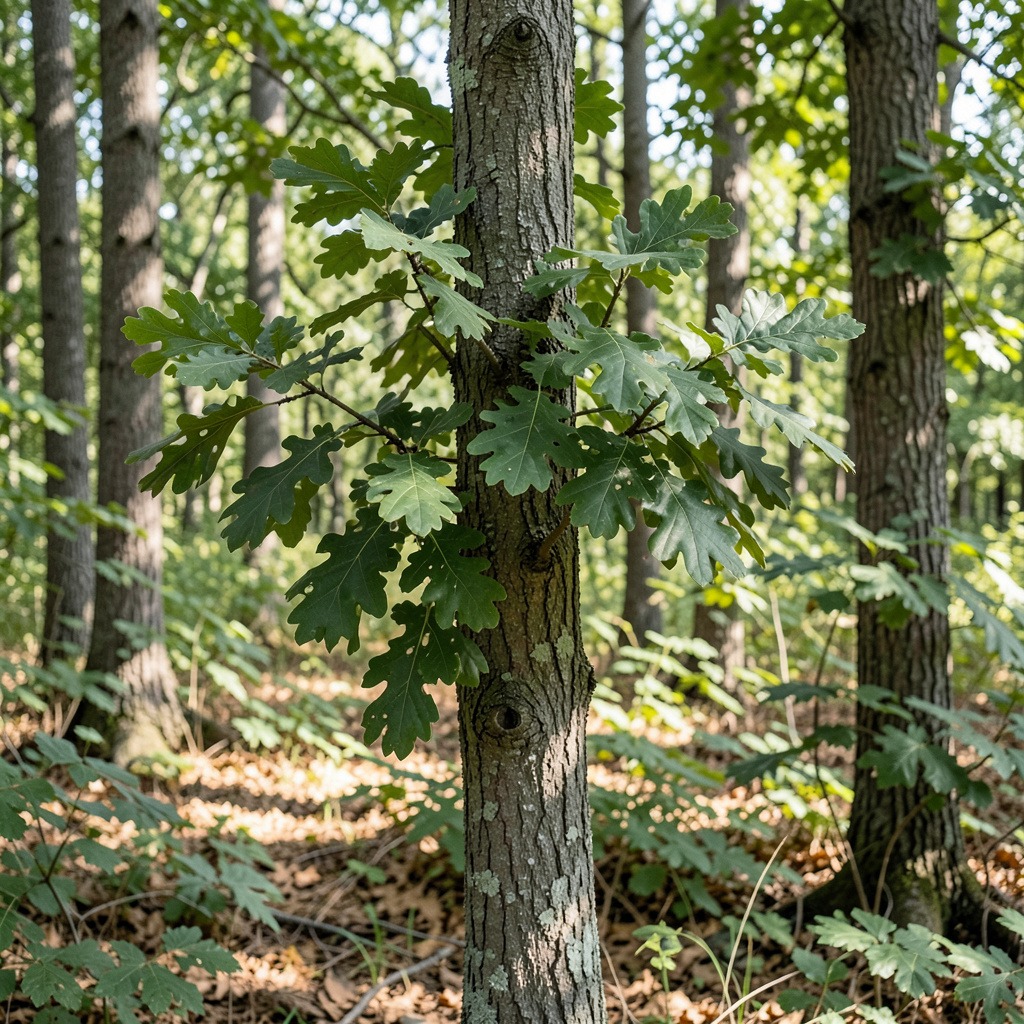
White oaks are known for their majestic stature and ecological significance. Understanding their growth rate is essential for successful cultivation and landscaping. This section explores the average growth rate of white oaks and the factors influencing their development.
Average Growth Rate
The average growth rate of white oak trees typically ranges from 1 to 2 feet per year. However, this rate can vary based on environmental conditions and care practices. Key growth milestones include:
- Early Growth Stage: White oaks may grow faster during the first few years, achieving up to 2 feet annually under optimal conditions.
- Mature Growth: As the tree matures, the growth rate may slow to about 1 foot per year.
- Maximum Height: Mature white oaks can reach heights of 80 to 100 feet, showcasing their potential over decades.
Factors Influencing Growth Rate
Several environmental factors significantly influence the growth rate of white oaks:
- Soil Conditions: White oaks thrive in moist to medium-moist, well-drained soils. Poor drainage can lead to root rot, adversely affecting growth.
- Sunlight Requirements: These trees prefer full sunlight. While they can survive in shaded areas, they require overhead sun for optimal health and growth.
- Watering Practices: Regular watering is essential, especially during dry spells. White oaks are not drought-tolerant, and consistent moisture promotes faster growth.
Comparative Analysis with Other Oaks
When comparing white oaks to other oak species, notable differences emerge:
| Oak Species | Average Growth Rate (Feet per Year) | Maximum Height (Feet) |
|---|---|---|
| White Oak | 1 – 2 | 80 – 100 |
| Red Oak | 2 – 3 | 60 – 75 |
| Pin Oak | 1 – 2 | 50 – 70 |
- Red Oaks: Grow faster than white oaks, averaging 2 to 3 feet per year, making them a popular choice for quick shade.
- Pin Oaks: Similar growth rates to white oaks but generally reach a shorter maximum height.
Understanding these dynamics helps in making informed decisions about planting white oaks in various landscapes. Proper care and environmental considerations can significantly enhance their growth potential.
Ideal Growing Conditions for White Oaks
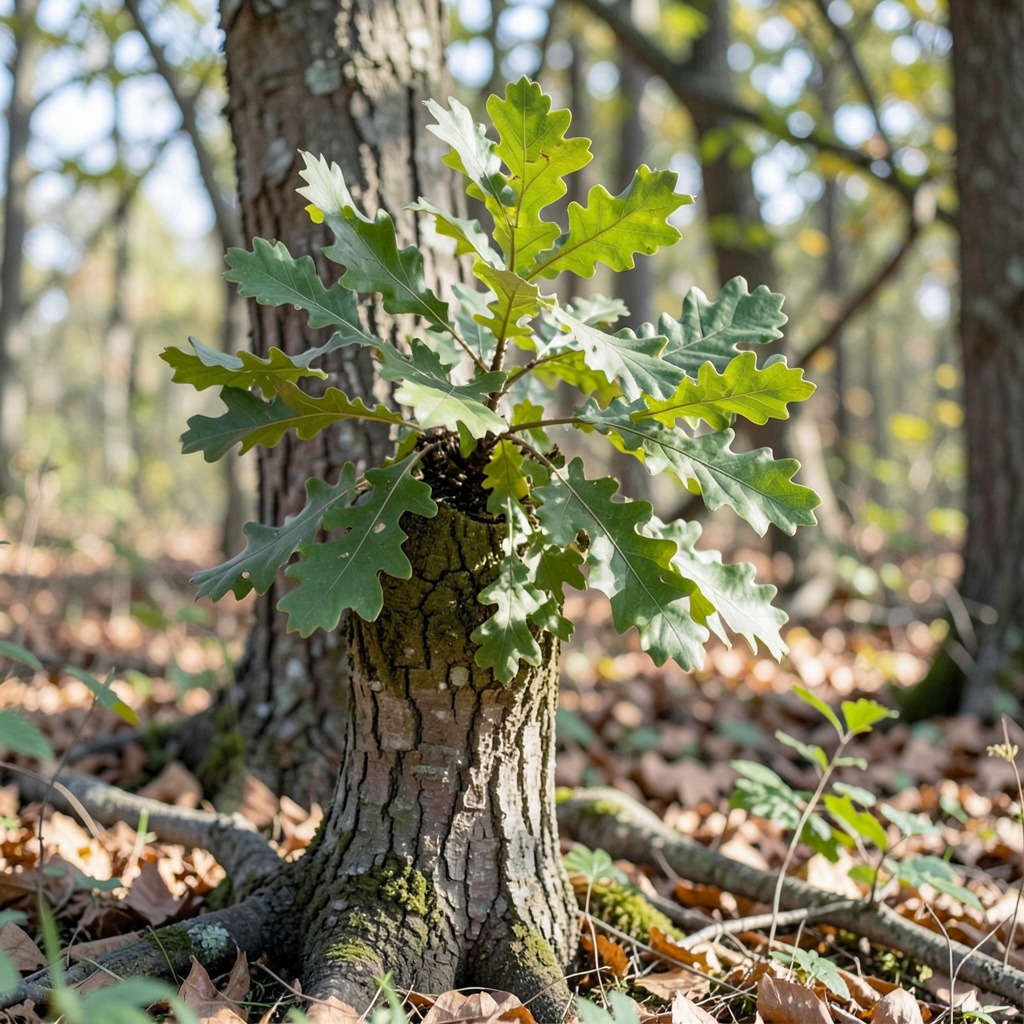
White oaks thrive in specific conditions that significantly impact their growth rates. Understanding the ideal soil, sunlight, and moisture requirements can help maximize their potential.
Soil Type and Quality
White oaks adapt to various soil types but prefer well-drained, fertile conditions. The following soil characteristics are crucial:
- Soil Composition: Sandy-loam, clay-loam, and even rocky soils can support white oak growth. However, compacted soil impedes root development.
- Drainage: Ensure the soil drains well to prevent root rot. White oaks are sensitive to excess moisture.
- pH Levels: Aim for a slightly acidic to neutral pH (6.0 – 7.0) for optimal nutrient uptake.
Checklist for Soil Preparation:
- Test soil pH and amend as necessary.
- Loosen compacted areas to facilitate root growth.
- Incorporate organic matter to enhance fertility and drainage.
Sunlight Requirements
White oaks require ample sunlight for healthy growth. Here are the essential insights:
- Full Sun Exposure: They thrive in full sun, requiring at least six hours of direct sunlight daily.
- Shade Tolerance: While young, white oaks can tolerate some shade but will not grow optimally without overhead sunlight.
- Width and Growth Shape: Adequate light from all sides encourages a broader canopy. In shaded areas, they may grow with a more narrow profile.
Scenario: If planting near taller trees, ensure the white oak’s canopy can still access sunlight to promote healthy growth rates.
Moisture Needs
Moisture levels are critical in supporting white oak growth. Follow these guidelines:
- Watering: White oaks prefer moist to medium-moist conditions but are not drought-tolerant. Regular watering during dry spells is essential.
- Soil Moisture Monitoring: Check soil moisture regularly. The top inch should be dry before watering again.
- Avoid Waterlogging: Ensure proper drainage to prevent root rot, especially in heavy rainfall areas.
By paying attention to these growing conditions, you can foster a healthy environment for your white oaks, ultimately enhancing their growth rate and longevity.
Caring for Your White Oak Tree
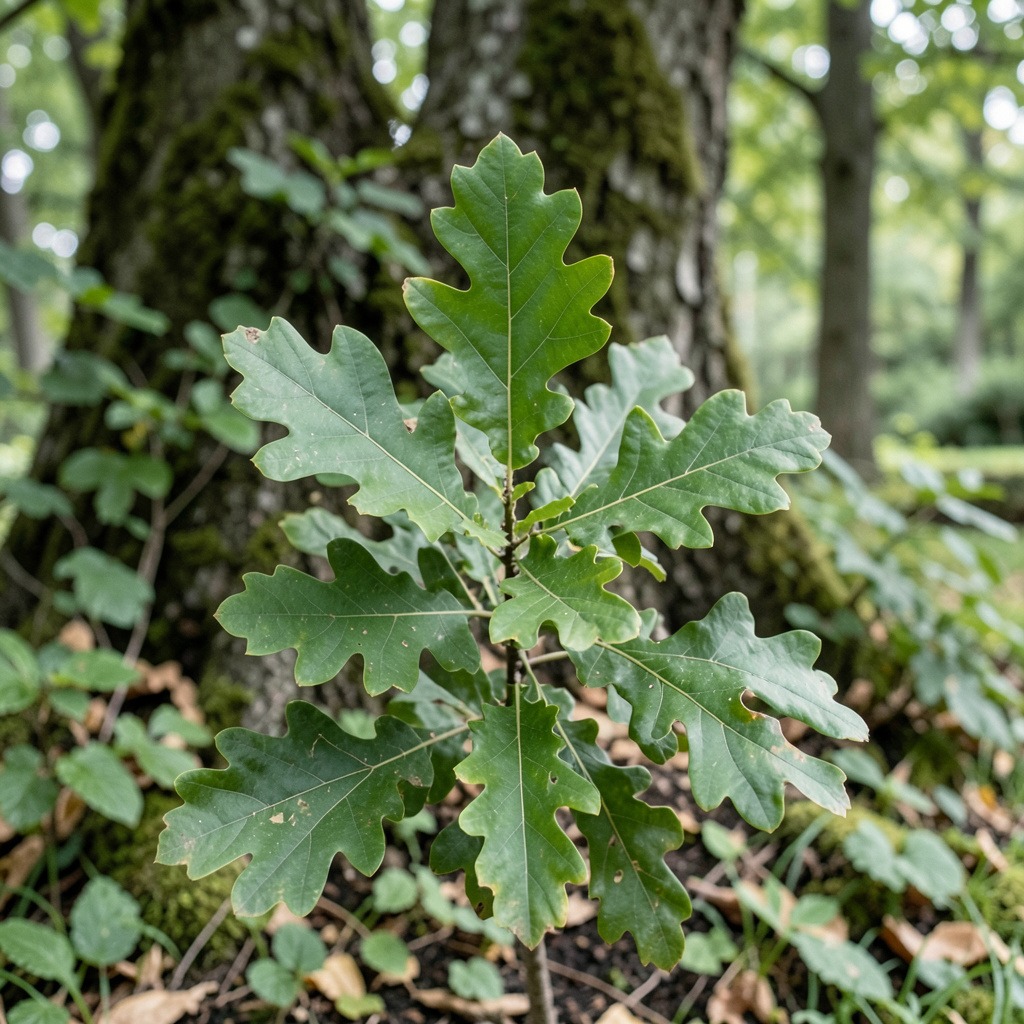
Proper care is essential to promote healthy growth in both young and mature white oak trees. Understanding their specific needs will enhance their growth rate and longevity.
Watering Guidelines
Maintaining appropriate moisture levels is crucial for the growth of white oaks. Follow these watering guidelines:
- Frequency: Water regularly, especially during dry spells.
- Soil Check: Ensure the top inch of soil is dry before watering again.
- Avoid Waterlogging: Implement proper drainage to prevent root rot.
Fertilization Practices
Fertilization supports optimal growth in white oaks. Use the following practices:
- Soil Testing: Conduct a soil test to determine nutrient levels.
- Balanced Fertilizers: Use a slow-release, balanced fertilizer in early spring.
- Application Rate: Follow package instructions for application rates based on the tree’s size.
Pruning Techniques
Pruning is vital for maintaining a healthy structure and promoting growth. Consider these techniques:
- Timing: Prune in late winter or early spring after the coldest weather.
- Focus on Young Trees: Address problematic limbs early to prevent disease and structural issues.
- Wound Care: Avoid leaving large wounds that can attract pests.
Example of Successful Care
In a practical scenario, a homeowner in Pennsylvania regularly watered their young white oaks and applied a balanced fertilizer annually. They pruned the trees during dormancy, which resulted in a growth rate of over 1 foot per year within five years. This attention to care significantly enhanced the trees’ overall health and structure.
By implementing these care strategies, you can create an environment that supports the growth rate and vitality of your white oak trees.
Common Issues in White Oak Growth
White oaks face several challenges that can hinder their growth rate. Identifying pests, diseases, and environmental stressors is essential for maintaining the health and vitality of these trees.
Pest Identification
White oaks are susceptible to various pests that can impact their growth. Here are some common pests to watch for:
- Oak Leaf Curler: This pest causes leaves to curl, affecting photosynthesis.
- Scale Insects: These tiny insects suck sap from the tree, weakening its overall health.
- Bark Beetles: They bore into the bark, which can lead to structural damage.
Regular monitoring and early interventions can mitigate the impact of these pests. For instance, applying insecticidal soap or introducing beneficial insects can help control infestations.
Common Diseases
Diseases can also affect the growth rate of white oaks. Key diseases include:
- Powdery Mildew: This fungal disease appears as a white powder on leaves, hindering growth.
- Oak Wilt: A serious disease caused by a fungus that can kill trees rapidly if left untreated.
- Anthracnose: A fungal disease that causes leaf spots and defoliation.
Proper care, including pruning and ensuring good air circulation, can help manage these diseases effectively.
Environmental Stressors
Environmental factors play a significant role in the growth rate of white oaks. Consider the following stressors:
- Soil Conditions: Poor drainage or compaction can stunt growth.
- Sunlight Requirements: White oaks thrive in full sun. Insufficient light can slow their growth significantly.
- Water Availability: Both drought and excessive moisture can stress the tree.
For optimal growth, ensure that white oaks are planted in well-drained soil and receive adequate sunlight and water. Regular soil testing can help identify and rectify any nutrient deficiencies.
Example of Management
In a case study, a property owner noticed stunted growth in their white oaks due to scale insect infestations. They implemented an integrated pest management strategy, which included:
1. Regular inspections for early pest detection.
2. Applying beneficial nematodes to reduce scale populations.
3. Ensuring adequate watering during dry spells.
As a result, the trees showed improved growth rates, exceeding 1.5 feet per year within two growing seasons. This example underscores the importance of proactive pest management in supporting the growth of white oaks.
FAQs About White Oak Growth
Understanding the growth rate of white oak trees involves addressing common questions and concerns. This section clarifies key aspects of their growth and care.
What is the Average Growth Rate of White Oak Trees?
White oak trees typically grow at a rate of about 1 foot per year under optimal conditions. However, this rate can vary based on factors such as soil quality, sunlight, and water availability.
Ideal Growing Conditions for White Oak
To achieve the best growth rates, white oaks require:
- Soil: Well-drained, loamy soil with a pH of 6.0 to 7.0.
- Sunlight: Full sun exposure, ideally 6-8 hours of direct sunlight daily.
- Water: Consistent moisture, particularly during dry spells.
Common Issues Affecting Growth
Several factors can hinder the growth of white oaks:
- Pests: Scale insects can significantly slow growth. Regular monitoring and integrated pest management practices are essential.
- Diseases: Oak wilt can be detrimental. Avoid wounding trees during active growing seasons to reduce infection risk.
- Nutrient Deficiencies: Soil testing can identify deficiencies. Amendments may be necessary to support healthy growth.
Comparative Growth with Other Oak Species
When compared to other oak species, white oaks grow more slowly than red oaks, which can reach up to 2 feet annually. Understanding this difference can guide planting decisions, especially in limited spaces.
Example of Successful White Oak Growth
In a recent case study, a homeowner improved the growth rate of their white oaks from 1 foot to 1.5 feet per year. They achieved this by:
1. Regular soil testing to identify nutrient needs.
2. Implementing pest management strategies.
3. Providing adequate irrigation during dry periods.
This demonstrates the significant impact of tailored care on white oak growth rates.
Frequently Asked Questions
These quick answers cover the most common questions about this topic, including key details, practical tips, and common concerns.
What are the downsides of a white oak tree?
While white oaks are generally robust, they can face several challenges. They are susceptible to pests like scale insects and oak leaf curlers, which can weaken the tree and hinder growth. Additionally, diseases such as oak wilt can be fatal if not managed promptly.
Another downside is their size; mature white oaks can reach heights of 80 to 100 feet, which may not be suitable for smaller yards. Their extensive root systems can also compete with nearby plants for nutrients and water.
How tall is a 10-year-old white oak?
A 10-year-old white oak typically reaches a height of about 10 to 20 feet, depending on growing conditions. Under optimal circumstances, they may grow closer to 20 feet, especially if they have access to adequate sunlight and well-drained soil.
Growth rates can vary based on factors such as soil quality, moisture, and care. Regular maintenance can help maximize growth during these early years.
How far away from my house should I plant a white oak tree?
When planting a white oak, it’s advisable to position it at least 20 to 30 feet away from your house or any structures. This distance allows for the tree’s expansive canopy and root system to develop without causing damage to your property.
Consider the mature size of the tree when selecting a planting location. Proper spacing helps prevent potential issues with branches overhanging roofs or roots interfering with foundations.
When does growth slow down for white oaks?
Growth in white oaks tends to slow down as they mature, typically around 20 to 30 years of age. During their early years, they can grow rapidly, sometimes reaching up to 2 feet annually. However, as they approach maturity, this rate may decrease to about 1 foot per year.
Environmental factors, such as soil quality and water availability, can also influence growth rates at any stage. Regular care can help maintain a healthy growth trajectory.
How does white oak growth compare to red oak?
White oaks generally grow slower than red oaks. While white oaks average 1 to 2 feet of growth per year, red oaks can achieve 2 to 3 feet annually. This makes red oaks a popular choice for those seeking quicker shade.
However, white oaks offer unique ecological benefits, such as supporting a wider range of wildlife. Choosing between the two should consider both growth rates and the specific needs of your landscape.
What are alternatives to white oak for landscaping?
If you’re looking for alternatives to white oak, consider trees like the red oak, pin oak, or sweet gum. Red oaks grow faster and provide similar shade, while pin oaks are suitable for wetter soils. Sweet gums offer vibrant fall color and unique star-shaped leaves.
When selecting an alternative, consider your local climate, soil conditions, and the specific aesthetic or ecological benefits you desire. Each species has its own growth rate and care requirements.
How to improve the growth rate of white oak trees?
To enhance the growth rate of white oaks, ensure they are planted in well-drained, nutrient-rich soil with a pH of 6.0 to 7.0. Regular watering, especially during dry spells, is crucial for maintaining moisture levels.
Additionally, conducting soil tests can help identify nutrient deficiencies. Applying a balanced fertilizer in early spring can provide essential nutrients that support healthy growth. Regular pruning to remove dead or diseased branches also promotes better overall health.