
White oak trees (Quercus alba) can be identified by their rounded leaf lobes, light gray blocky bark, and acorns that mature in one season, making them distinct from other oak species.
Table of Contents
Identifying a white oak tree is essential for both nature enthusiasts and landscape designers. With its unique characteristics, understanding how to recognize Quercus alba enhances appreciation for this majestic species and its role in the ecosystem.
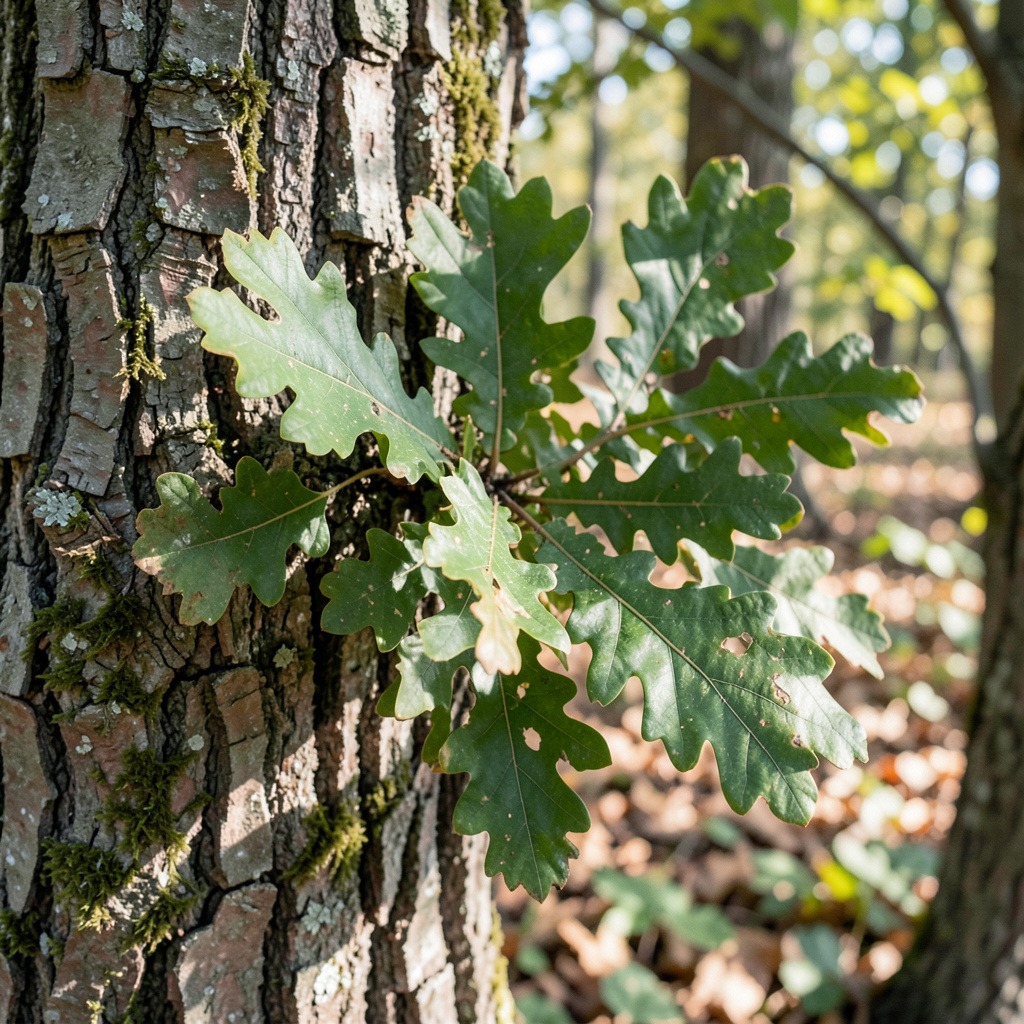
Key Features for Identifying White Oak Trees
Recognizing a white oak (Quercus alba) involves observing specific characteristics that set it apart from other oak species. This section highlights the defining features of white oak leaves, bark, and acorns to aid in identification.
Distinctive Leaf Characteristics
White oak leaves are one of the most recognizable features. Here are their key characteristics:
- Shape: Leaves are 5 to 9 inches long with 7 to 9 rounded lobes.
- Sinuses: The lobes are separated by deep sinuses, giving the leaf a distinctive look.
- Color: In spring, leaves emerge reddish-pink, mature to blue-green, and turn wine red or russet in fall.
- Marcescence: Young white oaks retain their dried leaves through winter, enhancing identification in colder months.
Bark Texture and Color
The bark of the white oak also serves as a critical identifying feature:
- Color: The bark is light to medium gray, often appearing lighter than that of red oak or black oak.
- Texture: It has a shallowly furrowed texture with irregular plates that can break into scaly blocks as the tree matures.
- Comparison: Unlike the darker, furrowed bark of red oaks, white oak bark’s lighter color and unique plate pattern make it easier to identify.
Acorn Features and Maturity
The acorns produced by white oaks provide another clear identifier:
- Size and Color: White oak acorns are typically short, light brown, and have a light gray-brown cup covered in warty scales.
- Maturity: Acorns mature in a single growing season, contrasting with red oaks, whose acorns take two years to develop.
- Wildlife: These acorns are critical food sources for various wildlife, including squirrels and deer, reinforcing the ecological importance of the white oak.
Quick Reference Checklist
To aid in rapid identification, use this checklist:
- Leaves: Check for 7-9 rounded lobes and deep sinuses.
- Bark: Look for light gray color with irregular plates.
- Acorns: Identify short, light brown acorns with warty-scaled cups.
By recognizing these key features, you can confidently identify white oak trees in various habitats.
Seasonal Changes in White Oak Identification
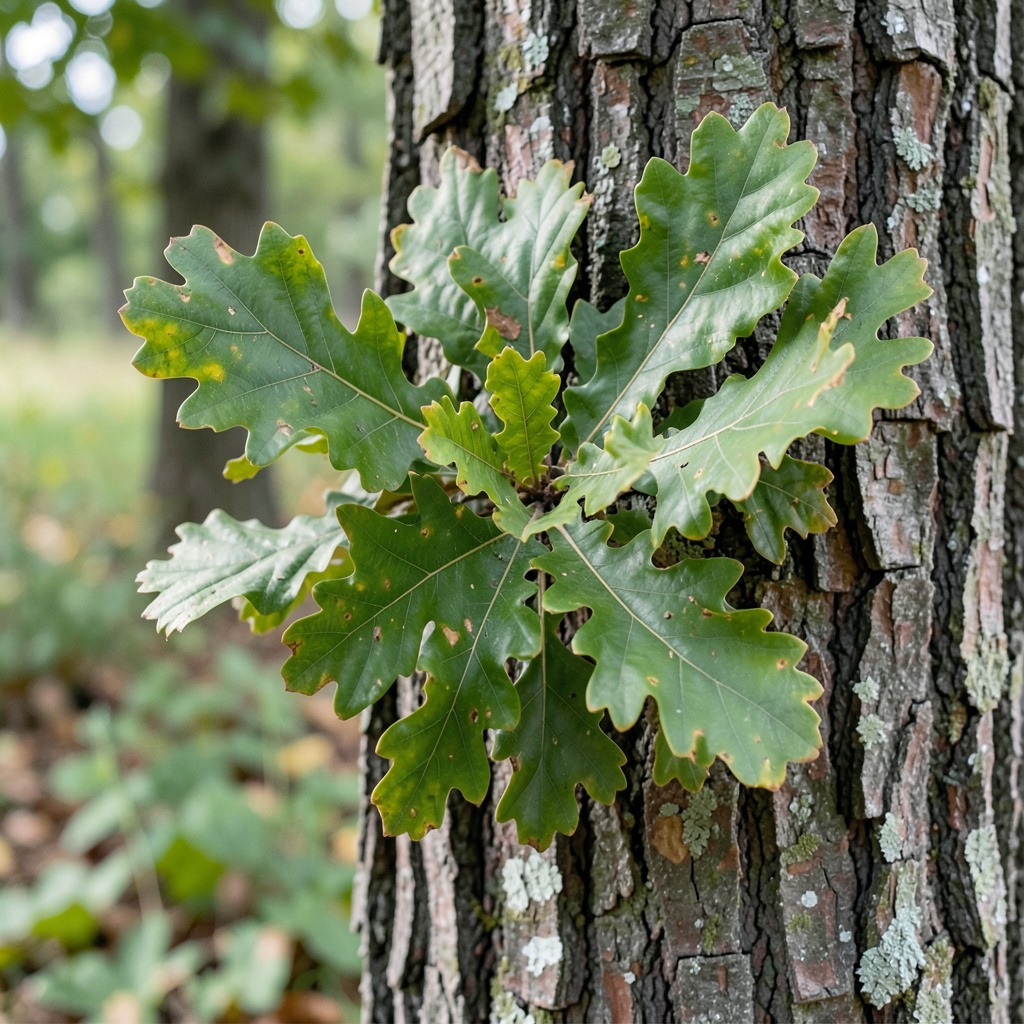
The appearance of white oak trees changes significantly throughout the seasons. Understanding these seasonal variations aids in accurate identification.
Spring: Leaf Emergence
In spring, white oak leaves begin to unfurl.
- Leaf Color: The new leaves often emerge in a reddish-pink hue, transitioning to a bright green.
- Shape: Look for 7-9 rounded lobes with deep sinuses. This distinct shape is vital for identification.
Summer: Full Canopy
By summer, white oaks reach their full canopy.
- Leaf Texture: Leaves have a smooth texture and can range from blue-green to dark green.
- Bark Texture: The light gray bark starts developing irregular plates, which can break into scaly blocks as the tree matures.
Fall: Color Transformation
In fall, leaves undergo a dramatic color transformation.
- Foliage Color: Expect shades of copper, brown, and deep burgundy red.
- Acorns: Acorns mature to their characteristic light brown color, with warty-scaled cups, ready for wildlife.
Quick Reference Checklist for Seasonal Identification
| Season | Leaf Color | Bark Texture | Acorn Characteristics |
|---|---|---|---|
| Spring | Reddish-pink to bright green | Smooth, new bark | N/A |
| Summer | Blue-green to dark green | Light gray, irregular plates | N/A |
| Fall | Copper, brown, deep burgundy | Peeling and scaly | Light brown, warty-scaled cups |
By observing these seasonal changes, you can effectively identify white oak trees in various environments.
Ecological Importance of White Oak Trees
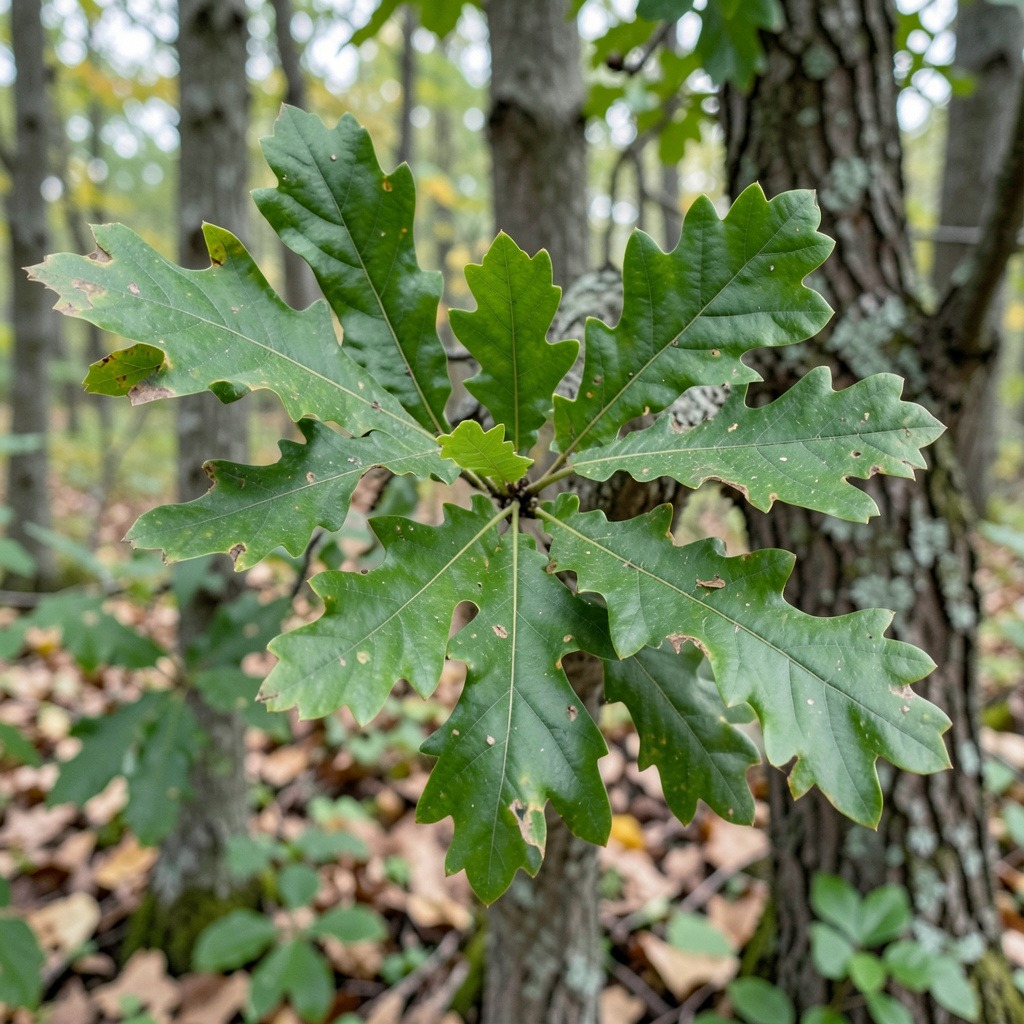
White oak trees (Quercus alba) play a crucial role in their ecosystems. They support diverse wildlife and contribute significantly to local biodiversity.
Wildlife Supported by White Oaks
White oaks provide essential food and habitat for various species. Their acorns are a key food source for mammals and birds, including:
- Squirrels: Depend on acorns for winter nourishment.
- Deer: Consume acorns as a high-energy food during fall.
- Birds: Species like blue jays and woodpeckers rely on acorns for sustenance.
The canopy of white oaks also offers nesting sites for birds and shelter for small mammals.
Insect Hosting and Biodiversity
White oaks host numerous insects, which are vital for pollination and as food for other wildlife. They support over 500 species of caterpillars, providing nourishment for birds. This diversity enhances the food web, benefiting the entire ecosystem.
Lumber Uses and Sustainability
The wood of white oaks is prized for its strength and durability. Sustainable harvesting practices ensure that white oaks continue to thrive while providing quality lumber. This sustainable approach helps maintain the ecological balance and supports local economies.
Quick Reference Checklist for Ecological Contributions
| Contribution Type | Examples |
|---|---|
| Food Source | Acorns for mammals and birds |
| Habitat | Nesting sites for birds |
| Insect Hosting | Supports over 500 caterpillar species |
| Lumber Uses | Sustainable hardwood production |
By understanding the ecological importance of white oaks, one can appreciate their role in local environments and the need for their preservation.
Differentiating White Oak from Similar Species
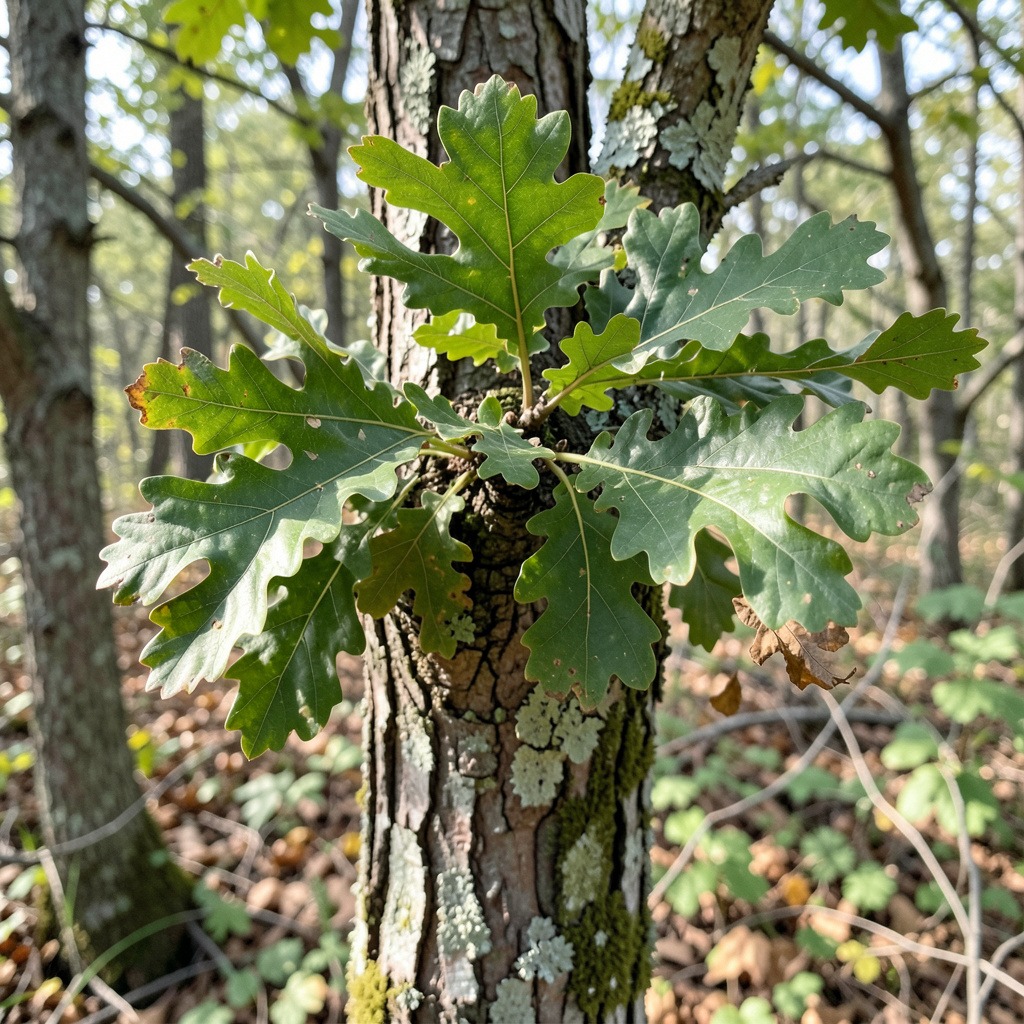
Understanding how to identify the white oak (Quercus alba) can be enhanced through comparison with similar oak species. Key features such as leaf shape, bark texture, and acorn characteristics distinguish white oak from its close relatives.
Key Differences with Red Oak
White oak and northern red oak (Quercus rubra) share habitats but differ significantly in appearance. Here are the main distinguishing features:
| Feature | White Oak | Red Oak |
|---|---|---|
| Leaf Shape | Rounded lobes with deep sinuses | Bristle-tipped lobes |
| Bark Texture | Light gray, shallowly furrowed | Dark gray, flat ridges |
| Acorn Maturity | Matures in one season | Takes two seasons to mature |
| Growth Height | Typically 80-100 feet | Similar height, but bulkier |
- Leaf Shape: White oak leaves have rounded lobes and deep sinuses, while red oak leaves feature pointed, bristle-tipped lobes.
- Bark Texture: The bark of white oak is lighter and less furrowed compared to the darker, more rugged bark of red oak.
- Acorn Maturity: White oak acorns mature in one growing season, providing a quicker food source for wildlife.
Comparing Features with Swamp White Oak
Swamp white oak (Quercus bicolor) presents another point of comparison. While it shares some characteristics with white oak, notable differences exist.
| Feature | White Oak | Swamp White Oak |
|---|---|---|
| Leaf Color | Dark green above, lighter below | Dark green, more glossy |
| Acorn Attachment | Sits on short stems | Grows in pairs on longer stalks |
| Habitat | Uplands | Wetlands and floodplains |
- Leaf Color: Swamp white oak leaves are often glossier and retain a darker green color.
- Acorn Attachment: Unlike white oak, swamp white oak acorns grow in pairs on longer stems, making them easier to spot in clusters.
- Habitat: Swamp white oak thrives in wetter environments, while white oak prefers well-drained soils.
Practical Tips for Identification
When identifying white oak versus other oak species, consider the following decision framework:
1. Observe Leaf Shape: Look for rounded lobes (white oak) versus pointed tips (red oak).
2. Check Bark Texture: Identify lighter, shallowly furrowed bark for white oak.
3. Examine Acorns: Note whether acorns are singular on short stems or paired on longer stalks.
By using these features, one can confidently differentiate white oak from its relatives, ensuring accurate identification in various environments.
Common Pests and Diseases Affecting White Oaks
White oak trees, while robust, are susceptible to various pests and diseases that can affect their overall health and growth. Understanding these threats is crucial for effective management and preservation.
Common Pests to Look Out For
Several pests can infest white oak trees, leading to potential damage. Here are some common pests to monitor:
- Lace Bugs: These small insects feed on the underside of leaves, causing stippling and yellowing.
- Acorn Weevils: Larvae develop inside acorns, leading to premature drop and reduced seed production.
- Oak Sawflies: Their larvae can defoliate leaves, especially in young trees.
- Aphids: These sap-sucking insects can weaken trees and promote sooty mold growth.
- Yellownecked Caterpillars: Known for causing mild defoliation, they are most harmful to young trees.
Management Tip: Regularly inspect leaves and acorns for signs of infestation. Handpicking pests or using insecticidal soap can effectively control minor outbreaks.
Diseases That Impact White Oak Health
White oaks face several diseases that can severely impact their vitality. Key diseases include:
- Oak Wilt: A fungal disease that spreads through root grafts. It causes rapid wilting and can kill trees within weeks.
- Anthracnose: This fungal infection leads to leaf spots and premature leaf drop, weakening the tree.
- Leaf Blistering: Resulting in raised, blister-like spots on leaves, it can cause aesthetic damage and stress to the tree.
- Oak Tatters: This lesser-known disease leads to lacy, shriveled leaves, often mistaken for other issues.
Management Tip: Ensure proper spacing and air circulation around trees to minimize disease spread. Prune infected limbs and avoid wounding trees, as open cuts can invite pathogens.
By recognizing these pests and diseases, you can take proactive steps to protect white oak trees and maintain their health in various environments.
Frequently Asked Questions
These quick answers cover the most common questions about this topic, including key details, practical tips, and common concerns.
How do I identify what kind of oak tree I have?
To identify an oak tree, start by examining its leaves, bark, and acorns. Look for specific features such as leaf shape and lobe structure. For example, white oak leaves have 7 to 9 rounded lobes with deep sinuses, while red oak leaves have pointed, bristle-tipped lobes. The bark of white oaks is light gray and shallowly furrowed, contrasting with the darker, more rugged bark of other oak species.
Additionally, check the acorns: white oak acorns mature in one season and are typically light brown with a warty-scaled cup. Observing these characteristics can help you narrow down the species.
Are there different types of white oak?
Yes, there are several variations of white oak, primarily influenced by regional differences. While Quercus alba is the most common, you may encounter variations in leaf shape, bark texture, and growth habits depending on the local environment. For instance, some white oaks may have slightly different leaf sizes or shapes, particularly in areas with unique soil or climate conditions.
How can I tell the difference between white oak and swamp white oak leaves?
The primary difference between white oak and swamp white oak leaves lies in their shape and glossiness. White oak leaves have rounded lobes and a matte finish, while swamp white oak leaves are often glossier and can appear darker green. Additionally, swamp white oak acorns typically grow in pairs on longer stems, whereas white oak acorns are singular and sit on shorter stems.
What are the downsides of a white oak tree?
While white oaks are generally resilient, they can face challenges. Some downsides include susceptibility to pests such as lace bugs and acorn weevils, which can impact their health and acorn production. Additionally, diseases like oak wilt can quickly spread and threaten the tree’s vitality.
In terms of landscaping, white oaks require ample space to grow, making them less suitable for small yards. Their large size may also lead to issues with power lines or nearby structures.
What wildlife depends on white oak trees?
White oak trees are vital for various wildlife species. Their acorns serve as a primary food source for animals like squirrels, deer, and various bird species, including blue jays and woodpeckers. The tree’s canopy provides nesting sites and shelter for small mammals and birds, contributing to local biodiversity.
What are common diseases that affect white oak?
Common diseases impacting white oak trees include oak wilt, which can rapidly kill trees, and anthracnose, which causes leaf spots and premature leaf drop. Leaf blistering and oak tatters are also notable issues that can affect the tree’s appearance and health. Regular inspections and proper care can help mitigate these diseases.
When do white oak trees produce acorns?
White oak trees typically produce acorns in late summer to early fall. The acorns mature within a single growing season, providing a critical food source for wildlife during autumn. This quick maturation contrasts with red oaks, which take two years for their acorns to develop fully.