
White oak trees typically live for 200 to 300 years, with some specimens exceeding 450 years under optimal conditions, influenced by factors such as soil quality, climate, and care.
Table of Contents
White oak trees, scientifically known as Quercus alba, are celebrated for their impressive longevity. Understanding their lifespan can help in conservation efforts and landscaping decisions, as these majestic trees offer ecological benefits and aesthetic value in various environments.
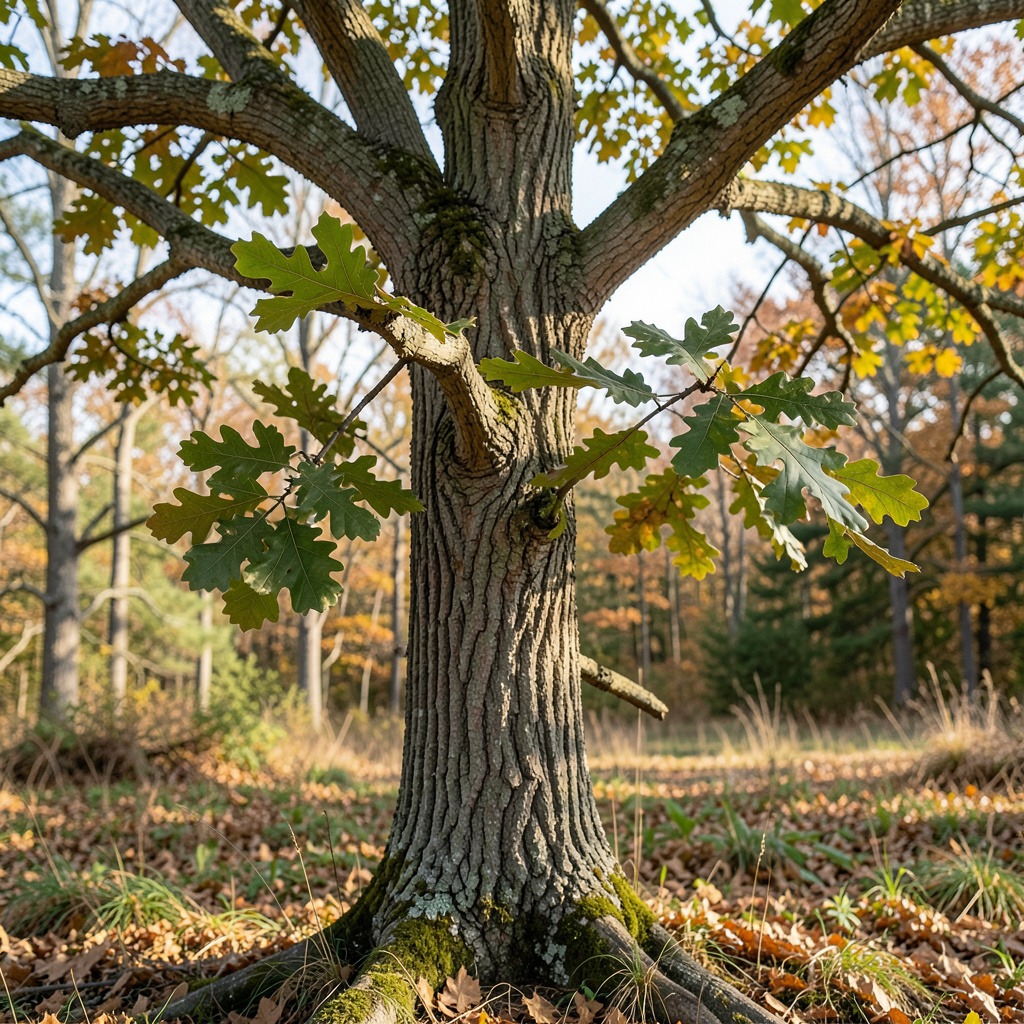
Overview of White Oak Lifespan
White oak trees, or Quercus alba, are among the longest-living hardwoods. Their lifespan typically ranges from 200 to 300 years, with some exceptional specimens living over 450 years. Understanding the factors that influence this longevity is crucial for conservation and management practices.
Typical Lifespan Range
- Average Lifespan: 200 to 300 years.
- Exceptional Specimens:
- Wye Oak: Estimated to be over 460 years old before its collapse in 2002.
- Basking Ridge Oak: Around 300 years old, known for its impressive height and trunk girth.
Factors Influencing Longevity
1. Soil Quality: Well-drained, nutrient-rich soils promote healthy growth.
2. Climate: Cooler climates tend to support longer lifespans, while extreme temperatures can stress the trees.
3. Care Practices: Regular maintenance, including proper pruning and pest management, can enhance longevity.
Ecological Contributions
White oaks play a vital role in their ecosystems. They provide acorns, which are a food source for various wildlife species. Their extensive root systems also help prevent soil erosion and improve soil health. These contributions are crucial for maintaining the ecological balance in their habitats.
Regional Lifespan Variations
The lifespan of white oaks may vary based on geographic location. For instance, white oaks in the northern United States often live longer than those in southern regions. Factors such as climate, soil conditions, and local pest pressures can significantly impact their growth and longevity.
In summary, the impressive lifespan of white oaks is shaped by multiple environmental factors and care practices, making them a significant ecological asset.
Factors Influencing the Lifespan of White Oaks
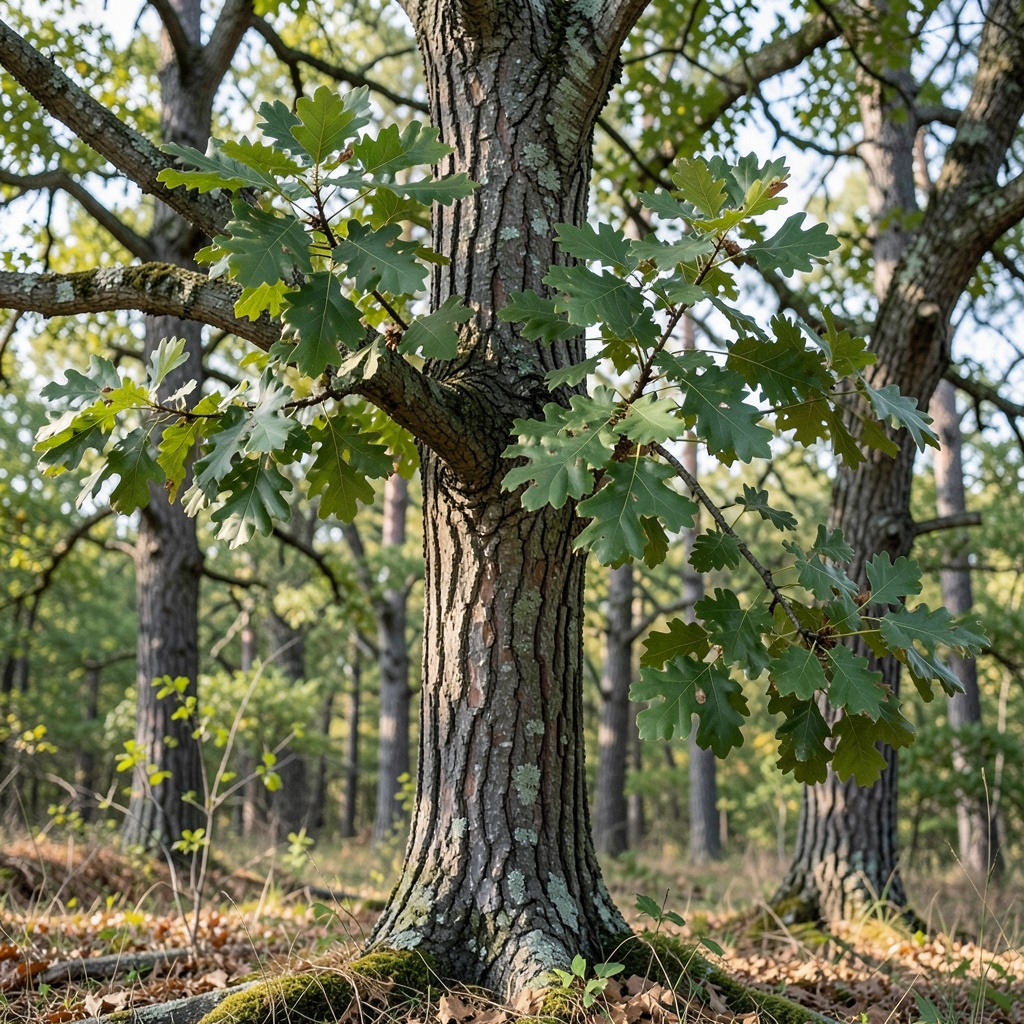
The lifespan of white oak trees is influenced by several critical factors, including soil quality, climate conditions, and proper care practices. Understanding these elements can help maximize the longevity of these majestic trees.
Soil Quality: The Foundation of Longevity
Soil quality plays a vital role in the health and lifespan of white oaks. The following conditions are optimal for their growth:
- Well-drained soil: White oaks thrive in soil that drains well to prevent root rot.
- Deep soil: A depth of at least 3 feet allows roots to anchor firmly and access nutrients.
- pH levels: A slightly acidic to neutral pH (between 6.0 and 7.0) is ideal.
- Organic matter: Rich organic content helps retain moisture and provides essential nutrients.
Checklist for Optimal Soil Conditions:
- Ensure proper drainage.
- Test soil pH and amend as necessary.
- Incorporate organic compost to enhance fertility.
Climate Conditions: The Influence of Environment
Climate significantly affects the growth patterns and lifespan of white oaks. Key climatic factors include:
- Temperature: White oaks prefer a temperate climate. Extreme heat or cold can stress the trees.
- Precipitation: Adequate rainfall is crucial. They require about 30-50 inches of water annually.
- Sunlight: Full sun exposure promotes healthy growth. Aim for at least six hours of sunlight daily.
Comparison of Climate Impacts:
- Northern white oaks generally exhibit longer lifespans than those in southern regions due to milder climates and less pest pressure.
- Urban areas may present challenges such as heat islands, affecting growth patterns.
Care Practices: Maximizing Lifespan
Proper care enhances the lifespan of white oaks. Here are essential practices:
- Watering: Regular, deep watering during dry spells supports root development.
- Mulching: A layer of mulch retains moisture and suppresses weeds around the base.
- Pruning: Remove dead or diseased branches to prevent pest infestations and improve air circulation.
Practical Tips for White Oak Care:
- Use drip irrigation to mimic natural groundwater access.
- Monitor for pests and diseases, addressing issues promptly.
- Protect young trees from competition with other species.
By adhering to these soil, climate, and care guidelines, you can significantly enhance the potential lifespan of white oak trees, ensuring they thrive for centuries.
The Ecological Importance of White Oaks

White oaks play a pivotal role in their ecosystems. Their longevity and robust structure support diverse wildlife and contribute significantly to biodiversity. Understanding these ecological contributions is essential for appreciating the lifespan of white oaks.
Supporting Wildlife: A Habitat for Many
White oaks provide critical habitats for numerous species. The acorns produced by these trees are a vital food source. Many animals rely on them, including:
- White-tailed deer
- Wild turkeys
- Squirrels
- Various bird species
These acorns not only nourish wildlife but also support the food web. For instance, the abundance of acorns can influence the population dynamics of species that depend on them.
Biodiversity Contributions: Ecosystem Services
White oaks enhance biodiversity through their various ecosystem services. They act as:
- Carbon sinks: Absorbing carbon dioxide from the atmosphere and mitigating climate change.
- Soil enhancers: Their fallen leaves decompose, enriching the soil with nutrients.
- Habitat providers: Supporting a multitude of flora and fauna, white oaks enable diverse ecosystems.
Research indicates that white oaks support more forms of life than any other tree in North America. This ecological value underscores the importance of preserving these trees for future generations.
By recognizing the ecological significance of white oaks, we can better understand the factors influencing their lifespan and the care required to sustain these vital organisms.
Common Diseases Affecting White Oaks
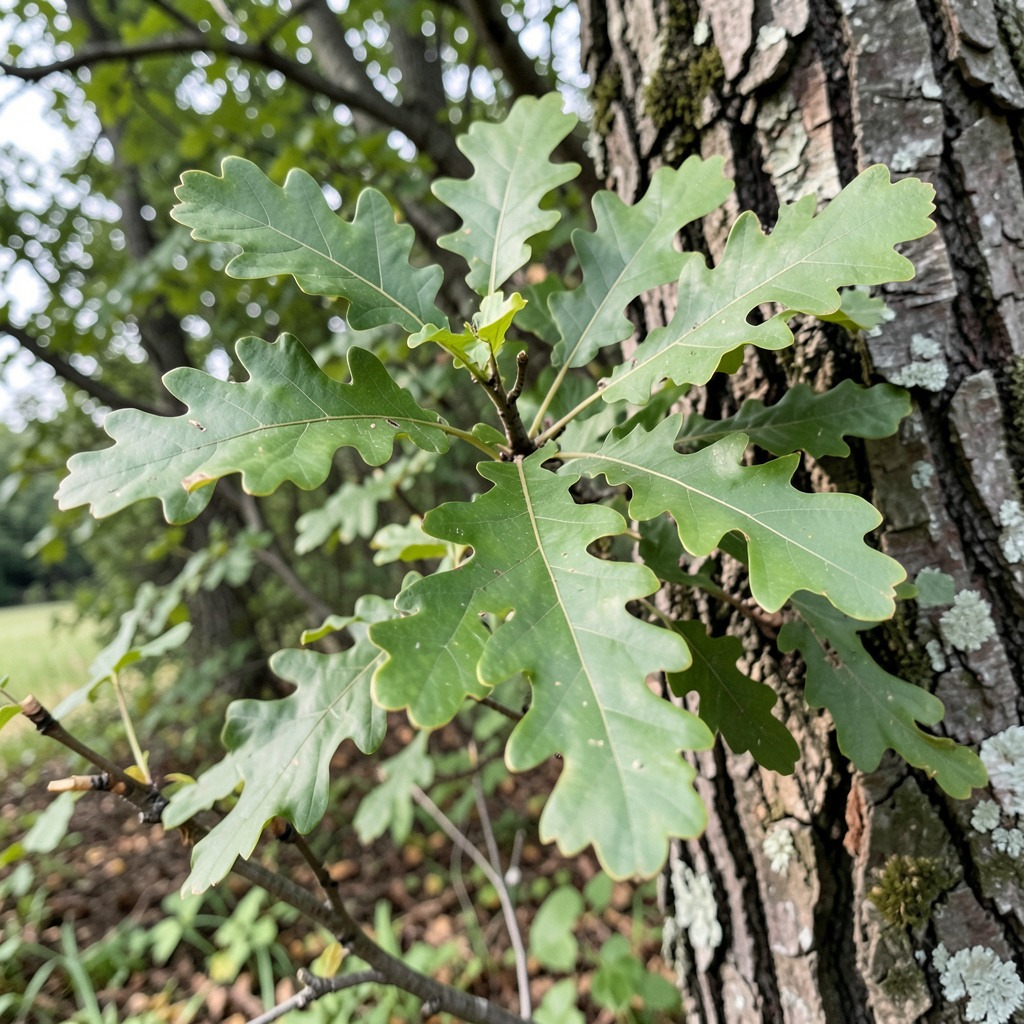
White oak trees, while resilient, face threats from various diseases and pests that can significantly impact their health and lifespan. Recognizing these challenges is crucial for effective management and care.
Common Diseases to Watch For
1. Oak Wilt: This fungal disease is one of the most serious threats to white oaks. Symptoms include wilting leaves, discoloration, and rapid tree decline. Infected trees may die within a few months.
2. Sudden Oak Death: Caused by a water mold, this disease leads to the bleeding of dark sap from the trunk. Trees may exhibit leaf browning and dieback of branches.
3. Powdery Mildew: This fungal condition appears as a white coating on leaves, leading to reduced photosynthesis and increased susceptibility to other issues.
4. Bacterial Leaf Scorch: This disease causes leaf margins to turn brown, leading to premature leaf drop and stunted growth.
5. Anthracnose: A fungal infection that creates dark spots on leaves, anthracnose can weaken trees and make them more vulnerable to other diseases.
Preventative Care Strategies
Implementing preventative care strategies is essential to maintain the health and longevity of white oaks.
- Regular Inspections: Conduct routine checks for signs of disease. Early detection can mitigate damage.
- Proper Watering: Ensure adequate moisture, especially during dry spells. Avoid overwatering, which can lead to root rot.
- Soil Health: Maintain healthy soil with organic matter to promote strong root systems. Conduct soil tests to ascertain nutrient levels.
- Pruning: Remove dead or diseased branches promptly to prevent the spread of pathogens.
- Pest Management: Monitor for pests such as gypsy moth caterpillars and oak leaf rollers. Manual removal or natural methods can help control infestations without chemicals.
- Fungal Treatments: Apply fungicides as a preventive measure, particularly in areas prone to oak wilt and other fungal diseases.
By understanding these common diseases and implementing effective care strategies, white oak trees can thrive for generations, contributing to their ecosystems and enhancing their longevity.
Conclusion: The Lifespan and Legacy of White Oaks
White oaks, or Quercus alba, are remarkable trees known for their impressive longevity, often living for over 300 years. Their lifespan is influenced by various factors, including soil quality, climate, and care practices. Understanding these elements is crucial for their preservation and ecological significance.
Key Factors Influencing Lifespan
- Soil Quality: Well-drained, nutrient-rich soil promotes healthy growth. Soil tests can help identify what amendments might be necessary.
- Climate: White oaks thrive in temperate climates with adequate rainfall. Extreme weather conditions can negatively impact their growth and survival.
- Care Practices: Regular pruning, pest management, and disease prevention are vital for maintaining the health of white oaks.
Ecological Contributions
White oaks play a pivotal role in their ecosystems. They provide habitat and food for numerous species. Their acorns are a vital food source for wildlife, while their leaves improve soil quality over time.
Cultural Significance
In many cultures, white oaks symbolize strength and endurance. They have historical significance, often being associated with community gatherings and natural heritage. Protecting these trees ensures their legacy continues for future generations.
By understanding and addressing the factors affecting white oak longevity, we can foster healthier populations. This, in turn, supports both biodiversity and cultural heritage. Engaging in conservation efforts is essential to safeguard these majestic trees and the ecosystems they sustain.
Frequently Asked Questions
These quick answers cover the most common questions about this topic, including key details, practical tips, and common concerns.
What are the downsides of white oak trees?
While white oaks are generally resilient, they can face several challenges. They are susceptible to diseases such as oak wilt and sudden oak death, which can lead to rapid decline. Additionally, their large size means they require ample space and can be a poor choice for small yards.
Another downside is their acorns, which, while beneficial for wildlife, can create a mess in urban settings. The fallen acorns can attract pests and may pose a slipping hazard on sidewalks.
How old is a 20 foot oak tree?
The age of a 20-foot white oak can vary significantly based on growth conditions. On average, a white oak reaches this height in about 20 to 30 years. However, factors such as soil quality, climate, and care practices can accelerate or slow growth.
For instance, white oaks in nutrient-rich, well-drained soils with adequate sunlight may grow faster than those in poor conditions.
How long will white oak last outdoors?
White oak trees can thrive outdoors for 200 to 300 years, with some exceptional specimens living over 450 years. Their longevity is influenced by environmental factors like soil quality, climate, and care.
Proper maintenance, including regular watering, pest management, and disease prevention, can significantly extend their lifespan.
Why is white oak so valuable?
White oak is highly valued for several reasons. Its strong, dense wood is prized in furniture making, flooring, and barrel production for aging wine and whiskey. The wood’s durability and resistance to moisture make it ideal for outdoor use.
Additionally, white oaks contribute to biodiversity by providing acorns, which serve as a food source for various wildlife species. Their ecological role enhances their value beyond just timber.
What conditions are best for planting white oaks?
To ensure healthy growth, white oaks thrive in well-drained, nutrient-rich soils with a slightly acidic to neutral pH (6.0 to 7.0). They prefer temperate climates with adequate rainfall, ideally receiving 30-50 inches of water annually.
When planting, choose a location that receives full sun, ideally six or more hours of sunlight each day. This ensures optimal growth and longevity.
What are the common diseases that affect white oak trees?
Common diseases that impact white oaks include oak wilt, sudden oak death, and powdery mildew. Oak wilt can cause rapid decline, while sudden oak death leads to bleeding sap and branch dieback. Powdery mildew appears as a white coating on leaves, reducing photosynthesis.
Regular inspections and proper care practices, such as watering and pruning, can help prevent these diseases and maintain tree health.
How can I tell the age of a white oak tree?
You can estimate the age of a white oak by measuring its circumference at chest height (about 4.5 feet above ground). A general rule is that white oaks grow about 1 inch in diameter per year.
For a more precise age, consider consulting a professional arborist who can use methods like increment boring to determine the tree’s age without causing harm.
What are the benefits of planting white oaks in urban areas?
Planting white oaks in urban areas offers numerous benefits. They provide shade, which can help reduce energy costs in nearby buildings. Their extensive root systems improve soil health and prevent erosion.
Additionally, white oaks enhance urban biodiversity by providing habitats and food sources for wildlife, contributing to a healthier ecosystem in city environments.