
To plant a white oak tree successfully, choose a well-drained site with full sun, prepare the soil, and plant acorns or seedlings at the right depth during dormancy in early spring or late fall.
Table of Contents
Planting a white oak tree is a rewarding endeavor that supports wildlife and enhances your landscape. This guide provides essential techniques for planting and caring for white oaks, ensuring they thrive for generations to come.
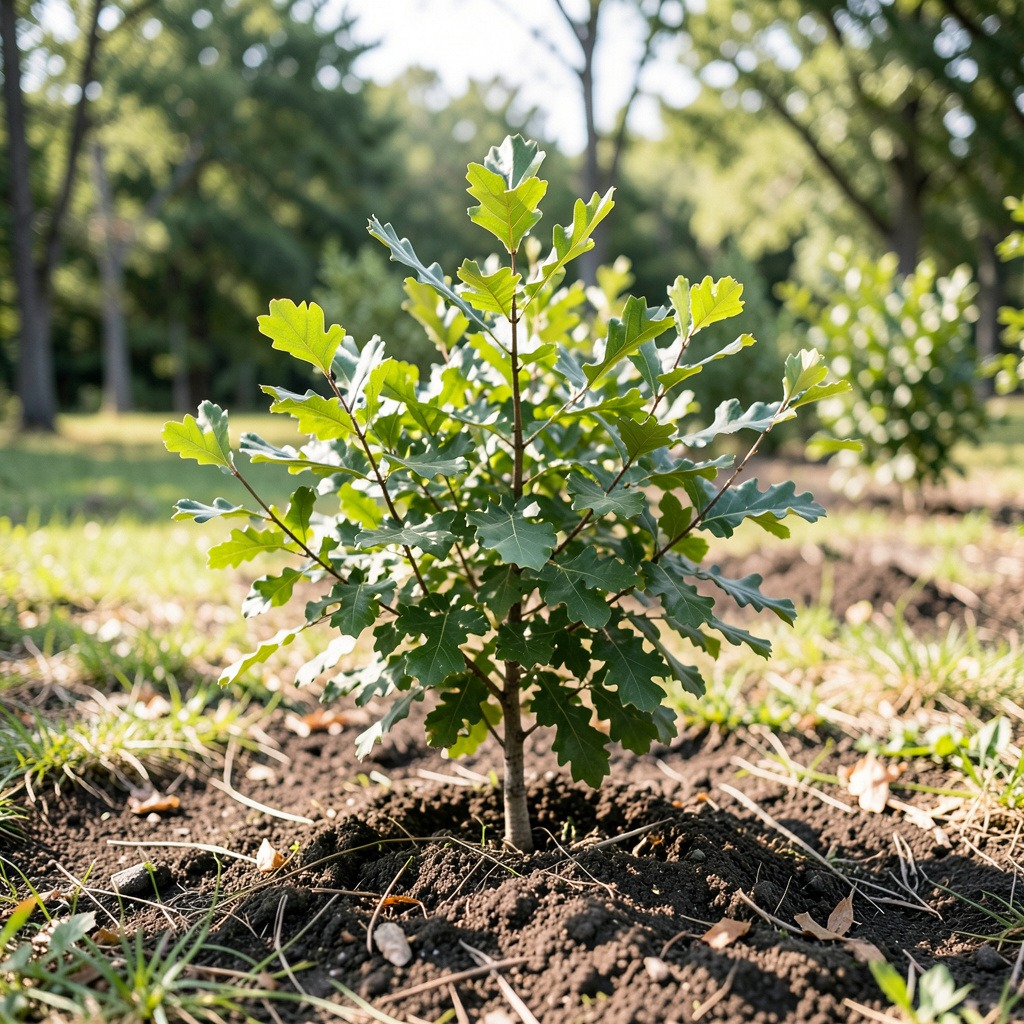
Understanding White Oaks: Characteristics and Benefits
White oaks are not only majestic trees but also vital components of their ecosystems. Their characteristics and the benefits they provide make them a valuable choice for planting in various landscapes.
Ecological Importance of White Oaks
White oaks play a significant role in supporting wildlife. They provide essential food and habitat for numerous species. The acorns produced by white oaks are a critical food source for animals such as squirrels, deer, and various bird species. In fact, studies indicate that white oaks can support over 100 species of caterpillars, which are crucial for attracting birds and other pollinators.
Ecological Benefits:
- Erosion Control: The deep and wide root systems stabilize soil and prevent erosion.
- Moisture Retention: Leaf litter from white oaks retains soil moisture, enhancing the local water cycle.
- Biodiversity Support: They are a keystone species, promoting diverse wildlife interactions in their habitats.
Aesthetic and Practical Benefits
Beyond their ecological contributions, white oaks offer numerous aesthetic and practical benefits. They are known for their impressive height and broad crown, making them exceptional shade trees. Their deeply furrowed bark and vibrant fall foliage add visual interest to any landscape.
Key Benefits:
- Longevity: White oaks can live for over 200 years, providing long-term benefits to your property.
- Shade and Cooling: Their expansive canopy offers shade, helping to reduce energy costs in nearby buildings.
- Timber Value: The wood of white oaks is highly prized for furniture and flooring due to its strength and durability.
These characteristics make white oaks a wise choice for both ecological and aesthetic enhancements in your landscape.
Choosing the Right Location for Planting White Oaks
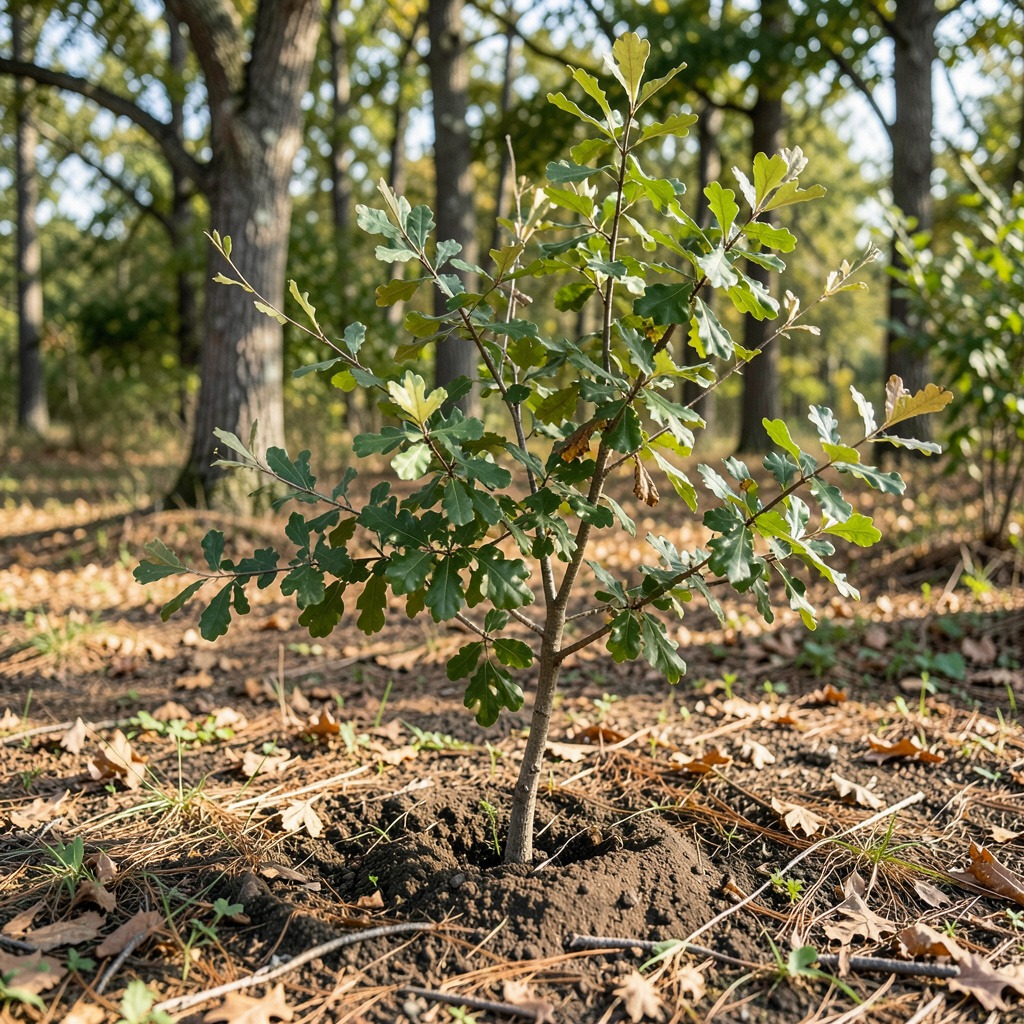
Selecting the right location for your white oak is crucial for its growth and longevity. These trees require specific conditions to thrive, including adequate sunlight, suitable soil, and sufficient space for their expansive root systems.
Ideal Soil and Drainage Conditions
White oaks thrive in well-drained soils that are slightly acidic to neutral. Aim for a soil pH between 5.5 and 7.0. Here are the key soil requirements:
- Well-drained Soil: Avoid areas where water pools after heavy rain, as standing water can suffocate roots.
- Soil Composition: Incorporate organic matter, like compost, to enhance soil structure and moisture retention.
- Soil Testing: Test your soil before planting to ensure it meets the pH requirements. Amend as necessary to create optimal conditions.
Sunlight and Space Considerations
Proper sunlight exposure is essential for healthy white oak growth. Follow these guidelines for sunlight and spacing:
- Sunlight Exposure: White oaks prefer full sun, requiring at least six hours of direct sunlight daily. This promotes strong photosynthesis.
- Spacing: Given their potential height of over 80 feet and a wide canopy, plant white oaks at least 30-50 feet away from buildings, power lines, and other trees to allow for ample growth.
- Wind Protection: If possible, select a location shielded from strong winds to prevent damage to young trees. For slopes, plant on the upper side to avoid water pooling at the root zone.
Checklist for Selecting the Best Planting Site
Use this checklist to evaluate potential planting sites for your white oak:
- [ ] Soil Type: Is the soil well-drained and within the ideal pH range?
- [ ] Sunlight: Does the location receive at least six hours of sunlight daily?
- [ ] Space: Is there sufficient room for the tree to grow both above and below ground?
- [ ] Wind Protection: Is the location sheltered from prevailing winds?
- [ ] Moisture: Does the area retain moisture without becoming waterlogged?
By adhering to these guidelines, you can ensure that your white oak will thrive and contribute positively to your landscape for generations.
Planting Techniques: Acorns vs. Seedlings
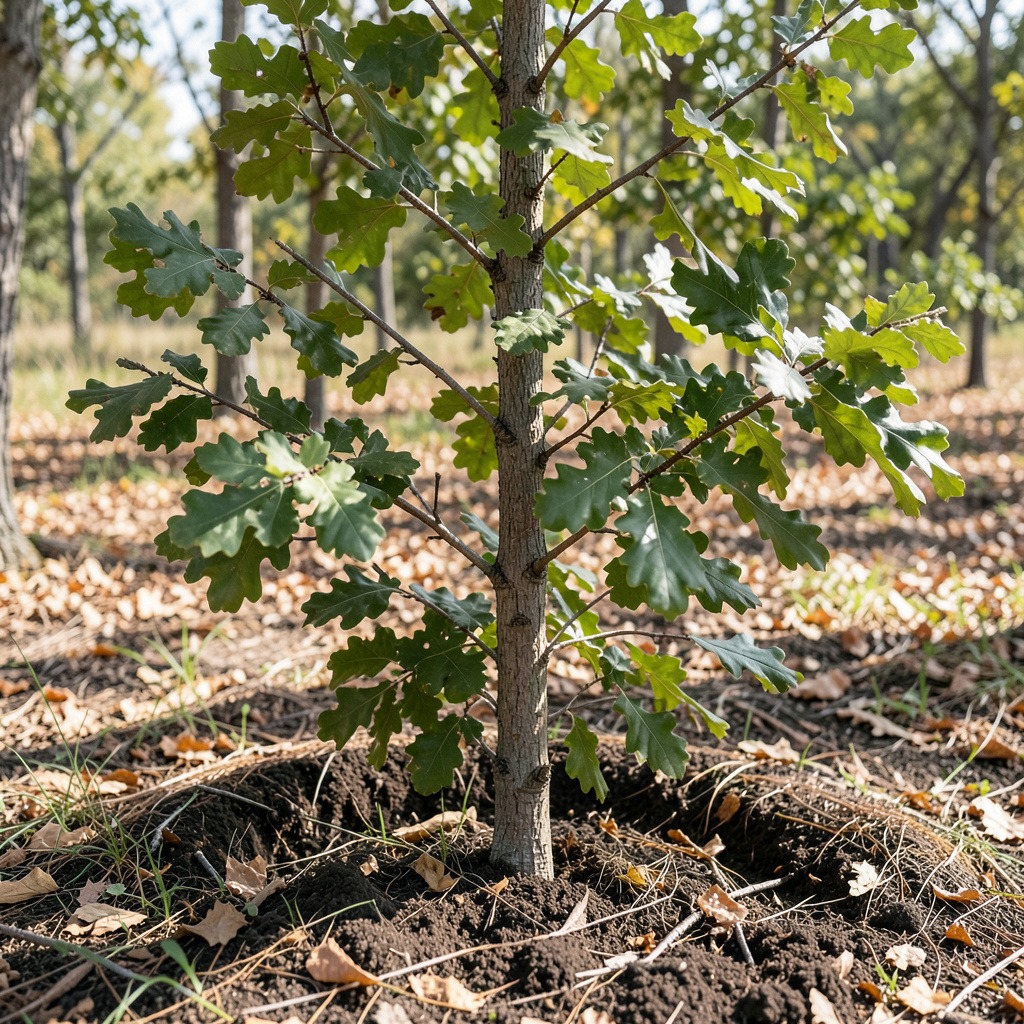
When considering how to plant white oaks, two primary methods exist: planting acorns or seedlings. Each approach has unique benefits and requirements that align with different planting goals.
Steps for Planting Acorns
1. Select Viable Acorns: Choose acorns that are brown and free from blemishes. Discard any that float in water, as they are likely not viable.
2. Cold Stratification: Before planting, expose acorns to cold, moist conditions for 30-60 days. This mimics natural winter conditions and encourages germination.
3. Soil Preparation: Prepare well-drained soil with a pH between 6.0 and 7.5. Ensure the site has good moisture retention but is not waterlogged.
4. Planting Depth: Plant acorns about 1-2 inches deep. This depth allows for moisture retention and protects them from wildlife.
5. Watering: Water the area thoroughly after planting. Continue to keep the soil moist but not saturated until germination occurs.
Steps for Planting Seedlings
1. Choose Healthy Seedlings: Select seedlings that are 1-2 years old and are well-rooted. Avoid those with tightly wound roots.
2. Site Examination: Confirm that the planting site meets the criteria: well-drained soil, adequate sunlight, and wind protection.
3. Soil Preparation: Loosen the soil and amend it with organic matter if necessary to improve drainage and fertility.
4. Planting Depth: Dig a hole that is twice the width of the root ball and as deep as the root ball itself. Position the seedling so that the root collar is level with the soil surface.
5. Watering and Mulching: Water immediately after planting and apply a 2-3 inch layer of mulch to retain moisture and suppress weeds.
Comparison of Acorns and Seedlings
| Aspect | Acorns | Seedlings |
|---|---|---|
| Preparation | Cold stratification required | Well-rooted, ready to plant |
| Planting Depth | 1-2 inches | Level with root collar |
| Initial Care | Keep soil moist during germination | Water post-planting; mulch |
| Time to Maturity | Longer, depends on germination | Faster establishment |
Decision Framework
- Choose Acorns if you prefer a natural approach and have patience for germination and growth.
- Choose Seedlings if you seek immediate results and a more controlled planting process.
By understanding these methods, you can choose the best technique for planting white oaks based on your goals and site conditions.
Timing Your Planting: When to Plant White Oaks
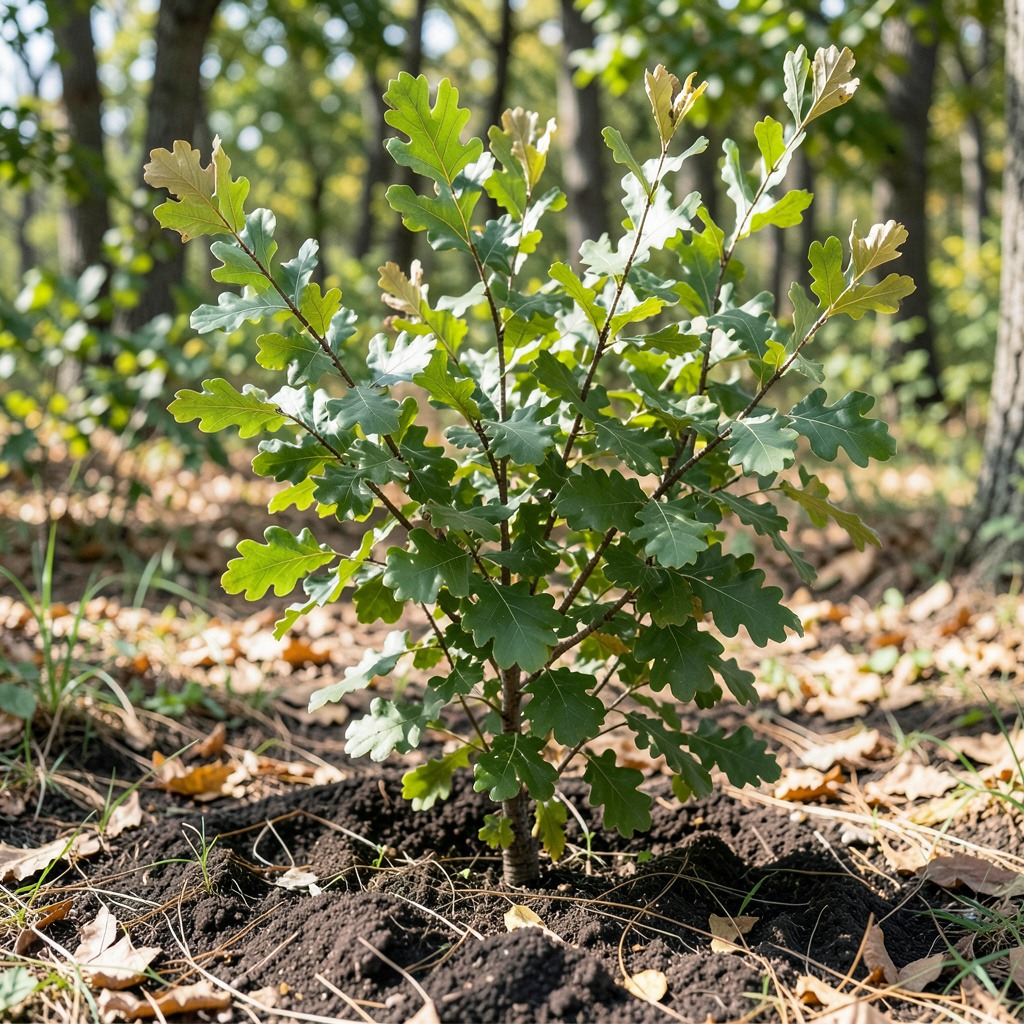
Choosing the right time to plant white oaks is crucial for their successful establishment. Understanding seasonal conditions will help you maximize growth potential.
Optimal Planting Seasons
The best time to plant white oaks depends on your region’s climate. Here are key considerations:
- Early Spring: Ideal for colder climates (USDA zones 3-4). Plant when the soil is thawed but before daytime temperatures exceed 70°F.
- Late Fall: Suitable for milder regions (zones 7-8). Plant when soil temperatures are around 40-55°F, ensuring the ground remains moist but not waterlogged.
- Avoiding Extreme Conditions: Do not plant during extreme heat (above 85°F) or when the soil is frozen. Both situations can stress seedlings and hinder root development.
Signs of Ideal Soil Conditions
Monitoring soil conditions is vital for successful planting. Look for these indicators:
- Moisture Level: Soil should be moist but well-draining. Waterlogged soil can suffocate roots, while overly dry soil can stress young plants.
- Temperature Range: Aim for soil temperatures between 40°F and 70°F for optimal root establishment. Test soil with a thermometer if unsure.
- Soil pH: White oaks thrive in slightly acidic soil (pH 5.0 – 6.5). Testing soil pH helps determine if amendments are necessary for nutrient availability.
Checklist for Optimal Planting Conditions
- Soil Temperature: Ensure it is within 40°F to 70°F.
- Soil Moisture: Check for moisture without waterlogging.
- Soil pH: Test and amend if necessary to maintain a pH of 5.0 to 6.5.
- Weather Forecast: Avoid planting before predicted frosts or extreme heat spells.
By following these guidelines, you can establish healthy white oaks that contribute to your landscape for generations.
Care Requirements for Healthy White Oaks
To ensure long-term health and vitality, white oaks require specific care practices. Proper watering, fertilization, and pruning are essential for establishing resilient trees that thrive in their environment.
Watering and Fertilizing Guidelines
Watering is crucial during the first few years after planting. Newly planted white oaks need consistent moisture to develop strong roots. Once established, they typically require less frequent watering, mainly during dry spells.
- Watering Schedule:
- First Year: Water deeply once a week.
- Subsequent Years: Water during prolonged droughts.
Fertilization helps promote robust growth. Consider applying a balanced fertilizer in early spring.
- Fertilization Checklist:
- Type: Use a slow-release, balanced fertilizer (e.g., 10-10-10).
- Frequency: Fertilize once a year for the first three years.
- Application: Spread evenly around the base, avoiding the trunk.
Pruning and Disease Management
Pruning is vital for maintaining structural integrity and preventing disease. Early intervention reduces the risk of larger issues later.
- Pruning Guidelines:
- Timing: Best done in late winter or early spring before new growth begins.
- Focus: Remove dead or crossing branches to improve air circulation.
- Technique: Make clean cuts to minimize wounds.
Monitor for common diseases such as powdery mildew or oak wilt. Early detection is key.
- Disease Management Checklist:
- Visual Inspection: Check for unusual leaf discoloration or wilting.
- Response: Remove and dispose of infected branches immediately.
- Preventive Measures: Maintain proper spacing and air circulation around the tree.
Ongoing Maintenance Checklist
To ensure the continued health of your white oak, follow this ongoing maintenance checklist:
- Watering:
- Check soil moisture regularly.
- Fertilization:
- Apply fertilizer annually for the first three years.
- Pruning:
- Inspect and prune during late winter.
- Disease Monitoring:
- Conduct routine inspections for signs of disease.
By adhering to these guidelines, you can cultivate white oaks that enhance your landscape and provide ecological benefits for years to come.
Common Issues in Planting White Oaks and How to Avoid Them
Planting white oaks can be rewarding, but several common mistakes can hinder their growth. Understanding these issues and implementing strategies to avoid them will lead to healthier trees and a flourishing landscape.
Preventing Transplant Shock
Transplant shock occurs when a tree struggles to adapt to its new environment. This can lead to wilting, leaf scorch, or stunted growth.
- Planting Depth: Ensure the root collar is at soil level. Burying it too deep can cause rot, while exposing it can lead to desiccation.
- Soil Preparation: Use well-draining soil. Compacted or poorly drained soil limits root development.
- Watering Practices: Water deeply right after planting, then maintain consistent moisture without waterlogging.
Example: A gardener noticed that their white oak was wilting post-planting. They found the tree had been buried too deep. After re-excavating and correcting the depth, the tree thrived.
Managing Pests and Diseases
Pests and diseases can threaten young white oaks. Early detection and management are crucial.
- Monitoring: Inspect trees regularly for signs of pests, such as leaf damage or discolored bark.
- Preventive Measures: Maintain proper spacing and air circulation to reduce disease risk.
- Pest Management Strategies: Use insecticidal soaps or neem oil for pest control. Monitor for common pests, such as the oak leaf roller or aphids.
Caveat: Over-fertilizing can lead to weak growth, making trees susceptible to pests. Instead, apply a balanced fertilizer in moderation during the first year.
Checklist for Optimal Planting Conditions:
- Check soil moisture before planting.
- Ensure air circulation around the tree.
- Use mulch to retain moisture and regulate temperature.
By recognizing these potential pitfalls and adapting your planting practices, you can significantly enhance the likelihood of establishing robust and self-sustaining white oaks.
Conclusion: The Long-Term Value of Planting White Oaks
Planting white oaks offers significant ecological and environmental benefits. These majestic trees not only provide shade but also serve as crucial habitats for wildlife. Understanding their long-term value is essential for anyone considering white oak planting.
Environmental Benefits of White Oaks
1. Shade and Cooling: White oaks create a natural canopy, reducing heat in urban areas. This can lead to lower cooling costs for homes and buildings.
2. Wildlife Habitat: The sturdy branches and abundant acorns of white oaks support various species. Birds, mammals, and insects thrive in their ecosystem, contributing to biodiversity.
3. Soil Improvement: The deep root systems of white oaks enhance soil structure and prevent erosion. They improve water infiltration and nutrient cycling, benefiting other plants in the area.
Long-Term Maintenance Considerations
To maximize the benefits of your white oak, keep these maintenance tips in mind:
- Regular Watering: Ensure adequate moisture, especially during dry spells. Newly planted trees require consistent watering for the first few years.
- Mulching: Apply a layer of mulch to retain soil moisture and suppress weeds. This promotes healthy growth.
- Pruning: Periodic pruning helps maintain tree structure and health. Focus on removing dead or crossing branches.
Checklist for Planting Success
Before planting your white oak, follow this checklist:
- Choose a location with full sun and well-drained soil.
- Prepare the soil by loosening compacted areas and adding organic matter.
- Plan to plant in fall or early spring for optimal establishment.
By planting white oaks, you contribute to environmental sustainability while enhancing your landscape. These trees promise a legacy of beauty and ecological value for generations to come.
Frequently Asked Questions
These quick answers cover the most common questions about this topic, including key details, practical tips, and common concerns.
Where is the best place to plant a white oak tree?
The ideal location for planting a white oak tree is in a spot that receives full sun, with at least six hours of direct sunlight daily. Ensure the soil is well-drained, as white oaks do not thrive in waterlogged conditions. Additionally, choose a space that allows for ample growth, keeping the tree at least 30-50 feet away from buildings, power lines, and other trees.
What are the downsides of a white oak tree?
While white oaks are beneficial, they have some downsides. They can grow very large, reaching heights of over 80 feet, which may not be suitable for small yards. Additionally, they produce acorns that can create a mess in the fall and attract wildlife, which some homeowners may find undesirable. Lastly, their deep root systems can potentially interfere with underground utilities.
Are white oaks hard to grow?
White oaks are not particularly hard to grow, but they do require specific conditions to thrive. They prefer well-drained, slightly acidic to neutral soils and full sun exposure. New plantings may need consistent watering, especially during dry spells, and they can take several years to establish. With proper care and attention, they can flourish and become long-lasting additions to your landscape.
What is the best month to plant oak trees?
The best time to plant white oak trees is either in early spring or late fall. In early spring, plant when the soil has thawed but before temperatures exceed 70°F. In late fall, aim for when soil temperatures are between 40°F and 55°F. These times allow the roots to establish before extreme weather conditions occur.
How do I protect my white oak seedlings from pests?
To protect your white oak seedlings from pests, regularly inspect them for signs of damage or infestation. Use physical barriers like row covers to deter pests. If necessary, apply organic insecticides such as neem oil or insecticidal soap to manage pest populations. Maintaining good air circulation and healthy soil can also help prevent pest issues.
What soil conditions are ideal for white oaks?
White oaks thrive in well-drained soils with a pH between 5.5 and 7.0. They prefer slightly acidic to neutral conditions. Before planting, test your soil to ensure it meets these criteria. If necessary, amend the soil with organic matter to improve drainage and nutrient availability, promoting healthy root development.
How long does it take for a white oak to mature?
White oaks typically take several decades to reach maturity, often around 30-50 years to achieve their full height and size. However, they can live for over 200 years, making them a long-term investment for your landscape. The growth rate can vary based on environmental conditions, care, and soil quality.