
Common problems with white oak trees include diseases like oak wilt and sudden oak death, pests such as borers and caterpillars, and environmental stresses that can lead to symptoms like leaf discoloration and wilting.
Table of Contents
White oak trees, known for their longevity and ecological significance, can face various challenges that affect their health and aesthetics. Understanding these problems, from pests to diseases, can help ensure your white oak remains vibrant and thriving.
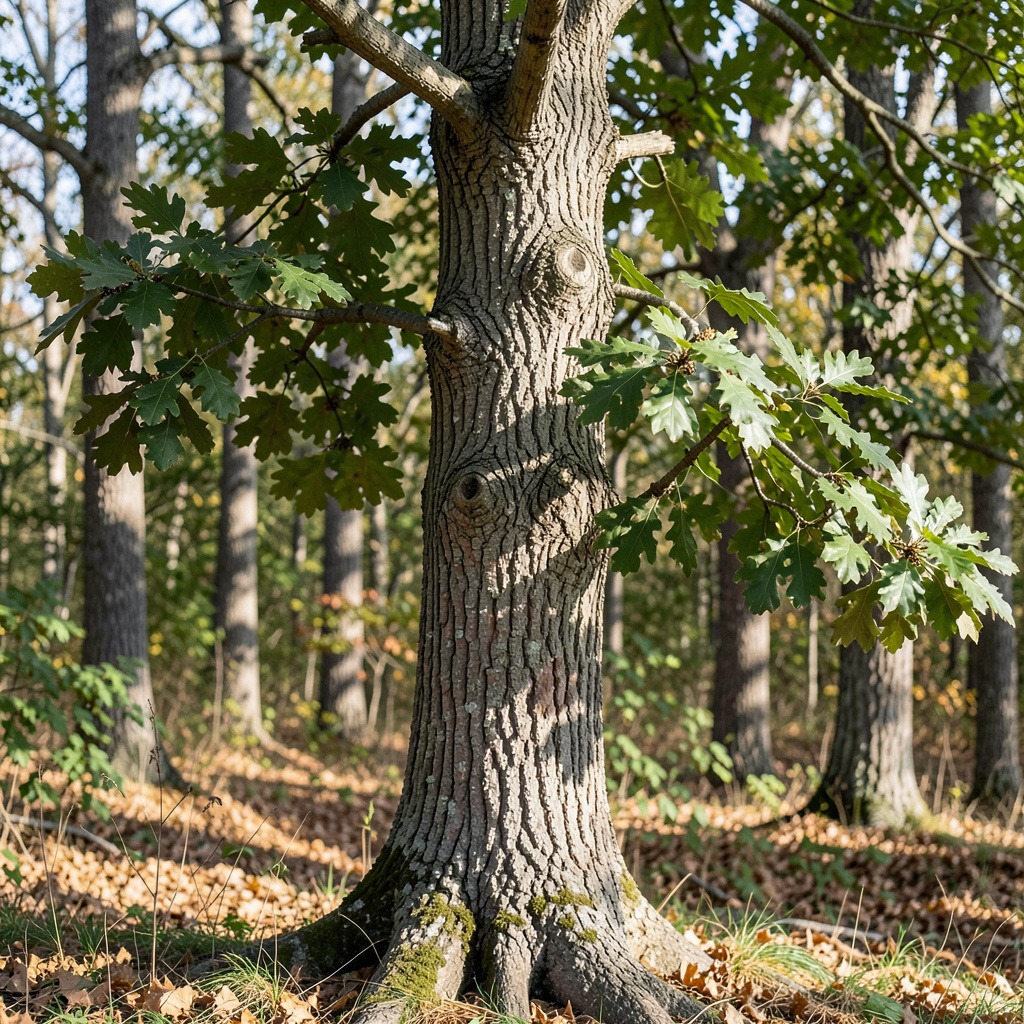
Overview of White Oak Trees
White oak trees, recognized for their ecological value and impressive lifespan, play a critical role in forest ecosystems. Understanding their significance helps address the various problems they may encounter.
Ecological Importance of White Oaks
White oaks contribute immensely to biodiversity. They provide habitat and food for numerous wildlife species. Birds, mammals, and insects depend on white oaks for shelter and sustenance. Their acorns serve as a vital food source during fall and winter months.
Longevity and Resilience
These trees can live for centuries, often exceeding 200 years. Their longevity makes them essential in maintaining stable ecosystems. Older white oaks support a unique community of organisms within their bark and branches. However, their age also makes them susceptible to various problems.
Common Problems Faced by White Oaks
Identifying issues early is crucial for maintaining the health of white oaks. Common challenges include:
- Diseases: Conditions like oak wilt and sudden oak death can devastate populations.
- Pest Infestations: Insects such as gall wasps or borers can weaken trees.
- Environmental Stress: Factors like drought, soil compaction, and pollution can adversely affect their growth.
For effective management, consider using a Tree Health Care Kit for Oak Trees. These kits often include treatments and preventative measures tailored for oak tree health.
Understanding these aspects will empower you to proactively care for your white oaks and mitigate potential problems effectively.
1. Oak Wilt: A Dangerous Fungal Disease
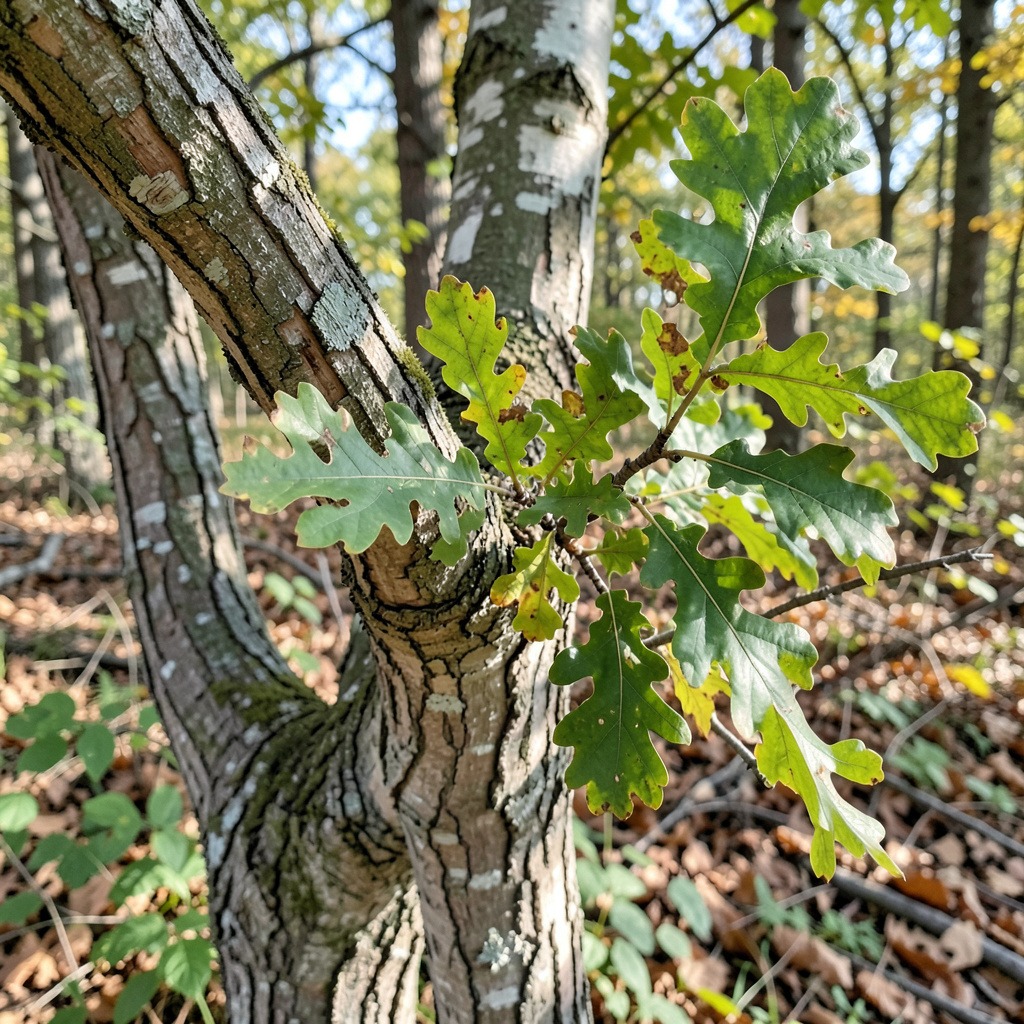
Oak wilt is a severe fungal disease that poses a significant threat to white oaks. Understanding its symptoms, causes, and treatment options is essential for effective management.
Symptoms of Oak Wilt
Recognizing the symptoms of oak wilt early can be crucial for saving affected trees. Key indicators include:
- Leaf Wilting: Leaves may wilt rapidly, starting from the top of the tree and moving downward.
- Browning Edges: Leaf margins turn brown, and the browning progresses inward.
- Premature Leaf Drop: Affected trees may drop leaves earlier than usual, even while still green.
- Thinning Canopy: The overall density of the tree’s foliage decreases, indicating health decline.
Treatment Options
Treatment for oak wilt primarily focuses on containment and support for the affected tree. Consider the following options:
- Fungicide Application: Apply specific fungicides as a preventative measure or to support trees that are showing early symptoms.
- Pruning: Remove infected branches to prevent spread. Ensure pruning occurs in late fall or winter to minimize risk.
- Soil Management: Improve soil drainage and aeration to reduce stress on the tree, making it less susceptible to oak wilt.
Prevention Strategies
Preventing oak wilt is crucial for maintaining white oak health. Implement these strategies:
- Avoid Wounding Trees: Minimize injuries to the bark during pruning or construction, as wounds can be entry points for the fungus.
- Monitor Tree Health: Regularly check for symptoms and environmental stress factors that could weaken trees.
- Isolation of Infected Trees: If oak wilt is detected, avoid moving firewood or debris from affected areas to prevent spreading the disease.
By understanding and acting on these guidelines, you can help protect your white oaks from the devastating effects of oak wilt. For more comprehensive care, consider using a Tree Health Care Kit for Oak Trees, which includes treatments and preventative measures tailored for oak tree health.
2. Sudden Oak Death: Understanding the Threat
Sudden Oak Death (SOD) poses a significant threat to white oaks, especially in regions where the pathogen is prevalent. Understanding its symptoms, treatment options, and prevention strategies is crucial for maintaining the health of these valuable trees.
Identifying Sudden Oak Death
SOD is caused by the pathogen Phytophthora ramorum. It primarily affects coastal oak species but can also impact white oaks under certain conditions. Early detection is essential for effective management.
Key Symptoms to Watch For:
- Bleeding Cankers: Look for burgundy or black sap oozing from the bark, especially on the lower trunk.
- Leaf Symptoms: Leaves may show browning or die-off, often starting from the top of the tree.
- Canopy Decline: The canopy can brown out dramatically within weeks after symptoms appear.
Effective Treatment Methods
If SOD is suspected, prompt action is necessary to manage the disease. Here are effective treatment methods:
1. Isolation: Remove infected trees to prevent the spread of the pathogen.
2. Pruning: Cut away infected limbs during dry weather to reduce fungal spread.
3. Fungicides: Use targeted fungicide treatments as a preventative measure on healthy trees.
Preventative Measures
Preventing SOD requires a proactive approach. Here are strategies to safeguard your white oaks:
- Monitor Neighboring Plants: Keep an eye on California bay laurel and other host plants, as they can harbor the pathogen.
- Maintain Tree Health: Healthy trees are more resilient. Regularly assess and manage environmental stressors like drought or soil compaction.
- Plant Management: Avoid planting susceptible species near your white oaks.
For comprehensive care, consider using a Tree Health Care Kit for Oak Trees, which includes treatments and preventative measures tailored for oak tree health.
3. Common Pests Affecting White Oaks
White oaks are susceptible to various pests that can compromise their health and vitality. Understanding these pests, such as borers and caterpillars, is essential for effective management.
Identifying Borers
Borers are wood-boring insects that can severely damage white oaks. They tunnel into the wood, disrupting nutrient flow and weakening the tree. Common symptoms include:
- D-shaped exit holes: Small holes on the trunk indicate borer activity.
- Frass: Look for sawdust-like material near the base of the tree.
- Wilting leaves: The canopy may show signs of stress, including wilting or yellowing.
To combat borers, monitor your tree regularly. If you notice signs of infestation, consider applying an insecticide specifically designed for borers, targeting their life cycle for maximum effectiveness.
Identifying Caterpillars
Caterpillars, including oakworms and tent caterpillars, can defoliate white oaks, leading to significant stress. Identifying them is key to managing their impact. Signs include:
- Chewed leaves: Look for irregular holes or missing leaf sections.
- Silken webs: Tent caterpillars often build noticeable webs in branches.
- Caterpillar droppings: Dark, pellet-like waste on leaves or the ground.
For effective control, you can handpick caterpillars or use a targeted insecticide. Timing is crucial; treat early in the caterpillar’s life cycle for the best results.
Management Strategies
To protect your white oaks from pests, implement these management strategies:
- Regular Inspections: Conduct annual inspections in early spring. Look for symptoms of pests and diseases.
- Healthy Practices: Maintain tree health through proper watering and mulching. Healthy trees are less susceptible to pest damage.
- Treatment Options: Use appropriate treatments for identified pests, such as insecticides for borers and caterpillars. Follow product guidelines closely.
By recognizing the signs of pest infestations and taking proactive measures, you can safeguard the health of your white oaks and ensure their longevity.
4. Leaf Discoloration: Causes and Solutions
Leaf discoloration in white oaks can indicate various health issues. Identifying the underlying causes is crucial for effective treatment and prevention strategies.
Identifying the Causes
Several factors contribute to leaf discoloration in white oaks, including diseases, pests, and environmental stressors. Common symptoms to watch for include:
- Yellowing Leaves: Often a sign of nutrient deficiency or water stress.
- Brown Spots or Edges: May indicate fungal infections like anthracnose or bacterial leaf scorch.
- Curling or Wilting: Can result from pest infestations or disease progression.
Key Diseases and Pests
1. Anthracnose (Apiognomonia quercinia): This fungal disease typically appears during cool, wet spring conditions. It causes brown lesions along leaf veins and premature leaf drop. While it may look severe, affected trees often recover by summer.
2. Bacterial Leaf Scorch: Caused by Xylella fastidiosa, this progressive disease leads to yellowing leaves and eventually tree decline. It spreads through sap-sucking insects and can be fatal within a few years.
3. Pests: Insects such as leafhoppers and scale can damage leaves, leading to discoloration. Regular monitoring is essential for early detection.
Treatment Approaches
Addressing leaf discoloration involves a combination of treatment strategies tailored to the specific cause:
- Fungal Infections: For anthracnose, ensure good air circulation and avoid overhead watering. Fungicides may be necessary in severe cases.
- Bacterial Issues: Once diagnosed, remove and destroy infected leaves. Implement measures to reduce stress, such as proper watering practices.
- Pest Management: For pest infestations, use targeted insecticides. Systemic options can protect the entire tree. Regular inspections help catch issues early.
Treatment Checklist
- Inspect: Check for discoloration signs and other symptoms regularly.
- Identify: Confirm the underlying cause through visual inspection.
- Implement Treatment: Follow appropriate treatment for diagnosed issues.
- Monitor: Keep track of tree health post-treatment.
Preventative Measures
Preventing leaf discoloration in white oaks requires proactive care:
- Proper Watering: Avoid overwatering and ensure adequate drainage to prevent root rot.
- Mulching: Apply organic mulch to retain moisture and suppress weeds.
- Nutrient Management: Conduct soil tests to identify and amend nutrient deficiencies.
- Regular Maintenance: Prune dead or diseased branches to improve air circulation and reduce disease risk.
By understanding the causes and implementing effective treatment and prevention strategies, you can maintain the health and vitality of your white oaks.
5. Environmental Stresses: Impact on White Oaks
Environmental factors significantly affect the health of white oaks. Issues such as soil compaction and drought can lead to various problems, including reduced growth and increased susceptibility to diseases.
Common Environmental Issues
White oaks face several environmental stressors that can compromise their health:
- Soil Compaction: Heavy foot traffic or construction can compact the soil. This restricts root growth and reduces oxygen availability.
- Drought: Insufficient rainfall can lead to water stress. Drought conditions weaken trees, making them vulnerable to pests and diseases.
- Poor Drainage: Waterlogged soil can cause root rot, particularly if the roots cannot access oxygen.
- Extreme Temperatures: Prolonged heat or cold can affect physiological processes, leading to overall decline.
Signs of Stress
Identifying stress in white oaks is crucial for timely intervention. Look for these signs:
- Leaf Discoloration: Yellowing or browning leaves may indicate nutrient deficiencies or water stress.
- Wilting: Drooping leaves can signal inadequate moisture.
- Reduced Growth: Stunted growth or fewer leaves can show that the tree is under stress.
- Bark Cracking: Physical damage to the bark may suggest extreme temperature fluctuations or other environmental pressures.
Mitigation Techniques
Implementing effective strategies can help mitigate environmental stress on white oaks:
- Aeration: Regularly aerate the soil to alleviate compaction. This promotes root growth and improves water infiltration.
- Irrigation: During dry spells, provide supplemental water. Deep watering encourages roots to grow deeper into the soil.
- Mulching: Apply a layer of organic mulch around the base of the tree. This helps retain moisture and regulates soil temperature.
- Avoiding Soil Disturbance: Protect the root zone by avoiding excavation or heavy equipment near the tree’s drip line.
By recognizing and addressing these environmental stresses, you can help maintain the vitality of your white oaks.
6. Management of Galls and Abnormal Growths
Galls are abnormal growths that can develop on white oak trees due to various pests. Identifying these growths early is crucial for effective management.
Identifying Galls
Galls on white oaks can manifest in various forms and sizes. Here are some common characteristics to help in identification:
- Shape: Galls can be round, irregular, or elongated.
- Size: They vary from small (a few millimeters) to large (several centimeters).
- Color: Galls may be green, brown, or even bright red, depending on the pest responsible.
- Location: They can appear on leaves, stems, or even branches.
Common culprits include wasps that induce oak apple galls and mites that cause other types of galls. Observing the type and location of the gall can help pinpoint the responsible pest.
Treatment Options
Effective treatment for galls primarily focuses on managing the underlying pest. Here are some strategies:
- Pruning: Remove affected branches or leaves to minimize pest spread. Ensure you sterilize your tools to prevent further infection.
- Insecticidal Soaps: Use these to target soft-bodied insects responsible for gall formation. Apply according to the product instructions during the pest’s active season.
- Systemic Insecticides: For severe infestations, consider systemic options that are absorbed by the tree and combat pests from within. Follow label instructions carefully.
Regular monitoring is essential to determine the effectiveness of treatments. If symptoms persist, consult an arborist for specialized advice.
Prevention Techniques
Preventing galls involves maintaining the overall health of the white oak. Consider these techniques:
- Healthy Soil: Ensure proper drainage and nutrient levels in the soil. Healthy trees are more resilient to pests.
- Cultural Practices: Avoid overcrowding oaks and ensure good air circulation around the tree. This reduces stress and vulnerability.
- Regular Inspections: Conduct routine checks for early signs of pests or galls. Early detection allows for timely intervention.
By following these guidelines, you can effectively manage galls and reduce their impact on your white oak trees.
7. Assessing Tree Health: When to Call a Professional
Regular assessments of your white oak’s health are crucial. Knowing when to seek professional help can prevent larger issues down the line. Here’s how to evaluate your tree’s condition effectively.
Signs Professional Help is Needed
Look for these indicators that suggest your white oak requires expert attention:
- Significant Bark Damage: Deep cracks, peeling, or large areas of missing bark can indicate serious issues.
- Excessive Leaf Drop: If your tree drops leaves in early summer or has sparse foliage, this may signal stress or disease.
- Visible Cankers or Mushrooms: Presence of cankers, especially with sap bleeding, or mushrooms at the base can indicate decay or infection.
- Sudden Decline: Rapid changes in your tree’s health, such as wilting or browning, warrant immediate professional evaluation.
- Pest Infestation: High populations of pests like oak borers that damage the trunk or leaves significantly.
Conducting a Self-Assessment
Before calling an arborist, carry out a self-assessment using the following checklist:
1. Inspect Leaves:
- Look for discoloration or unusual spots.
- Check for holes indicating pest activity.
2. Examine the Bark:
- Identify any peeling, cracks, or fungal growth.
- Assess for sap oozing from the trunk.
3. Evaluate the Soil:
- Ensure proper drainage around the tree.
- Check for signs of root rot, such as mushy soil.
4. Monitor Growth Patterns:
- Observe if the tree is growing slower than usual.
- Look for signs of stunted growth or dieback in branches.
5. Check Environmental Factors:
- Assess for changes around the tree, like construction or soil compaction.
- Consider weather conditions and their potential impact on tree health.
Questions to Ask an Arborist
When consulting with a professional, ask these critical questions to ensure a thorough evaluation:
- What symptoms are most concerning?
Ask for specific observations related to your tree’s condition.
- What treatment options are available?
Inquire about both immediate and long-term solutions for your tree.
- How can I prevent future issues?
Gain insights on cultural practices and maintenance that can enhance tree health.
- What is the estimated timeline for recovery?
Understand how long treatments may take to show effects.
By conducting a self-assessment and knowing when to reach out for professional help, you can maintain the health of your white oak effectively.
8. Seasonal Care: Best Practices for White Oaks
Maintaining the health of white oaks requires attention throughout the year. Seasonal care practices help prevent problems and promote robust growth. Below are tailored recommendations for each season.
Spring Care Recommendations
Spring is a critical time for assessing your white oak’s health. As new growth begins, inspect your tree for signs of disease and pests.
- Conduct an Annual Inspection: Look for cankers, bleeding sap, and mushrooms at the base. Early detection is key.
- Prune Wisely: If necessary, prune in late winter or early spring before new leaves emerge. This timing minimizes exposure to pests.
- Fertilize if Needed: Test soil health and fertilize only if necessary. Mature oaks typically thrive without additional nutrients.
Summer Maintenance Tips
Summer brings unique challenges, including drought stress and pest infestations. Proper care during this season is essential.
- Monitor for Pests: Check for signs of insect activity, such as leaf damage or sticky residue. Early intervention can prevent widespread damage.
- Avoid Irrigation: Do not irrigate established white oaks during summer. Overwatering can lead to root rot in warm conditions.
- Mulch Around the Base: Apply a 2-3 inch layer of wood chip mulch, keeping it at least 6 inches from the trunk. This helps retain moisture and suppress weeds.
Fall and Winter Preparations
As winter approaches, preparing your white oak for dormancy is vital for its long-term health.
- Perform End-of-Season Inspections: Look for any lingering issues that may need attention before winter. Address any signs of oak wilt or other diseases.
- Clean Up Debris: Remove fallen leaves and debris that can harbor pests and diseases. This reduces the risk of infection.
- Protect the Root Zone: Avoid any heavy excavation or construction near the root zone. Damage to roots can take years to manifest as symptoms.
By following these seasonal care practices, you can effectively manage common problems and enhance the resilience of your white oak.
9. Treatment Alternatives: Organic vs. Chemical Solutions
When addressing white oak problems, choosing the right treatment method is crucial. Both organic and chemical solutions have their merits and drawbacks. Understanding these options helps in making informed decisions tailored to specific issues.
Overview of Treatment Types
Organic Solutions:
- Neem Oil: Effective against pests like aphids and spider mites. It disrupts the life cycle of insects.
- Insecticidal Soaps: Target soft-bodied insects. They suffocate pests upon contact.
- Companion Planting: Involves planting certain species that repel pests naturally.
Chemical Solutions:
- Potassium Phosphonate: An approved treatment for Sudden Oak Death. Administered via trunk injection or bark spray.
- Fungicides: Target specific fungal infections, like oak wilt. They require precise application timing for effectiveness.
Pros and Cons
| Treatment Type | Pros | Cons |
|---|---|---|
| Organic | Safe for the environment; less toxic to beneficial insects. | May require more frequent applications; effectiveness can vary. |
| Chemical | Fast-acting; often more effective for severe infestations. | Potential harm to non-target species; may lead to chemical resistance. |
Choosing the Right Option
Selecting the appropriate treatment depends on several factors:
1. Severity of the Issue: For minor infestations, organic treatments may suffice. For severe cases, chemical solutions could be necessary.
2. Environmental Impact: Consider the surrounding ecosystem. If beneficial insects are present, organic options are preferable.
3. Long-term Strategy: Integrating organic methods with chemical treatments can provide a balanced approach. For instance, using neem oil as a preventative measure alongside potassium phosphonate for active infections.
Ultimately, understanding the specific problem facing your white oak will guide your treatment choice effectively.
10. Community Resources for Oak Tree Care
Maintaining the health of white oaks can be challenging. Fortunately, various community resources are available to support you in identifying and treating problems affecting these trees.
Local Extension Services
Local extension services offer expert advice and resources for tree care. They provide information on diseases, pest management, and treatment options specific to white oaks. Many extension offices also conduct workshops and educational programs. Here are some examples:
- County Agricultural Extension Offices: Contact your local office for personalized guidance and resources.
- State University Extension Programs: Many universities offer online resources, publications, and local workshops focused on tree health.
Online Forums and Communities
Engaging with online communities can provide valuable insights from fellow oak tree enthusiasts and professionals. These platforms allow you to ask questions, share experiences, and learn about specific white oak issues. Notable forums include:
- Reddit (r/Arboriculture): A community dedicated to tree care discussions.
- Facebook Groups: Look for groups focused on gardening or tree care in your area for localized advice.
Gardening Clubs and Workshops
Joining a gardening club can enhance your knowledge of tree care. Clubs often host workshops that cover a range of topics, including oak tree maintenance. Consider these options:
- Local Gardening Clubs: Check for clubs in your area that host regular meetings and educational sessions.
- Botanical Gardens: Many botanical gardens offer workshops on tree care, including specific sessions on oak health.
By utilizing these community resources, you can gain practical knowledge and support for addressing common white oak problems.
11. Summary of Key Takeaways
Maintaining healthy white oaks requires vigilance against diseases, pests, and environmental stressors. Implementing best practices can significantly reduce the risk of common problems.
Common Diseases and Pests
- Diseases: White oaks are susceptible to oak wilt and sudden oak death. Look for symptoms like wilting leaves or bleeding sap.
- Pests: Scale insects and wood-boring beetles can damage the tree. Watch for exit holes in the bark and sticky residue.
Symptoms of Health Decline
- Visual Indicators: Inspect for cankers, mushrooms at the base, or bark sloughing.
- Seasonal Checks: Conduct annual inspections in early spring before leaf-out to identify issues early.
Prevention and Treatment Strategies
- Watering: Avoid summer irrigation; it can trigger root rots in established oaks.
- Mulching: Use natural mulch like fallen leaves. Apply 2-3 inches of wood chip mulch, keeping it away from the trunk.
- Pruning: Only prune in winter to prevent the spread of pests. Avoid pruning from mid-March to mid-July.
- Root Zone Protection: Prevent construction activities within the root zone to avoid damage that may not show symptoms for years.
By following these guidelines, you can effectively manage the health of your white oaks and minimize the risk of severe issues. Regular monitoring and proactive care are essential for thriving trees.
Frequently Asked Questions
These quick answers cover the most common questions about this topic, including key details, practical tips, and common concerns.
What are the signs that a white oak tree is dying?
Signs of a dying white oak include wilting leaves, premature leaf drop, and browning edges. You may also notice thinning canopies, cracks in the bark, or bleeding sap. If the tree shows rapid decline or significant leaf discoloration, it may be suffering from disease or severe stress.
What are common problems for white oaks?
Common problems for white oaks include diseases like oak wilt and sudden oak death, as well as pest infestations from borers and caterpillars. Environmental stresses, such as drought or soil compaction, can also impact their health. Regular inspections help identify these issues early.
How can I treat oak wilt effectively?
To treat oak wilt, apply fungicides as a preventative measure or to support trees showing early symptoms. Pruning infected branches can help contain the disease, but be sure to do this in late fall or winter. Improving soil drainage and aeration can also support the tree’s recovery.
What preventive measures can I take for sudden oak death?
Preventing sudden oak death involves monitoring neighboring plants for signs of the pathogen. Ensure your white oaks are healthy by managing environmental stressors like drought and soil compaction. Avoid planting susceptible species nearby, and consider using fungicides as a preventative treatment.
What eats a white oak tree?
White oak trees can be affected by various pests, including oak borers, caterpillars, and leafhoppers. These insects can cause significant damage by feeding on leaves, bark, or wood. Regular monitoring and early intervention with insecticides can help manage these pests.
What symptoms are you seeing on the leaves or branches?
Symptoms can include discoloration, wilting, or unusual spots on the leaves. You may also notice curling or abnormal growths, which could indicate pests or diseases. If the tree has shown these symptoms for an extended period, it’s advisable to consult an arborist for a thorough assessment.
When should I inspect my white oak?
Inspect your white oak at least once a year, ideally in early spring before new growth begins. Regular checks during the growing season can help you catch problems early, especially after heavy rains or storms. Look for signs of pests, diseases, or environmental stress during these inspections.