
White oak offers durability, moisture resistance, and aesthetic versatility, making it suitable for flooring and furniture.
Table of Contents
Choosing the right wood for your home involves understanding its benefits and drawbacks. White oak, renowned for its strength and beauty, presents a unique blend of pros and cons that can impact your decision for flooring and other applications.
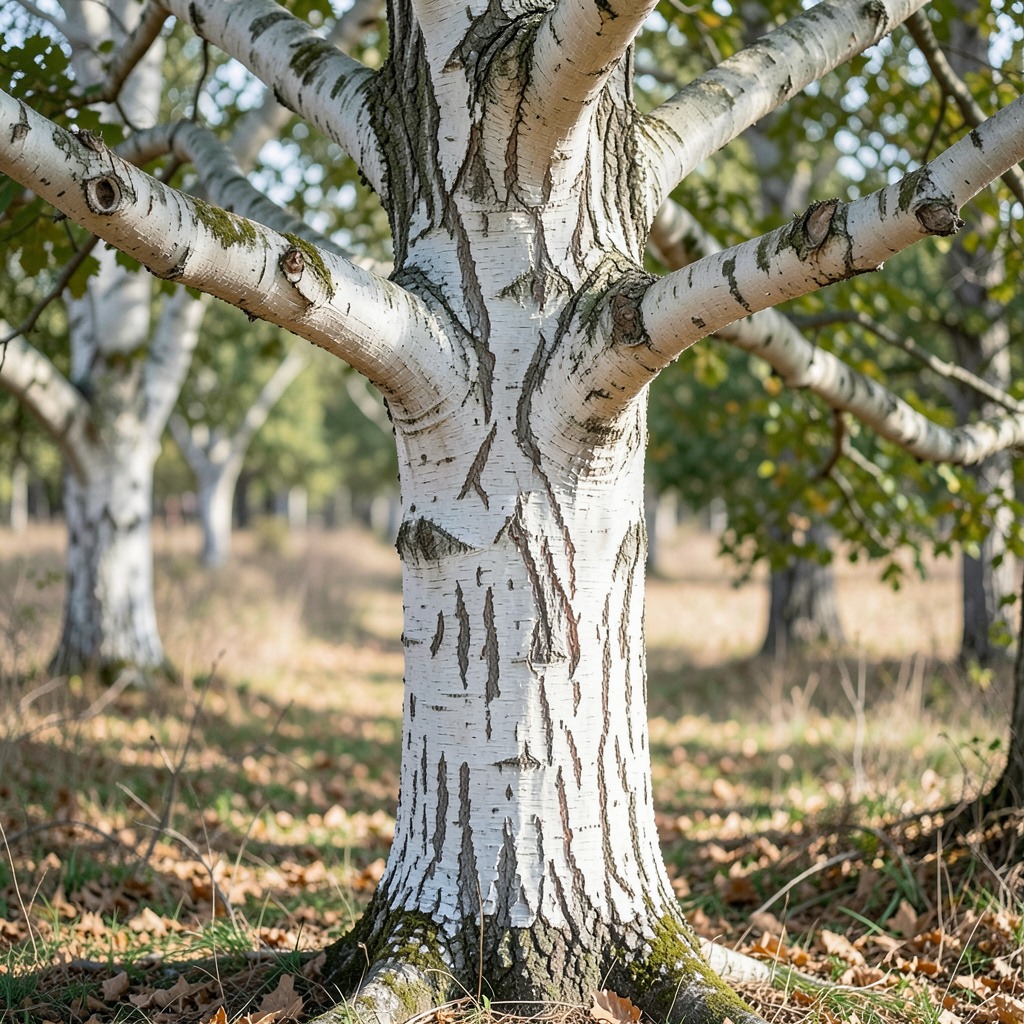
Understanding White Oak: A Durable Hardwood
White oak is a highly sought-after hardwood known for its exceptional durability and aesthetic appeal. Its robust properties make it a popular choice for flooring, furniture, and even boatbuilding.
What Makes White Oak Durable?
White oak’s durability stems from its dense structure and tight grain. These characteristics contribute to its resistance against wear and moisture, making it ideal for high-traffic areas.
- Janka Hardness Rating: White oak has a Janka hardness rating of approximately 1,360. This means it is harder than many other hardwoods, including red oak, which typically rates around 1,290. The higher hardness translates to better resistance against dents and scratches, ideal for homes with pets or children.
- Moisture Resistance: The closed grain of white oak allows it to resist moisture more effectively than red oak. This property makes white oak suitable for environments that may experience humidity, such as kitchens and entryways.
Janka Hardness Rating Explained
The Janka hardness test measures a wood’s resistance to wear and denting. Here’s how white oak compares to other common hardwoods:
| Hardwood | Janka Hardness Rating |
|---|---|
| White Oak | 1,360 |
| Red Oak | 1,290 |
| Maple | 1,450 |
| Cherry | 950 |
| Pine | 690 |
As illustrated, while white oak is slightly softer than maple, it offers superior durability compared to red oak and other softer woods like pine and cherry. This makes white oak a versatile choice for both residential and commercial spaces.
For maintenance, regular cleaning with a product like Bona Hardwood Floor Cleaner will help preserve its appearance over time.
The Moisture Resistance Advantage of White Oak
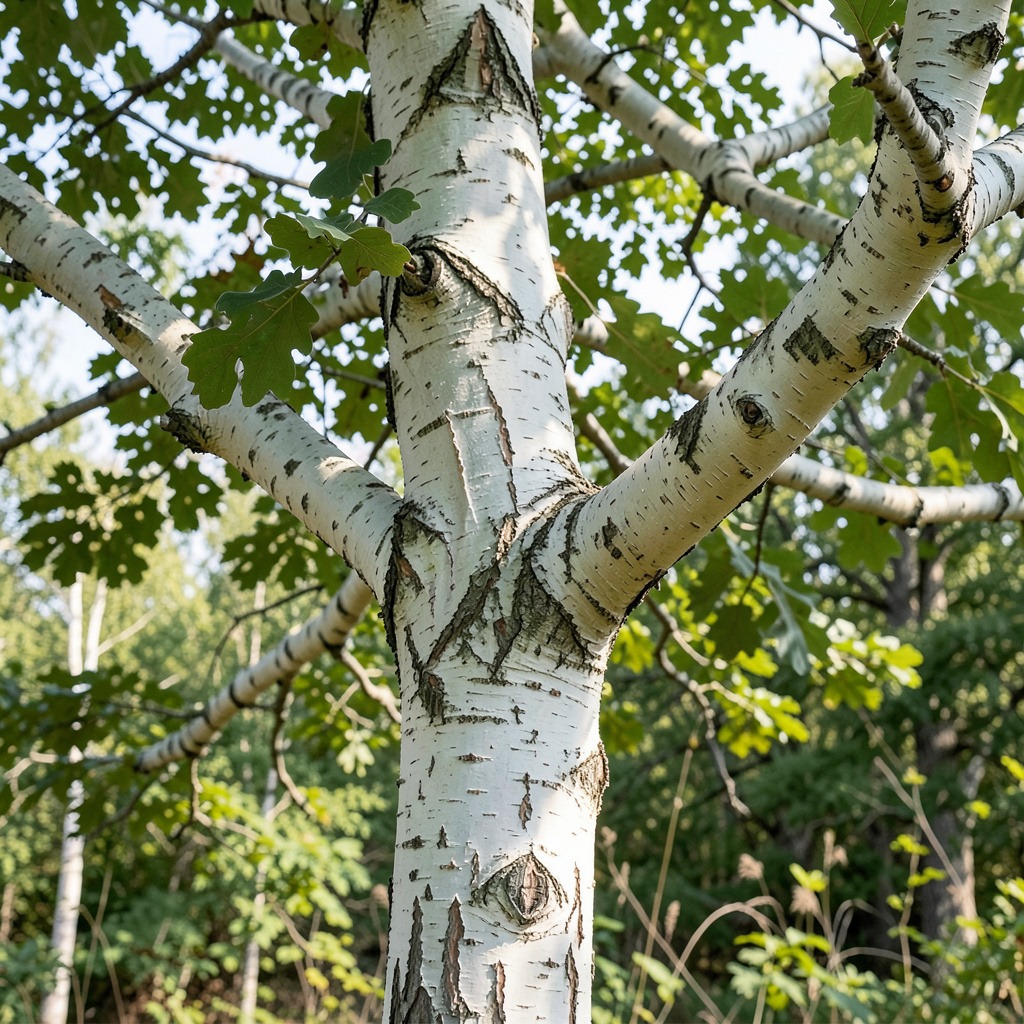
White oak is renowned for its exceptional moisture resistance, making it a preferred choice for flooring and furniture. This characteristic is crucial for maintaining the longevity and integrity of wood in various environments.
How Does White Oak Resist Moisture?
White oak features tyloses, which are small, gelatinous structures that plug the vessels within the wood. This natural mechanism effectively blocks water and decay, differentiating white oak from other hardwoods like red oak that absorb moisture. As a result, white oak is less prone to warping, swelling, or rotting in humid conditions.
Ideal Environments for White Oak Use
White oak thrives in diverse settings, especially those exposed to varying humidity levels. Here are some ideal applications:
- Bathrooms and Kitchens: Its moisture resistance makes it suitable for areas prone to spills and humidity.
- Outdoor Furniture: White oak can withstand outdoor conditions for over 25 years with minimal finish, making it excellent for garden furniture.
- Basements: Its resistance to moisture allows it to perform well in lower humidity environments, where other woods may fail.
Practical Scenarios for Installation
When considering white oak for flooring or furniture, think about the following:
- In humid climates: Opt for white oak in homes located in areas with high humidity to prevent damage.
- In high-traffic areas: Use it in living rooms or hallways where moisture from foot traffic may occur.
By understanding these factors, homeowners can maximize the benefits of white oak, ensuring durability and aesthetic appeal in their spaces. Regular maintenance, including cleaning with a suitable product like Bona Hardwood Floor Cleaner, will further enhance its performance and appearance.
Aesthetic Appeal and Versatility of White Oak
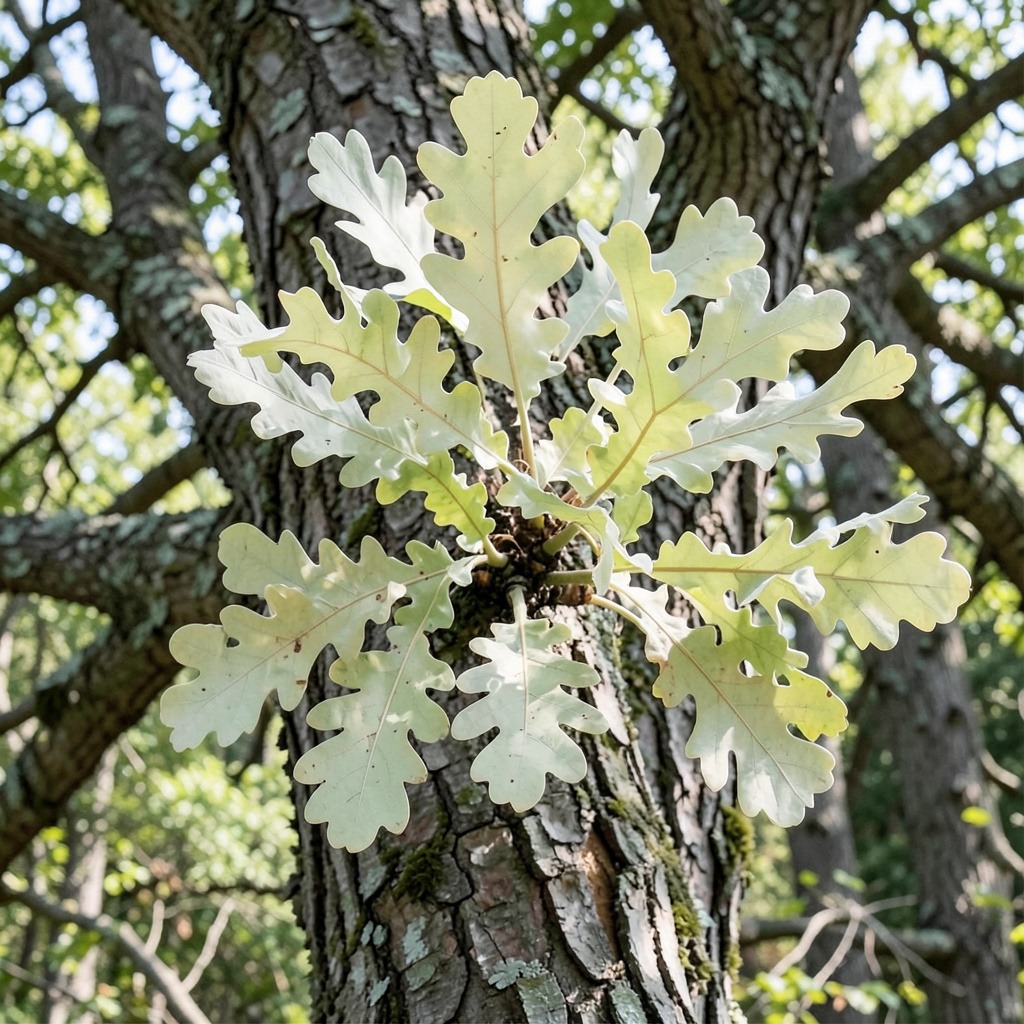
White oak is celebrated for its timeless beauty and adaptability in design. Its natural characteristics allow it to complement various interior styles, making it a popular choice among homeowners and designers alike.
Color Variations and Staining Options
White oak exhibits a light to medium color palette, featuring subtle warm undertones. The grain is typically straight with occasional cathedral patterns, adding depth and interest. This variability enhances its appeal, allowing for unique aesthetics from board to board.
- Natural Variations: Expect some inconsistency in color between different boards, which can contribute to a rustic look.
- Staining Flexibility: White oak takes stains exceptionally well, accommodating a range of colors from light to dark. It can also adapt to gray and exotic hues while maintaining a clean appearance.
When selecting a finish, consider how it will interact with the wood’s natural tones. Matte and satin finishes can minimize glare and enhance the wood’s character.
Design Compatibility: White Oak in Different Styles
White oak’s versatility makes it suitable for various design styles, from contemporary to traditional. Here are some popular applications:
- Modern Interiors: The subtle grain and neutral tones of white oak fit seamlessly into minimalist designs, where simplicity reigns.
- Rustic and Farmhouse Designs: Its natural texture allows it to shine in more traditional settings, creating warmth and character.
- Transitional Spaces: White oak can bridge the gap between contemporary and classic styles, making it a flexible choice for evolving décor.
For instance, white oak flooring can enhance a Scandinavian-inspired home with its understated elegance, while also providing a cozy backdrop for a farmhouse kitchen.
Incorporating white oak into your design can elevate the overall aesthetic. Regular maintenance, including cleaning with a suitable product like Bona Hardwood Floor Cleaner, will keep its appearance fresh and vibrant over time.
Cost Considerations When Choosing White Oak
When considering white oak for flooring or furniture, it’s essential to analyze both initial costs and long-term value. This hardwood offers a balance of affordability and longevity, making it a popular choice for many homeowners.
Initial Costs vs. Long-Term Value
The cost of white oak can vary based on several factors, including board thickness, type (solid vs. engineered), and grade. Here’s a breakdown of the costs associated with white oak:
- Material Costs: Solid white oak typically ranges from $5 to $10 per square foot, while engineered options may start around $3 to $7 per square foot.
- Installation Costs: Professional installation can add another $2 to $5 per square foot to your budget.
- Finishing Costs: If you choose to refinish your floors, expect to invest $1 to $3 per square foot on average, depending on the finish and labor.
While the initial investment may be higher than softer woods, white oak’s durability means it can last 50 years or more with proper care. This longevity translates to lower long-term costs, as fewer replacements are needed.
Comparing White Oak to Other Hardwoods
To understand the value of white oak, it’s helpful to compare it with other hardwood options like red oak and maple:
| Wood Type | Initial Cost (per sq. ft.) | Longevity (Years) | Refinishing Capability |
|---|---|---|---|
| White Oak | $5 – $10 | 50+ | 4-7 times |
| Red Oak | $4 – $8 | 30-50 | 3-5 times |
| Maple | $6 – $12 | 30-50 | 3-5 times |
Key Takeaways:
- White oak is more moisture-resistant than red oak, making it ideal for areas like basements or kitchens.
- Its ability to be refinished multiple times enhances its overall value, allowing homeowners to maintain its appearance without full replacement.
Consider your specific needs when selecting wood. For example, if you live in a humid climate, the moisture resistance of white oak may justify its higher upfront cost.
Installation and Maintenance Tips for White Oak
Installing and maintaining white oak flooring requires attention to detail. Proper practices ensure longevity and preserve its beauty. Here are some best practices to follow.
Best Installation Practices
1. Acclimate the Wood: Allow white oak planks to acclimate in the installation area for at least 48 hours. This helps minimize expansion or contraction after installation.
2. Choose the Right Method: Depending on your subfloor, select an installation method:
- Nail-Down: Suitable for plywood or OSB subfloors.
- Glue-Down: Ideal for concrete subfloors.
- Floating: Best for engineered white oak, allowing for movement.
3. Check Humidity Levels: Ensure indoor humidity is between 30% and 50% during installation. This reduces the risk of warping.
4. Use Underlayment: Consider a moisture barrier underlayment for additional protection, especially in moisture-prone areas.
Maintenance Schedule and Tips
To keep your white oak flooring looking its best, follow this maintenance checklist:
- Weekly Cleaning: Sweep or vacuum to remove dirt and debris. Use a soft-bristle broom or a vacuum with a hardwood attachment.
- Monthly Deep Cleaning: Use a cleaner specifically designed for hardwood. Avoid excess moisture; damp mop if necessary.
- Refinishing: Plan to refinish solid white oak floors every 5-7 years. Engineered white oak can be refinished once or twice, depending on veneer thickness.
- Protective Measures:
- Place area rugs in high-traffic zones.
- Use furniture pads to prevent scratches.
- Keep pet nails trimmed to reduce wear.
- Immediate Care for Spills: Wipe up spills promptly with a soft cloth to prevent moisture damage.
By following these installation and maintenance tips, you can maximize the durability and aesthetic appeal of white oak flooring, ensuring it remains a timeless choice in your home.
Sustainability and Sourcing of White Oak
Sourcing white oak responsibly is crucial for minimizing its environmental impact. Sustainable practices and certifications ensure that homeowners make informed choices while supporting ecological balance.
Sustainable Forestry Practices
Sustainable forestry involves managing forests to meet current needs without compromising future generations. Key practices include:
- Selective Logging: Harvesting only certain trees allows the forest to regenerate.
- Reduced Impact Logging: Techniques minimize damage to surrounding trees and soil.
- Reforestation: Planting new trees to replace those that have been cut down helps maintain forest health.
These methods not only preserve biodiversity but also enhance the quality of the wood harvested. Homeowners can feel confident that their white oak flooring comes from responsible sources.
Certifications to Look For
When choosing white oak, certifications can help ensure sustainability. Look for:
- FSC (Forest Stewardship Council): Guarantees that wood comes from responsibly managed forests.
- PEFC (Programme for the Endorsement of Forest Certification): Focuses on sustainable forest management and conservation.
These certifications provide assurance that the wood is harvested in an environmentally friendly manner, promoting long-term ecological health.
Comparison with Other Hardwoods
While white oak is celebrated for its sustainability, comparing it with red oak and other hardwoods reveals distinct advantages.
- Moisture Resistance: White oak is more resistant to moisture, making it suitable for various environments, including kitchens and bathrooms.
- Durability: With a higher Janka hardness rating, white oak withstands wear better than many other hardwoods, reducing the need for frequent replacements.
Homeowners should consider these factors when selecting flooring options to ensure both aesthetic appeal and sustainability.
Frequently Asked Questions
These quick answers cover the most common questions about this topic, including key details, practical tips, and common concerns.
What are the downsides of a white oak tree?
White oak trees can have a few downsides. They are susceptible to certain pests, such as the oak borer, which can weaken the tree. Additionally, white oaks require ample space to grow and thrive, which may not be suitable for smaller yards. Their deep root systems can compete with nearby plants for nutrients and water, potentially impacting your landscape.
What are common problems for white oaks?
Common problems for white oaks include leaf spot diseases, cankers, and root rot, especially in poorly drained soils. These issues can lead to premature leaf drop and overall decline in tree health. Regular monitoring and proper care, such as ensuring good drainage and avoiding overwatering, can help mitigate these problems.
Where is the best place to plant a white oak tree?
The best place to plant a white oak tree is in a location with full sun and well-drained soil. White oaks prefer open spaces where they can grow without competition from other trees. Avoid planting near structures or other trees that may restrict their growth or access to sunlight.
What is the life expectancy of a white oak?
White oaks have a long life expectancy, often living for over 200 years under ideal conditions. Some specimens have been known to reach ages of 300 years or more. Their longevity makes them a valuable addition to landscapes, providing shade and beauty for generations.
What are the downsides of white oak flooring?
The downsides of white oak flooring include its tendency to show scratches and dents, especially in high-traffic areas. While durable, it can still be susceptible to moisture damage if not properly maintained. Additionally, white oak flooring can be more expensive than softer wood options, making it a significant investment.
How does white oak compare to other hardwoods?
White oak is often compared to red oak and maple. While red oak is softer and less moisture-resistant, white oak offers superior durability and longevity. Maple is harder but may not have the same aesthetic appeal or moisture resistance as white oak. Homeowners should consider their specific needs, such as traffic levels and environmental conditions, when making a choice.
What maintenance does white oak flooring require?
White oak flooring requires regular maintenance to keep it looking its best. Weekly sweeping or vacuuming helps remove dirt and debris. Monthly deep cleaning with a hardwood floor cleaner is recommended, along with periodic refinishing every 5-7 years to maintain its appearance. Using area rugs and furniture pads can also prevent scratches and wear.
Is white oak a sustainable choice?
Yes, white oak can be a sustainable choice when sourced responsibly. Look for wood certified by organizations like the Forest Stewardship Council (FSC) to ensure it comes from sustainably managed forests. White oak’s durability also contributes to sustainability, as it lasts longer than many other hardwoods, reducing the need for replacements.