
White oak roots, primarily composed of a deep taproot and extensive lateral roots, provide stability and access to nutrients, making them crucial for the tree’s health and ecological contributions.
Table of Contents
The roots of the white oak (Quercus alba) play a pivotal role not only in supporting the tree’s structure but also in enhancing local ecosystems. Understanding these roots’ characteristics and their ecological importance can guide proper care and planting decisions.
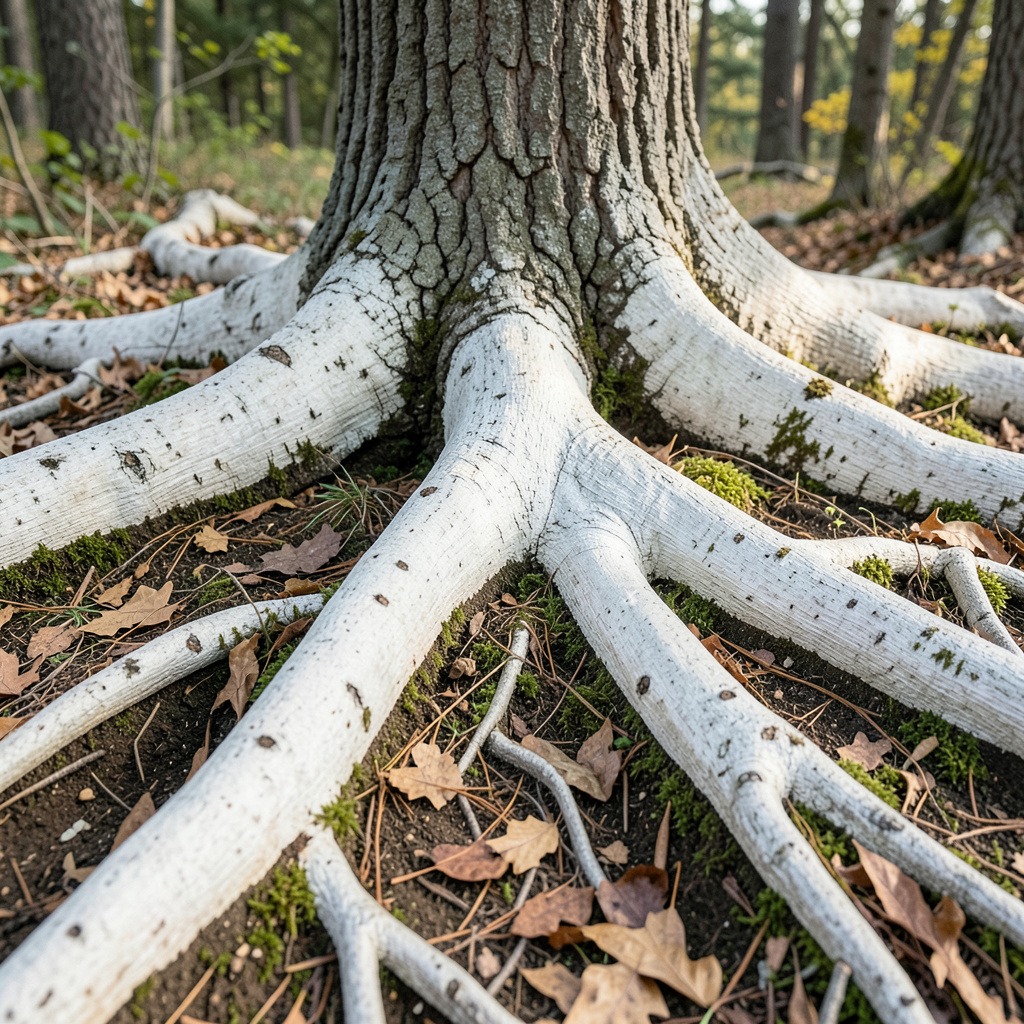
Characteristics of White Oak Roots
The root system of the white oak (Quercus alba) is crucial for its stability and nutrient acquisition. This system consists of a taproot and lateral roots, each serving distinct functions that enhance the tree’s resilience and ecological contributions.
Taproot Structure and Function
The taproot of a young white oak is prominent at germination. It penetrates deep into the soil, establishing a strong foundation. As the tree matures, this taproot often diminishes, but its initial role is vital for:
- Nutrient Access: The taproot helps in reaching deeper soil layers for water and minerals.
- Anchorage: It provides stability against wind and erosion.
In some cases, environmental factors may damage the taproot. However, this does not compromise the tree’s health. Instead, it encourages the development of stronger lateral roots.
Lateral Roots and Their Spread
Mature white oaks develop extensive lateral root systems. These roots spread out significantly, often extending 3 to 7 times the diameter of the tree’s crown. Their characteristics include:
- Wide Spread: Lateral roots provide stability and help anchor the tree.
- Nutrient Absorption: They absorb water and nutrients from the top layers of soil, particularly within the first 1-2 feet.
This expansive root network also supports the tree’s ability to withstand drought conditions better than many other species.
Root Depth and Its Importance
The depth of white oak roots is critical for their overall health. Key points include:
- Optimal Soil Conditions: White oaks thrive in well-drained, loamy soils. The roots require sufficient space to spread without obstacles like pipelines or other large roots.
- Ecological Impact: A well-established root system supports surrounding ecosystems by providing habitat and nutrients for various wildlife.
In addition, understanding the depth and spread of white oak roots aids in landscaping decisions. Planting should ideally occur at least 20 feet away from structures to prevent potential complications as the roots mature.
By considering these characteristics, landowners and landscapers can better plan for the growth and maintenance of white oaks in their environments.
Ecological Importance of White Oak Roots
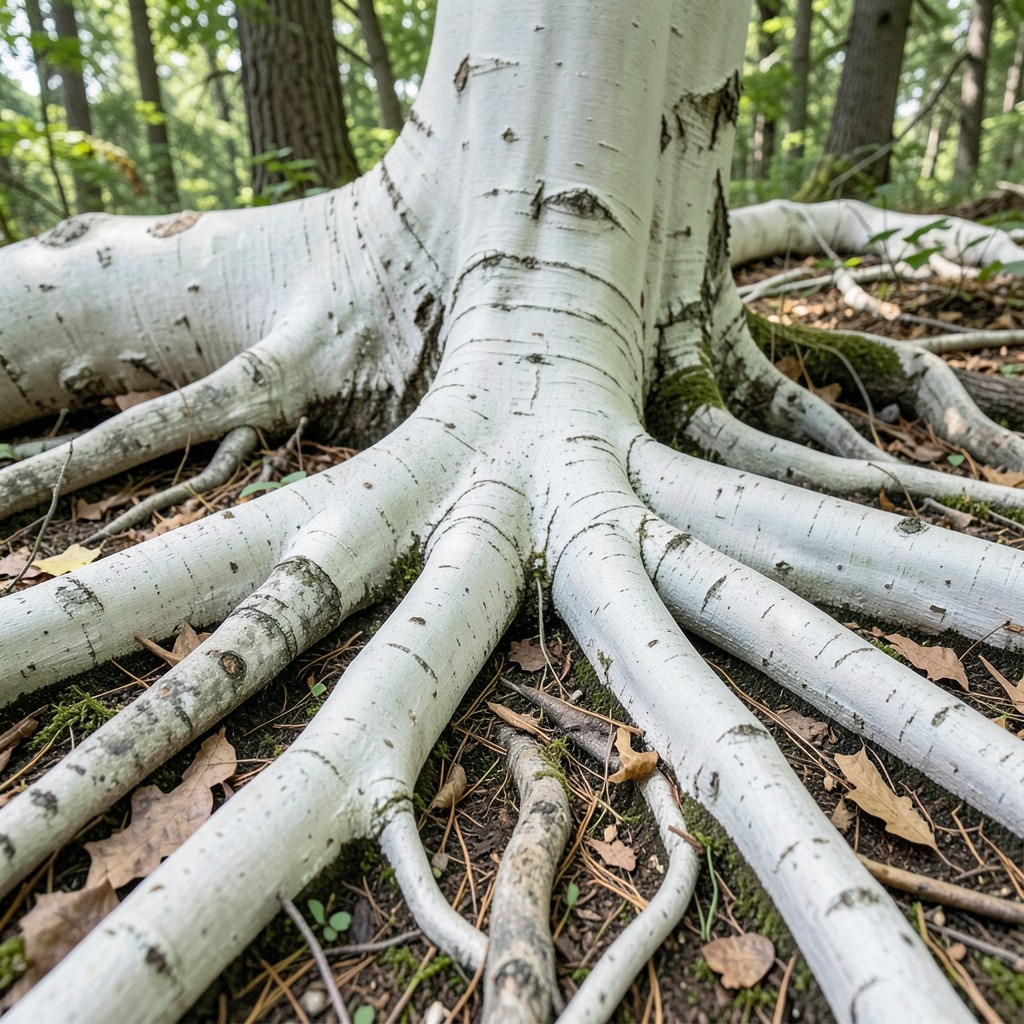
White oak roots play a vital role in supporting local ecosystems. Their extensive root systems provide habitat and nourishment for a diverse range of wildlife.
Supporting Wildlife and Biodiversity
White oaks are essential to various wildlife species. Their acorns serve as a crucial food source for many animals, including:
- Deer
- Squirrels
- Chipmunks
- Birds, such as Blue Jays and Red-Headed Woodpeckers
Statistics show that a single mature white oak can produce thousands of acorns annually, significantly contributing to local wildlife populations. This abundance fosters a healthy ecosystem, attracting diverse species.
Role in Soil Health
The root system of white oaks enhances soil health. Their lateral roots aerate the soil, allowing oxygen to reach other plant roots. This process supports beneficial soil organisms, including:
- Mycorrhizal fungi: These fungi form symbiotic relationships with white oak roots, improving nutrient absorption and water retention.
- Bacteria: Beneficial bacteria break down organic matter, enriching the soil.
Healthy soil promotes robust plant growth, creating a thriving ecosystem.
Contribution to the Ecosystem
White oak roots contribute to the stability and resilience of their environment. They prevent soil erosion by anchoring the soil in place. This action protects waterways from sedimentation and maintains water quality.
Moreover, the organic matter from fallen leaves and decaying roots enriches the soil. This cycle of nutrient exchange supports a variety of plant species.
Understanding the intricate role of white oak roots in local ecosystems is crucial for effective land management and ecological conservation.
Care Tips for White Oak Roots

Caring for white oak roots is essential to promoting healthy growth and ensuring the tree’s long-term stability. Proper soil conditions, consistent watering, and protective measures are key to nurturing these roots.
Optimal Soil Conditions
White oaks thrive best in well-draining soil that is slightly acidic. Here are some ideal soil characteristics:
- Soil Type: Sandy-loam or clay-loam is preferred. White oaks can adapt to rocky or gravelly soils but avoid compacted types.
- pH Level: Aim for a soil pH between 5.5 and 7.0 to support optimal root growth.
- Drainage: Ensure the soil drains well to prevent water accumulation, which can lead to root rot.
Watering and Nutrient Requirements
Maintaining appropriate moisture levels is crucial for white oak roots. Follow these watering guidelines:
- Initial Watering: Water young trees frequently to establish roots. Use deep watering methods to encourage taproot development.
- Established Trees: Water during prolonged dry spells. White oaks prefer medium-moist soil but are not drought-tolerant.
- Nutrients: Incorporate organic matter into the soil during planting to enhance nutrient availability. Regular soil testing can guide additional fertilization.
Protecting Roots from Damage
Protecting white oak roots from disturbances is vital for tree health. Consider these strategies:
- Avoid Excavation: Refrain from digging or heavy construction near the tree’s canopy to prevent root damage.
- Mulching: Apply a layer of organic mulch around the base to retain moisture and regulate soil temperature. Keep mulch a few inches away from the trunk to prevent decay.
- Monitoring Health: Regularly inspect for signs of stress or disease, such as wilting leaves or fungal growths near the base. Prompt action can mitigate further damage.
Checklist for Planting and Maintaining White Oak Roots
- Select Appropriate Site: Verify soil type and drainage.
- Water Regularly: Establish a watering routine, especially during dry periods.
- Mulch: Use organic mulch to protect and nourish roots.
- Monitor Soil Conditions: Test soil pH and nutrient levels periodically.
- Avoid Disturbance: Limit activities near the root zone to prevent damage.
By following these care tips, you can ensure that your white oak tree thrives and its roots remain strong and healthy.
Common Issues with White Oak Roots
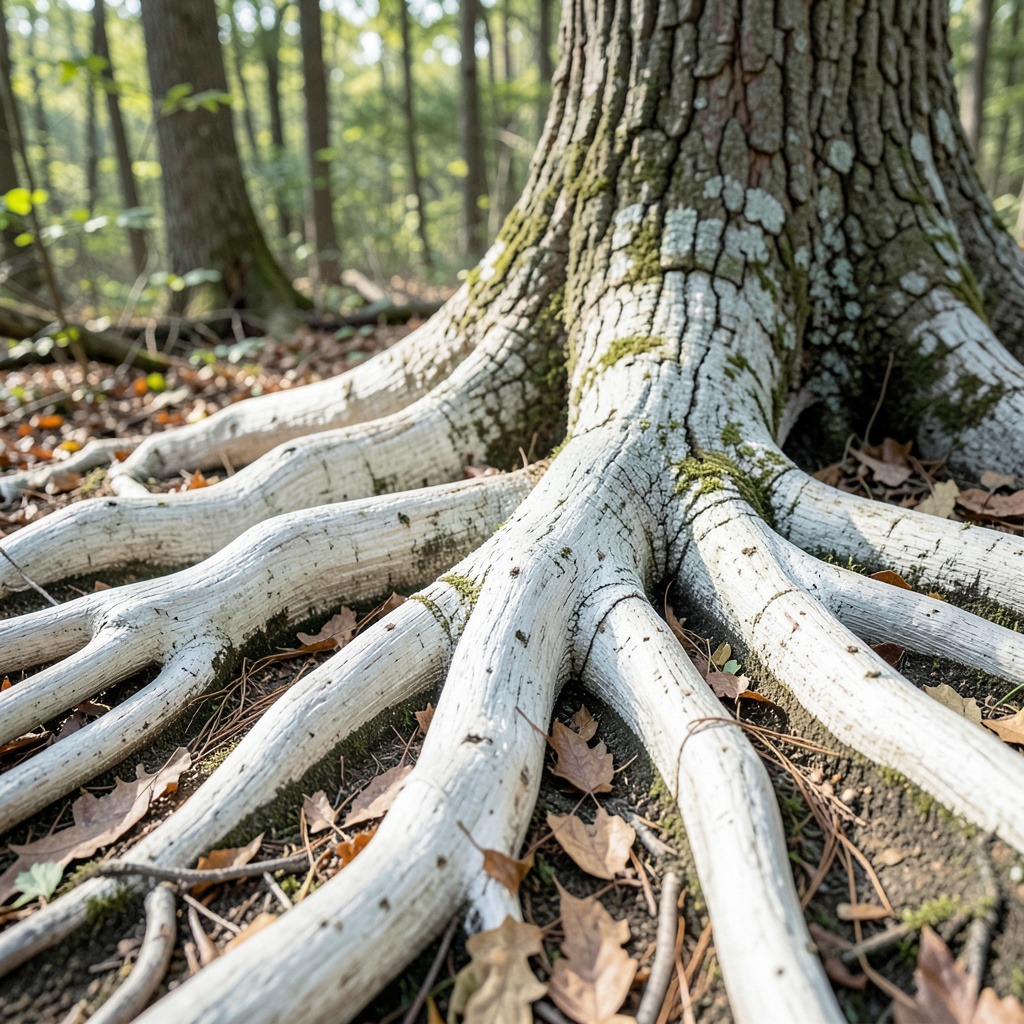
White oak roots present several challenges, including potential invasiveness, surface rooting, and competition with nearby plants. Understanding these issues is essential for effective management and to ensure healthy growth.
Invasive Characteristics
White oak roots can be aggressive. Their extensive lateral root system spreads wide, which may disrupt nearby plants. While they offer stability, this characteristic can lead to competition for nutrients and water.
Comparison with Other Species:
- Red Oak: Similar spreading roots but less aggressive.
- Pin Oak: More contained root system, making it less intrusive.
Choosing the right species for your landscape requires considering root behavior.
Surface Rooting Concerns
As white oaks mature, roots may surface, creating hazards. Exposed roots can damage lawn equipment, impede foot traffic, and lead to tripping hazards.
Management Strategies:
- Mulching: Use organic mulch to cover surface roots. This protects the roots and maintains moisture.
- Regular Maintenance: Monitor root exposure and adjust landscaping to minimize hazards.
Competition with Other Plants
White oaks can shade out smaller plants, limiting their growth. Their root system competes for soil resources, which can stunt the development of nearby flora.
Care Tips:
- Spacing: When planting, ensure adequate distance from other plants. This minimizes competition and supports healthy growth.
- Soil Management: Periodically test the soil for nutrient levels to ensure that all plants receive adequate nourishment.
By understanding these common issues associated with white oak roots, you can implement effective management strategies that promote a balanced ecosystem in your landscape.
Comparing White Oak Roots with Other Oak Species
White oak roots, specifically Quercus alba, exhibit unique characteristics compared to other oak species, such as red oaks (Quercus rubra). Understanding these differences can guide decisions in landscaping and ecological management.
Structural Differences
The root systems of white oaks and red oaks differ significantly in structure and growth patterns.
| Characteristic | White Oak Roots | Red Oak Roots |
|---|---|---|
| Primary Root Type | Deep taproot that transitions to lateral roots | Strong lateral root system with less emphasis on taproot |
| Root Spread | Spreads 3-7 times the crown diameter | Generally less expansive than white oak |
| Depth | Most roots lie within 1-2 feet of the surface | Roots can reach deeper but are often shallower overall |
| Adaptability | Thrives in a variety of soil types, prefers slightly acidic | More tolerant of various soil conditions but less robust in dry soils |
Ecological Impact
The root systems of white oaks play a crucial role in their ecosystems. They support various wildlife and contribute to soil health.
- Wildlife Support: White oak acorns are favored by deer, birds, and small mammals. Their roots help create a habitat for these species by stabilizing the soil and enhancing nutrient availability.
- Soil Health: The wide lateral roots of white oaks improve soil aeration and drainage, benefiting surrounding plants and promoting biodiversity.
In contrast, red oaks also support wildlife but may not provide the same level of soil enhancement, primarily due to their shallower root systems.
Landscaping Considerations
When planning landscaping, the differences in root systems can influence tree placement and health.
- Space Requirements: White oaks need ample space due to their extensive root spread. They can grow large, often reaching heights of 80-100 feet, making them less suitable for small lots.
- Shade and Competition: White oaks create significant shade, which can limit the growth of nearby plants. Understanding their root competition is essential for maintaining a balanced landscape.
Decision Rule: If planting in a constrained area, consider red oaks for their less expansive root system. For larger properties, white oaks offer significant ecological benefits and aesthetic value.
By recognizing these structural and ecological differences, you can make informed decisions about incorporating white oaks into your landscape.
Frequently Asked Questions
These quick answers cover the most common questions about this topic, including key details, practical tips, and common concerns.
What are the downsides of a white oak tree?
While white oaks (Quercus alba) are valuable for their ecological benefits, they can have downsides. Their extensive root systems may disrupt nearby plants by competing for nutrients and water. Additionally, their large size can cause shading issues for smaller plants and lawns.
Another concern is that white oaks can develop surface roots as they mature, which may create tripping hazards and complicate lawn maintenance. Regular monitoring and proper spacing during planting can help manage these issues.
Do white oaks have invasive roots?
White oaks do not have invasive roots in the traditional sense, but their roots can be aggressive. The lateral roots can spread widely, often extending 3 to 7 times the diameter of the tree’s crown. This can lead to competition with nearby plants for resources.
To mitigate potential issues, it’s advisable to plant white oaks at least 20 feet away from structures and other plants. This distance allows for healthy root growth without significant interference.
How close can an oak tree be to your house?
When planting a white oak, it’s recommended to maintain a distance of at least 20 feet from your house or other structures. This spacing helps prevent potential damage to foundations and ensures that the tree has adequate room for root expansion.
Keeping trees at a safe distance also minimizes the risk of branches interfering with roofs or power lines as they grow.
How deep do white oak roots grow?
White oak roots typically grow to a depth of 1 to 3 feet, with a prominent taproot present in younger trees. As the tree matures, the taproot may diminish, and lateral roots will become more developed and extensive.
These roots are crucial for stability and nutrient access, allowing the tree to thrive in various soil conditions. Proper care and suitable soil types can enhance root growth and overall tree health.
How do I care for the roots of a white oak?
Caring for white oak roots involves several key practices. First, ensure the soil is well-draining and slightly acidic, ideally with a pH between 5.5 and 7.0. Regularly test the soil to maintain optimal conditions.
Water young trees frequently to establish deep roots, and apply organic mulch around the base to retain moisture and regulate soil temperature. Avoid heavy excavation near the root zone to prevent damage.
What wildlife benefits from white oak trees?
White oaks provide significant benefits to wildlife. Their acorns are a vital food source for numerous animals, including deer, squirrels, and various bird species like Blue Jays and Red-Headed Woodpeckers.
A mature white oak can produce thousands of acorns annually, supporting a rich biodiversity within its ecosystem. This makes white oaks essential for maintaining healthy wildlife populations.
What soil conditions are best for white oaks?
White oaks thrive in well-drained loamy soils that are slightly acidic. Ideal soil types include sandy-loam or clay-loam, which allow for proper root growth and nutrient absorption.
Maintaining a pH level between 5.5 and 7.0 is crucial for optimal health. Ensuring good drainage prevents water accumulation, which can lead to root rot and other issues.
What are the benefits of planting a white oak tree?
Planting a white oak tree offers numerous benefits. They are known for their longevity and resilience, providing shade and beauty to landscapes. Their extensive root systems improve soil health by aerating the ground and supporting beneficial organisms.
Additionally, white oaks contribute to local ecosystems by providing habitat and food for wildlife. Their acorns are a critical resource for many species, making them valuable for biodiversity.