
White oak trees (Quercus alba) typically grow between 60 to 100 feet tall and can reach a trunk diameter of 3 to 4 feet.
White oak (Quercus alba) is renowned for its impressive size and grandeur, making it a significant species in North American forests. Understanding its dimensions, growth conditions, and ecological roles is essential for anyone considering planting or studying this majestic tree.
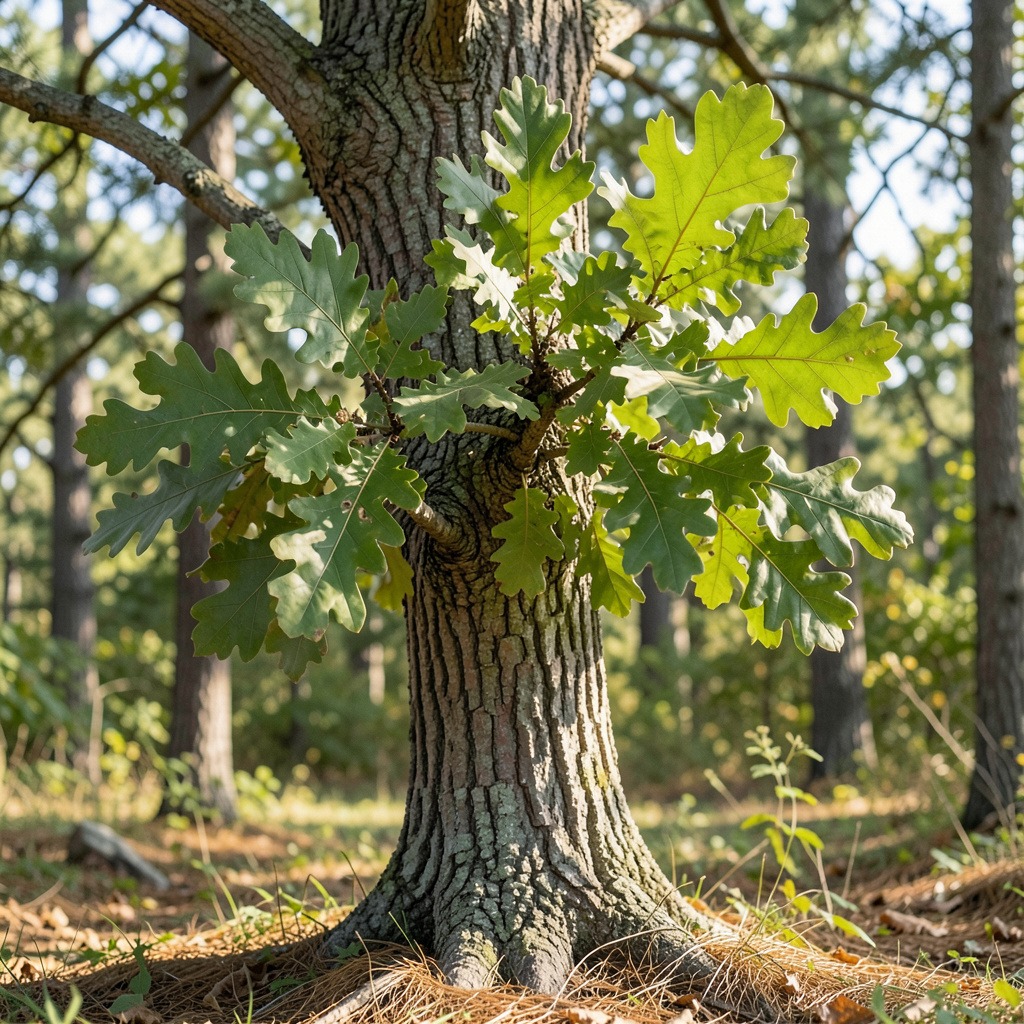
Growth Characteristics of White Oak Trees
White oak trees (Quercus alba) exhibit remarkable dimensions that vary significantly based on environmental conditions. Understanding their growth characteristics is essential for effective landscaping and ecological management.
Typical Height and Diameter
Mature white oaks typically reach heights of 80 to 100 feet (24 to 30 meters) under optimal conditions. Their trunk diameter can be impressive, often exceeding 3 feet (0.9 meters) as they age. However, growth rates can differ based on factors such as soil quality and sunlight exposure.
Growth Rate Comparison by Conditions
| Condition | Typical Height Growth Rate | Typical Diameter Growth Rate |
|---|---|---|
| Full Sun | 24 inches/year | 1 inch/year |
| Partial Shade | 12 inches/year | 0.5 inches/year |
| Poor Soil Quality | 6 inches/year | 0.25 inches/year |
In full sun, white oaks thrive and demonstrate robust growth. In contrast, those in shaded areas or poor soil may grow significantly slower.
Crown Spread and Growth Patterns
The crown spread of a mature white oak often matches its height, typically ranging from 40 to 80 feet (12 to 24 meters). This expansive canopy is crucial for ecological support, providing habitat for various wildlife.
- Open-grown specimens develop a wide-spreading crown, characterized by thick, horizontal branches.
- Forest-grown specimens tend to have a more vertical growth pattern, with a narrower crown to compete for sunlight.
Historical Notable Specimens
One of the most famous white oaks, the Mingo Oak, reached over 200 feet (61 meters) in height before it was felled in 1938, showcasing the potential of this species under ideal circumstances. Such historical specimens highlight the impressive capabilities of white oaks and their ecological importance in forest ecosystems.
Table of Contents
Understanding these growth characteristics aids in effective planning for landscaping and conservation efforts involving the white oak tree.
Ecological Importance of White Oak
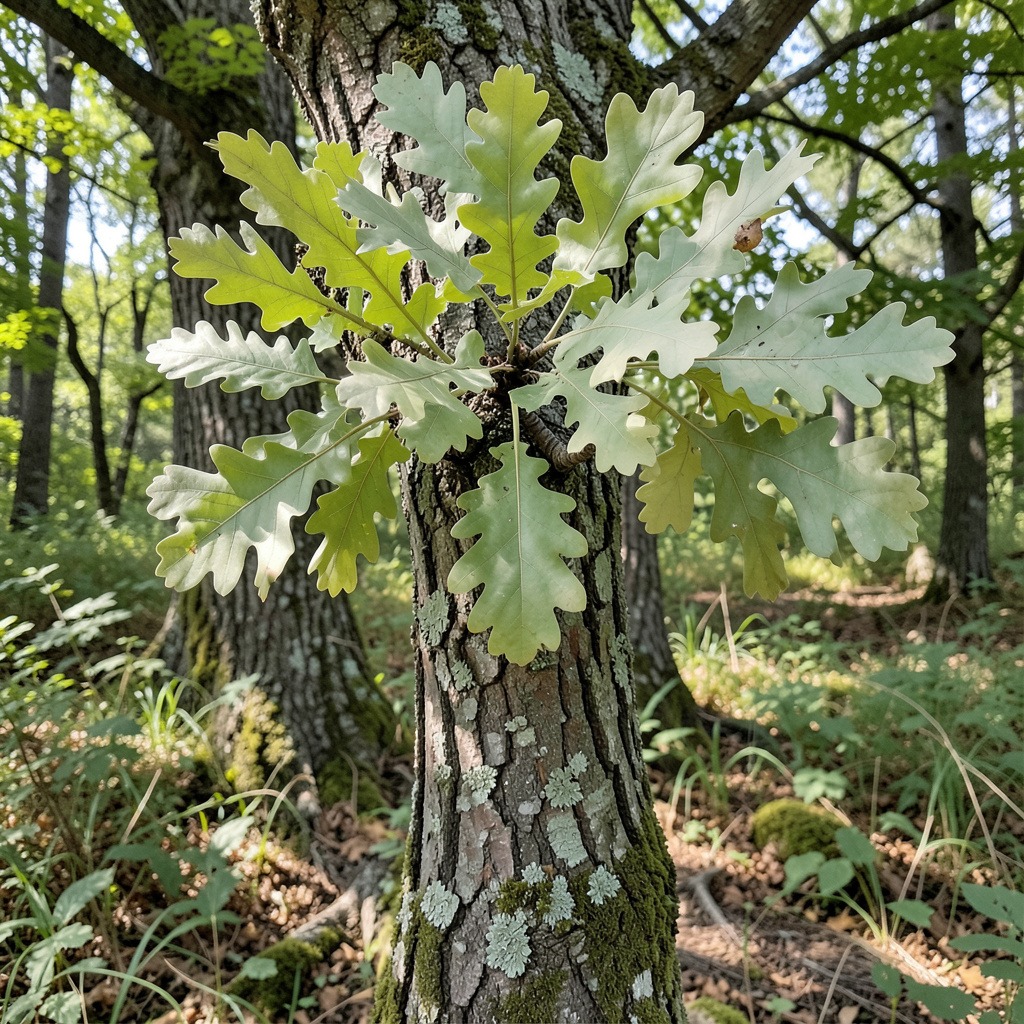
White oak (Quercus alba) plays a vital role in the ecosystem, supporting numerous wildlife species and enhancing biodiversity. Its size and characteristics make it an important tree in various habitats.
Wildlife Support and Biodiversity
White oak acorns are a primary food source for many animals. Species such as deer, squirrels, and numerous bird species rely on these acorns for sustenance. The abundance of acorns produced annually can support entire wildlife populations.
- Deer: Prefer white oak acorns over other types, making it crucial for their diet.
- Birds: Blue Jays, Woodpeckers, and even game birds like turkeys benefit from the acorn crop.
- Small mammals: Raccoons and chipmunks also depend on these acorns during fall and winter.
Role in Ecosystems
The white oak tree provides multiple ecological benefits. Its large canopy offers shade, while its root system helps prevent soil erosion. Furthermore, white oaks support a wide range of insects, which in turn attract birds and other wildlife.
- Habitat: Many species of moths and beetles thrive on white oaks, making them biodiversity hotspots.
- Soil health: The extensive root system penetrates deep into the soil, enhancing aeration and water retention.
Cultural Significance
White oak has historical and cultural importance across various regions. It has been used in native crafts, construction, and even as a symbol of strength and endurance. Communities often identify with these trees, recognizing their ecological and aesthetic values.
- Historical uses: Native Americans utilized white oak for building materials and tools.
- Symbolism: The strength of white oak is often reflected in literature and local folklore, making it a cultural icon.
In summary, the white oak’s contributions to wildlife support, ecosystem health, and cultural heritage underscore its significance in nature. Understanding these aspects enriches our appreciation for this majestic tree and reinforces its value in landscaping and conservation efforts.
Growing and Caring for White Oak
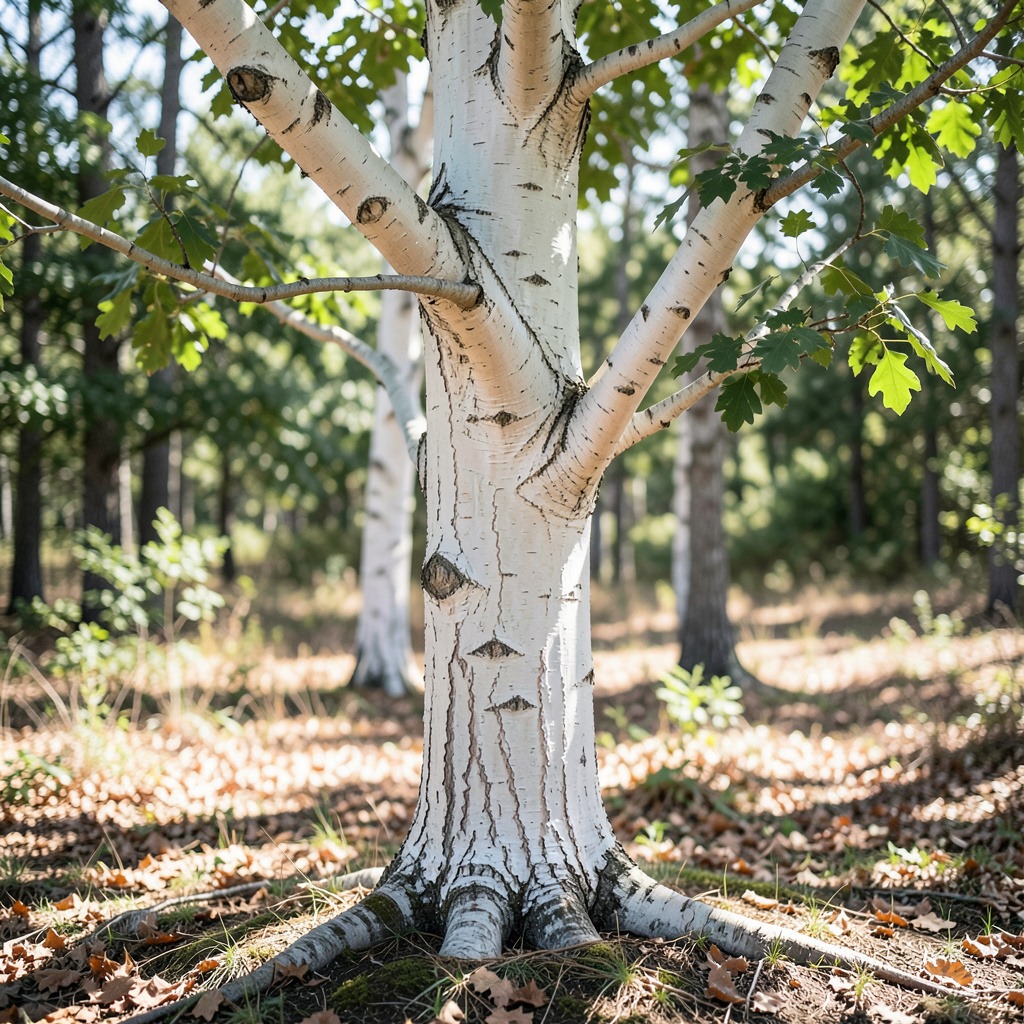
Growing and caring for white oak (Quercus alba) requires attention to specific environmental conditions and maintenance practices. Understanding these factors will help ensure healthy growth and optimal size for this majestic tree.
Soil and Sunlight Requirements
White oak thrives in a variety of soil types, including sandy-loam, clay-loam, and even rocky soil. However, the following conditions are crucial for its growth:
- Soil Drainage: Ensure well-draining soil to prevent root rot. Heavy and compacted soils can inhibit acorn germination.
- Sunlight: White oak prefers full sun exposure. While it can tolerate partial shade, it needs overhead light to grow robustly.
Watering and Maintenance Tips
Proper watering and maintenance are vital for nurturing white oak trees. Follow these guidelines for optimal growth:
- Watering: Keep the soil consistently moist, especially during dry periods. However, avoid overwatering to prevent root diseases.
- Mulching: Apply mulch around the base to conserve moisture and suppress weeds.
- Fertilizing: A slow-release fertilizer can support growth, especially in nutrient-poor soils.
Pruning and Care
Regular pruning promotes healthy growth and helps maintain size. Consider these practices:
- Pruning Timing: Prune during dormancy, after the coldest part of winter, to reduce freeze damage.
- Wound Care: When pruning, apply non-phytotoxic wound dressings to prevent insect infestations that can introduce diseases.
- Removing Dead Branches: Regularly inspect and remove dead or damaged limbs to maintain tree health.
Checklist for Optimal Planting and Care Conditions
| Condition | Guidelines | Common Mistakes to Avoid |
|---|---|---|
| Soil Type | Well-draining, sandy-loam preferred | Planting in compacted soil |
| Sun Exposure | Full sun; at least 6 hours daily | Allowing excessive shade |
| Watering | Consistent moisture; avoid flooding | Overwatering or drought |
| Pruning | After coldest winter; seal wounds | Neglecting to prune dead limbs |
By adhering to these guidelines, you can successfully cultivate a white oak tree that reaches its full height and size potential, enhancing both your landscape and local ecology.
Common Issues with White Oak Trees
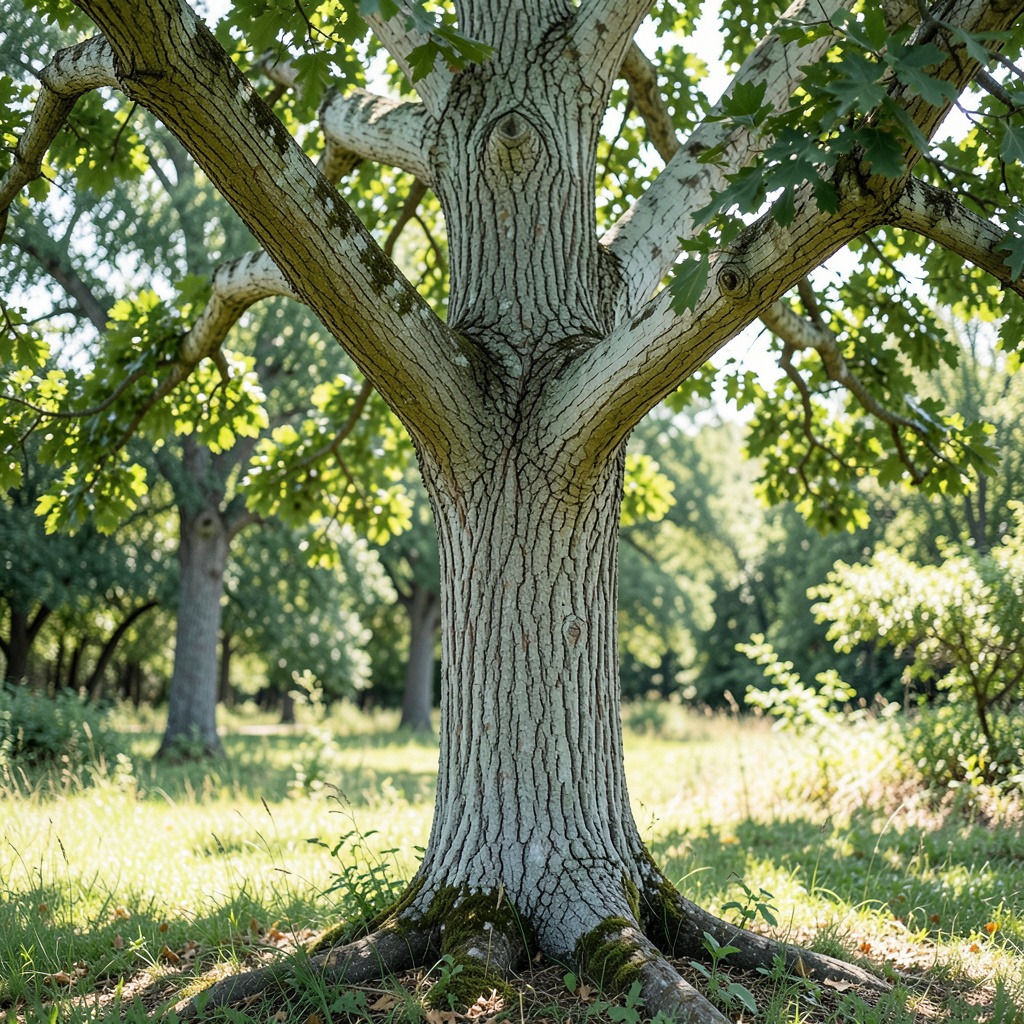
White oak trees (Quercus alba) are resilient but can face several pests and diseases that may impact their growth and health. Understanding these issues is essential for maintaining the size and vitality of your white oak.
Common Pests and Their Management
White oaks are susceptible to various pests that can hinder their growth. Here are some common pests and management strategies:
- Scale Insects: These small insects suck sap from the leaves and branches. Regularly inspect trees and apply horticultural oil or insecticidal soap to control infestations.
- Leaf Miners: Larvae of certain moths can create tunnels in leaves, leading to premature leaf drop. Hand-picking infested leaves and maintaining tree health can help mitigate damage.
- Aphids: These pests also suck sap and can cause leaf curling. Introduce natural predators like ladybugs or use insecticidal soap for control.
Diseases Affecting White Oak
White oaks can encounter several diseases detrimental to their health. Key diseases include:
- Oak Wilt: This fungal disease can kill trees within a single season. Preventative measures include avoiding pruning during the growing season and using fungicides in high-risk areas.
- Anthracnose: This disease appears as dark spots on leaves and can cause defoliation. Improve air circulation by pruning crowded branches and apply fungicides if necessary.
- Powdery Mildew: A fungal infection that appears as a white coating on leaves. Increase sunlight exposure and use fungicides to manage outbreaks.
Preventative Care Strategies
To ensure the growth and size potential of your white oak, consider these preventative strategies:
- Soil Health: Maintain well-draining soil with a pH level between 6.0 and 7.0 to minimize chlorosis and promote healthy growth.
- Regular Inspections: Monitor your tree regularly for signs of pests and diseases. Early detection is key to effective management.
- Diverse Planting: Planting a variety of species nearby can deter pests and support local wildlife, enhancing the ecological balance.
By employing these strategies, you can effectively manage pests and diseases that threaten your white oak, ensuring it reaches its impressive size and contributes positively to your landscape.
Comparing White Oak to Other Oak Species
White oak (Quercus alba) stands out among oak species for its impressive size and unique characteristics. Understanding how it compares to other oaks can help inform planting decisions and landscape designs.
Size Comparison with Other Oaks
White oak typically reaches heights of 50 to 80 feet with a spread of 50 to 75 feet. This makes it one of the larger oak species. Here’s how it compares to a few other notable oaks:
| Oak Species | Height (Feet) | Spread (Feet) | Unique Features |
|---|---|---|---|
| White Oak (Quercus alba) | 50-80 | 50-75 | Strong wood; adaptable to various soils |
| Red Oak (Quercus rubra) | 60-75 | 45-60 | Fast growth; less drought tolerant |
| Pin Oak (Quercus palustris) | 50-70 | 25-40 | Prefers wet soils; distinctive pyramidal shape |
| Bur Oak (Quercus macrocarpa) | 50-80 | 50-70 | Large acorns; drought-resistant |
Unique Features of White Oak
White oak possesses several distinct characteristics that set it apart:
- Wood Quality: Its dense, durable wood is highly valued for furniture and flooring.
- Acorn Production: White oak acorns are preferred by wildlife, including deer and various bird species.
- Root System: The mature root system is expansive and shallow, allowing it to thrive in diverse soil conditions.
Benefits of Choosing White Oak
Selecting white oak for landscaping or restoration offers numerous benefits:
- Ecological Impact: It supports a wide range of wildlife, contributing to biodiversity.
- Longevity: White oak trees can live for several hundred years, providing long-term benefits.
- Aesthetic Appeal: The majestic stature and beautiful fall color enhance any landscape.
Incorporating white oak into your environment not only boosts its beauty but also supports local ecosystems.
Space and Environmental Needs for Planting White Oak
White oak trees (Quercus alba) require specific space and environmental conditions to thrive. Understanding these needs ensures healthy growth and optimal size, which can reach heights of 80-100 feet and a canopy spread that may equal its height.
Planting Space Requirements
When planting white oak, consider the following space requirements:
- Mature Size: Allocate ample space, as white oaks can grow 80-100 feet tall and wide. Ensure a minimum distance of 50-70 feet from structures or other trees to accommodate growth.
- Root System: The mature root system spreads laterally within the top 1-2 feet of soil. Avoid planting near areas where root disturbance may occur.
- Sunlight: White oaks thrive in full sun. Ensure that the planting site receives at least six hours of direct sunlight daily.
Ideal Environmental Conditions
To promote healthy growth, white oaks need specific environmental conditions:
- Soil Type: They prefer well-drained, loamy soils rich in organic matter. Avoid heavy clay or overly sandy soils.
- pH Level: A soil pH between 6.0 and 7.5 is ideal for optimal nutrient uptake.
- Moisture: While white oaks tolerate some drought, consistent moisture is crucial during the establishment phase. Ensure the planting area has adequate drainage to prevent waterlogging.
Growth Rate Considerations
Understanding white oak growth rates helps in planning:
- Initial Growth: Young white oaks may grow 1-2 feet per year under optimal conditions. This rate may increase as the tree matures.
- Long-term Size: It typically takes several decades for white oaks to reach full size. Consider this when planning for shading or landscape design.
- Environmental Stress: Factors such as drought, poor soil, and root disturbance can greatly reduce growth rates. Regular monitoring and care are essential.
Checklist for Planting White Oak
- [ ] Ensure at least 50-70 feet of space for mature growth.
- [ ] Select a site with full sun exposure.
- [ ] Test soil for pH and adjust if necessary.
- [ ] Check drainage to avoid waterlogging.
- [ ] Water consistently during the establishment phase.
By adhering to these guidelines, you can successfully plant and nurture white oak trees, allowing them to reach their impressive size and ecological potential.
Frequently Asked Questions
These quick answers cover the most common questions about this topic, including key details, practical tips, and common concerns.
What are the downsides of a white oak tree?
While white oak (Quercus alba) is a robust species, it does have some downsides. They can be susceptible to pests like scale insects and leaf miners, which can affect their health and growth. Additionally, white oaks are vulnerable to diseases such as oak wilt and anthracnose, which can be detrimental if not managed promptly.
Another consideration is their size. White oaks can grow very large, reaching heights of 80-100 feet and a wide canopy. This may not be suitable for smaller yards or urban settings where space is limited.
How tall is a 10-year-old white oak?
A 10-year-old white oak typically reaches heights of about 15 to 20 feet under optimal conditions. Growth rates can vary based on factors like soil quality, sunlight, and water availability. In full sun and good soil, a white oak can grow approximately 2 feet per year during its early years.
How much space do you need for a white oak?
White oaks require ample space to thrive. Ideally, you should plant them at least 50 to 70 feet away from structures and other trees to accommodate their mature size. This distance allows for their expansive canopy and root system, which can spread laterally within the top few feet of soil.
How rare is white oak wood?
White oak wood is not considered rare, but it is highly valued for its durability and aesthetic appeal. It is commonly used in furniture, flooring, and barrel-making due to its resistance to moisture and decay. The demand for white oak has increased, especially in crafts and high-quality construction, making it a sought-after material.
What are the best growing conditions for white oak?
White oaks thrive in well-draining, loamy soils rich in organic matter. They prefer a soil pH between 6.0 and 7.5 and require full sun exposure for at least six hours a day. Consistent moisture, especially during the establishment phase, is crucial. Avoid planting in heavy clay or overly sandy soils, as these can hinder growth.
What pests commonly affect white oak trees?
Common pests that affect white oak trees include scale insects, aphids, and leaf miners. Scale insects suck sap from leaves and branches, while aphids can cause leaf curling. Leaf miners create tunnels in leaves, leading to premature leaf drop. Regular monitoring and management strategies, such as introducing natural predators or using insecticidal soap, can help control these pests.
How does white oak compare to other oak species?
White oak is generally larger and more durable than many other oak species. For example, while red oak grows similarly in height, it tends to have a faster growth rate but is less drought-tolerant. In contrast, bur oak is also large but has larger acorns and is more resistant to drought. White oak’s wood quality and ecological benefits, such as supporting diverse wildlife, make it a unique choice among oaks.
What are alternative trees to plant instead of white oak?
If white oak isn’t suitable for your space, consider alternatives like red oak, which grows quickly and adapts well to various soils. Other options include bur oak, known for its drought resistance, or pin oak, which thrives in wetter conditions. Each of these species has unique characteristics, so choose one that fits your landscape needs and environmental conditions.