
The white oak tree (Quercus alba) is a majestic, long-lived hardwood native to North America, valued for its ecological significance, beautiful foliage, and high-quality wood used in furniture and barrels.
Table of Contents
White oak trees, scientifically known as Quercus alba, are among the most significant hardwood species in North America, offering beauty, ecological benefits, and valuable timber. This guide delves into their characteristics, growth requirements, and importance to wildlife and ecosystems.
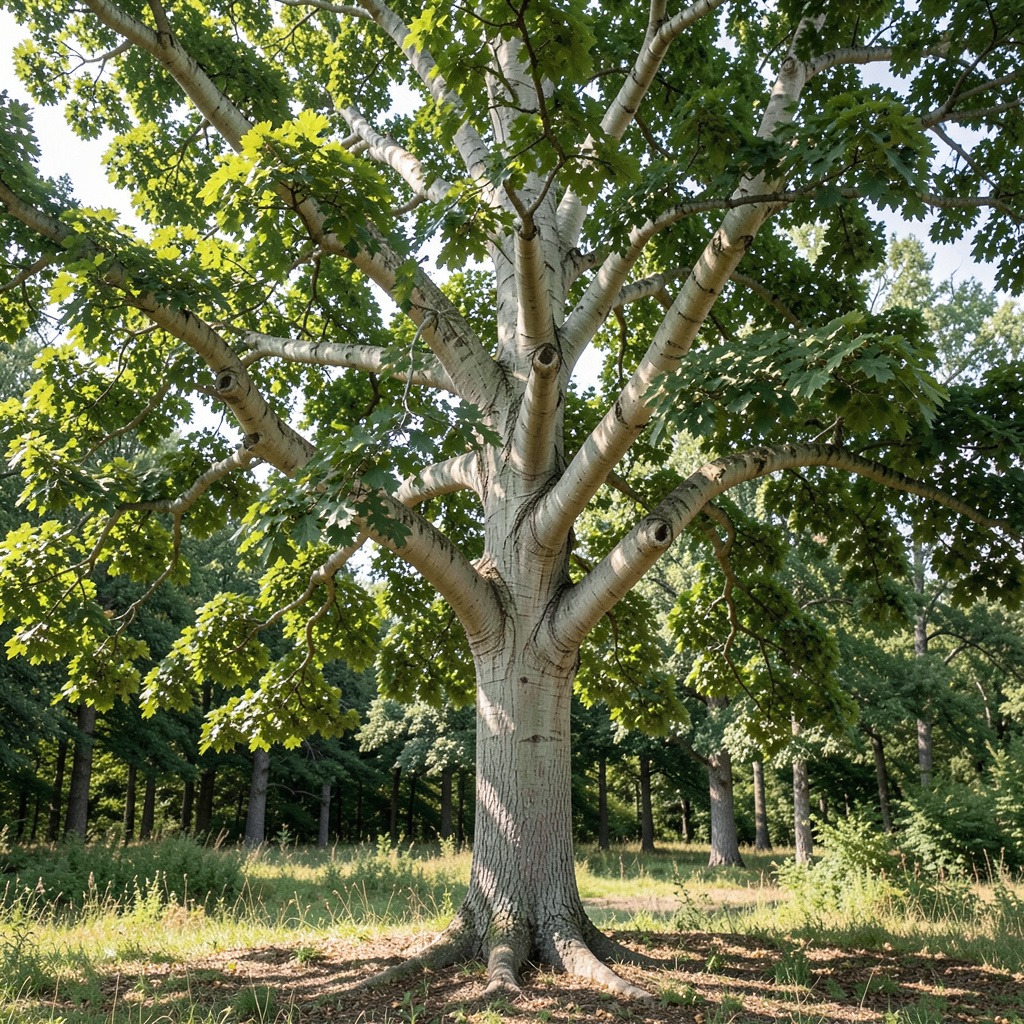
Overview of White Oak Trees
White oak trees (Quercus alba) are prominent hardwood species in North America, cherished for their durability and ecological contributions. They thrive in diverse environments, making them vital to both wildlife and humans.
Scientific Classification
- Scientific Name: Quercus alba
- Family: Fagaceae
- Common Names: White oak, eastern oak
Geographical Distribution
White oaks are native to Eastern and Central North America. They are commonly found in:
- USDA Zones: 3 to 9
- Preferred Regions: From southern Maine to northern Florida, and west to Texas and Nebraska.
Significance as a Hardwood Species
White oak wood is known for its strength and resistance to decay. This makes it a preferred choice for:
- Furniture: Sturdy and aesthetically pleasing.
- Flooring: Long-lasting with a rich color.
- Barrels: Essential in the wine and whiskey industries due to its ability to impart flavor.
Ecological Role
White oaks play a crucial role in their ecosystems:
- Wildlife Support: They provide habitat and food for over 200 species of insects and various birds.
- Soil Health: Their deep root systems help in soil stabilization and water retention.
Cultural and Historical Importance
Historically, white oaks have been significant to Native American cultures and early settlers. They have served as:
- Building Materials: Used in constructing homes and canoes.
- Cultural Symbols: Representing strength and endurance in various traditions.
By understanding the white oak’s characteristics and ecological significance, we can appreciate its value in both natural and human-made environments.
Characteristics of White Oak Trees
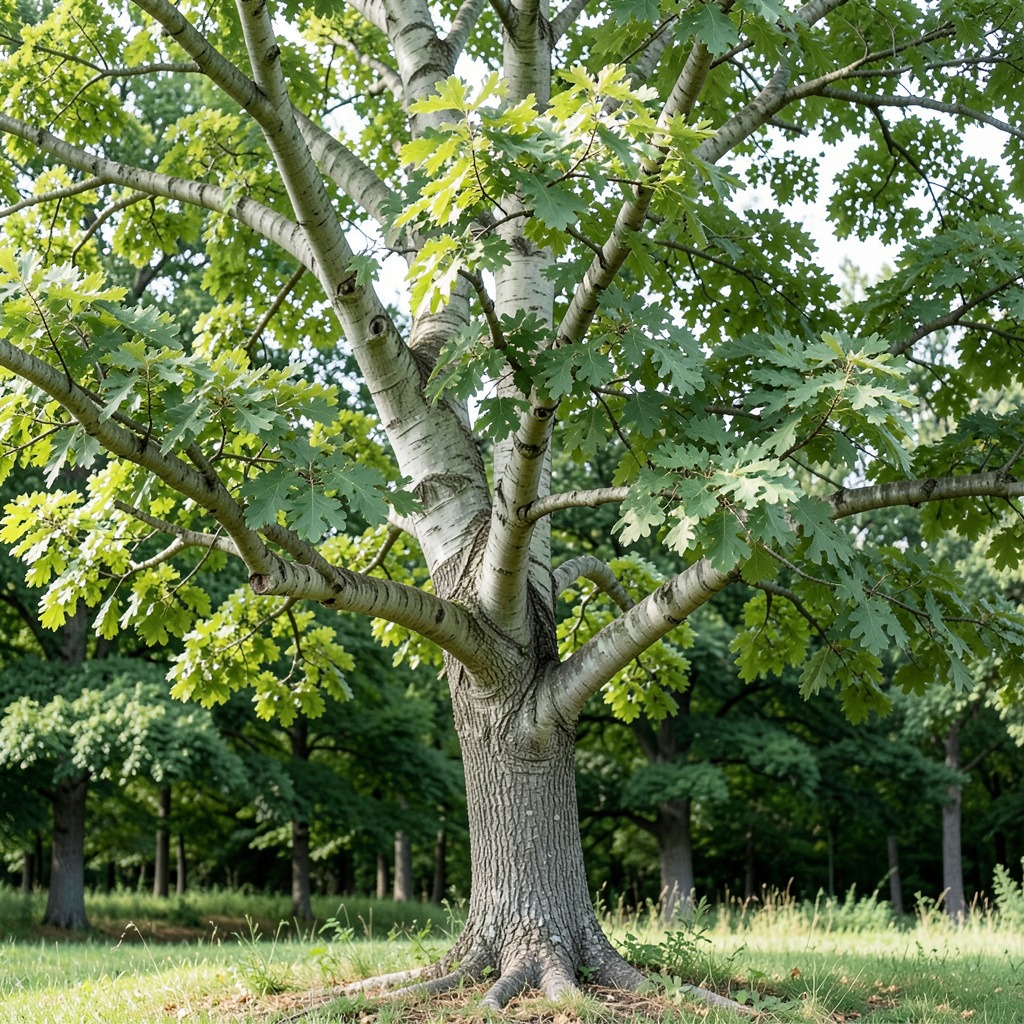
The white oak tree, scientifically known as Quercus alba, is a prominent hardwood species in North America. Its distinctive features make it relatively easy to identify, especially when considering its bark, leaves, and acorns.
Bark and Leaf Identification
White oak bark is a light gray color, characterized by a shallowly furrowed texture with narrow plates. As the tree matures, the bark may begin to peel, but it remains similar across different oak species, making bark alone insufficient for definitive identification.
The leaves of the white oak are a defining characteristic. They can grow up to 9 inches (22 cm) long and are bright green with five to nine rounded lobes. Unlike some other oak species, white oak leaves do not have bristle tips, which further aids in their identification.
Identification Checklist for Bark and Leaves
- Bark Color: Light gray with a shallowly furrowed texture.
- Leaf Shape: 5-9 rounded lobes without bristle tips.
- Leaf Size: Up to 9 inches long, bright green in color.
Acorns and Their Importance
White oak trees produce acorns that are light brown and have knobby gray caps. These acorns typically mature in late summer or early fall. They are vital for wildlife, serving as a food source for various animals, including squirrels and deer.
Understanding the acorn’s maturation cycle is crucial for effective wildlife management and planting strategies. When monitoring acorns, note that they will begin to fall when they turn brown.
Acorn Identification Details
- Color: Light brown.
- Cap: Knobby gray.
- Maturation Period: Late summer to early fall.
Seasonal Identification Insights
Identifying the white oak tree throughout the seasons involves observing its changing features.
- Spring: New leaves emerge bright green, while acorns begin to form.
- Summer: Leaves are fully developed and vibrant, providing dense foliage.
- Fall: Leaves turn to hues of red and orange before dropping; acorns begin to fall.
- Winter: The tree’s structure is prominent as it sheds its leaves, revealing the characteristic bark.
By recognizing these seasonal attributes, one can confidently identify the white oak tree in various environments.
Growing and Care for White Oak Trees
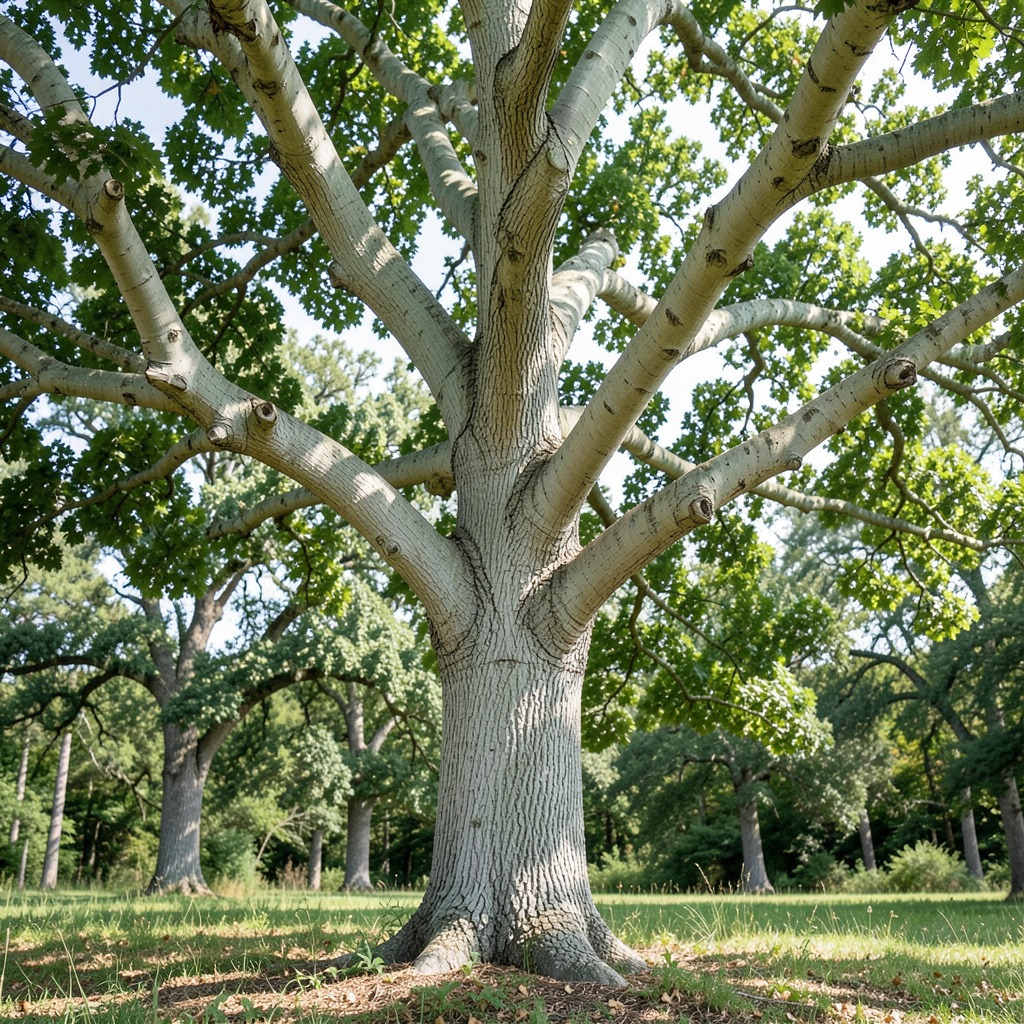
Growing and caring for white oak trees (Quercus alba) requires attention to their specific needs. Understanding soil, sunlight, watering, and pruning requirements will ensure their health and longevity.
Ideal Growing Conditions
White oaks thrive in specific environmental conditions. Here are the key factors to consider:
- Soil Type: Prefers well-drained, acidic to neutral soils. It can adapt to sandy-loam, clay-loam, and even rocky soils. However, avoid compacted soils that hinder root development.
- Moisture Needs: Requires medium-moist soil. While it can tolerate some dryness, it is not drought-tolerant. Ensure proper drainage to prevent root rot.
- Sunlight Exposure: Grows best in full sun. Although it can survive in partial shade, it needs overhead sunlight for optimal growth.
Checklist for Optimal Growing Conditions:
- Well-drained, acidic to neutral soil
- Consistent moisture without waterlogging
- Full sun exposure for most of the day
Maintenance and Pruning Tips
Regular maintenance is crucial for white oak trees to flourish. Pruning and care should be executed with attention to timing and technique.
- Pruning: Best done in late winter when the tree is dormant. This timing minimizes the risk of quick-freeze damage and allows wounds to heal before insect activity increases. Remove dead or diseased branches at any time.
- Watering: Newly planted white oaks need regular watering until established. In dry seasons, additional watering may be necessary. Mature trees typically require little extra water unless under severe drought conditions.
- Wound Care: If you prune during the growing season and expose live wood, apply a non-phytotoxic wound dressing to protect from pests and diseases.
Common Mistakes to Avoid:
- Overwatering, which can lead to root rot.
- Pruning at the wrong time, which may expose the tree to disease.
- Neglecting soil drainage, hindering root establishment.
By adhering to these guidelines, gardeners can successfully cultivate white oak trees, enhancing their landscapes and supporting local ecosystems.
Ecological Importance of White Oak Trees
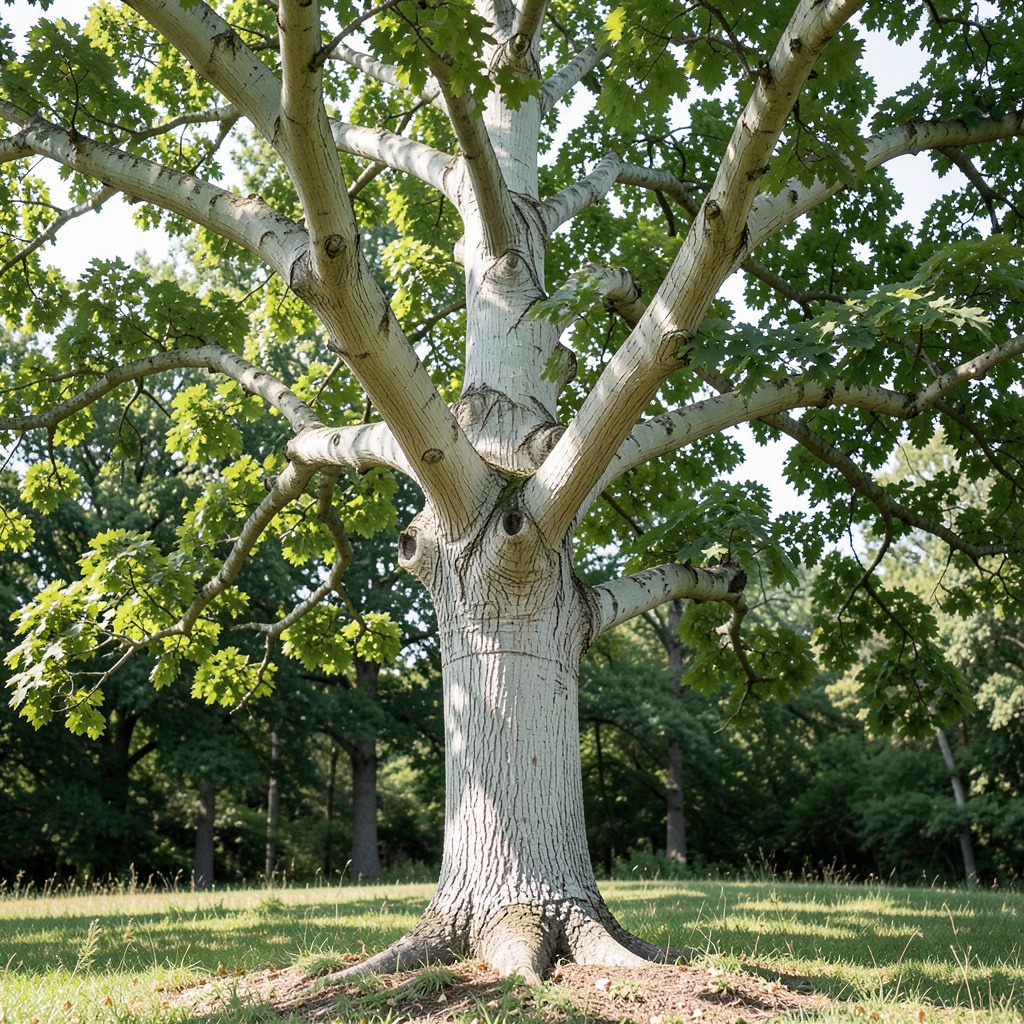
White oak trees (Quercus alba) play a crucial role in their ecosystems, providing essential habitat and food for various wildlife species. Their large acorns and sturdy structure create a thriving environment for both flora and fauna.
Wildlife Support
White oak acorns are a key food source for many animals. Species that benefit from white oaks include:
- Mammals: Deer, squirrels, and raccoons depend on acorns for nutrition.
- Birds: Blue Jays, crows, and woodpeckers utilize the acorns and the tree’s structure for nesting and foraging.
In addition, the tree’s bark and foliage provide shelter and nesting sites for numerous insects and birds. This biodiversity illustrates the white oak’s pivotal role in sustaining local wildlife populations.
Role in Ecosystems
White oaks contribute significantly to ecosystem health. They:
- Improve Soil Quality: Their extensive root systems help stabilize soil and enhance its nutrient content.
- Support Pollinators: The flowers of white oaks attract bees and other pollinators, fostering biodiversity.
- Carbon Sequestration: As a mature hardwood species, white oaks absorb significant amounts of carbon dioxide, mitigating climate change effects.
In various ecosystems, successful white oak plantings have shown remarkable results. For instance, in urban settings, they can reduce heat island effects, providing cooler environments while supporting urban wildlife. By planting white oaks, communities enhance not only their landscapes but also their ecological integrity.
Common Pests and Diseases Affecting White Oak Trees
White oak trees (Quercus alba) are resilient, yet they can fall prey to various pests and diseases. Understanding these threats is essential for maintaining healthy trees.
Identifying Common Pests
Several pests can adversely affect white oak trees. Recognizing these pests early allows for effective management. Here’s a list of common pests, their symptoms, and recommended treatments:
| Pest | Symptoms | Recommended Treatments |
|---|---|---|
| Lace Bugs | Yellow spots on leaves, leaf drop | Insecticidal soap, introduce natural predators |
| Acorn Weevils | Presence of holes in acorns, premature acorn drop | Handpick infested acorns, apply neem oil |
| Oak Sawflies | Skeletonized leaves, defoliation | Hand removal of larvae, insecticidal soap |
| Giant Bark Aphids | Twigs die back, sticky residue on leaves | Prune affected branches, use beneficial insects |
| Yellownecked Caterpillars | Defoliation, visible caterpillars on leaves | Handpicking, insecticidal soap for large infestations |
Identifying Common Diseases
White oak trees are susceptible to various diseases that can hinder their growth. Here are some common diseases, their symptoms, and treatment options:
| Disease | Symptoms | Recommended Treatments |
|---|---|---|
| Oak Wilt | Wilting leaves, browning, and sudden leaf drop | Remove infected trees, fungicide treatments |
| Anthracnose | Dark, sunken lesions on leaves, premature leaf drop | Prune affected areas, ensure good air circulation |
| Leaf Blistering | Blister-like formations on leaves, curling | Improve drainage, remove infected leaves |
| Oak Gall | Distorted leaf growth, galls on branches | Prune and destroy galls, insecticidal treatments |
Preventative Measures
Preventing pests and diseases is crucial for the longevity of white oak trees. Implementing proactive strategies can greatly enhance tree health.
- Regular Inspections: Periodically check for signs of pests or diseases. Early detection is key.
- Proper Pruning: Remove dead or infected branches to improve air circulation and reduce disease risk.
- Soil Health: Maintain healthy soil conditions through mulching and proper watering.
- Diversity: Avoid monoculture planting. Mixing species can reduce pest prevalence and spread.
By following these guidelines, you can ensure your white oak trees thrive while minimizing the risk from pests and diseases.
Comparison of White Oak with Other Oak Species
Understanding the differences between white oak (Quercus alba) and other oak species like red oak (Quercus rubra) is essential for making informed decisions about planting and utilization. Each species has distinct characteristics, uses, and ecological roles.
Growth Characteristics
| Feature | White Oak (Quercus alba) | Red Oak (Quercus rubra) |
|---|---|---|
| Height | Up to 100 feet | Up to 90 feet |
| Leaf Shape | Rounded lobes | Pointed lobes |
| Acorn Maturity | 6-18 months | 18 months |
| Growth Rate | Moderate | Fast |
White oak typically grows taller than red oak but has a slower growth rate. Its leaves are rounded, while red oak features pointed lobes. Acorns from white oak mature faster, making them a more reliable food source for wildlife.
Uses and Applications
- White Oak: Highly valued for its durability and strength. Commonly used in furniture, flooring, and barrel making due to its water-resistant properties.
- Red Oak: While also strong, red oak is less durable against moisture. It is often used for furniture and cabinetry but is not ideal for outdoor applications.
Ecological Roles
Both oak species provide substantial ecological benefits, yet they differ in their wildlife support:
- White Oak: Acorns are preferred by over 100 species of birds and mammals. Its dense canopy offers nesting sites and protection for various wildlife, making it vital for biodiversity.
- Red Oak: While also beneficial, its acorns are generally considered less palatable. It supports fewer wildlife species compared to white oak.
Comparison Takeaway
When choosing between white oak and red oak, consider the intended use and ecological impact. White oak excels in durability and wildlife support, while red oak offers faster growth and is suitable for a variety of applications.
Cultural and Historical Significance of White Oak Trees
White oak trees (Quercus alba) hold a prominent place in American culture and history. Their strong wood and versatile uses have made them essential in various industries, while they also serve as symbols of strength and endurance in local heritage.
Historical Uses in Furniture and Construction
White oak’s durability and aesthetic appeal have made it a preferred choice in furniture making. Its tight grain and workability allow artisans to craft beautiful, long-lasting pieces. Notably, white oak wood became integral to American furniture design, especially during the colonial era.
- Furniture Making: White oak is commonly used for tables, chairs, and cabinetry.
- Construction: Its resistance to rot and insects makes it ideal for outdoor structures and flooring.
Importance in Barrel Production
One of the most significant uses of white oak is in barrel production. The wood’s unique characteristics make it perfect for aging spirits and wines.
- Whiskey Production: Federal regulations require bourbon to be aged in new, charred white oak barrels, emphasizing its importance in American whiskey heritage.
- Wine Aging: The wood’s natural tannins enhance flavor profiles in wines, making it a staple in vineyards.
Cultural Symbolism and Community Significance
Beyond practical uses, white oak trees have deep cultural roots. Many historic white oaks are associated with significant events, marking them as community landmarks.
- Gathering Places: Historic white oaks often served as meeting spots for local communities, witnessing important gatherings and decisions.
- Cultural Symbol: In American folklore, white oaks symbolize strength, permanence, and resilience, embodying the spirit of the nation.
Notable Historical Anecdotes
One famous white oak is the “Charter Oak” in Connecticut. This tree became a symbol of American independence when colonists hid their charter within its hollow trunk to protect it from British officials. Such stories highlight the intersection of nature and history, illustrating how white oaks have shaped local identities and narratives.
- USS Constitution: The hull of this famed naval ship was made from white oak, showcasing its durability and significance in American maritime history.
In summary, white oak trees are not merely natural resources; they are woven into the fabric of American culture, representing strength, craftsmanship, and community heritage.
Frequently Asked Questions
These quick answers cover the most common questions about this topic, including key details, practical tips, and common concerns.
What are the downsides of a white oak tree?
While white oak trees (Quercus alba) are generally hardy, they do have some downsides. They can be susceptible to diseases such as oak wilt and anthracnose, which can lead to leaf drop and tree decline. Additionally, white oaks may attract pests like acorn weevils and lace bugs, which can damage the tree and its acorns.
Another consideration is their size; mature white oaks can grow up to 100 feet tall, requiring ample space for growth. They may also produce a large number of acorns, which can create a mess in landscaped areas or yards.
What is special about a white oak tree?
White oak trees are valued for their durability, ecological significance, and aesthetic appeal. Their wood is highly sought after for furniture and barrels due to its strength and resistance to decay. Ecologically, white oaks support over 200 species of wildlife, providing food and habitat.
Moreover, white oaks are known for their beautiful fall foliage, which turns vibrant shades of red and orange. They also have a deep root system that enhances soil health and stability, making them important for ecosystem balance.
Why is white oak so valuable?
White oak is considered one of the most valuable hardwoods in North America due to its combination of strength, durability, and versatility. Its wood is ideal for high-quality furniture, flooring, and barrel production, especially in the whiskey industry, where it imparts unique flavors to spirits.
Additionally, white oaks play a crucial role in their ecosystems, supporting diverse wildlife and improving soil health. Their ability to sequester carbon also contributes to efforts against climate change, enhancing their overall value.
Is white oak rare?
White oak trees are not classified as rare; they are common in Eastern and Central North America. However, their populations can be affected by factors such as urban development, disease, and climate change. Conservation efforts are important to ensure that these trees continue to thrive in their natural habitats.
How can I identify a white oak tree?
You can identify a white oak tree by its distinctive features. Look for light gray, shallowly furrowed bark and leaves with 5 to 9 rounded lobes. The leaves are bright green and can grow up to 9 inches long, lacking bristle tips that are common in other oak species.
During fall, white oak leaves turn vibrant colors, and the tree produces light brown acorns with knobby gray caps that mature in late summer or early fall. Observing these characteristics will help you confidently identify this majestic tree.
What wildlife benefits from white oak trees?
White oak trees provide crucial habitat and food for many wildlife species. Their acorns are a primary food source for mammals like deer, squirrels, and raccoons. Birds such as blue jays and woodpeckers also rely on white oaks for nesting and foraging.
The tree’s dense foliage offers shelter to various insects and birds, contributing to biodiversity. By planting white oaks, you can support local wildlife populations and enhance the ecological health of your area.
What are the best conditions for growing white oak?
White oaks thrive in well-drained, acidic to neutral soils and prefer full sun exposure. They can adapt to various soil types, including sandy-loam and clay-loam, but should be protected from compacted soils that hinder root growth.
Consistent moisture is essential, especially for young trees. While they can tolerate some dryness, avoid waterlogged conditions to prevent root rot. Planting in USDA Zones 3 to 9 will provide the best environment for these trees.
What diseases affect white oak trees?
White oak trees are vulnerable to several diseases, the most notable being oak wilt and anthracnose. Oak wilt can cause rapid decline and leaf drop, while anthracnose leads to dark lesions on leaves and premature leaf drop.
Other diseases include leaf blistering and oak gall, which can distort leaf growth. Regular inspections and proper care, such as pruning and maintaining soil health, are vital for preventing and managing these diseases.