
There are several notable varieties of white oak, including Quercus alba, Swamp White Oak, and Valley Oak, each with distinct characteristics and ecological benefits.
Table of Contents
White oak varieties are essential for both ecological balance and landscape aesthetics. This guide explores 10 notable types, their identification, growth habits, and benefits, helping you choose the best white oak for your needs.
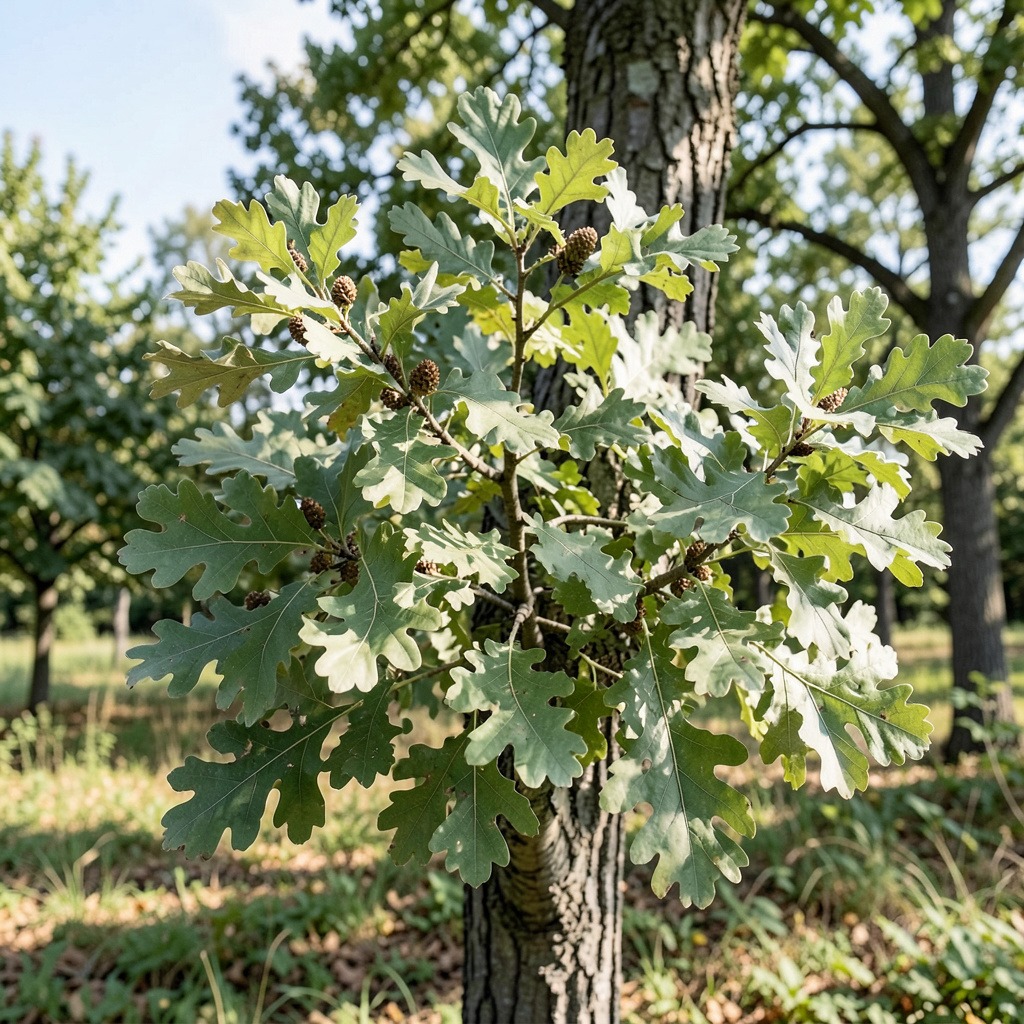
Overview of White Oak Varieties
Understanding the various white oak varieties is crucial for ecological health and landscaping. These trees not only provide beautiful aesthetics but also play an essential role in their environments.
Identification of White Oak Varieties
White oak varieties belong to the Quercus genus and are known for their distinctive features. Here are key identifiers:
- Bark: Typically light gray to white, with varied textures such as scaly or plated.
- Leaves: Rounded lobes with smooth edges, changing colors throughout the seasons.
- Acorns: White oak acorns mature in one season, making them a vital food source for wildlife.
Ecological Importance of White Oaks
White oaks serve as a keystone species in their habitats. Their ecological roles include:
- Wildlife Habitat: They provide food and shelter for various species, including birds, deer, and small mammals.
- Soil Health: With their extensive root systems, white oaks improve soil structure and prevent erosion.
- Carbon Sequestration: These trees absorb significant amounts of CO2, helping mitigate climate change.
Growth Conditions and Care Tips
White oaks thrive in specific conditions. Consider the following:
- Soil Type: Preferably well-drained, loamy soils.
- Sunlight: Full sun exposure is ideal for optimal growth.
- Watering: Establish a deep watering routine, especially in dry spells.
By understanding these aspects, you can effectively plan for the introduction of white oak varieties into your landscape.
1. Quercus alba (White Oak)
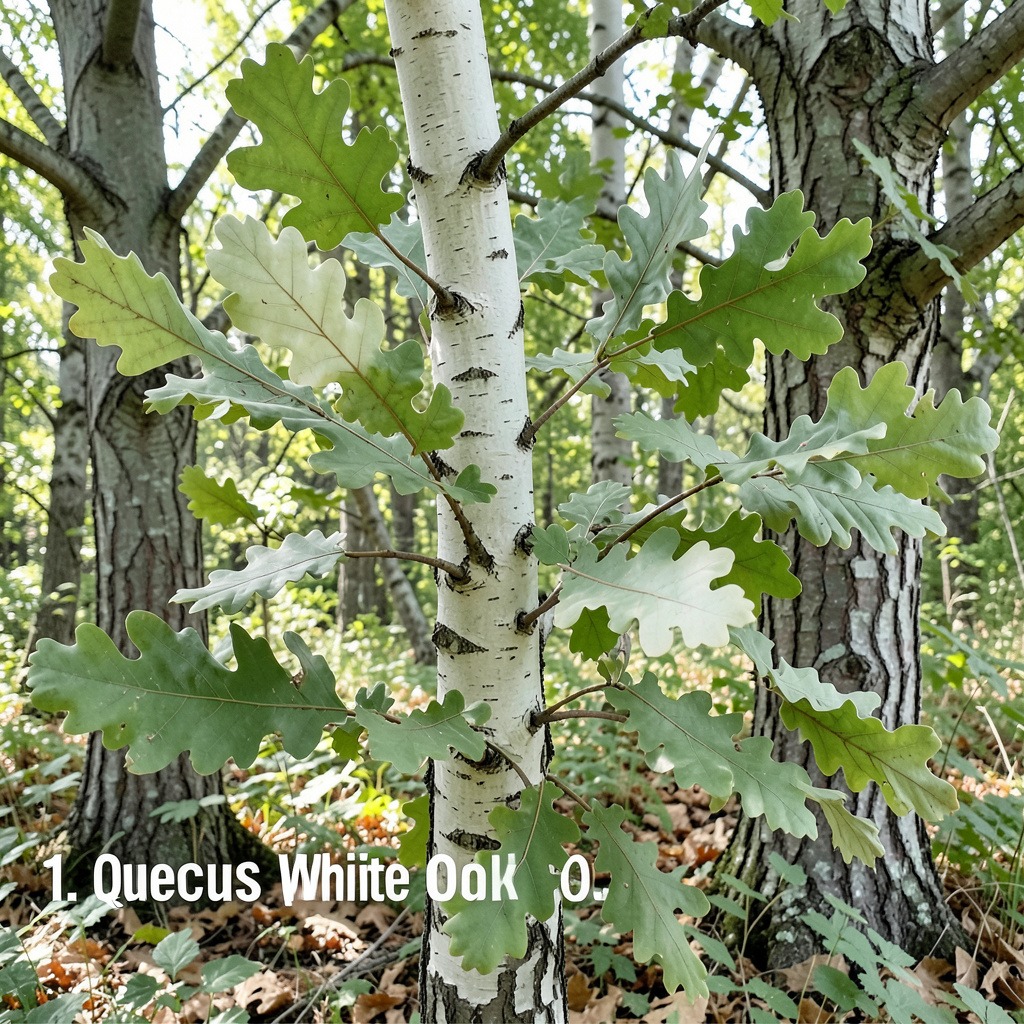
Quercus alba, commonly known as White Oak, is a prominent tree species in North America. It is renowned for its majestic size, distinctive characteristics, and ecological importance.
Growth Characteristics
White Oaks typically reach heights of 80-100 feet. Their canopy spreads wide, often matching or exceeding their height. Key characteristics include:
- Leaves: They feature lobed leaves, usually with rounded tips, that turn vibrant colors in autumn.
- Bark: The bark is light grayish-white, with thin, vertical fissures that develop as the tree matures.
- Acorns: White Oaks produce large acorns, which are critical food sources for various wildlife.
These trees exhibit a strong tap-root system in their youth, transitioning to a broad lateral root system as they mature. This adaptation allows them to access water and nutrients efficiently, even in challenging soil conditions.
Ecological Importance
The White Oak plays a vital role in its ecosystem. Its contributions include:
- Wildlife Habitat: The acorns serve as food for birds, deer, and small mammals. Many species rely on White Oaks for sustenance.
- Soil Health: The extensive root systems enhance soil structure and prevent erosion, promoting healthier ecosystems.
- Carbon Sequestration: White Oaks absorb substantial CO2, aiding in climate mitigation efforts.
By understanding the specific characteristics and ecological roles of Quercus alba, homeowners and landscapers can make informed decisions about planting and caring for this valuable tree species.
2. Swamp White Oak (Quercus bicolor)
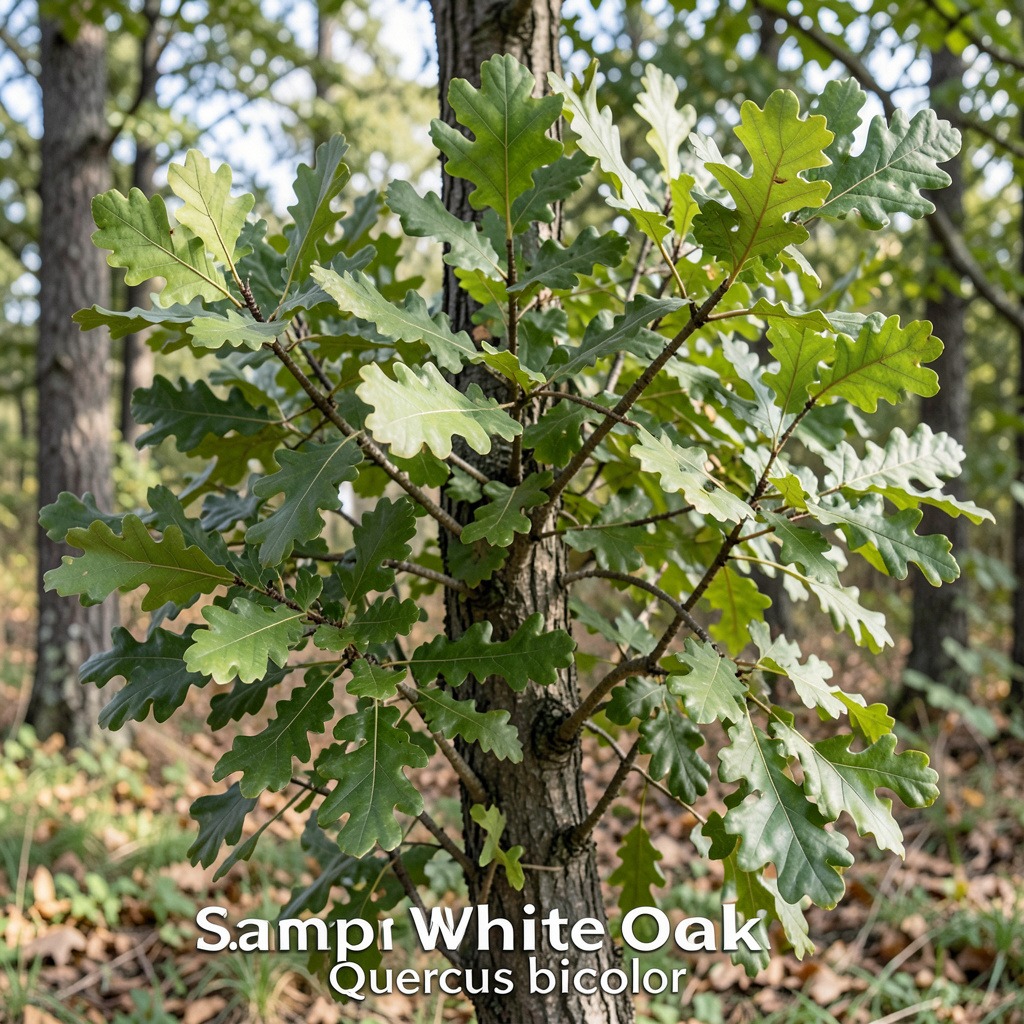
The Swamp White Oak is a distinctive member of the white oak family, thriving in wet conditions. This variety exhibits unique growth patterns and characteristics that make it suitable for various landscapes.
Identifying Features
Swamp White Oaks can be recognized by their:
- Height: Typically grows between 50 to 90 feet (15 to 27 meters).
- Crown Shape: Open, rounded crown providing ample shade.
- Bark: Dark gray and scaly, with deep vertical furrows.
- Leaves: Broadly oval, bright green, measuring 4 to 7 inches (10 to 17 cm) long with 5 to 7 shallow lobes. Fall colors range from yellowish-brown to red.
- Acorns: Stumpy, oval brown nuts about 0.8 inches (2 cm) long, with a gray scaly cap that covers half the acorn.
Using visual aids, such as photographs of leaves and acorns, can significantly aid in field identification.
Ideal Growing Conditions
Swamp White Oaks thrive in specific conditions:
- Soil: Prefers well-drained, loamy soils but is tolerant of wet, mucky conditions.
- Sunlight: Requires full sun exposure for optimal growth.
- Space: Due to its large spread, ample space is necessary for proper development.
When deciding where to plant, consider the tree’s mature size and its adaptability to different soil types. This variety is particularly valuable in landscape designs that require shade and ecological stability.
Comparison with Other Oak Types
In comparison to other oak varieties, Swamp White Oak stands out for its adaptability to wet conditions. Unlike the more common White Oak (Quercus alba), which prefers well-drained sites, the Swamp White Oak can flourish in areas prone to flooding. This makes it an ideal choice for low-lying areas or near water bodies.
Quick Comparison Table
| Feature | Swamp White Oak (Quercus bicolor) | White Oak (Quercus alba) |
|---|---|---|
| Height | 50-90 ft (15-27 m) | 50-80 ft (15-24 m) |
| Soil Preference | Wet to well-drained | Well-drained |
| Leaf Shape | Broadly oval with shallow lobes | Deeply lobed |
| Acorn Size | 0.8 in (2 cm) | 1 in (2.5 cm) |
This comparison illustrates the unique role of Swamp White Oak within the oak family, providing options for diverse planting scenarios.
3. Valley Oak (Quercus lobata)
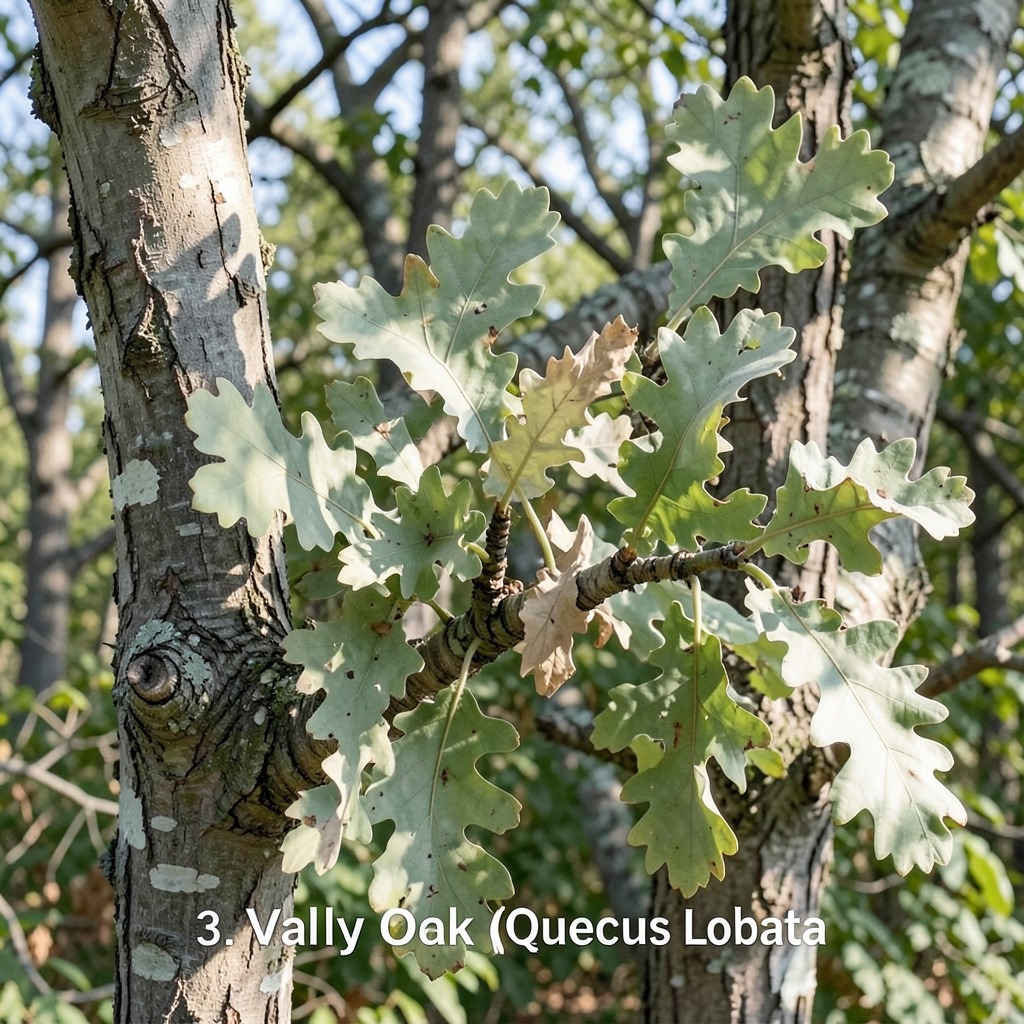
The Valley Oak, known scientifically as Quercus lobata, is one of the largest oak species in North America. Its impressive size and rapid growth make it a notable choice for landscapes while providing essential habitat for wildlife.
Growth Rate
The Valley Oak can reach heights of up to 100 feet (30 meters) with a crown diameter of 50 feet (15 meters). This tree has a growth rate of 2 to 3 feet (0.6 to 0.9 meters) per year, making it a fast-growing option for those looking to establish a quick canopy.
Key Growth Characteristics:
- Height: 70-100 ft (21-30 m)
- Spread: 50 ft (15 m)
- Growth Rate: 2-3 ft per year
- Bark: Distinctive ridged bark with small scales.
Wildlife Interactions
Valley Oaks play a vital role in their ecosystems. Their acorns are a significant food source for various wildlife, including deer, squirrels, and birds. The tree’s broad canopy provides shelter for numerous species, contributing to biodiversity.
Ecological Benefits:
- Provides habitat for birds and mammals.
- Acorns support local wildlife populations.
- Enhances soil health through leaf litter decomposition.
Case Study: Successful Valley Oak Planting
A successful planting of Valley Oaks in a California park showcased their adaptability. The park, previously devoid of shade, now features a thriving grove of Valley Oaks. Over five years, these trees have flourished, reaching heights of over 30 feet (9 meters).
Key Takeaways from the Case Study:
- Choose a well-drained site for planting.
- Ensure adequate space for growth.
- Monitor for pests and diseases, especially during the early years.
Through careful planning and execution, the Valley Oak not only transformed the landscape but also attracted diverse wildlife, enhancing the ecological value of the area.
4. Oregon White Oak (Quercus garryana)
The Oregon White Oak, or Quercus garryana, is a notable species native to the northwest coast of North America. Known for its adaptability and ecological contributions, this oak variety plays a significant role in its habitat.
Leaf Characteristics
Oregon White Oak features glossy green lobed leaves with rounded tips. The leaves exhibit:
- U-shaped sinuses: These indentations give the leaves a distinct appearance.
- Rounded apex: The tips of the leaves are not pointed, setting them apart from other oak varieties.
This leaf structure allows for effective photosynthesis and contributes to the tree’s overall health.
Habitat Preferences
Oregon White Oak thrives in various environments, typically found in:
- Wooded areas: Preferring well-drained soils, it grows best in open woodlands and savannas.
- Elevation: Commonly located at low elevations in dry to moderate climates, it can tolerate drought conditions.
This oak species is vital for local ecosystems, providing habitats for numerous species of birds and mammals. Its acorns serve as a food source, enhancing biodiversity.
Ecological Contributions
The Oregon White Oak supports ecological balance by:
- Providing habitat: It offers shelter and nesting sites for wildlife.
- Enhancing soil quality: The tree’s leaf litter enriches the soil, promoting healthier plant life.
- Stabilizing erosion: Its extensive root system helps prevent soil erosion in its native range.
Understanding the characteristics and ecological importance of Oregon White Oak can inform conservation efforts and guide planting in appropriate regions.
5. Sessile Oak (Quercus petraea)
The Sessile Oak, known scientifically as Quercus petraea, is a prominent species in European woodlands. This tree stands out due to its significant height and unique characteristics.
Growth Characteristics
The Sessile Oak typically reaches heights between 66 and 130 feet (20 – 40 meters). Its growth rate varies based on environmental conditions, but it generally thrives in well-drained soils and full sunlight. Key identifying features include:
- Leaves: Sinuated and slightly lobed, resembling teeth along the margins.
- Bark: Smooth and gray when young, maturing into fissured bark.
- Acorns: Produces acorns that are essential for wildlife, particularly in autumn.
Growth conditions favor the Sessile Oak in temperate climates, where it contributes to diverse ecosystems.
Ecological Role
The Sessile Oak plays a vital role in its ecosystem by:
- Providing Habitat: It serves as a nesting site for various bird species and a habitat for mammals.
- Enhancing Biodiversity: The acorns are a food source for birds and small mammals, supporting local wildlife populations.
- Soil Improvement: The leaf litter from the Sessile Oak enriches the soil, promoting the growth of other plant species.
In addition, this oak variety has historical significance in traditional woodworking due to its dense and durable wood, favored for furniture and flooring. Understanding the Sessile Oak’s characteristics and ecological contributions can inform effective planting and conservation strategies in European landscapes.
6. Mexican White Oak (Quercus polymorpha)
The Mexican White Oak, also known as Quercus polymorpha, is a notable variety within the white oak family. This species thrives in diverse climates, making it a versatile choice for landscaping in various regions.
Identification Tips
Identifying the Mexican White Oak is straightforward when you know what to look for:
- Leaves: Oval or egg-shaped with smooth edges, lacking noticeable lobes.
- Bark: Light to dark gray, initially flaky, and develops shallow fissures as it matures.
- Acorns: Barrel-shaped acorns that grow up to 1 inch (2.5 cm) long, which are crucial for local wildlife.
These characteristics help distinguish it from other oak varieties, ensuring accurate identification.
Growth Conditions
Mexican White Oak demonstrates adaptability to different environmental conditions. Here are key growth parameters:
- Height: Grows between 40 to 70 feet (12 to 21 meters) tall.
- Crown Width: Broad, pyramidal crown measuring 25 to 50 feet (7.6 to 15 meters) wide.
- USDA Zones: Thrives in USDA zones 7 to 9, making it suitable for warmer climates.
Regional Adaptability Examples
- Urban Settings: Ideal as a shade tree in cities due to its robust structure and aesthetic appeal.
- Natural Landscapes: Functions well in parks and large gardens, providing habitat and food for wildlife.
By understanding these growth conditions, landscapers can effectively integrate the Mexican White Oak into diverse landscapes, enhancing both beauty and ecological value.
7. Arizona White Oak (Quercus arizonica)
The Arizona White Oak, also known as Quercus arizonica, thrives in arid environments. This variety is well-adapted to the challenges of dry climates, playing a vital role in local ecosystems.
Soil Preferences
Arizona White Oaks prefer well-drained, sandy soils but can adapt to rocky terrains. They require minimal moisture and can often survive in low-nutrient conditions. Here are key soil characteristics:
- Drainage: Excellent drainage is essential.
- pH Levels: Prefers slightly acidic to neutral soil (pH 6.0 to 7.0).
- Nutrient Needs: Low nutrient requirements, making it suitable for xeriscaping.
Wildlife Support
This oak variety supports local wildlife significantly. Its acorns provide a food source for various animals, including:
- Birds: Woodpeckers and jays feast on acorns.
- Mammals: Squirrels and deer utilize the tree for food and shelter.
Additionally, the foliage offers habitat for insects and birds, enhancing biodiversity in the region.
Integration into Xeriscaped Gardens
Incorporating Arizona White Oaks into xeriscaped gardens is advantageous. Here are practical tips for successful integration:
- Spacing: Plant them at least 15-20 feet apart to allow for their broad canopy.
- Companion Plants: Consider drought-resistant shrubs and groundcovers to complement their growth.
- Watering: Establish a deep watering schedule during the first few years to promote root development but reduce watering as the tree matures.
By following these guidelines, gardeners can effectively utilize Arizona White Oaks to enhance the aesthetic and ecological value of their landscapes.
8. Pedunculate Oak (Quercus robur)
The Pedunculate Oak, also known as the English Oak, is a prominent species in the white oak family. This tree is revered for its grandeur and ecological significance.
Key Features
- Height: Grows between 40 to 70 feet (12 to 21 meters).
- Crown: Features a large, spreading crown that provides ample shade.
- Leaves: Characterized by small, rounded lobes with smooth edges.
- Acorns: Produces acorns that are vital for wildlife.
- Bark: The bark is thick and rugged, adding to its durability.
Identification of Pedunculate Oak is straightforward. Look for its distinctive lobed leaves and the unique shape of its acorns, which hang from long peduncles, hence the name.
Importance to Wildlife
The Pedunculate Oak plays a crucial role in its ecosystem:
- Habitat: Provides shelter and nesting sites for various birds and mammals.
- Food Source: Acorns serve as a primary food source for squirrels, deer, and numerous bird species.
- Biodiversity: Supports a wide range of insects and fungi, enhancing local biodiversity.
In landscape design, the Pedunculate Oak is often used for its aesthetic appeal and shade. Its robust structure makes it suitable for parks, large gardens, and streetscapes. Consider planting it in groups to create a more natural environment, or as a standalone feature tree to highlight its majestic form.
Growth Conditions and Care Tips
- Soil: Prefers well-drained, loamy soils but can adapt to various soil types.
- Sunlight: Thrives in full sun but can tolerate partial shade.
- Watering: Requires regular watering during dry spells, especially when young.
By understanding the characteristics and ecological importance of the Pedunculate Oak, gardeners and landscape designers can make informed decisions that benefit both the environment and aesthetic needs.
9. Bur Oak (Quercus macrocarpa)
The Bur Oak is a robust and adaptable species known for its impressive size and distinctive acorns. This variety thrives in diverse environments, making it a valuable addition to landscapes.
Growth Characteristics
- Height: The Bur Oak can reach heights of up to 100 feet (30 meters) and occasionally grows taller.
- Bark: It features medium-gray bark with deep, narrow scales and vertical ridges, providing a rugged appearance.
- Leaves: The leaves are lobed and can grow up to 10 inches long. They turn a rich golden-brown in the fall.
- Acorns: The acorns are large, measuring about 1.5 inches (3.8 cm) long, with a distinctive cap that covers about half the nut. This makes them easily identifiable compared to other oaks.
Ecological Benefits
Bur Oaks play a significant role in their ecosystems. They provide food and habitat for numerous wildlife species, including birds, mammals, and insects. The large acorns are a critical food source for squirrels and other foragers.
- Diversity: Bur Oaks contribute to biodiversity by supporting a variety of organisms. Their unique leaf structure and acorn size attract different species than other oak varieties.
- Soil Health: The deep root system of the Bur Oak improves soil stability and helps prevent erosion. It also enhances nutrient cycling within the ecosystem.
Comparison of Acorn Sizes Among Oak Varieties
| Oak Variety | Acorn Size |
|---|---|
| Bur Oak (Quercus macrocarpa) | 1.5 inches (3.8 cm) |
| White Oak (Quercus alba) | 0.5-1 inch (1.3-2.5 cm) |
| Northern Red Oak (Quercus rubra) | 0.5-1 inch (1.3-2.5 cm) |
Understanding the characteristics and ecological benefits of the Bur Oak helps inform decisions when selecting oak varieties for planting. Its resilience and adaptability make it ideal for urban settings and natural landscapes alike.
10. Common Issues and Diseases Affecting White Oaks
White oaks, while resilient, can face various pests and diseases. Understanding these challenges is crucial for maintaining their health and longevity.
Common Pests
Several pests can affect white oaks, leading to potential damage:
- Oak Leaf Blister: This fungal disease causes raised, blister-like spots on leaves. It can lead to premature leaf drop.
- Two-lined Chestnut Borer: This beetle targets stressed oaks, creating holes in the bark. Infestations can weaken the tree significantly.
- Gypsy Moth: The larvae of this moth can defoliate trees, impacting their health and growth.
Prevention and Care
Maintaining healthy white oaks involves proactive measures. Here’s a checklist to help ensure their well-being:
- Monitor Regularly: Check for signs of pests and diseases frequently, especially during spring and summer.
- Proper Watering: Ensure adequate moisture, particularly during dry spells, but avoid overwatering.
- Prune Wisely: Remove dead or infected branches to improve air circulation and reduce disease risk.
- Fertilize Appropriately: Use a balanced fertilizer to promote strong growth.
- Encourage Biodiversity: Plant a variety of species nearby to attract natural predators of oak pests.
By staying vigilant and implementing these practices, you can significantly reduce the impact of diseases and pests on your white oaks.
Frequently Asked Questions
These quick answers cover the most common questions about this topic, including key details, practical tips, and common concerns.
What are the downsides of a white oak tree?
While white oaks are generally resilient, they can face some downsides. They are slow to establish and may take several years to reach maturity. Additionally, white oaks are susceptible to certain pests and diseases, such as oak wilt and two-lined chestnut borers, which can weaken or kill the tree. Their large size also requires ample space, making them less suitable for small yards.
What is the fastest growing white oak tree?
The Valley Oak (Quercus lobata) is known for its fast growth rate, typically achieving 2 to 3 feet of growth per year. This species can reach impressive heights of up to 100 feet, making it an excellent choice for those looking to establish a quick canopy in their landscape.
Is there a difference between a white oak and a swamp white oak?
Yes, there are several differences between white oak (Quercus alba) and swamp white oak (Quercus bicolor). The swamp white oak typically grows in wetter conditions and can tolerate flooding, while the white oak prefers well-drained soils. Additionally, swamp white oaks have broader leaves with shallow lobes and produce smaller acorns compared to the larger acorns of the white oak.
When is the best time to plant a white oak?
The best time to plant white oak trees is during the early spring or fall. Planting in spring allows the tree to establish roots before the heat of summer, while fall planting takes advantage of cooler temperatures and increased moisture. Ensure the ground is not frozen and that you provide adequate water during the establishment phase.
How can I identify a white oak tree?
To identify a white oak, look for its distinctive light gray to white bark and lobed leaves with rounded tips. The leaves typically change colors in the fall, displaying vibrant hues. Additionally, white oaks produce acorns that mature in one season, which are a key identifier for this species. Visual aids, such as photographs of leaves and acorns, can help with identification.
What wildlife benefits from white oak trees?
White oak trees provide essential benefits to wildlife. Their acorns are a critical food source for birds, squirrels, deer, and other mammals. The tree’s large canopy also offers habitat and nesting sites for various bird species, contributing to local biodiversity. In addition, the foliage supports insects, which are vital for the ecosystem.
How do I care for a white oak tree?
Caring for a white oak involves several key practices. Ensure the tree is planted in well-drained, loamy soil and receives full sun exposure. Water deeply during dry spells, especially in the first few years after planting. Regularly check for pests and diseases, and prune any dead or infected branches to promote healthy growth. Fertilizing with a balanced fertilizer can also support strong development.