
The White-Throated Sparrow (Zonotrichia albicollis) is a colorful migratory bird recognized for its distinctive black-and-white markings and melodic songs. This guide explores the bird’s unique characteristics, habitat, behavior, and more to enhance your understanding and appreciation of this beloved species.
Table of Contents
Identification of the White-Throated Sparrow
Identifying the White-Throated Sparrow can be a delightful experience. With its striking features and vibrant coloring, this bird stands out in any flock. Let’s break down the characteristics that make it unique.
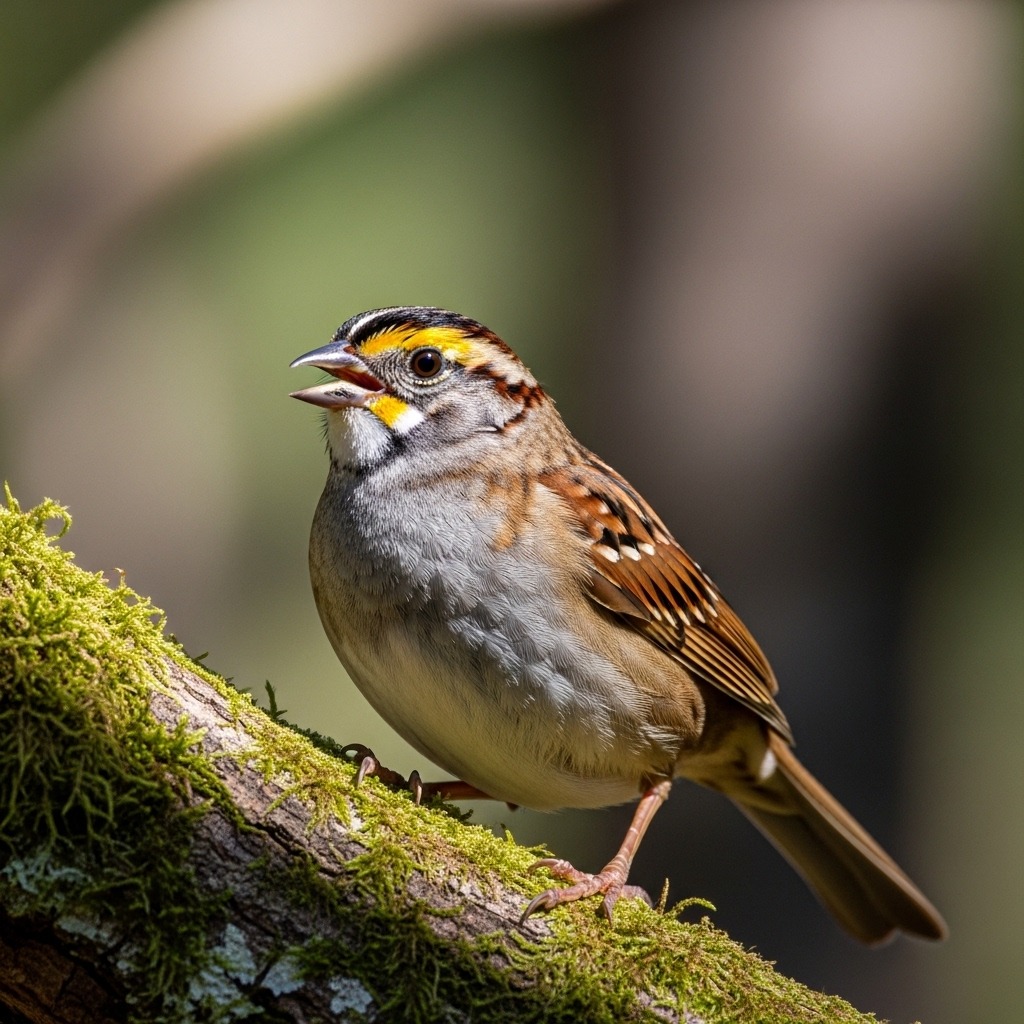
Physical Characteristics and Size
The White-Throated Sparrow is a small bird, measuring about 6.5 to 7.5 inches long. Here are some key physical traits:
- Head: Distinctive black and white stripes.
- Throat: A prominent white patch, which is a defining feature.
- Body: Stocky build with a rounded tail.
- Bill: Short and conical, perfect for seeds.
These features make spotting the White-Throated Sparrow a bit easier, especially during migration seasons.
Color Morphs: White-Striped vs. Tan-Striped
One of the fascinating aspects of the White-Throated Sparrow is its color morphs. There are two primary types:
1. White-Striped:
- Features bright white throat and eyebrow stripes.
- Generally has a sharper face pattern.
- More vibrant overall appearance.
2. Tan-Striped:
- Displays softer, buffy tones on the crown and breast.
- Less stark contrast in colors, making it blend in more with its surroundings.
Both morphs can be found in overlapping habitats, so look closely to identify which one you’re seeing!
Distinctive Markings and Identification Tips
To help you identify the White-Throated Sparrow easily, here are some distinctive markings and tips:
- Bold Head Pattern: The black and white stripes create a striking contrast.
- Vocalizations: Their song is unique, often described as a soft “Old Sam Peabody, Peabody, Peabody.” Listening for this can help in identification.
- Behavior: They are often seen foraging on the ground in underbrush and can be skittish, so approach quietly.
A quick checklist for spotting:
- Look for the bold head stripes.
- Check the throat patch—white or tan?
- Listen for their distinct vocalizations.
With these characteristics in mind, you’ll be well-equipped to identify the charming White-Throated Sparrow in the wild!
Behavior and Ecology of the White-Throated Sparrow
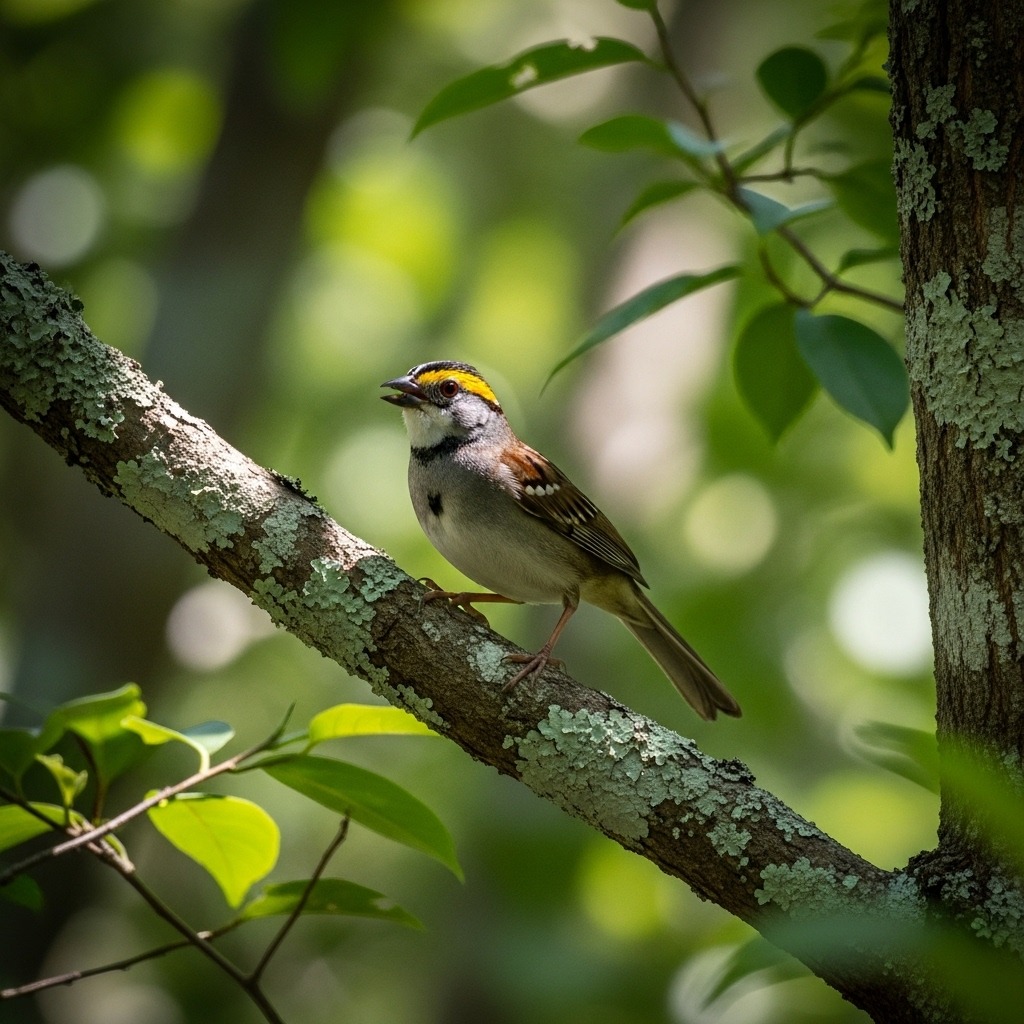
The White-Throated Sparrow is not just colorful; it’s also full of intriguing behaviors and social dynamics. Let’s dive into how this charming bird forages, breeds, and migrates.
Foraging Habits and Diet
White-Throated Sparrows are primarily ground feeders. They enjoy a varied diet that changes with the seasons.
- Summer Diet: Insects and berries dominate their meals.
- Winter Diet: Seeds become their mainstay as insects are scarce.
They use a unique foraging method. You’ll often see them scratching through leaf litter to uncover hidden food. This behavior is essential, especially during migration when they need to stock up on energy.
Breeding Behavior and Nesting
Breeding season is a busy time for these sparrows. Males establish territories to attract females. They sing loudly to defend their space from rivals, showcasing their vocal prowess.
- Nesting Sites: They prefer dense underbrush or shrubs, often near the ground.
- Nesting Habits: A typical clutch includes three to five eggs, incubated for about 12-13 days. Both parents share the responsibility of caring for the fledglings.
Interestingly, their nurturing behavior demonstrates strong family bonds. Observing how they teach their young to forage offers a glimpse into their social structure.
Migration Patterns: When and Where
White-Throated Sparrows are migratory birds. Their migration patterns are influenced by environmental factors.
- Migration Timing: They typically migrate south in late fall and return north in spring.
- Preferred Habitat: During migration, they favor deciduous and mixed forests.
As they migrate, they often travel in small flocks, making it easier to find food and stay safe from predators. Factors like weather changes and food availability can affect when they migrate. For instance, an early spring could prompt them to return sooner.
By understanding their foraging habits, breeding behaviors, and migration patterns, you’ll gain a deeper appreciation for the White-Throated Sparrow’s unique lifestyle. Keep an eye out for them during your birdwatching adventures!
Vocalizations and Their Significance

The White-Throated Sparrow is known for its distinctive songs and calls. These vocalizations play a crucial role in their behavior, especially during mating and territory defense.
Overview of Songs and Calls
The White-Throated Sparrow has a beautiful song that many birdwatchers recognize. Their primary song is a clear, whistled phrase often described as “O sweet Canada, Canada, Canada.” This catchy tune is usually sung by males during the breeding season to attract females.
In addition to their melodious song, these sparrows produce various calls. Here are some key vocalizations:
- Alarm Calls: Short, sharp “chip” notes alert others to danger.
- Contact Calls: These are softer sounds that help maintain flock cohesion.
- Foraging Calls: When searching for food, they make subtle sounds to communicate with nearby sparrows.
The Importance of Vocalizations in Mating and Territory Defense
Vocalizations are vital for the White-Throated Sparrow’s social structure. Males use their songs to establish territory and attract mates. A strong, clear song can signal fitness to potential partners.
In terms of territory defense, vocalizations help deter rivals. Male sparrows will often respond to intruders with aggressive calls, signaling that the area is occupied. This helps minimize conflicts and maintain harmony within flocks.
To truly appreciate their songs, listening to recordings can be enlightening. The distinctive sounds reflect their vibrant personality and behaviors. Adding audio examples can greatly enhance your understanding of these charming birds.
Comparison with Similar Species

When it comes to identifying the White-Throated Sparrow, it’s easy to confuse it with other sparrows, especially the White-Crowned Sparrow. Let’s break down the differences to help you spot them with confidence.
Visual Differences in Markings
Both the White-Throated and White-Crowned Sparrows have distinct head patterns, but they each wear their colors differently.
| Feature | White-Throated Sparrow | White-Crowned Sparrow |
|---|---|---|
| Head Stripes | Black and white crown stripes | Bold black and white stripes |
| Throat Color | Bright white throat patch | White throat, but lacks the pronounced patch |
| Eye Patch | Yellow patch in front of the eye | No yellow patch |
| Overall Color | Brown and buffy tones | More grayish and less colorful |
The White-Throated Sparrow’s white throat is a big giveaway. In contrast, the White-Crowned Sparrow has a more uniform appearance with its striking black and white stripes.
Behavioral Comparisons
Behaviorally, these sparrows have distinct traits that can aid identification.
- Song: The White-Throated Sparrow has a sweet, melodic song. It often sings in a high-pitched whistle that can be quite complex. The White-Crowned Sparrow, on the other hand, has a more straightforward, sharp song.
- Feeding Habits: Both species prefer foraging on the ground, but the White-Throated Sparrow is often seen in brushy areas, while the White-Crowned Sparrow favors open spaces.
- Social Behavior: White-Throated Sparrows are known for being more social, often seen in flocks during migration. White-Crowned Sparrows can be a bit more solitary, especially outside of breeding season.
By keeping these key differences in mind, you’ll be able to confidently identify these beautiful sparrows in the wild!
Conservation Status and Threats
The White-Throated Sparrow is a resilient bird, but it faces several threats. Understanding these challenges is crucial for its conservation.
Current Population Trends
Currently, the White-Throated Sparrow is considered to have a stable population across North America. However, local declines have been reported in some areas. Migration patterns also affect their numbers. During migration, they gather in flocks, which can lead to significant fluctuations in sightings.
Major Threats to Habitat
Several factors threaten the habitat of the White-Throated Sparrow:
- Deforestation: Loss of deciduous and mixed forests reduces their nesting and foraging areas.
- Urban Development: Expanding cities encroach on their natural habitats, pushing them into smaller spaces.
- Agricultural Practices: Pesticides and monoculture farming can harm their food sources and nesting sites.
Conservation efforts are underway to combat these threats. For example, organizations are working to restore habitats and promote sustainable land use. These initiatives aim to ensure that the White-Throated Sparrow continues to thrive in its natural environment. By protecting their habitats, we can help maintain stable populations of this colorful migratory bird.
FAQs About the White-Throated Sparrow
Curious about the White-Throated Sparrow? You’re not alone! Many bird enthusiasts want to know more about this colorful migratory bird. Let’s dive into some common questions.
What Do White-Throated Sparrows Eat?
White-Throated Sparrows have a varied diet. They primarily forage for:
- Seeds
- Berries
- Insects
They often search for food on the ground. During winter, they may also visit feeders for seeds. This adaptability helps them thrive in different environments.
How Do White-Throated Sparrows Nest?
Nesting is an interesting aspect of their behavior. White-Throated Sparrows usually build their nests low to the ground. They prefer spots in dense shrubs or underbrush. The female chooses the site and constructs the nest using:
- Grasses
- Twigs
- Leaves
- Animal hair
She typically lays 3 to 5 eggs. The eggs are usually speckled and blend well with the surroundings.
What Are Their Migration Patterns?
These sparrows are known for their migratory habits. They winter in the southern U.S. and migrate north for breeding in spring. They often travel in flocks during migration, making their journey safer and more efficient.
How Do They Behave Socially?
White-Throated Sparrows have a social nature. Outside of breeding season, they often form flocks. This behavior helps them find food and stay safe from predators. They can be quite vocal, especially during the breeding season, with their distinctive songs attracting mates.
Comparison with Similar Species
If you’re trying to identify a White-Throated Sparrow, here’s a quick comparison:
- Song Sparrow: Has more streaks on its breast and a different song.
- Savannah Sparrow: Smaller and has a more subdued coloration.
Look for the bold head stripes and white throat patch to spot the White-Throated Sparrow easily.
This colorful bird is not just a treat for the eyes but also a delight for birdwatchers everywhere!
Frequently Asked Questions
These quick answers cover the most common questions about this topic, including key details, practical tips, and common concerns.
What bird is similar to the White-throated Sparrow?
The White-Crowned Sparrow is the most similar species. It has bold black and white head stripes but lacks the prominent white throat patch. The White-Crowned Sparrow also has a more uniform grayish body, whereas the White-Throated Sparrow features brown and buff tones. Paying attention to head markings and throat color helps distinguish them.
Where do birds sleep when it rains?
Many birds seek shelter in dense foliage, shrubs, or tree cavities to stay dry during rain. Some will huddle under leaves or branches to protect themselves. Migratory birds like the White-Throated Sparrow often find cover in thick underbrush or dense shrubs to weather storms and conserve energy.
What do birds do when they’re happy?
Birds show happiness through behaviors like singing, singing more frequently, or engaging in playful activities. They may also preen themselves or display relaxed postures. For example, a singing White-Throated Sparrow indicates contentment or territory establishment.
How rare is a White-throated Sparrow?
The White-Throated Sparrow is not considered rare. It has a broad breeding range across eastern North America and is commonly seen during migration and in wintering grounds. However, local populations may fluctuate due to habitat changes. Overall, it is a common and widespread species.
What do White-Throated Sparrows eat?
Their diet varies seasonally. During summer, they feed on insects, berries, and seeds. In winter, they rely more on seeds and fallen berries. They forage mainly on the ground, scratching through leaf litter to find food. Providing seed stations can attract them to your yard.
How can I attract White-Throated Sparrows to my backyard?
To attract them, offer a variety of seeds, berries, and native plants that provide cover. Keep your yard with dense shrubs and underbrush where they can forage and nest. Providing ground feeders and maintaining natural foliage encourages their presence.
What are the differences between the white-striped and tan-striped morphs?
The white-striped morph has a bright white throat and prominent white eyebrow stripes, giving a more vibrant appearance. The tan-striped morph features softer, buffy tones with a less stark contrast. Both morphs are common and can be found in the same habitats.
When does the White-Throated Sparrow migrate?
They typically migrate south in late fall, around October or November, and return north in early spring, from March to May. Migration timing can vary based on weather and regional conditions. Watching for them during these periods increases your chances of spotting them.