
Plant leaves turn yellow for a variety of reasons, but most commonly, it’s due to nutrient deficiencies, watering issues, pests, or environmental stress. I’ve encountered this issue myself, and understanding the underlying causes has been key to restoring my plants’ health. Read Interesting article: 7 Reasons Your Houseplant’s Leaves Are Turning Yellow (And How to Fix It!)
Understanding Yellowing Leaves: An Overview
What Does Yellowing Indicate?
When I first noticed my plant’s leaves turning yellow, I felt a wave of panic. Yellowing leaves can be a signal from the plant, indicating that something isn’t quite right. This color change often means the plant is struggling with nutrient uptake or experiencing stress. As I dug deeper, I found that it’s a common issue among plant lovers, and understanding the cause is essential for reversing the problem.
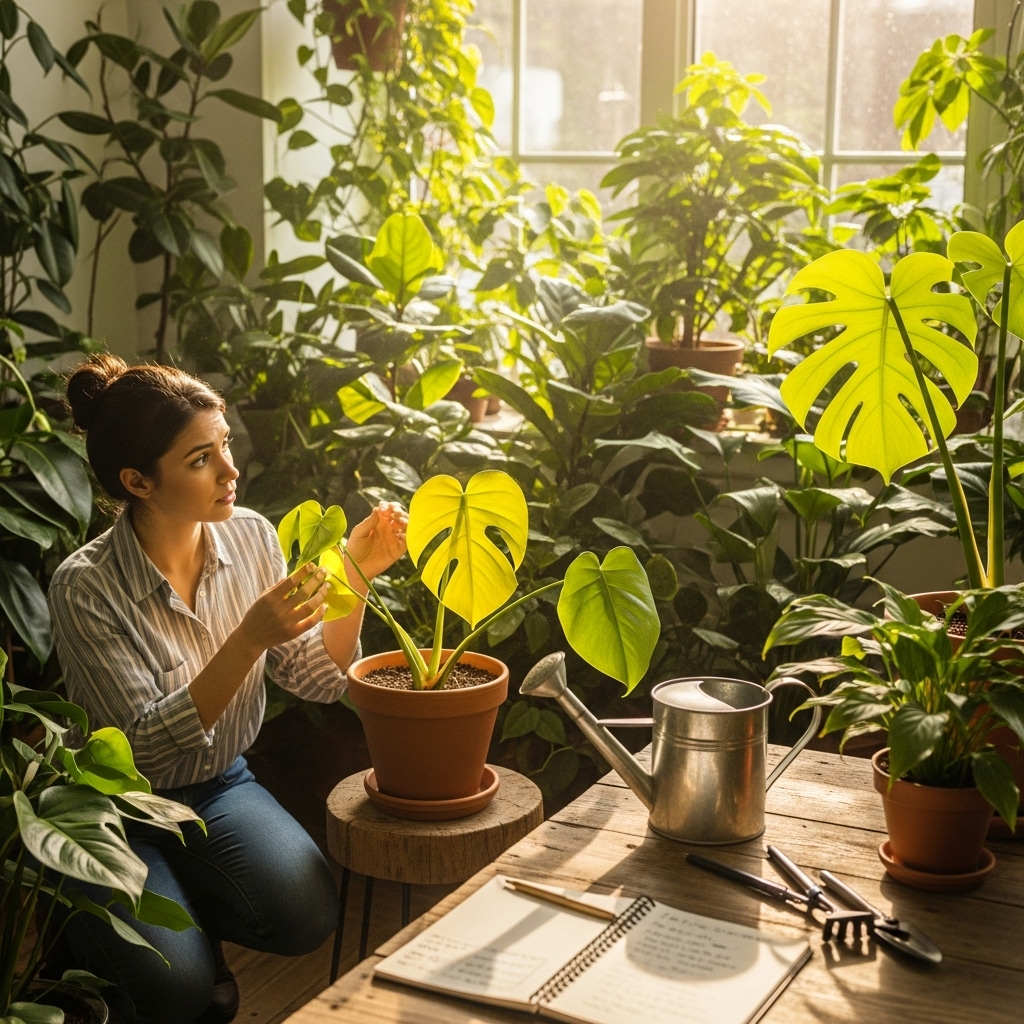
Importance of Leaf Color in Plant Health
Leaf color is not just about aesthetics; it plays a crucial role in a plant’s overall health. Green leaves indicate that a plant is healthy and thriving, as they contain chlorophyll—the pigment responsible for photosynthesis. I learned that when leaves start to yellow, it could hinder the plant’s ability to produce energy, leading to further decline if not addressed promptly. Keeping an eye on leaf color helps us catch potential problems early, allowing us to take necessary actions before it’s too late.
Common Causes of Yellowing Leaves
Nutrient Deficiencies
One of the first things I found to check when my plants started to yellow was their nutrient levels. Just like humans need a balanced diet, plants require various nutrients to thrive. Here are a few common deficiencies that can lead to yellowing leaves:
Nitrogen Deficiency
Nitrogen is a vital nutrient for plants, as it plays a significant role in producing chlorophyll. When my plants lack nitrogen, I noticed the older leaves turning a pale yellow while the newer leaves might remain green. If I suspect this is the issue, I usually opt for a balanced fertilizer that contains nitrogen to help revive my plants.
Iron Deficiency
Iron deficiency manifests as yellowing between the leaf veins, often affecting younger leaves first. I learned that this can happen in alkaline soils, which limit the availability of iron. To remedy this, I found that adding iron chelates or using fertilizers designed for leafy greens can make a significant difference.
Magnesium Deficiency
Magnesium is another critical nutrient for plants, and its deficiency typically appears as yellowing leaves with dark green veins. I’ve researched that this can happen in potted plants where the soil becomes compacted or in cases where the pH is too high. To fix this, I’ve tried magnesium sulfate (Epsom salt) mixed with water, which has worked wonders for my plants.
Watering Issues
Watering is a fundamental aspect of plant care, but it can also lead to yellowing leaves if not done correctly. I’ve had my fair share of overwatering and underwatering mishaps, and here’s what I learned about both:
Overwatering
Overwatering is a common mistake that many plant owners, myself included, make. When the roots sit in waterlogged soil, they cannot breathe, leading to root rot and ultimately yellowing leaves. I found that allowing the top inch of soil to dry out before watering again has helped keep my plants happy and healthy.
Underwatering
On the flip side, underwatering can also cause leaves to turn yellow, especially if the plant is wilting. I’ve noticed that during hot summer days, my plants tend to dry out quickly. To prevent this, I keep a consistent watering schedule and check the soil moisture regularly to ensure my plants receive the right amount of hydration.
Pests and Diseases
Sometimes yellowing leaves can indicate the presence of pests or diseases. I remember inspecting my plants closely when I noticed leaf discoloration, and here are some common culprits:
Common Pests (e.g., aphids, spider mites)
Aphids and spider mites are notorious for sucking the life out of plants. I’ve had spider mites invade my indoor plants, leading to yellowing leaves and webbing. Regularly checking for tiny pests and using insecticidal soap or neem oil has helped me keep them at bay.
Fungal Infections
Fungal infections can also lead to yellowing leaves, often accompanied by spots or wilting. I learned that ensuring good air circulation and not overwatering can help prevent these infections. If I notice any fungal signs, I use a fungicide to treat the problem promptly.
Environmental Stressors
Finally, environmental factors can significantly impact plant health. I’ve realized that things like temperature extremes, insufficient light, and soil pH can cause stress to plants, resulting in yellowing leaves.
Temperature Extremes
Plants are sensitive to temperature changes, and exposure to extreme heat or cold can shock them. I’ve found that keeping my plants in consistent temperatures, ideally between 65°F to 75°F, has helped them thrive.
Insufficient Light
Light is essential for photosynthesis, and if a plant isn’t getting enough, it can lead to yellowing leaves. I often reposition my plants to ensure they receive adequate light, especially during the shorter winter days. Read Interesting article: How to Trim a Basil Plant for More Leaves
Soil pH Imbalance
Soil pH affects nutrient availability. If the soil is too acidic or alkaline, it can lead to nutrient deficiencies, which I’ve learned can cause yellowing leaves. I test my soil pH with a kit and amend it as necessary to keep my plants healthy.
Diagnosing the Problem
Signs to Look For
When I first started noticing yellowing leaves on my plants, I realized that understanding the specific signs could help pinpoint the problem faster. Beyond just the color change, there are various symptoms to observe. For instance, if I see yellowing accompanied by wilting, it could suggest underwatering. If there are spots or a sticky residue, pests might be the issue. I’ve also learned to look for leaf drop or stunted growth, which can indicate a more serious underlying problem. Keeping a close eye on these signs has been crucial in figuring out what my plants need.
How to Assess Plant Health
Assessing plant health is like doing a little check-up. I’ve found that examining the roots, leaves, and overall structure can tell me a lot. I often gently remove a plant from its pot to check the roots. Healthy roots should be firm and white. If I notice brown, mushy roots, it’s a sign of overwatering. I also inspect the leaves closely for any discoloration or pests. Sometimes, just observing the plant’s growth pattern can reveal a lot; if it’s getting leggy or not producing new leaves, it might be time to rethink my care routine.
Testing Soil Nutrients
To truly understand what my plants need, I’ve found that testing the soil can be a game-changer. There are simple soil test kits available that measure pH and nutrient levels. I remember the first time I tested my soil; I was surprised to find that it was too acidic for my plants. Armed with this information, I could amend the soil to better suit their needs. I recommend doing a soil test at least once a year, especially if I notice any yellowing or other issues. Understanding the nutrient content helps me tailor my fertilization efforts to what my plants specifically require.
Fixes for Yellowing Leaves
Adjusting Watering Practices
Once I identify the watering issue, adjusting my practices is often the first step I take. It’s amazing how a little tweak in the watering routine can make such a difference. I’ve learned that consistency is key; having a set schedule can help maintain soil moisture at appropriate levels.
How to Properly Water Your Plants
When watering, I aim to water deeply but infrequently. I often use the “soak and dry” method. This means I thoroughly water the plant until it drains out of the bottom, then allow the soil to dry out before watering again. I’ve found that checking the top inch of soil helps me gauge when it’s time to water. If it feels dry, it’s time. This simple routine has helped keep my plants happy and vibrant.
Addressing Nutrient Deficiencies
After adjusting my watering, the next step I take is addressing any nutrient deficiencies. I’ve learned that the right fertilizer can work wonders for my plants.
Choosing the Right Fertilizer
Understanding which nutrients my plants are lacking has been vital. I typically opt for a balanced fertilizer that suits the type of plants I have. For instance, I’ve found that liquid fertilizers can provide a quick boost when I notice yellowing leaves. I also keep an eye on the N-P-K ratio (nitrogen, phosphorus, and potassium) on the fertilizer label to ensure it’s appropriate for my plants’ needs.
How to Amend Soil
Sometimes, simply adding fertilizer isn’t enough. I’ve learned that amending the soil can also play a crucial role in restoring my plants’ health. I often mix compost or well-rotted manure into the soil, which not only adds nutrients but also improves soil structure. This has helped with drainage and aeration, making it easier for the roots to absorb essential nutrients. I also consider using organic amendments like bone meal or blood meal, depending on my plants’ specific needs.
Managing Pests and Diseases
Once I’ve tackled the watering and nutrient issues, I turn my attention to pests and diseases. I’ve learned that acting quickly can make a huge difference in saving my plants.
Natural Pest Control Methods
For pest management, I often prefer natural methods. I’ve had success with homemade insecticidal soap, which I spray on affected leaves. I also introduce beneficial insects, like ladybugs, to my garden. They help control aphid populations and other pests. I’ve found that regular inspections can help catch these issues early, saving me a lot of trouble down the line.
When to Use Chemical Treatments
While I try to stick with natural methods, there are times when chemical treatments are necessary. If I see a significant infestation that natural remedies can’t handle, I make sure to choose a pesticide that targets the specific pest without harming the plant or beneficial insects. I follow the instructions carefully and always apply it in moderation.
Improving Environmental Conditions
Finally, enhancing the environmental conditions has been crucial in keeping my plants healthy and vibrant.
Optimizing Light Exposure
I’ve learned that ensuring my plants get the right amount of light can drastically improve their health. I often move my plants around, depending on the season. For instance, in winter, I place them closer to windows to soak up as much light as possible. I also use grow lights for my more light-hungry plants. This adjustment has made a remarkable difference in preventing yellowing leaves.
Maintaining Ideal Temperature
Temperature plays a significant role in plant health. I keep my indoor plants in stable conditions, away from drafts or direct heat sources. I’ve noticed that when the temperature fluctuates too much, my plants show signs of stress, including yellowing leaves. Maintaining a consistent temperature has helped me create a more favorable environment for my plants.
Preventative Measures for Healthy Plants
Regular Maintenance Tips
One of the best things I’ve learned in my plant care journey is that regular maintenance can prevent many issues, including yellowing leaves. I make it a point to dedicate a bit of time each week to check on my plants. This routine helps me stay on top of any potential problems before they escalate. I always start by inspecting the leaves for any signs of discoloration or spots. I also ensure that I’m turning my pots regularly to promote even growth from all sides. This simple act helps prevent plants from leaning towards the light and becoming leggy.
Another aspect of maintenance I prioritize is cleaning the leaves. Dust can accumulate on the leaves, blocking sunlight and hindering photosynthesis. I gently wipe the leaves with a damp cloth or give them a shower with lukewarm water every few weeks. This not only keeps them clean but also allows me to check for pests hiding on the undersides of the leaves. Regularly cleaning my plants has certainly contributed to their overall health and vigor.
Choosing the Right Plant for Your Environment
I’ve discovered that choosing the right plants for my specific environment is crucial. Some plants thrive in high humidity, while others prefer drier conditions. In my case, I’ve had better success with plants that suit my home’s natural light and humidity levels. For instance, I decided to go with snake plants and pothos, which are quite forgiving and adaptable. When I first started, I made the mistake of picking plants that needed a lot of sunlight, and I quickly learned that they struggled in my dimly lit apartment.
Additionally, understanding the temperature preferences of my plants has been a game changer. I’ve consciously added more tropical plants to my collection, knowing that my indoor environment mimics their natural habitat. It’s all about doing a little research beforehand and selecting plants that will thrive in our specific conditions. This way, I not only avoid issues like yellowing leaves but also create a more harmonious indoor garden.
Importance of Soil Quality
Soil quality is another factor I can’t overlook. I’ve learned that healthy soil supports healthy plants. Initially, I used generic potting soil, but I soon realized that not all soil is created equal. I now opt for high-quality potting mixes tailored to the specific needs of my plants. For example, cacti and succulents require a gritty mix that allows for excellent drainage, while my tropical plants thrive in a richer, moisture-retentive soil.
I also make it a point to refresh the soil on a regular basis, especially for potted plants. Over time, soil can become compacted or depleted of nutrients. I’ve found that repotting my plants every couple of years helps rejuvenate the soil and provides fresh nutrients, giving my plants a much-needed boost. Testing the soil and adding organic matter like compost has really enhanced the nutrient content and overall structure, allowing for better root growth and health.
When to Seek Professional Help
Identifying Severe Problems
Even with the best care and preventative measures, there are times when I’ve faced severe problems that required professional help. Knowing when to seek assistance has been crucial for me and my plants. If I notice that yellowing leaves are accompanied by rapid decline in growth or other alarming signs, such as significant leaf drop or a strong odor from the soil, I understand that it’s time to reach out for help.
In my experience, diagnosing issues like root rot or other serious infestations can be tricky. Sometimes, I’ve tried to solve the problem myself, only to find that the situation worsens. I’ve learned that it’s better to consult with a plant specialist or a local nursery when I’m uncertain about what’s going on, especially if the health of my plants is at stake. They can offer insights and solutions that I might not be aware of, and it’s always better to act quickly in these situations.
Consulting with a Plant Specialist
Consulting with a plant specialist has been a lifesaver for me a few times. I remember one occasion when my beloved fiddle leaf fig started dropping leaves and developing brown spots. After trying various treatments without success, I decided to visit a local plant shop that offered consultation services. The specialist quickly identified the issue as a fungal infection exacerbated by overwatering. With their guidance, I was able to implement a tailored treatment plan, and thankfully, my plant bounced back!
In my opinion, seeking professional advice can save both time and resources in the long run. Whether it’s for pest control, soil evaluation, or specific plant care tips, having that expertise at hand can be incredibly valuable. I now know that there’s no shame in asking for help when it comes to keeping my plants healthy and vibrant. It’s all part of the learning process, and I’m grateful for the knowledge I’ve gained along the way.
Frequently Asked Questions
What are the common causes of yellowing leaves in plants?
Common causes of yellowing leaves include nutrient deficiencies, watering issues, pests, and environmental stress.
How can nutrient deficiencies lead to yellowing leaves?
Nutrient deficiencies can cause yellowing leaves due to the lack of essential nutrients like nitrogen, iron, and magnesium, which are crucial for chlorophyll production and overall plant health.
What should I do if I suspect my plant has a nitrogen deficiency?
If you suspect a nitrogen deficiency, consider using a balanced fertilizer that contains nitrogen to help revive your plants.
What are the signs of overwatering in plants?
Signs of overwatering include yellowing leaves, root rot, and the presence of brown, mushy roots. It’s essential to allow the top inch of soil to dry out before watering again.
How can I prevent underwatering in my plants?
To prevent underwatering, maintain a consistent watering schedule and regularly check the soil moisture to ensure your plants receive adequate hydration.
What pests are commonly associated with yellowing leaves?
Common pests that can lead to yellowing leaves include aphids and spider mites, which suck the life out of plants and can cause discoloration and webbing.
How does environmental stress affect plant health?
Environmental stress from temperature extremes, insufficient light, and soil pH imbalances can cause yellowing leaves and overall decline in plant health.
What are some effective methods for managing pests?
Effective methods for managing pests include using homemade insecticidal soap, introducing beneficial insects like ladybugs, and regularly inspecting plants for early signs of infestation.
How can I improve the light exposure for my plants?
To improve light exposure, reposition your plants to ensure they receive adequate sunlight or use grow lights, especially during shorter winter days.
When should I seek professional help for my plants?
You should seek professional help if you notice rapid decline in growth, significant leaf drop, or a strong odor from the soil, as these may indicate severe problems that require expert diagnosis.