
Balsam fir trees are excellent for firewood due to their high heat output, pleasant aroma, and easy ignition. They burn steadily and produce minimal smoke and ash, making them ideal for home heating and fireplaces.
Balsam fir (Abies balsamea) is a coniferous tree native to North America. It thrives in cold climates, particularly in regions like Canada and the northern United States. This species is well-known for its distinctive fragrance and attractive appearance, often used as a Christmas tree. Beyond its ornamental value, balsam fir has practical benefits, especially when utilized as firewood.
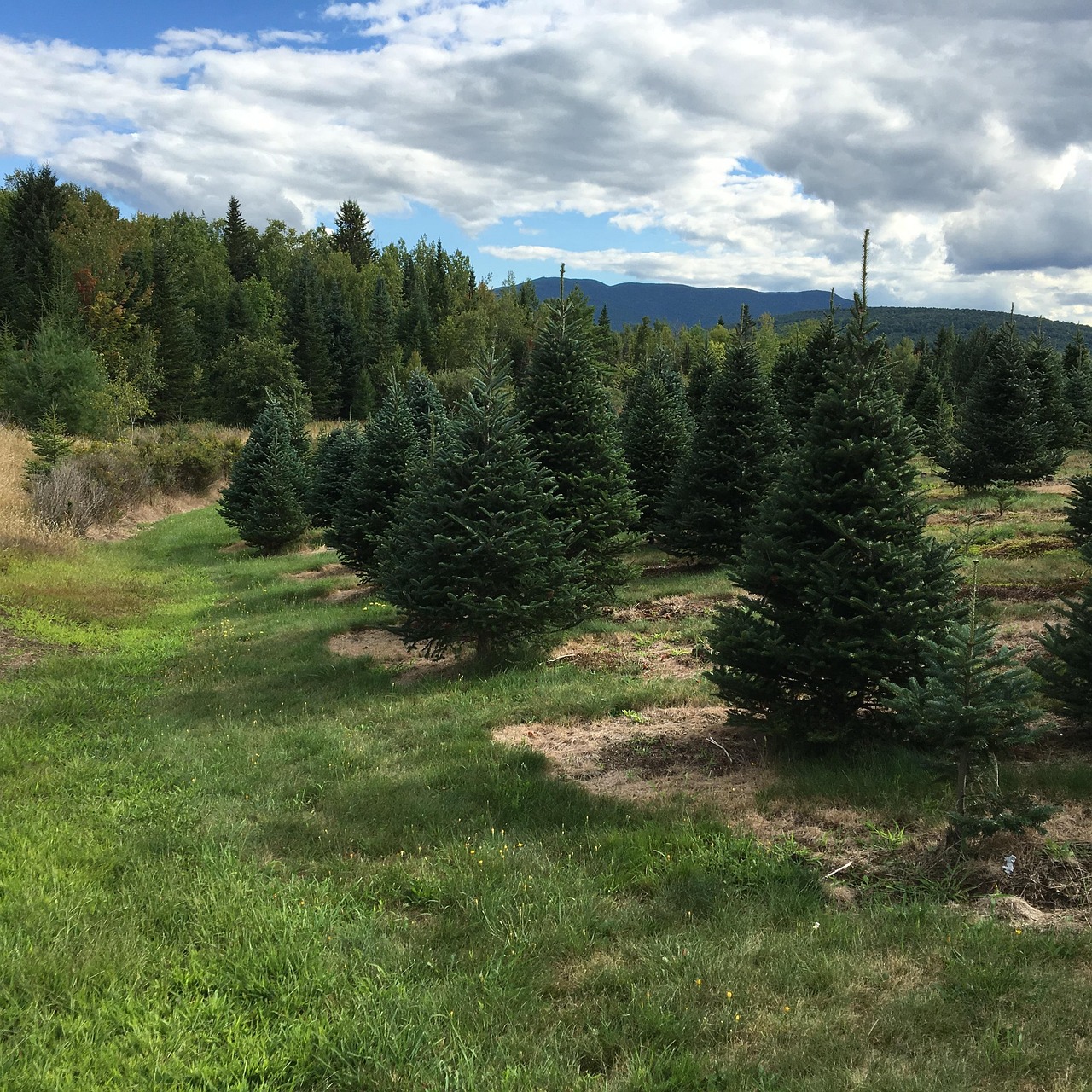
One of the most significant advantages of using balsam fir as firewood is its ability to produce a substantial amount of heat. This characteristic makes it a popular choice for homeowners looking to efficiently heat their spaces during the colder months. Unlike some hardwoods, balsam fir is relatively lightweight, allowing for easier handling and stacking.
Characteristics of Balsam Fir Firewood
Understanding the characteristics of balsam fir firewood can help you appreciate its benefits further. Here are some key features:
- Heat Output: Balsam fir has a good heat output, providing warmth effectively without excessive effort.
- Burning Properties: This type of wood ignites quickly, burns steadily, and produces a consistent flame.
- Aroma: The wood emits a pleasant, aromatic scent when burned, enhancing the ambiance of your home.
- Smoke Production: Balsam fir produces less smoke compared to some other species, making it suitable for indoor use.
- Creosote Buildup: Due to its lower resin content, balsam fir has less potential for creosote buildup in chimneys.
When comparing balsam fir to other types of firewood, it stands out in several ways. The following table highlights the differences between balsam fir and other common firewood types:

| Wood Type | Heat Output (BTU per cord) | Burn Time | Aroma | Smoke Production |
|---|---|---|---|---|
| Balsam Fir | 20 million BTU | Moderate | Pleasant | Low |
| Oak | 24 million BTU | Long | Earthy | Moderate |
| Pine | 18 million BTU | Short | Piney | High |
| Maple | 22 million BTU | Long | Slightly Sweet | Low |
The suitability of balsam fir as firewood also lies in its accessibility. This tree is widely available in many northern forests, making it an economical choice for those who rely on wood for heating. Many people enjoy cutting their own firewood, which can be a rewarding outdoor activity. However, it is essential to ensure that the wood is properly seasoned before use. Seasoning refers to the process of drying out freshly cut wood to reduce moisture content, which optimizes burning efficiency.
Seasoned balsam fir typically has a moisture content of less than 20%. This low moisture level allows the wood to ignite easily and burn hotter. If using unseasoned wood, be prepared for a less efficient burn and more smoke production. Properly seasoned balsam fir is an excellent choice for those who prioritize both heat output and indoor air quality.
In conclusion, the unique properties of balsam fir make it a valuable option for firewood. Its balanced combination of heat output, pleasant aroma, and low smoke production creates an enjoyable experience for users. Understanding these characteristics will help you make an informed decision when selecting firewood for your heating needs.
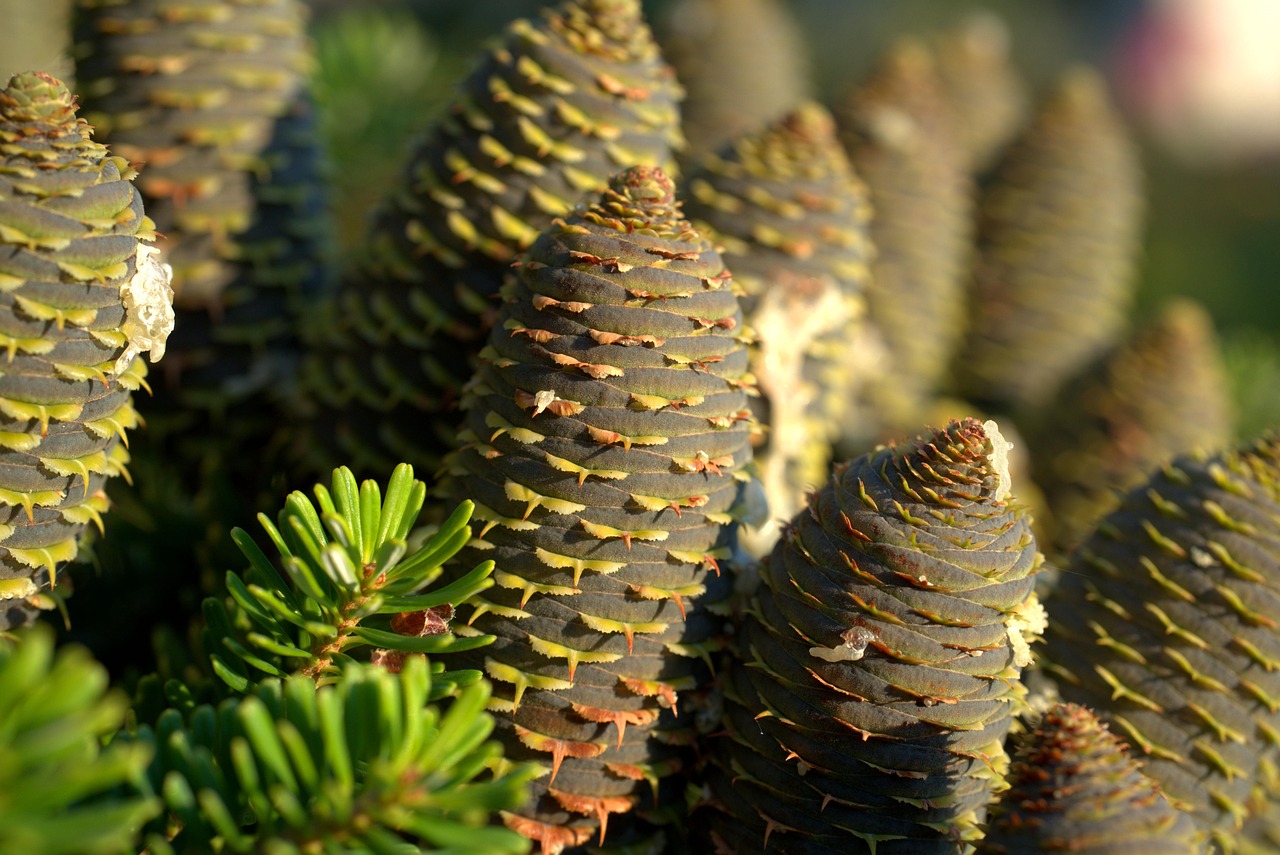
Benefits of Using Balsam Fir for Firewood
In addition to its excellent burning qualities, balsam fir offers several other benefits that make it a preferred choice for firewood. These advantages range from its availability to its ecological impact, making it a practical option for many households.
Availability and Sustainability
Balsam fir trees grow abundantly in the northern regions of North America. Their widespread presence means that sourcing this type of wood is often easier compared to more rare or endangered species. Moreover, responsible harvesting practices ensure that balsam fir can be used sustainably.
- Renewable Resource: Balsam fir is a renewable resource. As long as trees are managed properly, forests can regenerate, ensuring a continuous supply of firewood.
- Local Sourcing: Utilizing locally sourced balsam fir reduces transportation emissions and supports local economies.
- Forest Health: Removing some balsam fir trees can promote healthier forest ecosystems by allowing more sunlight to reach the forest floor, encouraging the growth of diverse plant species.
Environmental Impact
Using balsam fir as firewood has positive implications for the environment. When burned efficiently, this type of wood produces lower emissions than many fossil fuels. Here are some key points regarding its environmental benefits:

- Carbon Neutrality: Wood is considered a carbon-neutral energy source. The carbon dioxide released during combustion is roughly equal to the amount absorbed by the tree during its growth.
- Biodegradability: Balsam fir, like all wood, is biodegradable. This means that it will break down naturally over time, reducing waste in landfills.
- Reduced Pollution: Compared to burning oil or gas, using wood produces fewer pollutants, contributing to improved air quality.
Proper Seasoning Techniques for Balsam Fir
To maximize the benefits of balsam fir firewood, proper seasoning techniques are crucial. Seasoning not only enhances the burning properties but also ensures safety during use. Below are some effective methods and tips for seasoning balsam fir:
Cutting and Stacking
The way you cut and stack your firewood significantly impacts the seasoning process. Follow these guidelines for optimal results:
- Cut Wood to Length: Cut the wood into manageable lengths, typically 16 to 18 inches, to facilitate drying.
- Stack in a Dry Location: Choose a sunny, well-ventilated area to stack your wood. Avoid placing it directly on the ground; instead, use pallets or logs to elevate it.
- Leave Space Between Pieces: Ensure there is space between the logs to allow air circulation. This is essential for effective drying.
Monitoring Moisture Content
To determine if your balsam fir firewood is adequately seasoned, monitoring the moisture content is vital. Here are some methods you can use:
- Moisture Meter: A moisture meter is a handy tool that provides an accurate reading of moisture levels in wood.
- Visual Inspection: Look for cracks and splits in the ends of the logs, which indicate that the wood is drying out. Additionally, seasoned wood often has a lighter weight.
- Sound Test: Tapping two pieces of seasoned wood together produces a sharp sound, while unseasoned wood has a dull thud.
Using Balsam Fir Firewood Safely
Safety should always be a priority when using firewood, including balsam fir. Proper usage ensures not only efficiency but also reduces hazards associated with burning wood. Here are essential safety tips:
- Use in Approved Appliances: Always burn balsam fir in certified stoves or fireplaces designed for wood burning to minimize risks.
- Avoid Burning Treated Wood: Never burn treated or painted wood, as it can release harmful chemicals into the air.
- Maintain Chimneys: Regularly inspect and clean your chimney to prevent creosote buildup, which can cause chimney fires.
Taking these precautions and understanding the benefits of balsam fir firewood can enhance your experience while ensuring safety and environmental responsibility.
Comparing Balsam Fir with Other Firewood Options
When considering firewood options, it’s essential to understand how balsam fir stacks up against other popular choices. Each type of firewood comes with its own set of characteristics, making it suitable for different needs and preferences. Below, we will compare balsam fir with several other common firewood types.
Hardwoods vs. Softwoods
Firewood is generally classified into two categories: hardwoods and softwoods. Balsam fir falls into the softwood category. Here’s a breakdown of the differences:
| Characteristic | Hardwoods | Softwoods |
|---|---|---|
| Density | Generally denser and heavier | Lighter and less dense |
| Heat Output | Higher heat output per cord | Good heat output, but generally lower than hardwoods |
| Burn Time | Burns longer with less frequent refueling | Burns faster and requires more frequent refueling |
| Aroma | Diverse aromas depending on species | Pleasant, often resinous aroma, especially when fresh |
Balsam fir offers a balance of heat output and burn time, making it an attractive option for those who prefer a wood that ignites quickly and burns steadily without prolonged refueling.
Popular Alternatives to Balsam Fir
While balsam fir is an excellent choice, other woods are also popular for firewood. Here are some alternatives and their key features:
- Oak: Known for its high heat output and long burn time, oak is one of the most sought-after hardwoods. It does take longer to season compared to balsam fir.
- Pine: This softwood ignites easily and burns quickly. However, it produces more smoke and creosote, which can lead to chimney issues over time.
- Maple: Maple wood provides a good heat output and burns more slowly than balsam fir. It also has a pleasant aroma but may require more effort to split.
- Hickory: Renowned for its high heat output and unique flavor when used for cooking, hickory can be challenging to split but is highly valued among firewood enthusiasts.
The Economic Aspects of Using Balsam Fir Firewood
The economic benefits of using balsam fir as firewood extend beyond its initial purchase price. Here are several factors to consider:
Cost-Effectiveness
Balsam fir is typically less expensive than many hardwoods. The cost-effectiveness of using balsam fir for firewood can be attributed to its availability and ease of harvesting. Here are some financial aspects to consider:
- Lower Purchase Price: Due to its abundance, balsam fir is often available at a lower price compared to rare hardwood species.
- Reduced Heating Costs: Using balsam fir for heating can result in lower overall energy costs during the winter months.
- DIY Opportunities: Many homeowners enjoy cutting their own firewood, further reducing costs associated with purchasing from suppliers.
Long-term Investment in Home Heating
Investing in a good supply of balsam fir firewood can lead to significant savings over time. Here are some long-term benefits:
- Energy Independence: Using your own firewood reduces reliance on fossil fuels or electricity, providing a more sustainable heating solution.
- Increased Home Value: A well-maintained fireplace or wood stove can enhance your home’s value, appealing to potential buyers looking for energy-efficient heating options.
- Improved Comfort: Having a reliable source of firewood ensures warmth during winter months, contributing to overall home comfort.
Cultural Significance of Balsam Fir Firewood
Balsam fir not only serves practical purposes but also holds cultural significance in various communities. This tree has been an integral part of traditions, especially in regions where it is abundant.
Traditional Uses
Balsam fir has been traditionally used in various ways across cultures:
- Ceremonial Uses: In some Indigenous cultures, the balsam fir is used in rituals and ceremonies due to its aromatic properties.
- Crafting Materials: The wood and branches are often used in crafting items such as wreaths, decorations, and other artisanal products.
- Cuisine: The wood’s unique aroma adds flavor to smoked foods, making it a favorite among chefs and home cooks alike.
The cultural aspects of balsam fir underscore its importance beyond just being a source of firewood, connecting communities through shared practices and traditions.
Environmental and Ecological Benefits of Balsam Fir
Balsam fir trees play a significant role in their ecosystems, contributing to environmental health in various ways. Understanding these ecological benefits adds another layer to the importance of using balsam fir as firewood.
Habitat for Wildlife
Balsam fir forests provide critical habitats for numerous species. The dense foliage and structure of these trees create shelter and nesting sites for birds, mammals, and insects. Here are some examples:
- Birds: Many bird species, such as chickadees and crossbills, rely on balsam fir for nesting and foraging.
- Mammals: Larger mammals like deer and moose often find refuge in balsam fir forests, especially during harsh winter conditions.
- Insects: The tree’s bark and needles host various insects that contribute to the local food web.
Soil Health and Erosion Control
The root systems of balsam fir trees help stabilize the soil, preventing erosion and promoting soil health. Their fallen needles decompose, enriching the forest floor with organic matter. This process supports the growth of other plants and contributes to a rich biodiversity. Key benefits include:
- Soil Fertility: The decomposition of balsam fir needles adds essential nutrients back into the soil.
- Erosion Prevention: The extensive root systems help anchor soil in place, reducing the risk of landslides and runoff.
- Water Retention: Healthy forests contribute to better water retention in the soil, supporting local water tables.
Considerations for Balsam Fir Firewood Users
While balsam fir has many advantages, there are also considerations to keep in mind when using it as firewood. Being aware of these factors can enhance your experience and ensure responsible usage.
Potential Downsides
Balsam fir, like any firewood type, has its limitations. Here are some points to consider:
- Shorter Burn Time: Compared to hardwoods, balsam fir tends to burn faster, requiring more frequent log additions to maintain heat.
- Sparking: Balsam fir can produce sparks while burning, which may pose a risk if used in open fireplaces without a screen.
- Moisture Sensitivity: Being a softwood, it can be more susceptible to moisture absorption, so proper storage is essential to maintain its quality.
Best Practices for Storage
To maximize the benefits of balsam fir firewood, proper storage methods are crucial. Here are some best practices:
- Store in a Dry Place: Keep your firewood covered and off the ground to protect it from rain and snow.
- Avoid Stacking Against Walls: Ensure good airflow around the stacked wood to prevent moisture buildup.
- Use a Firewood Rack: Consider using a firewood rack to elevate the wood and facilitate airflow.
Conclusion
Balsam fir trees stand out as an excellent choice for firewood due to their favorable burning properties, environmental benefits, and cultural significance. Their ability to provide high heat output, pleasant aroma, and low smoke production makes them ideal for home heating. Moreover, their role within ecosystems underscores their importance beyond just being a source of firewood. By understanding their unique characteristics and considering best practices for seasoning and storage, users can maximize the benefits of balsam fir while ensuring environmental sustainability.
In an era where energy efficiency and environmental responsibility are increasingly critical, opting for balsam fir firewood provides both practical advantages and contributes positively to local ecosystems. Whether you are heating your home or enjoying a cozy fire with family and friends, balsam fir is a dependable choice that connects people with nature and tradition.