
Balsam fir trees naturally repel mice due to their aromatic properties. The scent emitted by the tree contains compounds that are unappealing to these rodents, making them less likely to inhabit areas where balsam firs are present.
Understanding Balsam Fir Trees
Balsam fir trees, scientifically known as Abies balsamea, are coniferous evergreens native to North America. They thrive in cold, northern climates and are commonly found in regions such as Canada and the northeastern United States. These trees can grow up to 60 feet tall and are characterized by their dense foliage and conical shape.
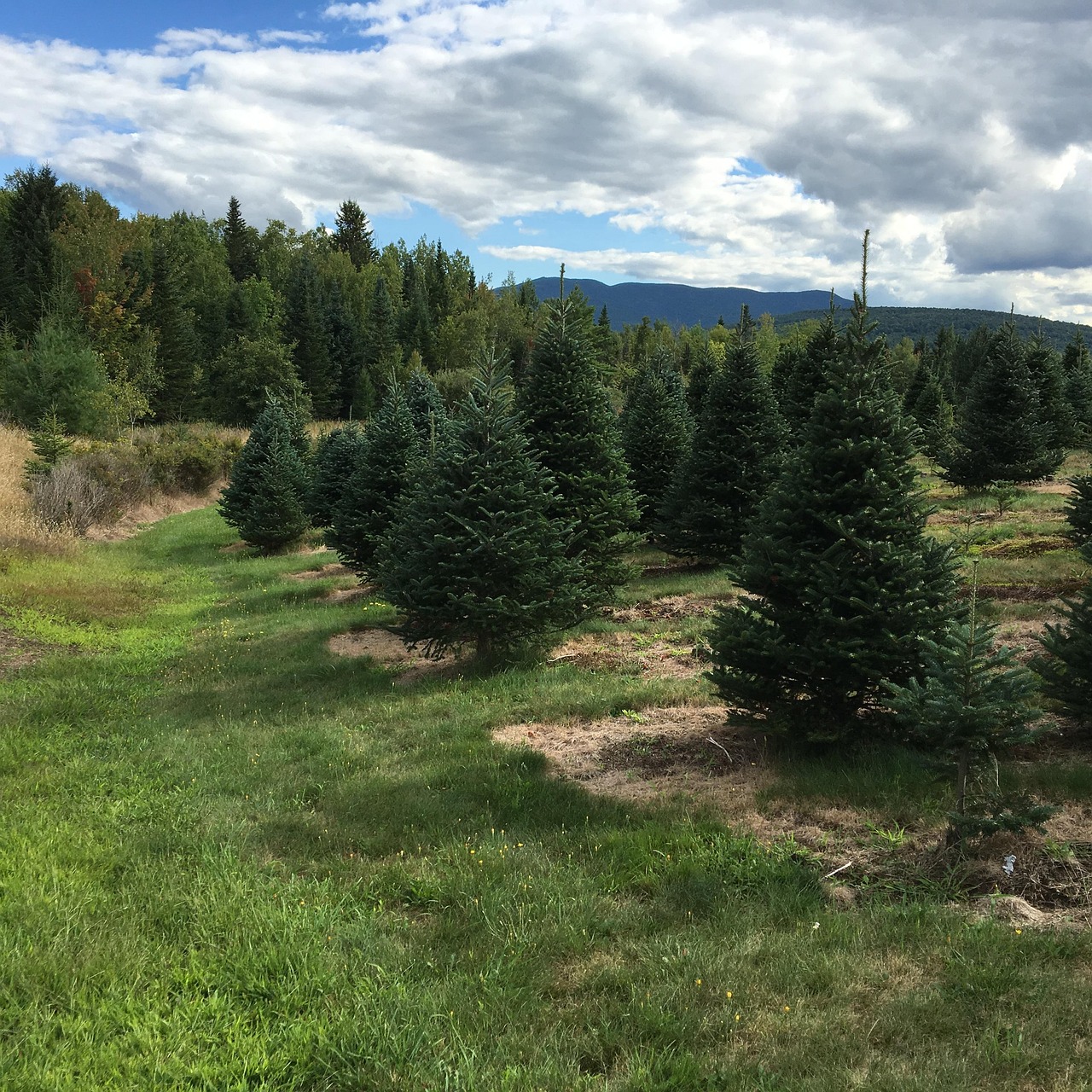
The balsam fir is particularly well known for its fragrant aroma, especially when its needles are crushed. This scent is a significant aspect of its appeal, both to humans and wildlife. However, it also serves a practical purpose in nature. The strong smell acts as a natural deterrent for various pests, including mice.
The Aromatic Properties of Balsam Fir
The distinct scent of balsam fir is due to the presence of essential oils and terpenes, which are organic compounds found in many plants. These substances not only contribute to the tree’s pleasant fragrance but also play a crucial role in its defense mechanism against herbivores and pests.
Studies suggest that the aroma from balsam fir trees can interfere with the sensory perception of mice. Mice heavily rely on their sense of smell for navigation and locating food sources. The overpowering scent of balsam fir can confuse them, making it difficult for them to find their way or identify food within the vicinity.

Why Mice Avoid Balsam Fir Trees
Mice tend to avoid areas with strong odors that they associate with danger or an unwelcoming environment. The compounds found in balsam fir can signal to mice that they should steer clear of these trees. This natural repellent effect can be attributed to several factors:
- Odor Masking: The strong scent masks other scents that might attract mice, such as food aromas.
- Natural Deterrents: Certain compounds in balsam fir can mimic the scents of predators or other threats.
- Unpleasant Experience: Mice may have had negative experiences associated with the odor, associating it with danger.
Comparison with Other Trees
While many trees provide some level of deterrence against pests, balsam fir stands out for its effectiveness. The following table highlights how balsam fir compares to other common tree species in terms of their pest-repelling qualities:
| Tree Species | Effectiveness Against Mice | Key Compounds |
|---|---|---|
| Balsam Fir | High | Terpenes, Essential Oils |
| Pine Trees | Moderate | Pinene, Limonene |
| Cedar Trees | Low | Cedrol, Thujaplicins |
The table illustrates that while other trees like pine and cedar may offer some level of protection against mice, balsam fir is particularly effective due to its unique combination of aromatic compounds. This makes balsam fir an excellent choice for landscaping or natural pest control in residential areas.
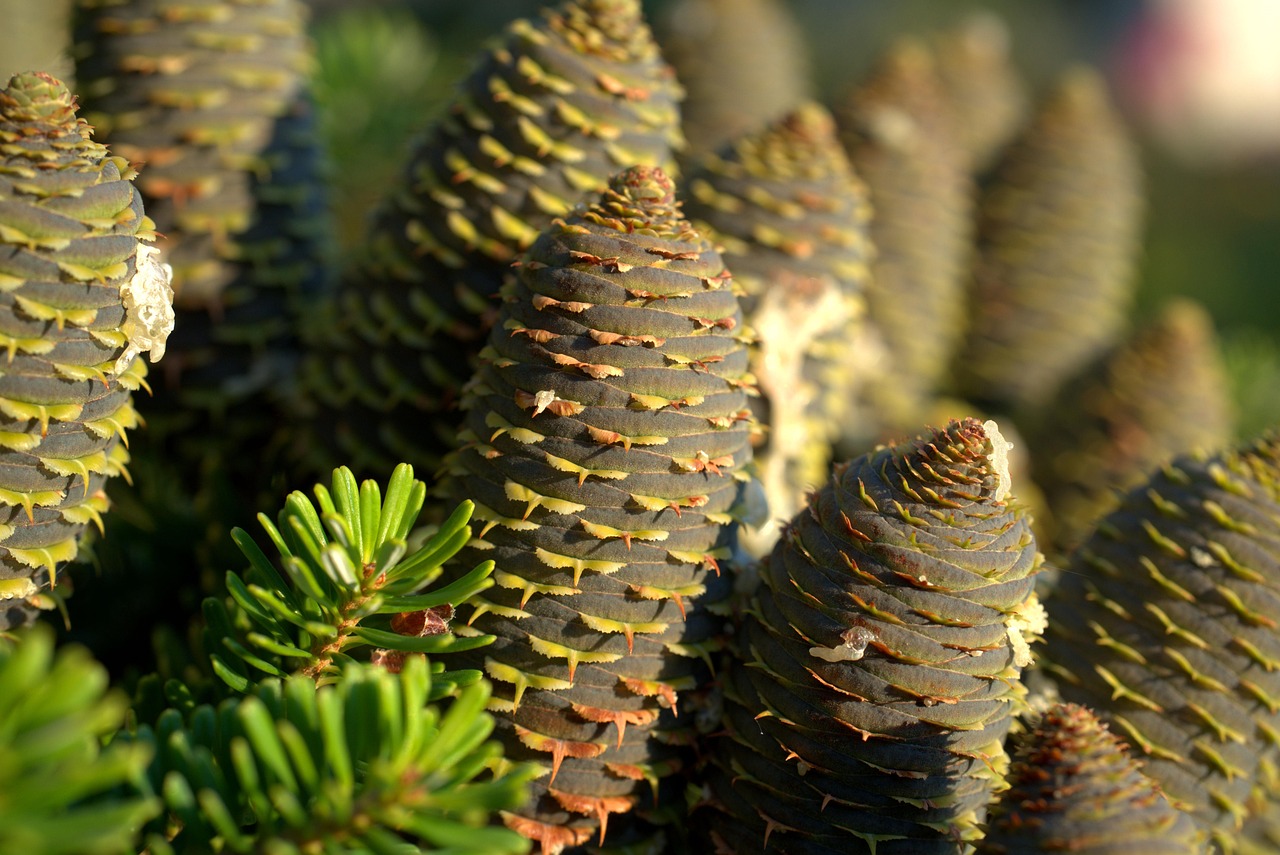
In addition to repelling mice, balsam fir trees are also valued for their aesthetic appeal and environmental benefits. They provide habitat for various wildlife species and contribute to the overall biodiversity of their ecosystems. Their evergreen nature means they maintain their foliage year-round, offering beauty in all seasons.
Understanding the natural repellent qualities of balsam fir trees can be beneficial not only for homeowners but also for gardeners and landscapers looking for eco-friendly pest control solutions. By incorporating these trees into landscapes, it is possible to create a less inviting environment for mice and other rodents.
The Role of Essential Oils in Pest Repulsion
Essential oils play a pivotal role in the natural repellent properties of balsam fir trees. These oils are concentrated liquids extracted from different parts of the tree, including needles, bark, and wood. They contain various chemical compounds that contribute to the tree’s distinctive scent and its ability to deter pests.

Among the essential oils found in balsam fir, some of the most prominent include:
- Alpha-Pinene: Known for its refreshing pine aroma, alpha-pinene is effective at masking other odors that might attract mice.
- Beta-Pinene: Similar to alpha-pinene, beta-pinene contributes to the overall fragrance and helps create an environment that is less appealing to rodents.
- Camphene: This compound has a strong odor that can repel various pests, including insects and rodents.
These essential oils not only serve as a natural deterrent but also have antimicrobial properties, which can help protect the tree from disease. The combination of pleasant fragrance and pest-repelling qualities makes balsam fir trees particularly valuable in landscaping.
How Balsam Fir Trees Improve Garden Health
Incorporating balsam fir trees into gardens and landscapes does more than just repel mice. These trees can significantly enhance the overall health of the garden ecosystem. Here are several benefits:
- Soil Improvement: The needles of balsam fir trees drop and decompose, enriching the soil with nutrients.
- Pest Control: The presence of balsam fir can deter not only mice but also other pests, reducing the need for chemical pesticides.
- Microclimate Creation: Balsam firs provide shade and windbreaks, creating a favorable microclimate for other plants.
By fostering a healthy environment, balsam firs contribute to the growth of diverse plant species and attract beneficial insects like pollinators. This biodiversity is crucial for a robust and resilient garden ecosystem.
Planting and Care Tips for Balsam Fir Trees
If you are considering adding balsam fir trees to your landscape, proper planting and care are essential for their success. Here are some tips to ensure healthy growth:
- Select the Right Location: Choose a spot with well-draining soil and full sunlight to partial shade.
- Spacing: Space trees at least 10-15 feet apart to allow for adequate airflow and growth.
- Watering: Water young balsam firs regularly during dry periods, especially in the first few years after planting.
- Mulching: Apply mulch around the base to retain moisture and suppress weeds.
- Pruning: Prune dead or damaged branches annually to promote healthy growth.
By following these guidelines, you can help ensure that your balsam fir trees thrive and continue to provide their many benefits, including the natural repulsion of mice.
The Ecological Importance of Balsam Fir Trees
Balsam fir trees play a significant role in their native ecosystems. Beyond their impact on pest control, these trees provide essential habitat and resources for various wildlife species. They serve as nesting sites for birds and offer food sources for small mammals.
The ecological importance of balsam fir can be summarized as follows:
- Wildlife Habitat: Balsam fir forests support diverse species, including birds, squirrels, and various insects.
- Climate Regulation: As evergreen trees, balsam firs contribute to carbon sequestration, helping mitigate climate change.
- Aesthetic Value: These trees enhance the beauty of landscapes with their lush greenery and conical shape.
The holistic benefits of incorporating balsam fir trees into landscapes extend beyond pest management. Their ecological contributions make them a valuable addition to any gardening or landscaping project.
Cultural Significance of Balsam Fir
Balsam fir trees have also held cultural significance among various communities. Indigenous peoples have utilized these trees for generations due to their medicinal properties and practical applications. The aromatic resin extracted from balsam fir has been used in traditional medicine for respiratory issues, while its wood is valued for crafting and construction.
Moreover, balsam fir is commonly associated with the holiday season. Many families use balsam fir trees as Christmas trees due to their appealing shape and fragrance. This tradition highlights their importance not only in ecology but also in human culture.
This multifaceted significance further emphasizes the value of balsam fir trees in both natural ecosystems and human environments. Their ability to repel pests like mice is just one aspect of their broad contributions.
Other Benefits of Balsam Fir Trees
Beyond their impressive ability to repel mice and their cultural significance, balsam fir trees offer a variety of additional benefits that make them valuable in different settings. From environmental contributions to practical uses, these trees play a vital role in both natural and human-made ecosystems.
Environmental Benefits
Balsam fir trees contribute significantly to the environment in various ways, including:
- Air Quality Improvement: Like all trees, balsam firs help improve air quality by absorbing carbon dioxide and releasing oxygen. This process is essential for maintaining a healthy atmosphere.
- Soil Stabilization: The root systems of balsam firs help prevent soil erosion by anchoring the soil in place. This is especially important in hilly or sloped areas.
- Water Regulation: These trees play a role in the water cycle by capturing rainfall and allowing it to slowly seep into the ground, which replenishes groundwater supplies.
The environmental benefits of balsam fir trees highlight their importance in promoting ecological balance and sustainability. Their presence can enhance the overall health of the ecosystems they inhabit.
Economic Contributions
Balsam fir trees also offer economic benefits, particularly in regions where they are cultivated. The following points illustrate their economic significance:
- Timber Production: Balsam fir wood is valued for its quality and is used in various applications, including construction, furniture-making, and crafts.
- Christmas Tree Industry: Many farms specifically cultivate balsam firs for the holiday season. The demand for these trees contributes to local economies during the festive season.
- Aromatherapy and Essential Oils: The essential oils extracted from balsam fir are used in aromatherapy and personal care products, adding another layer of economic value.
The economic contributions of balsam fir trees can support local communities and promote sustainable practices in forestry and agriculture.
Pest Management Beyond Mice
The repellent properties of balsam fir trees extend beyond merely keeping mice at bay. Their natural compounds can deter a range of other pests as well. Here are some examples:
- Insects: The strong aroma can repel various insects, including mosquitoes and ants, making balsam fir an effective option in gardens.
- Deer: The scent can be unappealing to deer, which often browse on young plants and trees. This quality can protect garden beds and young saplings.
- Other Rodents: Similar to mice, other rodents may also avoid areas with dense balsam fir foliage due to the strong scent.
This broader pest management capability makes balsam fir trees an excellent choice for those seeking natural solutions for protecting their gardens and landscapes.
Landscaping Ideas with Balsam Fir Trees
Balsam fir trees can be creatively integrated into various landscaping designs, enhancing both aesthetics and functionality. Here are some ideas for incorporating these trees into your landscape:
- Windbreaks: Plant rows of balsam firs to create windbreaks that protect homes and gardens from harsh winds.
- Privacy Screens: Use balsam firs as natural privacy screens. Their dense foliage can block views from neighboring properties.
- Mixed Woodland Gardens: Combine balsam fir with other native plants to create a diverse woodland garden that supports local wildlife.
- Seasonal Displays: Incorporate balsam firs into seasonal displays, especially during winter holidays when their fragrance and shape are particularly appealing.
By employing these landscaping ideas, homeowners can maximize the benefits of balsam fir trees while creating beautiful outdoor spaces.
Caring for Balsam Fir Trees in Urban Environments
Caring for balsam fir trees in urban environments can present unique challenges. However, with proper attention, these trees can thrive even in cities. Here are some tips for urban care:
- Soil Quality: Ensure good soil quality by testing for drainage and nutrient levels. Consider amending the soil as needed.
- Pest Monitoring: Regularly inspect for pests or diseases, as urban trees may be more susceptible due to stress factors.
- Irrigation Needs: In urban areas where soil may dry out quickly, establish a consistent irrigation routine during dry spells.
With attention to these factors, balsam fir trees can not only survive but also thrive in urban landscapes, providing their many benefits even in a city setting.
Potential Challenges with Balsam Fir Trees
While balsam fir trees provide numerous benefits, they can also present certain challenges, especially when planted in inappropriate conditions or without proper care. Understanding these challenges can help ensure the successful growth of balsam firs in various settings.
- Susceptibility to Pests: Although balsam firs are naturally pest-repellent, they can still be vulnerable to specific pests such as bark beetles and aphids under certain conditions. Regular monitoring is essential to catch infestations early.
- Disease Issues: Fungal diseases like root rot can affect balsam firs, particularly in poorly drained soils. Ensuring good drainage and avoiding overwatering can mitigate this risk.
- Environmental Stress: Urban environments may expose balsam fir trees to stress factors such as air pollution, soil compaction, and limited space for root growth. Careful selection of planting sites is crucial.
Addressing these challenges proactively can help maintain the health and beauty of balsam fir trees in any environment. Proper planning, care, and attention to their specific needs will lead to flourishing trees that continue to offer their myriad benefits.
Landscaping Alternatives for Pest Control
For those who may not be able to plant balsam fir trees, there are several alternative landscaping options that can also help deter mice and other pests. Here are some effective alternatives:
- Lavender: The strong scent of lavender can repel not only mice but also other common garden pests.
- Pennyroyal: This herb emits a minty aroma that is unpleasant to mice and can be grown easily in gardens.
- Mint Varieties: Various types of mint, such as spearmint and peppermint, are known for their strong fragrances that deter rodents.
- Citrus Plants: Citrus-scented plants, including lemon balm and citronella, can also repel mice and other pests.
Integrating these plants into your garden design can complement the benefits of balsam fir trees or serve as effective standalone solutions for pest control.
Conclusion
Balsam fir trees hold a unique position in both nature and human culture. Their ability to naturally repel mice and other pests makes them an invaluable addition to gardens and landscapes. Beyond pest control, they provide significant environmental benefits, enhance biodiversity, and contribute economically through timber and seasonal markets.
Their aromatic properties not only deter unwanted rodents but also enrich the atmosphere with their pleasant scent. Whether planted in urban settings or rural landscapes, balsam firs can thrive with the right care and attention. Additionally, understanding the potential challenges associated with these trees allows homeowners and landscapers to take proactive steps to ensure their health and longevity.
Incorporating balsam fir trees into your landscaping not only beautifies the space but also promotes a healthier ecosystem. For those unable to plant balsam firs, various alternative plants can offer similar pest-repelling qualities. Ultimately, the integration of these natural solutions fosters a more sustainable approach to gardening and landscaping.
By choosing to plant balsam fir trees or other pest-repelling plants, you not only contribute to your own living environment but also support broader ecological health. The multifaceted benefits of balsam fir trees make them a wise choice for anyone looking to enhance their outdoor spaces while naturally managing pests like mice.