
Observing plant growth matters because it helps us understand how plants develop, thrive, and respond to their environment. This knowledge is crucial for education, environmental awareness, and improving agricultural practices. If you’re curious about identifying different plants, check out What Is This Plant? Easy Ways to Identify Any Plant.
Understanding Plant Growth
What is Plant Growth?
Plant growth refers to the processes by which plants increase in size and mass over time. This process involves a combination of cell division, elongation, and differentiation. I remember my first encounter with plant growth in elementary school when we planted seeds in cups and watched them sprout. It was fascinating to see how tiny seeds transformed into green shoots, and I was hooked on gardening ever since.
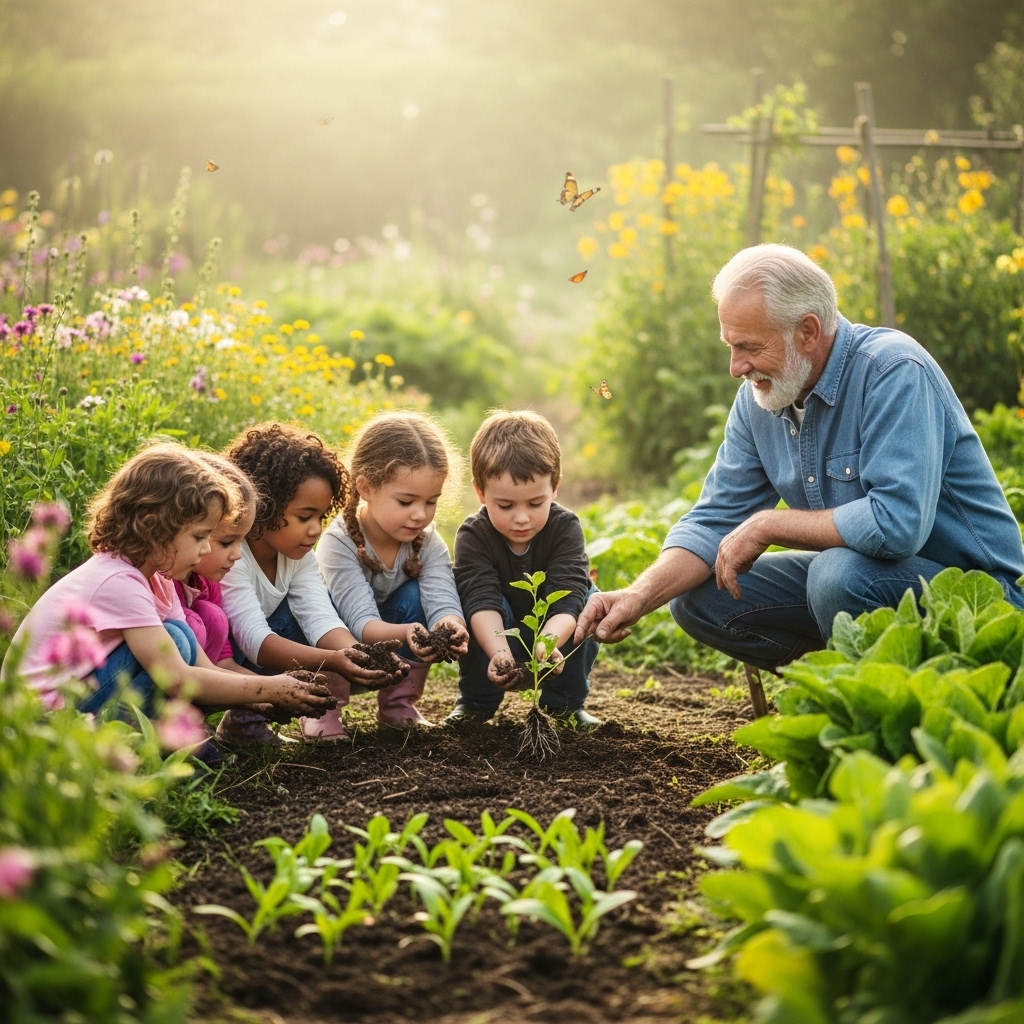
Growth in plants is generally measured by height, biomass, and leaf area. These measurements can give us insights into how well a plant is doing, which can be influenced by many factors. It’s a dynamic journey filled with stages that we can observe and learn from. For me, observing plant growth has become a rewarding experience that connects me with nature, science, and even my own well-being.
Factors Influencing Plant Growth
Several key factors influence how plants grow. I’ve found that understanding these factors can make all the difference in nurturing a healthy garden or understanding nature’s complexities. Here are some of the most significant ones:
- Light: Plants need light for photosynthesis, which is the process that allows them to convert sunlight into energy. The amount and quality of light can affect growth rates and plant health. I’ve noticed that plants in bright sunlight often grow faster than those in shade.
- Water: Water is vital for plants, helping transport nutrients and maintain cellular structure. Too little or too much water can lead to stress or rot. In my own garden, I learned the hard way that overwatering can be just as detrimental as underwatering.
- Soil Quality: The nutrients present in the soil play a crucial role. Healthy soil is rich in organic matter and supports beneficial microorganisms. I’ve experimented with different types of soil and fertilizers, and I’ve seen how it impacts my plants’ growth. If you’re interested in enhancing your gardening techniques, consider reading Pinching Annuals Guide: Get Bushier Plants and More Blooms.
- Temperature: Each plant species has an optimal temperature range for growth. Extreme temperatures can hinder growth or damage plants. I remember a particularly hot summer when my tomato plants struggled despite my best efforts.
- Humidity: Many plants thrive in specific humidity levels. I’ve noticed that adding a humidifier can help indoor plants flourish, especially during dry winter months.
Stages of Plant Growth
Plant growth can be broken down into several distinct stages, each critical to the overall development of the plant. Observing these stages has been a rewarding aspect of my gardening journey:
- Germination: This is the stage where seeds sprout, typically triggered by moisture and warmth. Watching a seed break open and a tiny root emerge is magical. I’ve planted many seeds and have loved checking daily for signs of life.
- Seedling: After germination, seedlings develop leaves and begin to photosynthesize. At this stage, I’ve learned that they need protection from pests and harsh conditions. It’s a delicate time that requires care.
- Vegetative: In this stage, plants focus on growing stems and leaves. I often find myself amazed at how quickly my plants can grow during this phase, especially with the right light and nutrients.
- Flowering: As plants mature, they often enter a flowering stage where they produce blooms. This is not only beautiful, but it’s also crucial for reproduction. I’ve taken countless photos of my flowers in full bloom, relishing in their beauty.
- Fruiting: Finally, many plants will produce fruits or seeds. This is the culmination of their growth journey, and it can be incredibly satisfying to harvest what I’ve nurtured. The taste of homegrown produce is unbeatable!
Understanding these stages makes it easier for us to provide the right care and support for our plants. Whether you’re a seasoned gardener or just starting, knowing what to expect can help you feel more connected to the natural world. I’ve learned that every seed has a story, and witnessing that story unfold is one of life’s simple pleasures.
The Importance of Observing Plant Growth
Educational Benefits
Observing plant growth offers tremendous educational benefits, not just for students but for anyone curious about nature. I’ve found that when we engage with plants, it sparks our imagination and deepens our understanding of biological concepts. For instance, I remember my science classes where we learned about photosynthesis by directly observing plants in action. It was so much easier to grasp the concept when I could see the leaves turning toward the light and growing during the day.
Moreover, it enhances critical thinking skills. I often ask myself questions like, “Why is this plant wilting?” or “What can I do to help it thrive?” This kind of inquiry promotes problem-solving skills and encourages us to seek answers through research or experimentation. Whether you’re a student in a classroom or an adult exploring a garden, the lessons learned from observing plant growth are invaluable.
Environmental Awareness
When we closely observe plant growth, we naturally become more attuned to our environment. I’ve noticed that the more I watch my plants, the more I start to consider the broader ecosystem around me. It’s easy to overlook how plants interact with their surroundings, but they play a crucial role in maintaining ecological balance. For example, I’ve learned about the importance of native plants in supporting local wildlife and pollinators.
This awareness often translates into action. I’ve become more involved in local conservation efforts, like participating in community tree planting events or advocating for sustainable gardening practices. By understanding the significance of plants in our world, we can make informed decisions that positively impact our environment. It’s a powerful realization that observing growth isn’t just about the plants themselves; it’s about the entire ecosystem they are part of.
Scientific Research and Discoveries
Observing plant growth also contributes significantly to scientific research. I’ve come across fascinating studies that explore everything from genetic modifications to new agricultural techniques. Researchers often rely on observations of plant growth to gather data, test hypotheses, and make discoveries that can lead to innovative practices. For me, knowing that my gardening efforts can tie into larger scientific endeavors is truly inspiring.
In my experience, I’ve found that citizen science projects, where everyday people contribute data about plant growth and health, can yield incredible insights. By participating in initiatives like tracking blooming times or plant responses to climate change, I realized that every observation helps paint a bigger picture. It’s amazing to think of how individual contributions can lead to breakthroughs in understanding plant biology and ecology!
Gardening and Agriculture Practices
For anyone involved in gardening or agriculture, observing plant growth is essential for improving practices. When I first started gardening, I thought it was just about planting seeds and watering them. However, I quickly learned that careful observation can lead to better yields and healthier plants. For instance, I’ve discovered that inspecting plants regularly helps me spot signs of pests or diseases early on, allowing for timely interventions.
Farmers, too, rely on observation to make informed decisions about crop management. By tracking growth patterns and responding to changes, they can optimize their practices, from planting schedules to irrigation methods. I find it remarkable how knowledge gained from simply observing can enhance productivity and sustainability in agriculture. This connection between observation and practice has motivated me to delve deeper into understanding the plants I grow.
Methods of Observing Plant Growth
Visual Observation Techniques
Visual observation is one of the simplest yet most effective ways to monitor plant growth. I often spend time in my garden just watching my plants, taking note of their size, color, and overall health. Keeping a garden journal has been a game-changer for me. I jot down what I see, including the time of year, weather conditions, and any changes I notice. This practice helps me identify patterns over time, making it easier to adapt my care strategies.
Using tools like rulers or measuring tapes can add a more precise element to visual observation. I remember measuring my sunflowers as they grew—watching them reach toward the sky was incredibly satisfying. Simple techniques like this can transform regular gardening into a more scientific endeavor.
Using Technology for Plant Monitoring
In today’s tech-savvy world, using technology to observe plant growth has become more accessible and exciting. I’ve experimented with apps that allow me to track plant health and growth over time. Some even send reminders for watering or fertilizing based on the specific needs of the plants. It feels like having a personal gardening assistant!
Additionally, I’ve seen how sensors can measure soil moisture, light levels, and even temperature. For instance, I recently installed a soil moisture sensor in my vegetable garden. This gadget not only alerts me when the soil is too dry but also helps me understand how my watering practices affect growth. Embracing technology has added a new layer of insight to my gardening experience.
Data Collection and Analysis
Data collection and analysis elevate the observation of plant growth to a whole new level. I’ve found that keeping track of growth metrics—like height, leaf count, and flowering times—can reveal trends and inform better gardening practices. It may sound meticulous, but I’ve enjoyed the process of compiling data and analyzing it.
Over the past few seasons, I’ve started comparing different planting techniques and their outcomes. By recording data on how various plants respond to different treatments, I’ve gained insights that have guided my gardening decisions. For me, this analytical approach not only enhances my gardening skills but also deepens my appreciation for the intricate processes involved in plant growth.
Practical Applications of Plant Growth Observation
Improving Crop Yields
One of the most exciting aspects of observing plant growth is its direct impact on improving crop yields. I’ve seen firsthand how paying attention to the small details in my garden can lead to a bountiful harvest. For instance, by monitoring soil moisture levels and adjusting my watering schedule accordingly, I’ve managed to maximize the growth of my vegetables. I remember the first time I experimented with this; I measured the soil moisture before and after watering, and the difference in my plants’ health was remarkable. It’s like they were thanking me with vibrant leaves and abundant fruits!
Farmers and agricultural scientists also rely on observation to implement best practices that enhance yields. By tracking growth patterns and identifying optimal conditions for various crops, they can make informed decisions about planting techniques, crop rotation, and pest management. I often read about farmers who utilize precision agriculture techniques, which involve closely observing plant growth to apply resources efficiently. It’s all about working smarter, not harder, and I truly believe that embracing these methods can lead to a more sustainable future for food production.
Conservation Efforts
Observing plant growth plays a vital role in conservation efforts, which is something I’ve become increasingly passionate about. I’ve learned that understanding how plants thrive in their natural habitats helps protect endangered species and restore ecosystems. By monitoring growth patterns in native plants, conservationists can develop strategies to support biodiversity. I’ve been involved in local restoration projects where we plant native species and observe their growth to ensure they are adapting well to the environment.
Participating in these projects has opened my eyes to the delicate balance of ecosystems. For example, I learned that certain plants support specific pollinators, which in turn affects the overall health of the landscape. I’ve also seen how restoration efforts can lead to incredible transformations in degraded areas. When we observe plant growth in these contexts, it allows us to adapt our approaches based on what is or isn’t working, ultimately making a positive impact on our environment.
Urban Gardening and Sustainability
As cities grow, the importance of urban gardening and sustainable practices becomes more apparent. I’ve discovered that observing plant growth in urban settings can lead to innovative solutions for food deserts and promote community engagement. In my own neighborhood, I’ve seen community gardens flourish, with locals coming together to share knowledge about plant care and growth. It’s heartwarming to witness how observing plant growth fosters a sense of camaraderie among neighbors.
Urban gardening not only provides fresh produce but also contributes to mental well-being. I remember the days I spent tending to our community garden, watching as the plants grew. It felt therapeutic to dig my hands in the soil and connect with nature amidst the concrete jungle. Observing how various plants perform in urban settings can guide us in selecting the best species that thrive in limited spaces and varying conditions such as rooftop gardens or balcony planters.
Moreover, incorporating plants into urban environments helps improve air quality, reduce heat island effects, and promote biodiversity. I often think about how a small balcony or yard can contribute to the larger ecological picture when we observe and nurture plant growth. This connection between our individual actions and global sustainability is something that inspires me deeply. If you are interested in what plants can thrive in unique environments, check out Planting Under Oak Trees: What Thrives Beneath the Mighty Oak?
Frequently Asked Questions
What is plant growth?
Plant growth refers to the processes by which plants increase in size and mass over time, involving cell division, elongation, and differentiation. It is measured by height, biomass, and leaf area.
What are the key factors that influence plant growth?
The key factors that influence plant growth include light, water, soil quality, temperature, and humidity. Each of these factors plays a crucial role in the health and growth rate of plants.
What are the stages of plant growth?
The stages of plant growth include germination, seedling, vegetative, flowering, and fruiting. Each stage is critical for the overall development of the plant.
How does observing plant growth benefit education?
Observing plant growth offers educational benefits by sparking curiosity and enhancing understanding of biological concepts. It helps develop critical thinking and problem-solving skills through inquiry and experimentation.
How does observing plant growth raise environmental awareness?
Observing plant growth increases environmental awareness by helping individuals understand the role of plants in ecosystems. This awareness can lead to involvement in conservation efforts and sustainable practices.
What role does observation play in scientific research regarding plants?
Observation is vital in scientific research as it helps gather data, test hypotheses, and make discoveries about plant growth and health. Citizen science projects also contribute valuable insights into plant biology and ecology.
How can gardeners improve their practices through observation?
Gardeners can improve their practices by regularly observing plant growth to identify signs of pests or diseases and adjust care strategies accordingly. This careful observation can lead to better yields and healthier plants.
What are some methods of observing plant growth?
Methods of observing plant growth include visual observation techniques, using technology for plant monitoring like apps and sensors, and data collection and analysis to track growth metrics and trends.
How does observing plant growth contribute to improving crop yields?
Observing plant growth directly impacts crop yields by allowing gardeners and farmers to monitor conditions and adjust practices, such as watering schedules, based on the specific needs of the plants.
What is the importance of urban gardening in relation to plant growth observation?
Urban gardening is important as it promotes community engagement and innovative solutions for food deserts. Observing plant growth in urban settings helps in selecting suitable species for limited spaces and enhances overall sustainability.