
The Wichita Blue Juniper tree, known for its striking silvery-blue foliage and pyramidal form, offers advantages like drought tolerance and low maintenance, but it also has drawbacks such as susceptibility to pests and limited wildlife benefits.
Table of Contents
The Wichita Blue Juniper is a popular choice for landscaping due to its aesthetic appeal and resilience. While it boasts many benefits, there are also drawbacks to consider before planting. This guide will explore the pros and cons in detail.
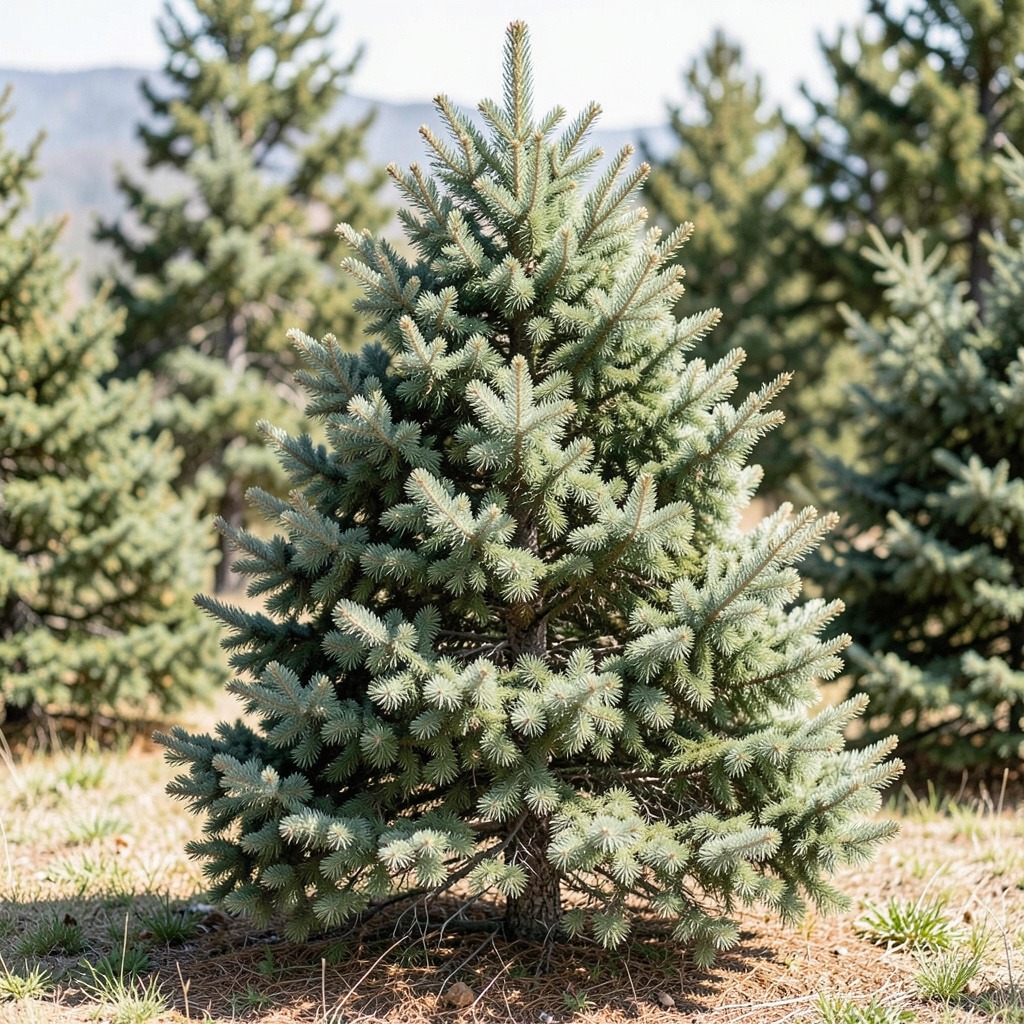
Understanding the Wichita Blue Juniper Tree
The Wichita Blue Juniper, scientifically known as Juniperus scopulorum ‘Wichita Blue’, is a striking evergreen tree prized for its aesthetic and functional benefits in landscaping. This cultivar is recognized for its vibrant blue foliage and dense, pyramidal shape, making it a popular choice for various outdoor applications.
Scientific Classification and Common Names
- Scientific Name: Juniperus scopulorum ‘Wichita Blue’
- Common Names: Wichita Blue Juniper, Rocky Mountain Juniper
Growth Characteristics and Appearance
The Wichita Blue Juniper exhibits several notable growth characteristics:
- Height: Typically grows to about 10-15 feet.
- Spread: Can reach a width of 4-6 feet.
- Foliage Color: Features silver-blue needles that provide a striking contrast in any landscape.
- Shape: Dense, pyramidal growth habit enhances its visual appeal.
These attributes make the Wichita Blue an excellent choice for privacy screens and as an accent tree in gardens.
Ideal Growing Conditions
Wichita Blue Junipers thrive under specific conditions:
- Sunlight: Requires 5-7 hours of direct sunlight daily.
- Soil: Prefers well-drained, sandy soils. Avoid overly wet conditions to prevent root rot.
- Drought Tolerance: Highly drought-resistant once established, making it suitable for low-water gardens.
- Hardiness Zones: Best suited for USDA zones 3-7.
Decision Framework for Planting
When considering whether to plant a Wichita Blue Juniper, evaluate the following:
- Space Availability: Ensure you have enough room for its mature size.
- Soil Type: Check if your soil drains well.
- Landscape Goals: Determine if you need a privacy screen or a focal point.
By assessing these factors, you can make an informed decision on incorporating this vibrant tree into your landscape.
Pros of Planting Wichita Blue Juniper
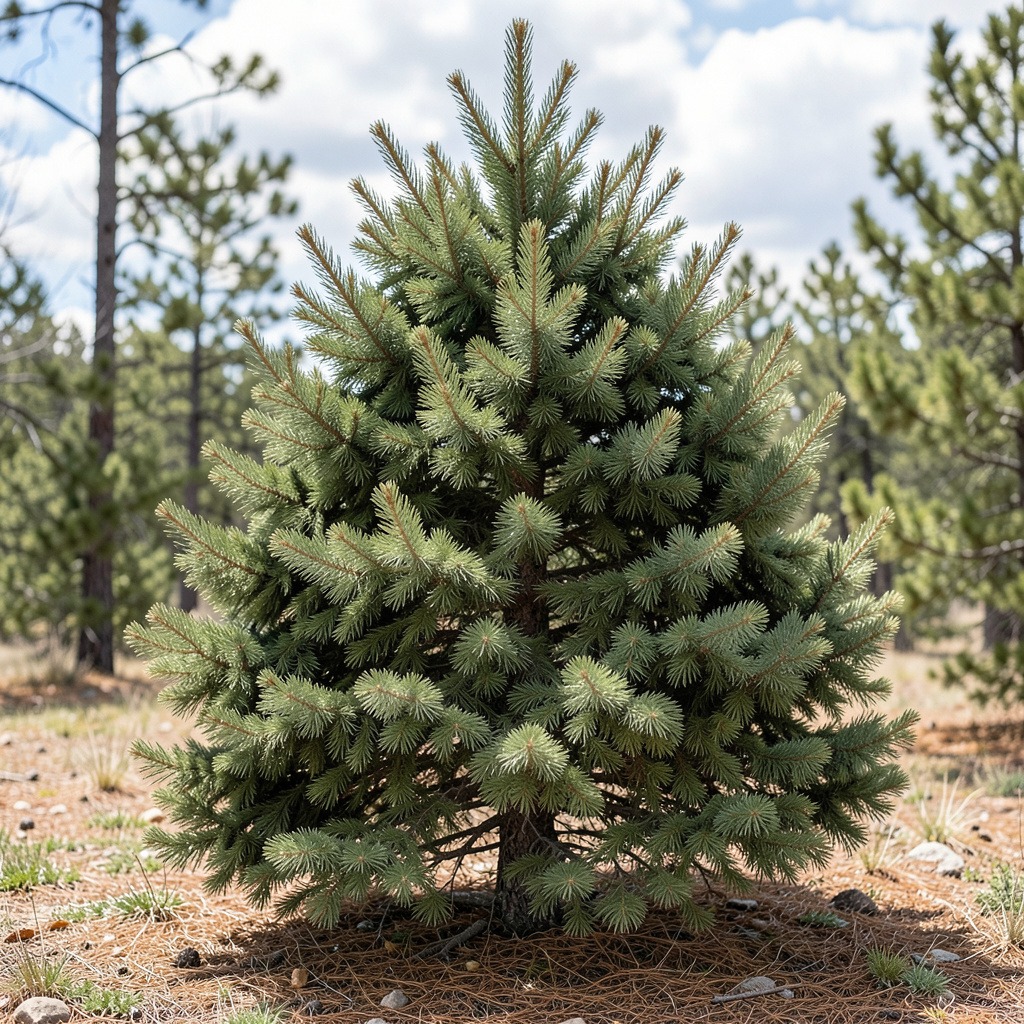
The Wichita Blue Juniper offers numerous advantages for landscaping. Its unique characteristics make it a popular choice among gardeners seeking both beauty and functionality.
Drought Tolerance and Hardiness
Wichita Blue Juniper is exceptionally drought-resistant once established. This makes it an ideal candidate for low-water gardens. It thrives in USDA hardiness zones 3-7, which allows it to flourish in various climates.
- Water Efficiency: After the initial establishment, it requires minimal watering, conserving resources.
- Root Adaptability: Its roots efficiently adapt to well-drained sandy soils, preventing issues related to waterlogging.
Aesthetic Appeal in Landscaping
With its striking silvery-blue foliage, the Wichita Blue Juniper adds a vibrant touch to any landscape. Gardeners appreciate its versatility in design applications.
- Focal Point: Use it as a standalone specimen in gardens to draw attention.
- Privacy Screen: Plant in rows to create a dense privacy screen or windbreak, enhancing both aesthetics and functionality.
Example: A homeowner in a suburban area planted Wichita Blue Junipers along their property line. This not only provided a natural barrier against neighbors but also added a year-round color contrast to their yard.
Low Maintenance Requirements
Wichita Blue Juniper is low-maintenance, making it suitable for both novice and experienced gardeners.
- Minimal Pruning: It requires little to no pruning to maintain its shape.
- Pest Resistance: This variety is generally pest-resistant, reducing the need for chemical treatments.
Checklist for Low Maintenance:
- Ensure well-drained soil during planting.
- Provide adequate sunlight (5-7 hours daily).
- Water consistently during the first growing season only.
These traits make the Wichita Blue Juniper a practical choice for busy gardeners seeking a beautiful yet easy-to-care-for plant.
Cons of Planting Wichita Blue Juniper
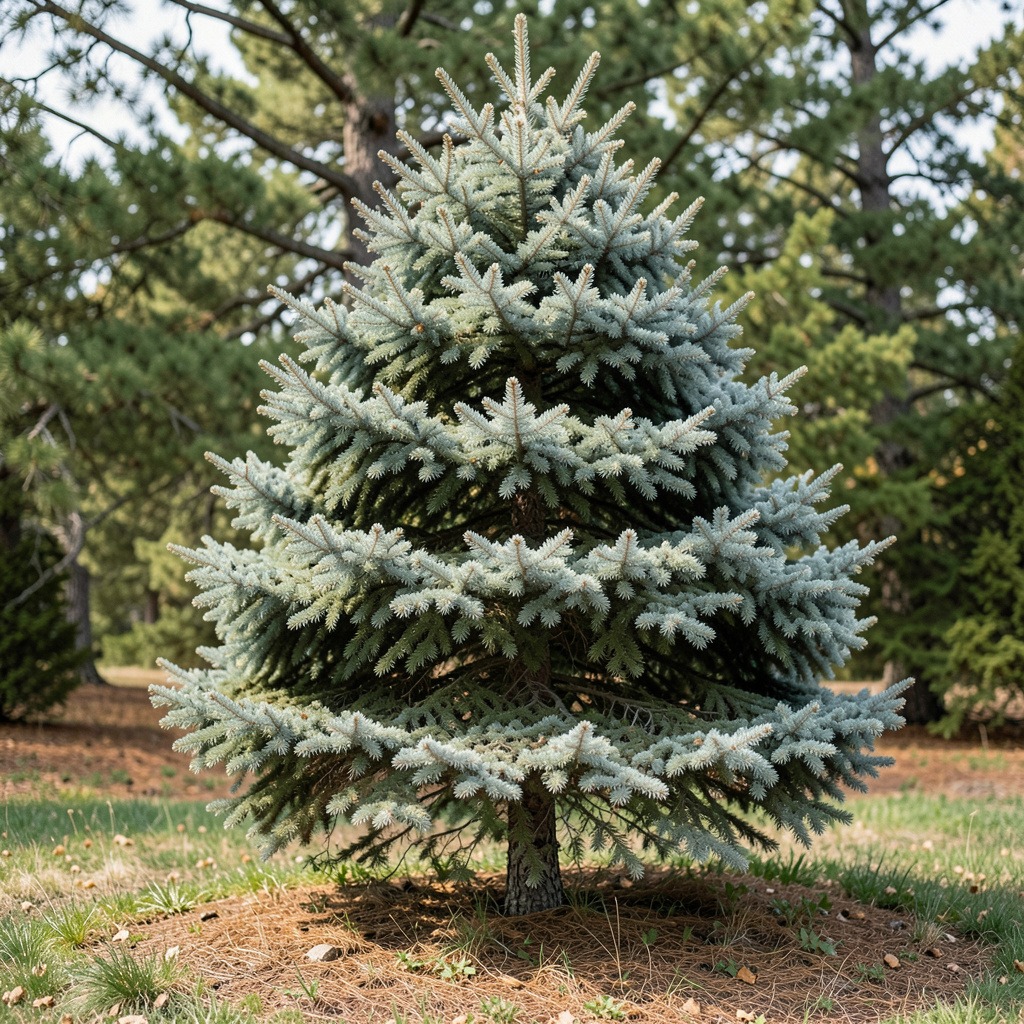
While the Wichita Blue Juniper offers many advantages, it is essential to consider its drawbacks. Potential issues include pest susceptibility, limited wildlife attraction, and maintenance challenges.
Pest Susceptibility and Management
Despite its overall pest resistance, the Wichita Blue Juniper can still face challenges from specific pests. Common issues include:
- Spider Mites: These pests thrive in dry conditions, potentially damaging foliage.
- Scale Insects: These can weaken the tree by sucking sap, leading to poor health.
To manage these pests, consider the following strategies:
- Regular Inspection: Check the foliage for signs of infestation.
- Natural Predators: Introduce beneficial insects like ladybugs to help control pest populations.
- Organic Treatments: Use insecticidal soap or neem oil as a preventive measure.
Limited Wildlife Benefits
Wichita Blue Junipers are not particularly attractive to wildlife. While they can provide shelter, they do not produce berries or flowers that attract birds and pollinators. This limitation may affect the overall biodiversity of your landscape. If wildlife attraction is a priority, consider pairing them with more diverse plant species that offer food and habitat.
Maintenance Challenges
Although low-maintenance, Wichita Blue Junipers still present some challenges:
- Soil Requirements: They prefer well-drained sandy soil. Poor drainage can lead to root rot.
- Watering Needs: Young trees require consistent watering, especially during dry spells. Neglecting this can stunt growth.
- Spacing Considerations: When planting multiple trees, maintain adequate spacing (6-8 feet apart) to prevent overcrowding and ensure healthy growth.
Before planting Wichita Blue Junipers, assess your landscape needs. If you prioritize low maintenance and drought tolerance, they are an excellent choice. However, for a more wildlife-friendly environment, consider integrating other species into your garden design.
Care and Maintenance of Wichita Blue Juniper
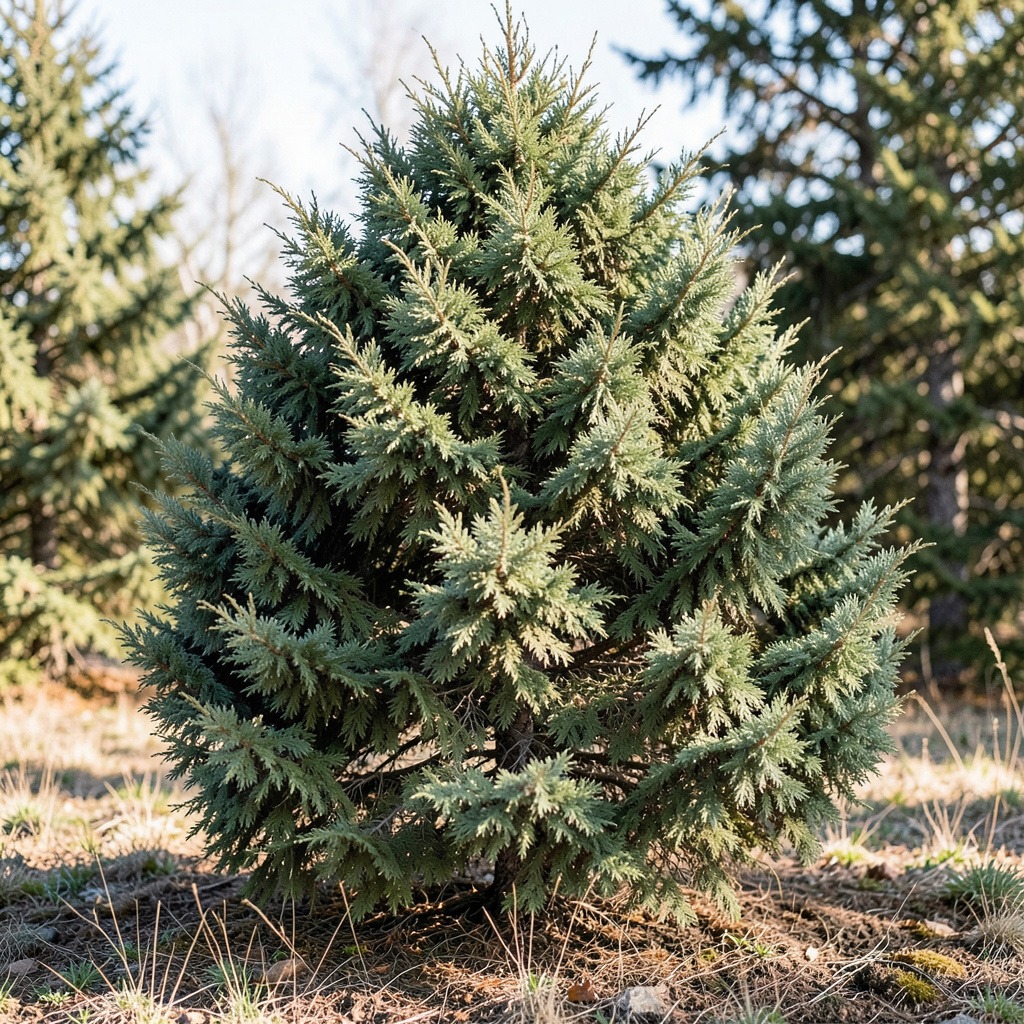
Caring for Wichita Blue Juniper involves understanding their specific needs, including watering, pruning, and soil preferences. Proper maintenance ensures these trees thrive and enhance your landscape effectively.
Watering and Fertilization Needs
Wichita Blue Junipers are drought-tolerant once established but require specific watering practices during their early growth stages.
- Young Trees: Water consistently until established. Aim for about 1 inch of water per week.
- Established Trees: Water sparingly during dry spells. Check soil moisture; if it feels dry 1-2 inches down, it’s time to water.
- Fertilization: Use a balanced fertilizer in early spring to promote growth. Avoid over-fertilizing, as this can lead to excessive foliage and weaker branches.
Pruning Techniques for Optimal Growth
Pruning is essential for maintaining the health and appearance of Wichita Blue Junipers. Here are key techniques to follow:
- Timing: Prune in late winter or early spring before new growth begins.
- Method: Remove dead or damaged branches first. Then, shape the tree by cutting back overly long shoots to maintain a uniform size.
- Tools: Use sharp, clean pruning shears to avoid damaging the plant. Make clean cuts at an angle to promote healing.
Pruning Checklist:
- Assess tree shape and health.
- Remove 1/3 of older growth if necessary.
- Clean tools before and after use.
Soil Preferences and Testing
Wichita Blue Junipers thrive in well-drained sandy soils. Here’s how to ensure your soil meets their needs:
- Soil Type: Prefer sandy or loamy soils with good drainage. Avoid heavy clay or overly wet conditions.
- Soil Testing: Test pH levels; they prefer a pH between 6.0 and 7.0. Amend the soil as needed with lime to raise pH or sulfur to lower it.
- Drainage Improvement: If your soil is heavy, consider adding organic matter or sand to improve drainage.
By following these care and maintenance guidelines, you can ensure your Wichita Blue Junipers remain healthy and visually appealing in your landscape.
Landscape Applications for Wichita Blue Juniper
Wichita Blue Junipers are versatile plants that can enhance various landscaping scenarios. Their unique characteristics make them suitable for privacy screens, hedges, and specimen plantings.
Using as Privacy Screens and Hedges
Wichita Blue Junipers serve as excellent privacy screens due to their dense, bushy foliage. For effective privacy, plant them 4-6 feet apart. This spacing allows them to grow together, creating a solid barrier. Consider the following benefits:
- Height: They can reach 15-20 feet, providing ample height for privacy.
- Growth Rate: Their fast growth makes them ideal for quick screening solutions.
- Low Maintenance: Once established, they require minimal care.
Specimen Planting and Aesthetic Appeal
As a specimen plant, the Wichita Blue Juniper stands out in any landscape. Its striking blue foliage adds visual interest. Here are ways to utilize them in your garden:
- Accent Planting: Position them near entryways or in open areas to draw attention.
- Mixed Plantings: Combine with flowering plants like daylilies or ornamental grasses for a vibrant display.
- Foundation Planting: Use them in front of homes to soften architectural lines while providing a splash of color.
Companion Planting Ideas
Pairing Wichita Blue Junipers with complementary plants enhances their effectiveness. Consider these options:
- Drought-Tolerant Plants: Combine with sedums or lavender, which thrive in similar conditions.
- Evergreen Companions: Use alongside other evergreens like pines or spruces for year-round greenery.
- Color Contrast: Pair with plants featuring warm-toned foliage, such as barberry or golden shrubs, for a dynamic look.
These landscaping strategies showcase the versatility of Wichita Blue Junipers, demonstrating their appeal and functionality in various garden settings.
Comparing Wichita Blue Juniper with Other Varieties
When selecting a juniper for your landscape, it’s essential to understand the differences and similarities between various varieties. This comparison highlights how Wichita Blue Juniper stands against other popular options.
Wichita Blue vs. Blue Point Juniper
- Growth Habit: Wichita Blue Juniper (Juniperus scopulorum) has a pyramidal shape and dense foliage, while Blue Point Juniper (Juniperus chinensis) features a more upright, columnar form.
- Color: Wichita Blue exhibits striking silver-blue needles, offering a vibrant pop of color. In contrast, Blue Point Juniper has a greenish-blue hue that is less intense.
- Size: Wichita Blue typically grows to about 15 feet tall and 6-8 feet wide. Blue Point, on the other hand, can reach 10-15 feet tall but remains narrower, about 3-4 feet wide.
Wichita Blue vs. Moonglow Juniper
- Foliage Color: Moonglow Juniper (Juniperus scopulorum ‘Moonglow’) displays a silvery-blue color similar to Wichita Blue but often has a softer appearance.
- Disease Resistance: Both varieties are relatively pest-resistant; however, Moonglow may be slightly more susceptible to certain diseases like bagworms.
- Growth Rate: Wichita Blue tends to grow faster than Moonglow, making it a better choice for quick coverage or privacy screens.
Which Juniper is Right for Your Landscape?
Choosing the right juniper depends on your specific needs:
- Space Requirements: If you have limited space, consider Blue Point Juniper for its narrow growth. Wichita Blue is more suitable for larger areas.
- Aesthetic Preferences: For a striking color contrast, Wichita Blue is ideal. If you prefer a more subtle look, Moonglow may suit your taste better.
- Growth Conditions: All three varieties thrive in well-drained soil and sunny locations. However, if your area experiences heavy moisture, Moonglow may require more care.
Quick Comparison Table
| Feature | Wichita Blue Juniper | Blue Point Juniper | Moonglow Juniper |
|---|---|---|---|
| Growth Habit | Pyramidal | Columnar | Pyramidal |
| Foliage Color | Silver-blue | Greenish-blue | Silvery-blue |
| Size | 15 ft tall, 6-8 ft wide | 10-15 ft tall, 3-4 ft wide | 10-15 ft tall, 4-6 ft wide |
| Growth Rate | Fast | Moderate | Moderate |
| Pest Resistance | High | High | Moderate |
Understanding these distinctions will help you select the best juniper for your landscape, ensuring it meets both aesthetic and functional needs.
Frequently Asked Questions
These quick answers cover the most common questions about this topic, including key details, practical tips, and common concerns.
How big does a Wichita Blue Juniper get?
Wichita Blue Junipers typically grow to a height of 10-15 feet and can spread 4-6 feet wide. Their pyramidal shape makes them visually appealing and suitable for various landscaping applications. When fully mature, they can serve as effective privacy screens or focal points in gardens.
What are the downsides of junipers?
While junipers, including Wichita Blue, are generally low-maintenance, they can have downsides. They may be susceptible to pests like spider mites and scale insects, which can damage foliage. Additionally, their limited wildlife benefits mean they do not attract birds or pollinators as effectively as other plants.
What are some common problems that affect Wichita Blue junipers?
Common issues for Wichita Blue Junipers include pest infestations, particularly from spider mites and scale insects. These pests can weaken the tree and lead to poor health if not managed. Other problems may arise from poor soil drainage, which can cause root rot. Regular inspections and proper care can help mitigate these issues.
How far apart do you plant Wichita Blue Juniper?
When planting Wichita Blue Junipers, it’s recommended to space them 4-6 feet apart. This distance allows each tree to grow without overcrowding, ensuring healthy development and optimal air circulation. Proper spacing is crucial for maintaining their shape and preventing pest issues.
What is your soil type (clay, sand, or loam)?
Wichita Blue Junipers thrive in well-drained sandy or loamy soils. They do not perform well in heavy clay soils, which can retain too much moisture and lead to root rot. Testing your soil type before planting is beneficial to ensure it meets their drainage needs.
What USDA hardiness zone is suitable for Wichita Blue Juniper?
Wichita Blue Junipers are well-suited for USDA hardiness zones 3-7. This range allows them to thrive in various climates, making them a versatile choice for many gardeners. Ensure your local climate aligns with these zones for successful growth.
Can Wichita Blue Junipers attract wildlife?
Wichita Blue Junipers are not particularly known for attracting wildlife. While they can provide some shelter, they do not produce berries or flowers that attract birds and pollinators. If wildlife attraction is important, consider pairing them with other plants that offer food sources.
What are the best companion plants for Wichita Blue Juniper?
Ideal companion plants for Wichita Blue Junipers include drought-tolerant species like sedums and lavender, which thrive in similar conditions. You can also pair them with other evergreens or flowering plants like daylilies to create a vibrant and diverse landscape. These combinations enhance both visual appeal and ecological benefits.