
The wildfire black gum tree, also known as Nyssa sylvatica, offers stunning fall foliage and wildlife support, but it has downsides like slow growth and messy fruit, making it crucial to weigh its pros and cons before planting.
The wildfire black gum tree, or Nyssa sylvatica, is a visually striking species appreciated for its vibrant fall colors and ecological benefits. However, potential planters should consider both its advantages and disadvantages to make an informed decision about landscaping choices.
Understanding the Wildfire Black Gum Tree
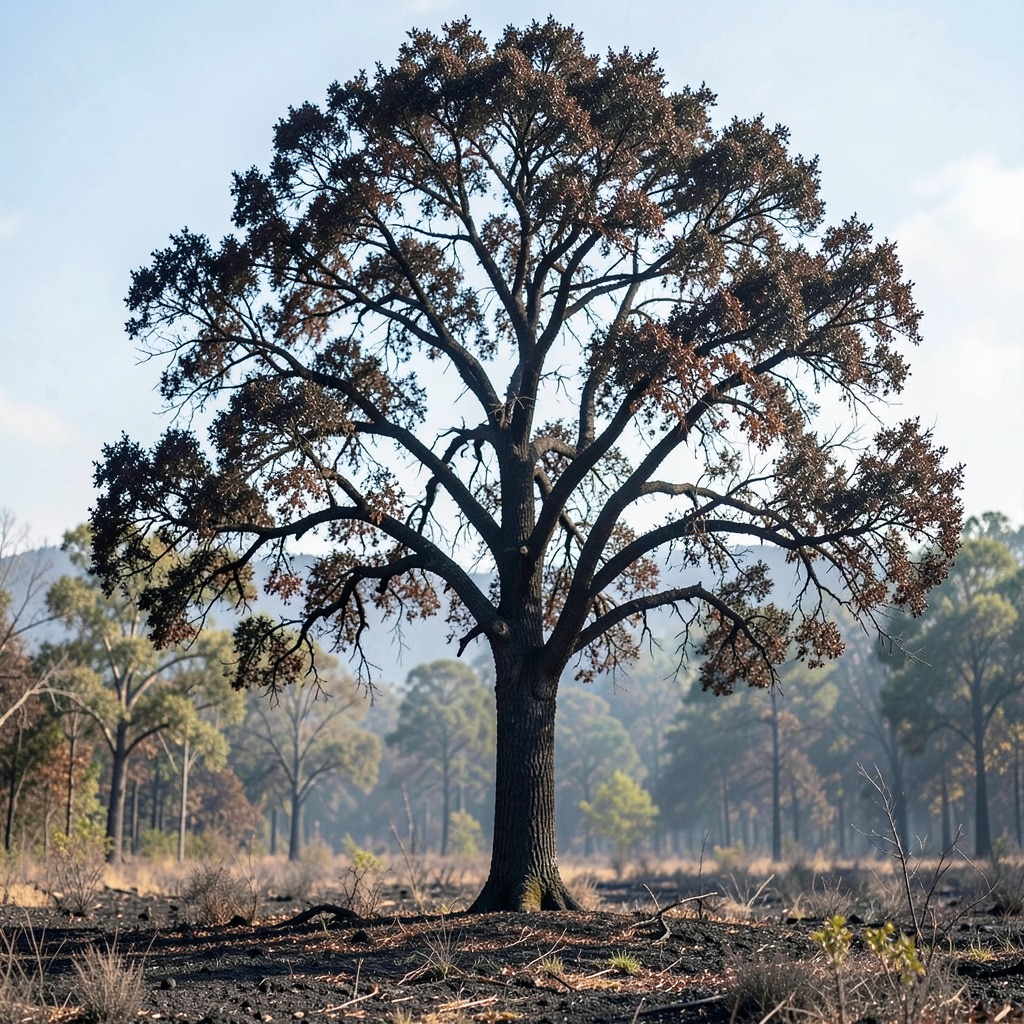
The wildfire black gum tree, scientifically known as Nyssa sylvatica, is a captivating species valued for its aesthetic appeal and ecological contributions. This deciduous tree thrives in various environments and offers distinct advantages and some drawbacks for gardeners.
What is the Wildfire Black Gum Tree?
The wildfire black gum tree is a variant of the Nyssa sylvatica, commonly referred to as black gum or tupelo. This tree is notable for its vibrant fall foliage, which transforms into stunning shades of red, orange, and yellow. It typically reaches heights of 30 to 60 feet and can spread up to 30 feet wide.
Key Characteristics of Nyssa sylvatica
- Growth Habit: Pyramidal form with a dense canopy.
- Foliage: Glossy green leaves that turn brilliant colors in autumn.
- Adaptability: Thrives in various soil types, particularly moist, well-drained soils.
- Wildlife Support: Provides food and habitat for birds and various wildlife.
Why Choose This Tree for Landscaping?
Choosing the wildfire black gum tree for your landscape can enhance both beauty and biodiversity. Here are key reasons to consider:
- Aesthetic Appeal: Its striking fall color serves as a focal point in any garden.
- Environmental Benefits: Offers nectar-rich flowers that attract pollinators and provides habitat for local wildlife.
- Soil Stabilization: The tree’s extensive root system helps prevent soil erosion, particularly in riparian areas.
When considering the wildfire black gum tree for your landscape, weigh these attributes against the potential drawbacks, such as slower growth rates and specific soil requirements.
1. Aesthetic Appeal of Wildfire Black Gum Trees
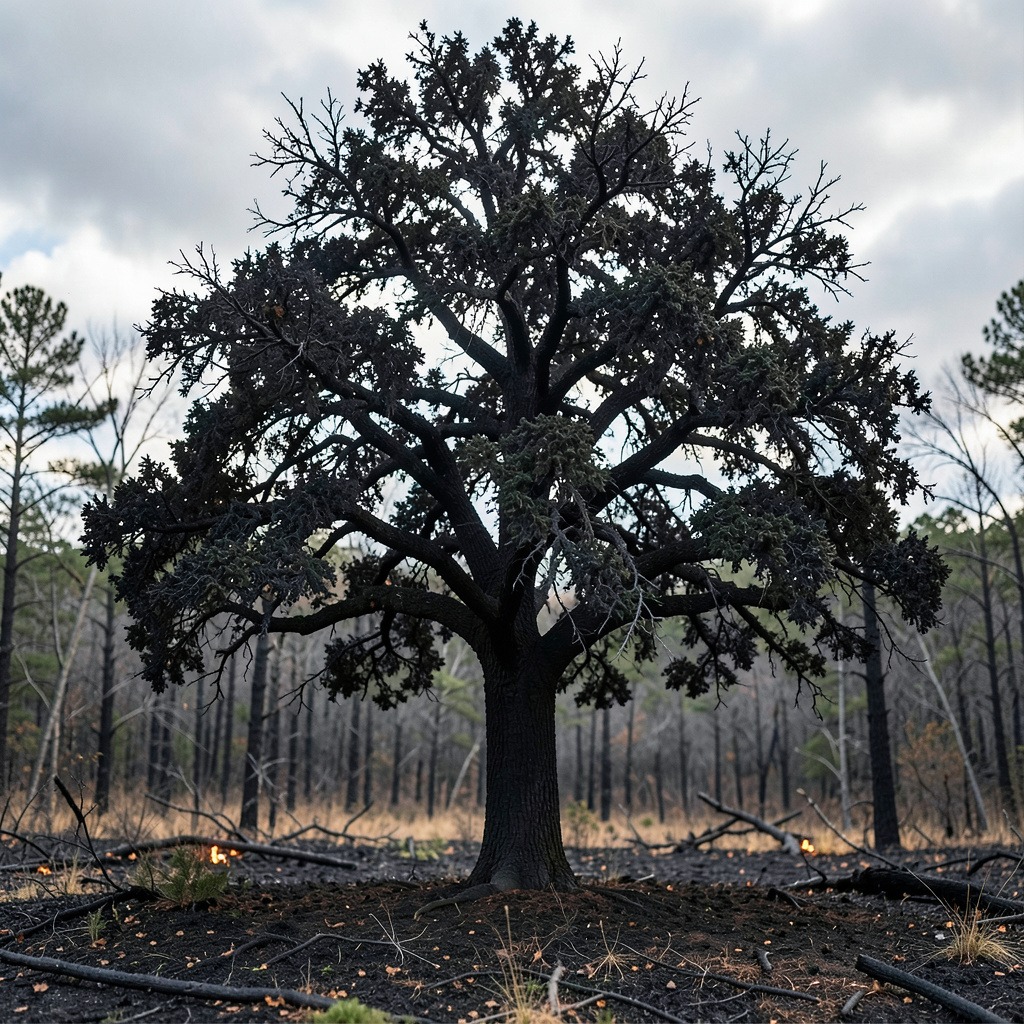
The wildfire black gum tree is renowned for its stunning visual characteristics, making it a prized choice for landscaping. Its vibrant fall foliage and unique shape create a striking presence in any garden.
Table of Contents
Stunning Fall Colors
One of the most compelling reasons to plant a wildfire black gum tree is its spectacular autumn display. As temperatures cool, the leaves transform into a breathtaking palette of red, orange, and yellow. This dramatic change not only enhances the landscape but also draws attention from passersby and adds value to your property.
- Color Spectrum: The leaves can display hues ranging from deep crimson to bright golden yellow.
- Seasonal Interest: The fall colors contrast beautifully with the tree’s glossy green leaves during summer, ensuring year-round visual appeal.
- Impact on Surroundings: Planting multiple black gum trees can create a cohesive and vibrant landscape design.
Shape and Size in the Landscape
Beyond color, the shape and size of the wildfire black gum tree contribute to its aesthetic value. This tree typically features a pyramidal to oval growth habit, which can provide structure and height in various garden settings.
- Mature Height: The tree can reach heights of 30 to 50 feet, making it an excellent choice for providing shade and visual focal points.
- Canopy Spread: With a canopy spread of 20 to 30 feet, it can effectively frame a yard or garden space, offering a natural boundary or backdrop for smaller plants.
- Versatile Placement: Due to its size and attractive form, it works well as a specimen tree in larger landscapes or as part of a mixed planting in smaller gardens.
By integrating the wildfire black gum tree into your landscape, you can enhance its beauty significantly while also promoting ecological benefits.
2. Environmental Benefits and Wildlife Support
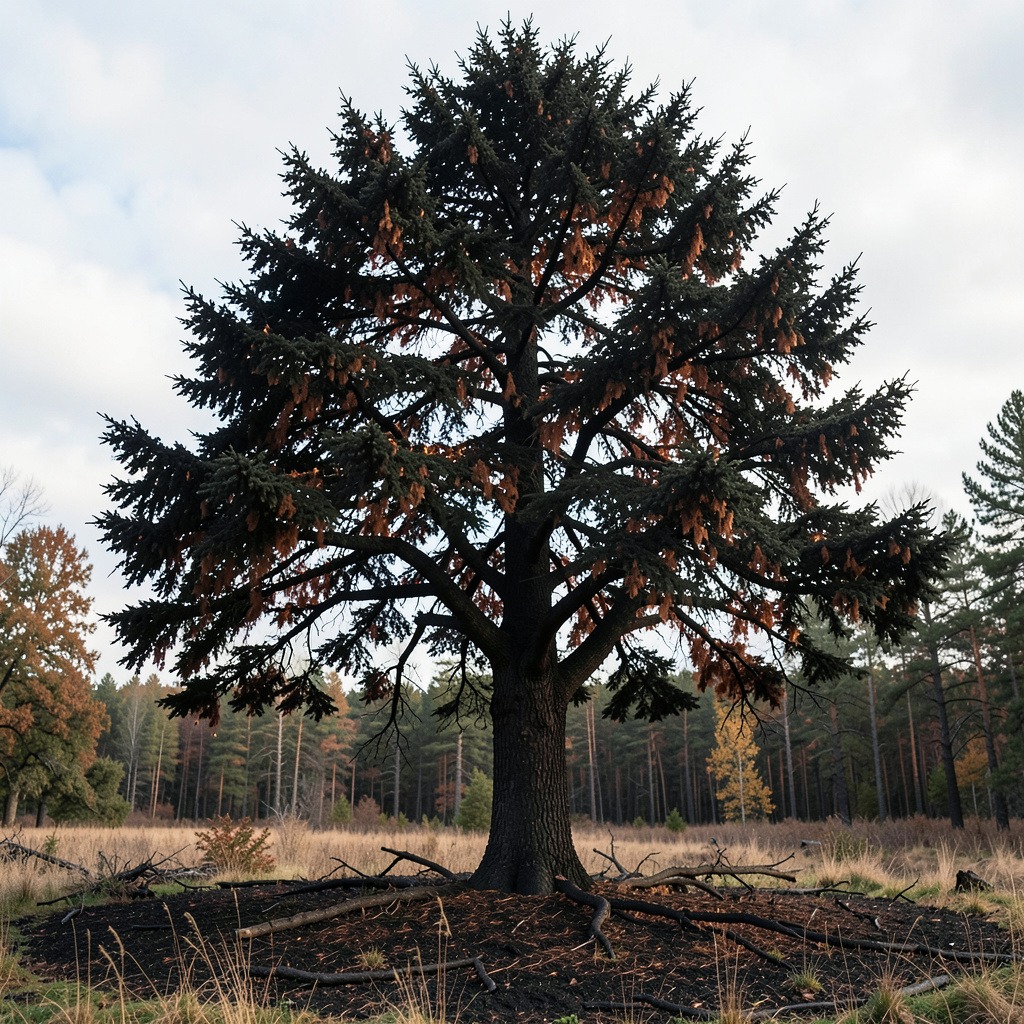
The wildfire black gum tree (Nyssa sylvatica) offers significant ecological advantages. Its presence in your landscape not only beautifies the area but also supports local wildlife and enhances biodiversity.
Attracting Pollinators and Birds
The black gum tree produces nectar-rich flowers that are highly attractive to pollinators, including bees and butterflies. These pollinators play a vital role in the ecosystem by facilitating the reproduction of various plant species. Moreover, the tree’s fruits provide a food source for birds, particularly during the fall when other food sources may be scarce. For example, species like the American Robin and Cedar Waxwing are known to feed on its berries.
Supporting Biodiversity
Planting a wildfire black gum tree contributes to the overall health of local ecosystems. The tree serves as a habitat for many species, including small mammals and insects. Its ability to thrive in wet conditions makes it a crucial component in riparian zones, where it stabilizes soil and prevents erosion. In fact, research shows that native trees like the black gum can support up to 30% more wildlife than non-native species.
- Wildlife Support Statistics:
- Attracts over 20 species of birds.
- Provides habitat for various insects, including over 100 species of butterflies and moths.
- Contributes to soil stabilization, reducing erosion in sensitive areas.
By integrating the wildfire black gum tree into your landscape, you create a thriving ecosystem that benefits both plants and animals. Its role in supporting biodiversity is a compelling reason to consider adding this species to your garden.
3. Low Maintenance Requirements
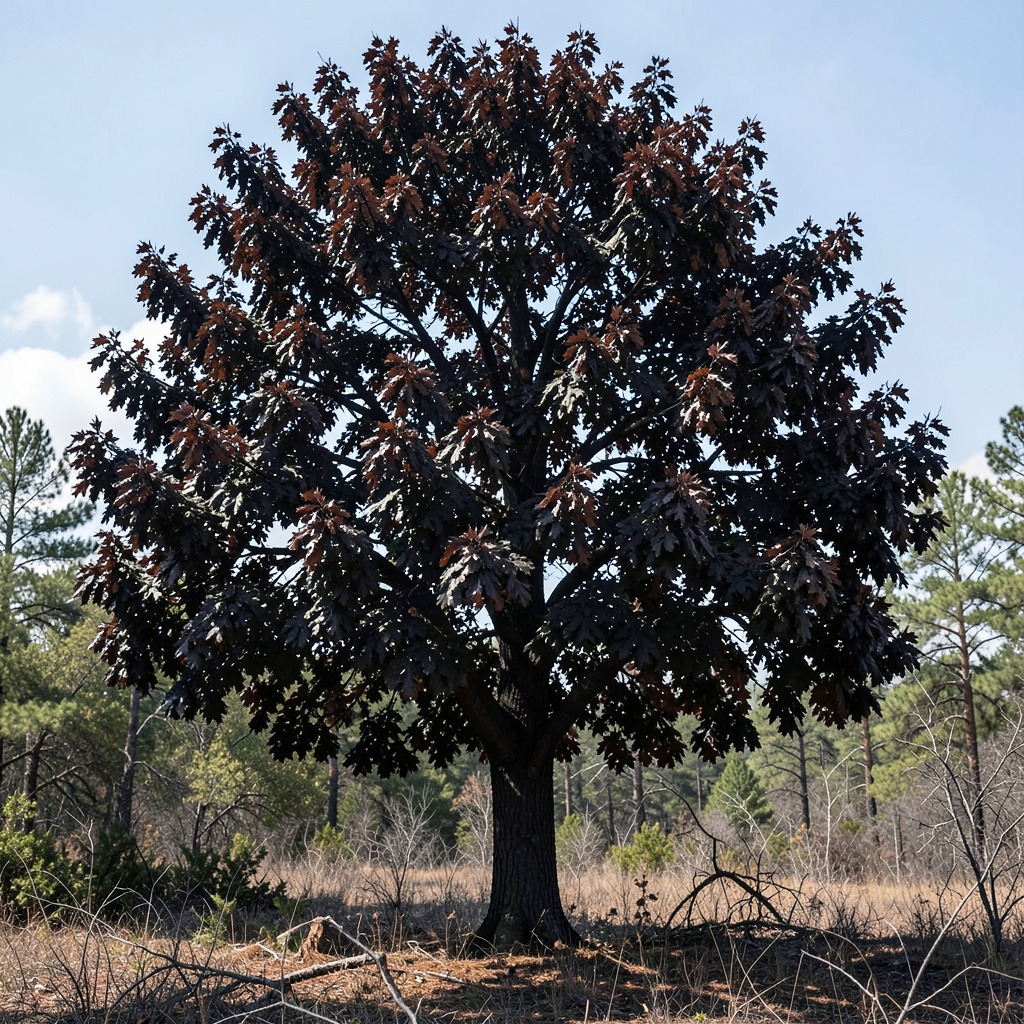
The wildfire black gum tree (Nyssa sylvatica ‘Wildfire’) is celebrated for its low maintenance needs, making it an excellent choice for busy gardeners. Its hardy nature and resilience to pests contribute to a hassle-free growing experience.
Watering and Soil Needs
Wildfire black gum trees thrive in a variety of soil types, including wet and well-drained areas. Here are essential watering and soil tips:
- Establishment Phase: Water regularly during the first two years to help the roots establish. This is crucial for long-term health.
- Soil Type: Prefers acidic to neutral soils but can adapt to various pH levels. Ensure good drainage to prevent root rot.
- Drought Tolerance: Once established, the tree is moderately drought-tolerant. Monitor moisture during prolonged dry spells.
Pruning and Care Tips
Minimal pruning is required for the wildfire black gum tree. Follow these care guidelines:
- Timing: Prune during late winter or early spring before new growth begins. Remove dead or damaged branches to maintain health.
- Pest Resistance: The tree has a natural resistance to common pests. This reduces the need for heavy intervention.
- Mulching: Apply mulch around the base to retain moisture and suppress weeds. This also improves soil quality over time.
Seasonal Maintenance Checklist
To optimize the health of your wildfire black gum tree, consider this seasonal checklist:
- Spring: Assess growth, prune if necessary, and apply organic mulch.
- Summer: Water during dry spells and check for pests.
- Fall: Enjoy the stunning foliage; ensure fallen leaves are cleared to prevent disease buildup.
- Winter: Protect the base from extreme cold with mulch; inspect for any winter damage.
By adhering to these guidelines, you can ensure that your wildfire black gum tree remains vibrant and healthy with minimal effort.
4. Slow Growth Rate
The wildfire black gum tree, or Nyssa sylvatica ‘Wildfire,’ is known for its stunning fall foliage and unique appearance. However, its slow growth rate is a significant consideration for gardeners.
Expected Growth Over the Years
Wildfire black gum trees typically grow at a rate of just 1 to 2 feet per year. This slower pace can be a disadvantage for those seeking immediate shade or privacy. Here’s a general growth timeline for the wildfire black gum compared to faster-growing species:
| Tree Species | Average Growth Rate | Years to Maturity |
|---|---|---|
| Wildfire Black Gum (Nyssa sylvatica) | 1-2 feet per year | 20-30 years |
| Red Maple (Acer rubrum) | 2-3 feet per year | 10-15 years |
| Eastern Cottonwood (Populus deltoides) | 3-5 feet per year | 5-10 years |
| Norway Spruce (Picea abies) | 1-2 feet per year | 15-20 years |
Impact on Landscaping Timeframes
Due to its slow growth, incorporating a wildfire black gum tree into your landscape requires long-term planning. It may take several years before the tree fulfills its potential as a focal point or shade provider. Gardeners should consider:
- Spacing: Allow ample room for growth and future expansion.
- Planting Alternatives: If immediate results are essential, consider faster-growing species alongside the wildfire black gum.
- Maintenance Needs: Regular care can enhance overall growth and health, but the slow rate remains a fundamental characteristic.
For gardeners willing to invest patience and care, the wildfire black gum tree can offer stunning aesthetic benefits and ecological contributions over time.
5. Messy Fruit and Leaf Drop
The wildfire black gum tree, while beautiful, presents challenges related to its fruit and leaf litter. Understanding these issues can help gardeners make informed decisions about planting and maintenance.
Fruit Characteristics
The wildfire black gum tree produces small, dark blue-black fruit that can create a messy environment when it falls. These fruits often drop in late summer or early fall, leading to several concerns:
- Attracts Wildlife: While this fruit can benefit local wildlife, it may also attract pests, such as fruit-eating insects.
- Slippery Surfaces: Fallen fruit can create slippery areas on sidewalks and patios, increasing the risk of accidents.
- Maintenance Requirement: Regular clean-up is necessary to manage fallen fruit, which can be time-consuming for homeowners.
Managing Leaf and Fruit Litter
In addition to fruit, the black gum tree sheds leaves in the fall, contributing to litter. Here are effective strategies for managing debris:
- Strategic Placement: Plant the tree away from high-traffic areas, such as sidewalks or patios, to minimize the impact of fallen fruit and leaves.
- Regular Maintenance: Schedule a consistent maintenance routine to collect fallen debris. This could involve raking or using a leaf blower.
- Mulching Option: Consider mulching the fallen leaves, as they can provide nutrients to the soil, improving the overall health of the tree.
By understanding the challenges associated with the wildfire black gum tree’s fruit and leaf litter, gardeners can better prepare for its maintenance needs and enjoy its many benefits.
6. Space Requirements for Root Growth
The wildfire black gum tree, or Nyssa sylvatica, has extensive root systems that require careful consideration during planting. Understanding these space requirements is crucial to ensure healthy growth and avoid potential issues.
Understanding Root Systems
The roots of the wildfire black gum tree can spread widely, often extending beyond the tree’s canopy. This expansive growth allows the tree to access nutrients and water effectively. However, it also means that:
- Ample Space is Essential: Roots need room to grow without competing with nearby plants or structures.
- Avoiding Compacted Soil: Compacted soil restricts root expansion and can lead to stunted growth and health issues.
Choosing the Right Planting Location
Select a planting site that accommodates the tree’s root spread. Here are some key factors to consider:
- Distance from Structures: Plant the tree at least 15-20 feet away from buildings, sidewalks, and other structures to prevent root encroachment.
- Soil Quality: Ensure the soil is well-drained and not compacted. This promotes healthy root development.
- Sunlight Exposure: Choose a location that receives ample sunlight, as this will support overall growth and vitality.
Example Scenario: If planting in a small yard, consider a smaller tree species. The wildfire black gum tree may struggle in confined spaces, limiting its aesthetic and ecological benefits.
7. Disease Susceptibility and Common Problems
Wildfire black gum trees (Nyssa sylvatica) are generally resilient, but they can be susceptible to certain diseases and common issues. Understanding these problems is crucial for maintaining the health of your tree.
Common Diseases to Watch For
1. Leaf Spot: This fungal disease manifests as dark spots on the leaves. It can weaken the tree over time if not managed.
2. Cankers: These are sunken areas on the bark, often caused by fungal infections. They can disrupt the tree’s nutrient flow.
3. Leaf Miners: These pests burrow into the leaves, creating unsightly trails and potentially weakening the tree.
Preventative Care Strategies
To ensure the health of your wildfire black gum tree, implement the following strategies:
- Regular Inspections: Monitor your tree for signs of disease, such as discolored leaves or abnormal bark.
- Proper Watering: Ensure the tree receives adequate moisture, especially in dry conditions, to reduce stress and susceptibility to disease.
- Pruning: Remove any dead or diseased branches promptly to prevent the spread of infection.
Checklist for Monitoring Tree Health
- [ ] Inspect leaves for spots or discoloration weekly.
- [ ] Look for abnormal bark or cankers monthly.
- [ ] Ensure adequate watering, especially during dry spells.
- [ ] Prune dead or diseased branches as needed.
- [ ] Keep an eye out for signs of leaf miners or other pests.
By staying vigilant and following these care strategies, you can help your wildfire black gum tree thrive while minimizing the risk of disease.
8. Comparison with Other Ornamental Trees
When considering the wildfire black gum tree (Nyssa sylvatica) for your landscape, it’s essential to compare it with other popular ornamental trees. This comparison can help you evaluate its unique features and determine the best fit for your garden.
How Does It Compare to Maple Trees?
Maple trees are a common choice for ornamental landscaping, known for their vibrant fall colors and shade-giving abilities. Here’s a quick comparison between black gum and maple trees:
| Feature | Wildfire Black Gum Tree | Maple Trees (e.g., Sugar Maple) |
|---|---|---|
| Growth Rate | Slow to moderate | Moderate to fast |
| Fall Foliage Color | Rich red to purple | Bright yellow, orange, red |
| Soil Preference | Moist, acidic soils | Well-drained, loamy soils |
| Wildlife Attraction | Attracts pollinators and birds | Attracts squirrels and birds |
| Maintenance Needs | Moderate (pruning and watering) | Low to moderate |
The wildfire black gum tree offers unique ecological benefits, such as supporting local wildlife, while maples are favored for their rapid growth and shade provision.
Alternatives for Landscaping
If you’re exploring options similar to the wildfire black gum tree, consider these alternatives:
- Sweetgum (Liquidambar styraciflua): Offers star-shaped leaves and colorful fall foliage. However, it can produce spiky seed balls that may be a nuisance.
- Red Oak (Quercus rubra): Known for its rapid growth and strong wood. It thrives in various soil types but may require more space than black gum trees.
- American Hornbeam (Carpinus caroliniana): A smaller tree with attractive bark and foliage, suitable for urban settings but slower growing than black gum.
Comparison Takeaway
The wildfire black gum tree stands out for its stunning fall color and ecological value. It is ideal for moist areas and supports local wildlife, making it an excellent choice for environmentally conscious gardeners. In contrast, other species, like maples and oaks, may offer faster growth rates and more shade. Consider your landscape’s specific needs and conditions when making your choice.
9. Summary of Pros and Cons
The wildfire black gum tree (Nyssa sylvatica ‘Wildfire’) offers various benefits and drawbacks for gardeners. Understanding these aspects is crucial for making an informed planting decision.
Quick Reference of Pros
- Aesthetic Appeal: The tree displays vibrant fall foliage, enhancing landscape beauty.
- Wildlife Attraction: Provides habitat and food for birds and other wildlife.
- Environmental Benefits: Improves air quality and helps with soil stabilization.
- Adaptability: Thrives in a variety of soil types, particularly in wet conditions.
- Low Maintenance: Requires minimal care once established, making it suitable for busy gardeners.
Quick Reference of Cons
- Slow Growth Rate: Takes time to reach full size, which may delay shade and privacy benefits.
- Compacted Soil Sensitivity: Poorly drained or compacted soil can hinder growth and health.
- Potential Pest Issues: Can attract certain pests, necessitating monitoring and management.
- Variable Seed Outcome: Growing from seed may not yield the same vibrant colors as the parent tree.
Making an Informed Decision
When considering a wildfire black gum tree, evaluate your landscape needs against its characteristics. For instance, if you prioritize immediate shade, this tree may not be the best choice due to its slow growth. However, for those seeking long-term ecological benefits and beauty, it can be a valuable addition.
Decision Framework:
- Assess your soil type: Is it well-drained or compacted?
- Determine your aesthetic goals: Do you want vibrant fall colors?
- Consider local wildlife: Will you benefit from attracting birds or pollinators?
- Plan for maintenance: Are you prepared to manage potential pest issues?
This framework will help clarify whether the wildfire black gum tree aligns with your gardening goals.
Frequently Asked Questions
These quick answers cover the most common questions about this topic, including key details, practical tips, and common concerns.
What is the ideal soil type for wildfire black gum trees?
Wildfire black gum trees thrive in moist, well-drained soils. They prefer acidic to neutral pH levels but can adapt to various soil types. Ensuring good drainage is essential to prevent root rot, especially in heavy clay soils.
How tall do wildfire black gum trees grow?
Wildfire black gum trees typically reach heights of 30 to 50 feet. Their pyramidal form can also spread 20 to 30 feet wide, making them suitable for larger landscapes. However, their slow growth rate means they take time to achieve full height.
What wildlife does the wildfire black gum tree attract?
The wildfire black gum tree is beneficial for various wildlife. Its nectar-rich flowers attract pollinators like bees and butterflies, while its fruits serve as food for birds such as American Robins and Cedar Waxwings. This makes it an excellent choice for enhancing biodiversity in your garden.
What are common problems with black gum trees?
Common issues with black gum trees include susceptibility to leaf spot diseases, cankers, and pests like leaf miners. Regular inspections for signs of disease or pests are crucial. Proper watering and pruning can help maintain tree health and prevent these problems.
When is the best time to plant a black gum tree?
The best time to plant a wildfire black gum tree is in early spring or fall. Planting during these seasons allows the tree to establish its roots before the heat of summer or the frost of winter. Ensure the soil is workable and not frozen for optimal planting conditions.
Can wildfire black gum trees be planted near sidewalks or patios?
While wildfire black gum trees can be planted near sidewalks or patios, it’s advisable to space them at least 15-20 feet away. Their expansive root system can disrupt pavement, and falling fruit may create a mess. Consider planting them in a more open area to avoid these issues.
What are alternatives to black gum trees for landscaping?
If you’re looking for alternatives to the wildfire black gum tree, consider species like the Sweetgum, Red Oak, or American Hornbeam. Each offers unique aesthetic and ecological benefits, such as faster growth rates or different wildlife support, allowing you to choose based on your specific landscape needs.