
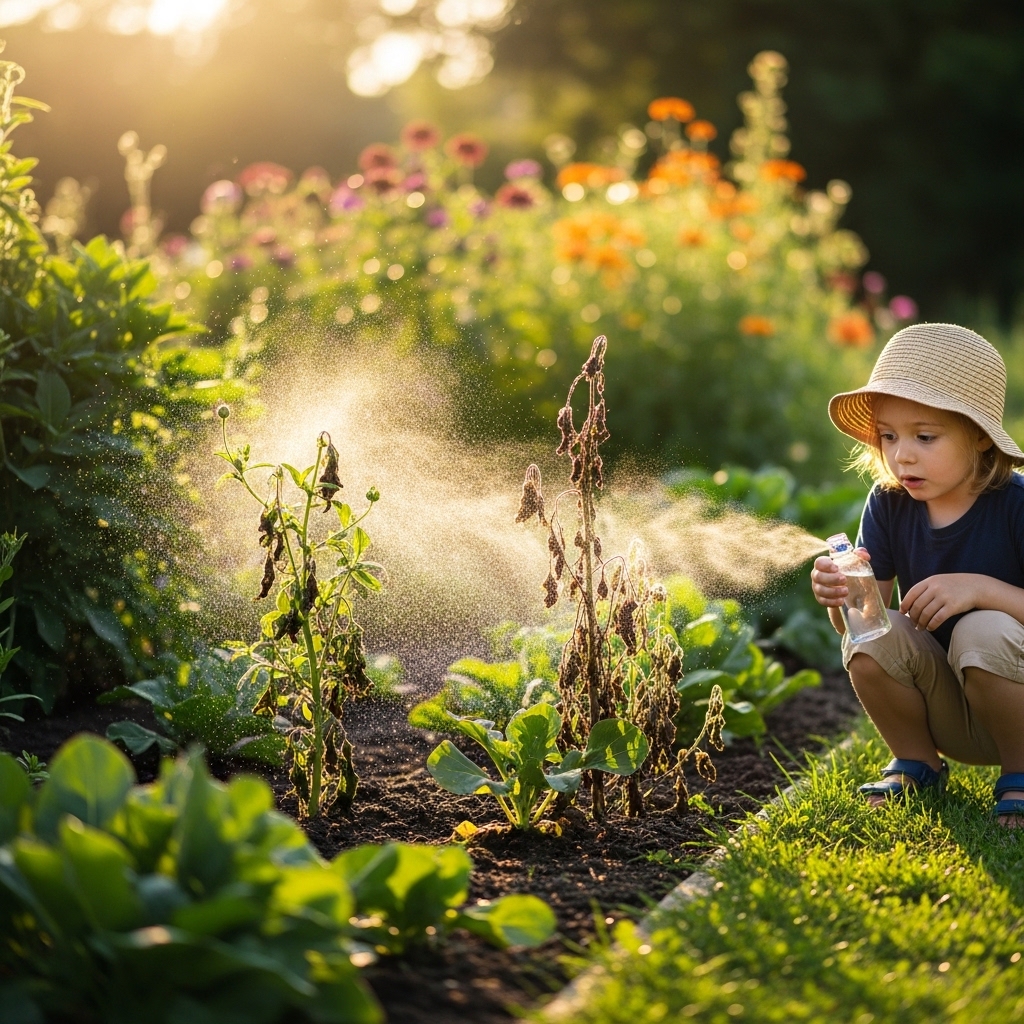
Yes, vinegar can kill plants, especially when used in higher concentrations. Its acetic acid content can damage plant tissues, making it a potential herbicide for unwanted weeds. Read Interesting article: How to Get Rid of Gnats in My Plants (Fast Fixes)
However, using vinegar incorrectly can harm desirable plants as well. Understanding how vinegar works in the garden is essential for safe and effective use.
Understanding Vinegar and Its Composition
What is Vinegar?
Vinegar is a sour liquid produced through the fermentation of ethanol by acetic acid bacteria. I remember the first time I realized just how versatile vinegar can be. It’s not just a staple in my kitchen; it has applications that range from cooking to cleaning and even gardening. The distinct tang we taste in salad dressings or pickled foods comes from this unique process. It’s fascinating to think that a simple solution can have such varied uses!
Types of Vinegar (White, Apple Cider, Balsamic, etc.)
When it comes to vinegar, there are several types, and each has its own flavor profile and potential uses. The most common types include white vinegar, apple cider vinegar, balsamic vinegar, and red wine vinegar. White vinegar, with its high acidity (around 5-7%), is often the go-to for gardening. I’ve found that apple cider vinegar, while slightly less acidic, can also be useful, especially in DIY home remedies. Balsamic and red wine vinegars are typically sweeter and less effective for gardening purposes, but they certainly add a delicious depth to meals!
Acetic Acid: The Active Ingredient
The star of the show in vinegar is acetic acid, which is responsible for its sharp taste and its ability to act as a herbicide. Acetic acid is a natural compound that can vary in concentration depending on the type of vinegar. For instance, while household vinegar typically contains about 5% acetic acid, horticultural vinegar often has concentrations as high as 20% or more. I’ve learned that this increased acidity can be particularly effective at killing unwanted plants, especially weeds. However, it’s important to use it carefully because that same strength can harm your garden plants if you’re not cautious.
How Vinegar Affects Plants
The Role of Acidity in Plant Health
Acidity plays a crucial role in plant health, and understanding this aspect can help us utilize vinegar more effectively. Most plants thrive in a specific pH range, usually between 6.0 and 7.5. Vinegar, being acidic, can lower the pH of the soil when applied. I remember reading about how certain plants, like blueberries, prefer more acidic soil, thriving in the 4.5 to 5.5 range. However, for many common garden plants, exposure to vinegar can disrupt nutrient uptake and create a hostile environment. It’s essential to recognize that while some plants may benefit from slight acidity, others will suffer significantly.
Impact on Soil pH Levels
When vinegar is introduced to the soil, it doesn’t just affect individual plants; it changes the overall soil pH. I’ve noticed that over time, if I’m not careful with my vinegar applications, my soil can become too acidic, which can lead to nutrient deficiencies in plants that prefer neutral or alkaline conditions. This can manifest as yellowing leaves or stunted growth. It’s a delicate balance, and I’ve learned to monitor the pH of my soil regularly to ensure that my plants are happy and healthy.
Effects of Vinegar on Different Plant Types
Not all plants respond the same way to vinegar, and the effects can vary significantly between different types of plants. This is something I’ve personally experienced in my own garden, where I’ve tested vinegar on various species.
Garden Plants
Most garden plants can be negatively affected by vinegar, especially at higher concentrations. I once tried using a vinegar solution on some stubborn weeds but accidentally sprayed it on my young tomato plants. The result? Wilting leaves and stunted growth. Garden plants, particularly those sensitive to changes in soil pH, can suffer greatly from vinegar exposure. It’s best to exercise caution and, if necessary, target only the weeds for treatment.
Weeds
Weeds, on the other hand, are often no match for vinegar. I’ve had great success using vinegar as a natural herbicide. The acetic acid works quickly to desiccate weed leaves, and I’ve seen many types of unwanted plants wilt within hours of application. However, it’s important to apply it directly to the leaves of the weeds rather than the soil to avoid collateral damage. My experience has shown that vinegar is most effective on younger, actively growing weeds.
Houseplants
For houseplants, I’ve found that vinegar can be a bit of a mixed bag. While I wouldn’t recommend using it directly on them, it can be useful for cleaning pots or removing mineral deposits from leaves. However, I’ve noticed that if houseplants are exposed to vinegar, even in small amounts, they can exhibit signs of stress. Yellowing leaves and droopy stems are common reactions. It’s best to stick with traditional watering and fertilizing techniques to keep my indoor plants thriving.
When to Use Vinegar in Gardening
Weed Control: Effectiveness and Risks
Using vinegar for weed control is something I’ve found to be quite effective, but it comes with a few caveats. The first time I tried it, I was a bit skeptical. I had read about its quick action on weeds, so I decided to give it a shot on some pesky dandelions in my yard. I mixed up a solution of household vinegar and water and sprayed it directly onto the leaves. To my surprise, within a few hours, those stubborn weeds had started to wilt. It felt like magic! However, I quickly learned that I needed to be cautious about where I applied it. If there were desirable plants nearby, I had to be careful not to overspray or get too close.
One thing I’ve noticed is that vinegar works best on younger weeds. Older, established weeds can be tougher to kill, and I’ve sometimes needed to reapply vinegar a couple of times. I remember attempting to tackle some tall thistles, thinking that a single application would do the trick. I ended up disappointed when they bounced back! So, if you’re considering vinegar for weed control, be prepared for some trial and error, especially with tougher varieties. Read Interesting article: How to Get Rid of Poison Ivy Plants Safely (Best Methods)
Soil Amendment: When to Avoid Vinegar
While I mentioned earlier that vinegar can lower soil pH, there are times when using it as a soil amendment is not ideal. I learned this the hard way in my garden. In an attempt to acidify my soil for some blueberries, I decided to add vinegar directly to the planting hole. I thought I was doing the right thing, but I ended up with a pH that was too low for other plants nearby. My zucchini started to show signs of stress, and I realized that too much acidity can be just as harmful as not enough. It’s important to understand your soil’s current pH before deciding to use vinegar as a soil amendment.
For anyone considering this approach, I recommend testing the soil first. If you find that your soil is already on the acidic side, adding vinegar could push it over the edge. Instead, there are other, more controlled methods to acidify soil, such as using sulfur or composted organic matter. These options can be gentler and won’t risk harming your other plants.
Fungicide Properties of Vinegar
Interestingly, I discovered that vinegar also has some fungicidal properties. I had a bout of powdery mildew on my squash plants last summer, and after doing some research, I learned that a diluted vinegar solution could help. I mixed one part vinegar with three parts water and sprayed the affected leaves, hoping for the best. To my delight, I noticed a significant reduction in the mildew over the next few days. However, I also learned to use this method sparingly. Too much vinegar can stress the plants, and I didn’t want to make the situation worse.
It’s worth noting that vinegar is not a cure-all for every fungal issue. It works best on light infestations or as a preventive measure. I’ve since adopted a more holistic approach to managing fungi in my garden, combining vinegar with other organic fungicides like baking soda or neem oil for better results. This way, I can tackle the problem without over-relying on vinegar alone.
When considering vinegar as a fungicide, timing is crucial. Applying it during the cooler parts of the day can help prevent plant stress. I’ve also found that repeating the application once a week can keep powdery mildew at bay, but again, I remind myself to monitor the plants closely.
Safe Alternatives to Vinegar for Plant Care
Natural Weed Killers
While vinegar can be an effective weed killer, I’ve discovered that there are several other natural options that can work just as well, if not better, without the risks associated with vinegar. One of my favorites is boiling water. I remember the first time I used it; I was making pasta and noticed some pesky weeds peeking through my patio stones. Instead of reaching for the vinegar, I simply poured the leftover boiling water over the weeds. To my delight, they wilted almost instantly! It’s a simple, no-cost method that uses something I already had on hand.
Another alternative I’ve tried is salt. Mixing salt with water creates a solution that can effectively dehydrate weeds. However, I’ve learned that it’s crucial to be careful with this method, as salt can also affect the soil and nearby plants. A sprinkle of salt directly on weeds worked wonders for me, but I made sure to avoid areas where I wanted my flowers to flourish. Additionally, using corn gluten meal can act as a natural pre-emergent herbicide, preventing weed seeds from germinating. I’ve started incorporating it into my garden routine, especially in the spring, and it seems to help keep the weeds at bay without harming my desirable plants.
Organic Gardening Practices
Embracing organic gardening practices has been a game-changer for me. Instead of relying on vinegar or other harsh chemicals, I focus on creating a healthy garden ecosystem. One of the first things I did was improve soil health by adding compost. This not only boosts nutrient levels but also encourages beneficial microorganisms that help suppress weeds naturally. I remember my excitement when I noticed how vibrant my plants became after introducing compost. It felt like I was giving them the nourishment they truly deserved!
Mulching is another organic practice I’ve found to be incredibly effective. I often use straw or wood chips around my plants, which not only suppresses weed growth but also retains moisture in the soil. When I first mulched my garden, I was amazed at the difference it made. The weeds struggled to break through, and my plants seemed much happier. Plus, it gives the garden a neat and finished look!
Using Vinegar Safely Around Plants
If you decide to use vinegar in your garden, I think it’s important to do so mindfully. I’ve learned that diluting the vinegar can make a significant difference. When I first used vinegar, I applied it straight from the bottle without thinking. It worked too well, causing damage to surrounding plants. Now, I always dilute it with water, especially when targeting weeds near delicate flowers. A mix of one part vinegar to three parts water has worked wonders for me, allowing me to effectively tackle weeds without putting my beloved plants at risk.
Timing is also key. I’ve found that applying vinegar on a sunny day can enhance its effectiveness, as the heat can amplify its weed-killing properties. However, I always make sure to apply it when there’s no wind to prevent any accidental drift onto my garden plants. I’ve learned from experience that a little planning goes a long way in ensuring I don’t cause collateral damage!
Lastly, I always keep an eye on the weather. After using vinegar, I prefer to wait for a dry spell. Rain can wash away the vinegar before it has a chance to work effectively, and I’ve found myself reapplying more often than necessary. It’s all about finding that balance to ensure I’m using vinegar safely and effectively without harming my overall garden health.
Common Myths and Misconceptions
Does Vinegar Kill All Plants?
This is a question I’ve often encountered, and I can see why some people might think this way. While vinegar is potent against weeds, I’ve learned firsthand that it doesn’t kill all plants. Instead, its effects vary widely depending on the plant’s type, age, and the concentration of the vinegar used. For instance, I’ve seen how young and tender plants can be severely impacted, while more established plants often show resilience. It’s crucial to remember that using vinegar indiscriminately can lead to unintentional damage, which I’ve unfortunately experienced in my own garden.
Vinegar vs. Chemical Herbicides
Many gardeners wonder how vinegar stacks up against chemical herbicides. From my perspective, vinegar is a more natural alternative, but it doesn’t come without its challenges. While chemical herbicides can provide fast and long-lasting results, they often carry risks for the environment and beneficial insects. I’ve opted for vinegar due to my commitment to organic gardening, but I acknowledge that it may require more frequent applications than synthetic options. It’s a trade-off that I’m willing to make for the health of my garden and the planet.
Is Vinegar Safe for Vegetable Gardens?
When I first started gardening, I was concerned about using vinegar around my vegetable plants. After doing my research, I found that while vinegar can effectively manage weeds, caution is necessary. I’ve learned that applying vinegar directly to vegetable plants can cause harm, but using it as a targeted treatment for weeds in the vicinity can be perfectly safe. It’s all about being mindful and using it wisely. I often remind myself to take the extra step of shielding my veggies when I do decide to use vinegar nearby. This practice has served me well, allowing me to enjoy my bountiful harvests without fear. Read Interesting article: How to Kill Bamboo Plants Permanently (Best Methods)
Frequently Asked Questions
Can vinegar kill plants?
Yes, vinegar can kill plants, especially when used in higher concentrations due to its acetic acid content, which can damage plant tissues.
What type of vinegar is best for gardening?
White vinegar is often the go-to for gardening due to its high acidity (around 5-7%). Apple cider vinegar can also be useful, but balsamic and red wine vinegars are typically less effective for gardening purposes.
What is the active ingredient in vinegar?
The active ingredient in vinegar is acetic acid, which is responsible for its sharp taste and ability to act as a herbicide.
How does vinegar affect soil pH levels?
When vinegar is introduced to the soil, it can lower the pH, making the soil more acidic. This can disrupt nutrient uptake in plants that thrive in neutral or alkaline conditions.
Can vinegar be used safely on houseplants?
While vinegar can be used for cleaning pots or removing mineral deposits from leaves, it is not recommended for direct application on houseplants as it can cause stress, leading to yellowing leaves and droopy stems.
What is the best way to use vinegar for weed control?
Vinegar works best on younger weeds when applied directly to the leaves. It is important to be cautious of overspray on desirable plants to avoid collateral damage.
Can vinegar be used as a soil amendment?
Using vinegar as a soil amendment can lower soil pH, but it is not ideal if the soil is already acidic. It is recommended to test the soil first and consider gentler methods for acidifying it.
Does vinegar have fungicidal properties?
Yes, vinegar has some fungicidal properties and can help manage light infestations of fungi, such as powdery mildew, when used in a diluted solution.
What are some safe alternatives to vinegar for plant care?
Safe alternatives to vinegar for weed control include boiling water, salt, and corn gluten meal, which can effectively manage weeds without the risks associated with vinegar.
Is vinegar safe to use around vegetable gardens?
Vinegar can be safe for managing weeds in vegetable gardens if used carefully. Direct application to vegetable plants can cause harm, so it is important to use it as a targeted treatment for nearby weeds.