
Willow oak trees require proper care, including watering, pruning, and pest management, to thrive in various environments.
Table of Contents
Caring for willow oak trees, known scientifically as Quercus phellos, involves understanding their specific needs for water, light, and maintenance. This guide provides essential tips to ensure your willow oaks flourish and enhance your landscape with their unique beauty.
Understanding Willow Oak: Features and Benefits
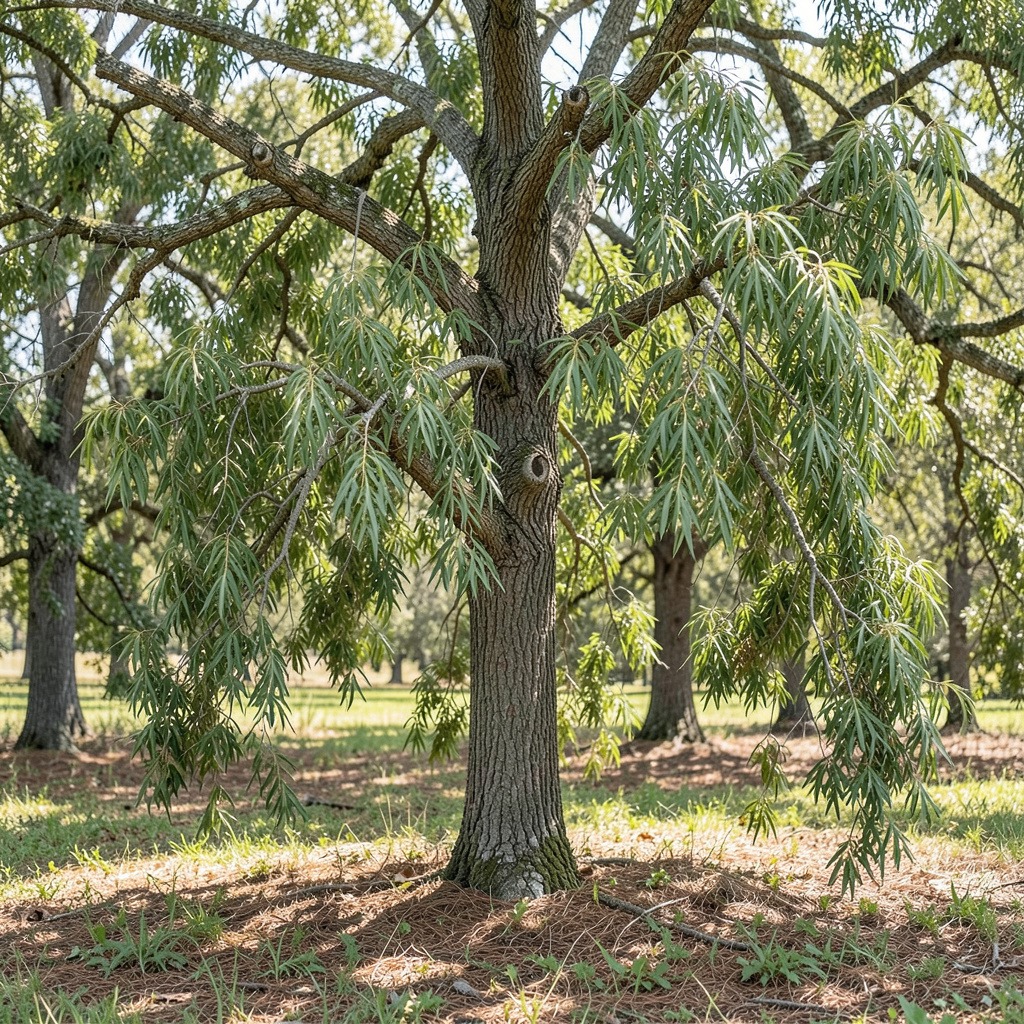
Willow oaks, scientifically known as Quercus phellos, are renowned for their graceful appearance and adaptability. These trees offer significant benefits in landscape design, including providing shade and supporting local wildlife.
Unique Characteristics of Willow Oak Trees
Willow oaks are distinguished by their narrow, lance-shaped leaves, which create a rustling effect reminiscent of willows. Here are some key features:
- Growth Rate: Willow oaks can grow up to 2 feet per year under optimal conditions.
- Height: Mature trees typically reach heights of 50 to 75 feet.
- Leaf Structure: Leaves are 2 to 5 inches long, providing a delicate contrast to the broader leaves of many other oak species.
- Root System: They have extensive root systems, which can disrupt nearby pavement if planted too close to sidewalks or driveways.
Benefits of Planting Willow Oaks in Your Landscape
Incorporating willow oaks into your landscape has multiple advantages:
- Shade Provision: Their broad canopy offers ample shade, making them ideal for parks and residential areas.
- Wildlife Habitat: The acorns serve as a vital food source for various wildlife, including birds and mammals. The dense foliage provides nesting sites for birds.
- Ecosystem Contribution: Willow oaks improve local air quality and manage stormwater runoff, contributing to urban ecology.
- Aesthetic Appeal: Their unique form and graceful leaves enhance the visual interest of any landscape design.
By understanding the characteristics and benefits of willow oaks, property owners can make informed decisions about planting and care, ensuring these trees thrive in their environments. Consider the local ecosystem and space available when selecting a planting site.
Essential Willow Oak Care Techniques
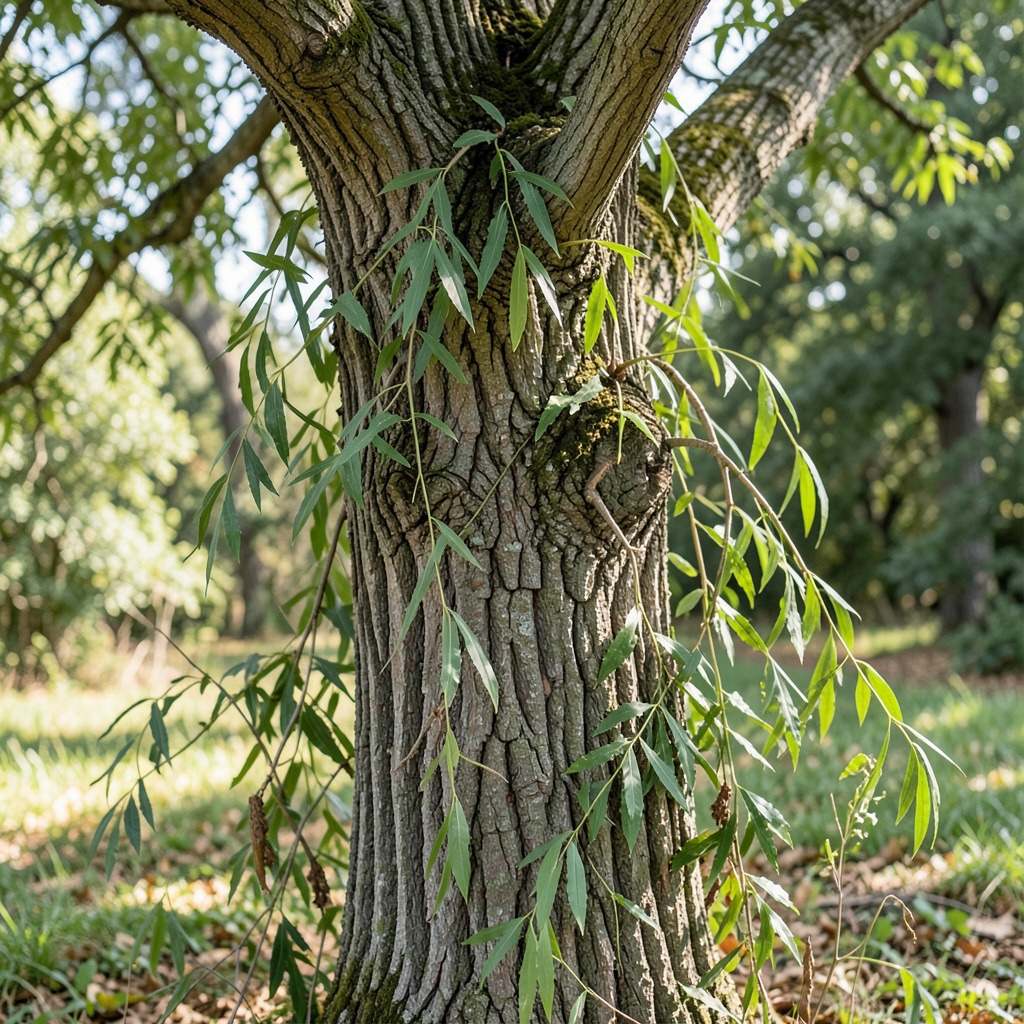
Caring for willow oaks requires understanding their specific needs for water, nutrients, and structural integrity. Implementing proper techniques ensures these trees thrive and contribute positively to your landscape.
Watering Requirements for Willow Oaks
Willow oaks prefer consistent moisture, especially during their formative years. Here are key watering practices:
- Deep Watering: Water young trees deeply but infrequently to encourage deep root growth. Aim for 1-2 inches of water per week during dry spells.
- Soil Monitoring: Check soil moisture by digging a few inches down. If it feels dry, it’s time to water.
- Mulching: Apply a 2-4 inch layer of organic mulch around the base, keeping it away from the trunk. This helps retain soil moisture and regulate temperature.
Fertilization Guidelines for Healthy Growth
While willow oaks generally flourish in rich soils, fertilization may be necessary to support optimal growth. Follow these guidelines:
- Soil Testing: Conduct an annual soil test to determine nutrient availability. This informs your fertilization strategy.
- Balanced Fertilizer: Use a slow-release, balanced fertilizer if deficiencies are noted. Apply in early spring before the growing season begins.
- Organic Options: Consider organic fertilizers, such as compost or well-rotted manure, to enhance soil health without chemical additives.
Effective Pruning Methods for Maintenance
Pruning is crucial for maintaining the structure and health of willow oaks. Implement these pruning techniques:
- Formative Pruning: In the first few years, prune to develop a strong central leader and evenly spaced scaffold branches. This prevents structural issues later in life.
- Timing: Prune in late winter or early spring when the tree is dormant. This minimizes stress and encourages healthy growth.
- Technique: Use sharp, clean tools to make clean cuts. Remove dead or diseased branches and thin out crowded areas to improve airflow.
Seasonal Care Calendar for Willow Oaks
Managing willow oaks effectively involves routine care throughout the year. Here’s a seasonal checklist:
| Month | Task |
|---|---|
| January | Inspect for winter damage |
| February | Begin formative pruning |
| March | Conduct soil tests |
| April | Apply balanced fertilizer |
| May | Water deeply if dry |
| June | Monitor for pests; prune if needed |
| July | Continue deep watering |
| August | Check mulch levels |
| September | Fertilize if soil test indicates need |
| October | Prepare for fall leaf drop |
| November | Clean up fallen leaves |
| December | Inspect for winter readiness |
These techniques and practices ensure willow oaks remain healthy, resilient, and an asset to your landscape.
Managing Pests and Diseases in Willow Oaks
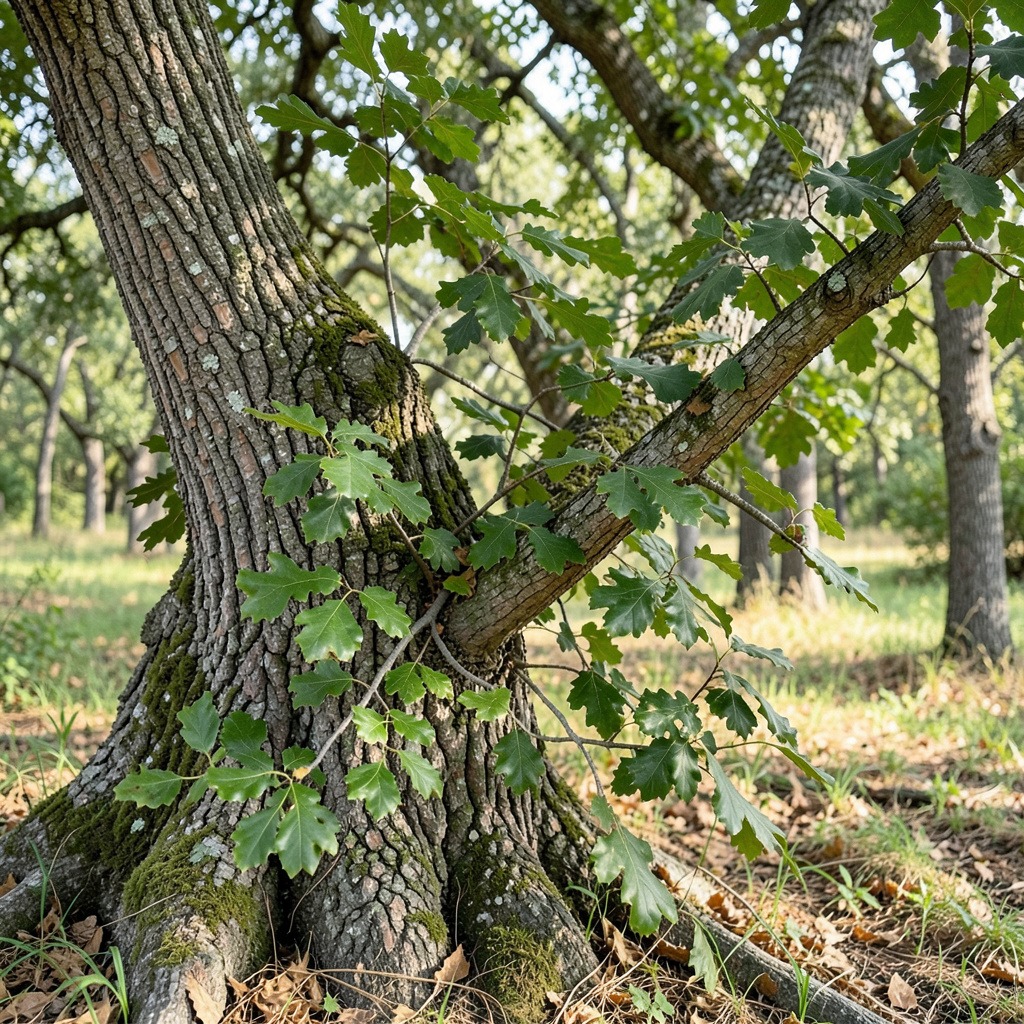
Willow oaks are generally resilient, but they can occasionally face pest and disease challenges. Understanding these issues and implementing effective management strategies will help ensure the health and vitality of your willow oak trees.
Common Pests to Watch For
While willow oaks are less susceptible to pests compared to other oak species, some insects can still pose a threat. Here are a few to monitor:
- Oak Leaf Tatter: This pest causes ragged edges on leaves. While it rarely leads to severe damage, monitoring and managing its presence is essential.
- Scale Insects: These small pests can weaken trees by sucking sap. Look for sticky residue or black sooty mold on leaves.
- Bark Beetles: These insects may target stressed or weakened trees. Signs include small holes in the bark and sawdust around the base.
Signs of Disease in Willow Oaks
Willow oaks are generally robust, but they can still be affected by certain diseases. Identifying symptoms early can facilitate effective intervention.
- Anthracnose: This fungal disease manifests as dark spots on leaves and can lead to leaf drop. While it is less common in willow oaks, it thrives in moist conditions.
- Powdery Mildew: Look for white, powdery spots on leaves. This fungal condition typically occurs in warm, dry weather.
- Root Rot: Overwatering or poor drainage can lead to root rot, evidenced by yellowing leaves and stunted growth.
Prevention and Treatment Strategies
Implementing integrated pest management strategies can help protect your willow oaks. Here are some effective practices:
1. Regular Inspections: Routinely check your trees for signs of pests or diseases. Early detection is crucial for managing outbreaks.
2. Promote Healthy Growth: Ensuring proper watering and fertilization will strengthen trees and make them more resistant to pests and diseases.
3. Cultural Practices: Maintain good air circulation and avoid overhead watering to reduce the likelihood of fungal diseases.
4. Biological Controls: Encourage beneficial insects, such as ladybugs, which can help control pest populations naturally.
5. Chemical Treatments: If necessary, consider using insecticidal soaps or horticultural oils, but reserve these for significant infestations or severe diseases.
Employing these strategies will help maintain the health of your willow oaks, ensuring they continue to thrive in your landscape.
Troubleshooting Willow Oak Care Issues
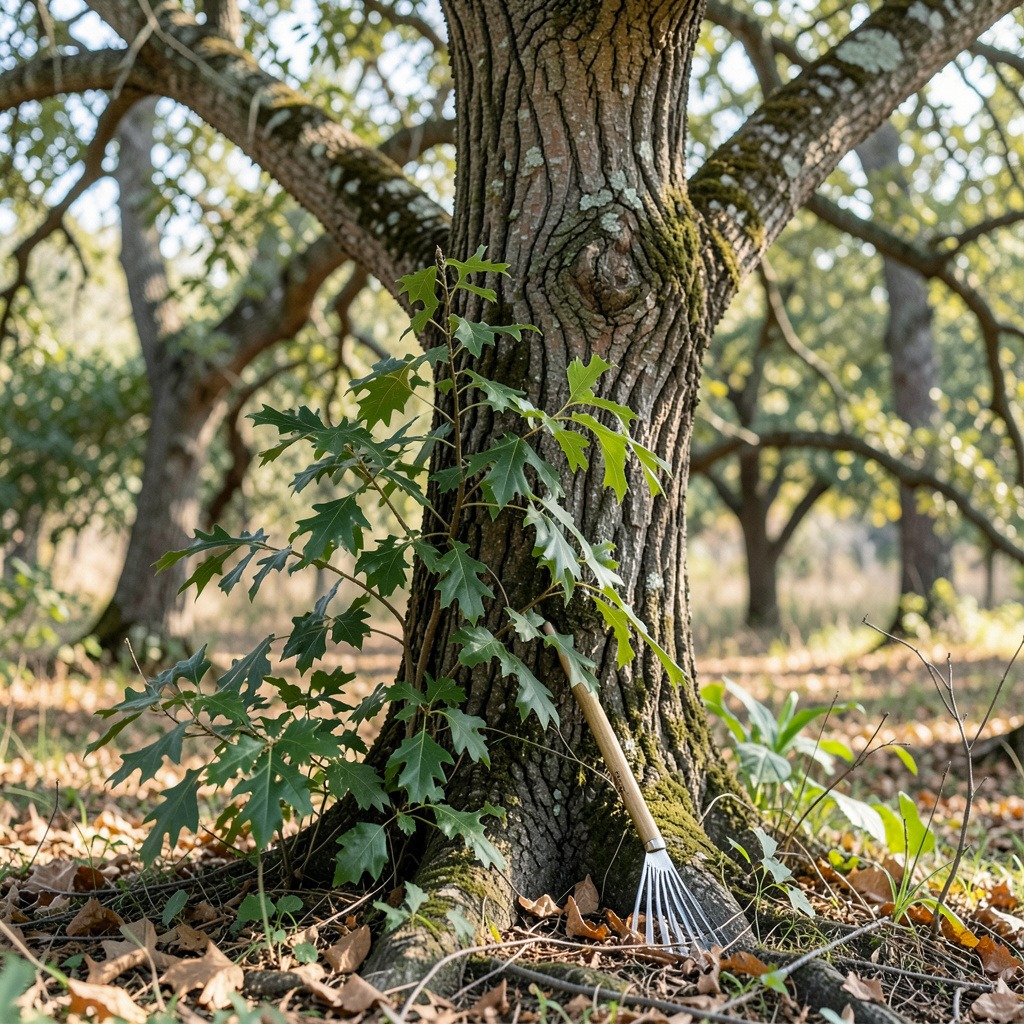
Maintaining healthy willow oaks can present challenges. Identifying common problems early helps ensure these trees thrive. Here are some frequent issues and effective solutions.
Identifying Signs of Stress in Willow Oaks
Signs of stress in willow oaks include:
- Yellowing leaves
- Leaf drop
- Stunted growth
- Fungal growth on the trunk or branches
These indicators often signify problems such as poor soil conditions, inadequate watering, or pest infestations. Regular observation is crucial for early detection.
Solutions for Common Care Mistakes
To prevent and address common mistakes in willow oak care, consider the following checklist:
| Common Mistake | Solution |
|---|---|
| Overwatering | Water deeply but infrequently, ensuring good drainage. |
| Poor soil quality | Amend soil with well-rotted compost before planting. |
| Neglecting pruning | Establish a pruning schedule to maintain structure and health. |
| Ignoring pests | Regularly inspect for pests and treat infestations promptly. |
| Insufficient mulch | Apply a 2-3 inch layer of mulch around the base, keeping it away from the trunk. |
Example Case Study: A homeowner noticed yellowing leaves on their willow oak. After assessing soil quality, they amended it with compost and adjusted their watering schedule. Within a season, the tree showed significant improvement, demonstrating the importance of proper care.
By actively managing these common issues, you can help your willow oaks flourish in any landscape.
Alternatives to Willow Oak for Urban Planting
When considering trees for urban environments, several alternatives to the willow oak (Quercus phellos) provide similar benefits. These trees can enhance landscapes, provide shade, and support local wildlife while also thriving in city conditions.
Comparing Willow Oak with Other Oak Species
| Tree Species | Growth Rate | Adaptability | Benefits |
|---|---|---|---|
| Willow Oak | Fast | High | Excellent shade, supports wildlife |
| Red Oak (Quercus rubra) | Moderate | Moderate to High | Strong wood, great fall color |
| White Oak (Quercus alba) | Slow | Moderate | Long lifespan, high wildlife value |
| Pin Oak (Quercus palustris) | Fast | Moderate | Tolerates wet conditions |
- Willow Oak: Grows quickly and adapts well to a variety of soil types. It provides abundant shade and attracts wildlife.
- Red Oak: Offers a moderate growth rate and is known for its striking fall foliage. It is ideal for urban settings where aesthetics are important.
- White Oak: This species grows more slowly, but its longevity and wildlife support make it a valuable addition to landscapes.
- Pin Oak: It thrives in wet conditions, making it a suitable choice for areas prone to flooding.
Other Suitable Trees for Urban Environments
In addition to oaks, consider these tree species that work well in urban settings:
- Sugar Maple (Acer saccharum): Known for stunning fall colors. It requires well-drained soil and offers shade.
- Eastern Redbud (Cercis canadensis): A smaller tree with beautiful spring blooms. It adapts to various soil types and is visually appealing.
- London Plane Tree (Platanus × acerifolia): Highly tolerant of pollution and urban conditions. It grows rapidly and provides ample shade.
- Crape Myrtle (Lagerstroemia indica): Offers vibrant flowers in summer and is drought-resistant once established.
These alternatives can fulfill similar roles in urban landscapes, ensuring a diverse and resilient environment while maintaining aesthetic appeal.
Frequently Asked Questions
These quick answers cover the most common questions about this topic, including key details, practical tips, and common concerns.
What are the downsides of willow oak trees?
While willow oak trees (Quercus phellos) offer numerous benefits, they do have some downsides. One issue is their extensive root systems, which can disrupt pavement and nearby structures if planted too close. Additionally, they may attract certain pests, such as oak leaf tatter and scale insects, which can weaken the tree if not managed properly.
Another potential downside is their susceptibility to environmental stressors. Willow oaks may struggle in poorly drained soils or during prolonged droughts, leading to yellowing leaves and stunted growth. It’s essential to monitor their health and provide proper care to mitigate these issues.
How should I prune my willow oak tree?
Pruning willow oaks is crucial for maintaining their shape and health. The best time to prune is during late winter or early spring when the tree is dormant. This timing reduces stress and encourages healthy growth.
When pruning, focus on formative pruning in the early years to establish a strong central leader and evenly spaced branches. Use sharp, clean tools to make clean cuts, removing any dead, diseased, or crowded branches to improve airflow. Regular pruning helps prevent structural issues and promotes a healthy canopy.
What is the life expectancy of a willow oak?
Willow oaks typically have a life expectancy of 30 to 50 years, depending on environmental conditions and care. Factors such as soil quality, water availability, and pest management significantly influence their longevity.
With proper care, including regular watering, fertilization, and pest control, you can help extend the life of your willow oak and maintain its health throughout its lifespan.
Is willow oak a good yard tree?
Yes, willow oak is considered a good yard tree due to its rapid growth and adaptability. These trees provide ample shade, making them ideal for residential areas and parks. Their unique, slender leaves and graceful form add aesthetic value to landscapes.
Additionally, willow oaks support local wildlife by producing acorns that serve as food for various birds and mammals. Their ability to improve air quality and manage stormwater runoff further enhances their appeal in urban and suburban settings.
How to save struggling newly planted willow oak trees?
If your newly planted willow oak is struggling, start by assessing its watering needs. Ensure the tree receives deep, consistent watering, especially during dry spells. Check the soil moisture to avoid over or under-watering, as both can stress the tree.
Next, inspect for signs of pests or diseases, such as yellowing leaves or unusual growth patterns. If pests are present, consider using insecticidal soap or horticultural oils for treatment. Additionally, ensure the tree has adequate mulch to retain moisture and regulate soil temperature, promoting healthy root development.
What pests affect willow oak trees?
Willow oaks can be affected by several pests, including oak leaf tatter, scale insects, and bark beetles. Oak leaf tatter causes ragged leaf edges but typically doesn’t lead to severe damage. Scale insects suck sap from the tree, weakening it, while bark beetles may target stressed trees.
Regular inspections are essential for early detection. If you notice signs of infestation, promptly address the issue with appropriate pest management strategies to protect your willow oak’s health.
What soil conditions are best for willow oaks?
Willow oaks thrive in well-drained, loamy soils rich in organic matter. They prefer slightly acidic to neutral pH levels, making soil testing important for optimal growth.
To improve soil conditions, consider amending with compost or well-rotted manure before planting. This enhances nutrient availability and promotes healthy root development, ensuring your willow oak can establish itself successfully in your landscape.
How can I improve the growth of my willow oak?
To enhance the growth of your willow oak, focus on proper watering, fertilization, and pruning practices. Ensure the tree receives deep, infrequent watering, especially during dry spells, to encourage deep root growth.
Conduct annual soil tests to determine nutrient levels. If deficiencies are noted, apply a balanced, slow-release fertilizer in early spring. Regular pruning helps maintain structure and health, allowing for better light penetration and airflow, which are crucial for robust growth.