
The willow oak typically grows 2 to 3 feet per year under optimal conditions, reaching heights of 60 to 75 feet within 30 years, making it a fast-growing shade tree option.
Table of Contents
Understanding the growth rate of willow oaks (Quercus phellos) is essential for effective landscaping and tree management. With optimal conditions, these trees can provide quick shade and enhance the beauty of outdoor spaces, making them a popular choice for homeowners.
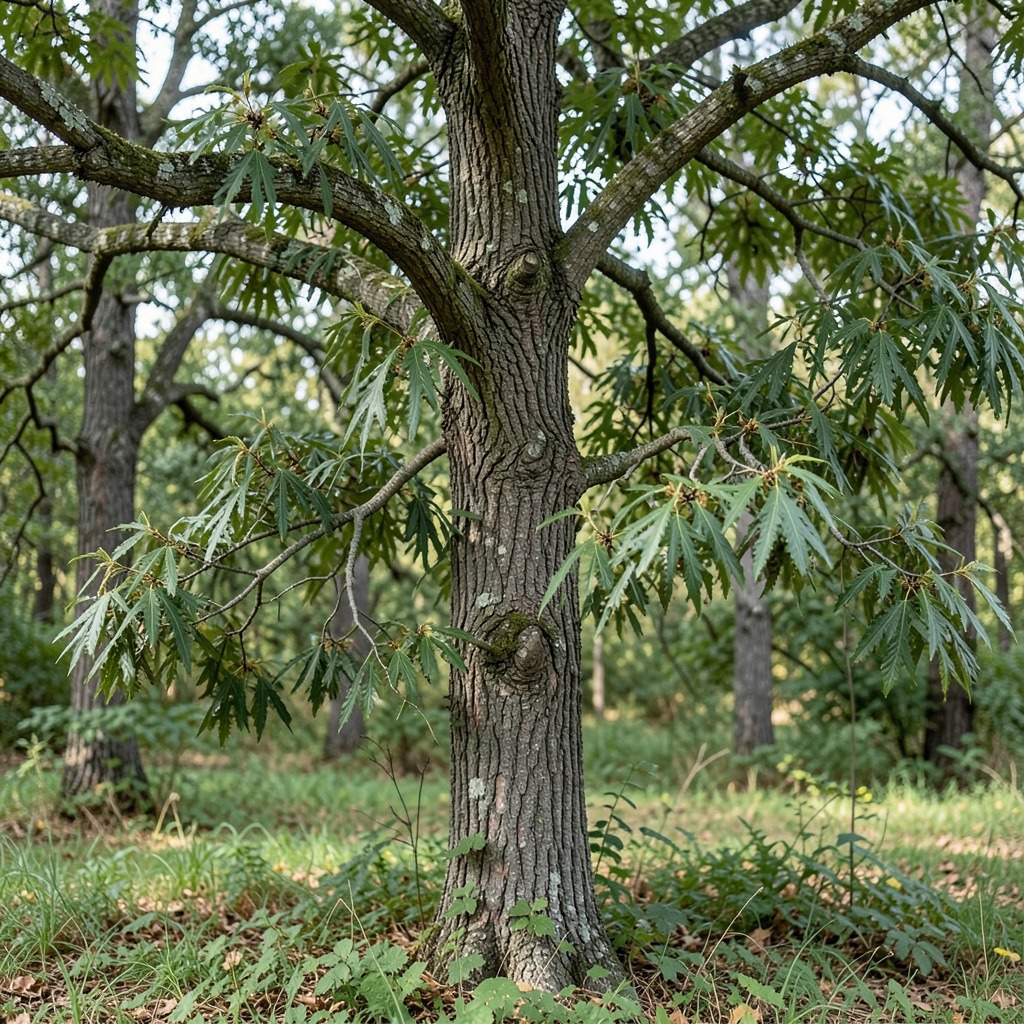
Understanding the Willow Oak Growth Rate
The willow oak (Quercus phellos) is known for its impressive growth rate, making it a favored choice for landscaping. Understanding its growth dynamics helps in planning for shade and aesthetics in outdoor spaces.
Average Growth Rate and Height Expectations
Willow oaks typically exhibit a growth rate of 24 to 36 inches per year under ideal conditions. This rapid growth allows them to reach heights of 50 to 75 feet at maturity, providing ample shade. Below is a growth timeline showcasing expected heights at various ages:
| Age (Years) | Height (Feet) |
|---|---|
| 5 | 10-15 |
| 10 | 20-30 |
| 20 | 40-50 |
| 30 | 50-75 |
Comparison with Other Oak Species
When compared to other oak species, the willow oak stands out for its growth rate. For instance:
- Red Oak: Comparable growth rate, also 24 to 36 inches per year.
- White Oak: Slower growth, averaging 12 to 24 inches per year.
- Pin Oak: Similar to willow oak but slightly slower in certain conditions.
This comparison highlights that willow oaks not only grow quickly but also provide substantial canopy coverage.
Key Factors Influencing Growth Rates
Several factors contribute to the growth rate of willow oaks:
- Soil Quality: Well-drained, loamy soil enhances growth.
- Water Availability: Consistent moisture, especially during dry spells, supports faster growth.
- Sunlight: Full sun exposure is crucial for optimal growth.
- Pest Management: Healthy trees grow faster. Common pests like gypsy moths can affect their foliage, but most damage is cosmetic.
For optimal results, ensure that willow oaks are planted in suitable locations where these factors can be managed effectively. Regular maintenance and monitoring will further enhance their growth potential.
Ideal Conditions for Growing Willow Oaks
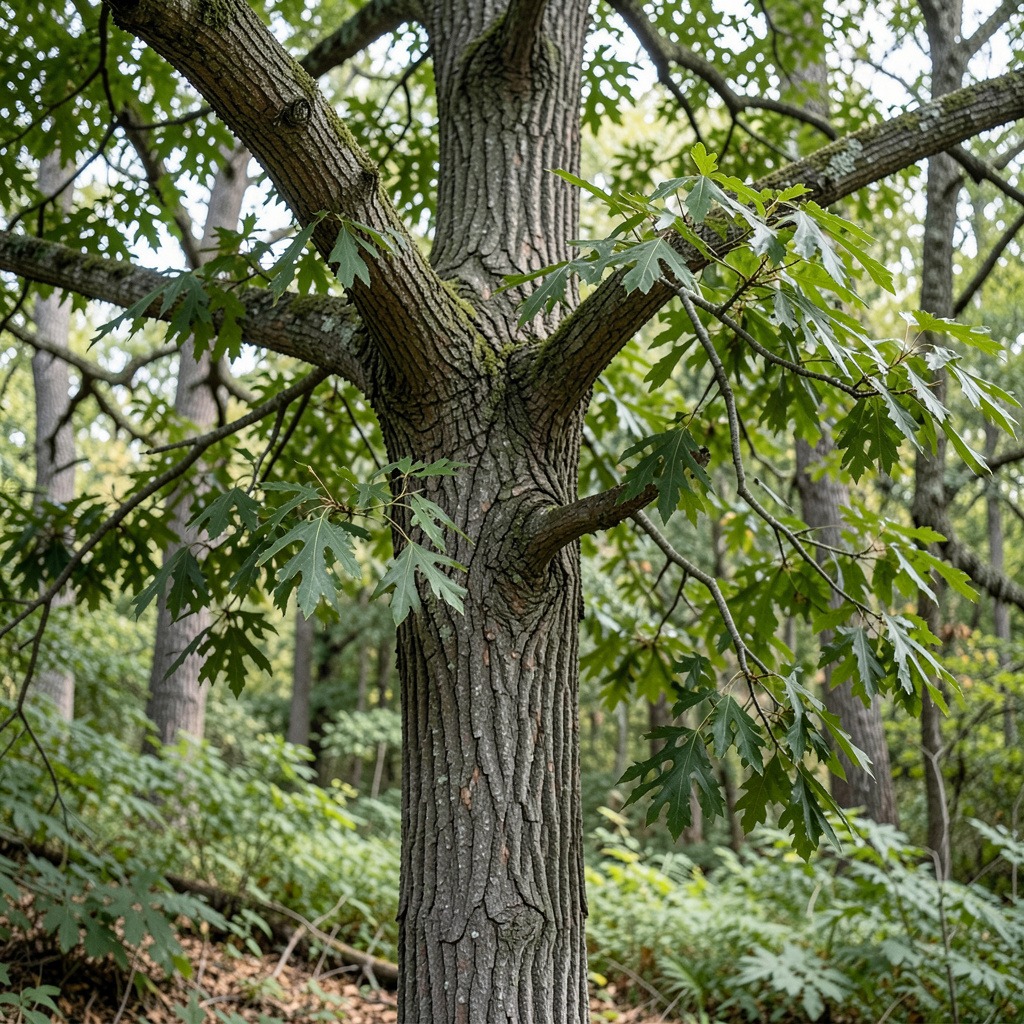
To maximize the growth rate of willow oaks, it is essential to understand their specific needs in terms of soil, sunlight, and water. Meeting these requirements ensures healthy trees that grow efficiently.
Soil Composition and Drainage Needs
Willow oaks thrive in a variety of soil types, but certain characteristics enhance their growth:
- Well-drained Soil: Good drainage prevents root rot.
- Loamy Texture: A mix of sand, silt, and clay is ideal.
- pH Level: Slightly acidic soil (pH 6 or lower) is preferable.
- Soil Amendments: Incorporate organic matter, such as compost, to enrich the soil.
Checklist for Soil Preparation:
- Test soil pH and amend as necessary.
- Ensure proper drainage by mixing in sand or perlite if soil is compacted.
- Add organic compost to improve nutrient content.
Sunlight Requirements
Willow oaks require full sun for optimal growth:
- Sunlight Exposure: Aim for at least 6 hours of direct sunlight daily.
- Shade Tolerance: They can tolerate light shade but will grow slower in shaded areas.
Comparison Note: Unlike some oak species that thrive in partial shade, willow oaks are more dependent on full sunlight for vigorous growth.
Watering and Fertilization Tips
Watering and nutrient management are critical, especially in the early stages:
- Watering Schedule: Newly planted trees need watering at least twice a week. Once established, they require less frequent watering.
- Soil Moisture Check: Water when the top 2 inches of soil feel dry.
- Fertilization: Use a balanced fertilizer in early spring. This promotes robust growth during the growing season.
Watering Checklist:
- Maintain consistent moisture during the first two years.
- Monitor soil moisture levels before watering.
- Adjust frequency based on rainfall and temperature.
By ensuring these ideal conditions, you can significantly enhance the growth rate of your willow oak, establishing a strong and healthy tree.
Caring for Willow Oaks Throughout Their Growth Stages
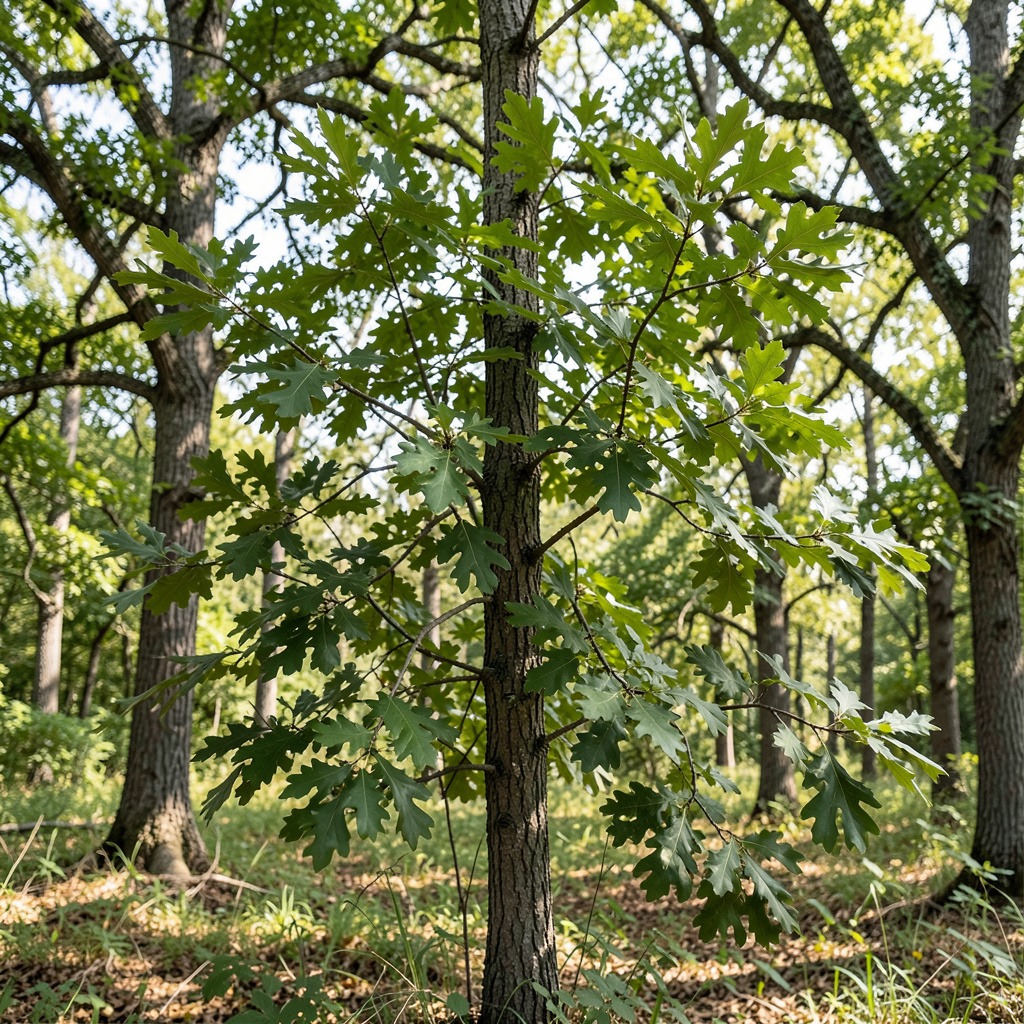
Caring for willow oaks requires attention at each growth stage to ensure optimal growth rates and health. From planting to maturity, the right care can significantly enhance their development.
Early Care and Establishment
During the first few years, proper care sets the foundation for healthy growth. Focus on the following:
- Watering: Water newly planted willow oaks at least twice a week. Once established, reduce watering frequency.
- Soil Check: Monitor soil moisture. Water when the top 2 inches feel dry.
- Fertilization: Apply a balanced fertilizer in early spring to stimulate growth.
Checklist for Early Care:
- Maintain consistent moisture for the first two years.
- Ensure adequate sunlight, ideally 6-8 hours daily.
- Mulch around the base to retain moisture and suppress weeds.
Maintenance for Mature Trees
Once established, willow oaks require ongoing maintenance to thrive and continue their robust growth rates. Key aspects include:
- Pruning: Conduct light pruning in late winter to remove dead or crossing branches. This promotes healthy airflow and reduces disease risk.
- Watering: Mature trees need watering during prolonged dry spells. Check soil moisture before watering.
- Fertilization: Fertilize every couple of years with a slow-release nitrogen fertilizer to support sustained growth.
Scenario-Based Insight: If your mature willow oak shows signs of stress, such as wilting leaves, assess its water needs. A simple test involves poking a finger into the soil; if it feels dry past the first knuckle, it’s time to water.
Common Pests and Diseases
Willow oaks are generally resistant to many pests and diseases but can still face challenges. Be vigilant about:
- Pests: Watch for caterpillars like fall webworms and gypsy moths, which can damage leaves.
- Diseases: Common issues include anthracnose and oakleaf blister. Regular inspections can catch these early.
Actionable Tip: Implement integrated pest management (IPM) strategies. This may include introducing beneficial insects or using organic pesticides as needed.
By following these care tips tailored to each growth stage, you can enhance the growth rate and overall health of your willow oak, ensuring it thrives for years to come.
Environmental and Aesthetic Benefits of Willow Oaks
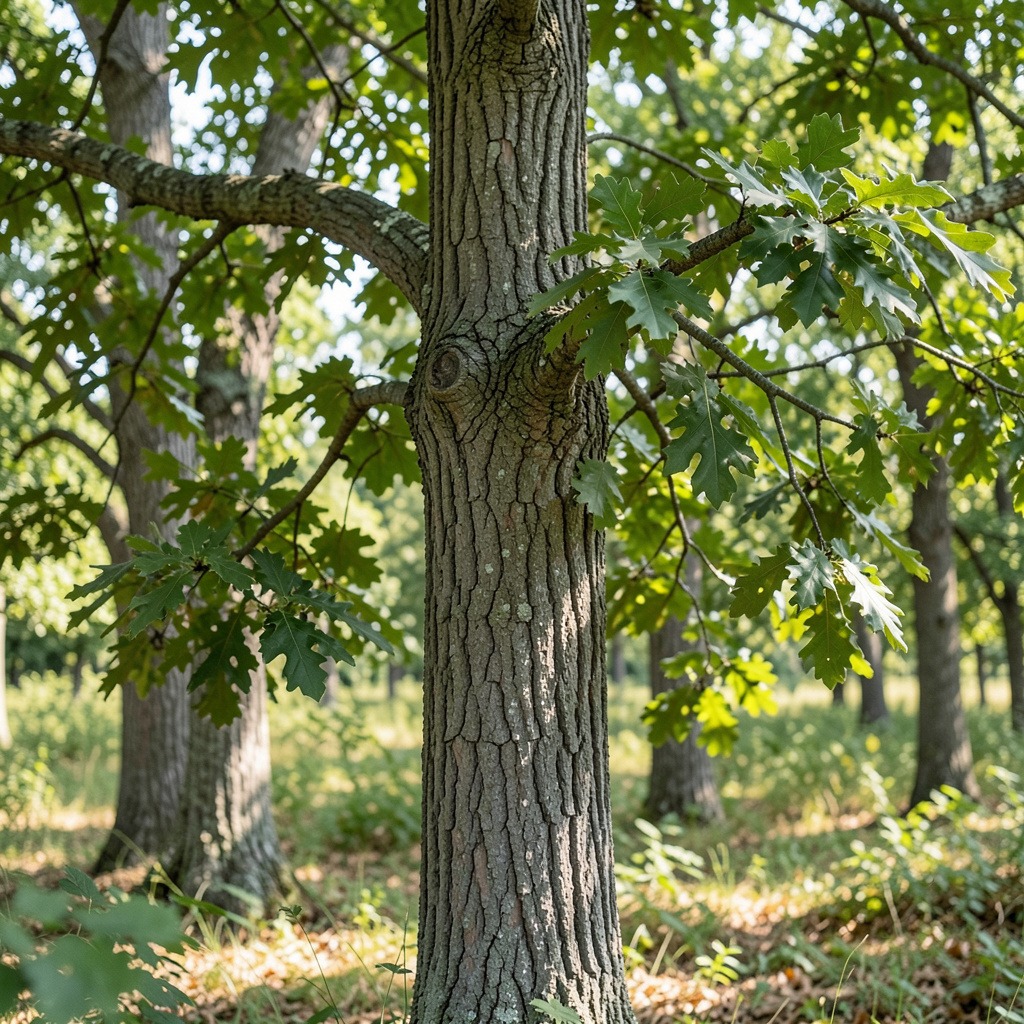
Willow oaks (Quercus phellos) provide significant ecological and aesthetic advantages. Their rapid growth rate and expansive canopy enhance both urban and rural landscapes, making them valuable additions to any outdoor space.
Shade Provision and Energy Savings
Willow oaks can grow up to 70 feet tall, offering substantial shade. This shade reduces indoor temperatures, promoting energy efficiency. By strategically planting willow oaks near homes, homeowners can lower cooling costs by up to 30% during summer months.
Benefits:
- Provides ample shade for yards and patios.
- Reduces energy consumption for cooling.
- Creates comfortable outdoor spaces for recreation.
Wildlife Habitat and Biodiversity
Willow oaks support diverse wildlife. Their acorns serve as a vital food source for birds, squirrels, and other small mammals. Additionally, the tree’s foliage provides shelter and breeding grounds for various species.
Key Contributions:
- Attracts species such as woodpeckers, blue jays, and deer.
- Supports pollinators with its flowers.
- Enhances local biodiversity, contributing to a healthier ecosystem.
Air Quality Improvement
Willow oaks improve air quality by absorbing pollutants. They filter harmful substances like carbon dioxide and particulate matter, making the air cleaner. A mature willow oak can absorb over 48 pounds of carbon dioxide annually.
Impact on Air Quality:
- Reduces urban heat islands.
- Filters pollutants, enhancing overall air quality.
- Contributes to climate resilience through carbon sequestration.
Example Case Study:
In a suburban neighborhood, planting willow oaks along streets led to a noticeable increase in local bird populations and a decrease in energy costs for residents. Homeowners reported cooler yards and healthier gardens, showcasing the tree’s positive impact on both ecology and aesthetics.
By understanding these benefits, you can appreciate how planting willow oaks not only enhances your landscape but also contributes to the health of the environment.
Conclusion: The Willow Oak as a Landscape Choice
The willow oak offers a unique blend of aesthetic appeal and environmental benefits. Its growth rate, alongside proper care, makes it a viable choice for many landscapes.
Growth Rate and Ideal Conditions
Willow oaks exhibit a rapid growth rate, often reaching heights of 60 to 75 feet within a few decades. Their growth is significantly influenced by planting conditions and care.
- Sunlight: Full sun exposure is ideal for optimal growth.
- Soil: Prefers moist, well-drained soils but tolerates various soil types.
- Watering: Young trees require consistent watering, especially during dry periods.
Advantages of Planting Willow Oaks
The willow oak stands out among other oak species for several reasons:
- Rapid Growth: Comparable to red oaks, faster than white oaks or pin oaks.
- Shade Provider: Its broad canopy offers excellent shade for landscapes.
- Environmental Benefits: Contributes to air quality improvements and carbon sequestration.
Practical Considerations for Homeowners
Before planting a willow oak, evaluate the following:
- Space: Ensure ample room for the tree’s expansive canopy.
- Pest Management: Be aware of potential pests like gypsy moths and caterpillars.
- Location: Consider the tree’s growth in relation to nearby structures and plants.
By understanding these factors, potential planters can make informed decisions about incorporating willow oaks into their landscapes.
Frequently Asked Questions
These quick answers cover the most common questions about this topic, including key details, practical tips, and common concerns.
What are the downsides of willow oak trees?
While willow oaks are generally robust, they do have some downsides. One concern is their susceptibility to pests like gypsy moths and caterpillars, which can damage foliage. Additionally, the tree’s large size may not be suitable for small yards, as it can overshadow smaller plants and limit sunlight.
Another downside is that willow oaks can develop shallow root systems, which may lead to instability in strong winds. Homeowners should also consider the potential for leaf drop in the fall, which can create maintenance tasks in the yard.
How big is a 10-year-old willow oak tree?
A 10-year-old willow oak typically reaches heights between 20 to 30 feet. This growth can vary based on environmental factors like soil quality, sunlight, and water availability. Under optimal conditions, these trees can grow even taller, making them excellent shade providers in a relatively short time.
Is willow oak a good yard tree?
Yes, willow oaks are considered good yard trees for many reasons. They grow quickly, providing shade and aesthetic appeal within a few years. Their broad canopy can significantly cool outdoor spaces, potentially reducing energy costs in nearby homes.
However, homeowners should assess their yard size and ensure there is enough space for the tree’s mature height and width. Additionally, consider the tree’s root system and its potential impact on nearby structures or other plants.
Do willow oak trees have invasive roots?
Willow oaks do not have invasive roots in the same way that some other tree species do. However, their roots can spread widely and may become shallow, which can affect nearby plants and structures. It’s essential to plant them at a suitable distance from foundations, sidewalks, and other trees to minimize any potential issues.
What USDA hardiness zones are suitable for willow oaks?
Willow oaks thrive in USDA hardiness zones 6 to 9. This range includes areas with mild winters and warm summers, making it ideal for their growth. Homeowners in these zones can expect optimal growth rates and health when planting willow oaks.
What kind of soil do willow oaks prefer (clay, sand, loam)?
Willow oaks prefer well-drained, loamy soil that retains moisture while allowing excess water to escape. They can tolerate various soil types, including sandy and clay soils, but their growth is best in loamy conditions. Ensuring good drainage is crucial to prevent root rot and promote healthy growth.
When is the best time to plant willow oaks?
The ideal time to plant willow oaks is in the early spring or fall. Planting during these seasons allows the tree to establish roots before the heat of summer or the cold of winter sets in. Spring planting gives the tree a full growing season to acclimate, while fall planting can take advantage of cooler temperatures and increased moisture.