
Willow oak (Quercus phellos) can be identified by its narrow lance-shaped leaves, small round acorns with a unique cap, and dark furrowed bark.
Table of Contents
Identifying the willow oak tree can be challenging due to its unique features. This guide outlines eight essential characteristics that will help you accurately recognize Quercus phellos in various environments, making it easier to spot this stunning species in nature.
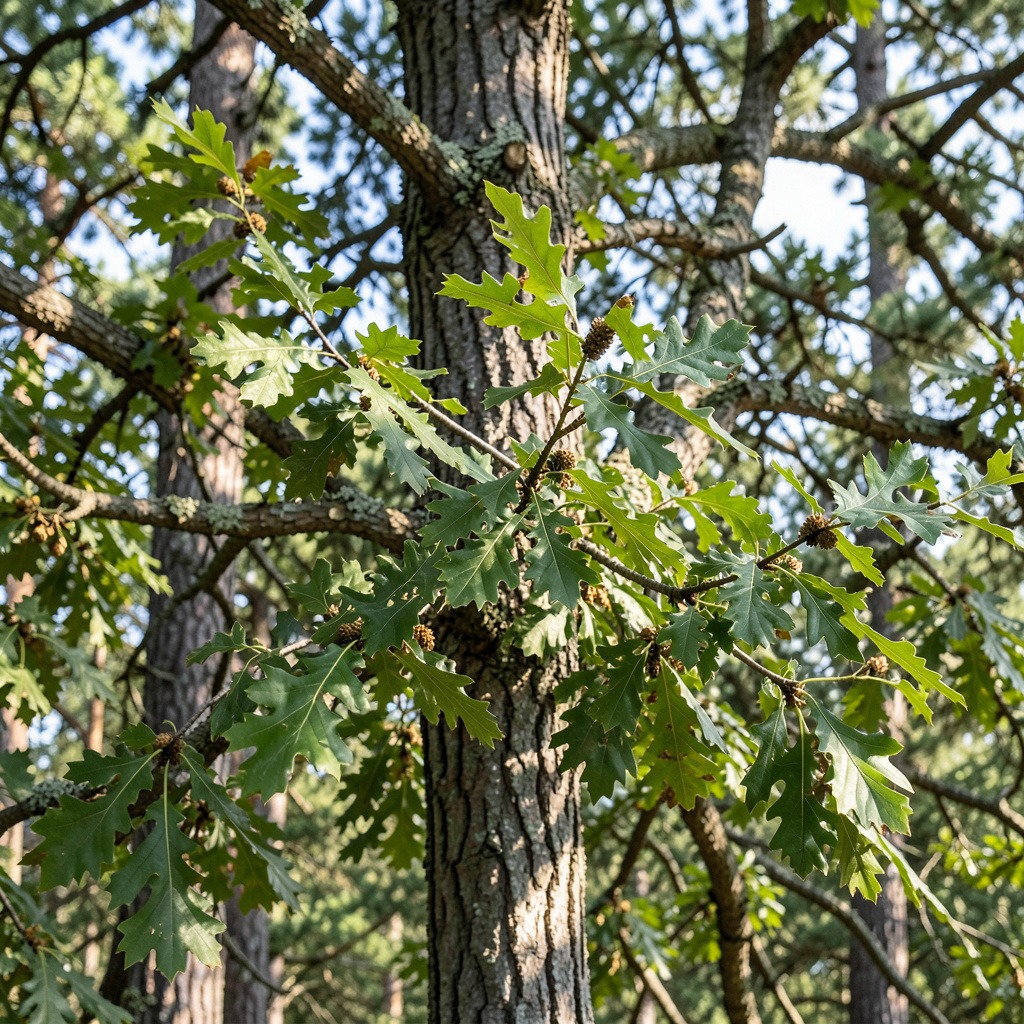
The Unique Leaf Structure of Willow Oak
The leaves of the willow oak (Quercus phellos) present a distinct appearance that sets them apart from other oak species. Their unique structure is critical for accurate identification.
Leaf Size and Shape
Willow oak leaves are long and slender, measuring 4 to 5 inches (10 to 12 cm) in length and up to 1 inch (2.5 cm) wide. They have a lance-like shape, tapering at both ends. This shape contrasts sharply with the typical lobed leaves of other oak varieties. Key features include:
- Smooth edges: Unlike many oaks, willow oak leaves lack lobes.
- Bristle tips: Each leaf ends in a fine point, enhancing its slender profile.
- Pale undersides: The underside of the leaf is lighter in color with visible veins.
Seasonal Color Changes
In spring and summer, leaves are a glossy, vibrant green. As fall approaches, they transition to warm hues of russet or yellow before dropping. This seasonal change not only adds beauty but also provides a visual cue for identification during different times of the year.
Comparative Leaf Features
To differentiate willow oak leaves from similar species, consider the following comparisons:
| Feature | Willow Oak (Quercus phellos) | Shingle Oak (Quercus imbricaria) | Pin Oak (Quercus palustris) |
|---|---|---|---|
| Leaf Shape | Lance-shaped | Broad, rounded | Deeply lobed |
| Leaf Edge | Smooth | Wavy | Lobed |
| Typical Length | 4-5 inches | 3-5 inches | 3-6 inches |
| Seasonal Color | Green to russet/yellow | Dark green to brown | Green to reddish-brown |
When identifying a willow oak, focus on the uniqueness of its leaf shape and seasonal variations. This knowledge will aid in distinguishing it from related oak species, ensuring accurate identification.
Bark Characteristics for Accurate Identification
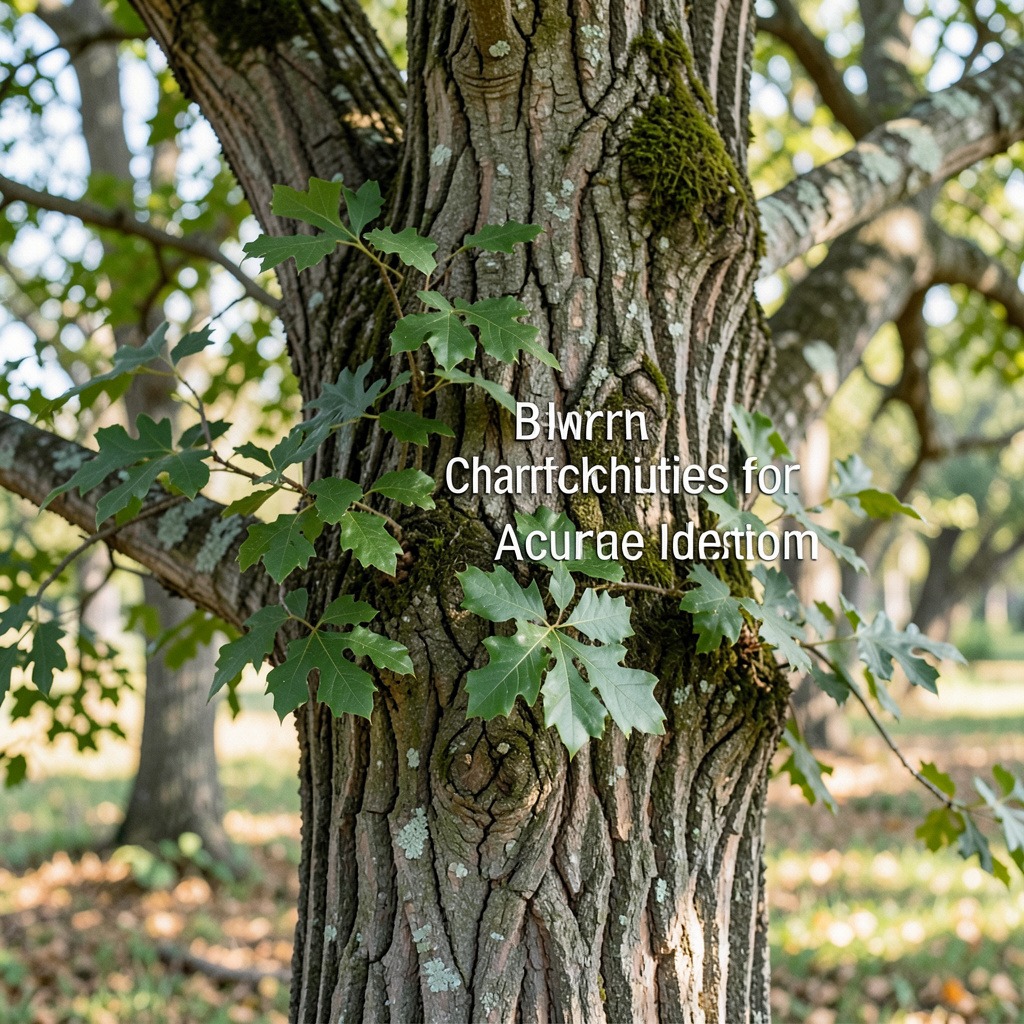
The bark of the willow oak (Quercus phellos) is a key feature for identification. Its texture and color change significantly as the tree matures, providing distinct clues for recognition.
Young vs. Mature Bark
- Young Trees: The bark appears smooth and reddish-brown. It is more uniform in texture and lacks deep furrows.
- Mature Trees: As the tree ages, the bark develops a grayish tone with a rough texture. Deep furrows and scaly plates become prominent, indicating maturity.
Bark Texture and Color
- Smooth Texture: Early in life, the bark is smooth and shiny, making it easy to identify young willow oaks.
- Fissured Bark: Mature willow oaks exhibit deeply grooved bark with cracks. This rough texture can help distinguish them from other oak species.
Comparative Bark Features
| Feature | Willow Oak | Shingle Oak | Pin Oak |
|---|---|---|---|
| Young Bark Color | Reddish-brown | Light gray | Smooth gray |
| Mature Bark Texture | Deeply furrowed | Flaky | Shallow furrows |
| Bark Lifespan | Roughens with age | Remains relatively smooth | Rough with age |
When identifying a willow oak, observe the bark’s color and texture carefully at different growth stages. This insight will aid in distinguishing it from similar oak species.
Notable Acorn Features of Willow Oak
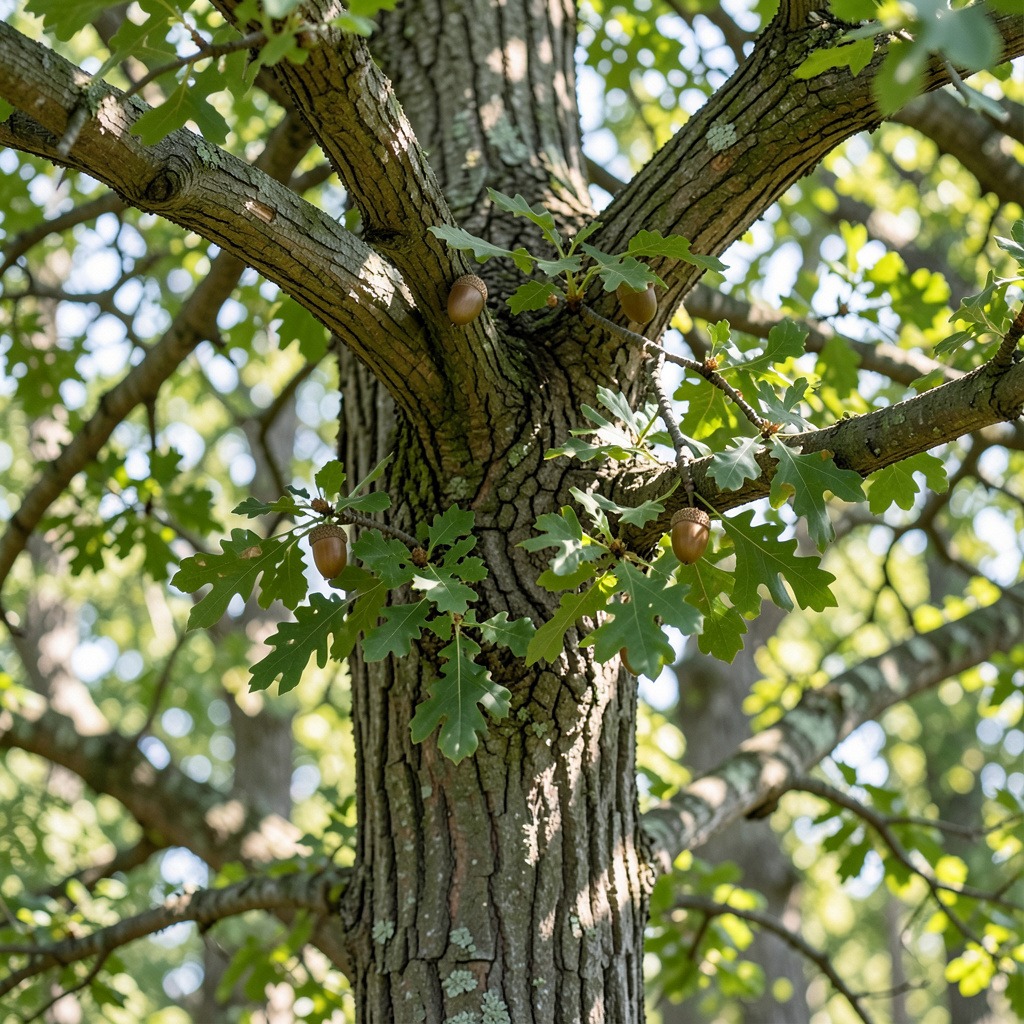
Willow oak acorns possess distinct characteristics that aid in their identification. Understanding their size, shape, and cap structure is crucial for distinguishing them from other oak species.
Acorn Size and Shape
Willow oak acorns are relatively small, typically measuring between 0.31 to 0.5 inches (8 to 12 mm) in length. Their shape is oval, which sets them apart from the more elongated acorns of some other oak trees. Here’s a quick comparison of acorn sizes:
| Acorn Type | Size (inches) | Shape |
|---|---|---|
| Willow Oak | 0.31 – 0.5 | Oval |
| Red Oak | 0.5 – 1.0 | Elongated |
| Pin Oak | 0.25 – 0.5 | Round to Oval |
Cap Structure and Color
The cap of a willow oak acorn is shallow and warty, covering about one-third of the nut. This cap has a thin, low profile, distinguishing it from the broader caps of red oaks and pin oaks. The color of the cap is generally light brown, adding to its unique identification features.
Acorn Production Timeline
Willow oak acorns require two growing seasons to mature fully. This timeline is important for identification, as many oak species produce acorns in one season. Here’s a brief overview of the acorn maturation stages:
1. Year 1: Flowering and initial acorn development in spring.
2. Late Year 1: Acorns grow in size but remain immature.
3. Year 2: Acorns reach maturity in late summer to early fall.
By observing these features, you can confidently identify willow oak acorns in the field.
Growth Habit and Size of Willow Oak Trees
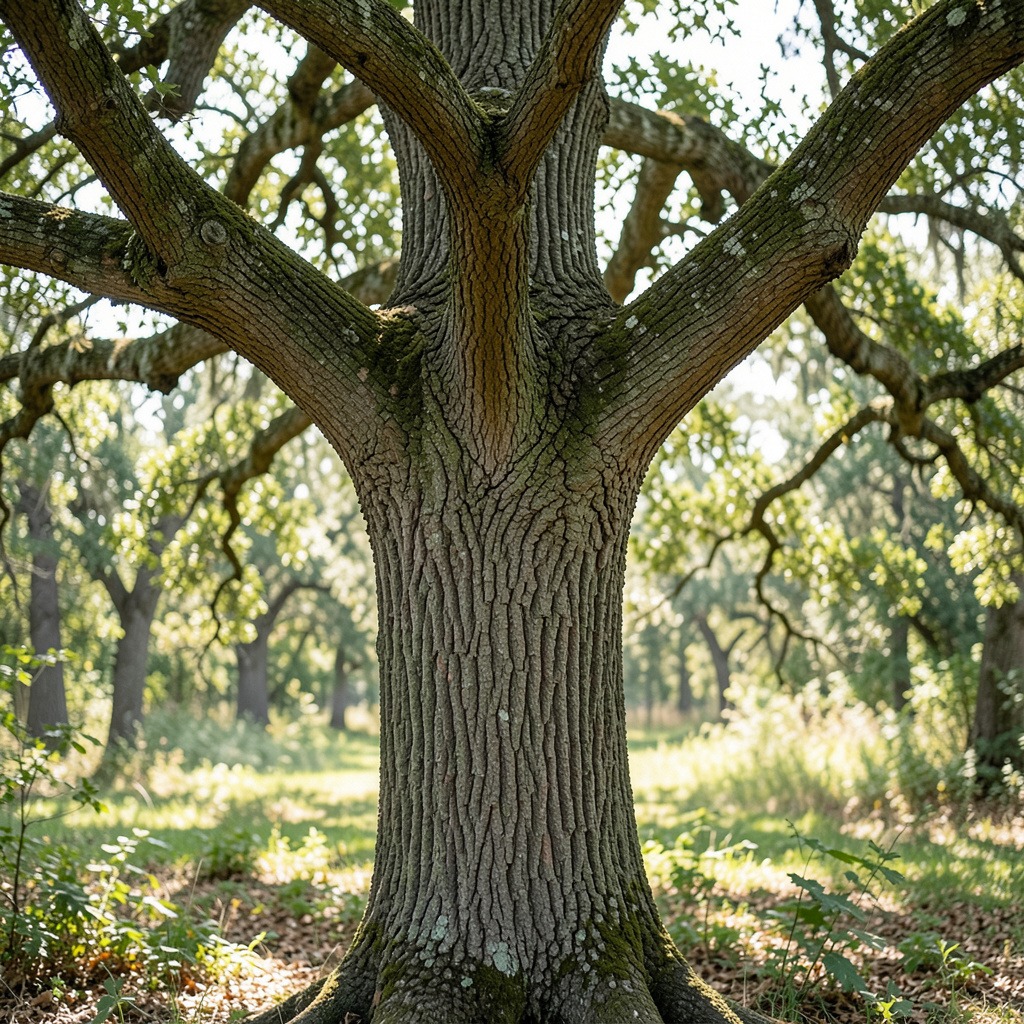
Understanding the growth habit and size of willow oaks is essential for accurate identification. These trees present distinct characteristics that differentiate them from other oak species.
Mature Height and Spread
Willow oaks typically reach a height between 60 to 75 feet, though some can grow taller under optimal conditions. Their spread can range from 40 to 50 feet, creating a robust canopy. This size makes them suitable for larger landscapes and parks.
| Age of Tree | Height (Feet) | Crown Spread (Feet) |
|---|---|---|
| 5 years | 10-15 | 10-15 |
| 10 years | 20-30 | 15-20 |
| 20 years | 40-50 | 30-40 |
| 30 years | 60-75 | 40-50 |
Crown Shape Characteristics
The crown of a willow oak is typically rounded to pyramidal. This shape contributes to its distinctive silhouette. The branches grow horizontally, creating a dense canopy.
- Crown Shape: Rounded to pyramidal
- Branching: Horizontal growth
- Canopy Density: Thick and lush
Growth Rate Insights
Willow oaks exhibit a moderate to fast growth rate. Under ideal conditions, they can grow 24 inches or more in a single year. This rapid growth can be advantageous for landscaping and providing shade quickly.
Quick Identification Tips:
- Look for a tall tree, typically over 60 feet.
- Check for a rounded, dense crown.
- Observe the horizontal branching pattern.
By focusing on these growth characteristics, you can effectively identify willow oaks in the field.
Habitat and Growing Conditions for Willow Oaks
Willow oaks thrive in specific conditions that support their growth and health. Understanding these requirements is essential for accurate identification and successful cultivation.
Ideal Soil Types
Willow oaks prefer well-draining soils that retain moisture. Here are the ideal types:
- Sandy soils: Promote good drainage while retaining some moisture.
- Loamy soils: Balance drainage and nutrient retention.
- Clay soils: Can support willow oaks if they are well-drained and consistently moist.
- Acidic soils: A pH level of around 6 or lower is ideal for optimal growth.
Sunlight and Water Requirements
These trees flourish in sunny environments. They require:
- Full sun: At least six hours of direct sunlight daily.
- Moisture: Consistent moisture is essential, particularly during dry spells.
A checklist for field identification based on habitat conditions includes:
- Check soil type: Is it sandy, loamy, or clay?
- Observe sunlight: Is the tree in full sun or partial shade?
- Assess moisture levels: Does the soil remain consistently moist?
Native Range and Habitat Preferences
Willow oaks are native to the southeastern United States, favoring areas with high moisture. Their habitat extends from:
- USDA Zones 5 to 9: This range indicates their adaptability to varying climates.
- Floodplains and wetlands: They thrive in these moist environments.
Visual aids, such as a map of their native range, can enhance understanding of where to find willow oaks in their natural habitat. This knowledge aids in proper identification and appreciation of their ecological role.
Importance of Willow Oaks to Wildlife
Willow oaks play a crucial ecological role, particularly through their acorns, which serve as a vital food source for various wildlife species. Understanding their contribution can enhance identification and appreciation of these trees.
Food Source for Birds and Mammals
Willow oak acorns are small, dark brown, and oval-shaped, typically measuring between 0.31 and 0.5 inches long. These acorns are a favorite among many birds and mammals, providing essential nutrients. Key wildlife species that rely on willow oak acorns include:
- Wood Ducks: They feed on acorns during fall and winter.
- Gray Squirrels: These rodents gather and store acorns for winter sustenance.
- White-tailed Deer: They consume acorns during the autumn months.
- Birds: Various species, including woodpeckers and wild turkeys, rely on acorns as a food source.
Role in Local Ecosystems
Willow oaks contribute to ecosystem stability by supporting diverse wildlife populations. Their acorns are not only nutritious but also abundant, helping sustain various animal species. For instance, studies indicate that large willow oak stands can support thousands of birds and mammals during critical seasons.
- Habitat: The tree provides shelter and nesting sites for birds and insects.
- Food Web: The acorns attract herbivores, which in turn support predators, creating a balanced food web.
Effects on Biodiversity
The presence of willow oaks in an area enhances biodiversity. Their acorns support a wide range of species, promoting healthy ecosystems. Here are some notable impacts:
- Increased Species Richness: Areas with willow oaks often host higher populations of birds and small mammals.
- Soil Health: Leaf litter from willow oaks contributes organic matter, enriching soil quality and promoting plant diversity.
By recognizing the wildlife significance of willow oaks, one can appreciate their importance beyond mere identification. These trees are not only identifiable by their leaves, bark, and acorns but also by their essential role in sustaining local ecosystems.
Common Misidentification Issues with Willow Oaks
Identifying willow oaks (Quercus phellos) can be challenging due to their similarities with other oak species. Understanding these common misidentification issues can enhance accuracy in recognizing this unique tree.
Confusion with Similar Oak Species
Willow oaks often get mistaken for other oak varieties, particularly:
- Shingle Oak (Quercus imbricaria): Features broader, rounded leaves, differing significantly from the narrow, lance-shaped leaves of the willow oak.
- Pin Oak (Quercus palustris): Possesses deeply lobed leaves, which contrasts starkly with the smooth, elongated foliage of the willow oak.
- Water Oak (Quercus nigra): Has a more rounded leaf shape and is generally shorter than the willow oak.
Common Misidentification Traits
Several traits can lead to misidentification:
- Leaf Shape: The willow oak’s leaves are long and narrow, resembling those of a willow tree. This distinct shape is a primary identifier.
- Bark Texture: Willow oak bark is relatively smooth with shallow furrows, unlike the deeply ridged bark of many other oaks.
- Acorn Characteristics: The acorns of willow oaks are elongated and slender, differing from the rounder acorns of other oak species.
Tips to Avoid Mistakes
Here’s a checklist to help accurately identify willow oaks:
1. Examine the Leaves: Look for narrow, lance-shaped leaves without lobes.
2. Check the Bark: Identify the smooth texture with shallow furrows.
3. Observe the Tree Shape: Willow oaks tend to have a straight trunk and a rounded crown.
4. Inspect the Acorns: Ensure the acorns are elongated and slender.
5. Consider the Environment: Willow oaks thrive in moist, well-drained soils and are often found near water sources.
By focusing on these specific features, you can avoid common pitfalls in willow oak identification.
Comparison: Willow Oak vs. Similar Oak Species
To accurately identify a willow oak, it is essential to compare it with similar species, particularly the live oak and pin oak. Each species has distinct features that help in making the right identification.
Leaf and Bark Differences
- Willow Oak (Quercus phellos): The leaves are narrow and lance-shaped, resembling those of a willow tree. The bark is smooth with shallow furrows.
- Live Oak (Quercus virginiana): Live oak leaves are broader and oval-shaped with a leathery texture. The bark is dark and deeply furrowed.
- Pin Oak (Quercus palustris): The leaves of pin oak are lobed and have a pointed shape. Its bark is gray and develops deep furrows as it matures.
Acorn Characteristics Comparison
| Feature | Willow Oak | Live Oak | Pin Oak |
|---|---|---|---|
| Acorn Shape | Elongated, slender | Round to oval | Long, slender |
| Acorn Size | 0.5 to 1 inch | 0.5 to 1.5 inch | 0.5 to 1 inch |
| Ripening Time | 2 years | 1 year | 2 years |
Growth Habits and Habitat Preferences
- Willow Oak: Prefers moist, well-drained soils and is often found near water sources. It thrives in full sun.
- Live Oak: Adaptable to various conditions, it grows well in sandy soils and can tolerate drought. It prefers partial shade.
- Pin Oak: Typically found in wetter areas, it needs full sunlight and does well in acidic soils.
Understanding these differences will enhance your ability to correctly identify willow oaks in the field. Always consider leaf shape, acorn characteristics, and habitat preferences when distinguishing between these oak species.
Frequently Asked Questions
These quick answers cover the most common questions about this topic, including key details, practical tips, and common concerns.
What are the downsides of willow oak trees?
Willow oaks can have some drawbacks. They are susceptible to certain pests, such as oak wilt and borers, which can weaken the tree. Additionally, their shallow root system may lead to instability in high winds, making them less suitable for urban environments. Finally, while they provide excellent shade, their large size can limit planting options in smaller landscapes.
How do I tell what willow tree I have?
To identify a willow oak, look for its narrow, lance-shaped leaves that measure about 4 to 5 inches long. The bark is another key feature; it starts smooth and reddish-brown, becoming gray and deeply furrowed as the tree matures. Also, check for small, oval acorns with a shallow cap, typically measuring between 0.31 to 0.5 inches in length.
What are the differences between live oak and willow oak?
Live oaks have broader, leathery leaves that are oval-shaped, while willow oaks feature narrow, elongated leaves. In terms of bark, live oaks have dark, deeply furrowed bark, contrasting with the smoother, gray bark of mature willow oaks. Additionally, live oaks tend to grow in drier areas, whereas willow oaks prefer moist, well-drained soils.
What’s the difference between a pin oak and a willow oak?
Pin oaks have deeply lobed leaves, which differ significantly from the smooth, lance-shaped leaves of willow oaks. The acorns of pin oaks are also longer and more slender compared to the oval acorns of willow oaks. Furthermore, pin oaks thrive in wetter conditions, while willow oaks can adapt to a broader range of soil types.
Where is the willow oak commonly found?
Willow oaks are native to the southeastern United States. They are often found in floodplains, wetlands, and along riverbanks, where the soil remains consistently moist. Their range extends from USDA Zones 5 to 9, indicating adaptability to various climates.
What soil conditions do willow oaks prefer?
Willow oaks thrive in well-draining soils that retain moisture. Ideal soil types include sandy, loamy, and well-drained clay soils. They prefer slightly acidic conditions, with a pH level around 6 or lower. Consistent moisture is crucial for their growth, especially during dry periods.
How fast do willow oaks grow?
Willow oaks exhibit a moderate to fast growth rate, often growing 24 inches or more per year under optimal conditions. They typically reach a height of 60 to 75 feet and can spread 40 to 50 feet wide. This rapid growth makes them suitable for providing shade quickly in landscaping.
What should readers know about visual aids for identification?
Visual aids, such as images of leaves, bark, and acorns, can significantly enhance identification accuracy. Diagrams comparing willow oaks with similar species can help clarify differences. Additionally, maps showing their native range can assist in locating these trees in the wild.