
Willow oak leaves are long, lance-shaped, and smooth-edged, resembling willow leaves.
Table of Contents
Willow oak (Quercus phellos) is known for its unique, willow-like leaves that set it apart from other oaks. This guide will help you identify these leaves, understand their ecological significance, and learn how to care for willow oak trees.
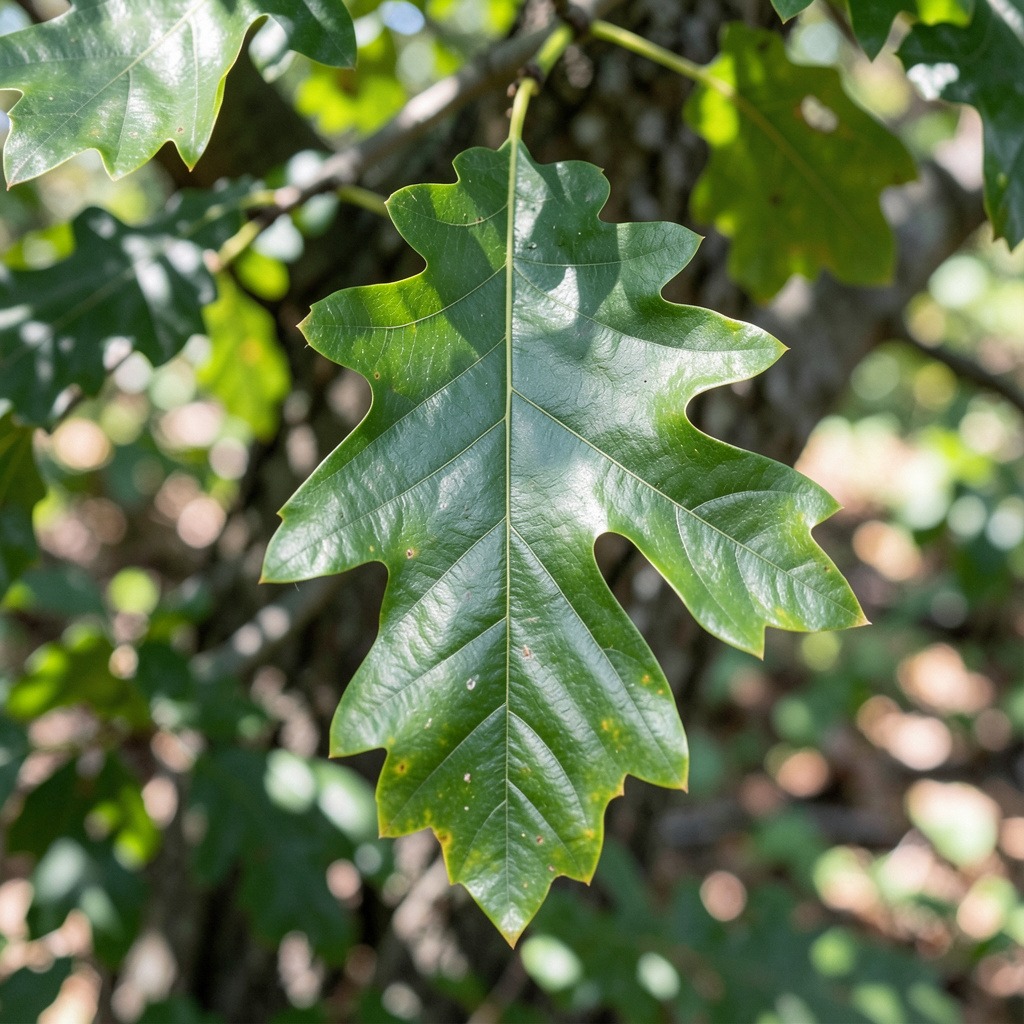
Identification of Willow Oak Leaves
Willow oak leaves are distinctive, making them easy to identify among other oak species. Their unique characteristics and seasonal changes enhance their ecological significance.
Leaf Characteristics and Structure
Willow oak leaves (Quercus phellos) exhibit several defining features:
- Size: Each leaf measures between 2 to 5 inches in length and ¼ to ½ inch in width.
- Shape: The leaves are linear-lanceolate, tapering at both ends. This shape resembles that of willow trees, hence the name “willow oak.”
- Margin: They have a smooth, untoothed margin with a small bristle tip at the apex.
- Color: The upper surface is shiny dark green, while the lower surface is paler and slightly hairy along the midrib and vein axils.
These characteristics make the leaves easily distinguishable from other oak varieties.
Seasonal Color Changes
As the seasons change, so do the colors of willow oak leaves:
- Spring and Summer: The leaves are a vibrant, shiny green, providing lush coverage and shade.
- Autumn: In fall, the foliage transitions to stunning shades of yellow and russet-brown before dropping. This colorful display enhances the aesthetic appeal of landscapes where willow oaks grow.
This seasonal transformation not only beautifies the environment but also contributes to soil enrichment when the leaves decompose.
Comparison with Other Oak Leaves
When comparing willow oak leaves to those of other oak species, notable differences emerge:
| Feature | Willow Oak | Pin Oak |
|---|---|---|
| Leaf Shape | Linear-lanceolate | Broadly lobed |
| Leaf Margin | Smooth (untoothed) | Lobed with rounded edges |
| Size | 2-5 inches long | 3-6 inches long |
| Seasonal Color | Yellow to russet-brown | Bright red to brown |
This table highlights the unique identification markers of willow oak leaves, underscoring their distinctiveness within the oak family.
Ecological Value of Willow Oak
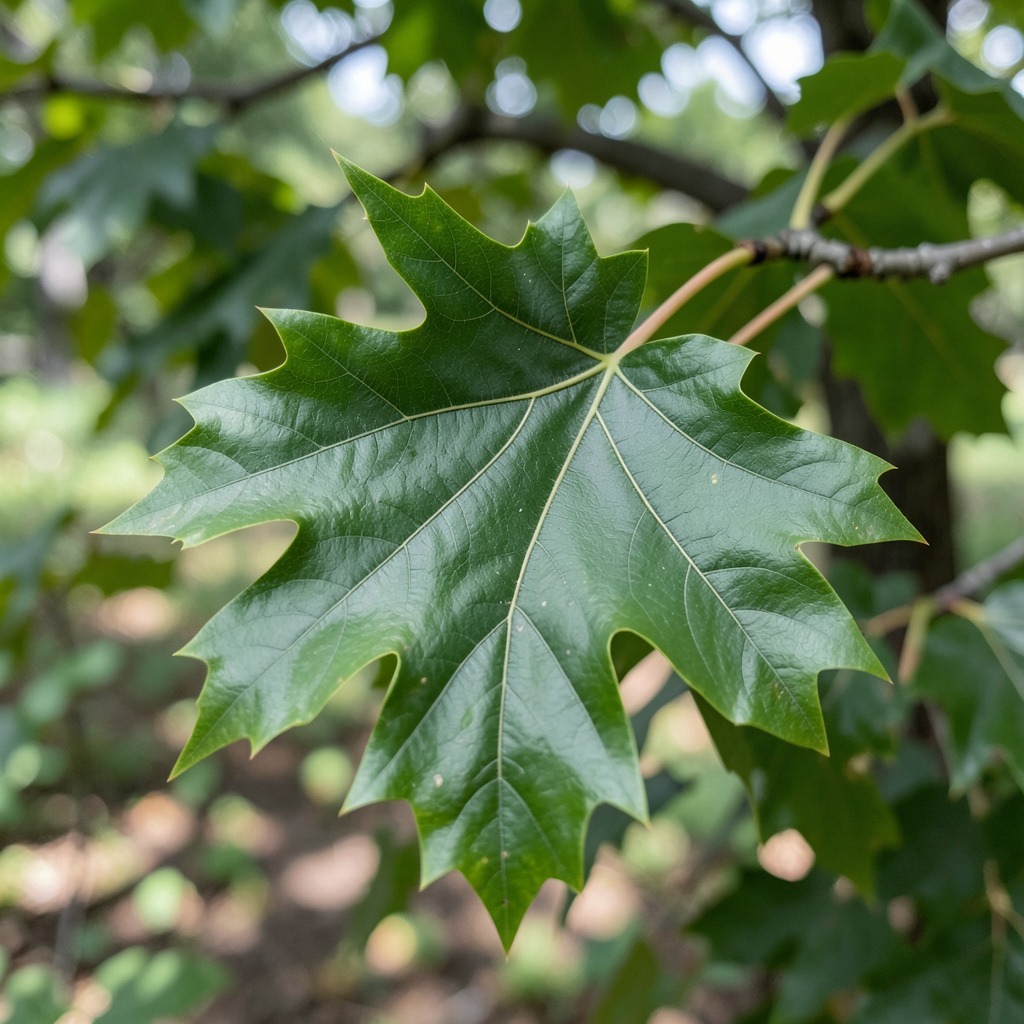
The willow oak (Quercus phellos) plays a vital role in local ecosystems. Its leaves, acorns, and structure support a diverse range of wildlife, enhancing biodiversity in its habitat.
Wildlife Supported by Willow Oak
Willow oak trees are essential to many species. Their foliage serves as a food source for various caterpillars, which are crucial for nesting songbirds. For instance, research shows that oaks support over 500 caterpillar species in eastern North America. These caterpillars provide a primary food source for songbirds during breeding season.
Willow oak acorns are another vital food resource. They nourish animals such as:
- Wild turkeys
- Woodpeckers
- Gray squirrels
- White-tailed deer
Additionally, the branches and leaves offer habitat for numerous species, including:
- Tree frogs
- Birds
- Insects
Habitat Preferences
Willow oaks thrive in moist, well-drained soils and prefer full sun to partial shade. They are adaptable, growing in various soil types, including clay. This adaptability allows them to flourish in diverse environments, from urban landscapes to natural forests.
Importance in Ecosystems
The ecological benefits of willow oaks extend beyond direct wildlife support. Their leaf litter enriches the soil and promotes microbial activity. Decomposing leaves create habitats for fungi, which further contribute to soil health.
In urban areas, planting willow oaks can significantly enhance green spaces, providing shade and supporting urban wildlife. Their presence in urban settings has been shown to improve air quality and reduce heat, demonstrating their value beyond just ecological roles.
Care Instructions for Willow Oak Trees
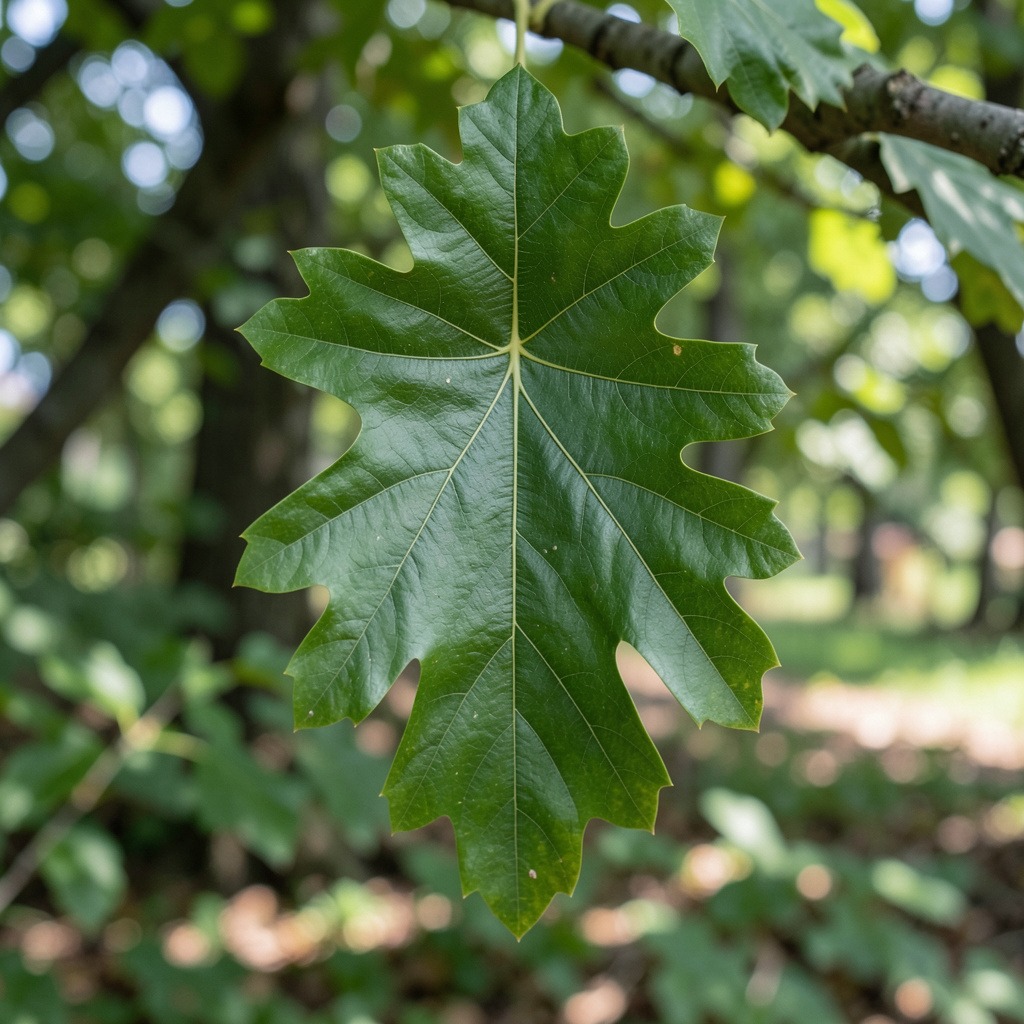
Caring for willow oak trees involves understanding their specific needs for optimal growth and health. This guide will detail the ideal growing conditions, common pests and diseases, and essential pruning and maintenance tips.
Ideal Growing Conditions
Willow oaks thrive in various soil types, including clay, and perform best in USDA zones 5 through 9. Here are the key conditions to consider:
- Sunlight: Full sun is ideal, but they can tolerate partial shade.
- Soil: Well-drained and consistently moist soils promote healthy growth.
- Watering: Newly planted trees need regular watering, approximately twice a week, especially during dry spells.
Checklist for Planting:
- Choose a location with at least six hours of sunlight.
- Test soil drainage; amend if necessary.
- Water thoroughly after planting.
Common Pests and Diseases
While willow oaks are resistant to many pests, they can still be affected. Monitor for:
- Aphids: These insects can distort growth and weaken the tree.
- Caterpillars: They may chew on leaves, impacting photosynthesis.
- Boring Insects: Found on stressed trees, they can cause significant damage.
Common Diseases:
- Anthracnose: Look for brown spots on leaves. Remove infected foliage.
- Canker Diseases: Inspect the trunk and branches. Prune out infected areas.
Pruning and Maintenance Tips
Proper pruning enhances the tree’s structure and health. Follow these guidelines:
- Timing: Prune during the dormant season for best results.
- Techniques: Remove competing branches to establish a strong central leader.
- Frequency: Regularly check for dead or diseased branches and prune as needed.
Maintenance Checklist:
- Inspect the tree for pests and diseases monthly.
- Water deeply during dry periods.
- Fertilize in early spring to promote growth.
By adhering to these care instructions, you can ensure that your willow oak thrives, contributing to both your landscape and the local ecosystem.
Cultural Significance and Uses of Willow Oak
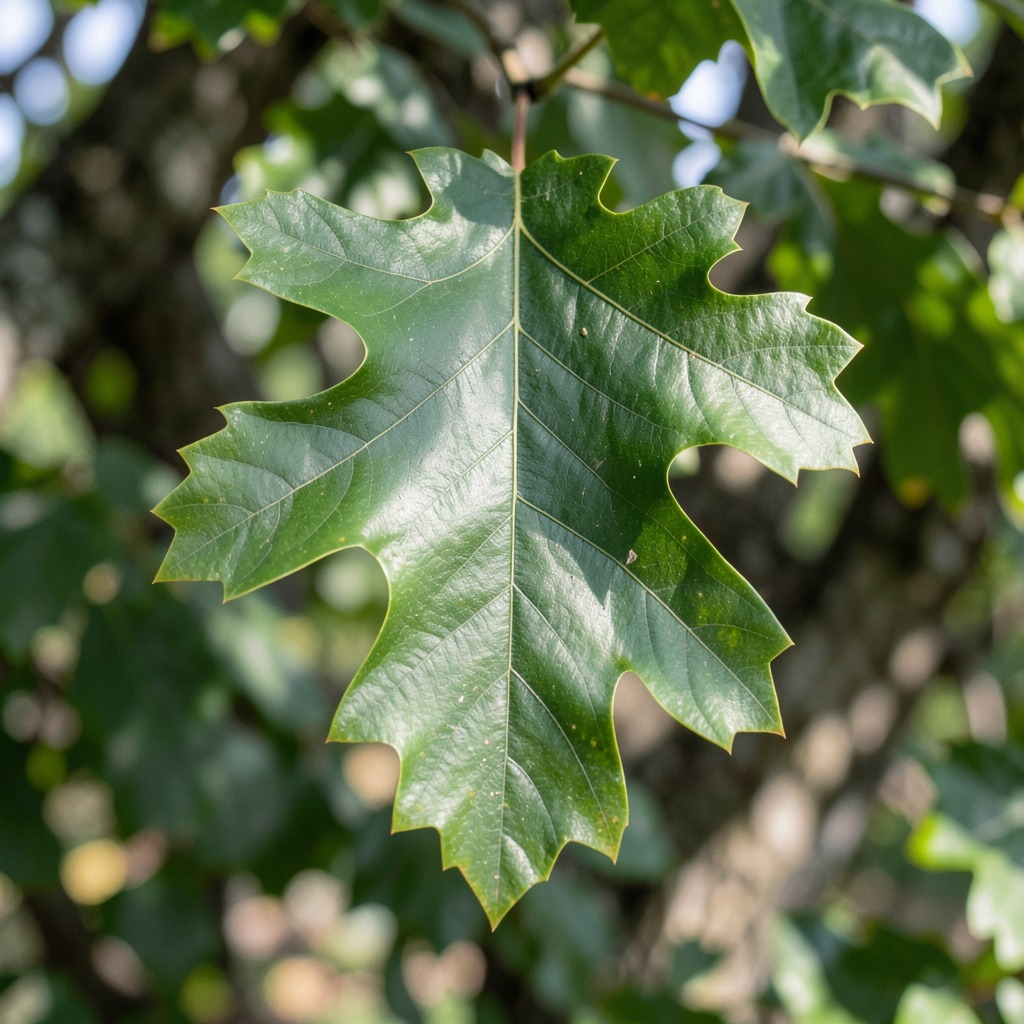
Willow oak (Quercus phellos) holds a rich cultural and historical significance in various regions, particularly in the eastern United States. Its unique characteristics and practical applications have made it an important tree for both indigenous communities and modern landscaping.
Historical Uses and Symbolism
Historically, willow oak provided essential resources for indigenous peoples. The Powhatan Confederacy and Piscataway people relied on its acorns as a staple food source. They harvested acorns in large quantities during the fall, drying and processing them for meals. This practice underscores the tree’s importance in local diets and cultures.
The wood of the willow oak is also historically significant. Classified as a red oak, its durability made it a sought-after material for furniture, flooring, and construction. Early settlers recognized its value, leading to extensive use in building and crafting.
Modern Landscaping Applications
In contemporary landscaping, the willow oak is prized for its aesthetic appeal and adaptability. Its lance-shaped leaves offer a distinctive look, setting it apart from other oak species. Homeowners and landscape designers often choose willow oak for:
- Shade: Providing ample coverage in parks and yards.
- Wildlife Habitat: Attracting birds and other wildlife with its acorns.
- Erosion Control: Its root system helps stabilize soil in susceptible areas.
These attributes make the willow oak a valuable addition to urban and suburban environments.
Timber and Economic Value
The economic value of willow oak extends to its timber. The wood, characterized by a light to medium reddish-brown color and coarse grain, is used in various applications. Notably, it is:
- Cost-Effective: Generally cheaper than white oak due to its lower decay resistance.
- Versatile: Suitable for cabinetry, interior trim, and flooring.
This versatility enhances its desirability within the timber industry, contributing to local economies where it is harvested.
By understanding the cultural significance and practical uses of willow oak, individuals can appreciate its role beyond mere aesthetics, recognizing its contributions to heritage, ecology, and economy.
Frequently Asked Questions
These quick answers cover the most common questions about this topic, including key details, practical tips, and common concerns.
How do you identify a willow oak?
You can identify a willow oak (Quercus phellos) by its unique leaf shape and characteristics. The leaves are long and lance-shaped, typically measuring 2 to 5 inches in length and ¼ to ½ inch in width. They have smooth, untoothed margins and are dark green on the upper surface while paler below. In the fall, the leaves turn beautiful shades of yellow and russet-brown.
Additionally, the tree itself has a straight trunk and a rounded crown, making it easy to spot in landscapes. Its acorns are small and elongated, further distinguishing it from other oak species.
What’s the difference between a Pin Oak and a willow oak?
The primary differences between a pin oak (Quercus palustris) and a willow oak lie in their leaf shapes and growth habits. Willow oak leaves are linear-lanceolate and smooth-edged, while pin oak leaves are broader with distinct lobes and rounded edges.
In terms of growth, pin oaks tend to have a more pyramidal shape, whereas willow oaks grow with a more rounded crown. These differences make each tree suitable for different landscaping needs and environments.
Is willow oak a good yard tree?
Yes, willow oak is considered an excellent yard tree. It provides ample shade, which can cool your home and reduce energy costs. Its attractive foliage and seasonal color changes enhance the beauty of your landscape.
Additionally, willow oaks support local wildlife by providing acorns and habitat for birds and insects. They thrive in various soil types and are adaptable to different growing conditions, making them a versatile choice for homeowners.
Is willow oak a white or red oak?
Willow oak is classified as a red oak. This classification is based on its leaf structure, acorn characteristics, and growth habits. Red oaks typically have pointed lobes and produce acorns that mature in two growing seasons, unlike white oaks, which have rounded lobes and acorns that mature in one season.
Understanding this classification can help you in selecting suitable trees for your landscape based on their ecological roles and benefits.
Where is willow oak typically found?
Willow oak is commonly found in the eastern United States, particularly in lowland areas, wetlands, and along riverbanks. They thrive in USDA zones 5 through 9, adapting well to various soil types, including clay.
These trees are often seen in urban parks, residential areas, and natural forests, contributing to biodiversity and providing habitat for various wildlife species.
What are the best conditions for planting a willow oak?
Willow oaks prefer well-drained, consistently moist soils and full sun to partial shade for optimal growth. They are adaptable but thrive best in areas with at least six hours of sunlight each day.
When planting, ensure the soil has good drainage and consider watering newly planted trees regularly, especially during dry spells. This will help establish a strong root system and promote healthy growth.