
Willow oak trees typically live between 60 to 100 years, with optimal conditions allowing for up to 200 years.
Table of Contents
Willow oaks, known for their graceful appearance and ecological benefits, can live impressively long lives under the right conditions. Understanding the factors that affect their lifespan is essential for gardeners and landowners looking to cultivate these majestic trees.
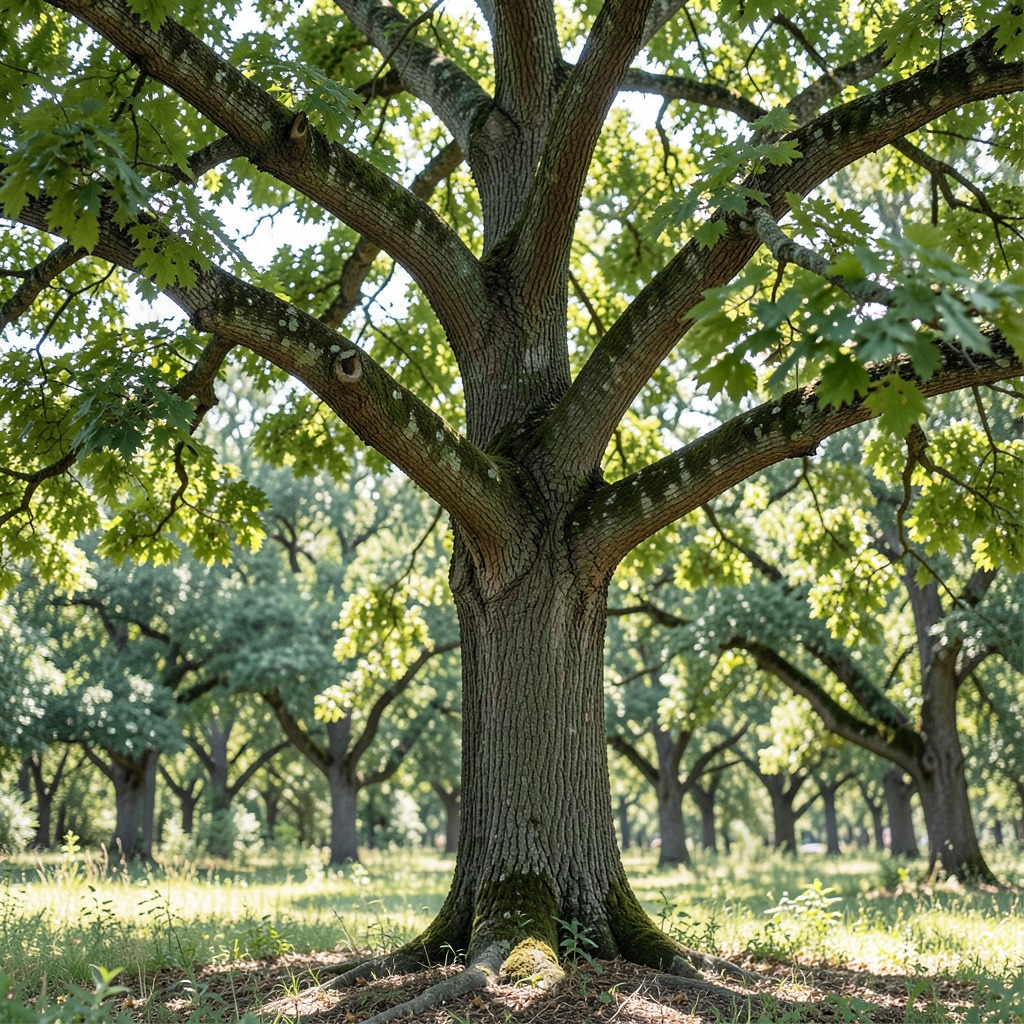
Lifespan of Willow Oaks: An Overview
Willow oaks (Quercus phellos) can achieve remarkable lifespans, typically ranging from 60 to 100 years. However, their longevity is influenced by several critical factors, including environmental conditions and care practices.
Typical Lifespan Ranges
The lifespan of willow oaks varies based on their growing environment:
- Optimal Conditions: In ideal conditions, willow oaks can live up to 100 years or more. This includes well-draining soil, adequate sunlight, and proper moisture levels.
- Average Lifespan: Under average conditions, the lifespan ranges from 60 to 80 years. This can be common in urban settings where trees experience stress.
- Stress Factors: In less favorable conditions, such as poor soil quality, limited water, or high pest populations, the lifespan may shorten significantly, potentially dropping below 50 years.
Factors Influencing Longevity
Several key factors determine how long willow oaks thrive:
- Soil Quality: Well-drained, loamy soils with adequate nutrients promote healthy growth. Poor, compacted, or acidic soils can hinder lifespan.
- Climate: Willow oaks flourish in humid, temperate climates. Extreme temperatures, both hot and cold, can negatively impact their health and longevity.
- Water Availability: Consistent moisture is crucial. While they tolerate drought, prolonged dry spells can weaken the tree and reduce its lifespan.
- Pest and Disease Management: Pests such as aphids and diseases like anthracnose can damage willow oaks. Regular monitoring and prompt treatment are essential to prevent long-term decline.
- Care Practices: Proper maintenance, including regular pruning, fertilization, and mulching, enhances resilience and lifespan. For instance, deep watering during dry spells can sustain health.
By focusing on these factors, landowners and gardeners can significantly extend the lifespan of willow oaks, ensuring they thrive for generations.
Ecological Role of Willow Oaks
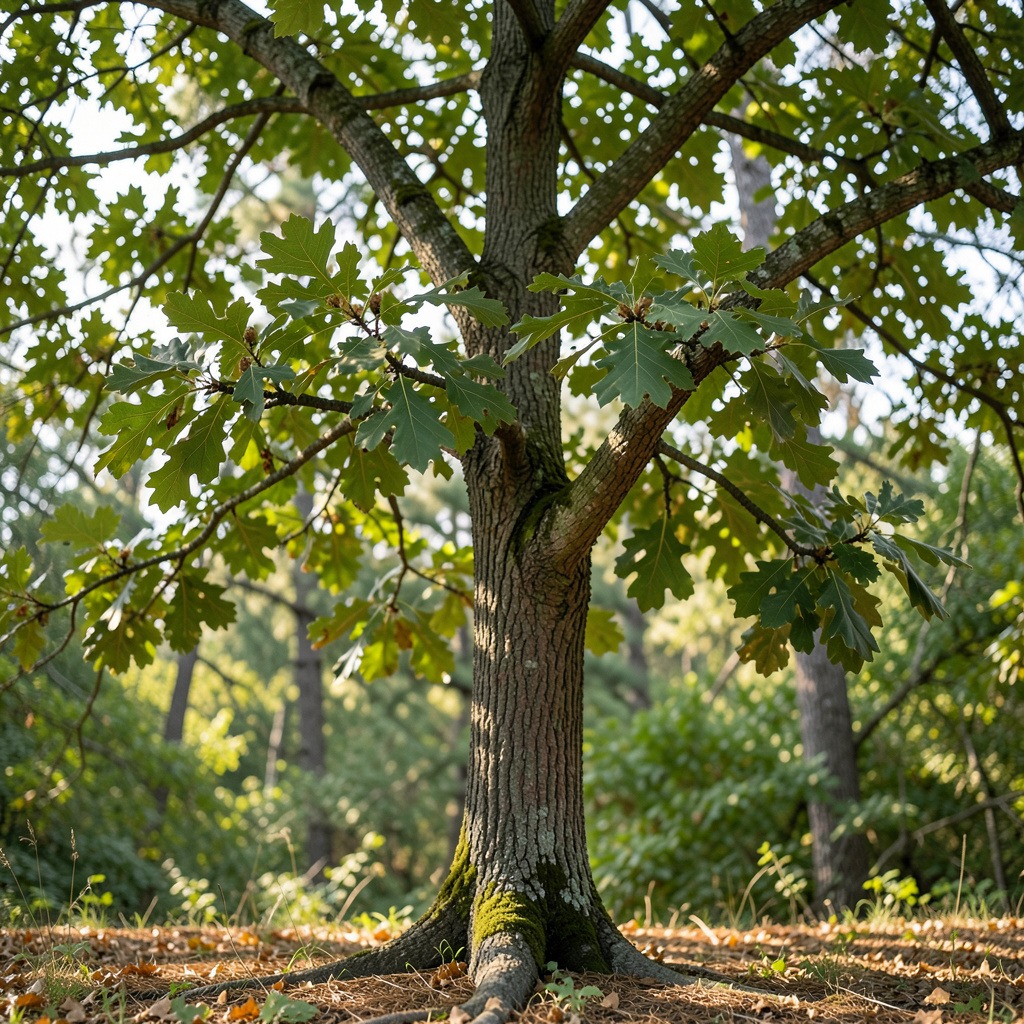
Willow oaks play a vital role in their ecosystems. They support a variety of wildlife and contribute to soil health, enhancing their surrounding environment. Understanding their ecological significance can help protect and maintain these valuable trees, ultimately benefiting their lifespan.
Habitat for Wildlife
Willow oaks provide essential habitats for numerous species. Their acorns serve as a food source for various animals, including:
- Waterfowl
- Wild turkeys
- Woodpeckers
- Gray squirrels
- Small rodents
The tree’s foliage and branches offer shelter for caterpillars, birds, and tree frogs. This diverse habitat promotes a balanced ecosystem, supporting both flora and fauna.
Soil Improvement and Shade Provision
Willow oaks contribute to soil health through their leaf litter, which enriches the forest floor. Their fallen leaves decompose, adding organic matter and nutrients back into the soil. This process improves soil structure and promotes healthy root growth for surrounding plants.
Additionally, willow oaks provide ample shade. Their broad canopies reduce ground temperatures and create microhabitats. This shade benefits understory plants and helps retain soil moisture, which is crucial for the overall health of the ecosystem.
By fostering biodiversity and improving soil quality, willow oaks enhance their surroundings, ultimately supporting their longevity.
Caring for Willow Oaks to Extend Lifespan
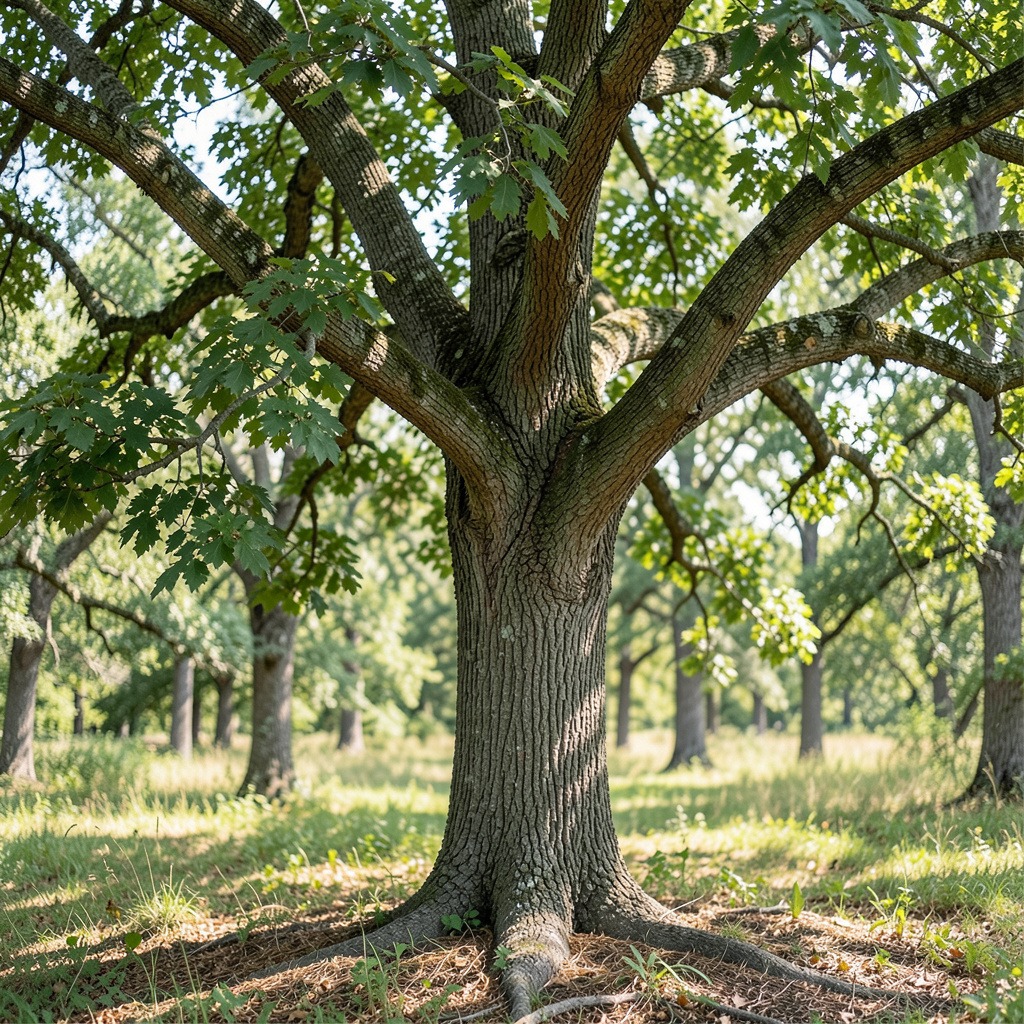
Maintaining healthy willow oaks involves understanding their soil requirements, watering needs, and pest management strategies. These factors significantly influence their longevity and overall health.
Soil Quality and Composition
Soil quality is paramount for the growth of willow oaks. They thrive in well-draining, loamy soils rich in organic matter. Here are key considerations for soil:
- Soil pH: Aim for a pH between 6.0 and 7.5 for optimal nutrient uptake.
- Nutrient Levels: Conduct a soil test to evaluate nutrient levels, especially nitrogen, phosphorus, and potassium. Amend as necessary.
- Drainage: Ensure soil drains well. Willow oaks prefer moist conditions but can suffer from root rot in waterlogged soils.
Watering and Nutrient Needs
Proper watering and nutritional support are crucial during the growing season. Follow these guidelines:
- Watering: Deeply water willow oaks, especially in drought conditions. Aim for 1 inch of water per week.
- Fertilization: Apply a balanced fertilizer in early spring. Consider using organic options to enhance soil health.
- Mulching: Use organic mulch around the base to retain moisture and regulate soil temperature. Keep mulch away from the trunk to prevent rot.
Pest Management Strategies
Pests and diseases can threaten the health and lifespan of willow oaks. Implement these management strategies:
- Regular Inspections: Check for signs of pests like aphids and tent caterpillars. Early detection enables timely intervention.
- Beneficial Insects: Encourage natural predators such as ladybugs to control aphid populations.
- Cultural Practices: Maintain tree health through proper spacing and pruning. This improves air circulation and reduces disease risk.
Checklist for Care Practices in Urban Settings
- Soil Test: Check pH and nutrient levels annually.
- Watering Schedule: Set a regular deep watering routine, especially in dry periods.
- Fertilization: Apply organic fertilizer in spring.
- Pest Monitoring: Inspect trees monthly for pest issues.
- Mulch Application: Refresh mulch annually to maintain moisture levels.
By adhering to these care tips, you can significantly enhance the lifespan of your willow oaks, ensuring they thrive in both urban and natural environments.
Common Issues with Willow Oaks and Solutions
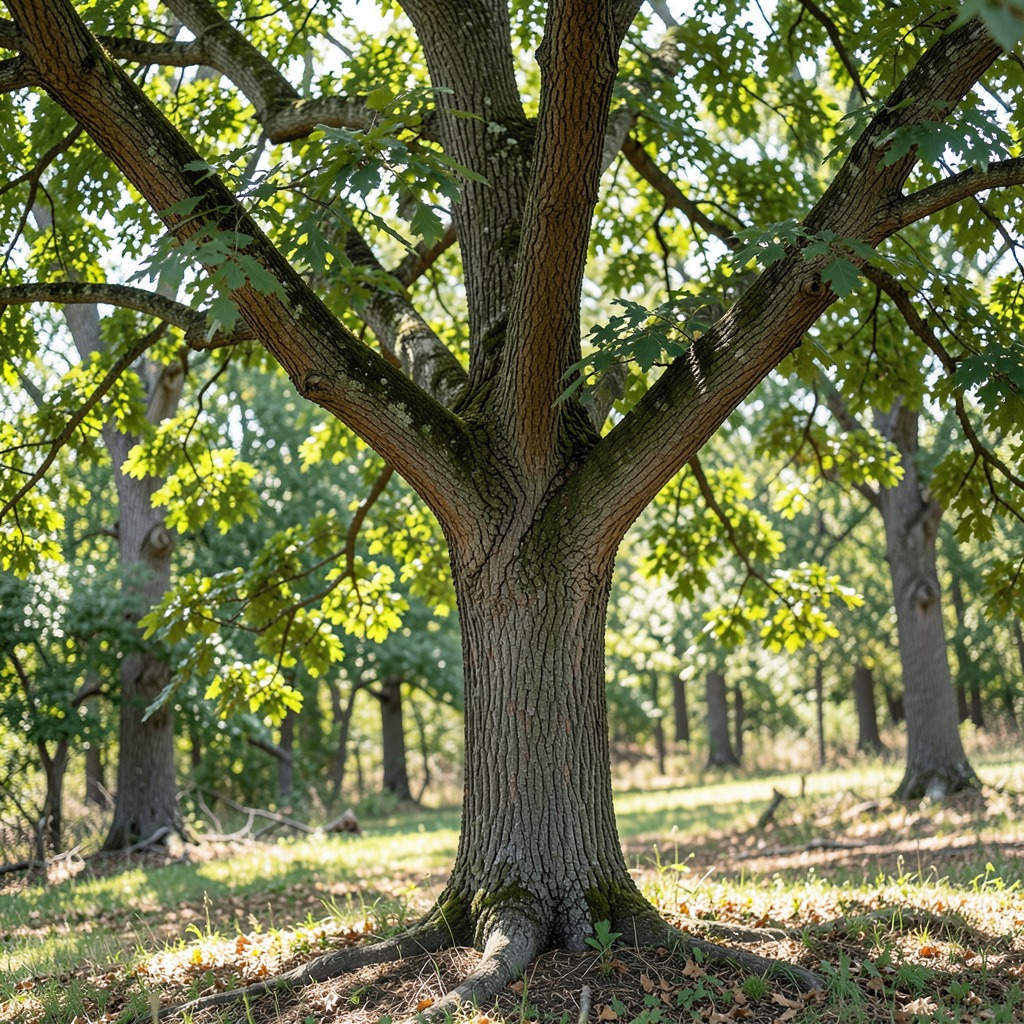
Willow oaks, while resilient, face several challenges that can impact their lifespan. Understanding these issues and implementing effective solutions is crucial for maintaining healthy trees.
Identifying Signs of Decline
Recognizing early signs of decline can save your willow oak. Look out for:
- Discolored Leaves: Yellowing or browning foliage may indicate nutrient deficiencies or disease.
- Stunted Growth: Trees that fail to grow may be suffering from poor soil conditions or root damage.
- Barking Issues: Cracks or flaking bark can signal canker diseases or insect infestations.
- Fungal Growth: Mushrooms or other fungi at the base can indicate root rot.
Regular monitoring helps you catch these signs early.
Effective Remedies
Addressing the issues affecting willow oaks requires a proactive approach. Here are some effective solutions:
- Soil Improvement: Conduct soil tests to determine pH and nutrient levels. Amend the soil with organic fertilizers to enhance fertility.
- Water Management: Deep watering during dry spells ensures roots receive adequate moisture. Mulching around the base retains soil moisture and prevents weeds.
- Pest Control: Monitor for pests like aphids and spider mites. Use insecticidal soap or introduce beneficial insects like ladybugs. Regular pruning can help manage pest populations and improve air circulation.
- Disease Prevention: Prune out infected branches to prevent the spread of diseases such as anthracnose. Applying fungicides can also protect against fungal infections.
By implementing these strategies, you can mitigate risks and promote the longevity of your willow oaks.
Real-Life Scenario
Consider a community park where several willow oaks exhibit declining health. The park management conducts soil tests and finds low nitrogen levels. They apply an organic fertilizer and increase their watering schedule. They also notice aphids on some trees and introduce ladybugs as a natural control method. Within a season, the trees show signs of recovery, demonstrating the effectiveness of targeted care in enhancing the lifespan of willow oaks.
These proactive measures not only restore tree health but also contribute to the ecological value of the community landscape.
Comparing Willow Oaks to Other Oak Species
Understanding how willow oaks compare to other oak species in terms of lifespan and care requirements can help you choose the right tree for your landscape. This comparison highlights the unique attributes of willow oaks alongside other common oak varieties.
Lifespan Comparison
The lifespan of willow oaks varies based on environmental conditions and care. Below is a comparative overview of the longevity of willow oaks versus other oak species.
| Oak Species | Average Lifespan | Notes on Longevity |
|---|---|---|
| Willow Oak | 60-100 years | Thrives in urban settings; susceptible to pests if not cared for. |
| Red Oak | 60-80 years | Known for rapid growth; requires ample space and soil nutrients. |
| White Oak | 200-300 years | Long-lived; prefers well-drained soils and can tolerate drought. |
| Pin Oak | 30-50 years | Shorter lifespan; sensitive to soil conditions and moisture levels. |
Willow oaks typically offer a moderate lifespan, making them suitable for various settings, especially urban areas. However, other species like the white oak can significantly outlive them, offering a long-term investment for landscapes.
Care Requirements Comparison
Care practices significantly influence the lifespan of any oak species. Here’s a breakdown of care requirements for willow oaks compared to other oaks:
| Oak Species | Watering Needs | Soil Preferences | Pest Management |
|---|---|---|---|
| Willow Oak | Deep watering, especially in dry seasons | Prefers moist, well-drained soil | Monitor for aphids and caterpillars. Use natural predators for control. |
| Red Oak | Regular watering during establishment | Adaptable; prefers loamy soil | Prone to pests like oak borers; requires vigilant monitoring. |
| White Oak | Deep watering; drought-tolerant once established | Well-drained, slightly acidic soil | Generally resistant but can succumb to root rot if overwatered. |
| Pin Oak | Requires consistent moisture | Prefers wet soils; avoid drought | Vulnerable to various pests; regular inspections needed. |
Willow oaks require moderate care but thrive well with attention to watering and pest management. In contrast, other oaks may need specific soil conditions or more intensive pest control.
In summary, while willow oaks provide resilience in urban environments, they may not match the longevity or care simplicity of species like the white oak. When selecting an oak, consider both lifespan and maintenance to ensure it meets your landscape goals.
Alternatives to Willow Oaks: Other Suitable Trees
When considering alternatives to willow oaks, it is essential to evaluate tree species that share similar characteristics and adaptability. The right choice depends on environmental conditions and specific landscape needs.
Characteristics of Alternative Trees
1. Pin Oak (Quercus palustris)
- Thrives in wet soils.
- Prefers full sun.
- Grows rapidly and reaches heights of up to 70 feet.
2. Red Maple (Acer rubrum)
- Adapts well to various soil types.
- Offers vibrant fall color.
- Grows 40 to 60 feet tall and tolerates wet conditions.
3. Sweetgum (Liquidambar styraciflua)
- Known for star-shaped leaves.
- Provides excellent shade and fall color.
- Can grow up to 75 feet tall and thrives in a range of soils.
4. Eastern Cottonwood (Populus deltoides)
- Grows quickly, reaching 50 to 100 feet.
- Prefers moist, rich soils.
- Tolerates flooding.
Benefits and Drawbacks
| Tree Species | Benefits | Drawbacks |
|---|---|---|
| Pin Oak | Fast growth, attractive foliage | Requires moist soil |
| Red Maple | Beautiful fall color, adaptable | Susceptible to pests |
| Sweetgum | Unique leaf shape, excellent shade | Can produce messy seed pods |
| Eastern Cottonwood | Rapid growth, suitable for wet areas | Short lifespan compared to oaks |
When selecting an alternative tree, consider your specific environmental conditions—such as soil moisture and sun exposure—as well as your aesthetic preferences. For instance, if you seek rapid growth and adaptability in wet soils, the pin oak may be an excellent choice. Conversely, if you prefer a tree with vibrant fall color, the red maple stands out. These factors can significantly impact your landscape’s longevity and health, much like the willow oak’s lifespan is influenced by similar conditions.
Frequently Asked Questions
These quick answers cover the most common questions about this topic, including key details, practical tips, and common concerns.
What are the downsides of willow oak trees?
Willow oaks can face several challenges that may affect their health and longevity. One downside is their susceptibility to pests like aphids and diseases such as anthracnose. These issues can weaken the tree, making it more vulnerable to stressors like drought or poor soil conditions.
Additionally, willow oaks may not be suitable for all landscapes. They have a moderate growth rate and can take years to reach their full size. In urban settings, they may struggle with compacted soil and limited space, which can hinder their development and lifespan.
Do willow oaks have invasive roots?
Willow oaks are not typically classified as having invasive roots, but their root systems can spread widely. While they do not usually cause significant damage to nearby structures, their roots can compete aggressively for water and nutrients, potentially affecting other plants in the vicinity. It’s essential to consider their placement when planting near sidewalks or foundations.
Is willow oak a good yard tree?
Willow oaks can be excellent yard trees, especially in areas with adequate space and moisture. They provide ample shade and support local wildlife with their acorns, which attract various birds and mammals. However, they require proper care, including regular watering and pest management, to thrive in residential settings.
If you have a large yard and can meet their needs, willow oaks can enhance your landscape significantly. They are particularly suited for humid, temperate climates and can adapt well to urban environments if given proper attention.
How big is a 10-year-old willow tree?
A 10-year-old willow oak typically reaches a height of about 20 to 30 feet, depending on environmental conditions and care practices. Growth rates can vary based on soil quality, water availability, and sunlight exposure. In optimal conditions, these trees can grow more quickly and develop a broader canopy.
Regular maintenance, such as proper watering and fertilization, can also influence growth. Ensuring that the tree has adequate nutrients and moisture will support its development over the years.
What to do with a dying willow oak tree in Durham?
If you suspect your willow oak is dying, start with a thorough inspection. Look for signs of decline, such as discolored leaves, stunted growth, or bark damage. Address any pest issues by applying appropriate treatments, like insecticidal soap for aphids.
Next, assess the soil quality and watering practices. Ensure the tree receives adequate moisture, especially during dry spells, and consider amending the soil with organic fertilizers if nutrient levels are low. If the tree shows severe decline despite your efforts, consult a local arborist for a professional evaluation and recommendations.
When to plant willow oaks?
The best time to plant willow oaks is in the early spring or fall when temperatures are mild. This timing allows the tree to establish its root system before the heat of summer or the cold of winter sets in. Planting during these seasons can promote healthy growth and enhance the tree’s longevity.
Ensure that the planting site has well-drained soil and receives adequate sunlight. Proper site preparation, including digging a suitable hole and amending the soil if necessary, will also contribute to the tree’s successful establishment.
What are common problems with willow oaks?
Common problems with willow oaks include pest infestations, diseases, and environmental stressors. Pests like aphids and caterpillars can weaken the tree, while diseases such as anthracnose can lead to leaf drop and overall decline. Environmental issues may arise from poor soil quality or inadequate moisture, affecting the tree’s health.
Regular monitoring and maintenance are key to preventing these problems. Implementing pest control measures, ensuring proper watering, and conducting soil tests can help maintain the health of your willow oaks.
What are some alternatives to willow oaks for similar environments?
If you’re considering alternatives to willow oaks, several tree species thrive in similar conditions. Pin oaks and red maples are excellent choices, offering rapid growth and adaptability to various soil types. Sweetgums provide unique foliage and vibrant fall colors, while eastern cottonwoods grow quickly in wet areas.
When selecting an alternative, consider factors such as growth rate, soil preference, and the specific aesthetic you desire for your landscape. Each of these species can provide valuable shade and ecological benefits similar to those of willow oaks.