
The best place to plant a willow oak tree is in full sun with well-drained soil, ideally in USDA hardiness zones 5-9.
Table of Contents
Willow oaks, known for their fast growth and unique foliage, are an excellent choice for landscape enhancement. This guide covers everything from planting techniques to care requirements, ensuring your willow oaks thrive in your outdoor space.
Understanding the Willow Oak: Characteristics and Benefits
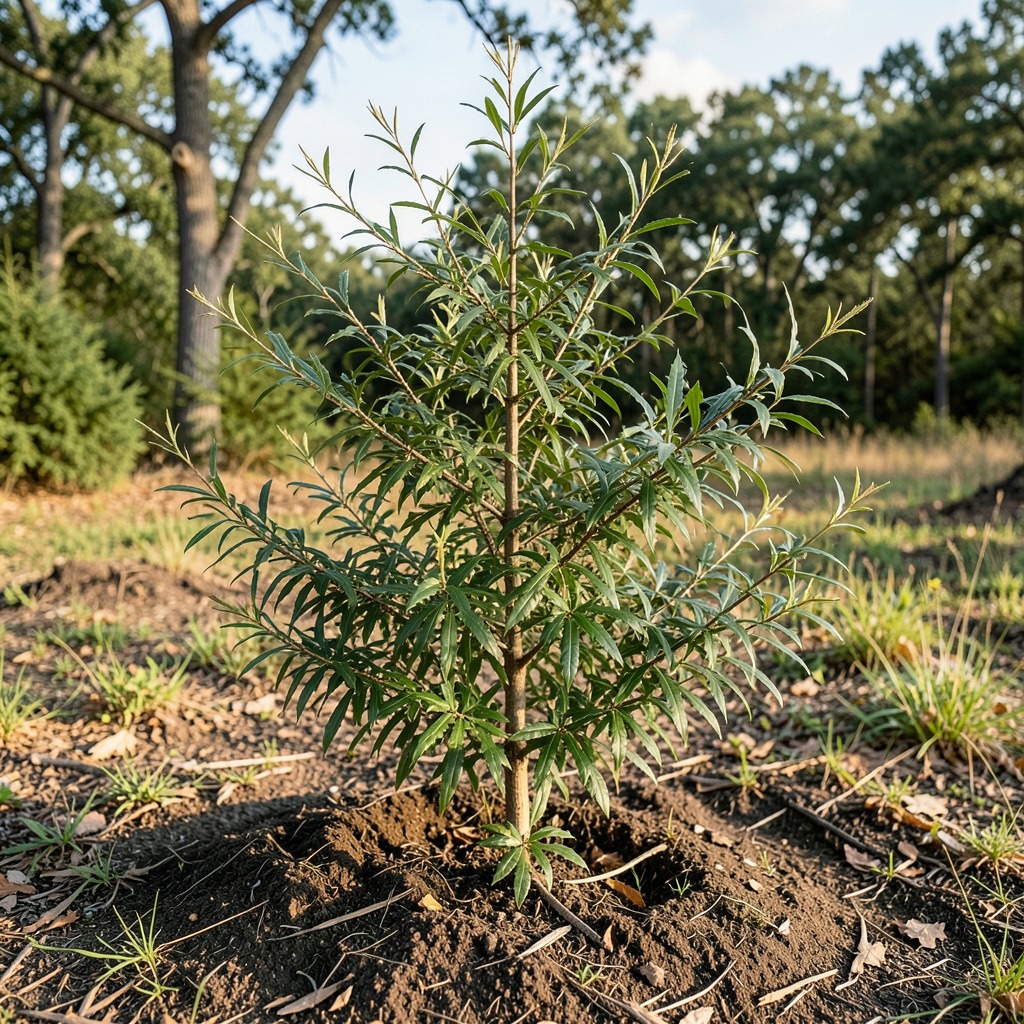
The willow oak (Quercus phellos) is a remarkable tree distinguished by its graceful, slender leaves and robust growth habits. Understanding its unique features and ecological benefits is essential for successful planting and care.
Unique Characteristics of Willow Oaks
Willow oaks exhibit several notable traits:
- Height and Form: These trees typically grow between 40 to 60 feet tall. They feature an elegant pyramidal shape, making them visually appealing in landscapes.
- Foliage: The narrow, lance-shaped leaves resemble those of willows, providing a distinctive look that rustles beautifully in the breeze.
- Growth Rate: Willow oaks are known for their moderate growth rate, establishing quickly in suitable conditions.
- Adaptability: They thrive in various soil types, including clay, loam, and sandy soils, showcasing resilience in diverse environments.
Benefits for Wildlife and Ecosystems
Willow oaks play a vital role in supporting local wildlife and enhancing ecosystems. Here are some key benefits:
- Food Source: The acorns produced by willow oaks are a crucial food source for various wildlife species, including squirrels, deer, and wild turkeys. These animals rely on the acorns for sustenance, especially in autumn.
- Habitat: The dense canopy of willow oaks provides shelter and nesting sites for birds and small mammals. This habitat support is essential for maintaining biodiversity in urban and suburban areas.
- Ecosystem Services: Willow oaks contribute to soil health and water retention, helping to prevent erosion and improve the overall quality of the environment.
Incorporating willow oaks into your landscape not only enhances its aesthetic value but also supports wildlife and promotes ecological balance. When planning your planting, consider these characteristics and benefits to ensure optimal placement and care for your willow oaks.
Best Practices for Planting Willow Oaks
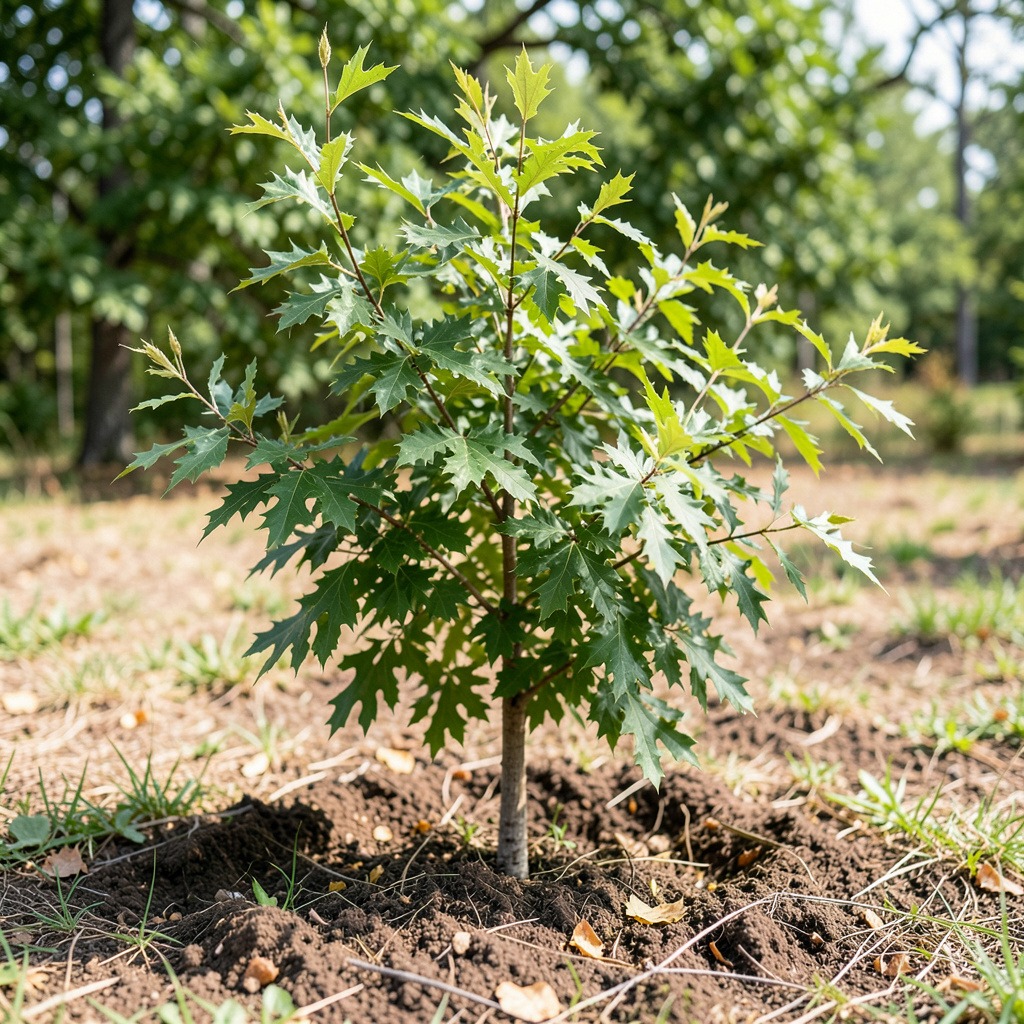
Planting a willow oak (Quercus phellos) requires careful planning and execution. By selecting the right location, preparing the soil, and using proper planting techniques, you can ensure your willow oak thrives.
Choosing the Right Location
When selecting a site for your willow oak, consider the following factors:
- Sunlight: Willow oaks prefer full sun. Choose a location that receives at least six hours of direct sunlight daily.
- Space: Ensure adequate space for growth, as willow oaks can reach heights of 60 to 75 feet and spread up to 50 feet wide.
- Accessibility: Plant away from structures, power lines, and other trees to reduce competition for resources.
Soil Preparation Steps
Preparing the soil is crucial for successful planting. Follow these steps:
1. Soil Testing: Conduct a soil test to determine pH and nutrient levels. Ideal pH for willow oaks is between 5.5 and 7.0.
2. Amending Soil: If necessary, amend the soil based on test results. Add organic matter like compost to improve nutrient content and drainage.
3. Drainage Check: Ensure good drainage. Willow oaks thrive in moist but well-drained soils. They can tolerate some clay but prefer loamy soils.
Site and Soil Assessment Checklist
- [ ] Full sun exposure
- [ ] Sufficient space for growth
- [ ] Soil pH between 5.5 and 7.0
- [ ] Well-drained soil with organic matter
Planting Techniques
Follow these steps for planting your willow oak effectively:
1. Timing: Plant in late fall, winter, or early spring when the tree is dormant.
2. Digging the Hole: Dig a hole that is twice as wide as the root ball and the same depth. This allows roots to spread easily.
3. Planting: Place the tree in the center of the hole. Ensure the root flare (where roots meet the trunk) is level with the ground surface.
4. Backfilling: Fill the hole with a mix of native soil and organic compost. Firm the soil gently around the roots to eliminate air pockets.
5. Watering: Water thoroughly after planting to settle the soil. Continue to water weekly for the first growing season, especially during dry spells.
By following these best practices, you can establish a healthy and robust willow oak that enhances your landscape and supports local wildlife.
Watering and Maintenance Requirements
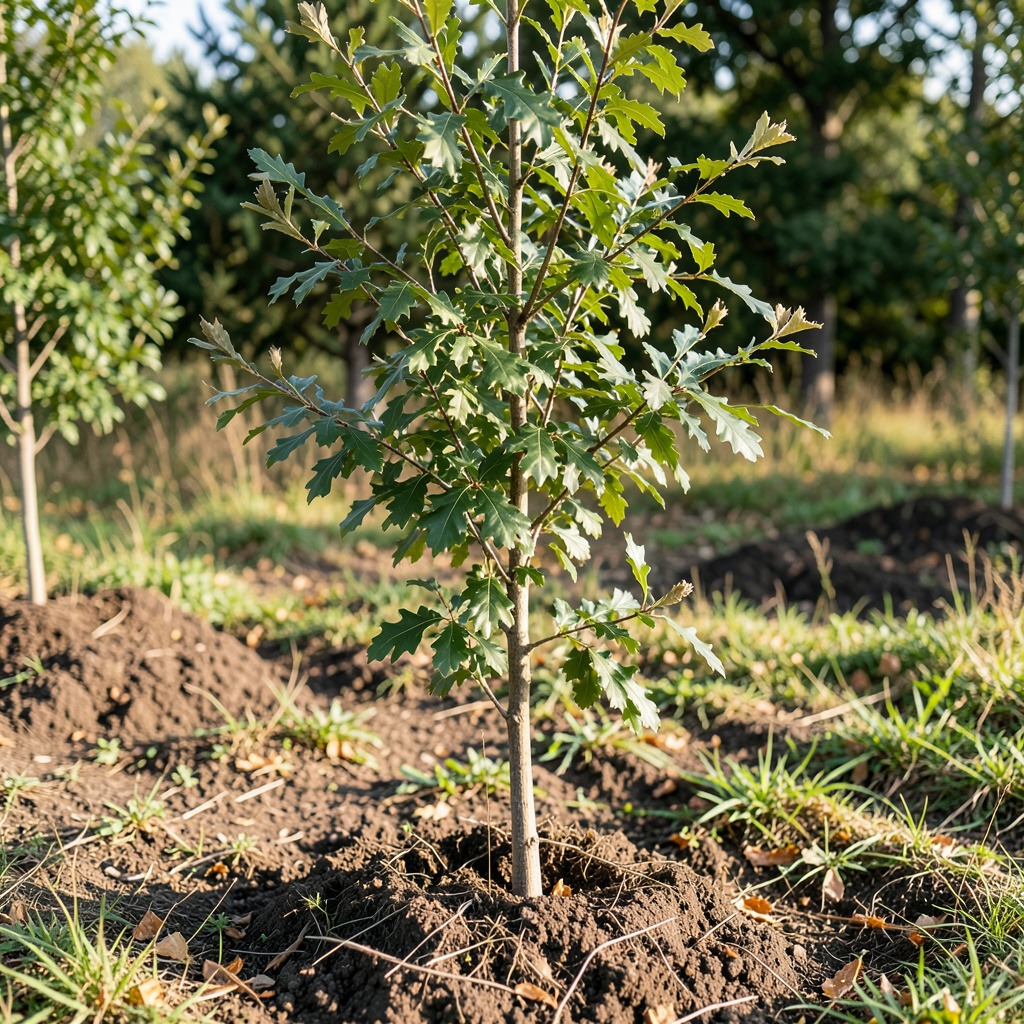
Proper watering and maintenance are vital for the healthy establishment and growth of willow oaks. Understanding their specific needs will help you nurture a robust tree that thrives in your landscape.
Initial Watering Regimen
During the first year after planting, consistent watering is crucial. Follow this schedule:
- Weeks 1-4: Water deeply twice a week. Ensure the soil remains moist but not waterlogged.
- Months 2-6: Continue watering once a week, increasing the depth to encourage deeper root growth.
- Months 7-12: Water every ten days. Check soil moisture before watering.
This regimen supports young willow oaks as they establish their root systems.
Long-term Maintenance Practices
Once established, willow oaks require ongoing care to thrive:
- Watering: After the first year, water during dry spells, especially in summer. A deep watering every two weeks is often sufficient.
- Mulching: Apply a 2-3 inch layer of mulch around the base to retain moisture and suppress weeds.
- Fertilization: Use a balanced fertilizer in early spring to promote growth. This is especially important if your soil lacks nutrients.
- Pest Management: Monitor for common pests like scale and aphids. Implement preventive measures, such as regular watering during drought, to reduce stress and susceptibility.
Example Watering Schedule for Different Growth Stages
| Growth Stage | Water Frequency | Notes |
|---|---|---|
| First Month | Twice a week | Deep watering to establish roots |
| 2-6 Months | Once a week | Increase depth to encourage deep roots |
| 7-12 Months | Every ten days | Check soil moisture before watering |
| Established (1+ Year) | Every two weeks | Water deeply during dry spells |
By adhering to these watering and maintenance practices, you ensure that your willow oak not only survives but flourishes in its environment.
Common Pests and Diseases Affecting Willow Oaks
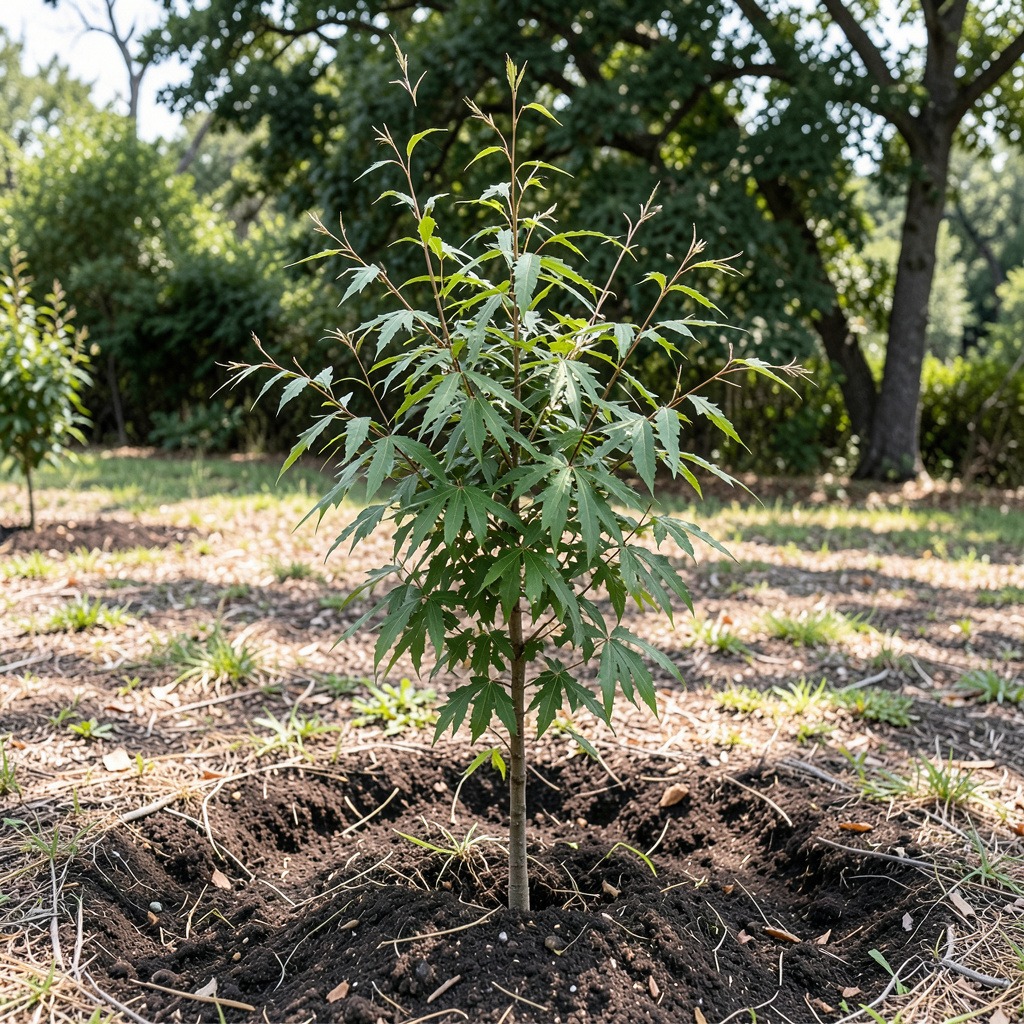
Willow oaks, while resilient, can be susceptible to various pests and diseases. Understanding these threats is crucial for maintaining their health and ensuring successful growth.
Identifying Common Pests
1. Oak Wilt: A fungal disease that spreads through tree roots and beetles. It can cause rapid defoliation and tree death.
2. Spider Mites: Tiny pests that suck sap from leaves, leading to yellowing and webbing.
3. Leaf Blister: A fungal infection that causes raised blisters on leaves, affecting their photosynthesis.
4. Acorn Weevils: Insects that bore into acorns, reducing seed viability.
Strategies for Disease Management
- Regular Monitoring: Inspect foliage regularly for signs of pests or disease. Early detection is vital.
- Cultural Practices: Ensure proper spacing during planting to improve air circulation. This reduces humidity and fungal outbreaks.
- Water Management: Avoid overwatering to prevent root rot and diseases associated with excess moisture.
- Insecticidal Soap: Use this eco-friendly option to manage soft-bodied insects like spider mites.
- Fungicides: Apply fungicides as a preventive measure against oak wilt and leaf blister, especially in high-risk areas.
Pest Management Checklist
- [ ] Inspect leaves weekly during the growing season.
- [ ] Maintain proper soil drainage.
- [ ] Prune dead or infected branches promptly.
- [ ] Consider introducing beneficial insects, such as ladybugs, to control pests naturally.
- [ ] Monitor acorn production for signs of weevil infestation.
By implementing these management strategies, you can significantly enhance the health of your willow oak, ensuring it thrives in your landscape.
Ideal Times for Planting and Pruning Willow Oaks
Timing plays a crucial role in the successful planting and pruning of willow oaks. Understanding the optimal windows for these activities ensures robust growth and enhances the tree’s health.
When to Plant Willow Oaks
The best times to plant willow oaks depend on your local climate and USDA hardiness zone. Here’s a personalized timeline based on these factors:
- USDA Zones 6-7: Late fall or early spring, when the ground is not frozen.
- USDA Zones 8-9: Plant in late winter to early spring, just before the growing season begins.
- USDA Zones 5 and colder: Early spring is ideal, as it allows the tree to establish roots before summer heat.
Key Considerations:
- Soil Temperature: Ensure the soil temperature is consistently above 50°F for optimal root development.
- Moisture Levels: Opt for times when the soil is moist but not waterlogged. This reduces stress on the young tree.
Pruning Tips for Healthy Growth
Pruning willow oaks is essential for maintaining their shape and health. The best time to prune is during the dormant season.
- Ideal Pruning Period: Late winter to early spring, before new growth begins.
- Pruning Techniques:
- Remove dead or diseased branches.
- Thin out crowded areas to improve air circulation.
- Avoid heavy pruning, which can stress the tree.
Checklist for Pruning:
- [ ] Inspect the tree for dead or damaged limbs.
- [ ] Use clean, sharp tools to make precise cuts.
- [ ] Prune to shape the tree while maintaining its natural form.
By following these guidelines, you can ensure that your willow oak thrives in your landscape, providing both aesthetic appeal and ecological benefits.
Comparing Willow Oaks to Other Shade Trees
When considering willow oak planting, it’s essential to compare it against other popular shade trees. This will help you understand its unique advantages and disadvantages, enabling informed planting decisions.
Advantages of Willow Oaks
- Rapid Growth: Willow oaks can grow up to two feet per year. This makes them quicker to provide shade compared to many other oak species, which often have slower growth rates.
- Wildlife Habitat: These trees attract various wildlife, including birds and squirrels, making them beneficial for local ecosystems.
- Adaptability: Willow oaks thrive in diverse soil conditions, from wet to occasionally dry, offering flexibility in different landscapes.
- Aesthetic Appeal: Their graceful, narrow leaves and elegant pyramidal form enhance landscape aesthetics, especially in urban settings.
Disadvantages to Consider
- Space Requirements: Willow oaks need significant space due to their extensive root systems. Planting them too close to structures can lead to damage.
- Maintenance Needs: While adaptable, these trees are not maintenance-free. They require regular watering, especially in dry periods, and may suffer from diseases in poorly drained soils.
- Potential for Pests: Like many large trees, willow oaks can attract pests, which may require management to maintain tree health.
Comparison Table
| Criterion | Willow Oak | Other Shade Trees (e.g., Red Oak, Maple) |
|---|---|---|
| Growth Rate | Up to 2 feet/year | 1-1.5 feet/year (Red Oak), 1-2 feet/year (Maple) |
| Maintenance Needs | Moderate | Varies (often similar, but some may need more pruning) |
| Soil Adaptability | Wet to occasional drought | Typically prefers well-drained soil |
| Wildlife Support | High | Moderate to High (depends on species) |
| Space Requirements | Large (extensive roots) | Moderate (varies by species) |
In summary, while willow oaks present numerous advantages, such as rapid growth and wildlife support, they also come with challenges like space and maintenance requirements. Consider these factors carefully when planning your planting strategy.
Frequently Asked Questions
These quick answers cover the most common questions about this topic, including key details, practical tips, and common concerns.
Where is the best place to plant a willow oak tree?
The ideal location for planting a willow oak is in a spot that receives full sun for at least six hours a day. They thrive in well-drained soils, including clay, loam, and sandy types. Ensure the area has enough space for the tree to grow, as willow oaks can reach heights of 60 to 75 feet and spread up to 50 feet wide.
What are the downsides of willow oak trees?
While willow oaks are beautiful and provide ecological benefits, they do have some downsides. They require ample space due to their extensive root systems, which can damage nearby structures if planted too close. They also need regular maintenance, including watering and monitoring for pests, which can be a consideration for some homeowners.
How quickly does a willow oak grow?
Willow oaks are known for their moderate to fast growth rates, typically growing up to two feet per year under ideal conditions. This rapid growth makes them an attractive choice for those looking to establish shade quickly in their landscape.
What is the best month to plant oak trees?
The best time to plant willow oaks is during the dormant season, typically in late fall or early spring. For USDA hardiness zones 5-7, plant in early spring when the ground is thawed. In warmer zones (8-9), late winter is ideal, just before the growing season begins.
How often should I water a newly planted willow oak?
During the first year, newly planted willow oaks need consistent watering. Water deeply twice a week for the first four weeks, then once a week for the next couple of months. After six months, you can reduce watering to every ten days, ensuring the soil remains moist but not waterlogged.
What pests should I watch for with willow oaks?
Common pests affecting willow oaks include spider mites, acorn weevils, and oak wilt, a fungal disease. Regularly inspect your tree for signs of these issues, such as yellowing leaves or abnormal growth. Early detection and management are crucial for maintaining the health of your willow oak.
Willow oak vs. other oak species: What should I know?
Willow oaks grow faster than many other oak species, providing quicker shade. Unlike red oaks, which might have slower growth and different soil preferences, willow oaks are adaptable to various soil types. However, they may require more space due to their extensive root systems compared to smaller oak varieties.
What are alternatives to willow oak for landscaping?
If you’re looking for alternatives to willow oak, consider trees like the red maple or sweetgum. These species also provide excellent shade and wildlife habitat but may have different growth rates and soil preferences. Assess your landscape needs and local conditions to choose the best option for your space.