
Willow oak trees can suffer from various problems including diseases like oak wilt and pests like aphids, which may lead to wilting, yellowing leaves, and decay.
Table of Contents
Willow oaks, known for their beauty and shade, can face several health issues that threaten their longevity. Understanding these problems, their causes, and effective solutions is crucial for any homeowner or gardener looking to maintain a healthy willow oak.
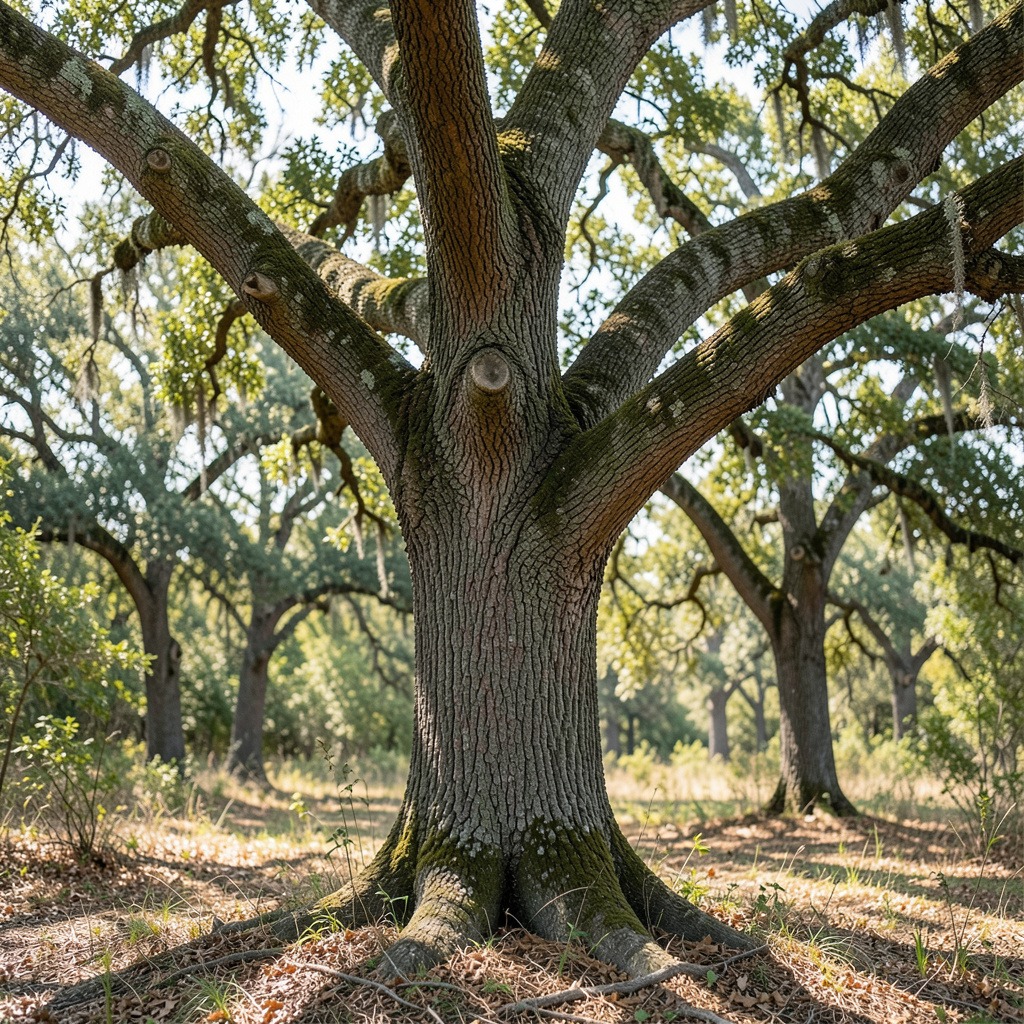
Overview of Willow Oak Problems
Willow oaks (Quercus phellos) face several significant health challenges that can jeopardize their vitality. Identifying these issues early is vital for effective treatment and long-term tree health.
Common Diseases in Willow Oaks
Willow oaks exhibit a degree of resilience to diseases; however, they are not immune. The most prevalent diseases include:
- Oak Wilt: A lethal fungal disease that causes rapid wilting and defoliation. Its progression can be swift, making early detection critical.
- Powdery Mildew: Although less severe, this fungal infection can weaken the tree and make it more susceptible to other issues.
- Oak Leaf Blister: This fungal disease manifests as yellow blisters on leaves, primarily during cool, wet spring periods. It can cause unsightly foliage but typically does not lead to permanent damage.
Statistics indicate that approximately 10% of willow oaks may be affected by these diseases in specific regions, underscoring the importance of vigilant monitoring.
Common Pests Affecting Willow Oaks
Pests can pose additional threats to the health of willow oaks. The most common pests include:
- Aphids: These sap-sucking insects can lead to leaf distortion and may contribute to the spread of diseases.
- Scale Insects: While they typically do not cause severe damage, infestations can weaken the tree.
Regular inspection is crucial. Look for signs of pest activity, such as sticky residue or discolored leaves. Early intervention can prevent minor infestations from escalating into significant problems.
Preventive Measures for Willow Oak Health
To maintain the health of willow oaks, consider the following preventive strategies:
- Regular Monitoring: Conduct seasonal checks for signs of disease and pest activity.
- Proper Pruning: Remove dead or infected branches promptly to improve air circulation and reduce disease risk.
- Fungicidal Treatments: Apply fungicides in early spring to prevent diseases like oak leaf blister and powdery mildew.
By adopting these measures, you can enhance the resilience of your willow oak, ensuring it remains a thriving part of your landscape.
Identifying Willow Oak Diseases

Willow oaks (Quercus phellos) can face several health threats, primarily from diseases. Understanding these conditions is crucial for maintaining tree health and longevity.
Oak Wilt Symptoms and Treatment
Oak Wilt is a serious fungal disease that affects willow oaks. Here are its key symptoms and treatment options:
- Symptoms:
- Wilted leaves that turn brown.
- Rapid discoloration across the tree.
- Sudden browning of branches, often starting at the top.
- Treatment:
- Remove infected trees promptly to prevent spread.
- Contact a certified arborist for diagnosis and treatment options.
- Apply fungicides if recommended, especially during the active growth season.
Powdery Mildew Management
Powdery Mildew is a less severe but still concerning issue for willow oaks. This fungal infection can weaken your tree and make it vulnerable to other problems.
- Symptoms:
- White, powdery spots on leaves.
- Stunted growth or leaf distortion.
- Premature leaf drop.
- Management:
- Increase air circulation through proper pruning.
- Ensure adequate sunlight by avoiding overcrowding.
- Apply fungicides like sulfur or neem oil to affected areas.
Armillaria Root Rot: Signs and Solutions
Armillaria Root Rot is a soil-borne fungal disease that targets the roots of willow oaks. This condition can be fatal if untreated.
- Symptoms:
- Discolored foliage, often yellowing or browning.
- Premature defoliation and growth stunting.
- Appearance of creamy white fungal growths around the base of the tree.
- Solutions:
- Remove severely infected trees, including the stump, to prevent further spread.
- Improve soil drainage and reduce moisture stress to promote tree health.
- Ensure proper care to strengthen the tree’s natural defenses.
Quick Identification Checklist
| Disease | Key Symptoms | Recommended Action |
|---|---|---|
| Oak Wilt | Wilted leaves, rapid browning | Remove and consult an arborist |
| Powdery Mildew | White spots, stunted growth | Prune for airflow, apply fungicides |
| Armillaria Root Rot | Yellowing leaves, fungal growth | Remove infected trees, improve drainage |
Regular monitoring and early detection are essential for managing these diseases effectively.
Managing Pests on Willow Oaks

Willow oaks can face challenges from various pests, notably aphids and scale insects. Effective management of these pests is crucial for maintaining the health of your trees.
Identifying Aphid Infestations
Aphids are small, soft-bodied insects that can significantly impact willow oaks. They feed on the sap, leading to weakened foliage and stunted growth. Look for the following symptoms:
- Curled or distorted leaves
- Sticky residue on leaves (honeydew)
- Black sooty mold growth
How to Treat Scale Insects
Scale insects are another common pest affecting willow oaks. They attach themselves to branches and leaves, sucking sap and causing overall tree decline. Symptoms include:
- Yellowing leaves
- Premature leaf drop
- Stunted growth
To manage scale insects:
1. Manual Removal: Scrape off scale insects with a soft brush or cloth.
2. Insecticidal Soaps: Apply insecticidal soap directly to the affected areas.
3. Horticultural Oils: Use horticultural oils during the dormant season to suffocate the pests.
Preventive Measures for Pest Control
Preventing pest infestations is more effective than treating them. Implement these strategies:
- Regular Monitoring: Check your willow oaks frequently for early signs of infestation.
- Boost Tree Health: Ensure your trees receive adequate water and nutrients to strengthen their natural defenses.
- Encourage Beneficial Insects: Attract natural predators like ladybugs to help control aphid populations.
Pest Control Methods Comparison Table
| Method | Effectiveness | Notes |
|---|---|---|
| Manual Removal | Moderate | Time-intensive but immediate action |
| Insecticidal Soaps | High | Best for soft-bodied insects like aphids |
| Horticultural Oils | High | Effective when applied properly |
| Chemical Insecticides | Variable | Use as a last resort, follow instructions |
Implementing these pest management practices will help maintain the health of your willow oaks, allowing them to thrive and resist damage from common infestations.
Soil and Environmental Considerations
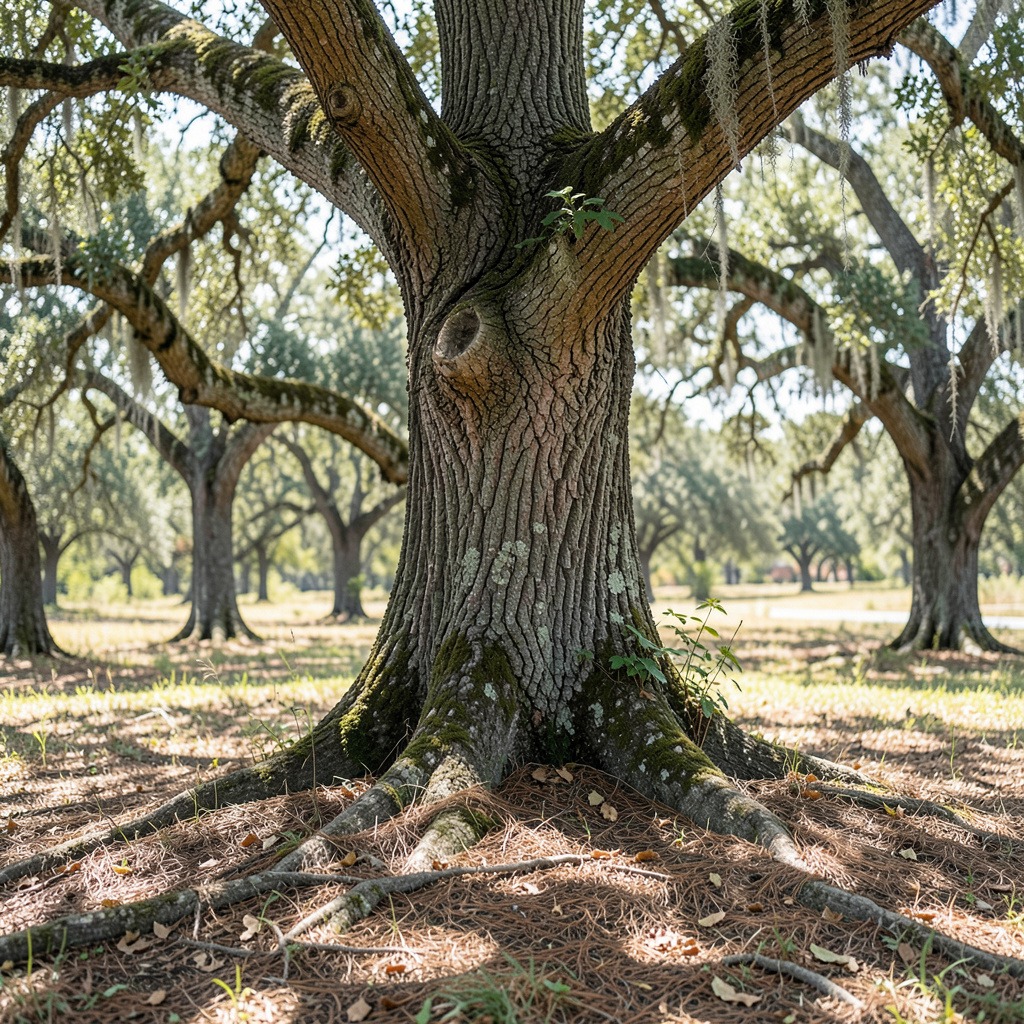
Soil conditions play a crucial role in the health of willow oaks. The right soil pH and drainage are essential for preventing diseases and ensuring robust growth.
Ideal Soil Conditions for Willow Oaks
Willow oaks thrive in well-drained soil that retains moisture without becoming waterlogged. They prefer:
- Soil Type: Loamy or sandy soil is ideal.
- Drainage: Good drainage prevents root rot and diseases.
- Moisture: Consistent moisture supports growth but avoid overly saturated conditions.
Effects of Soil pH on Tree Health
The pH level of the soil significantly affects nutrient availability. Willow oaks prefer a soil pH between 6.0 and 7.0.
- Acidic Soils (pH < 6): May lead to nutrient deficiencies.
- Alkaline Soils (pH > 7): Can cause iron chlorosis, leading to yellowing leaves and stunted growth.
Checklist for Soil Testing
Regular soil testing can help maintain optimal conditions for willow oaks. Use this checklist to evaluate your soil:
- Test for pH levels.
- Check soil texture (sand, silt, clay).
- Assess drainage capacity.
- Evaluate nutrient levels (nitrogen, phosphorus, potassium).
- Monitor organic matter content.
By ensuring your willow oak is planted in optimal soil conditions, you can prevent many common problems associated with poor soil health.
Preventive Care for Willow Oaks
Proactive care strategies are essential for preventing common problems and maintaining the health of willow oaks. Regular inspection, seasonal maintenance, and proper soil management can significantly enhance tree resilience.
Regular Inspection and Maintenance
Regular inspections help identify potential issues early. Look for the following signs during your checks:
- Discoloration or wilting of leaves
- Unusual growth patterns or dieback
- Presence of pests or fungal growths
Maintain a meticulous record of your observations. This data can guide timely interventions.
Seasonal Care Tips for Willow Oaks
Follow a seasonal care calendar to address specific needs throughout the year:
| Season | Care Activities |
|---|---|
| Spring | Fertilize with a balanced nutrient mix. Inspect for pests. |
| Summer | Water deeply during dry spells. Monitor for signs of heat stress. |
| Fall | Mulch around the base to retain moisture. Conduct a thorough inspection for diseases. |
| Winter | Prune dead or diseased branches. Avoid heavy pruning to minimize stress. |
Implementing these seasonal care strategies can prevent many common issues that may affect willow oaks. Healthy trees are better equipped to resist diseases and pests, ensuring their longevity and beauty in your landscape.
Conclusion and Summary of Willow Oak Management
Effective management of willow oaks involves understanding and addressing common problems. Regular care and vigilance are key to maintaining the health and longevity of these trees.
Common Diseases and Symptoms
Willow oaks face various diseases, primarily hypoxylon canker, oak wilt, and armillaria root rot. Symptoms include:
- Yellowing and wilting foliage
- Branch dieback
- Leaf blisters
- Premature defoliation
Pest Management Strategies
Pests such as oak leaf blister and various insects can threaten willow oaks. Proactive measures include:
- Regular inspections for signs of infestations
- Application of appropriate pesticides when needed
- Keeping the tree healthy to resist pest attacks
Soil and Environmental Considerations
Soil health significantly impacts willow oak vitality. Key factors include:
- Adequate drainage to prevent root rot
- Nutrient-rich soil for optimal growth
- Regular mulching to retain moisture
Preventive Measures for Willow Oak Health
To prevent common problems, implement these strategies:
- Fertilize in spring for balanced nutrition.
- Water deeply during dry spells to ensure hydration.
- Prune properly to avoid wounding and stress.
Long-term Care Tips
Long-term health is achieved through consistent care. Consider:
- Monitoring tree growth and vigor regularly.
- Implementing seasonal care activities.
- Consulting with an arborist for expert advice when issues arise.
By following these guidelines, you can help your willow oaks thrive and prevent many common problems that threaten their health.
Frequently Asked Questions
These quick answers cover the most common questions about this topic, including key details, practical tips, and common concerns.
What are the downsides of willow oak trees?
Willow oaks can face several challenges, including susceptibility to diseases like oak wilt and pests such as aphids. These issues can lead to wilting, yellowing leaves, and even tree decay. Additionally, willow oaks require specific soil conditions and adequate moisture, making them less suitable for poorly drained or compacted urban soils.
What is the life expectancy of a willow oak tree?
Willow oaks typically have a life expectancy of 30 to 50 years, depending on environmental conditions and care. Factors such as soil quality, water availability, and disease management play a crucial role in their longevity. Proper care can enhance their lifespan and overall health.
Is willow oak a good yard tree?
Yes, willow oaks are often considered good yard trees due to their attractive foliage and ability to provide ample shade. However, they are best suited for larger yards or parks where their size and root system can be accommodated. Homeowners should also be prepared to manage potential pests and diseases.
What does a diseased willow tree look like?
A diseased willow oak may exhibit several symptoms, including discolored leaves (yellowing or browning), wilting foliage, and premature leaf drop. You might also notice peeling bark or dead branches. If you see these signs, it’s essential to investigate further and consider consulting an arborist.
What specific symptoms (discolored leaves, dying branches, peeling bark) are you seeing?
Identifying specific symptoms is crucial for diagnosis. Discolored leaves may indicate nutrient deficiencies or diseases like oak leaf blister. Dying branches could signal oak wilt or root rot. Peeling bark might suggest pest infestations or environmental stress. Take note of these symptoms to guide treatment options.
When should I inspect my willow oak for pests?
Inspect your willow oak regularly, especially during the growing season (spring to early fall). Early detection is key to managing pests effectively. Look for signs of stress or pest activity, such as sticky residue or distorted leaves, during routine checks.
What is causing willow oak tree decay?
Willow oak decay can be caused by various factors, including fungal infections like Armillaria root rot and environmental stressors such as poor soil drainage. Pests like scale insects can also contribute to overall tree decline. Identifying the root cause is essential for effective treatment and management.
What are the signs of a healthy willow oak?
A healthy willow oak will have vibrant green leaves, a robust trunk, and a well-formed canopy. Look for consistent growth patterns, no signs of wilting or discoloration, and a lack of pest infestations. Regular monitoring and proper care will help maintain its health over time.