
Willow oaks are fast-growing shade trees with fine-textured foliage, providing excellent wildlife habitat.
Table of Contents
Willow oaks (Quercus phellos) are popular among homeowners for their rapid growth and aesthetic appeal. However, like any tree, they come with their own set of advantages and disadvantages, which are crucial to consider before planting.
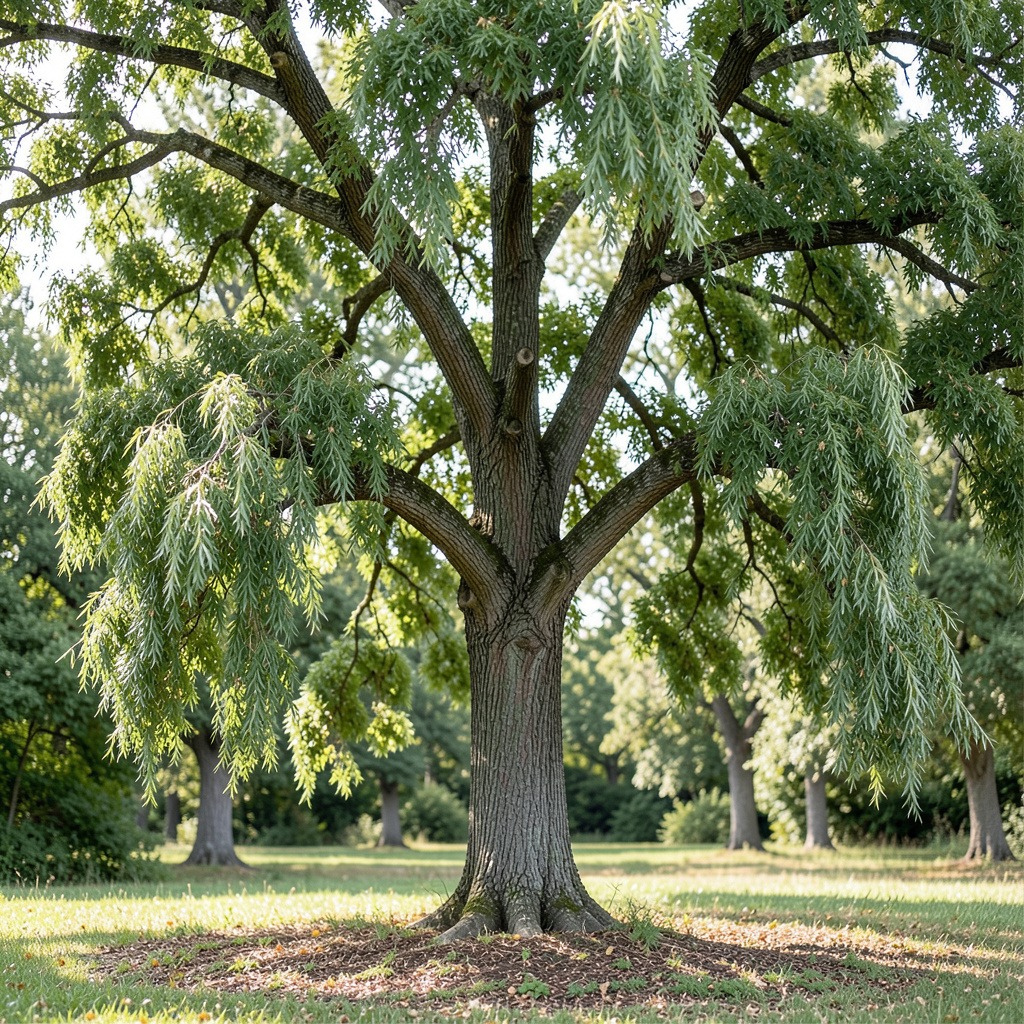
Understanding Willow Oak Trees
Willow oaks (Quercus phellos) are a valuable addition to many landscapes, known for their swift growth and adaptability. Understanding their growth habits and environmental preferences is essential for anyone considering planting them.
The Botanical Profile of Willow Oaks
Willow oaks belong to the red oak group. They typically feature elongated leaves resembling those of willow trees. These trees can reach impressive heights, often growing between 40 to 60 feet tall and spreading 30 to 40 feet wide at maturity.
Key Characteristics:
- Leaf Shape: Narrow, elongated leaves that provide a unique aesthetic.
- Bark: Smooth and gray when young, becoming furrowed with age.
- Acorns: Produces acorns that are a food source for wildlife.
Growth Patterns and Size Expectations
Willow oaks exhibit a rapid growth rate, often adding 2 to 3 feet in height each year under optimal conditions. This fast growth makes them an attractive option for those looking to quickly establish shade in their landscape.
Comparison with Other Shade Trees:
- Willow Oak: 2-3 feet annually.
- Red Maple: 1-2 feet annually.
- Sugar Maple: 1-2 feet annually.
- Northern Red Oak: 1-2 feet annually.
This growth rate positions willow oaks as a top choice for quick landscaping impact. However, potential planters should be aware that this rapid growth can lead to larger size and maintenance requirements as the tree matures.
Environmental Preferences
Willow oaks thrive in a variety of soil types, favoring moist, well-drained conditions but can tolerate periods of drought once established. They are also adaptable to different light conditions, growing well in full sun to partial shade.
Planting Considerations:
- Soil Moisture: Prefers consistent moisture, particularly during the first few years.
- Sunlight: Best growth occurs in full sun.
- Space: Requires ample space due to its mature size; avoid planting near structures.
By understanding these growth characteristics and environmental preferences, homeowners can make informed decisions about incorporating willow oaks into their landscapes.
Pros of Planting Willow Oaks
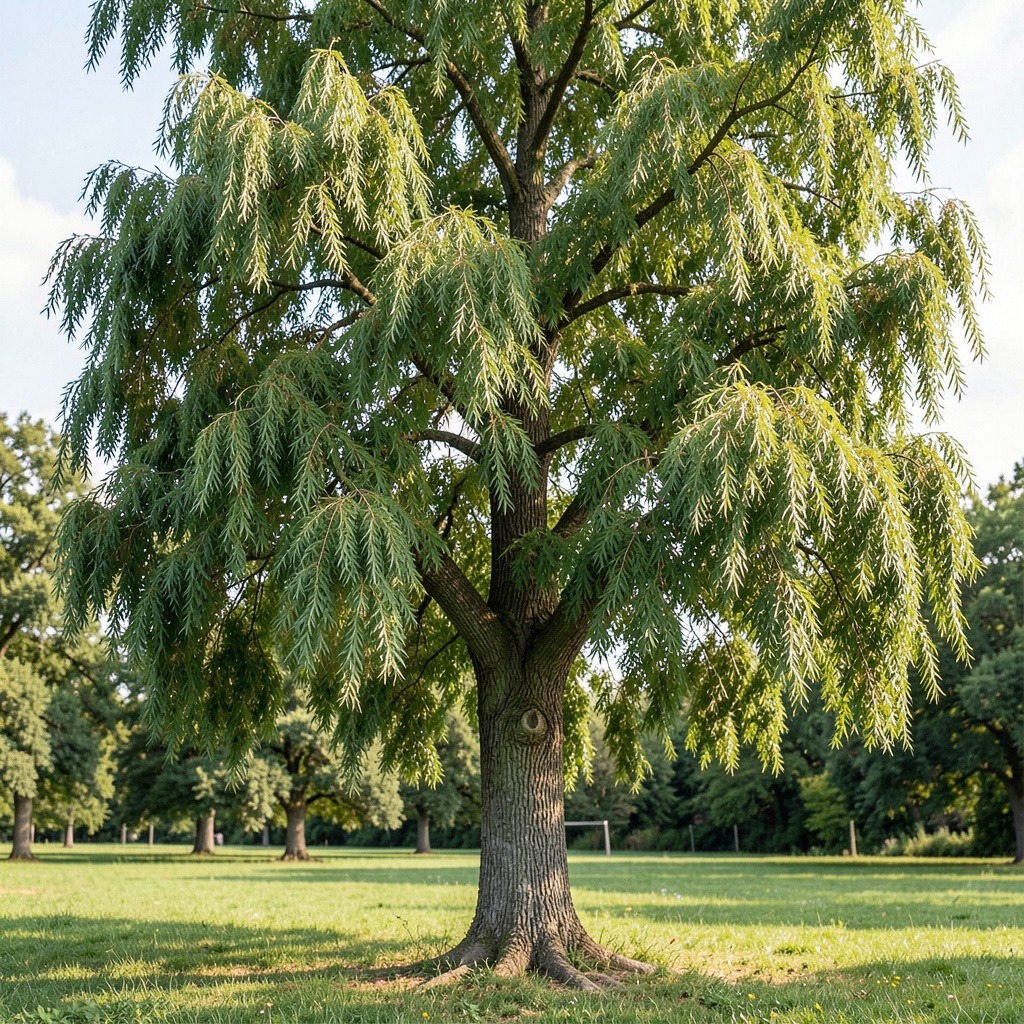
Willow oaks offer several significant benefits that make them an attractive choice for residential landscaping. Their ability to provide shade, support wildlife, and enhance aesthetic appeal are key advantages for homeowners.
Excellent Shade Provider
Willow oaks are known for their expansive canopy, which can provide substantial shade. A mature willow oak can offer shade for an area of approximately 1,000 square feet. This makes them a superior choice compared to many other shade trees, such as maples or oaks, which may cover less area. The dense foliage effectively blocks sunlight, creating cool, comfortable spaces during hot summer months.
- Shade Benefits:
- Reduces outdoor temperatures.
- Lowers energy costs by cooling nearby structures.
- Creates a comfortable environment for outdoor activities.
Wildlife Support and Habitat
Willow oaks play a crucial role in supporting local wildlife. Their acorns are a vital food source for various birds, squirrels, and other small mammals. The tree’s thick foliage provides safe nesting sites and shelter for numerous species, fostering biodiversity in your landscape.
- Wildlife Benefits:
- Attracts birds, including woodpeckers and songbirds.
- Supports pollinators like bees and butterflies.
- Encourages a vibrant ecosystem, enhancing the natural beauty of your property.
By choosing to plant willow oaks, homeowners can create an inviting habitat that not only benefits wildlife but also enriches their outdoor experience. These trees exemplify the balance of beauty and functionality, making them a standout choice for any landscape.
Cons of Planting Willow Oaks
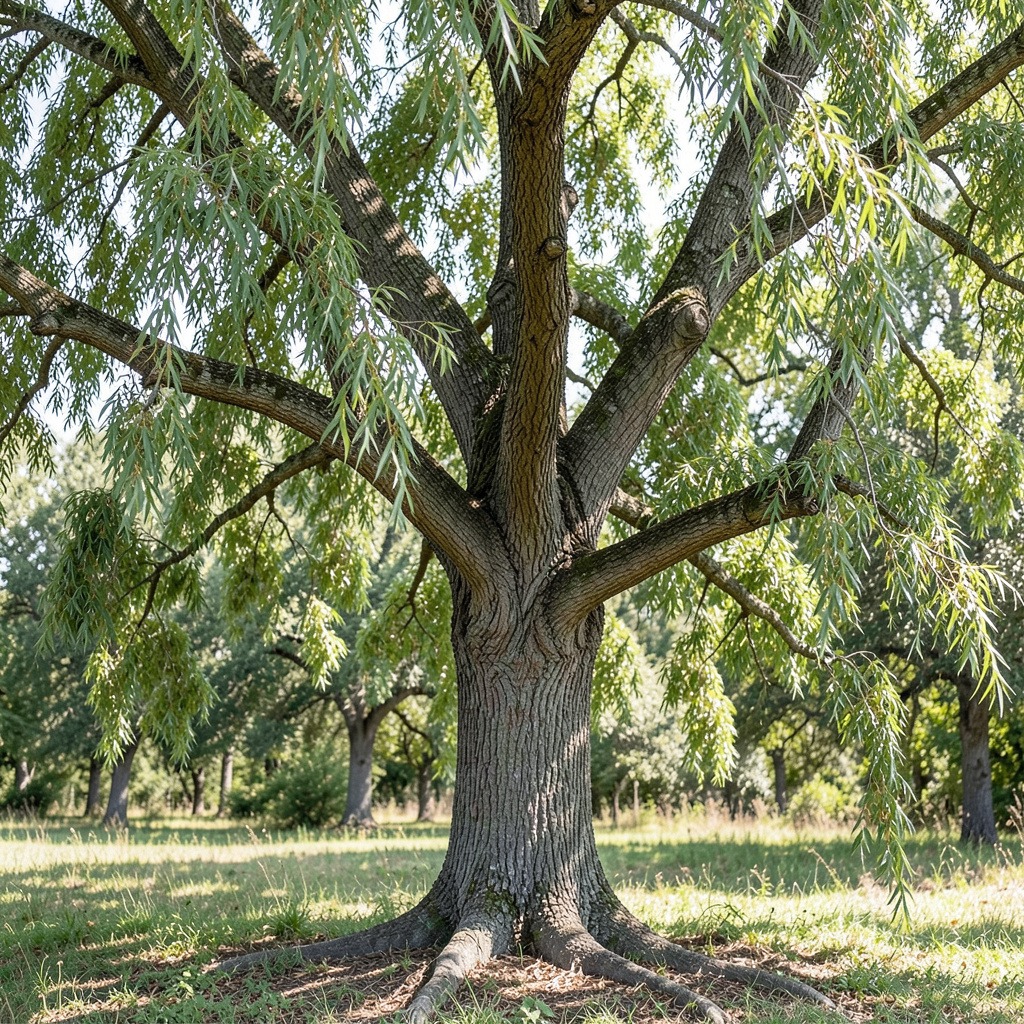
While willow oaks offer numerous benefits, they come with notable drawbacks. Understanding these cons is essential for homeowners contemplating their addition to a landscape.
Size and Space Requirements
Willow oaks grow large, reaching heights of up to 75 feet and spreading wide. This size requires ample space, which may not be available in smaller residential yards. When planting, consider the following:
- Root Spread: Their extensive root systems can disrupt nearby structures, including sidewalks and foundations.
- Shade Coverage: Large canopies may block sunlight from surrounding plants, affecting their growth.
- Planting Distance: Ensure willow oaks are planted at least 20 feet away from buildings and other trees to minimize potential damage.
Acorn Production and Litter Management
Willow oaks produce acorns, which can create a significant mess, particularly in late summer and fall. Acorns can litter driveways, sidewalks, and lawns, leading to:
- Maintenance Burden: Regular raking or mowing may be needed to manage fallen acorns effectively.
- Pest Attraction: Acorns can attract wildlife, such as squirrels, which may lead to additional concerns regarding property damage or disturbance.
Management Tips:
- Mulching: Use a mulching mower to chop up fallen acorns, allowing them to decompose and enrich the soil.
- Regular Cleanup: Schedule routine cleanups during peak acorn season to prevent buildup and slipping hazards.
By weighing these factors, homeowners can better assess whether a willow oak aligns with their landscape goals and maintenance abilities.
Maintenance Requirements for Willow Oaks
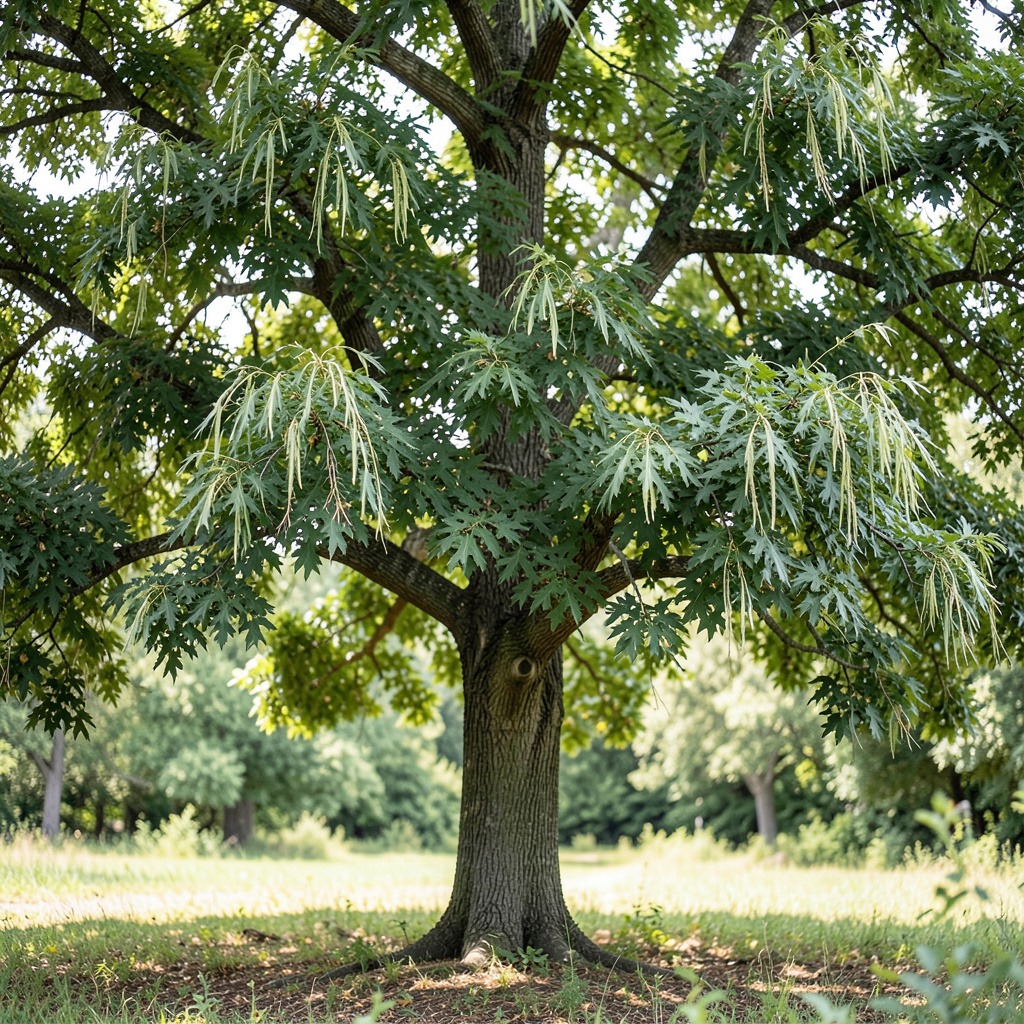
Willow oaks require specific care to thrive, especially regarding watering, pruning, and disease management. Understanding these needs helps homeowners maintain a healthy and attractive landscape.
Watering and Soil Needs
Willow oaks prefer well-drained soil but can adapt to various conditions. Here are key watering considerations:
- Establishment Phase: Newly planted willow oaks need consistent moisture. Water them deeply once a week during dry spells for the first two years.
- Mature Trees: Once established, they can tolerate some drought. However, periodic watering during prolonged dry conditions can promote better growth.
- Soil Type: They thrive in loamy or sandy soils. Ensure good drainage to prevent root rot.
Pruning and Seasonal Care
Regular pruning is essential for willow oaks to maintain their shape and health. Follow these guidelines:
- Timing: Best to prune during late winter or early spring while the tree is dormant.
- Frequency: Annually inspect for dead or damaged branches. Remove any that could pose a hazard or disrupt growth.
- Technique: Use clean, sharp tools to make smooth cuts. Avoid excessive pruning, as this can stress the tree and lead to disease.
Disease Management
Willow oaks are generally resilient but can face specific challenges:
- Pests: Watch for leaf spot and oak wilt. Regular inspections can help catch these issues early.
- Prevention: Maintain good air circulation by pruning and avoid overcrowding. This reduces the risk of fungal infections.
Seasonal Maintenance Checklist
| Season | Maintenance Task |
|---|---|
| Spring | Prune dead branches and inspect for pests. |
| Summer | Water deeply during dry spells. |
| Fall | Rake fallen leaves and acorns. |
| Winter | Inspect tree health and plan for spring pruning. |
By following these maintenance guidelines, homeowners can ensure their willow oaks remain healthy and beautiful.
Regional Considerations for Planting Willow Oaks
Willow oaks thrive in a variety of environments, making them a flexible choice for many homeowners. However, understanding their ideal growing conditions is essential for successful planting.
Ideal Climate and Soil Types
Willow oaks flourish in USDA hardiness zones 6 to 9. They prefer:
- Soil Type: Well-drained, loamy or sandy soils.
- Moisture: Regular moisture, particularly during the establishment phase. They can tolerate occasional drought once mature.
- Sunlight: Full sun to partial shade.
These trees adapt well to areas near water sources but can also manage in drier soils if established correctly.
Common Pests and Diseases
While generally hardy, willow oaks are susceptible to specific pests and diseases:
- Oak Wilt: A fungal disease that can be fatal to oaks.
- Leaf Spot: A fungal infection that can affect foliage health.
- Pests: Look out for oak borers and aphids, which can weaken the tree.
Regular inspections and proper maintenance can mitigate these risks, ensuring the tree remains healthy.
Decision Framework for Homeowners
When considering planting a willow oak, evaluate the following factors:
- Local Climate: Check your USDA zone.
- Soil Quality: Test soil drainage and pH.
- Space Available: Willow oaks can grow large, requiring ample room for their canopy.
By aligning these factors with your landscape goals, you can make an informed decision about whether a willow oak is the right tree for your property.
Cost Implications of Planting Willow Oaks
Understanding the financial aspects of planting and maintaining willow oaks is crucial for homeowners. This section breaks down the initial and ongoing costs associated with these trees, helping you make an informed decision.
Initial Planting Costs
When purchasing a willow oak, initial costs can vary widely based on size and location. Here’s a breakdown:
- Saplings (1-2 feet): $25 – $50
- Young Trees (3-6 feet): $50 – $150
- Mature Trees (8-10 feet): $150 – $300
In addition to the purchase price, consider these planting expenses:
- Soil Amendments: $50 – $100, depending on soil quality.
- Labor for Planting: $100 – $300 if you hire professionals.
Long-term Maintenance Expenses
Maintaining a willow oak requires commitment and resources. Here are the typical annual costs:
- Watering: $50 – $150, especially critical during establishment.
- Fertilization: $20 – $50 for nutrient support.
- Pruning: $100 – $200 every few years to manage size and health.
- Pest Control: $50 – $100 if pest issues arise.
Cost Comparison to Alternative Shade Trees
When considering the total cost of owning a willow oak, it’s helpful to compare it with other popular shade trees, such as the red maple or the southern magnolia. Here’s how they stack up:
| Tree Type | Initial Cost (Sapling) | Annual Maintenance Cost |
|---|---|---|
| Willow Oak | $25 – $50 | $200 – $400 |
| Red Maple | $30 – $60 | $150 – $300 |
| Southern Magnolia | $40 – $80 | $100 – $250 |
Decision Framework for Homeowners
When planning your landscape, consider the following cost-related factors:
- Budget: Assess your financial capacity for both initial and ongoing expenses.
- Location: Costs can vary by region; check local prices.
- Long-term Goals: Decide if the benefits of a willow oak’s rapid growth and shade justify the investment.
By analyzing these cost implications, you can weigh the pros and cons of planting a willow oak effectively.
Comparing Willow Oaks with Other Shade Trees
When considering shade trees for your landscape, comparing willow oaks to other popular species is crucial. Each tree has distinct benefits and drawbacks that can impact your decision.
Willow Oaks vs. Red Maples
| Feature | Willow Oak | Red Maple |
|---|---|---|
| Growth Rate | Fast (up to 3 feet/year) | Moderate (1-2 feet/year) |
| Shade | Dense and broad canopy | Moderate shade |
| Acorn Production | Heavy acorn drop | Minimal seed production |
| Maintenance Needs | Moderate, requires pruning | Low, mostly self-sustaining |
| Wildlife Benefits | Provides habitat for birds | Attracts butterflies |
Key Takeaways:
- Growth: Willow oaks grow rapidly, offering quick shade, while red maples grow at a slower pace.
- Maintenance: Willow oaks require more upkeep due to their size and acorn drop, whereas red maples are relatively low-maintenance.
Willow Oaks vs. Weeping Willows
| Feature | Willow Oak | Weeping Willow |
|---|---|---|
| Growth Rate | Fast (up to 3 feet/year) | Fast (up to 6 feet/year) |
| Shade | Dense canopy | Lighter shade |
| Root System | Invasive roots | Highly invasive roots |
| Aesthetic Appeal | Upright, strong structure | Graceful, flowing branches |
| Maintenance Needs | Moderate, requires pruning | High, susceptible to pests |
Key Takeaways:
- Shade and Aesthetics: Willow oaks provide a strong, dense shade, while weeping willows offer a more delicate look.
- Root Concerns: Both species have invasive roots, but weeping willows are particularly notorious for causing infrastructure issues.
Decision Framework for Choosing a Shade Tree
When choosing between willow oaks and other shade trees, consider the following factors:
- Space Availability: Ensure you have enough room for the tree’s mature size and root spread.
- Desired Shade Level: Determine how much shade you require and how quickly you want it.
- Maintenance Commitment: Assess your willingness to maintain and care for the tree.
Understanding these comparisons can help you make an informed decision tailored to your landscape needs.
Alternatives to Willow Oaks for Shade
If you’re considering shade trees but have concerns about the drawbacks of willow oaks, several alternatives may suit your landscape needs. These trees offer similar benefits while potentially minimizing maintenance issues and other drawbacks.
Best Alternatives for Small Yards
When space is limited, selecting smaller shade trees can be advantageous. Here are a few options:
- Red Maple: Known for its vibrant fall color, the red maple grows quickly and provides ample shade. It also adapts well to various soil types.
- Serviceberry: This small tree offers beautiful spring flowers and summer fruits, attracting wildlife. Its compact size makes it ideal for smaller gardens.
- Littleleaf Linden: With a dense canopy that provides excellent shade, this tree is also resistant to pests and diseases, making it low-maintenance.
Low-Maintenance Shade Trees
For homeowners seeking easy-care options, these trees require less effort while still delivering shade:
- Sugar Maple: This tree is celebrated for its stunning fall foliage. It thrives in a range of soils and has a relatively low maintenance profile.
- Eastern Redbud: This ornamental tree has beautiful pink flowers in early spring. It is also drought-tolerant once established, making it a low-maintenance choice.
- Black Locust: This tree grows rapidly and provides a wide canopy. It is highly resilient and requires minimal upkeep while also supporting local wildlife.
User Testimonials on Alternatives
Many homeowners have switched from willow oaks to alternatives and report positive experiences. For instance, one homeowner noted that switching to a red maple significantly reduced maintenance concerns while still providing adequate shade. Another mentioned that the eastern redbud not only enhanced their garden’s aesthetics but also attracted more birds and pollinators.
Selecting the right shade tree involves evaluating your yard’s size, desired shade level, and maintenance commitment. Consider these alternatives to willow oaks for a landscape that meets your needs while minimizing potential drawbacks.
User Testimonials: Real Experiences with Willow Oaks
Homeowners share a variety of experiences with willow oaks, revealing both their benefits and challenges. Here are some insights from those who have planted these trees.
Positive Testimonials
- Shade and Aesthetics: One homeowner in Virginia described their mature willow oak as a “canopy of comfort.” They enjoy the shade it provides during hot summers, and it has become a focal point in their landscape.
- Wildlife Habitat: A resident in Georgia highlighted the wildlife benefits. They noted that squirrels and birds frequently visit their willow oak, enhancing the enjoyment of their yard.
- Quick Growth: An Ohio homeowner appreciated the rapid growth of their willow oak. They planted it as a young tree, and within a few years, it provided significant shade compared to slower-growing alternatives.
Challenges Faced by Homeowners
- Acorn Mess: A homeowner in Texas expressed frustration over the acorn drop in autumn. They found themselves cleaning up regularly, stating, “The acorns are everywhere, and it’s a hassle.”
- Size Considerations: Another resident in Maryland mentioned that the large size of their willow oak became problematic. They had to trim branches to maintain distance from their roof, which added unexpected maintenance costs.
- Invasive Roots: A property owner in Florida reported issues with the tree’s roots. They discovered that nearby underground plumbing was affected, leading to costly repairs. They advised others to consider planting willow oaks away from structures.
Decision Framework for Homeowners
When considering a willow oak, weigh the following factors based on user experiences:
- Space Availability: Ensure you have enough room for the tree’s mature size.
- Maintenance Commitment: Be prepared for regular acorn cleanup and potential pruning.
- Wildlife Preference: Consider if attracting wildlife aligns with your landscape goals.
- Root Management: Plant willow oaks away from structures to prevent root-related issues.
By evaluating these testimonials, potential willow oak planters can make informed decisions that suit their landscape needs.
Conclusion: Is a Willow Oak Right for You?
Deciding to plant a willow oak involves weighing its benefits against potential drawbacks. This summary will help you assess whether this tree fits your landscape needs.
Pros of Willow Oaks
- Rapid Growth: Willow oaks establish quickly, providing shade and aesthetic appeal within a few seasons.
- Wildlife Habitat: These trees support local ecosystems by attracting birds and insects.
- Acorn Production: They begin producing acorns at a young age, contributing to wildlife food sources.
Cons of Willow Oaks
- Large Size: Their mature height and spread may require significant space.
- Messy Acorns: Regular cleanup may be necessary due to acorn drop.
- Root Issues: Their aggressive root systems can disrupt nearby structures and utilities.
Decision Checklist
To determine if a willow oak is suitable for your property, consider the following checklist:
- Space Availability: Do you have ample space for the tree’s mature size?
- Maintenance Willingness: Are you prepared for regular acorn cleanup and potential pruning?
- Wildlife Goals: Will attracting wildlife fit your landscaping objectives?
- Root Management: Can you plant it away from structures to mitigate root-related issues?
By reflecting on these factors, you can make an informed choice about planting a willow oak in your landscape.
Frequently Asked Questions
These quick answers cover the most common questions about this topic, including key details, practical tips, and common concerns.
What are the downsides of having a willow tree?
Willow oaks can present several challenges for homeowners. One of the main downsides is their large size, which requires ample space for growth. Their expansive root systems can also disrupt sidewalks, driveways, and foundations, leading to potential structural issues. Additionally, willow oaks produce a significant amount of acorns, which can create a mess on lawns and driveways, requiring regular cleanup.
Do Willow Oaks have invasive roots?
Yes, willow oaks have invasive root systems. Their roots can spread widely and may cause damage to nearby infrastructure, including plumbing and foundations. It’s essential to plant willow oaks at least 20 feet away from structures to minimize potential root-related issues. Homeowners should consider their landscape layout before planting to avoid future complications.
Is willow oak a good yard tree?
Willow oaks can be an excellent choice for a yard tree if you have sufficient space. They grow rapidly and provide dense shade, making them ideal for cooling outdoor areas. However, if you have a smaller yard or are concerned about acorn litter and root invasiveness, you might want to explore other options. Assess your specific landscape needs before deciding.
When is the best time to plant a willow oak?
The best time to plant a willow oak is in the spring or early fall. Planting during these seasons allows the tree to establish its root system before the heat of summer or the cold of winter sets in. Ensure the soil is well-drained and moist during the establishment phase for optimal growth.
What wildlife benefits do willow oaks provide?
Willow oaks are invaluable for local wildlife. Their acorns serve as a food source for various birds, squirrels, and other small mammals. The tree’s dense foliage also provides shelter and nesting sites for birds and other wildlife, contributing to a vibrant ecosystem in your yard.
How to care for willow oaks?
Caring for willow oaks involves regular watering, especially during the first two years after planting. Ensure the soil remains moist but well-drained. Pruning should be done in late winter or early spring to maintain shape and remove any dead branches. Regular inspections for pests and diseases are also essential to keep the tree healthy.
What are alternatives to willow oaks for shade?
If you’re looking for alternatives to willow oaks, consider red maples, serviceberries, or sugar maples. These trees offer good shade while potentially minimizing the maintenance issues associated with willow oaks, such as acorn litter and root invasiveness. Evaluate your space and landscape goals to find the best fit.