
Willow oak roots are fibrous and extensive, providing stability and adaptability in moist environments.
Table of Contents
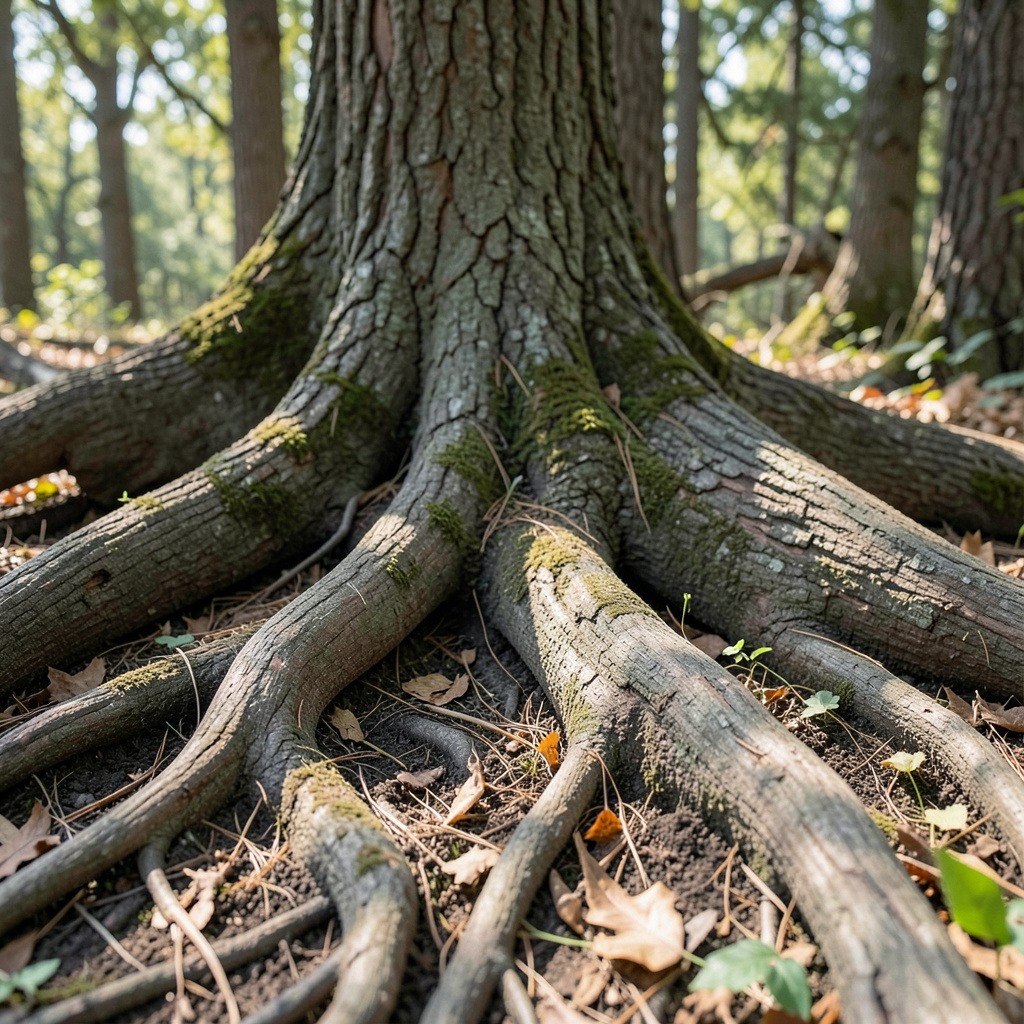
Willow oak roots, characteristic of the Quercus phellos species, are known for their extensive fibrous structure, which supports the tree’s stability in wetland areas. This guide explores their unique features, care needs, and ecological significance.
Characteristics of Willow Oak Roots
Willow oak roots, prominent in Quercus phellos, exhibit unique features that enhance their growth and environmental adaptability. Understanding these characteristics is crucial for effective care and ecological preservation.
Root Depth and Spread
Willow oak roots typically extend deep into the soil, with a spread that can reach up to three times the tree’s canopy width. This depth facilitates stable anchorage, particularly in wetland environments. The extensive root system helps the tree access moisture and nutrients from various soil layers.
- Depth: Roots can penetrate up to 2-3 feet deep.
- Spread: Roots can extend laterally up to 30 feet or more.
Fibrous vs. Taproot Systems
Willow oaks primarily develop a fibrous root system, characterized by many thin roots that enhance water absorption and soil stabilization. Unlike the single, dominant taproot found in some other species, the fibrous structure of willow oak roots provides several advantages:
- Water Efficiency: The fibrous roots are adept at absorbing surface water, making them ideal for moist habitats.
- Soil Aeration: This structure improves soil aeration, fostering a healthier underground ecosystem.
Impact on Soil Stability
The unique root system of willow oaks plays a significant role in maintaining soil stability. By binding the soil particles together, these roots help prevent erosion, especially in flood-prone areas. Willow oak roots contribute to:
- Soil Structure: They improve overall soil health by enhancing its physical properties.
- Moisture Retention: Their extensive spread helps retain moisture, benefiting not only the willow oak but also surrounding vegetation.
In summary, the characteristics of willow oak roots—ranging from their depth and spread to their fibrous nature—are integral to the tree’s health and ecological role. Understanding these traits can guide effective care practices and highlight the importance of this species in its native habitat.
Caring for Willow Oak Roots
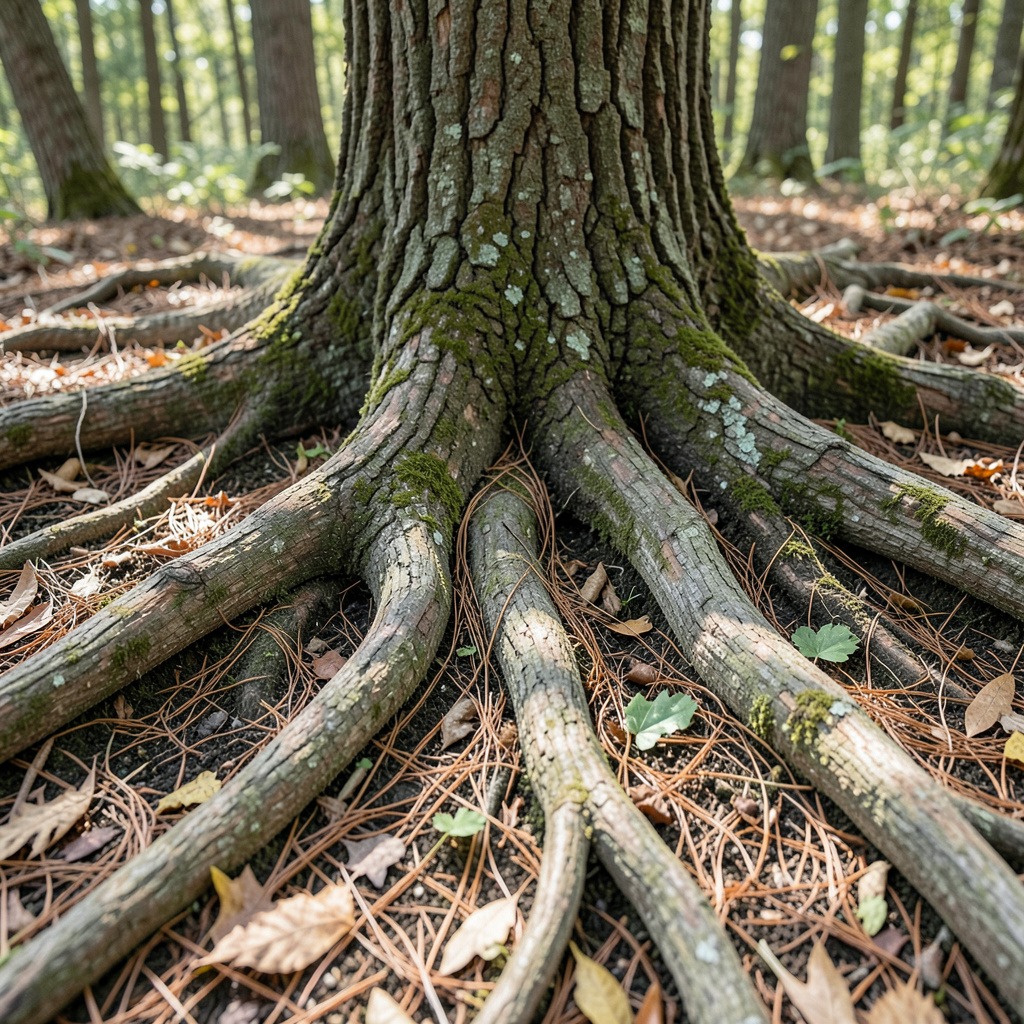
Maintaining healthy willow oak roots is essential for the tree’s growth and ecological contributions. Proper care ensures robust development and longevity. Here are key practices to follow.
Optimal Watering Practices
Willow oaks thrive with consistent moisture, especially during their early years. Adequate watering helps establish deep root systems.
- Watering Schedule:
- Water deeply once a week during dry spells.
- Increase frequency to twice a week if the soil is sandy or well-drained.
- Indicators of Need:
- Check the top 2 inches of soil; if dry, it’s time to water.
- Look for wilting leaves or brown leaf edges as signs of drought stress.
Soil Conditions and Nutrients
Willow oaks prefer well-drained soils rich in organic matter. The right soil conditions support strong root health.
- Soil Testing Checklist:
- Test pH: Aim for 6.0 to 7.0.
- Fertility: Assess nitrogen, phosphorus, and potassium levels.
- Organic Matter: Ensure at least 5% organic content for moisture retention.
- Nutrient Requirements:
- Use a balanced fertilizer in early spring to promote growth.
- Organic mulches such as wood chips can enhance soil structure and moisture retention.
Pruning Techniques for Health
Pruning helps maintain the structure of the willow oak while promoting healthy root systems.
- When to Prune:
- Conduct pruning in late winter while the tree is dormant.
- Pruning Checklist:
- Remove any dead or damaged branches.
- Avoid excessive pruning to prevent stress on the root system.
Common Mistakes to Avoid
- Overwatering: This can lead to root rot. Ensure proper drainage.
- Neglecting Soil Health: Regularly check soil conditions and amend as needed.
- Ignoring Root Flare: Plant the tree with the root flare at ground level to avoid girdling roots.
By implementing these practices, you can support the health of willow oak roots, ensuring their vital role in both the ecosystem and your landscape.
Ecological Importance of Willow Oak Roots
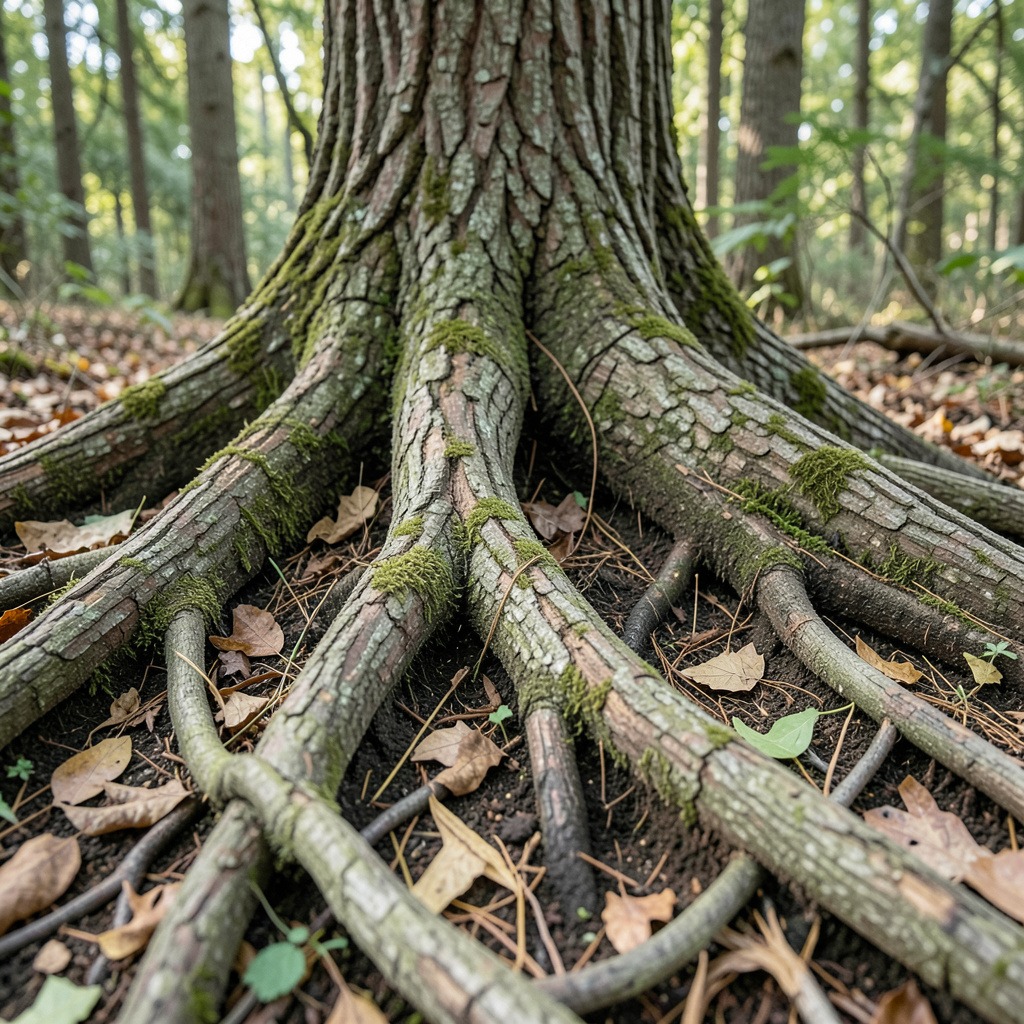
Willow oak roots play a crucial role in maintaining ecosystem health. Their unique characteristics contribute to soil stability, erosion prevention, and support for local wildlife.
Soil Structure and Erosion Control
Willow oak roots are extensive and fibrous. This root system helps anchor the tree firmly in the soil. The stability provided by these roots reduces soil erosion, especially in riparian zones where willow oaks often grow.
- Soil Aeration: The roots create channels in the soil, enhancing aeration and allowing water to penetrate more deeply.
- Nutrient Cycling: As roots decompose, they enrich the soil with organic matter, promoting healthy plant growth.
In a case study from a Virginia wetland, researchers observed that areas with willow oaks showed significantly lower soil erosion rates compared to adjacent sites without these trees. This highlights the vital role of willow oak roots in protecting soil integrity.
Supporting Biodiversity
Willow oak roots support a diverse range of organisms. The roots create a habitat for various soil-dwelling species, including mycorrhizal fungi, which form beneficial partnerships with the tree.
- Wildlife Habitat: The roots provide shelter and food for small mammals and insects.
- Food Source: The acorns produced by willow oaks serve as a food source for numerous bird species, including Wood Ducks and other wildlife.
In ecological assessments, areas rich in willow oaks were found to host over 500 species of caterpillars. These caterpillars are critical for birds, particularly during the breeding season when they serve as a primary food source for chicks.
Role in Water Retention
Willow oak roots significantly contribute to water retention in their ecosystems. The roots help absorb and retain moisture in the soil, which is essential for surrounding vegetation.
- Flood Mitigation: By stabilizing soil, willow oaks can reduce the risk of flooding in low-lying areas.
- Drought Resistance: Their deep root systems access groundwater, providing resilience during dry periods.
A practical framework for assessing the suitability of planting willow oaks includes evaluating soil moisture levels and existing vegetation. This ensures that the roots can effectively contribute to water retention and ecosystem stability.
Common Issues with Willow Oak Roots
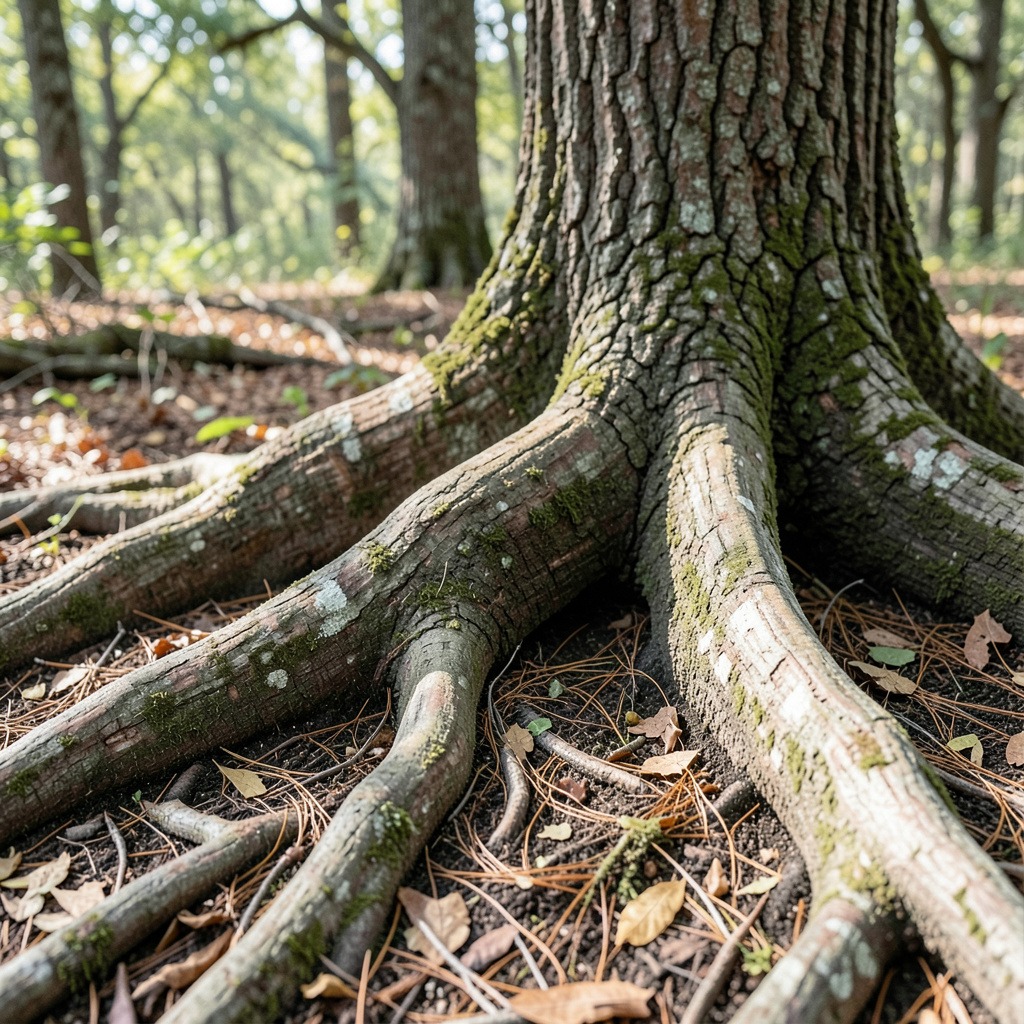
Willow oak roots can face several challenges that may affect the overall health of the tree. Understanding these issues is essential for effective management and care.
Identifying Root Diseases
Root diseases can severely impact the health of willow oaks. Common afflictions include:
- Phytophthora Root Rot: This fungal-like organism thrives in overly wet conditions. Roots become brown and mushy, leading to tree decline.
- Armillaria Root Rot: Caused by the Armillaria fungus, this disease leads to root decay and can kill the tree. Look for white fungal growth at the base and around roots.
Pest Management Strategies
Pests can also pose significant threats to willow oak roots. Effective management includes:
- Root Weevils: These insects damage roots, leading to poor tree health. Regular inspection can help catch infestations early.
- Bark Beetles: While primarily affecting the trunk, an infestation can weaken the tree, making roots more susceptible to disease.
Prevention Tips:
- Regular inspections for signs of pests or disease.
- Maintain healthy soil conditions to promote vigorous root growth.
- Use organic mulch to improve soil health and deter pests.
Invasive Growth Concerns
Willow oaks, while beneficial, can sometimes exhibit invasive growth patterns. Issues include:
- Surface Roots: These can disrupt landscaping and paving. Monitor root growth and employ root barriers if necessary.
- Competing Vegetation: Nearby plants may compete for resources. Regularly assess surrounding flora to ensure willow oaks have adequate access to nutrients and moisture.
Checklist for Healthy Roots:
- Inspect regularly for pests and diseases.
- Ensure proper soil drainage.
- Monitor for competing vegetation.
- Utilize mulch to retain moisture and suppress weeds.
By actively managing these common issues, you can enhance the health and ecological contribution of willow oak roots.
Comparisons with Other Oak Species
Understanding the root systems of different oak species provides valuable insights into their growth, care requirements, and ecological contributions. Here, we compare willow oak roots with those of other oak species, focusing on growth patterns, ecological roles, and maintenance needs.
Roots of Red Oak vs. Willow Oak
Willow oak (Quercus phellos) displays unique root characteristics compared to red oak (Quercus rubra).
- Growth Patterns:
- Willow oak roots tend to be more fibrous and spread out, which supports its rapid growth rate of 1.5 to 2.5 feet per year under optimal conditions.
- Red oak roots are deeper and more taproot-oriented, which can make them slower to establish but more drought-resistant once established.
- Ecological Roles:
- Willow oak’s shallow and widespread roots enhance soil stability and moisture retention, benefiting surrounding plants.
- Red oak contributes similarly but is often better at accessing deeper soil moisture due to its taproot structure.
Fibrous Roots in Comparison to Other Oaks
Willow oak is distinguished by its fibrous root system, particularly when compared to other oak species like white oak (Quercus alba) and pin oak (Quercus palustris).
| Oak Species | Root Type | Depth | Spread | Ecological Role |
|---|---|---|---|---|
| Willow Oak | Fibrous | Shallow | Wide | Moisture retention, soil stability |
| Red Oak | Taproot | Deep | Moderate | Drought resistance, nutrient access |
| White Oak | Deep, spreading | Deep | Wide | Habitat for wildlife, soil aeration |
| Pin Oak | Shallow, fibrous | Shallow | Wide | Flood tolerance, supports wetland flora |
Ecosystem Contributions of Different Oaks
Each oak species plays a critical role in its ecosystem, with willow oak being a particularly strong contributor.
- Biodiversity Support: Willow oak supports over 500 caterpillar species, crucial for bird populations. This aligns with its role in nutrient cycling and energy flow within ecosystems.
- Soil Improvement: The extensive root system of willow oak helps prevent soil erosion, while its deep roots improve soil structure over time.
- Wildlife Benefits: Willow oak acorns provide essential food for various wildlife, including wood ducks and squirrels, promoting biodiversity.
By understanding these comparisons, gardeners can make informed decisions about planting and caring for willow oaks, ensuring they thrive in their local environments.
Frequently Asked Questions
These quick answers cover the most common questions about this topic, including key details, practical tips, and common concerns.
Do willow oak trees have invasive roots?
Willow oak trees (Quercus phellos) are not typically classified as invasive, but their extensive root systems can cause issues in certain environments. Their roots spread widely and can emerge near the surface, potentially disrupting landscaping, sidewalks, and other structures. It’s essential to monitor their growth, especially in urban settings, to prevent any complications.
What are the downsides of willow oak trees?
While willow oaks offer many benefits, they can have downsides. Their roots may compete with nearby plants for moisture and nutrients. Additionally, they can be susceptible to pests and diseases like root rot, particularly in overly wet conditions. Their acorns may also attract wildlife, which can be a nuisance in some residential areas.
How far should a willow tree be from a house?
To prevent potential damage, willow oaks should be planted at least 20 to 30 feet away from a house or other structures. This distance allows their extensive root systems to grow without interfering with foundations, underground utilities, or landscaping. Always consider the tree’s mature size and spread when planning your planting site.
How close can an oak tree be to your house?
Generally, oak trees should be planted at least 15 to 30 feet from your home, depending on the species and its mature size. For willow oaks, a distance of 20 to 30 feet is recommended to avoid conflict with roots and branches as the tree matures. Proper placement helps ensure safety and minimizes maintenance issues.
What oak species have shallow roots similar to willow oak?
Other oak species with shallow root systems include pin oak (Quercus palustris) and swamp white oak (Quercus bicolor). These species also thrive in wet conditions and feature fibrous roots that help with soil stabilization. Understanding these similarities can assist in selecting suitable trees for specific planting sites.
What should readers know about visual aids for root structure?
Visual aids, such as diagrams or images, can greatly enhance understanding of willow oak root structures. They can illustrate the fibrous nature of the roots, their depth, and spread, making it easier to grasp how these characteristics affect soil stability and moisture retention. Consider using these aids when planning tree care or landscaping projects.
What should readers know about case studies on willow oak growth in different environments?
Case studies provide valuable insights into how willow oaks adapt to various environments. They can highlight growth patterns, root development, and ecological contributions in different soil types and moisture levels. Reviewing these studies can inform planting decisions and care strategies, ensuring optimal growth and health for willow oaks in specific locations.