
The willow oak tree (Quercus phellos) typically grows between 65 to 100 feet tall with a canopy spread of 40 to 60 feet, making it a large shade tree suitable for spacious landscapes.
Table of Contents
Willow oaks are known for their impressive size and rapid growth, making them a popular choice for landscaping. Understanding their dimensions, growth factors, and care requirements is essential for optimal placement and maintenance in your garden or yard.
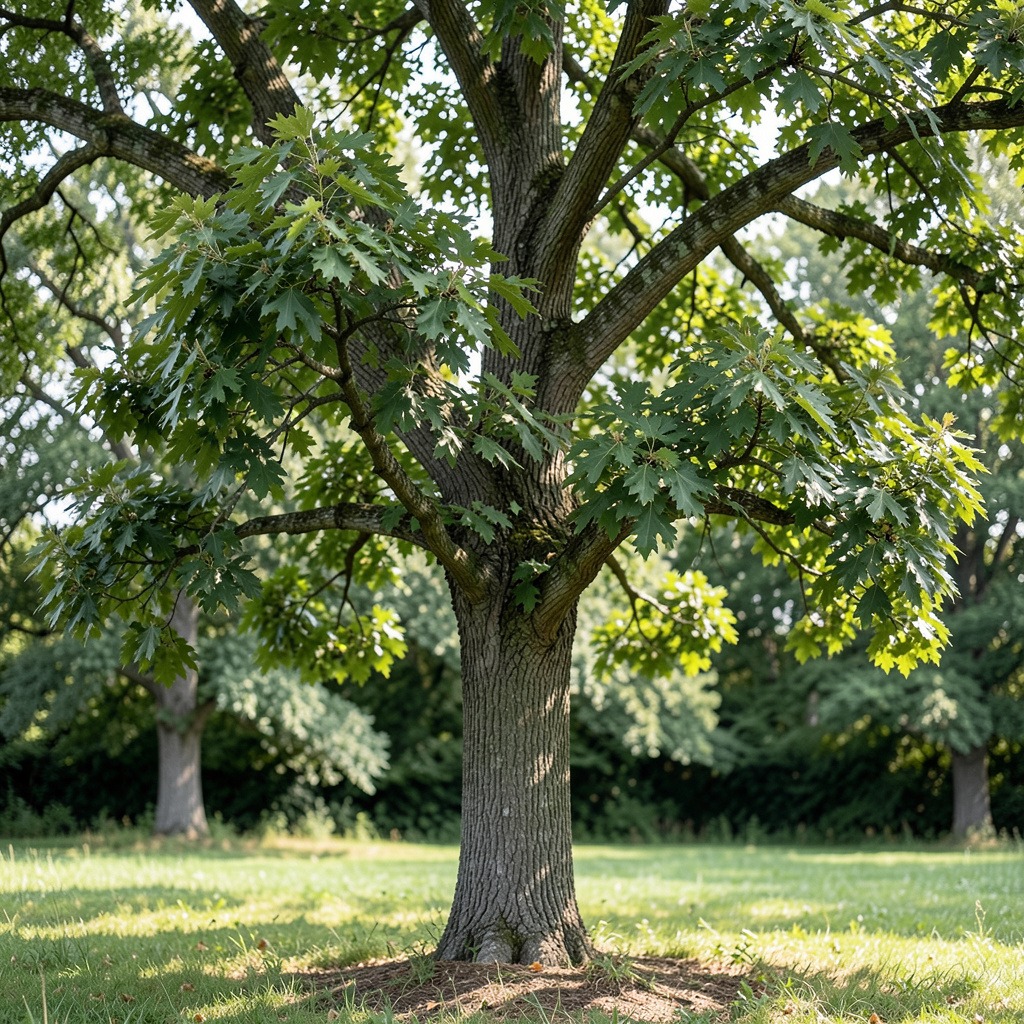
Overview of Willow Oak Size
The willow oak (Quercus phellos) is recognized for its remarkable height and expansive canopy. Understanding its size range is crucial for effective landscaping and care decisions.
Height and Canopy Spread
Willow oaks typically reach heights of 60 to 75 feet and can spread 40 to 60 feet wide. This impressive size makes them suitable for large yards and parks, providing ample shade and aesthetic value.
- Average Height: 60-75 feet
- Canopy Spread: 40-60 feet
Growth Rate
Willow oaks are fast-growing trees. They can add 2 to 3 feet of height each year under ideal conditions. This rapid growth allows them to reach maturity relatively quickly compared to other oak species.
- Growth Rate: 2-3 feet per year
Comparison with Other Oak Species
When compared to other common oaks, such as the white oak or red oak, the willow oak tends to grow taller and has a narrower canopy. This distinct growth pattern makes it an excellent choice for urban environments where space is limited.
- Willow Oak: 60-75 feet tall, 40-60 feet wide
- White Oak: 50-80 feet tall, 50-80 feet wide
- Red Oak: 60-75 feet tall, 45-60 feet wide
Selecting the right size and species is essential for landscape planning. The willow oak’s size and adaptability make it a versatile option for various settings.
Growth Factors Influencing Willow Oak Size
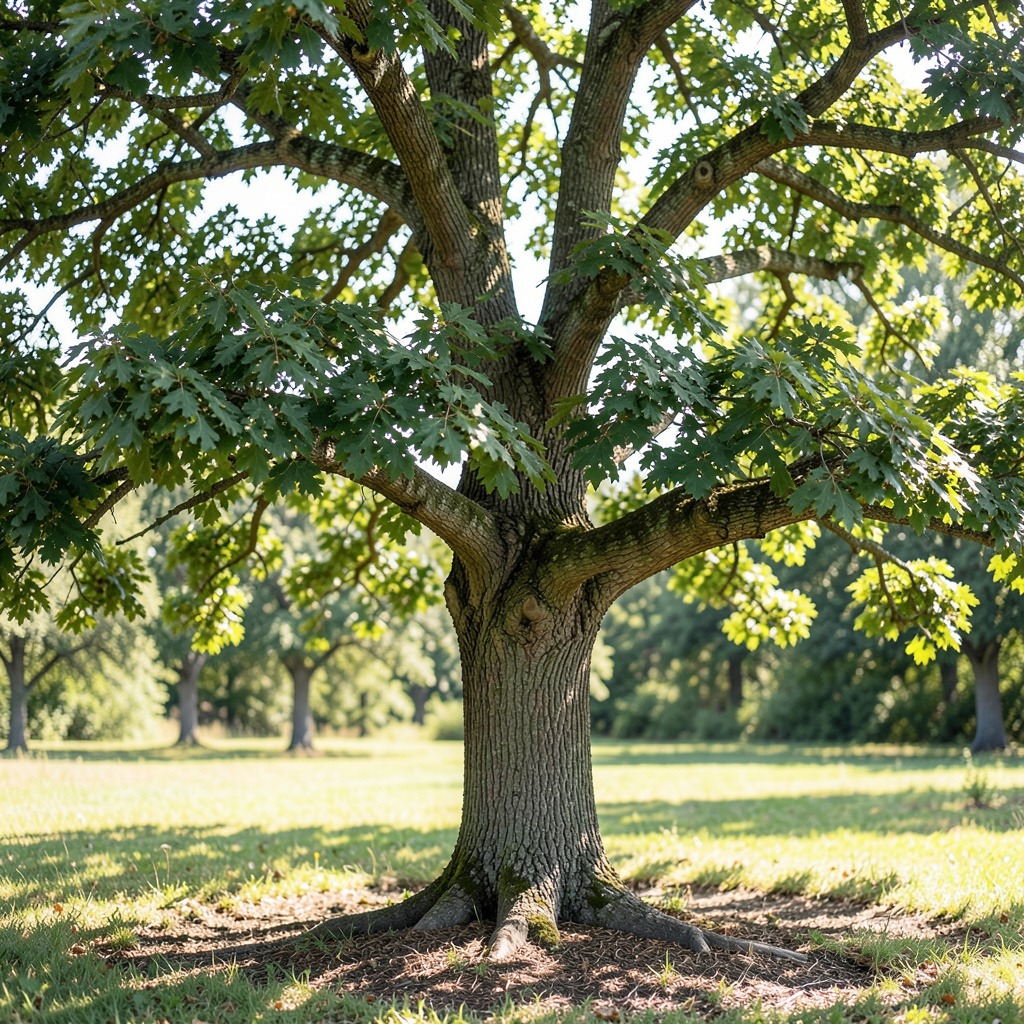
The size of a willow oak is significantly influenced by its environmental and biological conditions. Understanding these factors is crucial for optimal growth and health.
Soil and Water Requirements
Willow oaks thrive in a variety of soil types, but well-drained, consistently moist soils yield the best results. Their growth is directly impacted by the availability of water and nutrients. Here are some key points:
- Soil Type: Prefers clay, loam, or sandy soils, as long as they are well-drained.
- Watering Needs: Newly planted trees require consistent moisture, about 1 inch of water per week, especially during dry periods.
- Drainage: Ensure proper drainage to prevent root rot, which can stunt growth.
Sunlight Exposure
Sunlight is another critical factor in determining the growth of willow oaks. These trees flourish with ample exposure. Consider the following:
- Full Sun: Willow oaks perform best in full sunlight, ideally receiving at least six hours of direct sun daily.
- Partial Shade: While they can tolerate some shade, limited sunlight may affect their growth rate and overall health.
Climate Considerations
The local climate plays a significant role in the size and health of willow oaks. They are best suited for USDA zones 5 through 9.
- Temperature: These oaks prefer moderate temperatures and can tolerate brief periods of cold.
- Humidity: A humid environment can support faster growth, while prolonged drought conditions can hinder it.
Checklist for Ideal Planting Conditions
To maximize size and growth potential, consider these conditions:
- Soil: Well-drained, nutrient-rich soil.
- Water: Regular watering, especially in the first year.
- Sunlight: Full sun exposure is optimal.
- Climate: USDA zones 5-9 for best results.
By adhering to these guidelines, you can support the healthy growth of willow oaks, allowing them to reach their potential size and benefit the surrounding landscape.
Care Tips for Maintaining Willow Oak Size
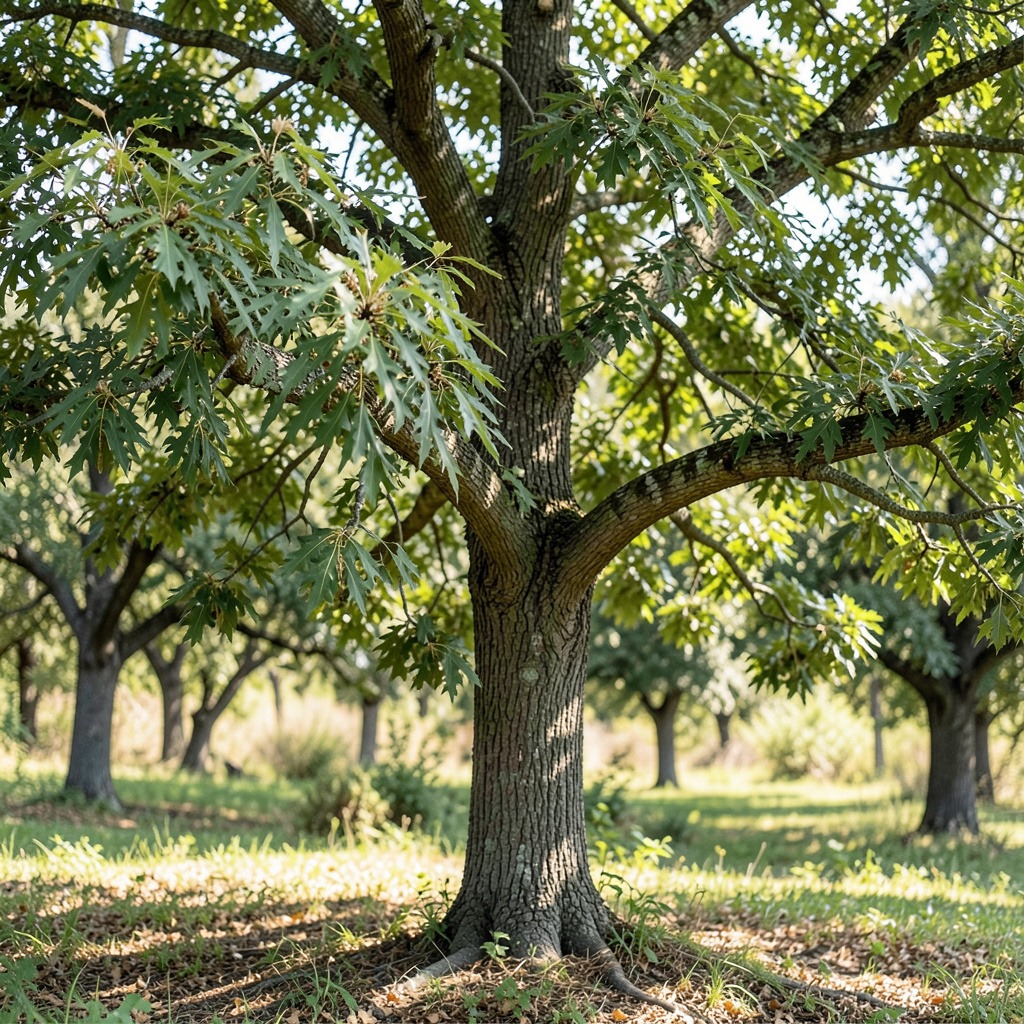
Proper care is essential for willow oaks to achieve their maximum size and health. Focus on watering, fertilization, pruning, and disease management to support growth.
Watering and Fertilization
Willow oaks require specific watering regimes to thrive. Newly planted trees need more frequent watering to establish deep roots. Here are some guidelines:
- Newly Planted Trees: Water at least twice a week until established. Check soil moisture regularly.
- Mature Trees: Water during prolonged droughts. Aim for at least one inch of water per week.
- Fertilization: Apply a balanced fertilizer in early spring. This boosts growth and enhances overall health.
Pruning Techniques
Pruning is crucial for shaping willow oaks and encouraging healthy growth. Follow these steps:
- Timing: Prune while the tree is young for easier management.
- Focus on Structure: Remove competing branches to establish a strong central leader.
- Avoid Over-Pruning: Willow oaks take longer to heal from excessive pruning. Keep cuts minimal and necessary.
Pest and Disease Management
Healthy willow oaks can resist many pests and diseases, but vigilance is key. Monitor for common issues:
- Pests: Watch for aphids, tent caterpillars, and spider mites. Use beneficial insects or targeted treatments as needed.
- Diseases: Be alert for signs of anthracnose or canker disease. Prune affected areas promptly.
- Preventive Measures: Regularly inspect your tree and maintain proper care routines to minimize stress and susceptibility.
Common Care Mistakes to Avoid
1. Underwatering: Insufficient water can stunt growth and reduce size. Always check soil moisture.
2. Neglecting Pruning: Failing to prune can lead to weak structure and hinder size.
3. Ignoring Pests/Diseases: Early detection is crucial. Monitor your willow oak regularly.
By implementing these care tips, you ensure your willow oak reaches its full size potential while contributing positively to your landscape.
Wildlife Benefits of Willow Oaks
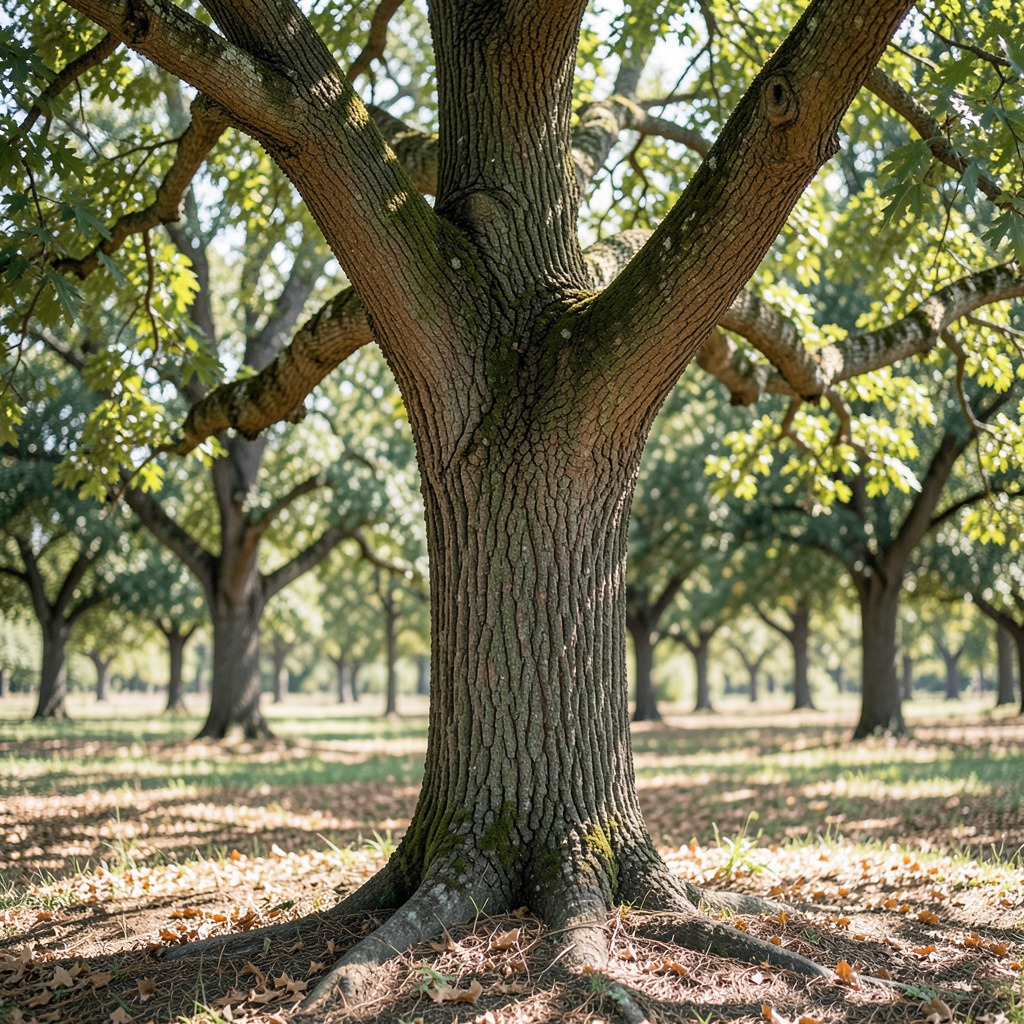
Willow oaks, with their impressive size and robust structure, play a vital role in supporting various wildlife species. Their stature and ecological features create habitats and food sources essential for many animals.
Acorn Production and Wildlife
Willow oaks produce abundant acorns, which serve as a crucial food source for diverse wildlife. The acorns are particularly favored by:
- Waterfowl: Ducks and geese rely on willow oak acorns during migration.
- Wild Turkeys: These birds forage on acorns, especially in the fall.
- Squirrels: Gray squirrels and other small rodents store acorns for winter sustenance.
The size of willow oaks allows for a significant yield of acorns, supporting larger populations of these species. A mature willow oak can produce thousands of acorns annually, making it a valuable asset to the ecosystem.
Habitat for Birds and Insects
The expansive canopy and structure of willow oaks provide essential habitats for various birds and insects. Notable wildlife supported includes:
- Nesting Birds: Birds such as woodpeckers and owls find refuge in the branches.
- Insect Diversity: Willow oaks attract numerous insects, including caterpillars and leafhoppers, which are vital for the food chain.
- Fungi and Microorganisms: The leaf litter from willow oaks fosters a rich ecosystem for fungi and soil microorganisms, promoting biodiversity.
The height and spread of willow oaks create an environment where various species can thrive, benefiting the overall health of the ecosystem.
Decision Framework for Planting Willow Oaks
When considering planting willow oaks for wildlife benefits, evaluate the following:
- Location Size: Ensure ample space for the tree’s mature size, which can reach heights of 50 to 80 feet.
- Sunlight Availability: Choose a location with full sun, as this will enhance acorn production and canopy growth.
- Soil Type: Opt for well-drained, moist soils to support healthy growth and resilience against pests and diseases.
By adhering to these guidelines, you can maximize the ecological contributions of willow oaks in your landscape, enhancing wildlife habitats and promoting biodiversity.
Common Issues with Willow Oak Size
When planting willow oaks, understanding the potential challenges related to their size is crucial. These trees can grow significantly, impacting nearby structures and landscapes. Below are common issues associated with willow oak size.
Potential Root Problems
Willow oaks have a fibrous root system that is relatively shallow. While this feature allows for easy transplantation, it can lead to root invasiveness. Roots may spread widely, potentially disrupting underground utilities or competing with nearby plants for nutrients and water.
- Root Spread: Expect roots to extend beyond the tree’s canopy.
- Disruption Potential: Roots can lift sidewalks or interfere with foundations if planted too close to structures.
- Management Strategies: Consider root barriers or regular pruning to manage root spread.
Space Considerations for Landscaping
The size of a mature willow oak, reaching heights of 50 to 80 feet, necessitates careful planning in landscaping. Homeowners must evaluate available space to ensure the tree can thrive without negative impacts on surrounding areas.
- Canopy Width: Mature willow oaks can have a canopy spread of 30 to 40 feet.
- Distance from Structures: Plant at least 15 to 20 feet away from buildings and other trees to avoid overcrowding.
- Open Areas: Ideal for parks and large lawns where space allows for unimpeded growth.
Decision-Making Framework
To assist homeowners in selecting appropriate planting locations, consider the following checklist:
- Assess Available Space: Measure the area to confirm it can accommodate the mature size of the tree.
- Evaluate Surroundings: Identify any nearby structures, other trees, and utility lines.
- Monitor Growth: Regularly inspect the growth and health of the tree to preemptively address space-related issues.
By following these guidelines, homeowners can successfully integrate willow oaks into their landscapes while minimizing potential problems associated with their size.
Comparing Willow Oak Size with Other Oak Species
Understanding how willow oaks compare in size and growth characteristics to other oak species can help you make informed planting decisions. Here, we will examine the willow oak alongside two common oak varieties: the red oak and the white oak.
Willow Oak vs. Red Oak
- Willow Oak (Quercus phellos):
- Mature Height: 60-75 feet
- Spread: 40-50 feet
- Growth Rate: Moderate to fast (up to 2 feet per year)
- Red Oak (Quercus rubra):
- Mature Height: 60-75 feet
- Spread: 45-60 feet
- Growth Rate: Fast (up to 3 feet per year)
Comparison Table:
| Feature | Willow Oak | Red Oak |
|---|---|---|
| Height | 60-75 feet | 60-75 feet |
| Spread | 40-50 feet | 45-60 feet |
| Growth Rate | Moderate to fast | Fast |
Willow Oak vs. White Oak
- Willow Oak (Quercus phellos):
- Mature Height: 60-75 feet
- Spread: 40-50 feet
- Growth Rate: Moderate to fast (up to 2 feet per year)
- White Oak (Quercus alba):
- Mature Height: 50-80 feet
- Spread: 50-80 feet
- Growth Rate: Slow to moderate (1-2 feet per year)
Comparison Table:
| Feature | Willow Oak | White Oak |
|---|---|---|
| Height | 60-75 feet | 50-80 feet |
| Spread | 40-50 feet | 50-80 feet |
| Growth Rate | Moderate to fast | Slow to moderate |
Decision Framework for Choosing Oak Species
When deciding between willow oak, red oak, or white oak, consider the following:
- Space Availability: Assess the area to ensure it can accommodate the height and spread of the chosen oak species.
- Growth Rate Needs: If rapid growth is desired, red oak may be the best choice. For slower growth with a broader canopy, white oak is preferable.
- Environmental Conditions: Willow oaks are particularly suited for urban settings due to their adaptability. If planting in a less disturbed area, consider the white oak for its longevity and ecological benefits.
By evaluating these characteristics and growth traits, you can make a more informed decision on which oak species best fits your landscape needs.
Frequently Asked Questions
These quick answers cover the most common questions about this topic, including key details, practical tips, and common concerns.
What are the downsides of willow oak trees?
Willow oaks can present several challenges. Their roots may spread widely, potentially disrupting nearby structures or underground utilities. This shallow root system can also lead to competition with other plants for nutrients and water, especially in crowded landscapes.
Additionally, willow oaks are susceptible to specific pests and diseases, such as aphids and anthracnose. Regular monitoring and care are necessary to mitigate these issues and ensure the tree remains healthy and vibrant.
Are willow oak tree roots invasive?
Yes, willow oak roots can be considered invasive. They have a fibrous root system that spreads widely, which can interfere with nearby plants and structures. If planted too close to buildings, their roots may lift sidewalks or damage foundations. To manage this, it’s essential to plant them at least 15 to 20 feet away from structures and consider using root barriers if necessary.
Is willow oak a good yard tree?
Willow oaks can be excellent yard trees, especially for larger spaces. They provide ample shade and can grow quickly, reaching heights of 60 to 75 feet. Their expansive canopy also offers habitat for various wildlife, making them beneficial for local ecosystems.
However, homeowners should ensure they have enough space for the tree’s mature size and consider the potential root issues. Proper care and placement can enhance their suitability as a yard tree.
Where is the best place to plant a willow oak tree?
The ideal location for planting a willow oak is in an area with full sun and well-drained soil. They thrive in USDA zones 5 through 9 and prefer moist conditions. It’s crucial to select a spot that allows for their mature size, providing at least 15 to 20 feet of clearance from structures and other trees.
Avoid low-lying areas where water may pool, as this can lead to root rot. A spacious, open area helps the tree flourish and maximizes its growth potential.
What is considered a large willow oak tree size?
A large willow oak typically reaches heights of 75 feet or more and can have a canopy spread of 60 feet. Mature trees in optimal conditions can produce thousands of acorns annually, supporting local wildlife. Their significant size makes them suitable for parks and large residential properties.
How fast do willow oaks grow?
Willow oaks are known for their rapid growth, averaging 2 to 3 feet in height each year under ideal conditions. This fast growth allows them to reach maturity more quickly than many other oak species, making them an attractive choice for those seeking immediate shade and landscape impact.
What wildlife benefits do willow oaks provide?
Willow oaks are vital for local wildlife. Their acorns serve as a food source for birds, squirrels, and other animals. The expansive canopy provides nesting sites for birds and habitats for various insects, promoting biodiversity.
Planting willow oaks can enhance the ecological health of your landscape, supporting a variety of species and contributing to a balanced ecosystem.
How can I identify a willow oak tree?
You can identify a willow oak by its narrow, lance-shaped leaves that resemble those of a willow tree. The leaves are typically 2 to 5 inches long and have smooth edges. The bark is dark gray and becomes scaly as the tree matures.
Additionally, during the fall, the foliage turns a vibrant yellow-brown. Observing these characteristics can help distinguish willow oaks from other oak species in your area.