
The willow oak tree (Quercus phellos) is a medium to large deciduous tree known for its fast growth, willow-like leaves, and ecological benefits, thriving in the southeastern United States and providing excellent shade and habitat for wildlife.
Table of Contents
Willow oak trees, scientifically known as Quercus phellos, are valued for their rapid growth and unique foliage. This guide explores their identification, care, ecological significance, and various uses, making them ideal for landscapes and wildlife habitats.
Understanding the Willow Oak Tree
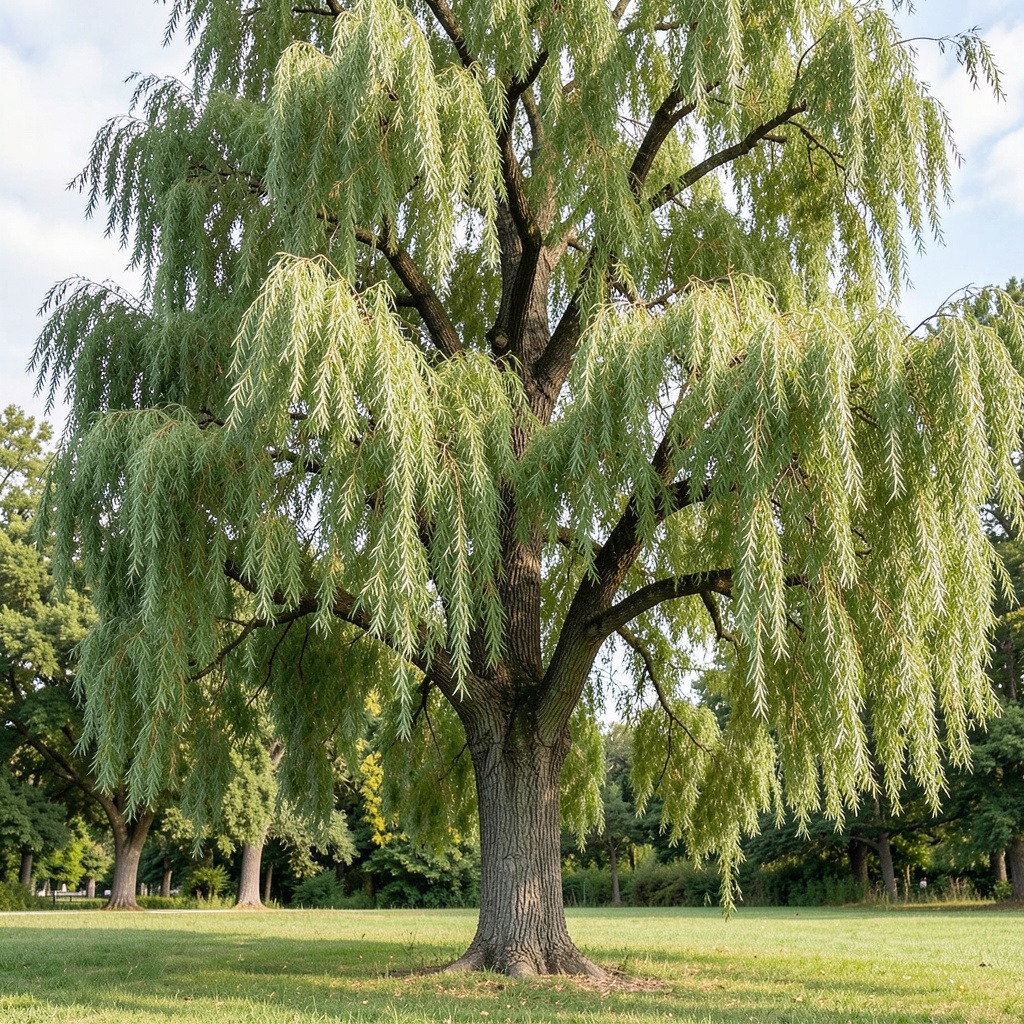
The willow oak tree, or Quercus phellos, is a prominent species known for its distinctive features and ecological benefits. This section details its identification characteristics, including leaf shape, bark texture, and acorn production.
Key Traits of Willow Oak
Willow oaks are medium to large trees, typically reaching heights of 65 to 100 feet. They exhibit a rounded to pyramidal crown, which contributes to their aesthetic appeal in landscapes. Here are some key traits:
- Height: 65 to 100 feet (20 to 30 meters)
- Trunk Diameter: Up to 5 feet (1.5 meters)
- Crown Shape: Rounded to pyramidal
Distinctive Leaf and Bark Characteristics
The leaves of the willow oak are its most distinguishing feature. They are elongated and lance-shaped, resembling those of a willow tree. Their smooth, leathery texture adds to their uniqueness. In the fall, leaves transition to a brownish-yellow color.
- Leaf Size: 3 to 5 inches long
- Bark Texture: Smooth and reddish-brown in young trees; mature trees develop gray, scaly bark with deep furrows and cracks
Acorn Production and Importance
Willow oaks produce small, dark brown acorns that are oval in shape. These acorns are critical for wildlife, serving as a food source for various birds and mammals. The acorns typically measure around 0.5 inches long and mature in late summer to early fall.
- Acorn Size: Approximately 0.5 inches (1.3 cm)
- Wildlife Value: Supports birds, squirrels, and other mammals
Visual identification aids, such as images of the leaves and bark, can enhance understanding of these characteristics. Consider exploring planting scenarios to see how willow oaks fit into different landscapes.
Growing and Caring for Willow Oak Trees
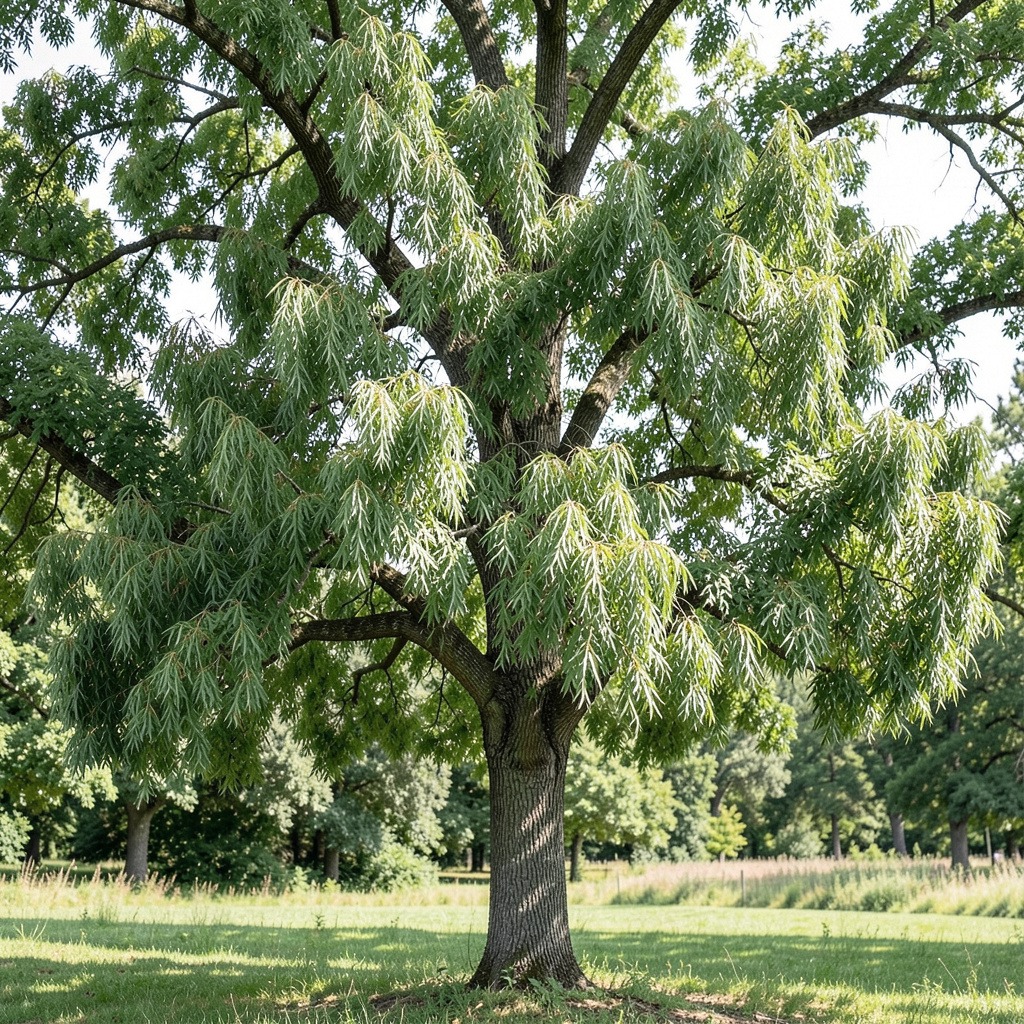
Caring for willow oak trees involves understanding their specific needs for optimal growth. This section outlines the ideal growing conditions, watering requirements, and maintenance practices essential to ensure the health and vitality of these trees.
Ideal Growing Conditions
Willow oaks thrive in various USDA hardiness zones, particularly zones 5 through 9. Here are the key conditions for planting:
- Sunlight: Full sun is ideal, but they can tolerate partial shade.
- Soil Types: These trees prefer well-drained soils that remain consistently moist. They adapt to clay, loam, and sandy soils.
- Space Requirements: Ensure ample room for their broad canopy and shallow root system to spread.
Watering and Soil Requirements
Effective watering practices and soil management are crucial for young willow oaks.
- Newly Planted Trees: Water at least twice a week. Ensure the soil is moist but not waterlogged.
- Mature Trees: Deep watering every few weeks during hot, dry spells encourages deep root growth.
- Soil Management: Incorporate organic matter to improve soil structure and drainage. Monitor pH levels; a neutral to slightly acidic soil is best.
Pruning and Maintenance Tips
Regular maintenance enhances the health and appearance of willow oaks.
- Pruning: Prune in late winter to remove dead or damaged branches. This encourages healthy growth and improves air circulation.
- Fertilization: Apply a balanced fertilizer in early spring. This supports new growth and overall vitality.
- Pest Management: Monitor for common pests such as caterpillars and aphids. Early intervention helps prevent severe damage.
Checklist for Willow Oak Care:
- Sunlight: Full sun preferred
- Watering: Twice a week for new trees
- Soil: Well-drained, consistently moist
- Pruning: Late winter, remove dead branches
- Fertilization: Early spring application
These practices ensure that willow oaks not only survive but thrive, providing ecological benefits and enhancing landscapes.
Ecological Importance of Willow Oaks
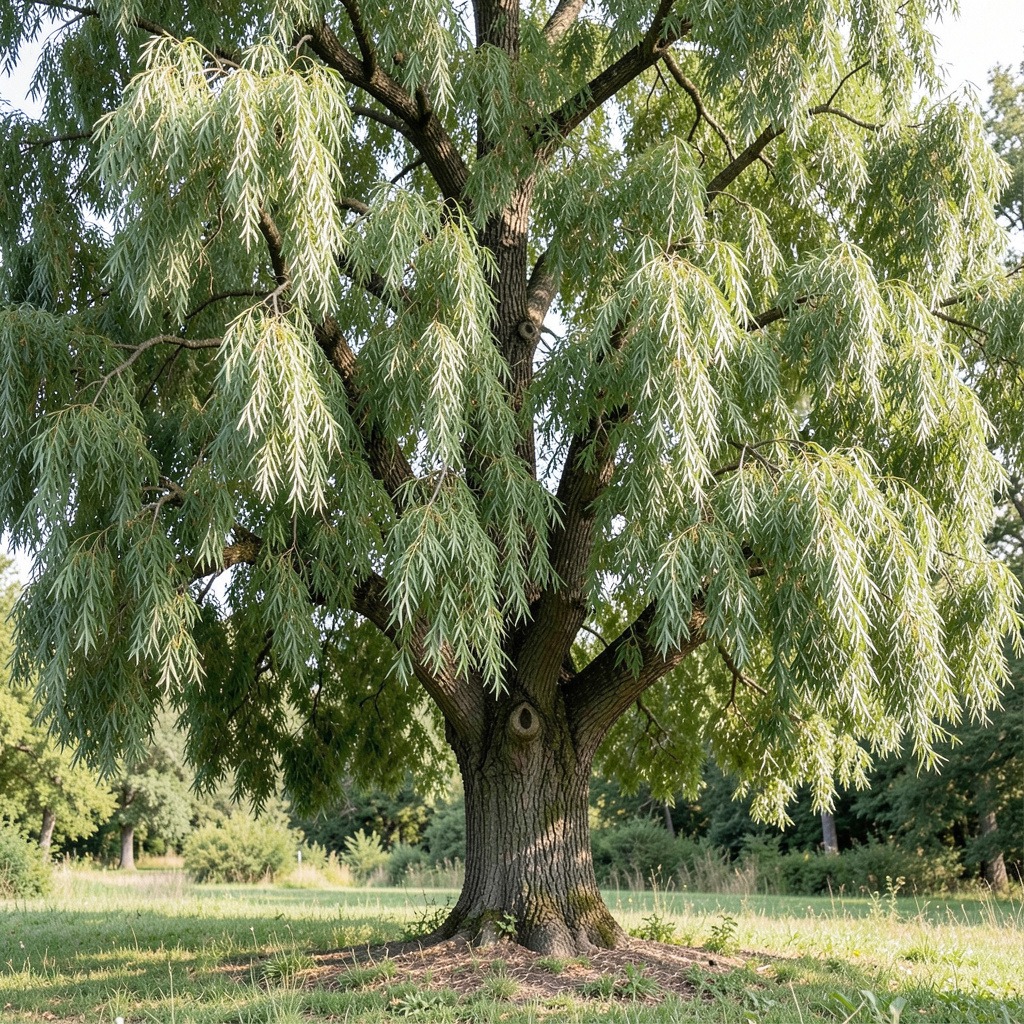
Willow oaks play a crucial role in supporting wildlife and enhancing urban ecosystems. Their unique characteristics make them valuable for both flora and fauna alike.
Benefits to Wildlife
Willow oaks are a source of sustenance for numerous wildlife species. Their acorns provide food for:
- Wood Ducks
- White-tailed Deer
- Squirrels
- Various birds, including woodpeckers and wild turkeys
The tree’s foliage supports a diverse population of caterpillars, which are essential for nesting songbirds. Oaks, including the willow oak, support over 500 caterpillar species, making them key players in local ecosystems.
Role in Urban Ecosystems
Willow oaks excel in urban settings due to their adaptability. They withstand pollution and can thrive in compacted soils. This resilience makes them ideal for city parks and streets. Their shallow root systems also reduce the risk of damaging pavement while allowing for easy transplantation.
In addition, willow oaks contribute to urban biodiversity. They provide habitat for various insects, birds, and small mammals. By planting willow oaks, communities can enhance local wildlife populations and promote ecological balance.
Comparing Ecological Value with Other Oaks
When comparing willow oaks to other oak species, their ecological contributions stand out. While all oaks support wildlife, willow oaks do so effectively in diverse environments. Their acorns are smaller and more abundant than many other oaks, making them a preferred food source for wildlife.
In urban landscapes, willow oaks generally outperform other oaks in terms of pollution tolerance and adaptability. This makes them a wise choice for enhancing biodiversity in both residential and public spaces.
Key Takeaways
- Willow oaks support a wide range of wildlife, particularly birds and small mammals.
- Their adaptability to urban environments enhances ecological health.
- Compared to other oaks, willow oaks offer unique advantages in terms of food production and habitat creation.
By recognizing the ecological importance of willow oaks, communities can make informed decisions about planting and conservation efforts.
Common Issues and Solutions for Willow Oaks
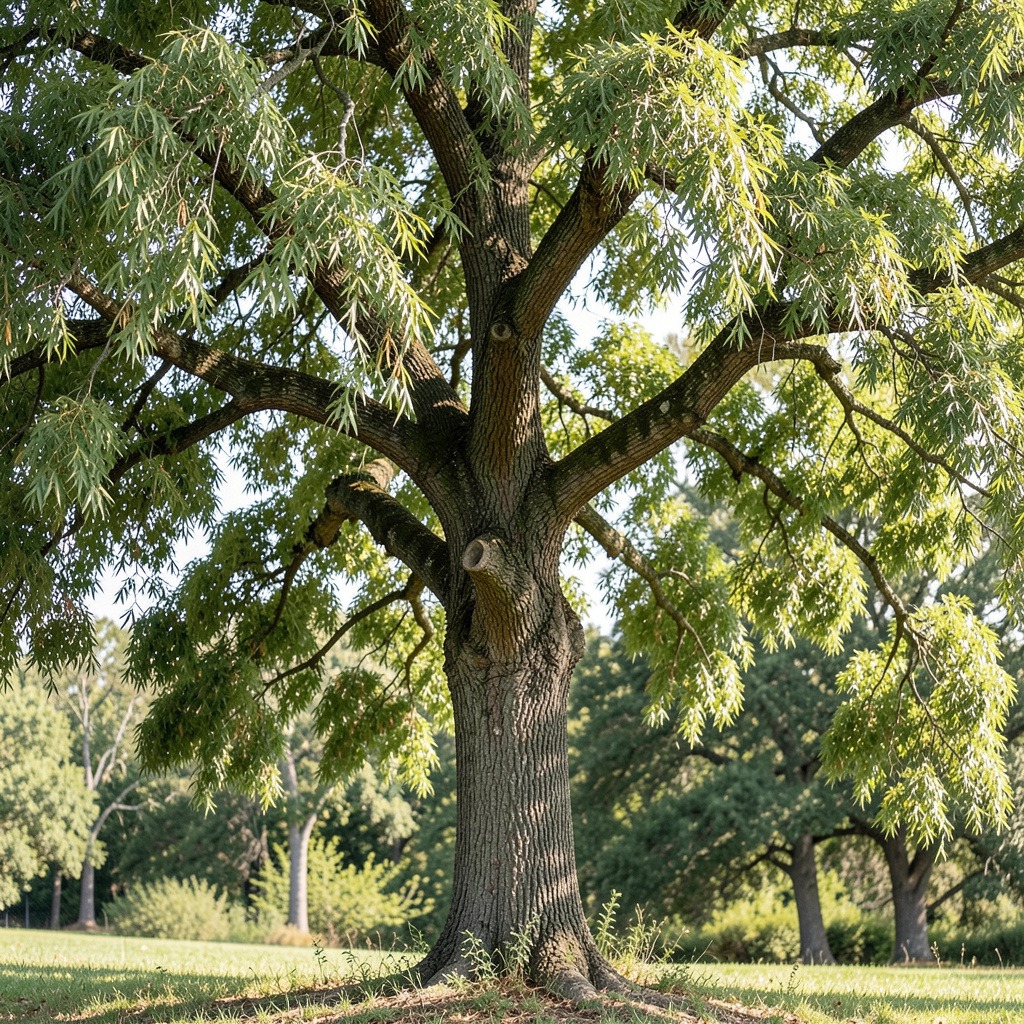
Willow oaks face several challenges, including pests, diseases, and environmental factors. Understanding these issues is key to maintaining their health and longevity.
Common Pests and How to Manage Them
Willow oaks are generally resilient, but they can be affected by a range of pests. The most common include:
- Aphids: These small insects can distort new growth. Control them with insecticidal soap or introduce natural predators like ladybugs.
- Caterpillars: Species such as the gypsy moth and tent caterpillar can cause significant leaf damage. Handpicking or using Bacillus thuringiensis (Bt) can manage infestations effectively.
- Scale Insects: These pests attach to the bark and sap. Use horticultural oils to suffocate them.
Management Checklist:
- Regularly inspect leaves and bark for signs of pests.
- Use organic pest control whenever possible to minimize environmental impact.
- Prune heavily infested branches to reduce pest populations.
Diseases Affecting Willow Oaks
Willow oaks can be susceptible to several diseases that may impact their growth and vitality. Common diseases include:
- Anthracnose: Characterized by brown leaf spots, this fungal disease can lead to leaf drop. Improve air circulation and remove infected leaves to mitigate its spread.
- Canker Diseases: These affect the trunk and branches, causing dieback. Prune affected areas and maintain tree health to prevent infection.
- Oak Leaf Blister: This causes leaf distortion and can weaken trees. Apply fungicides early in the season for effective control.
Disease Prevention Tips:
- Ensure proper watering practices to avoid root stress.
- Maintain good soil health through organic amendments.
- Regularly monitor foliage for early signs of disease.
Environmental Challenges and Mitigation
While willow oaks thrive in various conditions, they are not immune to environmental stressors. Key challenges include:
- Soil Compaction: This can restrict root growth. Aerate compacted soil and avoid heavy machinery near roots.
- Drought Stress: Extended dry periods may weaken trees. Implement deep watering strategies, especially during dry spells.
- Invasive Species: These can outcompete young willow oaks. Regularly check for invasives in the area and take measures to control them.
Mitigation Strategies:
- Establish a mulch layer to retain soil moisture and regulate temperature.
- Diversify plantings to minimize the risk from invasive species.
- Educate local communities about the importance of maintaining healthy landscapes around willow oaks.
Alternatives to Willow Oak for Landscape Planting
While the willow oak (Quercus phellos) is a popular choice for landscaping due to its unique characteristics, several other tree species can fulfill similar roles. Understanding the pros and cons of these alternatives can help you make an informed decision for your landscape.
Suitable Alternatives for Shade
1. Red Maple (Acer rubrum)
- Pros: Fast-growing, vibrant fall color, adaptable to various soil types.
- Cons: Susceptible to pests like aphids; may require regular pruning.
2. Sweetgum (Liquidambar styraciflua)
- Pros: Unique star-shaped leaves, excellent fall color, tolerates wet soils.
- Cons: Produces spiky seed balls that can be a nuisance.
3. Tulip Poplar (Liriodendron tulipifera)
- Pros: Tall growth, beautiful tulip-shaped flowers, attracts pollinators.
- Cons: Requires ample space; susceptible to wind damage.
Comparing Growth Rates and Maintenance Needs
| Tree Species | Growth Rate (per year) | Maintenance Needs |
|---|---|---|
| Willow Oak | Moderate (1-2 ft) | Low; infrequent pruning needed |
| Red Maple | Fast (2-3 ft) | Moderate; regular pruning advised |
| Sweetgum | Moderate (1-2 ft) | Low; minimal care required |
| Tulip Poplar | Fast (2-3 ft) | Moderate; pruning and pest control |
Pros and Cons of Alternative Species
- Red Maple: Excellent for quick shade but may require more attention due to pest issues.
- Sweetgum: Offers stunning aesthetics but can be less manageable due to seed production.
- Tulip Poplar: Rapid growth and visual appeal, but it needs sufficient room to thrive.
When selecting an alternative tree for your landscape, consider your local climate, soil conditions, and intended use. Each species has unique attributes that may align better with your specific landscaping goals.
Frequently Asked Questions
These quick answers cover the most common questions about this topic, including key details, practical tips, and common concerns.
What are the downsides of willow oak trees?
Willow oak trees can have some drawbacks. They are susceptible to pests like aphids and caterpillars, which can damage leaves. Additionally, their shallow root systems may cause issues with nearby pavement or other structures. They also produce a significant amount of acorns, which can be a nuisance for homeowners who prefer a cleaner yard.
Is willow oak a good yard tree?
Yes, willow oaks make excellent yard trees. They provide ample shade, grow quickly, and are attractive with their unique foliage. They are also beneficial for wildlife, supporting various birds and mammals. However, consider the space they need to grow, as they can reach heights of 65 to 100 feet.
How fast do willow oak trees grow?
Willow oaks are known for their rapid growth, typically adding 1 to 2 feet in height each year under optimal conditions. Factors such as soil quality, sunlight, and water availability can influence their growth rate. In ideal environments, they can reach maturity in about 30 to 50 years.
How do you identify a willow oak?
To identify a willow oak, look for its distinctive elongated, lance-shaped leaves that resemble those of a willow tree. The bark is smooth and reddish-brown in younger trees, transitioning to gray and scaly with deep furrows in mature trees. Additionally, the acorns are small, dark brown, and oval-shaped, measuring about 0.5 inches long.
What soil types are best for willow oaks?
Willow oaks thrive in well-drained soils that remain consistently moist. They can adapt to various soil types, including clay, loam, and sandy soils. Ensuring good drainage is crucial, as overly wet conditions can harm the tree’s roots.
What wildlife benefits from willow oak trees?
Willow oaks provide essential habitat and food for a variety of wildlife. Their acorns are a food source for birds like wood ducks and mammals such as squirrels and deer. The tree’s foliage also supports numerous caterpillar species, which are vital for nesting songbirds, enhancing local biodiversity.
When is the best time to plant a willow oak?
The best time to plant a willow oak is in the spring or early fall. Planting during these seasons allows the tree to establish its roots before the heat of summer or the cold of winter. Ensure the soil is moist and well-drained to promote healthy growth.