
Willow oak varieties, primarily Quercus phellos, are medium to large deciduous trees known for their unique willow-like leaves and valuable ecological role, thriving in various soil types and providing habitat and food for wildlife.
Table of Contents
Willow oak varieties, especially Quercus phellos, stand out for their distinctive foliage and adaptability. This guide explores their unique characteristics, growing conditions, ecological significance, and practical care tips, making it essential for gardeners and nature enthusiasts alike.
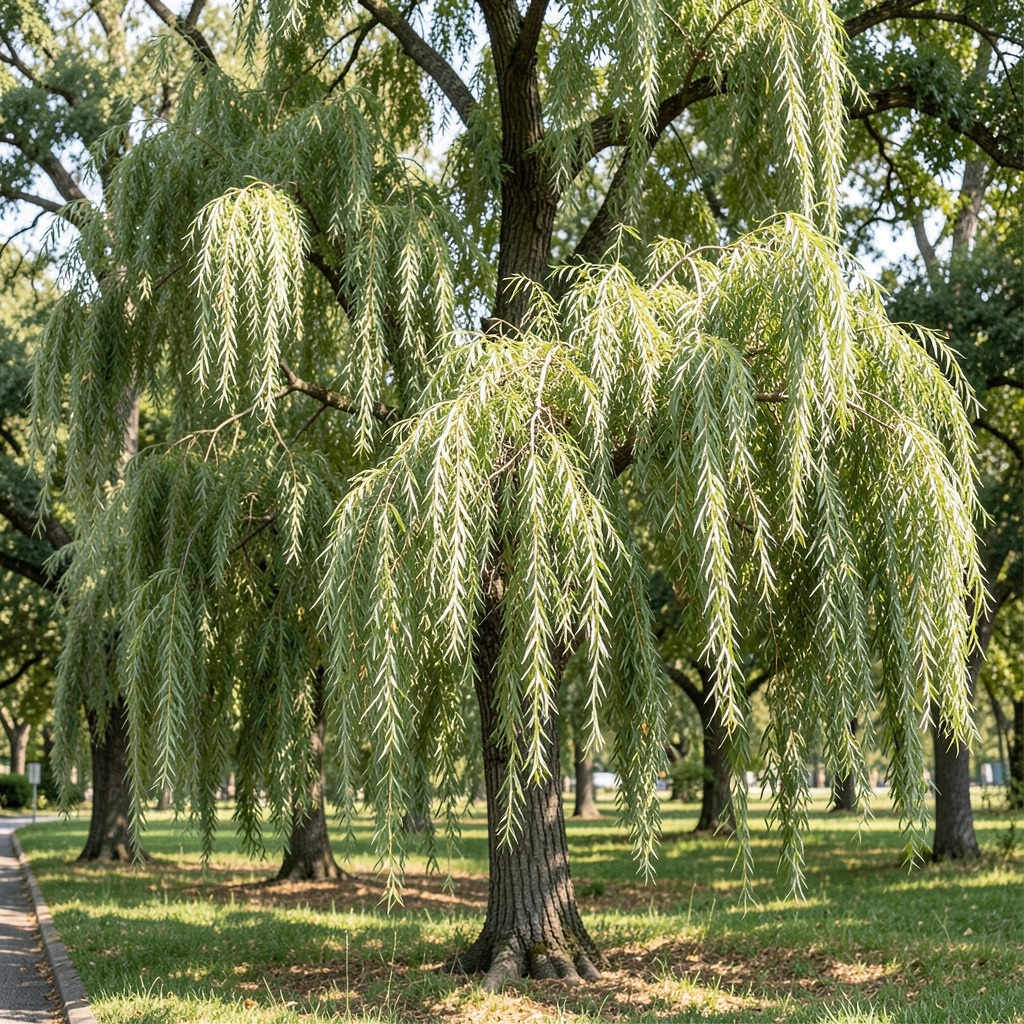
Understanding Willow Oak Varieties: Key Characteristics
Willow oak varieties, particularly Quercus phellos, are distinguished by their unique leaf structure, bark texture, and acorn characteristics. Recognizing these features is essential for accurate identification and care.
Unique Leaf Structure of Willow Oaks
Willow oaks possess long, narrow, lance-shaped leaves that resemble those of willow trees. This leaf structure is a defining characteristic, setting them apart from other oak varieties. Key points about their leaves include:
- Shape: Lanceolate with a smooth margin.
- Color: Glossy green in summer, turning to a brownish-yellow in fall.
- Size: Typically 2 to 5 inches long, tapering to a point.
These adaptations may help reduce wind resistance, especially in their natural habitats along riverbanks.
Bark Characteristics and Texture
The bark of willow oaks evolves as the tree matures. Key features include:
- Young Trees: Smooth, reddish-brown bark.
- Mature Trees: Gray bark develops scaly plates and shallow furrows, becoming rougher over time.
- Cracking: As it ages, the bark may show deep grooves and cracks, which can help in identifying older specimens.
This bark texture not only aids in identification but also serves ecological functions, providing habitat for various organisms.
Acorn Production and Growth Habits
Willow oaks produce small, dark brown acorns, typically 0.5 inches long. These acorns are oval-shaped and important for local wildlife. Key aspects of acorn production include:
- Maturity: Acorns mature in the fall after a summer of growth.
- Wildlife Value: They serve as a food source for birds, squirrels, and other animals, enhancing the ecosystem.
Willow oaks generally reach heights of 50 to 75 feet, thriving in a variety of soil types, making them versatile for landscaping.
Visual Identification Tips
To effectively identify willow oaks, consider the following:
- Leaf Comparison: Contrast with other oak species like red oaks (Quercus rubra), which have lobed leaves.
- Bark Texture: Look for the transition from smooth to rough bark as a tree ages.
- Acorn Shape: Note the distinct oval shape of willow oak acorns compared to the more rounded acorns of other species.
Utilizing these visual markers can significantly enhance identification skills and appreciation for this unique tree.
Optimal Growing Conditions for Willow Oaks
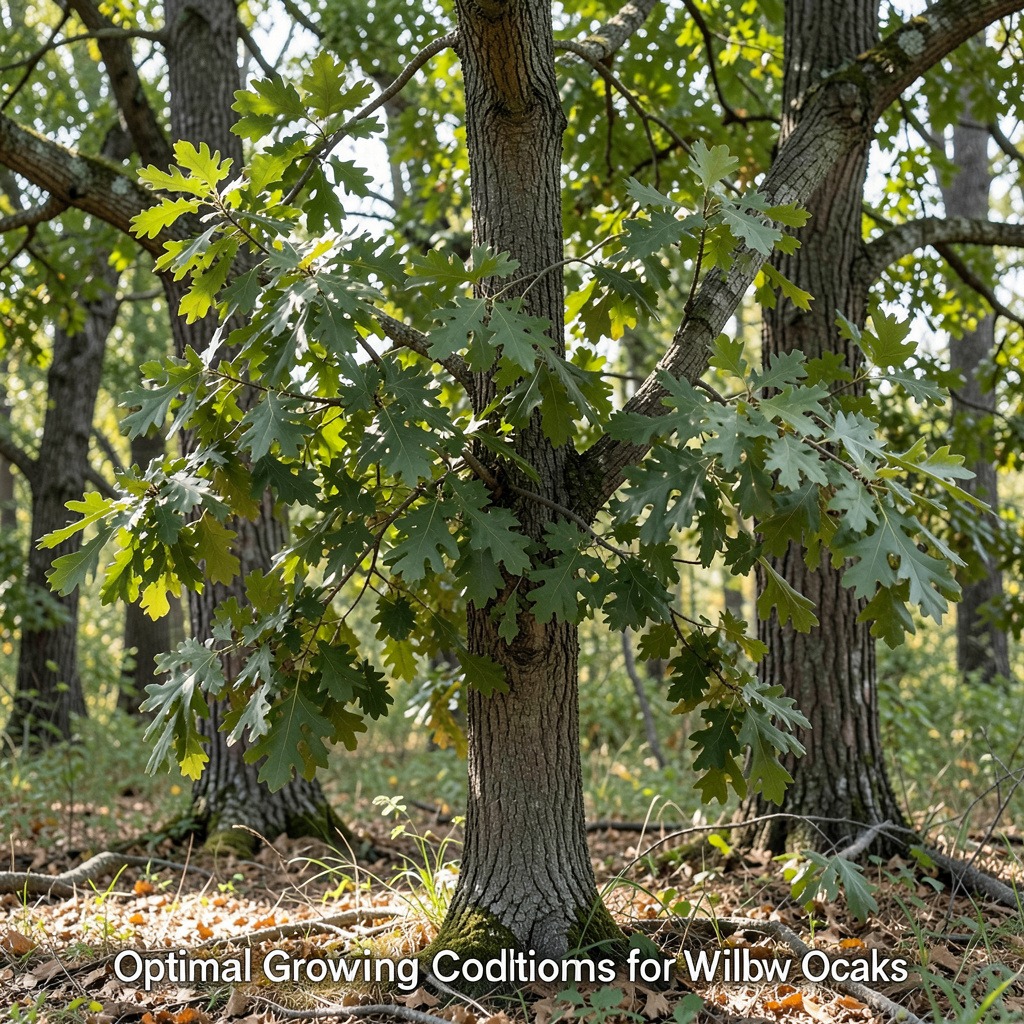
Willow oaks thrive under specific conditions that maximize their growth and longevity. Understanding their requirements ensures that these trees can flourish in various landscapes.
Ideal Soil Types for Willow Oaks
Willow oaks prefer well-drained soils that retain moisture but do not become waterlogged. Here are the best soil types for planting:
- Clay Soil: Holds nutrients and moisture well, ideal for willow oaks.
- Loamy Soil: A balanced mix of sand, silt, and clay, providing optimal drainage and nutrient availability.
- Sandy Soil: While less ideal, it can support willow oaks if supplemented with organic matter to improve water retention.
Sunlight and Water Requirements
Sunlight and water are critical for the health of willow oaks.
- Sunlight: They thrive in full sun but can tolerate partial shade. Aim for at least 6-8 hours of direct sunlight daily.
- Water Needs: Newly planted willow oaks require frequent watering. Here’s a guideline:
- First Year: Water deeply at least twice a week, ensuring the soil remains consistently moist.
- Established Trees: Water during prolonged dry spells, focusing on deep watering to encourage root development.
Common Maintenance Practices
Regular maintenance ensures willow oaks reach their full potential. Follow these practices:
- Mulching: Apply 3-4 inches of organic mulch around the base to retain moisture and regulate soil temperature.
- Fertilization: Use a balanced fertilizer in early spring to support growth, especially in nutrient-poor soils.
- Pruning: Conduct light pruning to remove dead or damaged branches, promoting healthy growth and structure.
Checklist for Optimal Planting
1. Soil Test: Assess pH and nutrient levels to determine soil amendments.
2. Location Selection: Choose a spot with ample sunlight and room for growth.
3. Watering Plan: Establish a consistent watering schedule for the first two years.
4. Mulch Application: Add mulch to conserve moisture and prevent weeds.
5. Fertilization: Plan for annual fertilization in spring.
By following these guidelines, you can create the perfect environment for willow oaks, enhancing their health and ecological contributions.
Ecological Benefits of Planting Willow Oaks
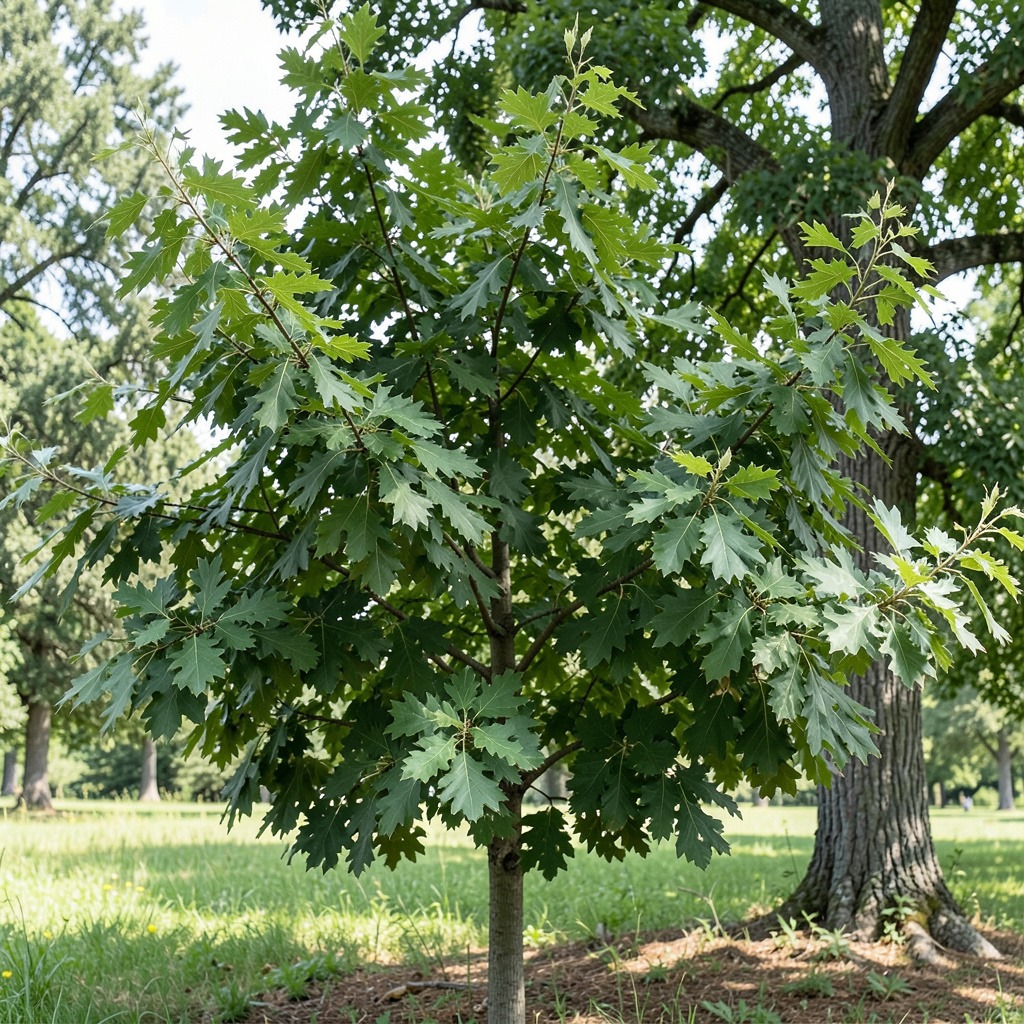
Willow oaks play a vital role in supporting local ecosystems. Their unique characteristics promote biodiversity and provide essential resources for wildlife.
Habitat for Wildlife
Willow oaks (Quercus phellos) serve as critical habitats for various species. Their broad canopies offer shelter and nesting sites for birds, while their foliage supports diverse insect populations. The tree’s bark is also a habitat for numerous organisms, including lichens and fungi.
- Birds: Willow oaks attract nesting songbirds, offering food and shelter during the breeding season.
- Insects: Over 500 caterpillar species thrive on oak foliage, serving as a primary food source for many birds.
- Mammals: Squirrels, deer, and other wildlife benefit from the acorns and the tree’s shade.
Contribution to Biodiversity
The ecological significance of willow oaks extends to their ability to enhance local biodiversity. Their presence encourages a rich tapestry of life within urban and rural environments.
- Food Source: The acorns produced by willow oaks are high in fat and protein, making them a vital food source for wildlife during fall and winter.
- Insect Diversity: The tree supports a wide range of insects, which in turn attracts birds and larger predators, thereby sustaining various trophic levels within the ecosystem.
- Pollinator Support: Willow oaks provide habitats for pollinators, including bees and butterflies, which are essential for plant reproduction.
Importance of Acorn Production
The acorns of willow oaks are not only a food source but also a significant factor in ecosystem dynamics. Their production supports various species and contributes to nutrient cycling within the environment.
- Abundant Food Source: Willow oaks produce a large number of acorns each year, benefiting many wildlife species.
- Seed Dispersal: Animals that consume acorns often disperse them, aiding in the regeneration of willow oaks and other plant species in the area.
- Ecosystem Health: The presence of willow oaks and their acorns contributes to healthier soil and improved water retention, supporting a diverse range of plant life.
In summary, planting willow oaks enriches local ecosystems, fosters wildlife habitats, and promotes biodiversity. Their integral role in various ecological processes underscores the significance of these trees within their environments.
Challenges and Downsides of Willow Oak Trees

Willow oaks, while resilient and beneficial, face several challenges that can impact their health and longevity. Understanding these issues is crucial for effective care and management.
Common Pests Affecting Willow Oaks
Willow oaks can suffer from various pests that may weaken their structure or detract from their aesthetic appeal. Key pests include:
- Aphids: These small insects suck sap from leaves, leading to distorted growth.
- Caterpillars: Species such as tent caterpillars and gypsy moth larvae can cause significant leaf damage.
- Boring Insects: These pests often target weakened trees, creating entry points for diseases.
Management Strategies:
- Regularly inspect trees for signs of pest activity.
- Introduce predatory insects to control aphid populations.
- Prune affected branches to reduce caterpillar infestations.
Diseases to Watch Out For
Willow oaks are susceptible to several diseases that can compromise their health. Notable diseases include:
- Anthracnose: Characterized by brown splotches on leaves, leading to premature leaf drop.
- Canker Diseases: These affect the trunk and branches, causing dieback.
- Leaf Blister: This fungal disease presents as raised lesions on leaves.
Management Strategies:
- Ensure good air circulation around trees to reduce humidity, which fosters fungal growth.
- Apply fungicides as a preventive measure during wet seasons.
- Prune out infected areas to prevent spread.
Environmental Challenges and Management
Environmental stressors can also affect willow oak health, particularly in urban settings. Key factors include:
- Soil Quality: Willow oaks thrive in well-drained, moist soils. Poor soil can lead to nutrient deficiencies.
- Water Stress: Both drought and excessive moisture can impair growth.
- Wind Damage: Willow oaks are vulnerable to strong winds, particularly if not adequately rooted.
Management Checklist:
- Test soil for pH and nutrient levels; amend as necessary.
- Water deeply during dry spells but avoid overwatering.
- Selectively prune to strengthen the tree’s structure and resilience against wind.
By addressing these challenges proactively, gardeners can ensure healthier willow oaks that thrive in their environments.
Comparing Willow Oaks to Other Oak Varieties
Willow oaks possess distinct characteristics that set them apart from other oak species. Understanding these differences can help you choose the right oak for your landscape and ecological needs.
Willow Oak vs. Red Oak
Both willow and red oaks are popular choices for landscaping, but they differ significantly in features and care requirements.
| Characteristic | Willow Oak (Quercus phellos) | Red Oak (Quercus rubra) |
|---|---|---|
| Leaf Shape | Lance-shaped, willow-like | Lobed, bristle-tipped |
| Growth Rate | Moderate to fast | Fast |
| Acorn Production | Small, abundant | Larger, less abundant |
| Soil Preference | Tolerates clay and moist soils | Prefers well-drained, sandy soils |
| Wildlife Benefits | Supports diverse caterpillar species | Attracts various birds and mammals |
| Fall Color | Yellow to brown | Bright red to russet |
Unique Qualities of Willow Oak
Willow oaks have unique qualities that make them ecologically significant. They thrive in a variety of conditions, making them adaptable for different landscapes.
- Acorn Production: Willow oaks produce acorns that are a vital food source for wildlife, including deer and various birds.
- Root System: Their shallow, fibrous root system allows for easier transplanting and provides resilience against root diseases.
- Growing Conditions: They flourish in USDA zones 5 through 9 and tolerate partial shade, making them versatile in urban settings.
Choosing the Right Oak for Your Landscape
Consider these factors when selecting an oak variety:
1. Space: Willow oaks can grow large; ensure adequate space for growth.
2. Soil Type: Assess your soil’s drainage and moisture levels. Willow oaks prefer moist, well-drained soils.
3. Wildlife Goals: Determine if you want to attract specific wildlife. Willow oaks support a diverse range of caterpillars, enhancing local ecosystems.
By comparing willow oaks to other species, you can make informed decisions for your landscape that enhance both beauty and ecological function.
Alternatives to Willow Oak for Your Landscape
If willow oaks are not suitable for your landscape needs, several alternative tree species can provide similar benefits. These alternatives can enhance your garden’s aesthetic and ecological value while accommodating specific conditions.
Similar Tree Species
1. Water Oak (Quercus nigra)
- Identification: Features rounded, lobed leaves and can grow up to 80 feet tall.
- Uses: Ideal for wet areas; provides excellent shade and supports wildlife.
2. Pin Oak (Quercus palustris)
- Identification: Known for its distinctive pyramidal shape and deeply lobed leaves.
- Uses: Thrives in moist, acidic soils and attracts various birds and insects.
3. Northern Red Oak (Quercus rubra)
- Identification: Characterized by its broad, lobed leaves and rapid growth rate.
- Uses: Grows well in various soil types; valued for its timber and wildlife support.
Benefits of Alternative Trees
When considering alternatives, assess the specific benefits they offer:
- Biodiversity: Many oak species, including water and pin oaks, support diverse wildlife habitats.
- Shade: These trees provide ample shade, similar to willow oaks.
- Soil Adaptability: Some alternatives, like the northern red oak, can thrive in a range of soil conditions.
Choosing Alternatives Based on Landscape Needs
Use the following decision framework to select the best tree for your landscape:
1. Assess Space Requirements: Ensure adequate space for growth; larger species need more room.
2. Evaluate Soil Conditions: Determine soil type and moisture levels; some trees prefer wet conditions while others thrive in dry soils.
3. Consider Wildlife Goals: If attracting specific wildlife is a priority, choose a tree that supports those species.
By using this framework, you can effectively identify which tree species will best suit your landscape and ecological goals.
Frequently Asked Questions
These quick answers cover the most common questions about this topic, including key details, practical tips, and common concerns.
What are the downsides of willow oak trees?
Willow oaks can present several challenges. They are susceptible to pests like aphids and caterpillars, which can damage leaves. Additionally, diseases such as anthracnose and canker diseases can affect their health. Urban environments may also stress them due to poor soil quality and water issues.
Another downside is their potential for wind damage due to their large size and shallow root systems. Proper care, including regular inspections and maintenance, is essential to mitigate these risks.
Is willow oak a good yard tree?
Yes, willow oaks are excellent yard trees. They provide ample shade and are known for their rapid growth, reaching heights of 50 to 75 feet. Their unique willow-like leaves add aesthetic value to landscapes.
Moreover, they support local wildlife by producing acorns that attract birds and mammals. However, ensure you have enough space in your yard, as they can grow quite large.
How can you tell if a tree is a willow oak?
To identify a willow oak, look for its distinctive long, narrow leaves that resemble those of willow trees. The leaves are glossy green in summer and turn brownish-yellow in fall.
Additionally, the bark of young trees is smooth and reddish-brown, while mature trees have gray, scaly bark with deep grooves. The acorns are small, oval-shaped, and dark brown, which also helps in identification.
What is another name for willow oak?
Willow oak is scientifically known as Quercus phellos. It is sometimes referred to simply as “phellos oak.” This name highlights its distinctive leaf shape, which resembles that of the willow tree.
What are the best growing conditions for willow oak?
Willow oaks thrive in well-drained soils that retain moisture but avoid waterlogging. They prefer clay or loamy soils and can tolerate sandy soils with organic amendments.
These trees require full sun, ideally receiving 6 to 8 hours of direct sunlight daily. Regular watering is crucial, especially for newly planted trees, to establish healthy root systems.
How fast does a willow oak grow?
Willow oaks have a moderate to fast growth rate, typically adding 2 to 3 feet in height per year under optimal conditions. They can reach full maturity, around 50 to 75 feet, in about 30 to 50 years.
This rapid growth makes them an attractive choice for those looking to establish shade quickly in their landscapes.
What wildlife benefits from willow oak trees?
Willow oaks provide significant ecological benefits, serving as habitats for various wildlife. Their acorns are a vital food source for birds, squirrels, and deer, especially during fall and winter.
Additionally, the tree’s foliage supports numerous insect species, including over 500 caterpillar types, which in turn attract birds and other predators. This makes willow oaks crucial for maintaining local biodiversity.
Can willow oak trees be grown in urban areas?
Yes, willow oaks can be grown in urban areas, provided there is enough space for their growth. They adapt well to various soil types but thrive best in well-drained, moist soils.
Urban planting should consider potential stressors like soil compaction and limited water supply. Regular care, including watering and pest management, is essential to ensure their health in city environments.