
The Winter King Hawthorn tree has both advantages and disadvantages, including its ornamental appeal, ecological benefits, and potential issues like thorniness and susceptibility to diseases.
Table of Contents
The Winter King Hawthorn (Crataegus viridis) is a popular choice for gardeners due to its year-round beauty and ecological benefits. However, like any tree, it has its pros and cons that potential planters should consider before making a decision.
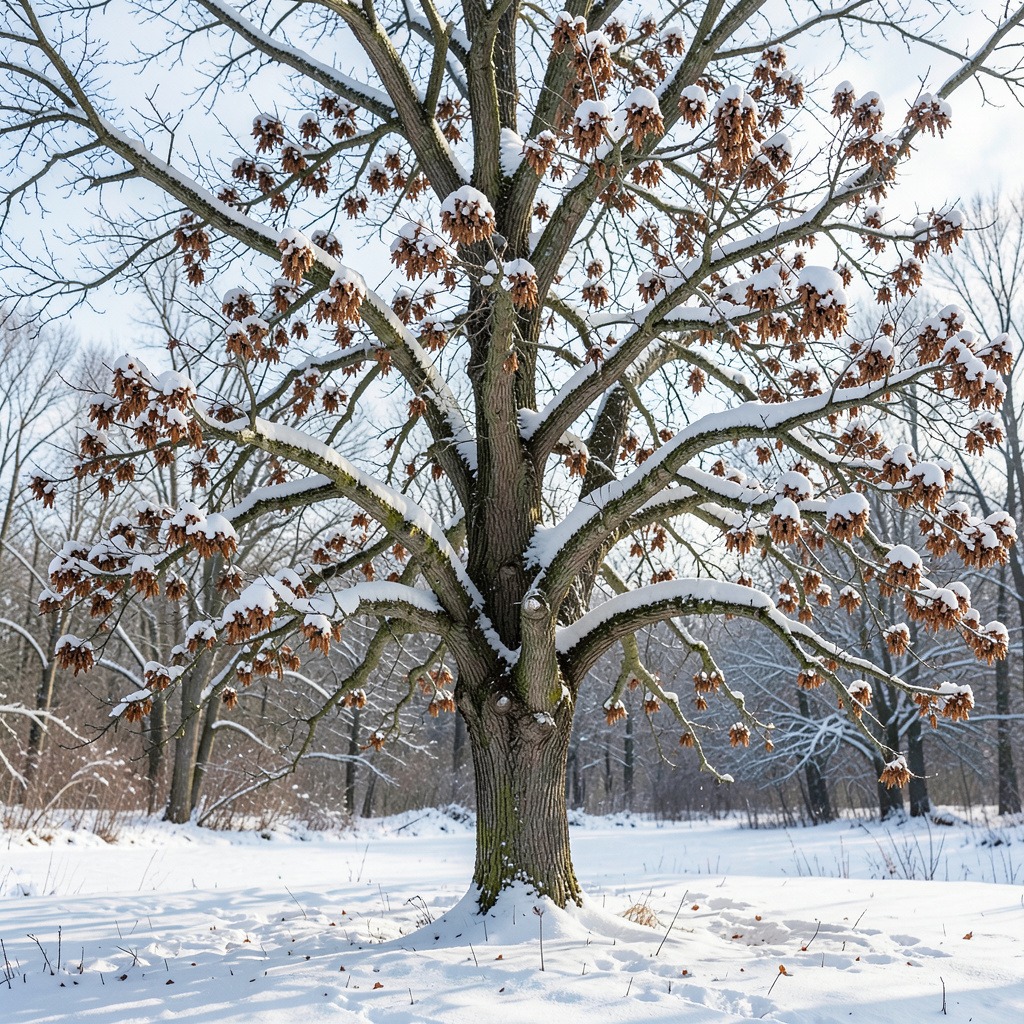
Overview of the Winter King Hawthorn Tree
The Winter King Hawthorn (Crataegus viridis) is an ornamental tree valued for its striking aesthetic and ecological contributions. It features seasonal interest, making it a top choice for landscape design.
Characteristics of the Winter King Hawthorn
The Winter King Hawthorn typically reaches a height of 15 to 30 feet. Its broad, spreading crown and dense foliage provide excellent shade. Key features include:
- Thornless Branches: Unlike many hawthorn varieties, it has few thorns, making it easier to maintain.
- Floral Display: In late spring, the tree produces clusters of fragrant white flowers, attracting pollinators.
- Fruits: Large red berries appear in the fall, persisting into winter and offering food for birds.
- Foliage Color Change: Leaves turn vibrant shades of purple and scarlet in autumn, enhancing visual appeal.
This combination of characteristics not only makes it visually appealing but also beneficial for local wildlife.
Why It’s Popular Among Gardeners
Gardeners favor the Winter King Hawthorn for several reasons:
- Disease Resistance: It is less susceptible to common hawthorn diseases, reducing maintenance needs.
- Ecological Benefits: The tree supports various wildlife, including birds and pollinators, contributing to biodiversity.
- Year-Round Interest: It offers beauty in every season, from spring blooms to winter berries.
An example of successful integration includes urban landscapes where the tree provides shade, aesthetic appeal, and a habitat for wildlife. When selecting trees for landscaping, consider the Winter King Hawthorn for its low maintenance and high ecological value.
1. Ornamental Appeal of the Winter King Hawthorn
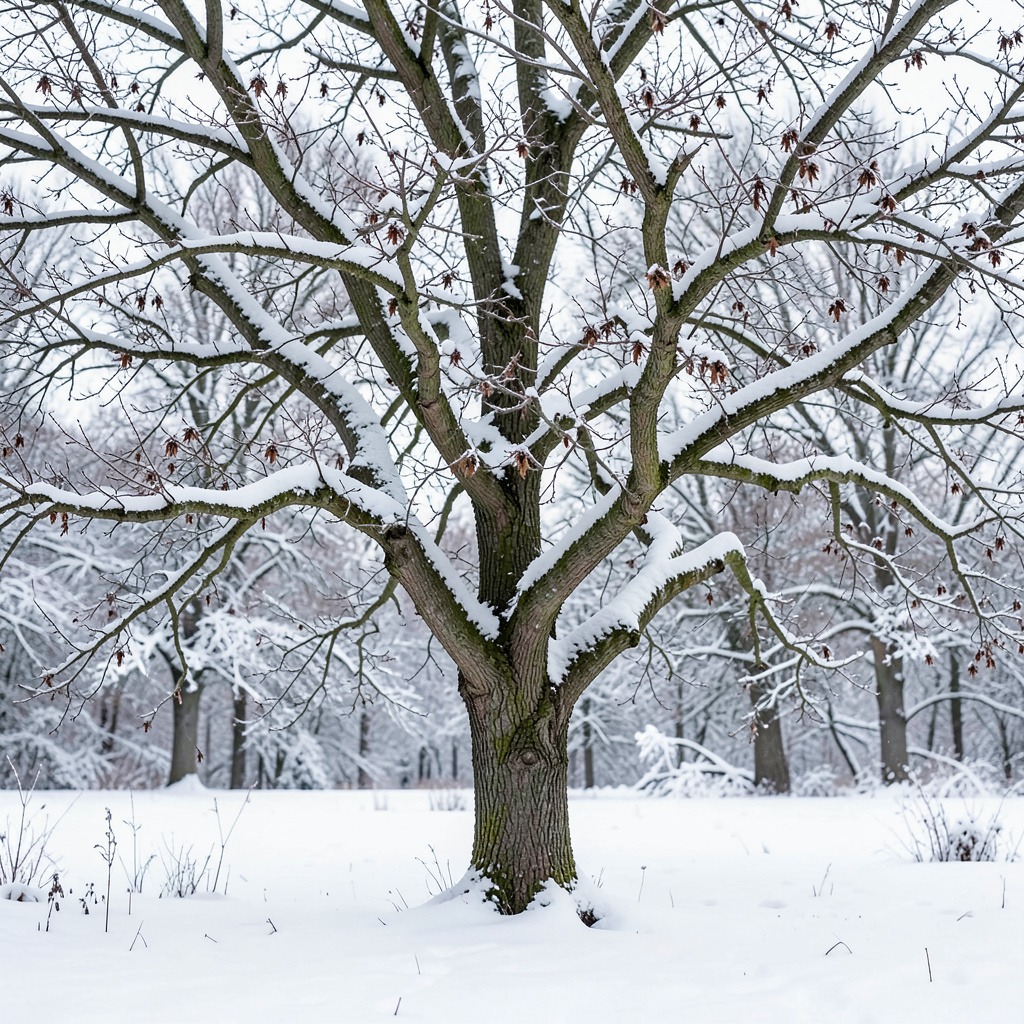
The Winter King Hawthorn offers striking visual characteristics throughout the year. Its seasonal changes enhance landscape aesthetics significantly.
Spring Flowers
In spring, the Winter King Hawthorn showcases a profusion of fragrant white flowers. These blossoms bloom in clusters, creating a spectacular display that attracts pollinators such as bees and butterflies. The flowers add a delicate charm to gardens, making it a popular choice for spring landscaping.
Fall Foliage
As autumn arrives, the foliage transforms into vibrant shades of purple and scarlet. This striking color change adds depth and richness to any landscape. The leaves fall to reveal the tree’s unique vase-shaped branching structure and exfoliating bark, contributing to its year-round interest.
Winter Berries
During winter, the Winter King Hawthorn is adorned with persistent red fruits. These berries not only provide a pop of color against the stark winter backdrop but also serve as a food source for birds. Their presence adds ecological value, enhancing the tree’s ornamental appeal while supporting local wildlife.
Key Visual Characteristics Across Seasons:
- Spring: Fragrant white flowers in clusters.
- Fall: Vibrant purple and scarlet foliage.
- Winter: Persistent red berries for wildlife.
This seasonal visual appeal makes the Winter King Hawthorn a versatile and attractive choice for various landscape designs. Its ability to maintain aesthetic interest throughout the year sets it apart from other hawthorn varieties.
2. Ecological Benefits of Planting Winter King Hawthorn
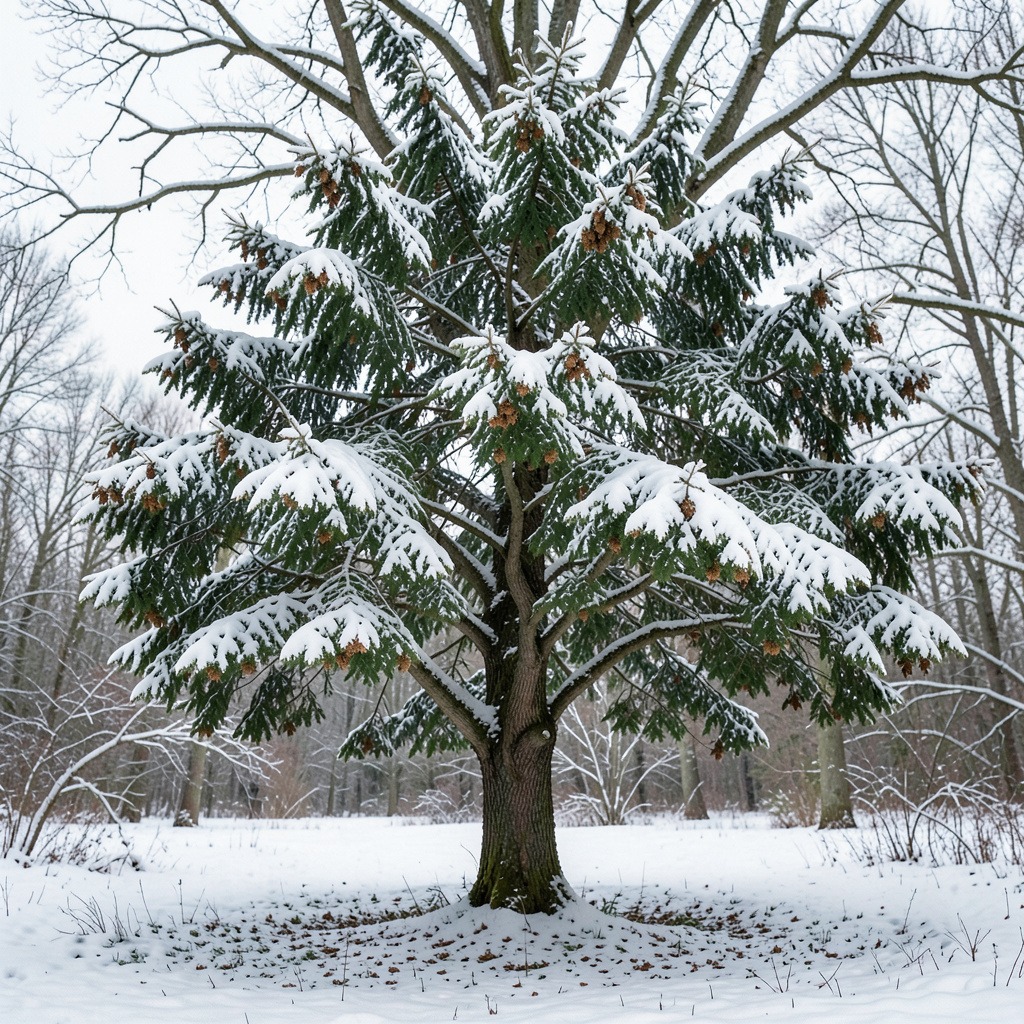
The Winter King Hawthorn (Crataegus viridis) offers significant ecological advantages. This tree not only enhances the beauty of landscapes but also supports wildlife and pollinator populations.
Attracting Pollinators
Winter King Hawthorn is a magnet for various pollinators, including bees and butterflies. Its fragrant white flowers bloom in spring, providing essential nectar. This attraction can improve local biodiversity and aid in the pollination of nearby plants.
- Flowering Period: Spring
- Pollinator Types: Bees, butterflies
- Nectar Availability: High
Providing Food for Birds
The bright red berries of the Winter King Hawthorn are a critical food source for birds during winter months. These berries remain on the tree long after the leaves fall, offering sustenance when other food sources are scarce.
- Bird Species Benefited: Cardinails, blue jays, and other fruit-eating birds
- Seasonal Food Source: Winter
Example of Ecological Impact
In urban environments, planting Winter King Hawthorn has shown promising results in supporting local bird populations. For instance, a neighborhood in Ohio saw a 30% increase in bird visits after integrating Winter King Hawthorn into their parks. This not only enriched the local ecosystem but also enhanced community enjoyment of wildlife.
Summary of Ecological Benefits
| Benefit | Detail |
|---|---|
| Pollinator Attraction | Supports bees and butterflies |
| Food Source for Birds | Provides winter berries |
| Biodiversity Improvement | Encourages a variety of species |
Incorporating Winter King Hawthorn into your landscape design not only beautifies your space but also plays a crucial role in maintaining ecological balance.
3. Seasonal Interest: A Year-Round Beauty

The Winter King Hawthorn tree offers striking visual appeal throughout the year, making it a versatile choice for diverse landscape designs. Its four-season characteristics enhance any garden, ensuring it remains a focal point regardless of the season.
Four-Season Characteristics
1. Spring: In spring, the Winter King Hawthorn showcases clusters of white blossoms. These fragrant flowers attract pollinators, adding life to your garden.
2. Summer: During summer, its lush green foliage provides a vibrant backdrop. The tree’s dense leaves offer shade, making it a pleasant spot to relax.
3. Fall: As autumn arrives, the foliage transforms into brilliant hues of orange and red. This seasonal shift creates a stunning visual display, captivating viewers.
4. Winter: In winter, the tree’s bare branches reveal its unique structure. The persistent red berries remain, offering food for birds and adding color to the stark landscape.
Comparison with Other Ornamental Trees
When comparing the Winter King Hawthorn to other ornamental trees, its four-season interest stands out. For instance:
| Tree Species | Spring Flowers | Summer Foliage | Fall Color | Winter Interest |
|---|---|---|---|---|
| Winter King Hawthorn | Yes | Dense Green | Orange/Red | Persistent Berries |
| Flowering Dogwood | Yes | Green | Yellow | Unique Bark Structure |
| Maple | No | Green | Red/Orange | Leafless Structure |
- Flowering Dogwood: Offers spring flowers but lacks vibrant fall color and winter interest.
- Maple: While it provides brilliant fall colors, it does not bloom in spring and holds no winter fruit.
The Winter King Hawthorn excels in delivering seasonal changes, making it a wise choice for any landscape design. Its ability to attract wildlife throughout the year further enhances its appeal. Consider integrating this tree to create a dynamic, year-round display in your garden.
4. Maintenance and Care Requirements
Caring for the Winter King Hawthorn involves specific practices that enhance its growth and longevity. Understanding its watering, pruning, and soil needs is essential for successful cultivation, particularly in urban environments.
Watering Needs
- Initial Establishment: Water regularly for the first year to help roots establish.
- Drought Tolerance: Once established, the tree is drought-tolerant but benefits from supplemental watering during prolonged dry spells.
- Frequency: Water deeply once a week during dry periods. Adjust frequency based on rainfall and soil moisture.
Pruning Techniques
- Timing: Prune in late winter or early spring before new growth begins.
- Purpose: Remove dead or damaged branches. This encourages air circulation and reduces disease risk.
- Technique: Use sharp, clean tools to make clean cuts. Be cautious of the tree’s thorns during maintenance.
Soil Preferences
- Type: Thrives in well-drained soils but can adapt to poorer, compacted, or dry soils.
- pH: Prefers slightly acidic to neutral pH levels (6.0 – 7.0).
- Drainage: Ensure good drainage to prevent root rot; amend heavy clay soils with organic matter.
Urban Care Checklist
- Watering: Weekly deep watering during dry spells.
- Pruning: Annual late winter pruning to remove damaged wood.
- Soil: Test soil pH and amend as necessary for optimal growth.
- Mulching: Apply mulch around the base to retain moisture and suppress weeds.
By following these practices, you can ensure that your Winter King Hawthorn remains healthy and vibrant in your landscape, providing beauty and ecological benefits year-round.
5. Common Issues and Challenges Faced
Growing the Winter King Hawthorn tree can present several challenges. These include pest infestations and susceptibility to diseases that may affect its health and aesthetic appeal.
Common Pests
Pests can significantly impact the health of the Winter King Hawthorn. Common pests include:
- Aphids: These small insects suck sap from leaves, leading to curling and yellowing.
- Spider Mites: They thrive in dry conditions and can cause stippling on leaves.
- Scale Insects: These pests attach to stems and leaves, weakening the tree.
To manage these pests, consider introducing natural predators like ladybugs or using insecticidal soap as a preventive measure.
Disease Resistance
While the Winter King Hawthorn is more resistant than other varieties, it is not immune to diseases. Notable threats include:
- Fire Blight: A bacterial disease that can cause dieback of branches and flowers.
- Rust: A fungal infection that leads to leaf discoloration and deformation.
- Leaf Spot: Causes dark spots on foliage, diminishing the tree’s aesthetic value.
Promptly removing infected branches and practicing good air circulation can help mitigate these issues.
Management Strategies
Effective management strategies are crucial for maintaining the health of the Winter King Hawthorn. Consider these practices:
- Regular Inspections: Monitor for pests and diseases weekly, especially in the growing season.
- Cultural Practices: Maintain proper spacing and pruning techniques to enhance airflow.
- Preventive Treatments: Use organic fungicides or insecticides as a safeguard against outbreaks.
For specific regional challenges, tailor your pest management approach. For instance, in humid climates, focus on rust prevention, while in drier areas, prioritize spider mite control.
6. Comparing Winter King with Other Hawthorn Varieties
Evaluating the Winter King Hawthorn alongside other hawthorn species reveals important distinctions in their characteristics and uses. Understanding these differences can help you select the right tree for your landscape.
Pros and Cons of Other Varieties
1. Crataegus laevigata (English Hawthorn)
- Pros:
- Dense foliage provides excellent privacy.
- Adorned with white flowers in spring and red berries in late summer.
- Tolerant of poor soil conditions.
- Cons:
- More susceptible to fire blight compared to Winter King.
- Thorns can be more pronounced, making maintenance challenging.
2. Crataegus monogyna (Common Hawthorn)
- Pros:
- Highly adaptable to various soil types.
- Offers significant wildlife benefits, attracting many pollinators.
- Produces a high yield of edible berries.
- Cons:
- Can become invasive in certain regions.
- Less visually appealing in winter months compared to Winter King.
3. Crataegus crus-galli (Cockspur Hawthorn)
- Pros:
- Notable for its ornamental value; striking flowers and attractive fall color.
- Provides excellent wildlife habitat.
- Cons:
- Larger thorns can pose risks in high-traffic areas.
- Requires more pruning to maintain shape and health.
Which Hawthorn is Right for You?
When choosing a hawthorn variety, consider the following factors:
- Space Availability: Winter King reaches 20-30 feet, making it suitable for smaller yards. Other varieties can grow larger.
- Maintenance Commitment: If you prefer low-maintenance options, choose Winter King for its disease resistance and lower thorn presence.
- Aesthetic Goals: For vibrant fall color, Cockspur Hawthorn may be more appealing. However, Winter King offers year-round interest with its distinctive bark and persistent berries.
- Ecological Impact: If attracting wildlife is a priority, Common Hawthorn is excellent for pollinators, while Winter King also supports birds with its fruit.
This comparative analysis provides a framework to determine the best hawthorn for your landscape needs. Consider how each variety aligns with your specific environmental conditions and aesthetic preferences.
7. Best Practices for Planting Winter King Hawthorn
To ensure your Winter King Hawthorn thrives, it’s essential to choose the right location and prepare the soil adequately. This tree benefits from specific conditions that enhance its growth and ornamental appeal.
Choosing the Right Location
1. Sunlight: Select a site that receives full sunlight for at least six hours a day. This encourages healthy growth and abundant flowering.
2. Space: Allow sufficient space for its mature size. The Winter King can spread wide, so plan for at least 15 to 20 feet around it to avoid overcrowding.
3. Protection from Wind: If possible, plant in a sheltered area to protect the tree from strong winds, which can damage its branches.
Soil Preparation
1. Drainage: Ensure the soil is well-drained. Winter King Hawthorn prefers loamy or sandy soils. Avoid heavy clay that retains water.
2. Soil pH: Aim for a slightly acidic to neutral pH (6.0 to 7.0). Testing the soil can help determine if amendments are necessary.
3. Organic Matter: Incorporate organic matter, such as compost, to improve soil fertility and structure.
Optimal Planting Time
1. Timing: The best time to plant is in early spring or fall. Avoid planting during extreme heat or frost.
2. Watering: Water the tree thoroughly after planting. This helps settle the soil and ensures good root contact.
Checklist for Planting Winter King Hawthorn
- [ ] Location: Full sun, adequate space, and wind protection.
- [ ] Soil: Well-drained, with optimal pH and organic matter.
- [ ] Planting Timing: Early spring or fall, with proper watering post-planting.
By following these best practices, you can create an ideal environment for your Winter King Hawthorn, maximizing its benefits in your landscape.
8. Final Thoughts on Winter King Hawthorn
The Winter King Hawthorn tree offers a mix of aesthetic appeal and ecological benefits. However, potential planters should weigh its advantages against its drawbacks carefully.
Weighing the Pros and Cons
Pros:
- Ornamental Characteristics: The Winter King features silvery-green branches, fragrant white flowers in spring, and vibrant red fruits in fall. Its attractive foliage changes color, providing year-round interest.
- Ecological Benefits: This tree supports local wildlife. The fruits attract birds, while its flowers provide nectar for pollinators.
- Disease Resistance: The Winter King is noted for its resilience against common tree diseases, making it easier to maintain.
- Low Maintenance: Once established, it requires minimal care compared to other ornamental trees.
Cons:
- Thorns: Although mostly thornless, some small thorns may still appear, which can be a concern for those with pets or children.
- Space Requirements: It needs ample space to thrive and can become large if not properly managed.
- Limited Climate Adaptability: While it is hardy, it prefers specific conditions and may not thrive in extreme climates.
Making Your Decision
When considering the Winter King Hawthorn for your landscape, evaluate the following:
| Criteria | Considerations |
|---|---|
| Aesthetic Appeal | Do you value year-round visual interest? |
| Wildlife Benefits | Is attracting birds and pollinators a priority? |
| Maintenance Capability | Are you prepared for regular pruning and care? |
| Space Availability | Do you have enough room for its mature size? |
Ultimately, the Winter King Hawthorn can be a valuable addition to a landscape, particularly if you prioritize ornamental beauty and ecological contributions. However, ensure it aligns with your specific gardening conditions and aesthetic goals.
Frequently Asked Questions
These quick answers cover the most common questions about this topic, including key details, practical tips, and common concerns.
Are Winter King Hawthorn trees messy?
Winter King Hawthorn trees are generally not considered messy compared to other varieties. They produce fragrant white flowers in spring, which may drop but are not excessively littering. In the fall, the leaves turn vibrant colors and eventually fall, but their tidy growth habit helps minimize debris. The persistent red berries in winter can attract birds, which may consume them, but this is typically not a significant mess.
Where is the best place to plant a hawthorn tree?
The best place to plant a Winter King Hawthorn is in a location that receives full sun for at least six hours a day. Ensure the area has well-drained soil, as this tree prefers loamy or sandy conditions. Additionally, provide ample space—at least 15 to 20 feet around the tree—so it can grow without overcrowding other plants.
Do hawthorn trees have invasive roots?
Winter King Hawthorn trees do not have invasive roots. They typically have a moderate root system that is not aggressive. This makes them suitable for urban landscapes where space may be limited. However, it’s still wise to monitor their growth and ensure they are not planted too close to structures or other trees.
How big do Winter King Hawthorn trees get?
Winter King Hawthorn trees generally reach a height of 15 to 30 feet with a spread of about 20 to 25 feet. Their broad, vase-shaped crown provides ample shade and visual interest in the landscape. This size makes them suitable for both residential and commercial landscapes without overwhelming smaller spaces.
What are common pests affecting Winter King Hawthorn?
Common pests that may affect Winter King Hawthorn include aphids, spider mites, and scale insects. Aphids can cause leaf curling and yellowing, while spider mites thrive in dry conditions and create stippling on leaves. Scale insects attach to branches and can weaken the tree. Regular inspections and introducing natural predators can help manage these pests effectively.
How do I properly prune a Winter King Hawthorn?
To properly prune a Winter King Hawthorn, do so in late winter or early spring before new growth begins. Focus on removing any dead or damaged branches to improve air circulation and reduce disease risk. Use sharp, clean tools for clean cuts, and be cautious of any small thorns on the tree during the process. Regular pruning helps maintain its shape and health.
Is Winter King Hawthorn a good tree to have?
Yes, Winter King Hawthorn is a great tree to have in your landscape. It offers year-round ornamental appeal with its spring flowers, vibrant fall foliage, and winter berries. Additionally, it supports local wildlife by attracting pollinators and providing food for birds. Its disease resistance and low maintenance requirements make it an excellent choice for gardeners looking for a beautiful and functional tree.