
Yew trees are remarkable plants that blend beauty with history and ecology. In this article, we’ll explore the various species and varieties of yew trees, uncovering their unique characteristics and importance. Where Yew Trees Grow: Natural Range, Habitats & Locations provides further insights into their habitats.
Overview of Yew Trees
What are Yew Trees?
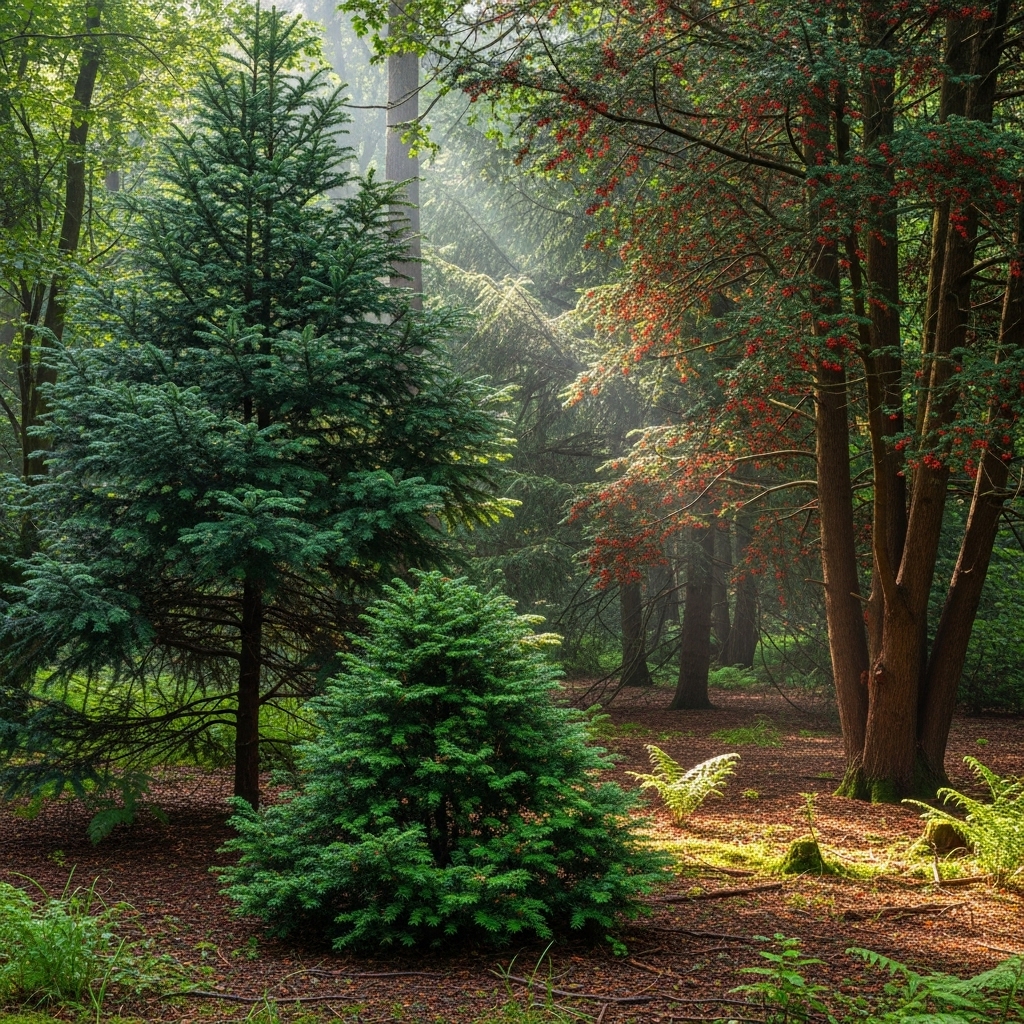
Yew trees belong to the genus Taxus and are evergreen conifers known for their distinctive needle-like leaves and red berries. They can thrive in various regions and climates, growing to be either large trees or smaller shrubs, depending on the species and care they receive. For those interested in their identification, How to Identify Yew Trees: Leaves, Bark, Berries & Shape is a great resource.
Historical Significance of Yew Trees
The history of yew trees is as fascinating as the trees themselves. I remember reading about how these trees were often found in churchyards and were considered sacred in many cultures. They have long been associated with longevity and immortality, partly due to their ability to live for hundreds, even thousands, of years. In ancient times, yew wood was used to craft longbows, showcasing its strength and flexibility. I’ve often wondered how many battles were influenced by the power of a yew bow!
Ecological Importance of Yew Trees
Yew trees play a vital role in their ecosystems. They provide habitat for various wildlife, including birds and small mammals. I’ve spotted numerous birds feeding on their berries, which are not only beautiful but also nutritious. Moreover, yew trees are known to be resilient and can thrive in poor soil conditions, making them essential for preventing soil erosion. Their ability to adapt to shade allows them to grow in understory areas of forests, helping to maintain the biodiversity of those environments. However, it’s important to note that the seeds of yew are toxic to humans and pets, as discussed in the article Yew Tree Poisoning: Why Yew Is Toxic to Humans & Pets.
Types of Yew Trees
Taxus Baccata (European Yew)
Taxus Baccata, or the European yew, is perhaps the most well-known of the yew species. I’ve seen many of these trees in old cemeteries, where they stand as silent sentinels. This species can reach heights of up to 60 feet and has a dense, pyramidal shape. The foliage is dark green, and the red berries are a striking contrast. One of the fascinating aspects of the European yew is its ability to regenerate, as it can sprout from old stumps, which I think is a testament to its resilience.
Taxus Cuspidata (Japanese Yew)
The Japanese yew, or Taxus Cuspidata, is another beautiful species that caught my attention. I’ve noticed that this yew is often used for hedges due to its compact growth habit and tolerance to pruning. It has a slightly different appearance, with broader leaves and a more sprawling growth. I appreciate how adaptable this tree is, thriving in both full sun and partial shade, making it versatile for various garden settings.
Taxus Brevifolia (Pacific Yew)
When I think of the Pacific yew, or Taxus Brevifolia, I picture the lush forests of the Pacific Northwest. This species has a more shrubby appearance and can be found in mountainous regions. The Pacific yew is particularly noteworthy for its medicinal properties; in fact, the bark contains compounds used in cancer treatment. I’ve read about how this species is more sensitive to environmental changes, which makes its conservation increasingly important.
Taxus Canadensis (Canadian Yew)
Taxus Canadensis, the Canadian yew, is a smaller, more low-growing species that I’ve come to appreciate for its hardiness. It typically reaches heights of about 3 to 10 feet and spreads out, making it an excellent choice for ground cover. I love how it can thrive in shady, moist areas, which makes it perfect for those tricky spots in the garden where other plants struggle.
Taxus Wallichiana (Himalayan Yew)
The Himalayan yew, or Taxus Wallichiana, is another stunning variety that I find particularly fascinating. This tree can reach impressive heights, often towering up to 100 feet. I’ve learned that it’s a threatened species due to overharvesting and habitat loss. The soft, drooping branches of the Himalayan yew create a picturesque silhouette, and its berries are prized for their unique flavor. Its importance in traditional medicine in the Himalayan regions also highlights its cultural significance.
Varieties of Yew Trees
Common Varieties of Taxus Baccata
When it comes to Taxus Baccata, I’ve come across several varieties that stand out for their unique characteristics. One of the most popular is the ‘Fastigiata,’ which has a narrow, upright form. I’ve seen this variety used effectively in formal gardens, creating a striking vertical element. Another noteworthy variety is ‘David,’ known for its exceptional hardiness and stunning dark green foliage. I remember visiting a garden where this variety was planted along a pathway, and it captivated everyone with its elegance and structure. These common varieties highlight the versatility of the European yew, allowing gardeners to choose a type that fits their specific design needs.
Popular Varieties of Taxus Cuspidata
Taxus Cuspidata has its share of popular varieties as well. One that I particularly enjoy is ‘Capitata,’ which has a dense, rounded shape that makes it perfect for creating hedges. I’ve noticed how it can provide an effective privacy screen while still looking manicured and refined. Another notable variety is ‘Nana,’ a dwarf form that remains compact and is great for smaller gardens. I remember planting a few of these in my own yard, and they turned out to be perfect for filling in gaps without overwhelming the space. These varieties are just a glimpse into the adaptability of the Japanese yew, catering to diverse landscaping needs.
Diverse Varieties of Taxus Brevifolia
Taxus Brevifolia features some intriguing varieties as well. One that stands out to me is ‘Emerald,’ which boasts vibrant green needles and a bushy growth habit. I’ve often seen this variety used effectively in naturalized settings, where its lush look complements the surrounding landscape. Another variety I’ve come across is ‘Compacta,’ which is much smaller and works wonderfully in rock gardens or as a low hedge. I’ve spent afternoons appreciating how these yews can thrive in the Pacific Northwest’s unique climate, showcasing their resilience and beauty in various settings.
Unique Varieties of Taxus Canadensis
Taxus Canadensis offers some unique varieties that I believe are worth mentioning. One such variety is ‘Hicksii,’ which is more upright and can provide a striking focal point in a garden. I’ve personally found that this variety is excellent for creating a natural barrier while maintaining a neat appearance. Another interesting variety is ‘Dwarf Canadian,’ which stays low to the ground and is ideal for ground cover. I’ve planted this variety in shady areas of my garden where other plants struggle, and it has thrived beautifully. These unique varieties show just how adaptable the Canadian yew can be in various garden conditions.
Notable Varieties of Taxus Wallichiana
With Taxus Wallichiana, there are notable varieties that are just breathtaking. One that I particularly admire is ‘Fastigiata,’ which grows tall and narrow, making it an excellent choice for tight spaces. I’ve seen many landscape designs that incorporate this variety as a stunning vertical accent. Another appealing variety is ‘Nana,’ which remains compact and is great for small gardens or containers. I remember seeing a garden where this variety was planted in clusters, and it created a lovely textured look. These varieties highlight the Himalayan yew’s appeal, allowing gardeners to choose based on their specific landscape requirements.
Key Differences Between Yew Species
Growth Habit and Size
As I explored the different yew species, I noticed significant variations in their growth habits and sizes. For instance, Taxus Baccata can grow quite tall, reaching impressive heights up to 60 feet, while Taxus Canadensis tends to stay shorter and more compact. I’ve found this diversity allows gardeners to select the right species based on their space and design preferences. It’s fascinating how a garden can transform by simply choosing a species that fits the desired scale.
Leaf Shape and Color
The leaf shape and color also vary among yew species, which adds to their appeal. I’ve seen the needle-like leaves of Taxus Brevifolia, which have a softer, more delicate look compared to the broader leaves of Taxus Cuspidata. The color can range from deep green in the European yew to a more vibrant hue in the Japanese yew varieties. I love how these differences can create contrasts and depth in a garden design, allowing for more creative planting combinations.
Fruit and Seed Characteristics
Fruit and seed characteristics are another area where yew species differ. The red berries of yew trees are not only visually appealing but also vary in size and abundance among species. I’ve often spotted birds feasting on these berries, especially on the European yew. However, I’ve learned that the seeds of yew are toxic to humans and pets, which is something to keep in mind when planting. Understanding these characteristics helps in making informed choices about where to plant yews in relation to wildlife.
Hardiness Zones and Climate Adaptability
Hardiness zones and climate adaptability are crucial factors when selecting yew trees. I’ve seen European yews thriving in cooler climates, while the Pacific yew prefers the moist, moderate conditions of the Pacific Northwest. This adaptability is one reason why yews are popular in various landscapes. I recall a time when I tried to grow a variety that was too sensitive for my region, and it taught me the importance of matching the tree to the climate.
Pest and Disease Resistance
Lastly, pest and disease resistance varies among yew species. From my experience, Taxus Baccata is generally more resilient, while Taxus Brevifolia can be more susceptible to certain environmental stresses. I’ve learned the value of monitoring the health of my yew trees closely, as early detection of issues can save them from more serious problems down the line. Each species brings its own strengths and weaknesses, and understanding these can help in successful cultivation.
Growing and Caring for Yew Trees
Ideal Soil Conditions for Yew Trees
When it comes to growing yew trees, I’ve learned that soil conditions play a critical role in their development. Yews are quite adaptable, thriving in a range of soil types, but they do prefer well-drained soil. I remember planting my first yew tree in a slightly sandy loam, and it took off beautifully. They can tolerate slightly acidic to alkaline soils, which is another reason why they’re so versatile in various landscapes. However, I’ve noticed that too much water, especially in heavy clay soils, can lead to root rot. It’s always best to test your soil if you’re unsure; it’s made a big difference in my gardening success!
Watering and Fertilization Requirements
Watering yew trees is another aspect where I’ve gained some insights over the years. They are relatively drought-tolerant once established, but during the first couple of years, I made sure to keep them well-watered. I found that a deep watering session once a week helped my yews develop strong roots. Fertilization isn’t usually necessary for these trees, as they can thrive in nutrient-poor soils. However, I’ve occasionally added a balanced, slow-release fertilizer in spring to give them a little boost, which seemed to help their growth and overall health. It’s fascinating how nurturing them a bit can yield such rewarding results!
Pruning and Maintenance Tips
Pruning is something I’ve come to appreciate when it comes to yew trees. They respond well to trimming, which can help maintain their shape and encourage denser growth. In my experience, I usually prune in late winter or early spring before new growth begins. I’ve found that removing any dead or overcrowded branches not only improves the appearance but also enhances air circulation, which is vital for their health. It’s amazing how a little bit of attention can transform a yew tree from just another plant into a focal point in the garden.
Common Pests and Diseases
While yew trees are generally resilient, they can still fall prey to certain pests and diseases. I’ve encountered issues like the yew bark scale, which can cause yellowing and premature needle drop. I remember panicking when I first noticed it on one of my trees, but after researching, I realized that a simple spray of horticultural oil can effectively manage these pests. Additionally, I’ve learned that root rot can occur if the conditions are too wet, so I always keep an eye on soil moisture levels. Keeping my yews healthy involves regular inspections, and I’ve found that being proactive makes a world of difference.
Uses of Yew Trees
Ornamental Uses in Landscaping
Yew trees have a special place in landscaping, and I’ve seen their beauty enhance many gardens. Their rich foliage and varied growth habits make them perfect for borders, hedges, and even standalone specimens. I remember visiting a park where mature yews formed a stunning backdrop for seasonal flowers, creating a striking contrast. Their ability to tolerate pruning allows for creative topiary designs, which I find adds a unique flair to any garden. Whether used in formal designs or more natural settings, yews can elevate the overall aesthetic of a space.
Yew Wood in Craftsmanship
Yew wood is another fascinating aspect of these trees that I’ve come to admire. The timber is incredibly strong and flexible, making it an excellent choice for crafting. I learned that yew wood has been historically used for making furniture, cabinets, and even musical instruments. Its beautiful grain and rich color can add warmth to any piece. I’ve seen artisans create stunning items from yew, and it’s a reminder of the tree’s value beyond its decorative role. Knowing that a simple tree in my garden can contribute to craftsmanship adds to my appreciation for yews.
Medicinal Properties of Yew
Throughout history, yew trees have held significance in traditional medicine, which I find particularly intriguing. The bark and leaves of the Pacific yew, for example, have been used to extract compounds for cancer treatments. I’ve read about how these compounds can inhibit the growth of cancer cells, which is a remarkable testament to the healing potential of nature. This connection to health emphasizes the need to protect and conserve yew species, as they can hold the key to future medical advancements.
Cultural Significance and Symbolism
Yew trees have also woven their way into cultural narratives, symbolizing death, immortality, and resilience in many societies. I remember learning how they are often planted in graveyards, representing a link between life and death. This symbolism resonates with me as I reflect on their longevity and the stories they could tell if they could speak. From ancient times to modern interpretations, the yew has been a symbol of endurance, making it a poignant presence in many landscapes. Its cultural significance adds another layer to my appreciation, reminding me that these trees are much more than merely plants; they are historical markers and storytellers of nature.
Frequently Asked Questions
What are yew trees?
Yew trees belong to the genus Taxus and are evergreen conifers known for their distinctive needle-like leaves and red berries. They can thrive in various regions and climates, growing to be either large trees or smaller shrubs, depending on the species and care they receive.
What is the historical significance of yew trees?
Yew trees have long been associated with longevity and immortality, often found in churchyards and considered sacred in many cultures. Historically, yew wood was used to craft longbows, demonstrating its strength and flexibility.
What ecological role do yew trees play?
Yew trees provide habitat for wildlife, including birds and small mammals, and their berries are nutritious for various species. They are resilient and can thrive in poor soil conditions, helping to prevent soil erosion and maintain biodiversity in forest understory areas.
What are some types of yew trees?
Some notable types of yew trees include Taxus Baccata (European Yew), Taxus Cuspidata (Japanese Yew), Taxus Brevifolia (Pacific Yew), Taxus Canadensis (Canadian Yew), and Taxus Wallichiana (Himalayan Yew), each with unique characteristics and growing conditions.
What are common varieties of Taxus Baccata?
Common varieties of Taxus Baccata include ‘Fastigiata,’ known for its narrow, upright form, and ‘David,’ which is recognized for its hardiness and dark green foliage, making them popular choices in formal gardens.
How should yew trees be cared for in terms of watering and fertilization?
Yew trees are relatively drought-tolerant once established but should be kept well-watered during their first couple of years. Fertilization is usually not necessary, but a balanced, slow-release fertilizer can be added in spring for a growth boost if desired.
What are some common pests and diseases affecting yew trees?
Yew trees can be affected by pests like the yew bark scale, which causes yellowing and needle drop. Additionally, root rot can occur if the soil is too wet, highlighting the importance of monitoring soil moisture levels.
What are the ornamental uses of yew trees in landscaping?
Yew trees are valued in landscaping for their rich foliage and varied growth habits, making them suitable for borders, hedges, and standalone specimens. They can also be shaped into topiary designs, enhancing the aesthetic of gardens.
What medicinal properties do yew trees have?
The bark and leaves of the Pacific yew contain compounds used in cancer treatments, demonstrating the tree’s significance in traditional medicine and the potential for future medical advancements.
What cultural significance do yew trees hold?
Yew trees symbolize death, immortality, and resilience in various cultures. They are often planted in graveyards to represent a connection between life and death, highlighting their historical and symbolic importance.