
Yoshino cherry trees, known for their stunning spring blossoms, have both advantages and disadvantages, including beauty, maintenance needs, and potential issues with pests and root invasiveness.
Table of Contents
The Yoshino cherry tree is a popular ornamental choice, celebrated for its breathtaking blooms. However, potential planters should consider both the pros and cons of this tree, including its maintenance requirements and ecological impact, before making a decision.
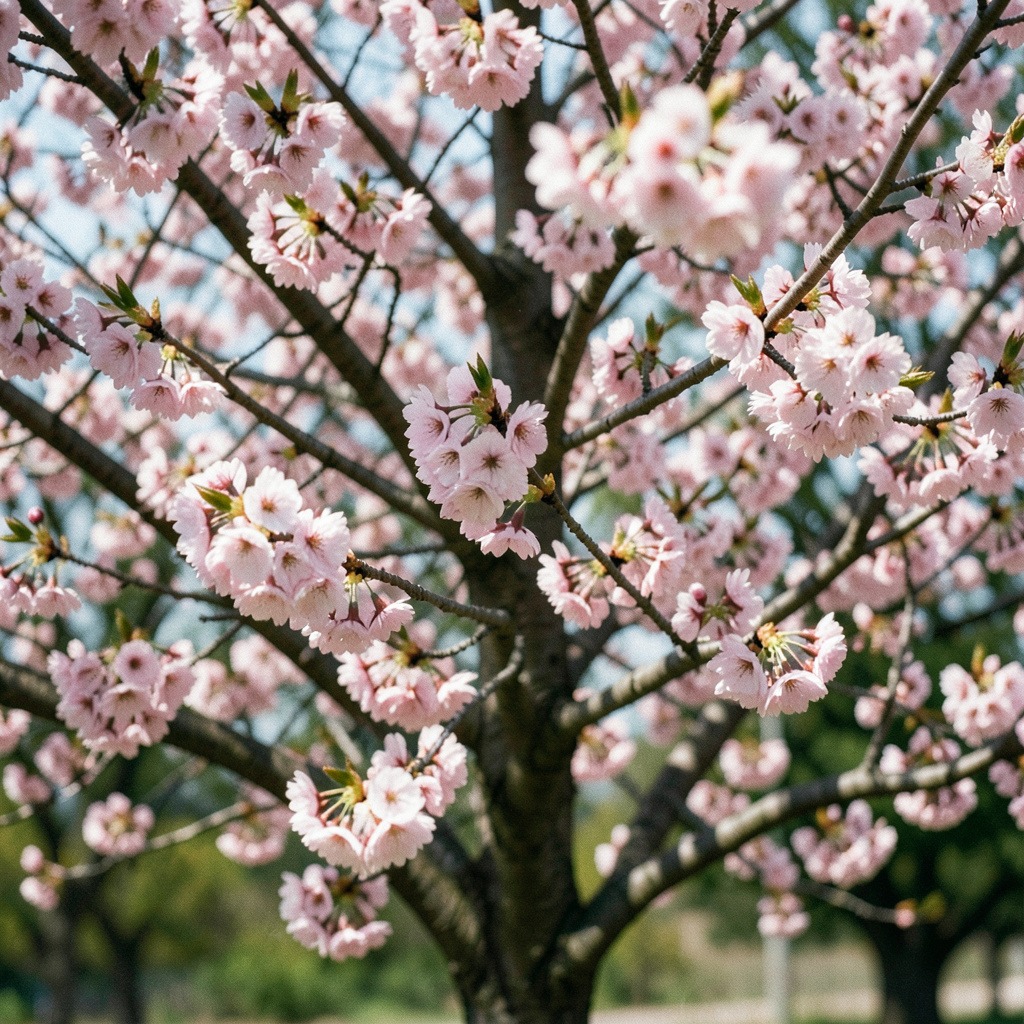
Overview of the Yoshino Cherry Tree
The Yoshino cherry tree, scientifically known as Prunus × yedoensis, is revered for its stunning spring blooms. This ornamental tree is a favorite among gardeners for its aesthetic appeal and cultural significance.
Scientific Classification and Characteristics
- Scientific Name: Prunus × yedoensis
- Common Name: Yoshino cherry tree
- Typical Height: 20 to 40 feet
- Blooming Season: Spring, typically in April
- Flower Color: Ranges from white to pale pink
The Yoshino cherry tree is a hybrid, likely a cross between the Oshima cherry and the Higan cherry. Its flowers feature five petals that create a beautiful canopy during blooming. This tree thrives in hardiness zones 5 to 8, preferring full sun and well-draining soil.
Historical Significance and Popularity
The Yoshino cherry tree holds cultural importance, especially in Japan and the United States. It was gifted to Washington, D.C., in 1912, symbolizing friendship between the two countries. This event led to the establishment of the National Cherry Blossom Festival, celebrating the tree’s beauty every spring.
In addition to its historical importance, the Yoshino cherry tree enhances landscapes. Gardeners appreciate its elegant form and stunning display of blossoms. Its adaptability to various soil types and conditions makes it a versatile choice for ornamental gardening.
Benefits of Planting the Yoshino Cherry Tree
- Aesthetic Appeal: Provides a spectacular spring display.
- Cultural Significance: Represents beauty and renewal.
- Wildlife Support: Attracts pollinators like bees.
Drawbacks of Planting the Yoshino Cherry Tree
- Maintenance Requirements: Requires regular watering and care.
- Pest Susceptibility: Prone to certain pests and diseases.
- Short Lifespan: Typically lives around 30-40 years.
Before planting a Yoshino cherry tree, consider its pros and cons. Assess your local climate, soil conditions, and available space. This will ensure a successful planting experience.
Pros of Planting a Yoshino Cherry Tree
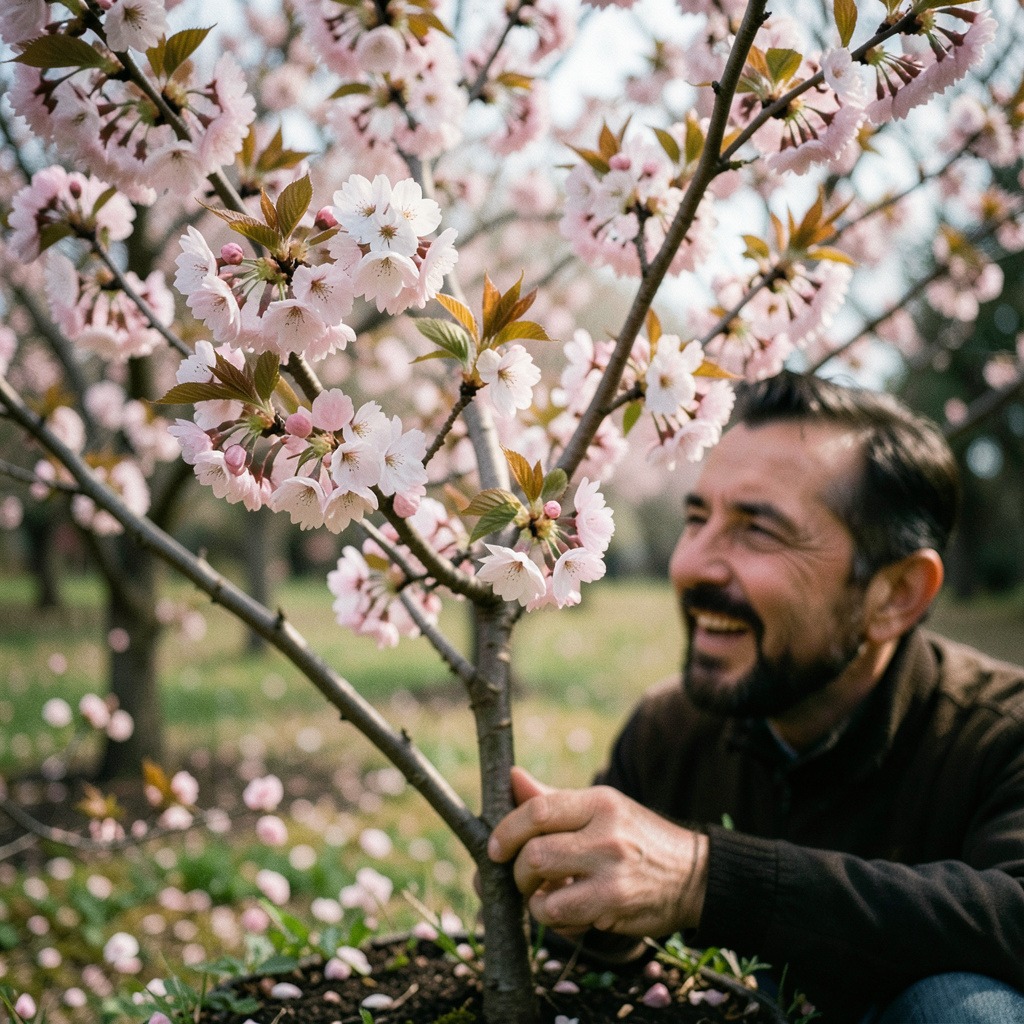
The Yoshino cherry tree, known for its stunning beauty and rapid growth, offers numerous advantages for garden enthusiasts. Its vibrant blooms and ecological contributions make it a popular choice for many landscapes.
Stunning Spring Blooms
One of the most captivating features of the Yoshino cherry tree is its breathtaking spring blossoms. The tree produces clusters of delicate white to pale pink flowers, creating a stunning visual spectacle. Here are some key points about its blooming beauty:
- Early Blooming: The Yoshino cherry is among the first trees to bloom in spring, often heralding the season’s arrival.
- Short Blooming Period: Although the flowering lasts only 1-2 weeks, the intensity and beauty of the display make it memorable.
- Visual Impact: Its blooms provide a soft, romantic touch to any garden or landscape.
Fast Growth and Low Maintenance
Yoshino cherry trees are recognized for their fast growth and relatively low maintenance needs, making them an ideal choice for both novice and experienced gardeners.
- Growth Rate: These trees can grow 1-2 feet per year, reaching heights of 10-15 feet within just a few years.
- Minimal Care: Once established, they require less frequent watering—mainly during dry spells. Regular mulching can further reduce maintenance efforts.
- Resilience: The tree is adaptable to various well-drained soils and thrives in full sun, making it suitable for a range of environments.
Ecological Benefits
Planting a Yoshino cherry tree not only enhances your landscape but also contributes positively to the environment.
- Pollinator Attraction: The blossoms attract a variety of pollinators, including bees and butterflies, supporting local ecosystems.
- Wildlife Support: The tree provides habitat and food for various bird species, enhancing biodiversity in your garden.
- Seasonal Interest: Beyond spring blooms, the tree’s foliage offers fall color, providing year-round interest.
Checklist for Planting and Caring for Yoshino Cherry Trees
- Ideal Conditions: Ensure full sun and well-drained soil.
- Watering: Water deeply when planting and regularly during establishment.
- Mulching: Apply mulch around the base to retain moisture.
- Pest Management: Monitor for pests and treat with organic solutions as needed.
By considering these pros, you can make an informed decision about incorporating a Yoshino cherry tree into your garden. The combination of beauty, ease of care, and ecological benefits makes it a worthwhile investment for any landscape.
Cons of Planting a Yoshino Cherry Tree
While the Yoshino cherry tree is admired for its beauty, it has several drawbacks that potential planters should consider. These include its short lifespan, vulnerability to pests and diseases, and the potential invasiveness of its roots.
Short Lifespan and Maintenance Needs
Yoshino cherry trees typically have a lifespan of 15 to 25 years. This is shorter compared to other ornamental trees, which can often live for several decades. Planters should be prepared for the eventual decline of these trees. The maintenance required includes:
- Regular pruning to maintain shape.
- Seasonal monitoring for health.
- Timely replacement as they age.
Pest and Disease Susceptibility
Yoshino cherry trees are prone to various pests and diseases. Common issues include:
- Aphids and mites: These insects can weaken the tree and cause leaf damage.
- Fungal infections: Especially problematic in humid climates, these can lead to aesthetic issues and overall health decline.
Early intervention is crucial. Consider organic treatments like neem oil for prevention. However, the entire tree must be coated for effectiveness.
Root Invasiveness and Landscape Considerations
The root system of the Yoshino cherry tree can be invasive. This can lead to challenges, such as:
- Competing with nearby plants for nutrients.
- Potential damage to sidewalks or foundations if planted too close.
When selecting a planting location, ensure adequate space to accommodate root growth. A decision framework to evaluate planting might include:
- Distance from structures: At least 10 feet recommended.
- Compatibility with other plants: Avoid areas with shallow-rooted species.
By understanding these cons, gardeners can make more informed decisions about incorporating Yoshino cherry trees into their landscapes.
Ideal Planting Conditions for Yoshino Cherry Trees
Yoshino cherry trees thrive in specific conditions that enhance their growth and flowering. Understanding these requirements is critical for successful planting and maintenance.
Best Hardiness Zones for Planting
Yoshino cherry trees, scientifically known as Prunus × yedoensis, flourish in USDA Hardiness Zones 5-8. These zones accommodate a range of climates, from the mild Pacific Northwest to the humid Southeast.
- Zone 5: Minimum winter temperatures can drop to -20°F.
- Zone 6: Minimum winter temperatures can drop to -10°F.
- Zone 7: Minimum winter temperatures range from 0°F to 10°F.
- Zone 8: Minimum winter temperatures are typically between 10°F and 20°F.
When selecting a planting location, ensure that your area falls within these zones to promote optimal growth.
Soil and Sunlight Requirements
Yoshino cherry trees demand well-drained soil and full sunlight for robust health and flowering. Here are the essential conditions:
- Soil Type: Well-draining, loamy soil is ideal. Sandy or clay-rich soils may not provide adequate drainage.
- pH Level: A slightly acidic to neutral pH (6.0 to 7.0) is preferred.
- Sunlight Exposure: Full sun (at least 6 hours of direct sunlight daily) is crucial for abundant blooms.
Checklist for Ideal Planting Conditions
- Hardiness Zone: 5-8
- Soil Type: Well-drained, loamy
- Soil pH: 6.0 – 7.0
- Sunlight: Full sun exposure (6+ hours daily)
By adhering to these conditions, gardeners can ensure the Yoshino cherry tree performs well. Consider the following decision framework when preparing to plant:
- Test Soil Drainage: Dig a hole and fill it with water. If it drains within a few hours, the site is suitable.
- Check Sunlight: Observe the area throughout the day to confirm it receives sufficient sunlight.
These guidelines will help maximize the beauty and health of your Yoshino cherry tree, enhancing its ornamental value in your landscape.
Maintenance Tips for Yoshino Cherry Trees
Maintaining a Yoshino cherry tree involves specific practices to ensure its health and vigor. Proper watering, fertilizing, and pruning are essential for optimal growth and flowering.
Watering and Fertilizing
Yoshino cherry trees thrive with careful attention to watering and fertilization. Here’s a simple guide:
- Initial Watering: Water deeply at planting. Ensure the soil remains moist for the first three months.
- Established Trees: Water during dry spells, approximately every two weeks.
- Fertilization: Apply a balanced, slow-release fertilizer in early spring. This encourages robust growth and flowering.
Seasonal Maintenance Calendar:
| Season | Task |
|---|---|
| Spring | Fertilize and prune. |
| Summer | Water during drought. |
| Fall | Mulch to retain moisture. |
| Winter | Inspect for pests and diseases. |
Pruning Techniques
Pruning is crucial for maintaining shape and health. Follow these steps for effective pruning:
- Timing: Prune in late winter or early spring before new growth begins.
- Removal: Remove dead or diseased branches first. This prevents the spread of diseases.
- Shaping: Thin out crowded branches to improve air circulation and light penetration.
Pruning Checklist:
- Ensure tools are sharp and clean.
- Cut at a slight angle to promote healing.
- Avoid heavy pruning; focus on light shaping.
By following these maintenance tips, gardeners can enhance the beauty and longevity of their Yoshino cherry trees, ensuring a stunning display each spring.
Common Issues and Solutions for Yoshino Cherry Trees
Yoshino cherry trees can encounter several challenges, including pest infestations and environmental stressors. Understanding these issues is crucial for maintaining the health and beauty of these ornamental trees.
Identifying Common Pests
Yoshino cherry trees are susceptible to a variety of pests that can affect their health and blooming potential. Here are some common pests to watch for:
- Aphids: Small, sap-sucking insects that can distort leaves and stunt growth.
- Scale Insects: These pests attach to branches and leaves, weakening the tree by sucking sap.
- Mites: Spider mites can cause leaf discoloration and drop.
- Tent Caterpillars: These can defoliate trees in spring.
Management Strategies:
- Natural Treatments: Use horticultural oil or neem oil to control infestations. These methods are effective and less harmful to beneficial insects.
- Pesticides: In severe cases, consider insecticidal soap or carbaryl. Apply during early spring to target pests before they proliferate.
- Cultural Practices: Maintain tree health through proper watering and mulching to minimize stress, making trees less susceptible to pests.
Environmental Stress Management
Environmental factors can also impact the health of Yoshino cherry trees. Here are key stressors and solutions:
- Frost Damage: Early blooming in spring makes them vulnerable to late frosts.
- Solution: Plant in a location with good air drainage or consider using frost cloths to protect blossoms during unexpected cold snaps.
- Soil Moisture: These trees require well-drained soil. Overwatering or poor drainage can lead to root rot.
- Solution: Water deeply but infrequently. Use mulch to retain soil moisture while ensuring good drainage.
- Fungal Diseases: Humidity can promote fungal infections, which may affect leaf appearance.
- Solution: Implement preventive fungicide treatments in early spring, especially if fungal issues are recurrent in your area.
Checklist for Tree Care:
- Monitor for pests weekly during the growing season.
- Apply treatments at the first sign of infestation.
- Ensure proper watering practices to avoid root stress.
- Conduct regular inspections for signs of disease or environmental stress.
By addressing these common issues proactively, gardeners can enjoy the stunning beauty of their Yoshino cherry trees with fewer interruptions.
Alternatives to the Yoshino Cherry Tree
When considering the Yoshino cherry tree, it’s beneficial to explore other ornamental trees that offer similar aesthetic appeal or ecological benefits. Below are some viable alternatives to the Yoshino cherry tree.
Similar Ornamental Trees
1. Kwanzan Cherry (Prunus serrulata ‘Kwanzan’)
- Appearance: Features double-pink blossoms, creating a fuller look.
- Blooming Season: Early spring, similar to Yoshino.
- Height: Can grow up to 30 feet tall.
- Pros: Robust blooms; excellent for dramatic displays.
- Cons: Requires more maintenance due to denser foliage.
2. Autumn Cherry (Prunus subhirtella)
- Appearance: Produces pale pink flowers that bloom in fall.
- Height: Generally reaches around 20 feet.
- Pros: Extended blooming season; offers fall interest.
- Cons: Less vibrant in spring compared to Yoshino.
3. Redbud (Cercis canadensis)
- Appearance: Heart-shaped leaves with vibrant purple-pink flowers.
- Height: Typically grows to 20-30 feet.
- Pros: Unique foliage; attracts pollinators.
- Cons: Flowering period is shorter than cherry trees.
Ecological Comparisons
| Tree Type | Bloom Color | Blooming Season | Height | Pollinator Attraction | Maintenance Level |
|---|---|---|---|---|---|
| Yoshino Cherry | White/Pink | Early Spring | 30-40 feet | High | Moderate |
| Kwanzan Cherry | Double Pink | Early Spring | 30 feet | Moderate | High |
| Autumn Cherry | Pale Pink | Fall | 20 feet | High | Low |
| Redbud | Purple-Pink | Early Spring | 20-30 feet | Very High | Moderate |
Decision Framework for Selection:
- Aesthetic Goals: Choose Kwanzan for full blooms or Redbud for unique foliage.
- Ecological Impact: Opt for Redbud or Autumn Cherry for superior pollinator attraction.
- Maintenance Capacity: Select Yoshino or Autumn Cherry for lower upkeep.
When evaluating these alternatives, consider the specific conditions of your garden. Each tree comes with its own set of benefits and challenges, ensuring that you can find a suitable match for your landscape needs.
Frequently Asked Questions
These quick answers cover the most common questions about this topic, including key details, practical tips, and common concerns.
Where is the best place to plant a Yoshino cherry tree?
The ideal location for a Yoshino cherry tree is a spot that receives full sun, meaning at least six hours of direct sunlight each day. This ensures robust blooming and healthy growth. Additionally, choose well-drained soil to prevent waterlogging, which can lead to root rot. A distance of at least 10 feet from structures or other trees is also recommended to accommodate the tree’s root system.
What should you not plant near cherry trees?
Avoid planting shallow-rooted species, such as certain ornamental grasses or annual flowers, close to Yoshino cherry trees. These plants can compete for nutrients and water. Additionally, steer clear of other fruit trees that may attract pests that could harm your cherry tree, such as aphids or scale insects.
Do Yoshino cherry trees grow fast?
Yes, Yoshino cherry trees are known for their fast growth. They can grow between 1 to 2 feet per year, reaching heights of 20 to 40 feet within a few years. This rapid growth makes them a popular choice for gardeners looking for quick visual impact in their landscapes.
Are Yoshino cherry tree roots invasive?
Yoshino cherry tree roots can be somewhat invasive, particularly if planted too close to structures or other plants. The roots tend to spread out, competing for water and nutrients. To mitigate potential issues, ensure adequate spacing when planting and monitor the area for any signs of root encroachment.
What is the best time to plant a Yoshino cherry tree?
The best time to plant a Yoshino cherry tree is in early spring or fall when temperatures are cooler and rainfall is more consistent. This allows the tree to establish its root system before the heat of summer or the cold of winter sets in. Spring planting is particularly favorable as it coincides with the tree’s natural growth cycle.
How tall does a Yoshino cherry tree grow?
Yoshino cherry trees typically reach heights of 20 to 40 feet, depending on growing conditions and care. With proper maintenance, including adequate sunlight and watering, these trees can achieve their full height relatively quickly, making them a striking addition to any landscape.
What problems do Yoshino cherry trees face?
Yoshino cherry trees can face several issues, including susceptibility to pests like aphids and fungal diseases, particularly in humid climates. Environmental stressors, such as late frosts or poor soil drainage, can also impact their health. Regular monitoring and timely interventions, such as organic pest control and proper watering practices, are essential to mitigate these problems.
What are some alternative trees for similar aesthetics?
If you’re considering alternatives to the Yoshino cherry tree, options like the Kwanzan cherry and the Autumn cherry provide beautiful blooms. The Kwanzan cherry features double-pink flowers, while the Autumn cherry blooms in fall, offering unique seasonal interest. Redbud trees are another great choice, showcasing vibrant purple-pink flowers and heart-shaped leaves, attracting numerous pollinators.