
Yes, certain species of the yucca plant are edible.
Table of Contents
Yucca plants, often seen as decorative, have edible parts that can enhance your culinary experiences [1]. Understanding which species are safe to eat and how to prepare them is crucial for enjoying their unique flavors without health risks.
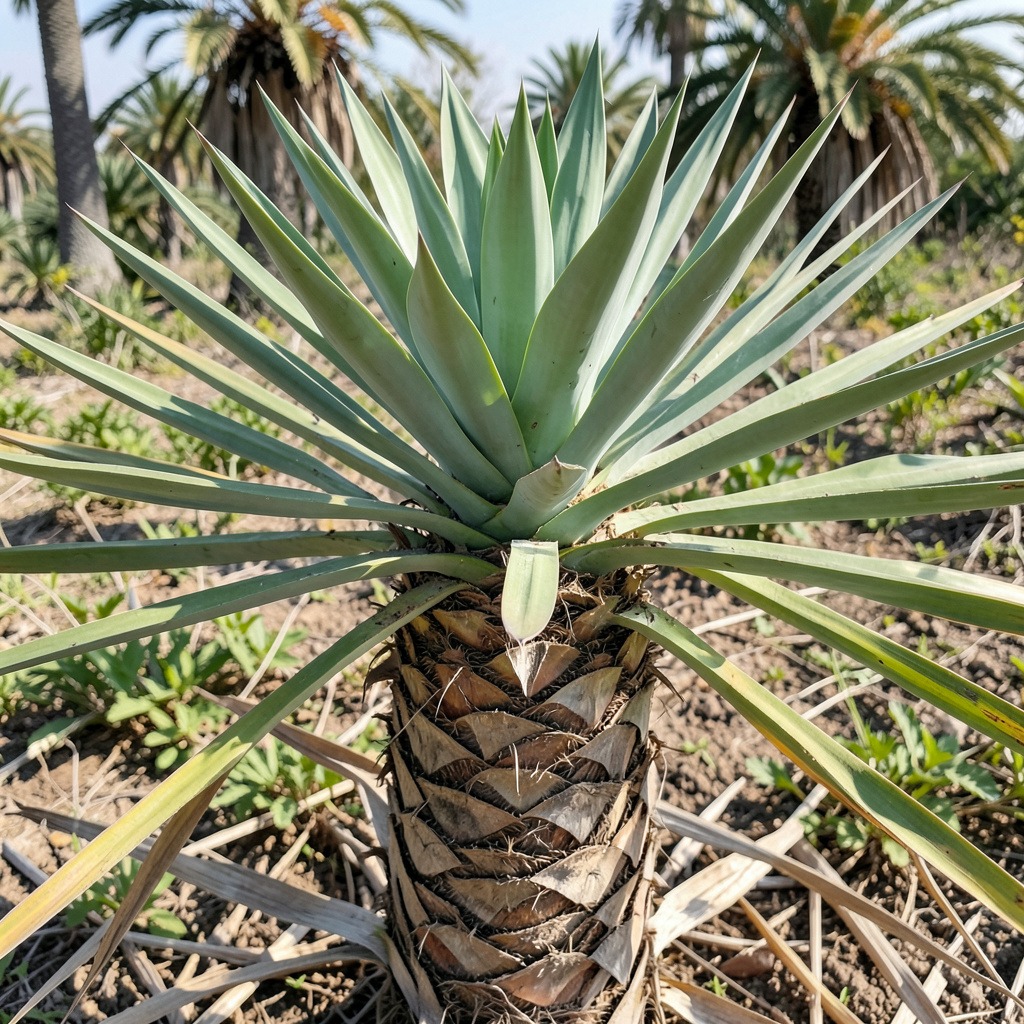
Understanding the Edibility of Yucca Plants
The yucca plant offers a variety of edible parts, making it a valuable addition to many diets. However, not all yucca species are safe for consumption. Identifying the edible varieties is essential for safe culinary use.
The Distinction Between Edible and Non-Edible Yucca
Yucca plants belong to a diverse family, but certain species are inedible and can be toxic. Common edible varieties include:
- Yucca filamentosa (Spanish bayonet)
- Yucca glauca (Great Plains yucca)
- Yucca baccata (Banana yucca)
In contrast, species like Yucca aloifolia and Yucca elephantipes are non-edible and may contain harmful saponins, which require careful preparation before consumption. The key to safe eating is proper identification and preparation.
Culinary Uses Across Cultures
Edible parts of the yucca plant have been utilized in various cuisines around the world. Here are the main parts and their culinary applications:
- Roots: Rich in carbohydrates, they can be boiled, baked, or made into flour. Always peel and cook to remove toxins.
- Flowers: Mild and sweet, they can be added to salads or used as garnishes.
- Fruits: While fibrous, they can be eaten raw or cooked, often serving as a substitute for asparagus.
For example, in traditional Indigenous cuisines, yucca roots are often prepared in stews and served alongside meats, showcasing their versatility as a staple food source.
Nutritional Benefits of Yucca
Yucca is not only edible but also nutritious. It contains essential vitamins and minerals, including:
- Vitamin C
- Vitamin B complex
- Potassium
- Fiber
These nutrients contribute to a balanced diet and can support digestive health. Additionally, yucca’s low glycemic index makes it suitable for those monitoring blood sugar levels.
For those interested in incorporating yucca into their diet, consider trying Yucca Root Powder – Organic, 1 lb for a nutritious addition to smoothies or baked goods. Check Price on Amazon.
8 Edible Parts of the Yucca Plant
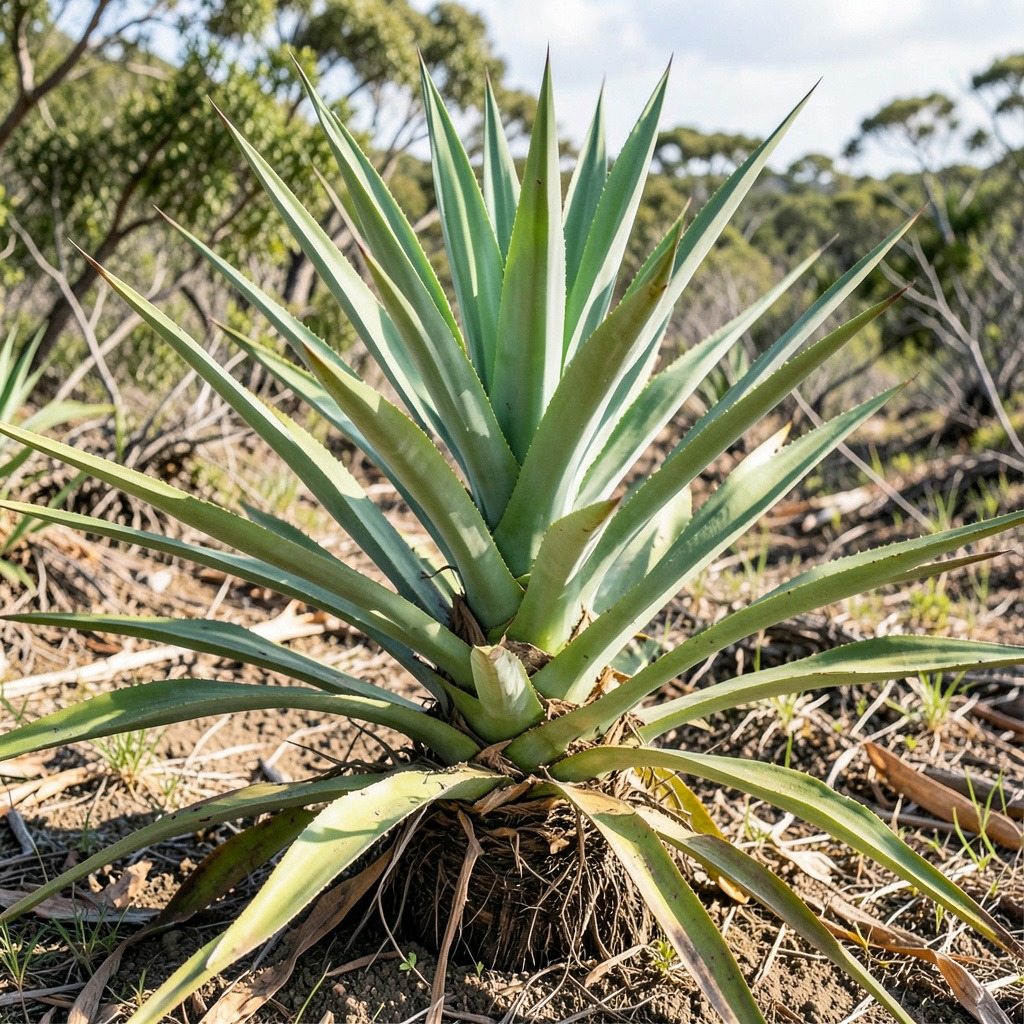
The yucca plant offers a variety of edible parts, each with distinct flavors and culinary uses. Understanding how to prepare these parts safely is essential for enjoyment.
Yucca Roots: Preparation and Cooking
The roots of the yucca plant are a primary source of food. However, they contain saponins, which can be toxic if not properly prepared.
Preparation Steps:
1. Peel the Roots: Remove the tough outer skin.
2. Slice the Roots: Cut into even pieces for cooking.
3. Boil or Steam: Cook them thoroughly to eliminate toxins. Boiling for at least 30 minutes is recommended.
Culinary Uses:
- Mashed yucca makes a great side dish.
- Yucca fries offer a delicious alternative to potatoes.
For convenience, consider using Yucca Root Powder – Organic, 1 lb for recipes that call for a more refined ingredient Check Price on Amazon.
Edible Yucca Flowers: Uses and Recipes
The flowers of the yucca plant are not only edible but also add a mild, sweet flavor to various dishes.
Consumption Tips:
- Raw: Add fresh yucca flowers to salads for a unique touch.
- Cooked: Boil them lightly to enhance their flavor. They can be incorporated into soups and stews.
Recipe Idea:
- Yucca Flower Salad: Combine boiled yucca flowers with mixed greens, olive oil, lemon juice, and your choice of nuts for a refreshing dish.
Fruits of Yucca: Harvesting and Culinary Ideas
Yucca fruits are another edible component, although they are fibrous and have a less sweet taste compared to other fruits.
Harvesting Tips:
- Look for mature fruits that have a slight give when pressed.
Culinary Applications:
- Use yucca fruit in stir-fries as a substitute for asparagus.
- Cooked fruits can be blended into smoothies for added nutrition.
Summary of Edible Parts
| Part | Edibility | Preparation Method | Culinary Uses |
|---|---|---|---|
| Roots | Yes | Peel, slice, boil | Mashed, fried, soups |
| Flowers | Yes | Eat raw or lightly cooked | Salads, soups |
| Fruits | Yes | Eat raw or cooked | Stir-fries, smoothies |
Understanding the preparation methods and culinary uses of yucca’s edible parts enhances both safety and enjoyment. Always ensure you are consuming the correct species, as some can be toxic.
How to Prepare Yucca Safely
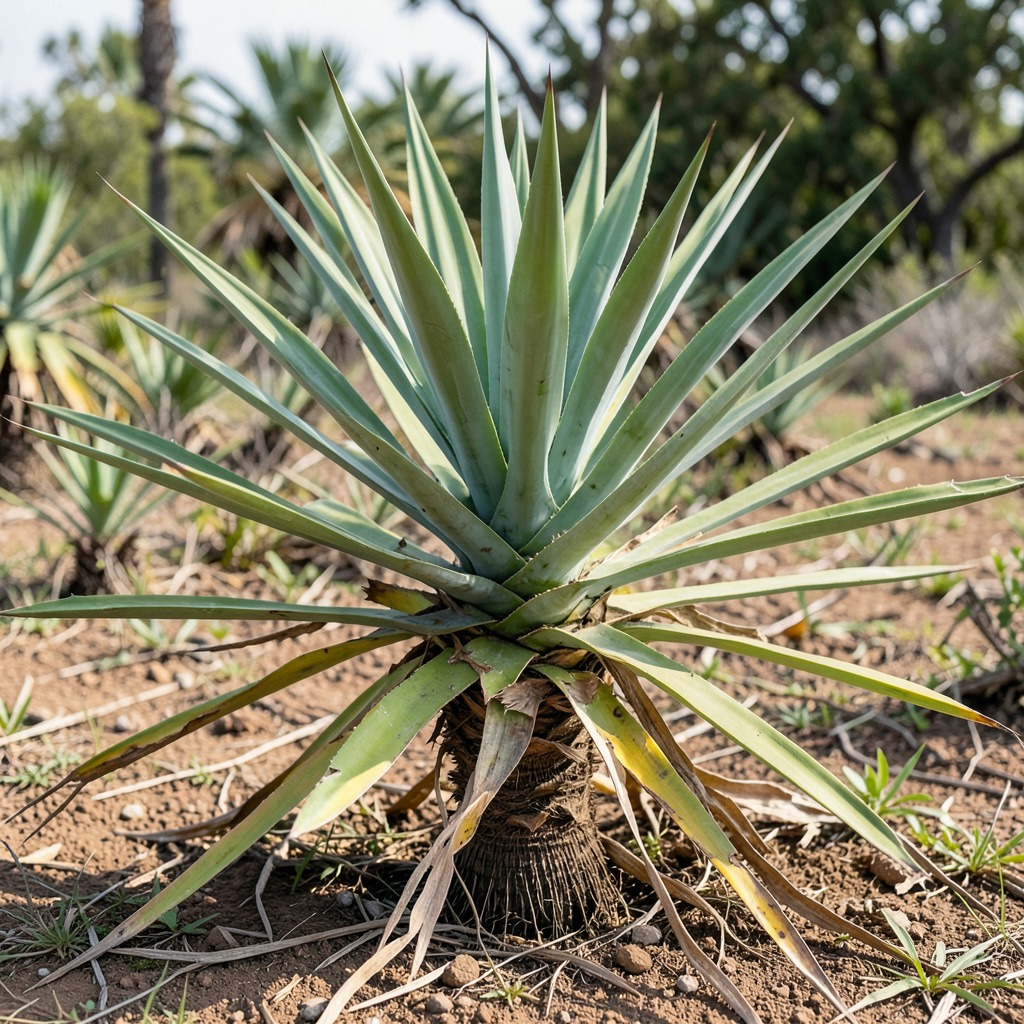
Preparing yucca correctly is crucial for safe consumption. Certain parts of the plant contain toxins that must be removed before eating. This section outlines how to identify these toxic parts and the preparation methods necessary for safe culinary use.
Identifying Toxic Parts of Yucca
Yucca plants contain saponins, which can be harmful if ingested. Here are key details to help identify the toxic components:
- Roots: The primary source of toxicity. Always peel and cook the roots.
- Sap: Some species have a milky sap that can be mildly toxic.
- Flowers: Edible when cooked; avoid raw consumption if unsure of the species.
Step-by-Step Preparation Process
Follow these steps to prepare yucca roots safely:
1. Selection: Choose edible varieties such as Yucca filamentosa, Yucca glauca, or Yucca baccata. Avoid non-edible types like Yucca aloifolia and Yucca elephantipes.
2. Peeling: Use a sharp knife to remove the thick, fibrous skin. This step is crucial as toxins reside just beneath the skin[8].
3. Slicing: Cut the peeled yucca into uniform chunks. This ensures even cooking and helps to remove any remaining toxins.
4. Boiling: Place the sliced yucca in a pot of boiling water. Cook for about 20-30 minutes until tender. This process effectively removes saponins, making the yucca safe to eat[7].
5. Rinsing: After boiling, drain and rinse the yucca to eliminate any residual toxins.
Cooking Methods to Enhance Flavor
Once prepared, yucca can be enjoyed in various ways. Here are some popular cooking methods:
- Mashed: Similar to potatoes. Mash boiled yucca with butter and seasonings.
- Fried: Cut into fries and fry until golden brown for a delightful snack.
- Soups and Stews: Add boiled chunks to soups for added texture and nutrition.
By following these preparation techniques, you can safely enjoy the culinary benefits of yucca. For convenience, consider using products like Yucca Root Powder – Organic, 1 lb for recipes.
Nutritional Value of Yucca
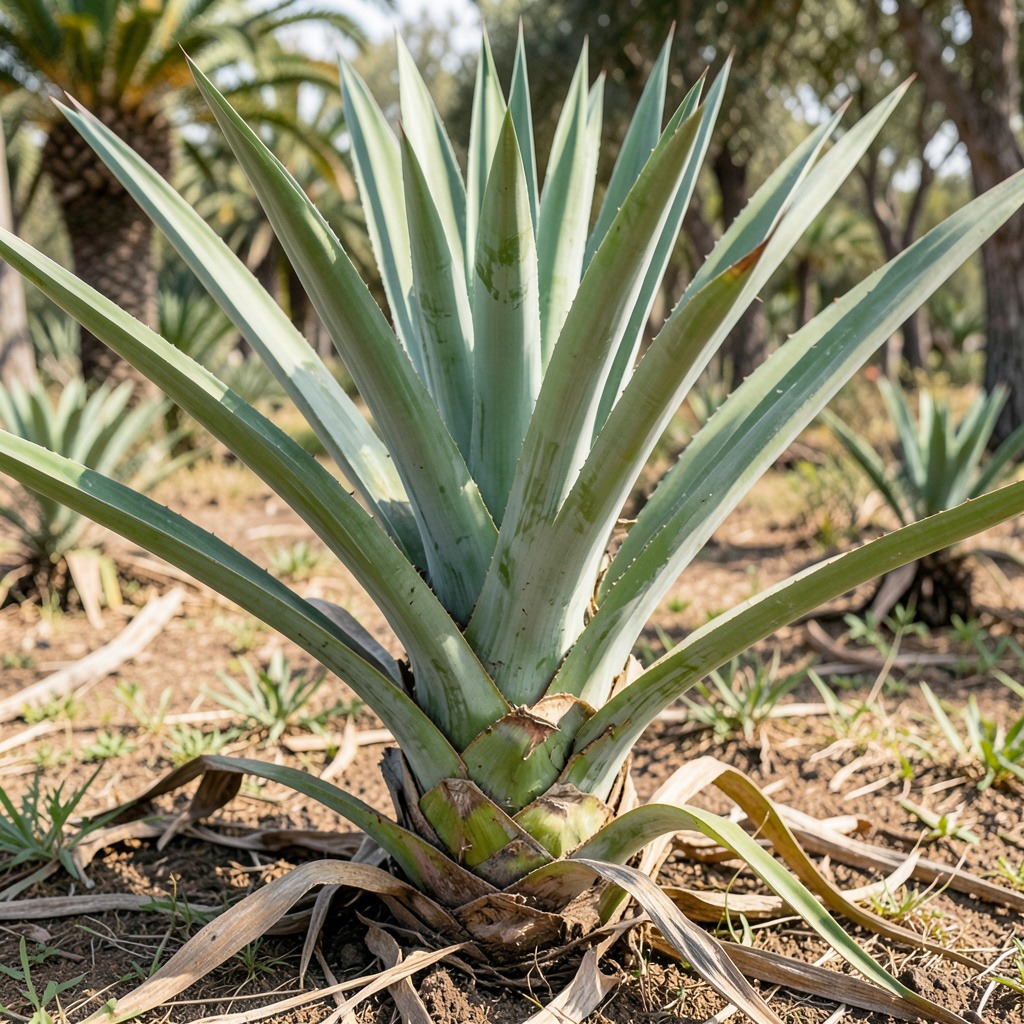
Yucca is not only a versatile culinary ingredient but also a nutritional powerhouse. Its edible parts offer a range of vitamins, minerals, and dietary benefits that can enhance a balanced diet.
Comparative Analysis with Other Vegetables
Yucca’s nutritional profile varies when compared to other common vegetables. Here’s a comparative table highlighting key components:
| Nutrient | Yucca (per 100g) | Potatoes (per 100g) | Sweet Potatoes (per 100g) |
|---|---|---|---|
| Calories | 338 | 77 | 86 |
| Dietary Fiber | 7g | 2.2g | 3g |
| Vitamin C | 24mg | 19.7mg | 2.4mg |
| Potassium | 429mg | 425mg | 337mg |
Yucca stands out due to its higher caloric content and dietary fiber, making it a filling option compared to potatoes and sweet potatoes.
Potential Health Benefits of Including Yucca in Your Diet
Including yucca in your diet can offer several health benefits:
- High in Vitamin C: Supports immune function and skin health. Yucca provides 24mg of Vitamin C per 100g, which is beneficial for overall health [9].
- Rich in Dietary Fiber: With 7g of fiber, yucca aids digestion and promotes satiety, which can help with weight management [10].
- Energy Source: The high caloric content makes yucca a great energy source, especially in diets requiring higher caloric intake.
Common Misconceptions About Yucca Nutrition
Many people confuse yucca with cassava, leading to misunderstandings about its nutritional value. While both are starchy roots, yucca typically has a higher fiber content and different preparation methods. Additionally, some believe all parts of yucca are edible. However, it’s crucial to prepare it correctly to remove toxins.
When considering the nutritional aspects, remember that cooking methods can impact the health benefits. Boiling or steaming reduces certain toxins while preserving nutrients, making yucca a safe and nutritious choice when prepared properly.
Cultural Significance of Yucca
The yucca plant holds deep historical and cultural significance, particularly among Indigenous peoples. Its various parts have been utilized not only for sustenance but also for medicinal and practical purposes across different regions.
Traditional Uses in Native American Cultures
Indigenous peoples have long recognized the value of yucca. They used its roots, flowers, and leaves for a variety of applications:
- Food Source: Roots are a staple, providing essential carbohydrates. The flowers can be consumed raw or cooked.
- Medicinal Uses: Yucca has been employed to treat ailments, with extracts used in herbal remedies.
- Crafting Material: The fibrous leaves are woven into baskets and mats.
This multifunctionality made yucca integral to daily life. For instance, the roots of yucca filamentosa are known for their medicinal properties and were used to alleviate digestive issues [1].
Culinary Applications in Southwestern Cuisine
In Southwestern cuisine, yucca is celebrated for its versatility:
- Root Preparation: Often boiled or fried, yucca roots serve as a substitute for potatoes. They can be mashed or included in stews.
- Flower Dishes: Yucca flowers are frequently used in salads or sautéed dishes for their delicate flavor.
- Cultural Recipes: Dishes like yucca fries have gained popularity, showcasing how traditional ingredients can adapt to modern palates.
These culinary applications reflect the adaptability of yucca in diverse recipes, emphasizing its role in both traditional and contemporary cooking [7].
Global Perspectives on Yucca Consumption
While primarily noted in Indigenous cultures and Southwestern cuisine, yucca is also appreciated worldwide. In Latin America and the Caribbean, it is often confused with cassava but stands out for its unique flavor and texture.
- Nutritional Benefits: Rich in fiber and vitamins, yucca provides a nutritious option in various global diets.
- Comparative Uses: Unlike yuca (cassava), yucca roots require careful preparation to eliminate saponins, which can be toxic if consumed raw. This distinction is crucial for safe consumption.
Understanding these differences enhances appreciation for yucca, highlighting its cultural significance and culinary potential in global contexts [1].
Growing Yucca for Edible Use
Cultivating yucca plants for food can be rewarding. Understanding the optimal growing conditions and care tips enhances your chances of a successful harvest.
Optimal Growing Conditions for Yucca
Yucca thrives in well-drained soil and prefers full sun. Here are the essential conditions to consider:
- Soil Type: Sandy or loamy soil with good drainage.
- pH Level: Slightly acidic to neutral (pH 6.0 to 7.0).
- Watering: Moderate watering; allow soil to dry between waterings to prevent rot.
- Temperature: Best grown in temperatures between 60°F and 80°F (15°C to 27°C).
Seasonal Care Tips for Edible Varieties
Care requirements change with the seasons. Follow these seasonal tips to ensure healthy growth:
- Spring: Fertilize with a balanced fertilizer to promote growth. Monitor for pests.
- Summer: Water regularly but avoid overwatering. Mulch to retain soil moisture.
- Fall: Prepare for dormancy by reducing watering. Harvest roots and flowers when mature.
- Winter: Protect from frost. If in pots, consider bringing indoors in colder climates.
Harvesting Techniques for Maximum Yield
Proper harvesting techniques ensure you maximize the edible parts of the yucca plant. Follow these steps:
1. Roots: Harvest when the plant is at least 2-3 years old. Use a spade to gently lift the root.
2. Flowers: Pick blooms in the morning for optimal freshness. Use immediately or store in a cool place.
3. Stalks: Cut stalks when they are young and tender, typically in late spring or early summer.
By adhering to these guidelines, you can cultivate yucca plants successfully, ensuring a safe and nutritious food source.
Common Mistakes When Consuming Yucca
Despite its nutritional benefits, consuming yucca comes with potential pitfalls. Misidentification of species and improper preparation can lead to adverse effects. Understanding these common mistakes can enhance your safety and enjoyment of this versatile plant.
Misidentification of Edible vs. Non-Edible Yucca
Not all yucca species are safe to eat. Some common edible varieties include:
- Yucca filamentosa (Spanish bayonet)
- Yucca glauca
- Yucca baccata (banan yucca)
Conversely, species like Yucca aloifolia and Yucca elephantipes are toxic and should never be consumed. Always verify species before harvesting. A visual identification guide can be invaluable for distinguishing between edible and non-edible types.
Failures in Proper Preparation
Improper preparation of yucca can lead to toxicity. The root contains saponins, which are harmful if not removed. Follow these steps to safely prepare yucca:
1. Peel the Root: Remove the skin thoroughly.
2. Slice and Boil: Cut into pieces and boil for at least 15-20 minutes to eliminate toxins.
3. Discard the Water: Always discard the water used for boiling.
Additionally, while yucca flowers can be eaten raw, cooking them enhances safety and flavor. Boiling or frying is recommended to avoid any potential irritation from raw consumption.
Recognizing Symptoms of Toxicity
Awareness of symptoms related to yucca toxicity is crucial. Common signs include:
- Nausea
- Vomiting
- Diarrhea
- Stomach cramps
If these symptoms occur, seek medical attention immediately. To minimize risk, always ensure proper identification and preparation of yucca before consumption.
Comparing Yucca to Yuca: What You Need to Know
Yucca and yuca are often confused due to their similar names, but they are distinct plants with different characteristics and uses. Understanding these differences is crucial for safe consumption and culinary applications.
Botanical Differences Between Yucca and Yuca
- Yucca: Belongs to the Asparagaceae family. Common species include Yucca filamentosa and Yucca glauca. The plant is primarily known for its ornamental value, though some species have edible parts.
- Yuca (Cassava): A member of the Euphorbiaceae family (Manihot esculenta). Yuca is cultivated for its starchy tuberous roots, which are a dietary staple in many tropical regions.
Culinary Uses and Preparations
| Aspect | Yucca | Yuca |
|---|---|---|
| Edible Parts | Roots, flowers, and fruits | Mainly roots |
| Preparation Method | Must be boiled to remove toxins | Can be boiled or roasted |
| Culinary Uses | Used in soups, stir-fries, or as a side | Essential in dishes like cassava fries and yuca cakes |
Yucca roots contain saponins that are toxic if not properly prepared. Always peel, slice, and boil them to ensure safety. In contrast, yuca roots are directly edible after cooking and are widely used in various cuisines.
Nutritional Value Comparison
Nutritional profiles differ significantly between yucca and yuca. Here’s a brief comparison:
| Nutrient | Yucca (per 100g) | Yuca (per 100g) |
|---|---|---|
| Calories | ~142 | ~160 |
| Carbohydrates | ~36g | ~38g |
| Fiber | ~4g | ~1.8g |
| Protein | ~2g | ~2g |
| Fat | ~0.4g | ~0.3g |
While both are nutritious, yuca is higher in calories and carbohydrates, making it a more energy-dense food option. Yucca, on the other hand, offers more dietary fiber.
Understanding these key differences can help you make informed choices about incorporating these plants into your diet, ensuring safe and enjoyable consumption.
Frequently Asked Questions
These quick answers cover the most common questions about this topic, including key details, practical tips, and common concerns.
Are yuccas toxic to humans?
Yes, some species of yucca can be toxic due to the presence of saponins, particularly in the roots. It’s essential to identify edible varieties such as Yucca filamentosa, Yucca glauca, and Yucca baccata, which are safe to eat when properly prepared. Always peel and cook the roots thoroughly to remove toxins before consumption.
What did Native Americans use yucca for?
Native Americans utilized yucca for various purposes, including food, medicine, and crafting. The roots served as a staple food source, while the flowers were consumed raw or cooked. Additionally, the fibrous leaves were used to make baskets, mats, and other items, showcasing the plant’s versatility in daily life [3][4].
Is yucca good for your kidneys?
Yucca is beneficial for overall health due to its high fiber content and vitamin C. While it does not specifically target kidney health, a diet rich in fiber and nutrients can support kidney function. However, individuals with kidney issues should consult a healthcare provider before making significant dietary changes.
Is a yucca healthier than a potato?
Yucca offers a different nutritional profile compared to potatoes. It is higher in calories and dietary fiber, making it a more filling option. In contrast, potatoes have fewer calories and carbohydrates. Both can be part of a healthy diet, but yucca may provide more fiber, which aids digestion [9][10].
Can you eat yucca?
Yes, you can eat yucca, but it must be prepared correctly to ensure safety. The roots are the most commonly consumed part and should be peeled, sliced, and boiled for at least 20-30 minutes to remove toxins. The flowers and fruits are also edible but require different cooking methods for optimal flavor and safety.
Are yucca blooms edible in the Southwest?
Yes, yucca blooms are edible and can be used in various dishes. They have a mild, sweet flavor and can be eaten raw in salads or lightly cooked. In Southwestern cuisine, yucca flowers add a unique touch to meals and are often incorporated into soups and stews.
Are all parts of the yucca plant edible?
Not all parts of the yucca plant are edible. While the roots, flowers, and fruits of certain species are safe to eat, other parts, like the sap and some non-edible species, can be toxic. Always ensure you are consuming the correct species and prepare them properly to avoid potential health risks.
How do you prepare yucca to remove toxins?
To prepare yucca safely, follow these steps:
1. Peel the Roots: Use a sharp knife to remove the thick skin.
2. Slice and Boil: Cut the peeled roots into uniform pieces and boil them for at least 20-30 minutes until tender.
3. Rinse: After boiling, drain and rinse the yucca to eliminate any remaining toxins. Proper preparation is crucial for safe consumption.
References
1. Home | U.S. Department of Education
2. Yucca
3. Mary Weahkee makes Mogollon sandals from yucca
4. Yucca – Zion National Park (U.S. National Park Service)
5. Fruits of yucca baccata, in Mesa Verde National Park, Colorado
6. Yucca House National Monument
7. Oven-Fried Yuca | Nutrition.gov
8. Yucca cake – I can’t believe it’s gluten-free!
9. Vitamin C – Health Professional Fact Sheet
10. Health Benefits of Yuca – WebMD
11. IDEAL Definition & Meaning – Merriam-Webster
12. 7 Easy Tips for Growing Yucca Plants – Yucca Plant Care
14. Yucca gigantea – Extension Gardener Plant Toolbox
15. Yuca: What Is It and How To Cook It
16. What’s the difference between a #Yucca and #Yuca? A … – Facebook
17. Cheese Stuffed Fried Yuca Balls & Cilantro Dressing