
Evergreen forest trees are a stunning addition to any landscape, providing year-round greenery and beauty. This guide explores 46 types of majestic evergreen trees, including their identification, characteristics, and ecological importance.
Table of Contents
Understanding Evergreen Trees
Evergreen trees are a vital part of our forests and landscapes. They stay green all year long, providing beauty and habitat. Let’s dive into the types of evergreen trees and what makes them special.
What Are Evergreen Trees?
Evergreen trees retain their leaves throughout the year. Unlike deciduous trees, which shed their leaves in fall, evergreens keep their foliage. This feature helps them thrive in various climates, providing shade and shelter.
Types of Evergreen Trees
Evergreen trees can be broadly categorized into two groups: conifers and broadleaf evergreens.
- Conifers: These are the classic evergreen trees. They include:
- Pines: Known for their needle-like leaves and cones, pines are versatile and hardy.
- Spruces: Spruce trees have sharp needles and hanging cones. They add a stunning visual element to any landscape.
- Firs: With soft, flat needles, fir trees are often used as Christmas trees.
- Cedar: These trees are known for their fragrant wood and attractive foliage.
- Broadleaf Evergreens: While less common, these trees have broad leaves that remain throughout the year. Examples include:
- Eucalyptus: Known for their aromatic leaves and fast growth, they add a unique touch to gardens.
- Holly: This tree is famous for its glossy leaves and bright red berries, especially during the holidays.
Identification Tips for Evergreen Trees
Identifying evergreen trees is easier than you might think. Here are some handy tips:
- Leaf Shape: Look for needle-like leaves in conifers or broad leaves in broadleaf evergreens.
- Bark Texture: Check if the bark is smooth or rough. For example, pine bark is often flaky, while cedar bark is smooth.
- Cone Characteristics: Spruce cones hang down, while fir cones stand upright. This is a key distinguishing feature.
Care Requirements and Growing Conditions
Evergreen trees generally prefer well-drained soil. Here are some care tips:
- Sunlight: Most evergreens thrive in full sun.
- Watering: They need regular watering, especially when young.
- Pruning: Some trees may require pruning to maintain shape and health.
Landscaping Uses of Evergreen Trees
Evergreens are popular in landscaping for several reasons:
- Year-Round Beauty: They provide a lush backdrop in any season.
- Privacy Screens: Tall evergreens can act as natural fences.
- Habitat: They offer shelter for wildlife, contributing to biodiversity.
Ecological Benefits of Evergreen Trees
Evergreen trees play a crucial role in the ecosystem. They:
- Absorb CO2: Help combat climate change by absorbing carbon dioxide.
- Prevent Erosion: Their roots stabilize soil, preventing erosion on slopes.
- Support Wildlife: Provide habitat for birds, insects, and mammals.
Evergreen trees are not just beautiful; they are essential for our environment. Understanding their types and characteristics can help you appreciate and choose the right ones for your landscape!
The Importance of Evergreen Forest Trees
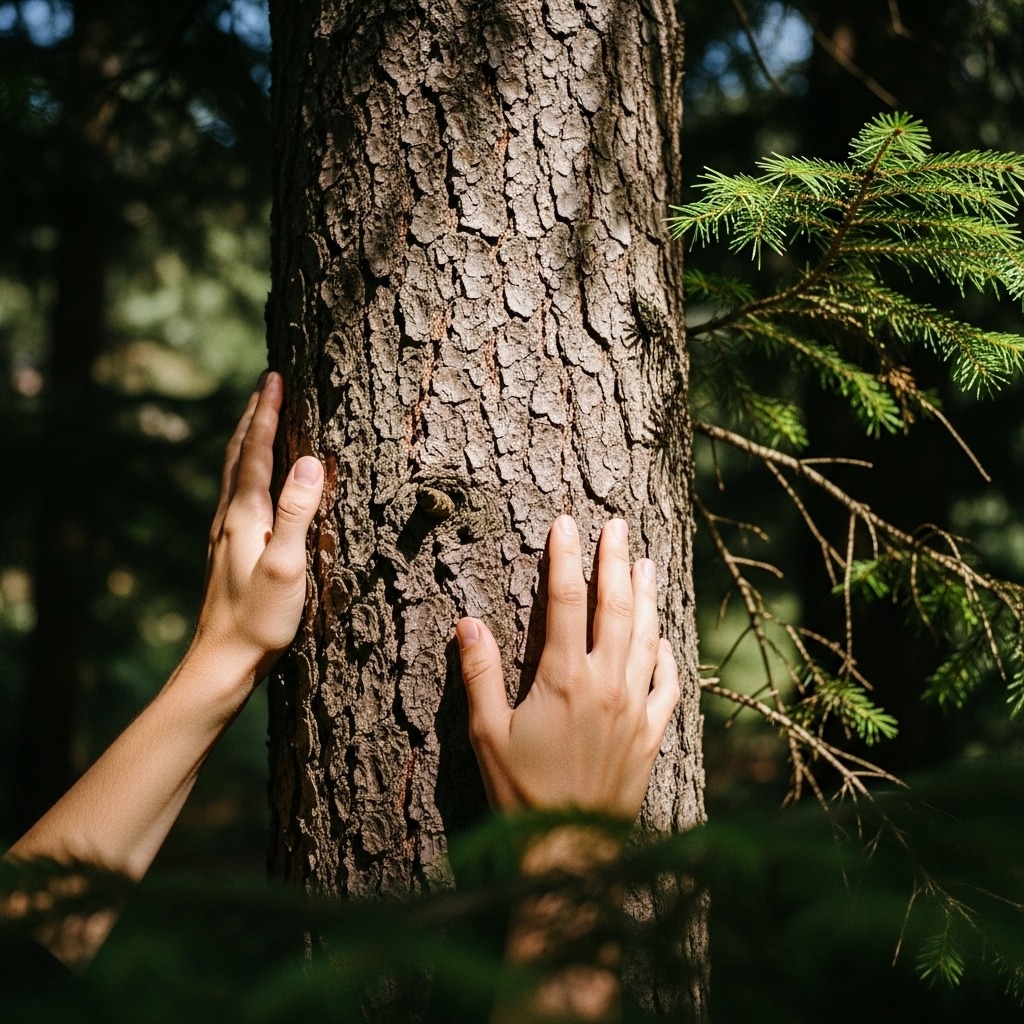
Evergreen trees are vital to our ecosystems. They provide numerous ecological benefits that support life and enhance our environment.
How Do Evergreens Support Biodiversity?
Evergreen trees create rich habitats. Their dense foliage offers shelter and food for various wildlife. Here are some key ways they contribute to biodiversity:
- Habitat Creation: Evergreens provide nesting sites for birds and homes for small mammals. Their branches offer protection from predators.
- Food Sources: Many animals rely on the seeds and foliage of evergreen trees. For instance, squirrels feast on pine cones.
- Microhabitats: The varied structure of evergreen forests creates microhabitats for insects and fungi. This diversity supports a balanced ecosystem.
Case Study: The Role of Pine Trees
Pine trees are a perfect example of how evergreens support biodiversity. In North America, pine forests are home to countless species. From the majestic bald eagle nesting high in the branches to the tiny insects thriving in the pine needles, these trees are essential.
Pine needles also enrich the forest floor. As they fall, they decompose, creating nutrient-rich soil. This soil supports a variety of plant species, enhancing forest health.
The Impact on Climate and Soil
Evergreen trees play a significant role in combating climate change. They absorb carbon dioxide, helping to reduce greenhouse gases in the atmosphere. Additionally, their extensive root systems stabilize soil and prevent erosion. This is especially important in hilly or mountainous regions.
When selecting evergreen trees for landscaping, consider their ecological impact. Choose species that support local wildlife and improve soil health. This not only enhances your garden but also contributes positively to the environment.
Identifying Different Types of Evergreen Trees
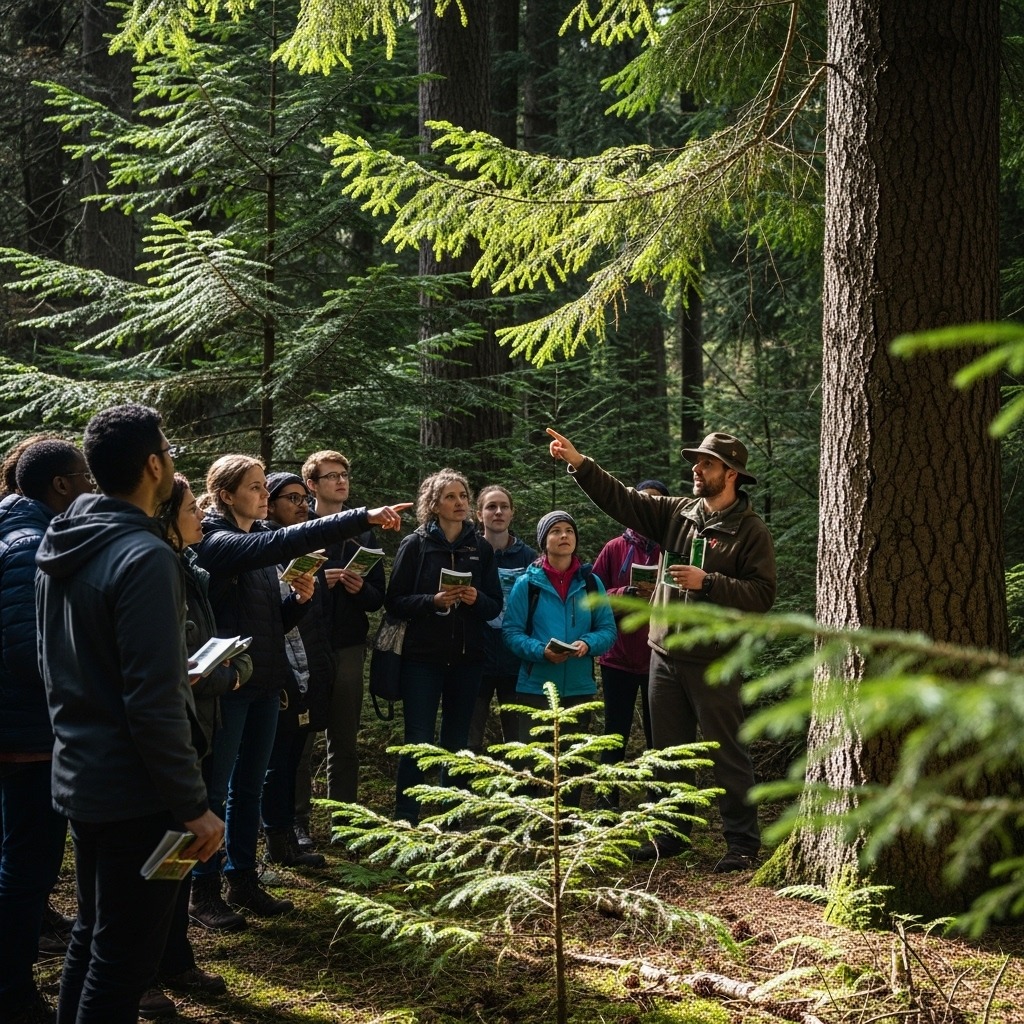
Identifying evergreen trees can be a fun adventure. With their lush green foliage year-round, these trees offer a variety of shapes, sizes, and characteristics. Let’s dive into the key features that help you recognize different types of majestic evergreen trees.
Key Identification Features
When identifying evergreen trees, focus on a few key characteristics:
1. Needle Type: Look at the needles. Are they flat or round? Short or long? This is a big clue.
- Firs (Abies spp.): Soft, flat needles that grow directly from the branch.
- Spruces (Picea spp.): Sharp, stiff needles that are attached to small extensions.
- Pines (Pinus spp.): Needles grow in bundles and can be long or short.
2. Cone Shape: Check the cones.
- Firs: Upright cones with rigid scales.
- Spruces: Hanging cones with papery scales.
- Pines: Long cones that can be pointed or rounded.
3. Bark Texture: Observe the bark.
- Balsam Fir: Smooth and resinous.
- Ponderosa Pine: Thick and scaly.
- Eastern Hemlock: Fine, flaky bark.
4. Growth Habit: Notice how the tree grows.
- Upright: Like the stately White Pine.
- Spreading: Such as the Chinese Juniper, which can be used for ground cover.
Visual Identification Tips
Using visuals can make identification easier. Here are some tips to enhance your recognition skills:
- Images: Seek out images of each tree type. Compare the needle shapes and cone sizes.
- Field Guides: Carry a field guide when exploring. These often include pictures and descriptions.
- Apps: Consider using identification apps designed for plant enthusiasts. They can be super helpful!
Quick Comparison Chart
| Tree Type | Needle Type | Cone Position | Bark Texture |
|---|---|---|---|
| Fir | Flat, soft | Upright | Smooth |
| Spruce | Sharp, stiff | Hanging | Thin and scaly |
| Pine | Bundled | Varies | Thick and scaly |
| Hemlock | Flat, droopy | Hanging | Fine and flaky |
By focusing on these features, you’ll become adept at identifying various evergreen trees in no time. Whether you’re landscaping or simply enjoying nature, knowing these traits can enhance your experience. Happy tree spotting!
46 Types of Majestic Evergreen Forest Trees

Evergreen trees are a stunning part of our forests. They stay green all year round and provide beauty and shelter. Let’s explore 46 majestic types of evergreen trees. We’ll look at their unique features and where you might find them.
Pines
Pine trees are some of the most recognizable evergreens. They come in a variety of shapes and sizes. Here are a few notable types:
- Eastern White Pine: Tall and straight, with long, soft needles. Great for timber.
- Scots Pine: Known for its orange-brown bark and resilience in poor soils.
- Lodgepole Pine: Grows in dense stands and thrives in mountainous regions.
- Ponderosa Pine: Famous for its fragrant bark and large size. It loves the western U.S.
Firs
Firs are another group of majestic evergreens. They have a classic, symmetrical shape. Here are key examples:
- Balsam Fir: Known for its aromatic scent and soft needles. It’s popular for holiday decorations.
- Fraser Fir: A favorite Christmas tree with excellent needle retention.
- Noble Fir: Sturdy with thick branches. Often used in landscaping.
- Grand Fir: Has a lush appearance and is often found in the Pacific Northwest.
Spruces
Spruce trees are versatile and beautiful. They often have a pyramidal shape and sharp needles. Check out these varieties:
- Norway Spruce: Fast-growing and great for privacy screens.
- Blue Spruce: Famous for its stunning blue-gray needles. It’s a popular ornamental tree.
- Sitka Spruce: Thrives near coastal areas. It’s known for its tall stature and valuable wood.
- Colorado Spruce: Adaptable and drought-resistant. Ideal for various landscapes.
Other Notable Evergreens
Beyond pines, firs, and spruces, there are many more evergreen trees worth mentioning:
- Cedar: Known for its aromatic wood and durability. Great for fences and outdoor furniture.
- Hemlock: Has droopy branches and fine foliage. Found mainly in the northeastern U.S.
- Juniper: A smaller evergreen with diverse shapes. Good for ground cover and low hedges.
- Eucalyptus: Fast-growing and often used for shade. Its fragrant leaves are a bonus.
Identification Tips
When identifying these trees, look for clues:
- Needles: Are they sharp or soft? Bundled or single?
- Cones: Observe their position. Downward or upright?
- Bark Texture: Is it smooth or scaly? Color can also provide clues.
Growth Habits and Care
Most evergreen trees prefer well-drained soil and full sun. Here are a few care tips:
- Water young trees regularly until established.
- Prune to maintain shape and remove dead branches.
- Watch for pests like bark beetles or aphids.
Landscaping Uses
Evergreens are fantastic for landscaping. They provide year-round color and privacy. Here’s how you might use them:
- Screens: Tall pines or spruces can block noise and wind.
- Accent Trees: A blue spruce can stand out in a garden.
- Ground Cover: Low-growing junipers work well in rock gardens.
Evergreen trees are a vital part of our ecosystems too. They provide habitats for wildlife and help with soil stability. Whether you’re planning a garden or just enjoying nature, these trees are truly majestic!
How to Care for Evergreen Trees
Caring for evergreen trees is essential for their health and beauty. Each type has specific needs, but some general guidelines apply. Let’s break it down.
Watering and Soil Needs
Evergreen trees thrive with the right watering and soil conditions. Here’s what you need to know:
- Soil Type: Most evergreens prefer well-draining soil. Sandy or loamy soils work best.
- Watering:
- Newly planted evergreens need regular watering until established. Water deeply once a week.
- Established trees typically require watering during dry spells. Aim for about an inch of water per week.
Checklist for Watering:
- Check soil moisture before watering.
- Use mulch to retain soil moisture.
- Avoid overwatering; it can lead to root rot.
Pruning Techniques
Pruning helps maintain the shape and health of your evergreen trees. Here’s how to do it right:
- When to Prune: Late winter or early spring is ideal. Avoid pruning during active growth.
- How to Prune:
- Remove dead or diseased branches first.
- For shape, trim back to a lateral branch.
- Avoid cutting too much at once; it stresses the tree.
Pruning Tips:
- Use clean, sharp tools to prevent disease.
- Step back frequently to assess shape as you prune.
- Consider the tree’s natural form; don’t force it into an unnatural shape.
Special Considerations for Different Species
Different evergreen species have unique requirements. Here’s a quick guide:
| Tree Type | Water Needs | Pruning Frequency | Soil Preference |
|---|---|---|---|
| Pine | Moderate | Every 2-3 years | Sandy, well-drained |
| Fir | High (especially young) | Annually | Moist, well-drained |
| Spruce | Moderate | Every 2-3 years | Loamy, well-drained |
| Cedar | Low to moderate | Every 3-5 years | Well-drained, slightly acidic |
By understanding these requirements, you can enhance the health and longevity of your majestic evergreen trees. Happy gardening!
Common Problems with Evergreen Trees
Evergreen trees are beautiful additions to any landscape, but they can face challenges. Let’s dive into some common problems and how to deal with them.
Pests and Diseases
Evergreen trees can fall victim to pests and diseases. Here are a few to watch out for:
- Aphids: These tiny insects suck sap from tree leaves. You might notice yellowing or curling needles. To manage them, spray with insecticidal soap or introduce beneficial insects like ladybugs.
- Spider Mites: Look for webbing on branches. These pests thrive in dry conditions. Increase humidity around the tree or use a strong water spray to dislodge them.
- Fungal Infections: Issues like needle blight can cause needles to turn brown and drop. Good air circulation and proper spacing help prevent this. If it occurs, remove affected branches and apply a fungicide.
Environmental Stressors
Environmental factors can stress your evergreens. Here’s what to keep in mind:
- Drought: Lack of water is a common issue. Ensure regular watering, especially during dry spells. A deep soak is better than frequent shallow watering.
- Soil Quality: Poor soil can stunt growth. Test your soil and amend it as needed. Adding organic matter can enhance drainage and nutrient levels.
- Extreme Temperatures: Winter can be tough. Protect young trees with mulch and burlap wraps to shield them from harsh winds and frost.
Quick Troubleshooting Checklist
To keep your majestic evergreens thriving, here’s a quick checklist:
| Problem | Signs to Look For | Solution |
|---|---|---|
| Aphids | Yellowing, curling needles | Spray with insecticidal soap |
| Spider Mites | Webbing on branches | Increase humidity, spray with water |
| Fungal Infections | Brown, dropping needles | Remove affected branches, apply fungicide |
| Drought | Wilting, brown needles | Regular deep watering |
| Poor Soil Quality | Stunted growth | Amend soil with organic matter |
| Extreme Temperatures | Browning tips, frost damage | Mulch and wrap young trees |
By keeping an eye out for these issues, you can ensure that your evergreen trees stay healthy and majestic for years to come.
Landscaping with Evergreen Trees
Evergreen trees are fantastic additions to any landscape. They provide year-round greenery and serve multiple practical purposes. Let’s dive into how you can use them in your outdoor spaces.
Privacy Screens and Windbreaks
Evergreens make excellent privacy screens. Their dense foliage blocks views and creates a sense of seclusion. Here are some popular choices:
- Leyland Cypress: Fast-growing and tall, perfect for quick coverage.
- Arborvitae: This tree has a narrow shape, making it great for tight spaces.
- Eastern Red Cedar: Offers a rustic look while providing good shelter from winds.
For windbreaks, consider planting a row of sturdy evergreens. They can reduce wind speed and protect your home. This is especially useful in areas with harsh winters.
Aesthetic Appeal
Evergreens add beauty and structure to your landscape. They come in various shapes, sizes, and colors. Here are some design ideas:
- Layering: Use different heights to create depth. Tall pines in the back, medium firs in the middle, and low junipers in front.
- Mixed Borders: Combine evergreens with flowering shrubs. This adds seasonal interest while maintaining a lush backdrop.
- Specimen Trees: Plant a standout tree like a Blue Spruce as a focal point.
When designing, think about the foliage texture and color. Soft, feathery needles contrast beautifully with sharp, spiky ones. This variety creates visual interest throughout the year.
Quick Tips for Successful Landscaping
- Consider Your Climate: Choose species that thrive in your region.
- Plan for Growth: Ensure you have enough space for the trees to grow.
- Use Mulch: It helps retain moisture and suppress weeds around your evergreens.
By incorporating these strategies, you can create a stunning landscape that highlights the majestic beauty of evergreen trees.
Alternatives to Evergreen Trees
While evergreens are stunning, there are situations where you might consider alternatives. Depending on your landscape needs, other tree types can provide year-round interest and beauty.
Deciduous Trees for Year-Round Interest
Deciduous trees shed their leaves in the fall, but they offer gorgeous seasonal changes. In the spring and summer, they provide lush greenery. In the fall, they burst with vibrant colors. Here are some popular options:
- Maple Trees: Known for their stunning fall foliage. They thrive in various climates and add a lovely shade.
- Birch Trees: With their striking white bark, birches stand out. They have delicate leaves that turn golden in the fall.
- Oak Trees: Strong and majestic, oaks provide great shade. Their autumn colors range from russet to deep red.
These trees can add depth and variety to your landscape, creating a dynamic visual experience throughout the year.
Comparison of Evergreen and Deciduous Trees
When choosing between evergreens and deciduous trees, consider their unique benefits:
| Feature | Evergreen Trees | Deciduous Trees |
|---|---|---|
| Leaf Retention | Always green, year-round | Lose leaves in the fall |
| Seasonal Color | Limited seasonal change | Vibrant fall colors |
| Shade | Provides consistent shade | Offers shade during warmer months |
| Wildlife Habitat | Year-round shelter | Seasonal habitat variations |
Deciduous trees can bring vibrant colors and seasonal interest, while evergreens provide consistent greenery and structure.
When to Choose Alternatives
Consider alternatives if you want variety or specific aesthetics. If you have a limited space, smaller deciduous trees can provide beauty without overwhelming your landscape. If your focus is on fall color, deciduous trees are the way to go.
Use this information to create a landscape that suits your style and needs!
Conclusion: The Majestic Evergreens
Evergreen trees are nature’s way of keeping the landscape alive and vibrant all year round. They provide beauty, structure, and essential benefits to the environment.
Why Are Evergreens Important?
Evergreens play a crucial role in our ecosystem. They offer:
- Year-Round Greenery: Unlike deciduous trees, evergreens maintain their leaves, providing color in every season.
- Wildlife Habitat: Many animals find shelter and food in evergreen forests, making them vital for biodiversity.
- Climate Adaptability: Many evergreens thrive in harsh conditions, from cold mountains to dry regions.
Aesthetic Value of Evergreens
Evergreen trees enhance the beauty of any landscape. Their variety allows for creative landscaping options. Some popular choices include:
1. Pine Trees: Tall and majestic, perfect for creating a backdrop.
2. Spruce Trees: Dense and bushy, great for privacy screens.
3. Cedar Trees: Known for their aromatic wood and attractive foliage.
Care and Considerations
When choosing evergreen trees, consider these factors:
- Site Conditions: Know your soil type and sunlight availability. Some evergreens prefer full sun, while others thrive in shade.
- Maintenance Needs: Some varieties require regular pruning, while others are low-maintenance.
- Pests and Diseases: Be aware of common issues like bark beetles or needle cast that can affect certain species.
By understanding these aspects, you can select the right evergreen trees to enhance your landscape while enjoying their many benefits.
Frequently Asked Questions
These quick answers cover the most common questions about this topic, including key details, practical tips, and common concerns.
What are the 14 evergreen trees?
The 14 evergreen trees include popular species like Eastern White Pine (Pinus strobus), Scots Pine (Pinus sylvestris), Douglas Fir (Pseudotsuga menziesii), Norway Spruce (Picea abies), Blue Spruce (Picea pungens), Balsam Fir (Abies balsamea), Fraser Fir (Abies fraseri), Eastern Hemlock (Tsuga canadensis), Western Red Cedar (Thuja plicata), Arborvitae (Thuja occidentalis), Juniper (Juniperus spp.), Leyland Cypress (Cupressocyparis leylandii), Ponderosa Pine (Pinus ponderosa), and Eastern Red Cedar (Juniperus virginiana). These species vary in appearance, growth habits, and ecological roles, making them versatile choices for landscaping and forestry.
What are the most majestic trees?
Majestic evergreen trees are often tall, symmetrical, and visually striking. Examples include the Douglas Fir, with its towering height and dense foliage; the Eastern White Pine, known for its graceful, long needles; and the Blue Spruce, admired for its striking blue-gray color. These trees are valued for their grandeur and are often used as focal points in landscapes or forests.
What are some unique evergreen trees?
Unique evergreen trees have distinctive features. For instance, the Monkey Puzzle Tree (Araucaria araucana) has spiky, scale-like leaves and unusual branching. The Leyland Cypress grows rapidly with a dense, conical shape, making it popular for privacy screens. The Eucalyptus (Eucalyptus spp.) has aromatic, silvery leaves and fast growth, adding a different aesthetic to gardens.
What are the four types of evergreen trees?
The four main types of evergreen trees are:
- Pines (Pinus spp.): Needles in bundles, cones often long.
- Firs (Abies spp.): Flat, soft needles; upright cones.
- Spruces (Picea spp.): Sharp, stiff needles; hanging cones.
- Cedar and Junipers (Cedrus spp., Juniperus spp.): Scale-like or needle-like leaves, often with aromatic wood.
How do I identify different types of evergreen trees?
Identify evergreen trees by examining needle shape, cone type, bark texture, and overall growth habit. For example, firs have flat, soft needles and upright cones, while spruces have sharp needles and hanging cones. Pines have bundled needles, and cedars or junipers often have scale-like foliage. Using visual aids like field guides or plant identification apps can also help.
What are the most common pests affecting evergreen trees?
Common pests include bark beetles, aphids, spider mites, and bagworms. Bark beetles bore into the wood, causing damage and sometimes tree death. Aphids and spider mites suck sap, leading to discoloration and needle drop. Proper maintenance, pest monitoring, and sometimes treatments are necessary to keep trees healthy.
Can evergreen trees be grown in pots?
Yes, many evergreen species, such as dwarf pines, junipers, and cypresses, can be grown in containers. Choose a pot with good drainage, use well-draining soil, and ensure the plant receives adequate sunlight. Regular watering and fertilizing help maintain healthy growth, making them suitable for patios or small gardens.
What are the best evergreen trees for small gardens?
Dwarf varieties like Dwarf Alberta Spruce (Picea glauca ‘Conica’), Japanese Garden Juniper (Juniperus chinensis), and Sky Pencil Holly (Ilex crenata ‘Sky Pencil’) are ideal for small spaces. They provide year-round greenery without overwhelming limited areas and can be used as focal points or borders.
What is the difference between conifers and broadleaf evergreens?
Conifers are cone-bearing trees with needle-like or scale-like leaves, such as pines, spruces, and firs. Broadleaf evergreens have wide, flat leaves, like holly or eucalyptus, and retain their foliage year-round. Conifers typically have a more traditional “Christmas tree” appearance, while broadleaf evergreens often have more varied leaf shapes and textures.