
Pine trees are a diverse group of evergreen conifers known for their needle-like leaves and unique cones. This guide covers 70 essential facts about pine trees, including identification methods, types, common diseases, and striking pictures to enhance your understanding.
Overview of Pine Trees
Pine trees are fascinating evergreens that belong to the Pinaceae family. They’re known for their needle-like leaves and unique cones. Let’s dive into what makes them special!
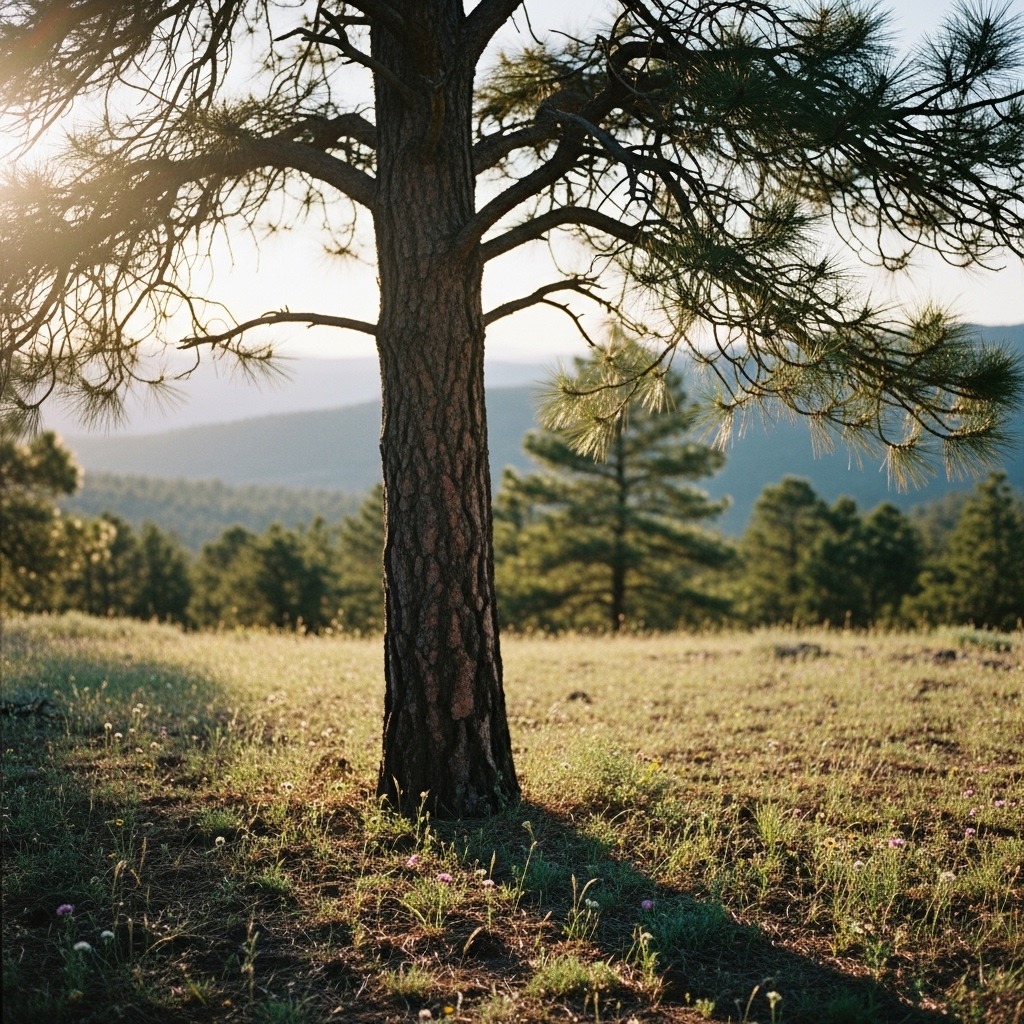
Classification of Pine Trees
Pine trees are classified into two main groups: soft pines and hard pines.
- Soft pines: These typically have five needles per bundle. Examples include:
- Eastern White Pine (Pinus strobus)
- Western White Pine (Pinus monticola)
- Hard pines: These usually have fewer needles per bundle. Common types include:
- Ponderosa Pine (Pinus ponderosa)
- Red Pine (Pinus resinosa)
Characteristics of Pine Trees
Pine trees have several distinct features:
- Needles: The needle arrangement can vary. You might find clusters of two to five.
- Cones: Pine cones can be round, oval, or elongated, depending on the species.
- Bark: The texture and color of the bark also differ. Some are smooth while others are rugged.
Ecological Significance of Pine Trees
Pine trees play a crucial role in their ecosystems. They provide habitat and food for many animals.
- Habitat: Birds, squirrels, and insects thrive in pine forests.
- Soil Health: Their needles enrich the soil as they decompose, promoting a healthy ecosystem.
- Carbon Sequestration: Pine trees absorb carbon dioxide, helping to mitigate climate change.
Understanding these aspects of pine trees enhances our appreciation of their role in nature. Plus, knowing how to identify different types helps us protect and conserve these beautiful trees!
Types of Pine Trees
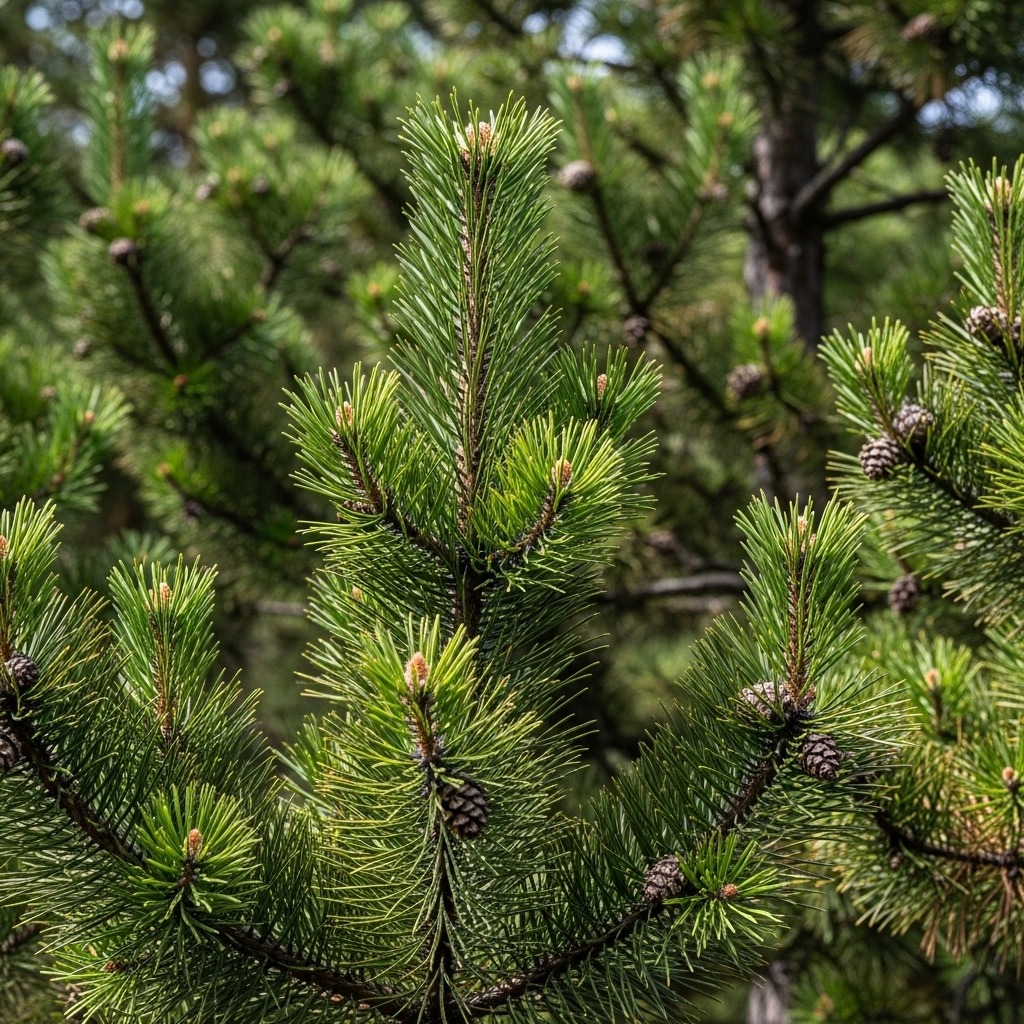
Pine trees come in many shapes and sizes, each with unique features. Understanding the different types of pine can help you identify them and appreciate their beauty. Let’s dive into some common and rare pine species, along with their characteristics.
Table of Contents
Common Types of Pine Trees
Here are some common pine trees you might encounter:
| Common Name | Scientific Name | Distinguishing Features |
|---|---|---|
| Eastern White Pine | Pinus strobus | Long, soft needles; large cones; tall, straight trunk. |
| Ponderosa Pine | Pinus ponderosa | Long needles in clusters of three; reddish-brown bark. |
| Red Pine | Pinus resinosa | Needles in pairs; straight, tall; reddish bark. |
| Lodgepole Pine | Pinus contorta | Short needles; grows straight; cone shapes vary. |
| Southern Yellow Pine | Pinus palustris | Long, slender needles; tall and straight; light brown bark. |
| Scots Pine | Pinus sylvestris | Twisted needles; orange-brown bark; conical shape. |
| Sugar Pine | Pinus lambertiana | Long, flexible needles; large cones; tall stature. |
| Shortleaf Pine | Pinus echinata | Short needles; irregular crown; dark brown bark. |
| Longleaf Pine | Pinus palustris | Long needles; prominent cones; fire-resistant. |
| Pitch Pine | Pinus rigida | Short, stiff needles; irregular shape; thick bark. |
Rare Species of Pine Trees
Not all pine trees are common. Here are some rare varieties:
| Common Name | Scientific Name | Distinguishing Features |
|---|---|---|
| Bristlecone Pine | Pinus longaeva | Extremely old; twisted, gnarled shape; found in high altitudes. |
| Western White Pine | Pinus monticola | Soft, flexible needles; large, cylindrical cones. |
| Jeffrey Pine | Pinus jeffreyi | Thick, dark bark; long, slender needles; strong scent. |
| Norfolk Island Pine | Araucaria heterophylla | Symmetrical branches; broad crown; not a true pine. |
| Corsican Pine | Pinus nigra | Dark green needles; drought-resistant; robust growth. |
| Aleppo Pine | Pinus halepensis | Short, stiff needles; cone shape varies; Mediterranean origin. |
| Red Pine (Japanese) | Pinus densiflora | Long, slender needles; tall; bluish-green hue. |
| Sugar Pine (Western) | Pinus lambertiana | Long, flexible needles; large cones; needs moist soil. |
| Whitebark Pine | Pinus albicaulis | Short, stout needles; high altitudes; important for wildlife. |
| Black Pine | Pinus thunbergii | Dark green, long needles; grows in coastal areas. |
Pine Trees Used in Landscaping
Pine trees can beautify your yard or garden. Here are some that are popular for landscaping:
| Common Name | Scientific Name | Ideal Use in Landscaping |
|---|---|---|
| Japanese Black Pine | Pinus thunbergii | Great for coastal areas; adds a dramatic touch. |
| Eastern White Pine | Pinus strobus | Ideal for large gardens; provides shade and beauty. |
| Ponderosa Pine | Pinus ponderosa | Suitable for large open spaces; adds height. |
| Scots Pine | Pinus sylvestris | Works well in parks and open areas; lovely color. |
| Austrian Pine | Pinus nigra | Drought-resistant; good for windy areas. |
| Mugo Pine | Pinus mugo | Low-growing; perfect for rock gardens or borders. |
| Dwarf Eastern White Pine | Pinus strobus ‘Minima’ | Compact size; great for small gardens. |
| Loblolly Pine | Pinus taeda | Fast-growing; useful for quick shade. |
By knowing these types, you can better identify and choose the right pine for your needs. Whether you’re planting for aesthetics or ecological benefits, there’s a pine tree for every purpose!
Identification Methods for Pine Trees
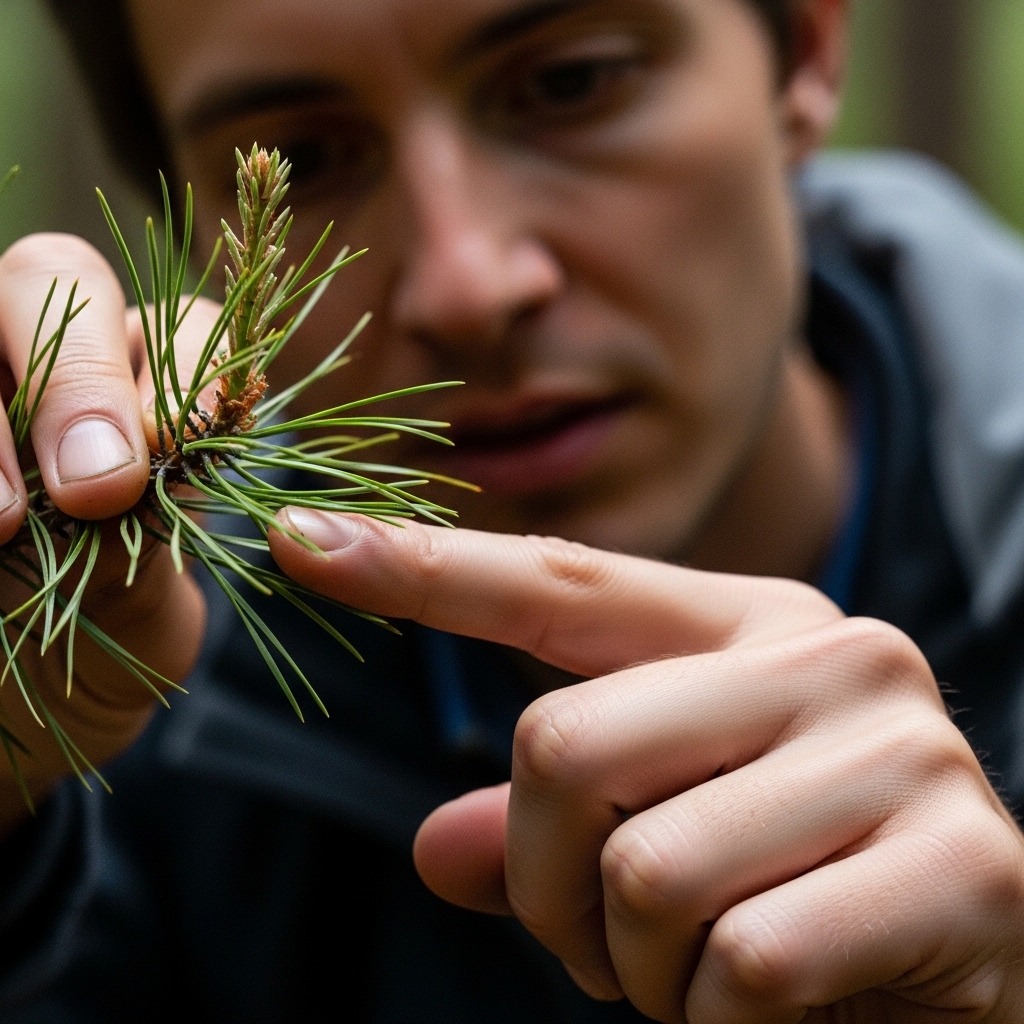
Identifying pine trees can be a fun and rewarding experience! With a little knowledge about their unique features, you can easily recognize different types of pines. Let’s dive into some visual cues that can help you with identification.
How to Identify by Needles
Pine trees are often recognized by their needle-like leaves. The number of needles in each bundle (or fascicle) is a key characteristic. Here’s a quick guide:
- Two Needles: Red Pine (Pinus resinosa) typically has two long, stiff needles.
- Three Needles: Look for Eastern White Pine (Pinus strobus) with its soft, flexible three-needle clusters.
- Five Needles: Western White Pine (Pinus monticola) features five slender needles in each fascicle.
Example: If you spot a pine with five needles, it might just be an Eastern White Pine!
How to Identify by Cones
The cones of pine trees can vary quite a bit. Observing their size and shape can provide important clues:
- Small Cones: The Sugar Pine (Pinus lambertiana) has long, slender cones that can reach over a foot in length.
- Large Cones: Coulter Pine (Pinus coulteri) produces massive cones, often weighing several pounds.
- Shape: Some cones are oval, while others are more elongated.
Tip: Check if the cones hang down or stand upright. This can help narrow down the species.
How to Identify by Bark
Bark characteristics are another great way to identify pine trees. Here are some features to note:
- Color: Bark colors can range from gray to reddish-brown.
- Texture: Some pines, like the Lodgepole Pine (Pinus contorta), have smooth bark, while others, like the Ponderosa Pine (Pinus ponderosa), have deeply grooved bark.
- Exfoliation: Lacebark Pine (Pinus bungeana) is known for its peeling bark, revealing a mottled appearance.
Checklist for Identification:
- Count the number of needles in each fascicle.
- Measure the size and shape of the cones.
- Observe the bark color and texture.
These visual cues can help you become a pine tree identification pro in no time!
Common Diseases Affecting Pine Trees
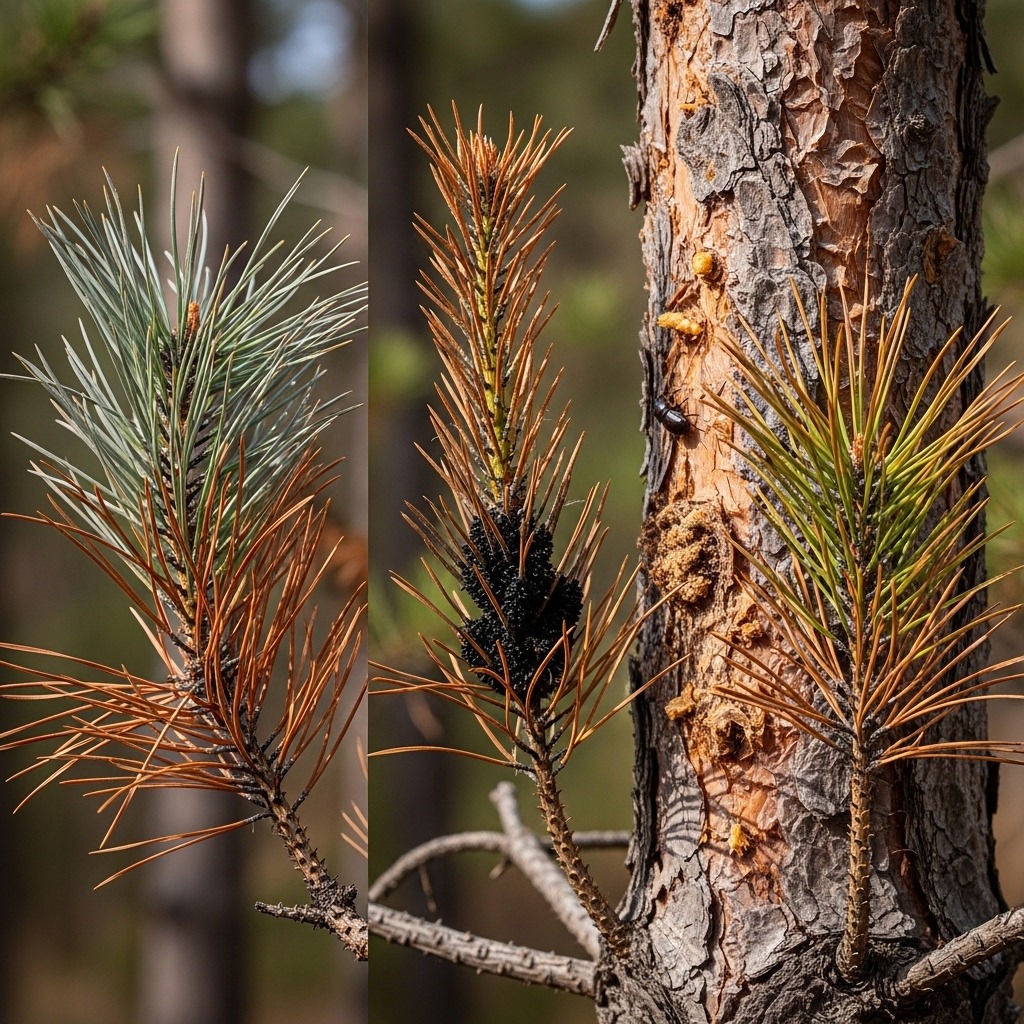
Pine trees are beautiful and resilient, but they can fall victim to several diseases. Identifying these diseases early is key to keeping your pines healthy and thriving. Let’s explore the symptoms, prevention methods, and treatment options for common pine tree diseases.
Symptoms of Pine Tree Diseases
Knowing the signs of pine tree diseases can help you act quickly. Here are some common symptoms to watch for:
- Needle Discoloration: Needles may turn yellow, brown, or even fall off.
- Bark Damage: Look for soft, discolored areas or oozing sap.
- Stunted Growth: Trees may stop growing or develop a sparse canopy.
- Fungal Growth: White, gray, or black fungal structures can appear on the bark or needles.
Prevention Methods
Preventing diseases is easier than curing them. Here are some straightforward methods to keep your pine trees healthy:
- Proper Spacing: Ensure adequate air circulation between trees.
- Watering Wisely: Avoid overwatering, which can lead to root rot.
- Regular Inspections: Check for pests and diseases regularly.
- Healthy Soil: Use nutrient-rich soil to strengthen tree health.
Treatment Options
If your pine tree shows signs of disease, don’t panic! Here are some effective treatment options:
- Fungicides: Use fungicides specifically formulated for the type of fungus affecting your tree.
- Pruning: Remove infected branches to prevent the spread of disease.
- Soil Amendments: Improve soil drainage and nutrient levels to support recovery.
- Professional Help: If unsure, consult an arborist for advanced treatments.
Quick Reference Checklist
- Identify Symptoms: Look for discoloration, bark damage, stunted growth, or fungal growth.
- Prevent: Space trees, water wisely, inspect regularly, and maintain healthy soil.
- Treat: Apply fungicides, prune infected areas, amend soil, or seek professional help.
Flowchart for Identifying and Treating Common Diseases
“`plaintext
1. Observe tree for symptoms
├─ Yes: Proceed to step 2
└─ No: Continue regular care
2. Identify symptoms
├─ Needle discoloration: Consider fungal infection
├─ Bark damage: Check for pests or rot
└─ Stunted growth: Assess soil conditions
3. Apply appropriate treatment
├─ Fungicides: For fungal infections
├─ Pruning: For infected branches
└─ Consult an arborist: If unsure
“`
By recognizing symptoms early and employing preventative measures, you can help your pine trees stay healthy and beautiful for years to come!
Pictures of Pine Trees
Pine trees are not just beautiful; they’re also diverse! In this section, we’ll showcase a variety of pine trees along with their identifying features. Get ready to explore these fantastic trees through pictures!
Pictures by Region
Pine trees thrive in many regions, each with unique species. Here are some examples:
- Eastern Pine: Look for the Eastern White Pine. It has long, soft needles and can grow quite tall.
- Western Pine: The Ponderosa Pine has thick, orange-brown bark and long needles in bundles of three.
Pictures of Common Pine Species
Here are a few common pine species and their characteristics:
- Scots Pine: Known for its tall, straight trunk and reddish-brown bark. The needles are long and twisted.
- Norway Pine: Features dark green needles and grows in clusters of two. It’s great for timber!
Pictures of Rare Pine Species
Rare pine species are fascinating and worth knowing:
- Singleleaf Pinyon: This unique pine has only one needle per fascicle. It’s easily recognizable and often found in arid regions.
- Lacebark Pine: Characterized by its exfoliating bark that reveals a mottled pattern. It’s a showstopper!
Here’s a handy checklist to identify pine trees visually:
| Pine Species | Needle Arrangement | Cone Shape | Distinctive Feature |
|---|---|---|---|
| Scots Pine | Long, twisted needles | Conical | Reddish-brown bark |
| Singleleaf Pinyon | Single needle per fascicle | Small, rounded | Unique needle arrangement |
| Lacebark Pine | Needles in fascicles of three | Cylindrical | Exfoliating bark |
Feel free to submit your own pictures of pine trees! Share your experiences and help others identify these majestic trees.
Ecological Importance of Pine Trees
Pine trees play a vital role in our ecosystems. They support biodiversity, improve soil health, and contribute to carbon sequestration. Let’s explore how these majestic trees benefit the environment.
Biodiversity Boosters
Pine trees create habitats for various wildlife. Birds, insects, and mammals thrive in pine forests. Here are some key points:
- Nesting Sites: Many birds build nests in the branches of pine trees.
- Food Sources: Pine seeds are a nutritious food source for squirrels and birds.
- Insect Habitats: Pine trees host insects like bark beetles, which are food for woodpeckers and other predators.
Soil Health Heroes
Pine trees also enhance soil quality. Their needles decompose slowly, enriching the soil with nutrients. This process benefits other plants and helps prevent erosion. Consider these aspects:
- Needle Mulch: Pine needles act as a natural mulch, retaining moisture and suppressing weeds.
- Mycorrhizal Relationships: Pine roots form partnerships with fungi, improving nutrient absorption for both organisms.
Carbon Sequestration Champions
Pine trees are champions of carbon capture. They absorb carbon dioxide during photosynthesis, helping combat climate change. A few facts to consider:
- Long Lifespan: Many pine species can live for several decades, storing carbon over a long period.
- Large Biomass: The volume of wood in a mature pine tree means it can store significant amounts of carbon.
Practical Implications
If you’re considering planting pine trees, think about their ecological roles. Choose species native to your region to support local wildlife. Here’s a quick checklist to guide your planting decisions:
- Select Native Species: Look for pine species that naturally thrive in your area.
- Consider Wildlife Needs: Ensure the selected trees provide food and shelter for local animals.
- Plan for Soil Impact: Evaluate how the trees will affect soil health in your garden or landscape.
Pine trees do much more than just look good. They are essential players in the ecosystem, supporting life and improving our environment.
Conclusion
As we wrap up this guide on pine trees, we hope you feel more informed and inspired. From identifying different types to understanding their diseases, pine trees are fascinating and vital parts of our ecosystem.
Key Takeaways
- Identification: Look for needle arrangements and cone shapes to identify various pine species. For example, the Singleleaf Pine has a unique single needle per fascicle.
- Types of Pine Trees: Familiarize yourself with different types such as Eastern White Pine, Ponderosa Pine, and Black Pine. Each has distinct features and habitats.
- Diseases: Be aware of common diseases like Pine Beetle infestations and Rust. Early detection is key to managing their impact.
Engaging with Pine Trees
- Participate in Local Programs: Join community forestry programs to plant and care for local pine trees. This not only supports your environment but also fosters community spirit.
- Explore Your Local Species: Take a nature walk and observe the pine trees in your area. Try to identify them using what you’ve learned!
Pine trees are not just beautiful; they play crucial roles in our ecosystems. Engage with them, learn more, and help protect these magnificent giants!
Frequently Asked Questions
These quick answers cover the most common questions about this topic, including key details, practical tips, and common concerns.
How to identify pine tree diseases?
To identify pine tree diseases, look for symptoms like needle discoloration, abnormal needle drop, or unusual growths on bark. Fungal infections often cause patches of mold or oozing sap, while pests may create holes or tunnels. Regular inspections help catch issues early. Consulting with an arborist can confirm diagnoses and recommend treatments.
How do I identify what kind of pine tree I have?
Identify your pine by examining its needles, cones, and bark. Count the needles per fascicle—two, three, or five—and note their length and texture. Observe cone shape and size, as well as bark color and pattern. Comparing these features with regional species guides can help pinpoint the exact type.
What tree smells like vanilla?
The vanilla-scented tree is the Balsam Fir, not a pine but a coniferous tree. Some pine species, like the Longleaf Pine, have a resinous, sweet aroma that can resemble vanilla. However, if you’re specifically looking for a vanilla scent, the Balsam Fir is most well-known for its pleasant vanilla-like smell.
Can pine trees cause eczema?
Pine trees themselves do not directly cause eczema. However, exposure to pine pollen, sap, or dust from pine needles can trigger allergic reactions in sensitive individuals. If you have eczema or allergies, limit contact with pine pollen and wash skin thoroughly after handling pine wood or needles.
When is the best time to plant pine trees?
The optimal time to plant pine trees is during early spring or fall when temperatures are mild. This allows roots to establish before extreme heat or cold. Avoid planting in the peak of summer or winter to reduce stress on the young trees and ensure better survival rates.
How do I check for pine tree diseases?
Regularly inspect your pine trees for signs like needle discoloration, cone deformities, or bark lesions. Look for fungal growth, pest activity, or abnormal sap flow. Early detection through visual checks and monitoring environmental conditions helps prevent severe damage.
What are the most common diseases affecting pine trees?
Common pine diseases include Pine Pitch Canker, Dothistroma Needle Blight, and Pine Wilt Disease. Symptoms vary but often involve needle browning, cankers on the trunk, or rapid decline. Proper care, good sanitation, and timely treatment can help manage these issues.
Can pine trees thrive in urban areas?
Yes, many pine species adapt well to urban environments, especially those tolerant of pollution and compacted soil. Varieties like the Eastern White Pine or Mugo Pine are popular in city landscapes. Ensure proper spacing and soil conditions for healthy growth.