
The Douglas squirrel, scientifically known as Tamiasciurus douglasii, is an agile rodent renowned for its unique mating behaviors and ecological role in the Pacific Northwest. This guide will explore its fascinating characteristics, habitat preferences, and social structure, providing a comprehensive overview of this captivating species.
Understanding the Douglas Squirrel’s Unique Characteristics
The Douglas squirrel, or Tamiasciurus douglasii, stands out in the rodent world for its agility and distinctive behaviors. Let’s dive into its scientific classification, physical traits, and its essential role in the ecosystem.
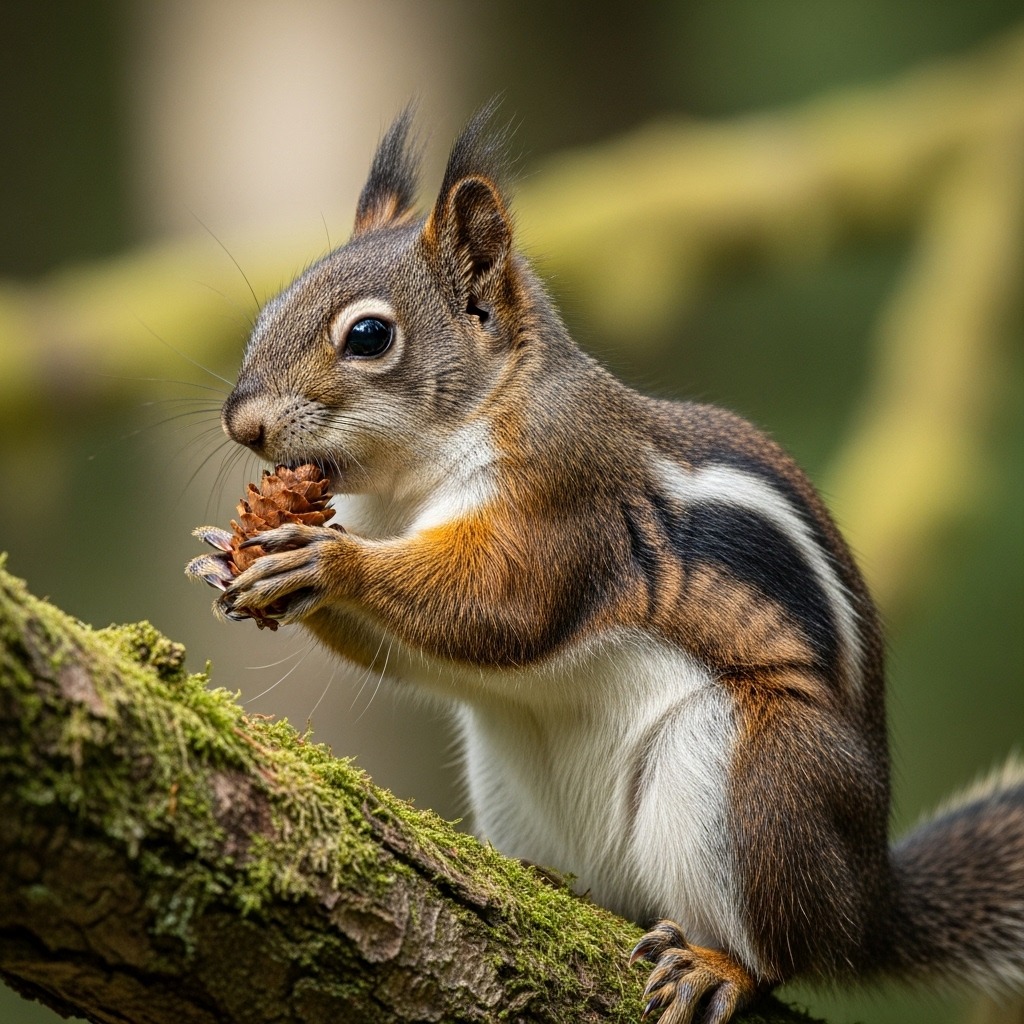
Scientific Classification and Physical Description
The Douglas squirrel belongs to the Sciuridae family. This little critter is often found in the lush coniferous forests of the Pacific Northwest. Here’s a quick look at its physical characteristics:
- Size: Grows up to 37 cm (14 inches) long, including its bushy tail.
- Coat: Has a brownish-gray back, with a tawny-orange belly. In summer, it flaunts a dark line along its sides, while its winter coat becomes more gray with less visible orange.
- Distinct Features: Small ear tufts appear in winter, and its tail is broad and bushy, helping it balance while navigating trees.
These traits help the Douglas squirrel thrive in its habitat, making it a master at climbing and leaping through the trees.
Ecological Role of the Douglas Squirrel
Douglas squirrels play a vital role in forest ecosystems. They contribute significantly to seed dispersal, helping maintain the health of their habitats. Here are some of their key ecological contributions:
- Seed Dispersal: As they gather cones and seeds, they inadvertently spread them across the forest. This helps new trees grow, ensuring a vibrant ecosystem.
- Fungal Relationships: They consume various fungi, aiding in the distribution of fungal spores. This interaction supports mycorrhizal networks, which are crucial for tree health.
- Territorial Behavior: These squirrels are quite territorial, especially during the fall. They defend their food caches vigorously, ensuring they have enough supplies for winter.
Understanding the Douglas squirrel’s unique characteristics highlights its importance in the ecosystem and its fascinating social behaviors, especially during mating season.
Mating Behavior and Reproductive Cycle of Douglas Squirrels

Douglas squirrels have some fascinating mating behaviors that set them apart. Their unique courtship rituals and reproductive cycles are essential for their survival and the health of their populations.
Table of Contents
Courtship Rituals and Mating Strategies
When it’s time to mate, male Douglas squirrels get quite vocal. They use a variety of calls to attract females. These sounds include chattering, screeches, and even rattles. It’s like their own little love song!
Once a male catches the attention of a female, a courtship dance begins. They chase each other around trees, climbing and jumping with agility. This display not only showcases their fitness but also helps establish a bond between the pair.
- Breeding Season: Mating typically occurs from March to June. During this time, couples become more social.
- Monogamous Pairing: Douglas squirrels often form monogamous pairs for the breeding season. They may mate once or even have a second litter later in the year.
Litter Size and Parental Care
After a successful mating, the female’s gestation lasts about 36 to 40 days. She usually gives birth to a litter of 4 to 6 young. Here’s where things get interesting!
- Newborns: The babies are born blind and hairless but grow quickly. Within a few weeks, they develop fur and open their eyes.
- Mother’s Role: The mother plays a crucial role in nurturing her young. She frequently moves them to different nests to keep them safe from predators.
- Independence: Young squirrels typically become independent by 7 to 9 months old.
This reproductive strategy ensures that the next generation is well-prepared for life in the wild. The nurturing care of the mother helps increase survival rates, making this species resilient in its environment.
Overall, the mating behaviors and parental care of Douglas squirrels highlight their adaptability and importance in the ecosystem.
Habitat Preferences and Dietary Habits of the Douglas Squirrel
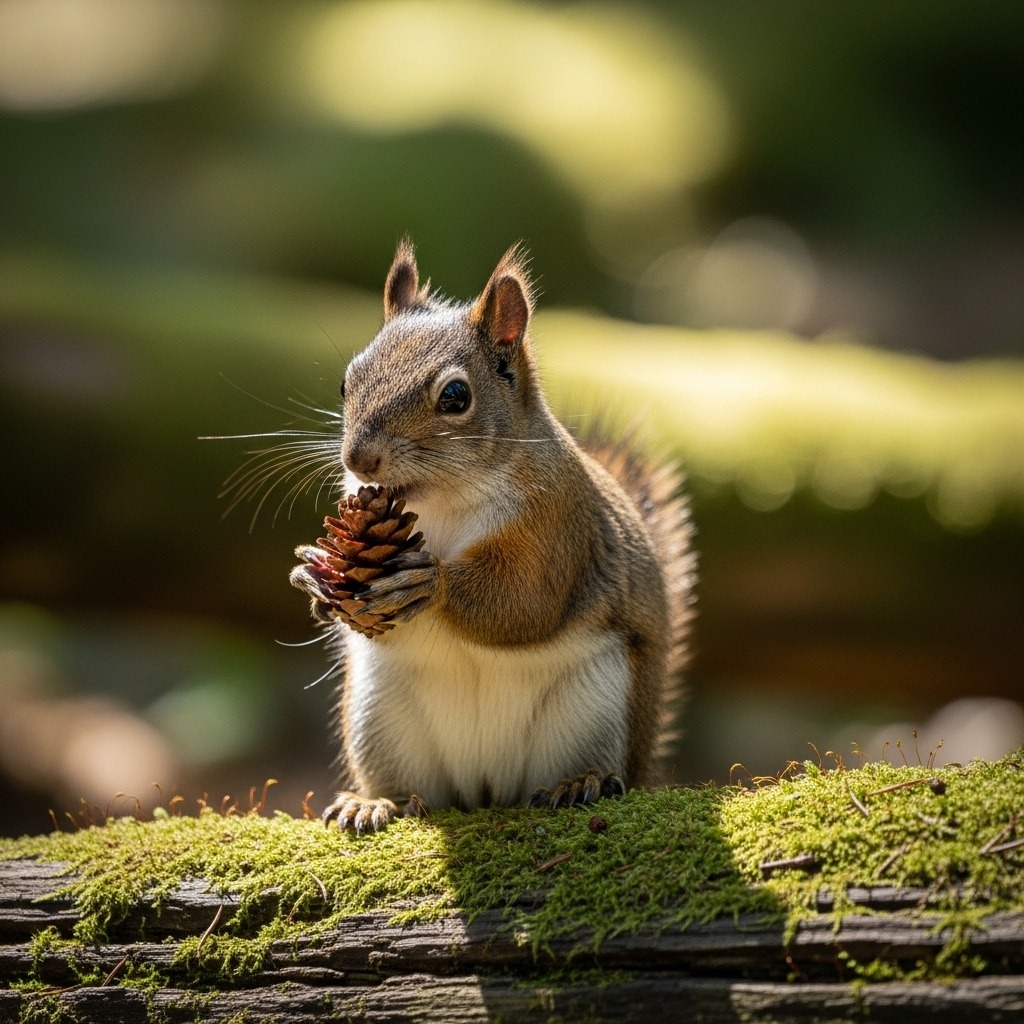
Douglas squirrels are agile critters that thrive in specific habitats. They prefer coniferous forests, where they can find ample food and shelter. Their unique dietary habits also play a crucial role in their survival and the health of their ecosystem.
Preferred Habitats of Douglas Squirrels
Douglas squirrels love the Pacific Northwest. Here are their favorite spots:
- Coniferous Forests: They primarily inhabit areas filled with pine trees, such as Douglas firs, Sitka spruces, and shore pines.
- Tree Cavities: These squirrels make their homes in tree hollows and high nests, called dreys.
- Middens: You’ll often find evidence of their presence in food storage areas, where they stash away seeds and cones.
This habitat choice is vital. It provides food, safety from predators, and places to raise their young. However, habitat loss due to logging and development poses a significant threat to their populations.
Foraging Behavior and Diet
Douglas squirrels are resourceful foragers. They have a varied diet that mainly consists of:
- Pine Seeds: A staple in their diet, they love the seeds from conifer cones.
- Fungi: They munch on mushrooms and truffles, sometimes drying them for later use.
- Berries and Fruits: Seasonal treats like berries and fruits add variety to their meals.
- Nuts and Insects: Occasionally, they’ll snack on nuts, bird eggs, or even insects.
These squirrels are known as larder hoarders. They gather and store food in one place, which they protect fiercely. This behavior not only helps them survive the winter but also contributes to forest health. Forgotten seeds can sprout into new trees, enhancing biodiversity.
Their foraging habits are closely tied to their habitat. When forests are healthy, Douglas squirrels thrive. When habitat changes occur, such as deforestation, their food sources dwindle. This can lead to decreased populations, affecting the whole ecosystem.
So, the Douglas squirrel is not just a cute face in the trees; it’s a vital player in forest ecosystems, helping to maintain the balance of life.
Social Structure and Territorial Behavior in Douglas Squirrels
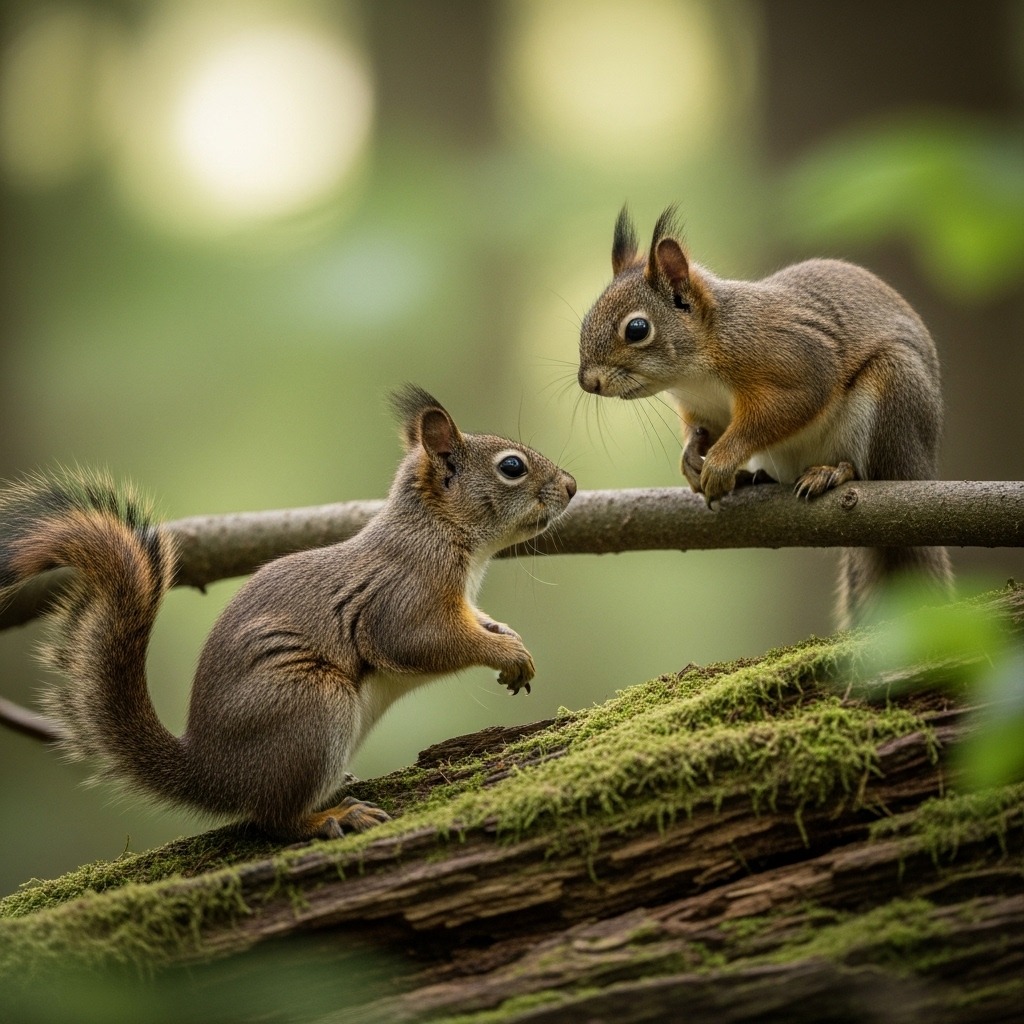
Douglas squirrels have a fascinating social structure. They are known for their strong territorial behavior and unique interactions with one another. Let’s dive into how these agile rodents assert their space and communicate.
Territoriality and Social Interactions
Douglas squirrels are very territorial. Outside of the breeding season, they prefer to be solitary. Each squirrel typically occupies a territory of about 10,000 square meters. During the breeding season, mated pairs defend a shared territory together.
Here’s how their territorial behavior plays out:
- Fierce Defenders: They protect their area from intruders. This helps ensure they have enough resources.
- Nesting: They build nests high in trees, known as dreys, which they fiercely guard.
- Generational Habitats: While they may live alone, multiple generations can share the same area. However, they use different nesting sites based on the season.
These behaviors are crucial for their survival. By defending their territory, they secure food sources and nesting sites.
Vocalizations and Communication
Communication is key for Douglas squirrels. They are quite vocal and use a variety of sounds to express themselves.
Here’s what you need to know about their vocalizations:
- Chatter and Calls: They produce chattering sounds and screeches, especially when warning others of danger.
- Courtship Sounds: During mating season, their calls become more complex, enhancing courtship displays.
- Territorial Markers: Vocalizations can also mark boundaries and establish dominance.
These communication methods not only help them interact with one another but also play a role in their social structure. Understanding these sounds can provide insights into their behavior and interactions with both their kind and potential threats.
Douglas squirrels are more than just cute critters in the trees. Their social structure and territorial behaviors highlight their important roles in forest ecosystems.
Conservation Status and Threats Facing Douglas Squirrels
Douglas squirrels are facing several challenges that threaten their populations. Habitat loss, climate change, and human interactions are major factors impacting their survival.
Threats to Douglas Squirrel Populations
- Habitat Loss: As forests are cleared for agriculture and urban development, Douglas squirrels lose their homes. This forces them into closer contact with humans, leading to increased conflicts.
- Climate Change: Changes in temperature and precipitation patterns affect the availability of conifer seeds, their primary food source. This can disrupt their feeding and breeding cycles.
- Human Interaction: In suburban areas, they might raid bird feeders or damage gardens. This can lead to negative perceptions and control measures against them.
Douglas squirrels are territorial and require specific habitats for foraging and nesting. When these areas are compromised, it impacts their behavior and reproduction.
Conservation Efforts and Future Outlook
Conservation efforts are crucial for maintaining Douglas squirrel populations. Here are some current strategies:
- Habitat Restoration: Replanting native conifer species can help restore their natural habitat.
- Public Awareness: Educating communities about the importance of Douglas squirrels can reduce conflicts and promote coexistence.
- Research Initiatives: Ongoing studies help identify the impacts of climate change on their diets and habitats.
Experts suggest that proactive measures are needed to mitigate threats. For instance, creating wildlife corridors can help connect fragmented habitats, allowing squirrels to thrive.
Frequently Asked Questions
These quick answers cover the most common questions about this topic, including key details, practical tips, and common concerns.
Are Douglas squirrels good pets?
Douglas squirrels are wild animals and are not suitable as pets. They have specific habitat needs and complex behaviors that are difficult to replicate in captivity. Keeping them as pets is often illegal and can harm their health and well-being.
Why are squirrels so active in October?
In October, squirrels become more active because they are gathering and storing food for winter. This period, called “hyperphagia,” involves intense foraging to build up fat reserves and food caches. They also prepare their nests for cold months.
What is a chickaree?
A chickaree is another name for the Douglas squirrel. It is a colloquial term commonly used in the Pacific Northwest. The name reflects local dialects and is often heard in regions where these squirrels are prevalent.
Is squirrel mating aggressive?
Squirrel mating can involve chasing and vocal displays, but it is generally not aggressive. Males often compete for females through vocalizations and territorial behaviors. Actual physical fights are rare and mostly occur during disputes over territory.
How do Douglas squirrels communicate?
Douglas squirrels communicate using a variety of vocalizations, including chattering, screeches, and rattles. These sounds serve different purposes, such as warning of predators, attracting mates, or marking territory. They also use body language like tail flicks and posturing.
What do Douglas squirrels eat?
Their diet mainly includes pine seeds, fungi, berries, and nuts. They are known for hoarding food in caches, which helps them survive winter. They may also consume insects and bird eggs occasionally.
Where can I find Douglas squirrels?
Douglas squirrels are primarily found in coniferous forests of the Pacific Northwest, including parts of California, Oregon, and Washington. They prefer areas with dense pine, fir, and spruce trees, often in national parks and protected forests.
What is the lifespan of a Douglas squirrel?
In the wild, Douglas squirrels typically live around 5 to 7 years. Factors like predation, habitat quality, and food availability influence their lifespan. In captivity, they can sometimes live longer with proper care.
What should readers know about their seed dispersal mechanisms and impact on forest regeneration?
Douglas squirrels play a vital role in forest regeneration by dispersing seeds. When they gather cones and forget some caches, these seeds can sprout into new trees. This natural seed dispersal helps maintain healthy conifer forests and biodiversity.
What should readers know about their vocalizations and communication methods, including examples of calls and their functions?
Their calls include chattering and screeches used for warning others of predators or establishing territory. During mating season, their vocalizations become more frequent and complex, aiding in courtship. These sounds are essential for social interactions and survival.