
The Spotted Owl, a medium-sized bird native to North America’s mature forests, is known for its distinctive appearance and vocalizations. This guide covers essential facts about their distribution, habitat preferences, diet, and more, providing a comprehensive understanding of this endangered species.
Overview of the Spotted Owl
The Spotted Owl is a fascinating bird known for its striking appearance and unique habitat needs. Let’s dive into its scientific classification and general characteristics.
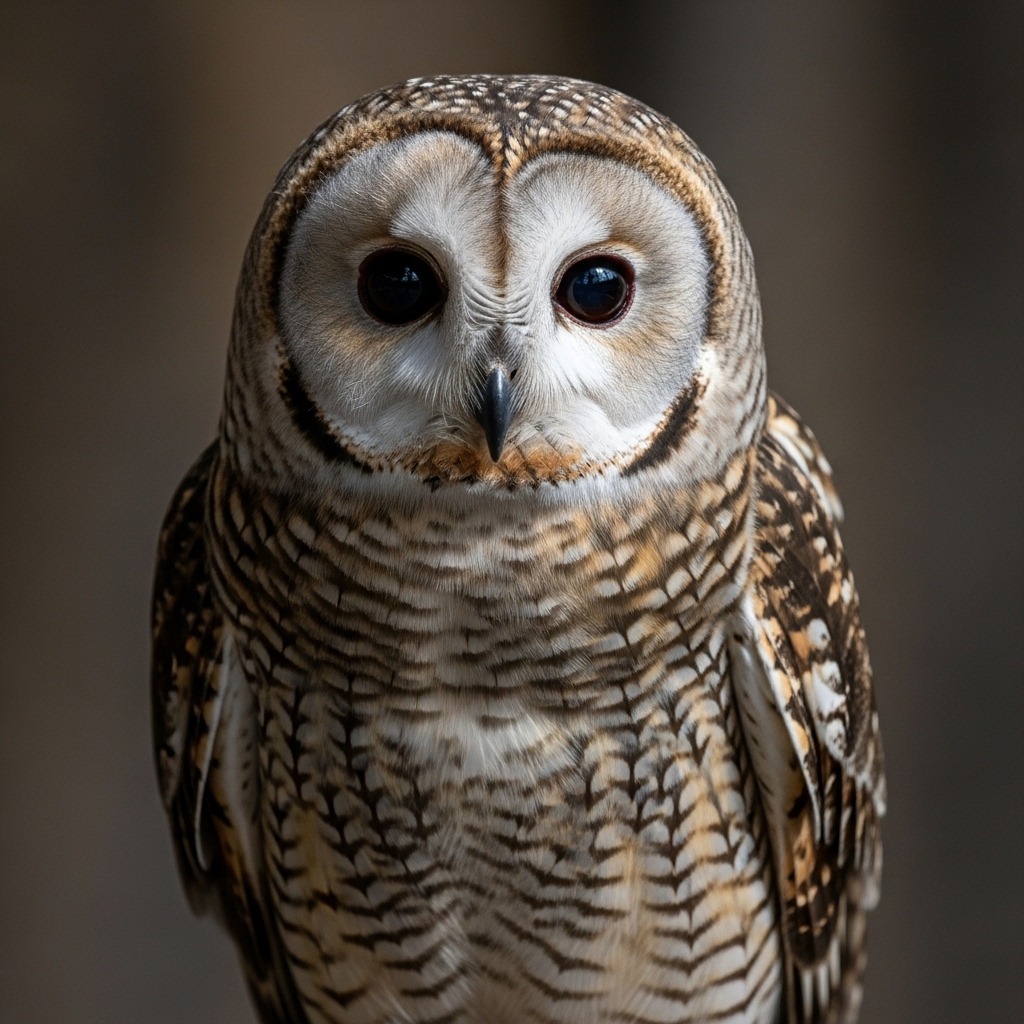
Scientific Classification
The Spotted Owl belongs to the Strigidae family, which is the family of true owls. Here’s a quick breakdown of its classification:
- Common Name: Spotted Owl
- Scientific Name: Strix occidentalis
- Family: Strigidae
- Order: Strigiformes
This classification places the Spotted Owl among other owls, but it stands out due to its specific habitat requirements and threats it faces.
General Characteristics
Spotted Owls are medium-sized birds, typically measuring about 43 cm (17 in) in length. They have a wingspan of around 114 cm (45 in) and weigh approximately 600 g (1.3 lb). Here are some key features:
- Plumage: They sport mottled brown and white feathers, which help them blend into their forest surroundings.
- Eyes: Their large dark eyes provide excellent night vision.
- Vocalizations: Known for their distinct calls, Spotted Owls have a series of hoots that resonate through their forest homes.
Subspecies
There are three main subspecies of the Spotted Owl:
1. Northern Spotted Owl (Strix occidentalis caurina) – Found in the Pacific Northwest.
Table of Contents
2. California Spotted Owl (Strix occidentalis occidentalis) – Inhabits California.
3. Mexican Spotted Owl (Strix occidentalis lucida) – Lives in the desert Southwest and parts of Mexico.
Each subspecies has slightly different habitat preferences and conservation statuses, with the Northern and Mexican Spotted Owls facing more significant threats.
Unique Adaptations
Spotted Owls are specialized hunters. They rely heavily on old-growth forests for nesting and hunting. Their diet mainly consists of small mammals, birds, and insects. This specialization makes them sensitive to changes in their environment, particularly habitat loss.
For example, climate change is altering forest structures, which could further threaten their already dwindling populations. Spotted Owls are also affected by competition with the more aggressive Barred Owl, leading to a decline in their numbers.
By understanding these characteristics, we can appreciate the Spotted Owl’s role in the ecosystem and the importance of conservation efforts.
Distribution and Habitat of the Spotted Owl
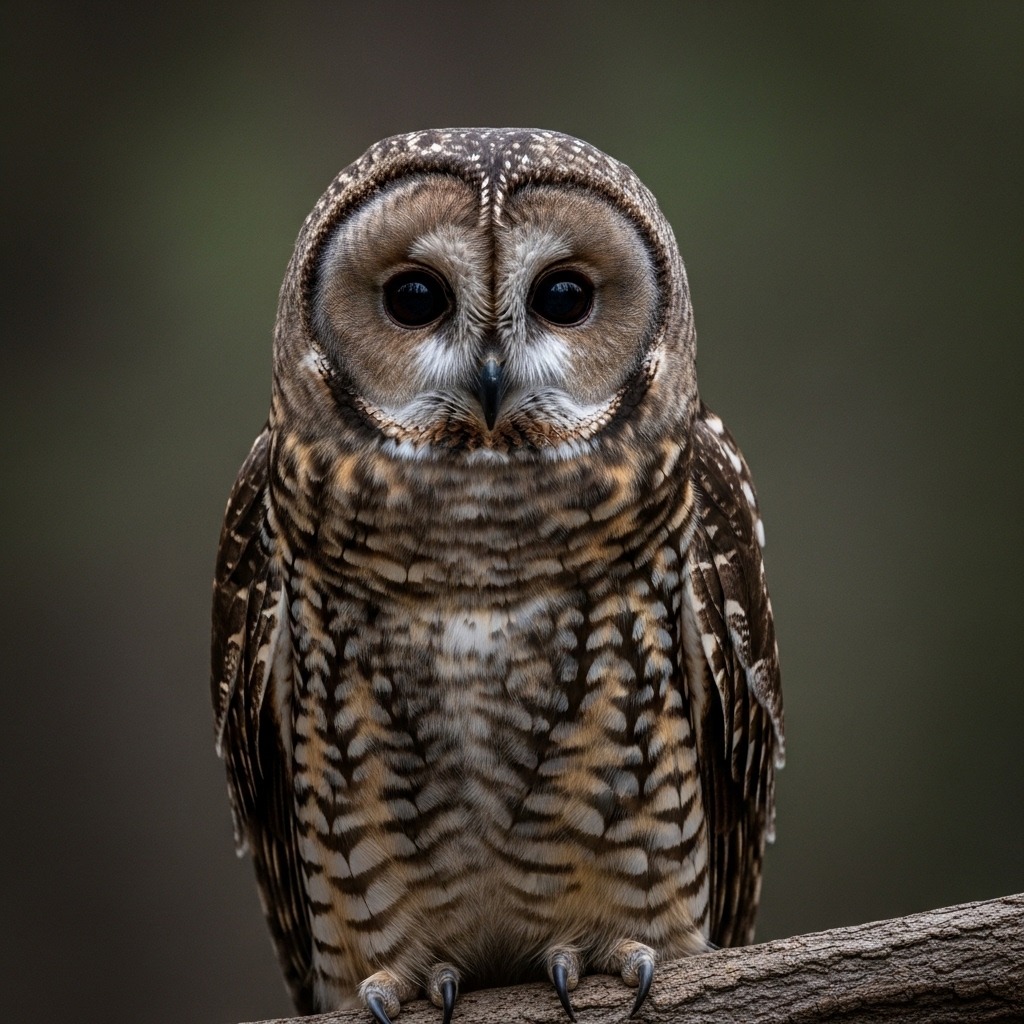
The Spotted Owl is a fascinating bird that thrives in specific habitats across North America. Understanding where they live and what kind of environments they prefer is crucial for their conservation.
Geographic Range
The Spotted Owl has three main subspecies, each with its own unique range:
- Northern Spotted Owl: Found from southwestern British Columbia down through Washington, Oregon, and into northern California.
- California Spotted Owl: Inhabits California, particularly in the Sierra Nevada and coastal mountain ranges.
- Mexican Spotted Owl: Lives in disjunct populations across the Southwestern U.S., including Utah, Arizona, and New Mexico, extending into western Mexico.
These owls prefer mature forests that offer the right conditions for nesting and hunting.
Preferred Habitat Types
Spotted Owls favor specific habitat characteristics:
- Mature Forests: They thrive in old-growth conifer or pine-oak forests. These areas provide ample nesting sites and hunting grounds.
- Canopy Cover: A dense canopy with over 40% cover is ideal, often reaching up to 70%. This helps them evade predators and find food.
- Proximity to Water: Near water sources is a common trait of their habitats. This aids in hunting and supports the ecosystem.
Threats to Habitat
Unfortunately, Spotted Owls face several threats that impact their habitats:
- Habitat Loss: Logging and land development reduce their living space. The destruction of old-growth forests directly affects their survival.
- Competition: The Barred Owl, a more aggressive species, competes for resources and habitat, further endangering Spotted Owl populations.
- Climate Change: Changes in climate are reshaping forest structures. This could lead to further habitat loss and challenges for the Spotted Owl.
Understanding these factors is essential for effective conservation efforts. Supporting habitat preservation initiatives can make a real difference for the Spotted Owl’s future.
Diet and Feeding Behavior

Spotted Owls are skilled hunters with a diet that varies by subspecies and habitat. They primarily feed on small mammals, but their menu can include a variety of other creatures. This adaptability is key to their survival.
Primary Diet Components
The Spotted Owl’s diet largely consists of:
- Rodents: Wood rats and voles are favorites.
- Birds: They may snack on smaller birds.
- Insects: Occasionally, they will eat insects and amphibians.
- Bats: Flying mammals are also on the menu.
The specific components can vary depending on the availability of prey in their habitat. For instance, the Northern Spotted Owl often has a diet richer in small mammals compared to its Mexican counterpart, which may have a more diverse diet due to different environmental factors.
Hunting Techniques
Spotted Owls are nocturnal hunters. They usually hunt by perching silently and waiting for their prey to come into view. Once they spot something, they swoop down using their strong talons to catch it. Their hunting techniques include:
- Silent Flight: Their wing structure allows for quiet approaches.
- Perch-and-Wait: They often sit on high branches to survey their surroundings.
- Swift Attacks: Once a target is identified, they can dive quickly to capture it.
This method is effective in dense forests where visibility is limited.
Feeding Habits
Spotted Owls prefer to hunt in areas with abundant cover. They need mature forests that provide both hunting grounds and nesting sites. Their feeding habits are closely tied to their habitat, as they rely on:
- Mature Forests: These areas provide the necessary cover for hunting.
- Proximity to Water: Many prey species thrive near water sources.
- Seasonal Variations: Changes in food availability can influence their hunting patterns throughout the year.
Interestingly, studies show that climate change impacts their prey availability, which can lead to shifts in feeding behavior. For instance, if a particular rodent species declines due to environmental changes, Spotted Owls may need to adapt by targeting different prey. This adaptability is crucial for their survival in changing ecosystems.
Vocalizations and Calls of the Spotted Owl
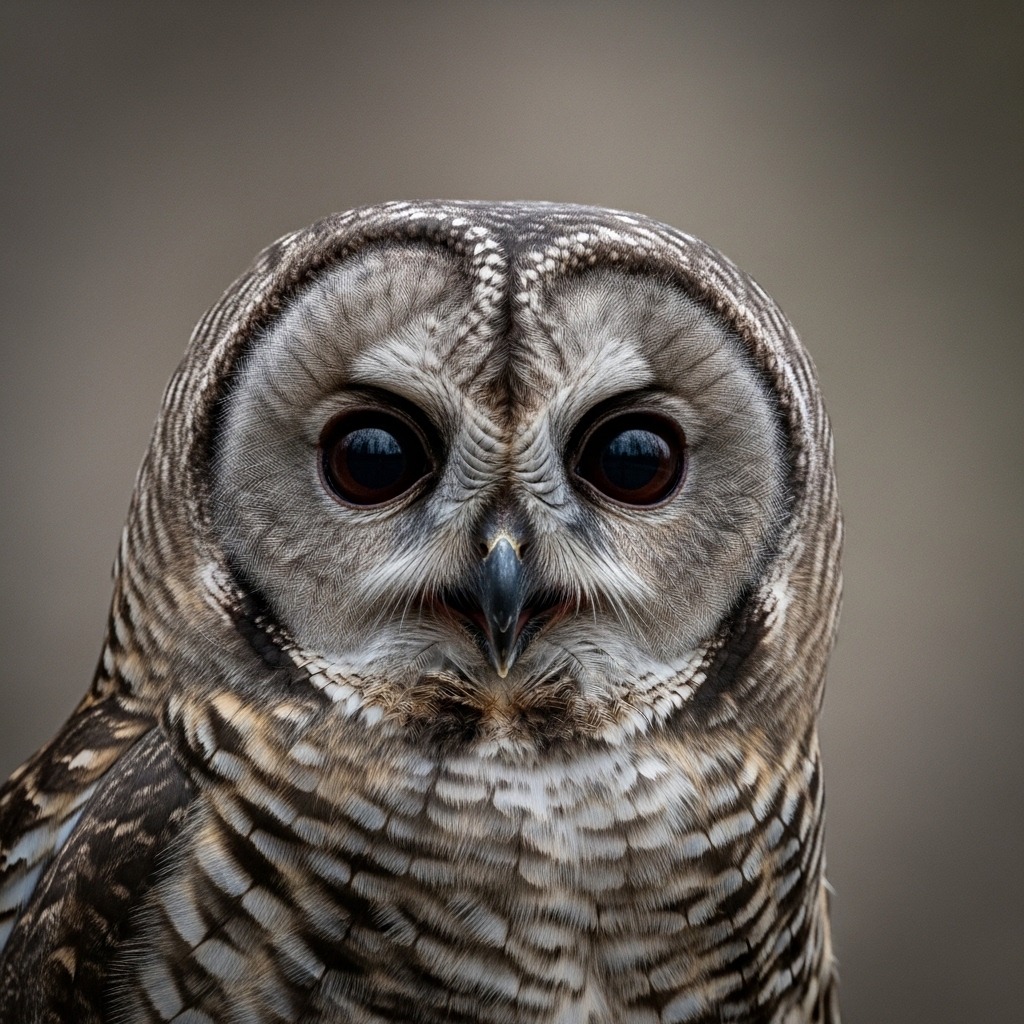
Spotted Owls are known for their distinct calls. These vocalizations play a crucial role in their communication, especially during mating season and territorial disputes. Let’s dive into the types of calls they make and what they mean!
Types of Calls
Spotted Owls produce several calls, each serving a specific purpose. Here are the main types:
- Hoots: The most recognizable sound. Males hoot to establish territory and attract mates. It often sounds like “whoo, whoo, whoo.”
- Barks: Short, sharp sounds. Used as alarm calls to warn others of potential threats.
- Chirps: Soft, high-pitched notes. These are often used between mates or during interactions with young owls.
Communication Functions
Each call has its own significance in Spotted Owl communication:
- Territorial Marking: Males use hoots to claim their area and deter intruders. This helps maintain their breeding territory.
- Mating Rituals: During courtship, both males and females will hoot to each other, strengthening their bond.
- Parental Communication: Parents use chirps to communicate with their chicks. This keeps the young ones aware of their surroundings and helps guide them.
Fun Fact
Did you know that the frequency and intensity of these calls can change based on environmental conditions? For example, during quiet nights, their calls may be louder and more frequent to ensure they can be heard over longer distances.
To truly appreciate these vocalizations, listening to recordings can be insightful. Try to find audio samples of Spotted Owl calls to enhance your understanding!
Conservation Status and Threats
The Spotted Owl is facing some serious challenges. Their populations are declining, and they need our help. Let’s dive into their conservation status and the threats they face.
Endangered Status
The Spotted Owl is listed as near threatened by the International Union for Conservation of Nature (IUCN). This designation highlights the urgency of their situation. There are three main subspecies: the Northern Spotted Owl, California Spotted Owl, and Mexican Spotted Owl. All these subspecies face significant risks, especially in the U.S., where the Northern and Mexican varieties are classified as threatened under the Endangered Species Act.
Key Threats
Several factors contribute to the decline of the Spotted Owl:
- Habitat Loss: Logging and land development have destroyed much of their mature forest habitat. These owls thrive in old-growth forests, which are becoming scarce.
- Competition with Barred Owls: The Barred Owl, a more aggressive species, has been encroaching on the Spotted Owl’s territory. This competition for food and space puts additional pressure on their populations.
- Wildfire: While wildfires are a natural part of many ecosystems, severe and frequent fires can devastate the habitats Spotted Owls depend on. Interestingly, some studies suggest that mixed-severity fires might actually benefit them, but the overall risk remains high.
Conservation Efforts
Various initiatives aim to protect Spotted Owls and their habitats:
- Habitat Protection: Efforts include designating critical habitats where logging and development are restricted. For example, millions of acres of critical habitat have been set aside for the Northern Spotted Owl.
- Community Involvement: Local communities are increasingly involved in conservation. Citizen science projects allow people to monitor owl populations and habitats, fostering a connection with nature.
- Research and Monitoring: Ongoing studies help track population trends and the effectiveness of conservation strategies. For instance, some programs focus on the impact of climate change on their habitats, ensuring that conservation plans adapt as needed.
By understanding these threats and supporting conservation efforts, we can help secure a brighter future for Spotted Owls.
Pictures of the Spotted Owl
Get ready to feast your eyes on the stunning Spotted Owl! These beautiful birds are known for their unique markings and striking features. Let’s dive into some amazing images that showcase their beauty and behavior in the wild.
Stunning Spotted Owl Features
- Mottled Plumage: Their brown and white feathers blend perfectly with their forest habitat.
- Distinctive Facial Disk: The X-pattern of white feathers around their dark eyes is a standout feature.
- Size Variations: Depending on the subspecies, spotted owls can vary in size and coloration.
Behavior in the Wild
- Perched and Poised: Spotted Owls often sit quietly on tree branches, scanning their surroundings.
- In Flight: Watch for their graceful flight as they navigate through the trees.
- Nestlings: Adorable fluffy chicks can often be seen peeking out from their nests.
Visual Gallery
- Adult Spotted Owl: A majestic adult perched in a coniferous tree.
- Juvenile Spotted Owl: A fluffy chick surrounded by its nest.
- Hunting in Action: Captured mid-flight while hunting for small mammals.
These high-quality images not only highlight the physical characteristics of Spotted Owls but also their natural behaviors. Each picture tells a story of their life in the wild, reminding us of the importance of conserving their habitat.
Frequently Asked Questions
These quick answers cover the most common questions about this topic, including key details, practical tips, and common concerns.
What is the diet of the spotted owl?
The spotted owl primarily feeds on small mammals such as wood rats, voles, and mice. They also eat birds, insects, and occasionally bats. Their diet varies depending on habitat and prey availability, but they mainly hunt at night using silent flight.
What is the habitat of a spotted owl?
Spotted owls prefer mature forests with dense canopy cover, especially old-growth coniferous or mixed forests. They thrive in areas with plenty of large trees for nesting and hunting, often near water sources. Their habitat is mainly found in the Pacific Northwest, California, and parts of Mexico.
What bird is silent?
Many bird species are silent at times, but owls like the barn owl are known for their silent flight rather than silent calls. Spotted owls, however, are quite vocal, especially during the breeding season. If you’re asking about silent birds, some species of nightjars and certain waterfowl can be silent or have very soft calls.
What eats a spotted owl?
Predators of spotted owls include larger birds of prey such as great horned owls and hawks, as well as mammals like bobcats and foxes that may attack nestlings or eggs. Adult spotted owls are less vulnerable but can occasionally fall prey to these larger predators.
How do spotted owls communicate?
Spotted owls communicate mainly through hoots, barks, and chirps. Males use loud hoots to establish territory and attract mates, while females respond with softer calls. They also use vocalizations to communicate with their young and signal alarm or distress.
Why are spotted owls endangered?
They are endangered mainly due to habitat loss from logging and land development. Competition with the invasive barred owl and wildfires also threaten their populations. Their reliance on old-growth forests makes them particularly vulnerable to environmental changes.
What are the differences between spotted owl subspecies?
The Northern, California, and Mexican spotted owls differ in range, size, and habitat preferences. The Northern Spotted Owl inhabits the Pacific Northwest, while the California subspecies lives in Sierra Nevada forests. The Mexican Spotted Owl is found in southwestern U.S. and Mexico, often in drier, mountainous regions.
How do spotted owls hunt?
They hunt at night by perching silently and waiting for prey to come into view. Once they detect prey, they swoop down swiftly using their talons. Their excellent night vision and silent flight help them catch small mammals, birds, and insects efficiently.